Charles & Co
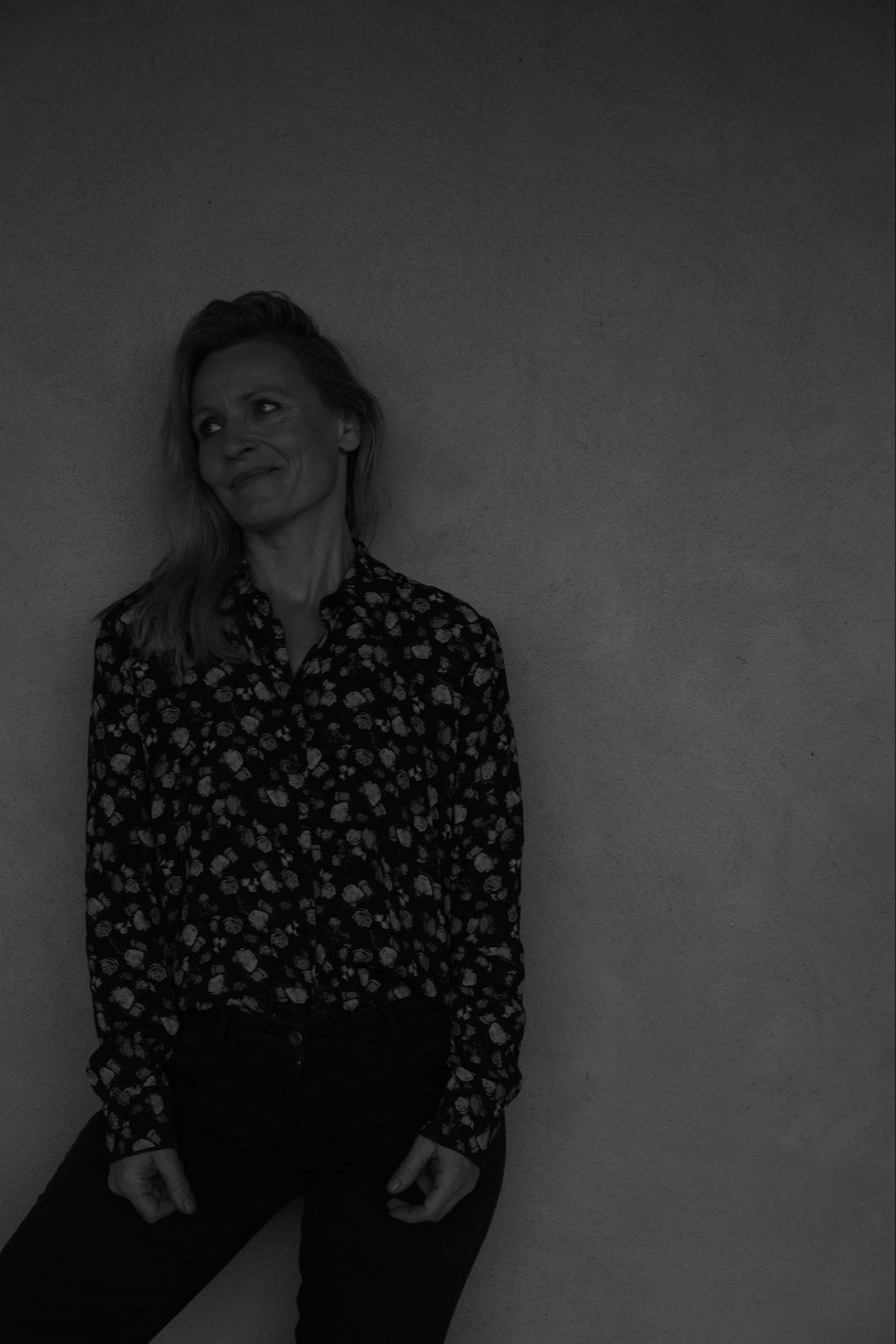
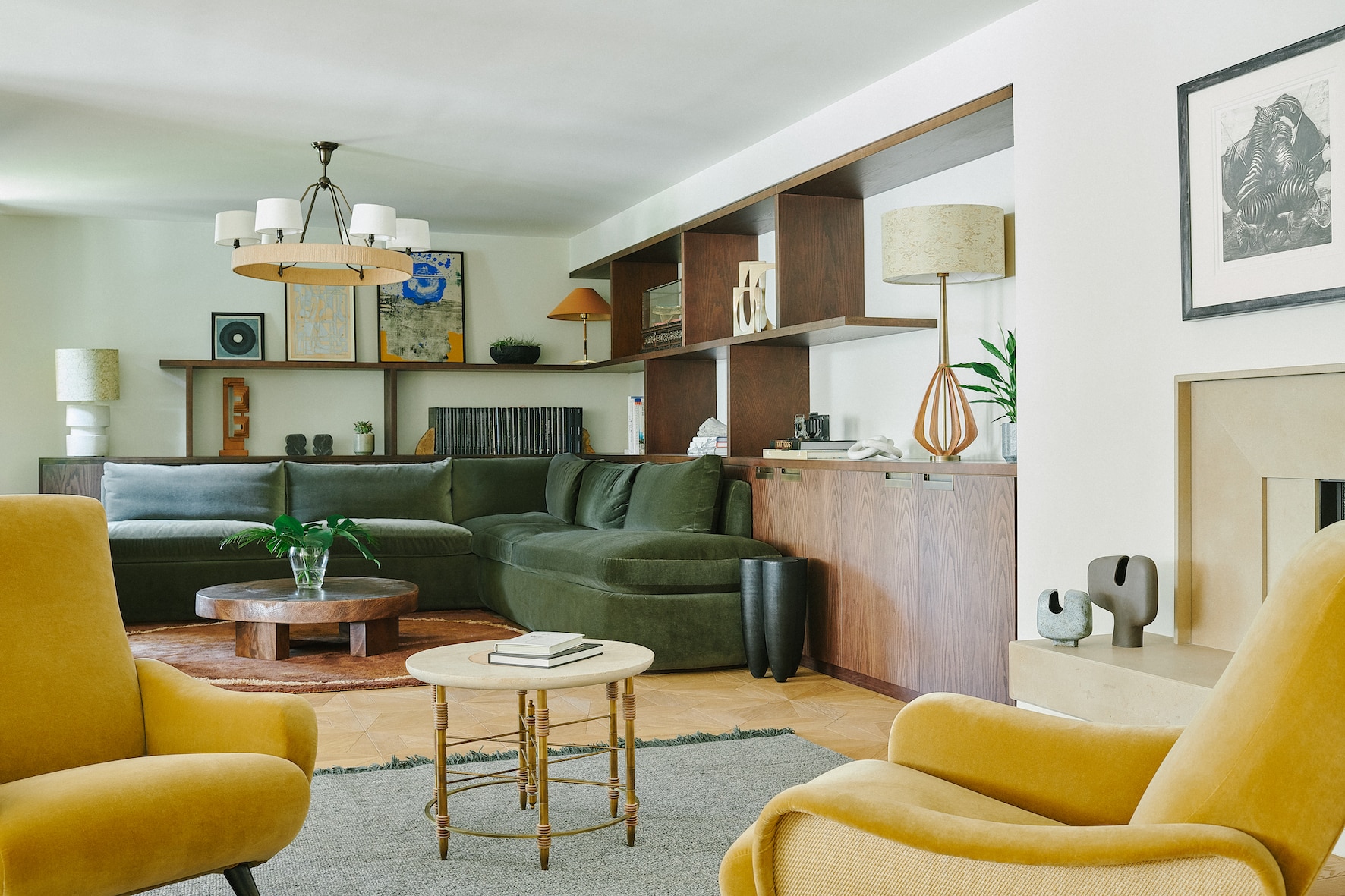
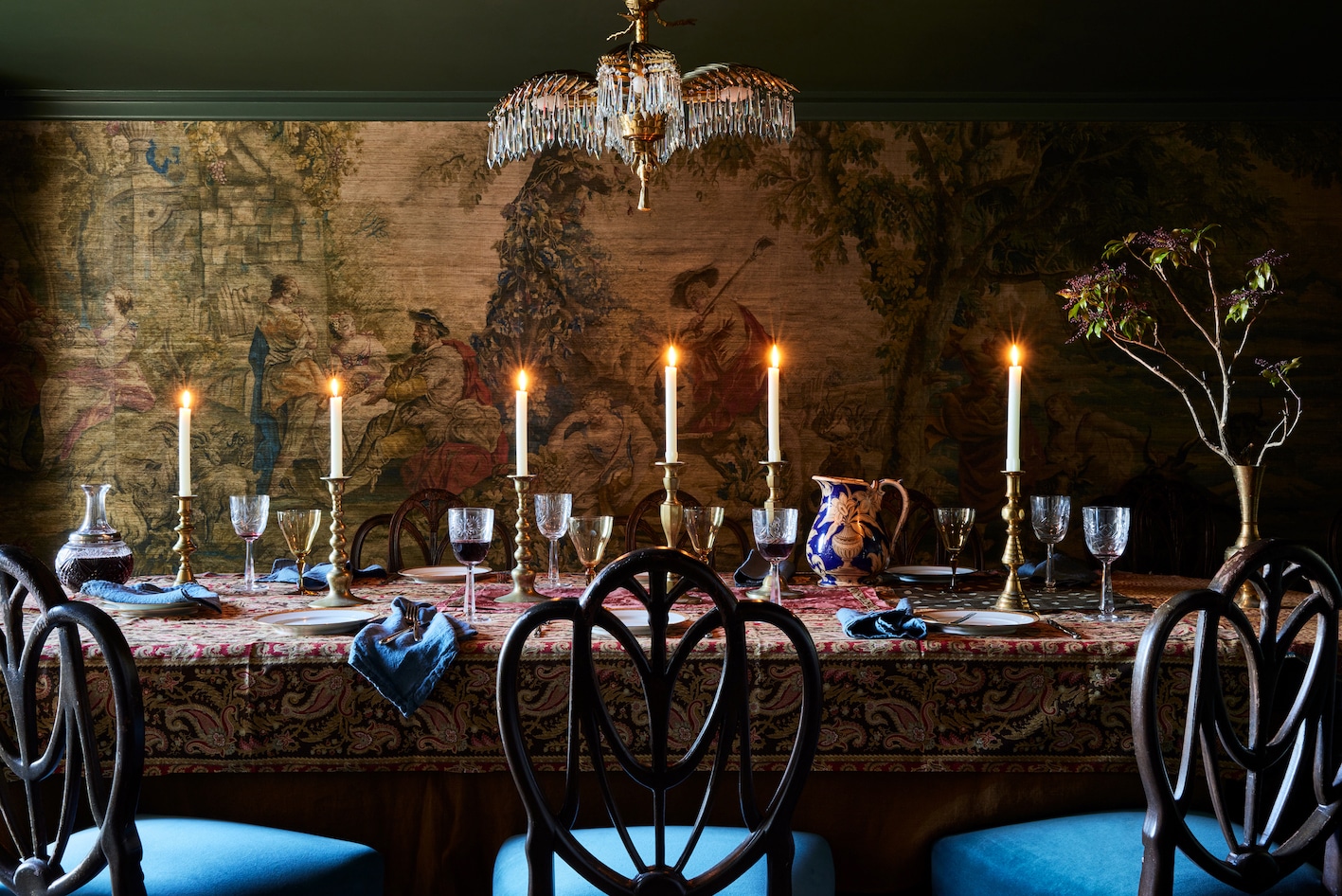
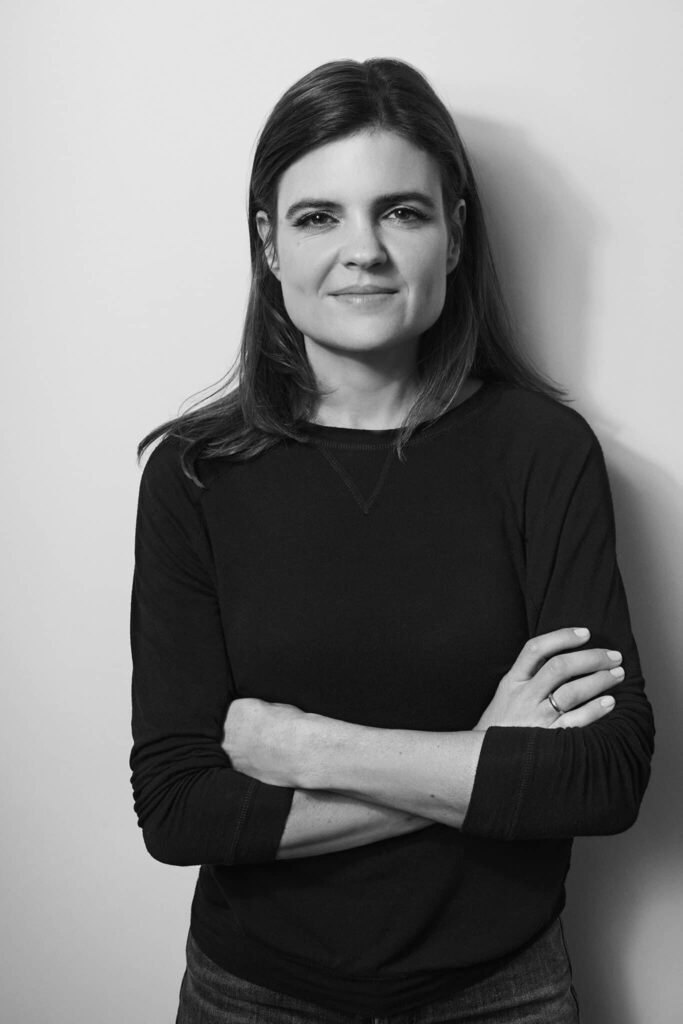
Charles & Co is an independent interior design business, founded in New York by Vicky Charles and Julia Corden. With over twenty years’ experience, defining the ‘home from home’ design aesthetic of Soho House, Vicky now leads a team of twenty, delivering bespoke interior schemes direct to clients. Specialising in interior and architectural design for new buildings and complete gut renovations, Charles & Co works collaboratively with the architect, contractor and client to guide each project, from inception to completion.
“Rooms to be lived in and to grow with your life.”
INTERVIEW

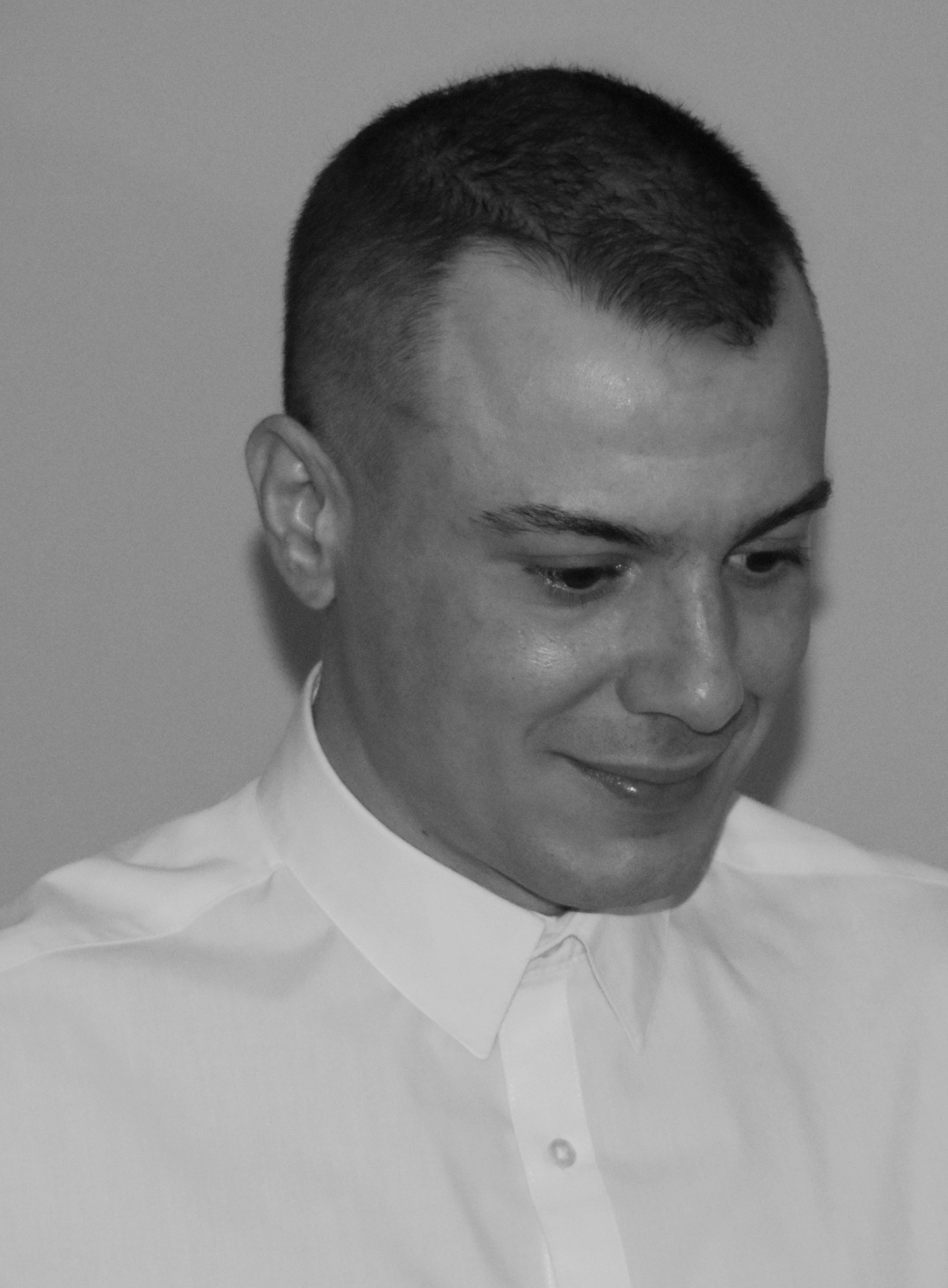
Photo by Shade Degges, Stylist Yedda Morrison
My heart always falls in love with a restoration and finding a place with old bones, and a soul that has been neglected and needs to be brought back to life. Buildings need people, and people need shelter, and leaving something for the next generation is a wonderful thing. I feel so lucky that I get to do this.
To renovate or build new requires patience; there will be hiccups in the process, and things don’t always go to plan. At some point, something will go wrong. Sometimes you have to communicate bad news, find solutions, and reassure clients that this pain will pass, and in the end, they’ll have a beautiful new home, which will be worth it.
Vicky Charles: I worked for Soho House, organizing their parties for the Oscars, Cannes Film Festival, and more. This naturally evolved into designing all their new projects. I learnt about budgets and timelines for events, and as a creative, becoming part of the design process was a natural progression for me.
Soho House Chicago was my first project to lead solo, and from there it steamrolled to becoming Design Director of Soho House, but deciding to leave and set up my own studio after nearly 20 years working with them was the defining moment of my career. I have more creative freedom and get to work with many more clients more intimately.
A client essentially becomes your muse when you are designing their home, so your relationship is important to be able to do your best for them. It is a respectful and trusting experience, and you have to understand each other so well that you know when to push each other to create the best work. Luckily, I have many repeat clients, with whom we mostly work again and again on multiple projects, and I’m very protective of these long-lasting relationships.
Your relationship with the client has to feel like a collaborative process. A project is successful when the client truly feels like their home, is unique to them, and that they designed and created it with you. And then asks you to do it again somewhere new.
Get off your screen. We work in a physical industry, and your relationships with people, whether electricians, upholsterers, or architects, not to mention clients, will help make you successful. Go out, talk to those who make beautiful things, touch materials, see colors in person. None of this is done with a device.
The process has to start with listening. It sounds obvious, but it’s not only the landscape or the building, but also understanding the client’s expectations and dreams for their future home. The building becomes the muse throughout the process. Words don’t always describe what you want a project to feel or look like, so we start collecting images and materials to create a visual narrative that is constantly being edited as we develop. The search for these images and materials is a new process for every client. It’s like a treasure hunt for ingredients to build something special and unique for the clients; it’s never the same process.
Depends, there are 3 types of typical days for me.
- A day in my studio at home, upstate New York, is where I schedule all the team and client Zooms. It’s peaceful as I have a fantastic view of the Catskills & the forest, and I take regular breaks walking my dogs rain or shine.
- If I am in our head office in NYC, which is more like a big sample library, I am working with the team, clients, or meeting new suppliers to look at materials. I hate sitting at a desk these days; it’s all about building schemes.
- I travel often to our projects and like to be there at key times, before demo, after demo, when framing is complete, as finishes are installed, and then as we finish and bring in the furniture, etc. This is when the magic happens, and I love this part of the process. We currently have projects in Italy, the UK, and the US, so I try to be efficient with my travel and to combine work and meeting new suppliers, as I hate being away from my family unnecessarily.

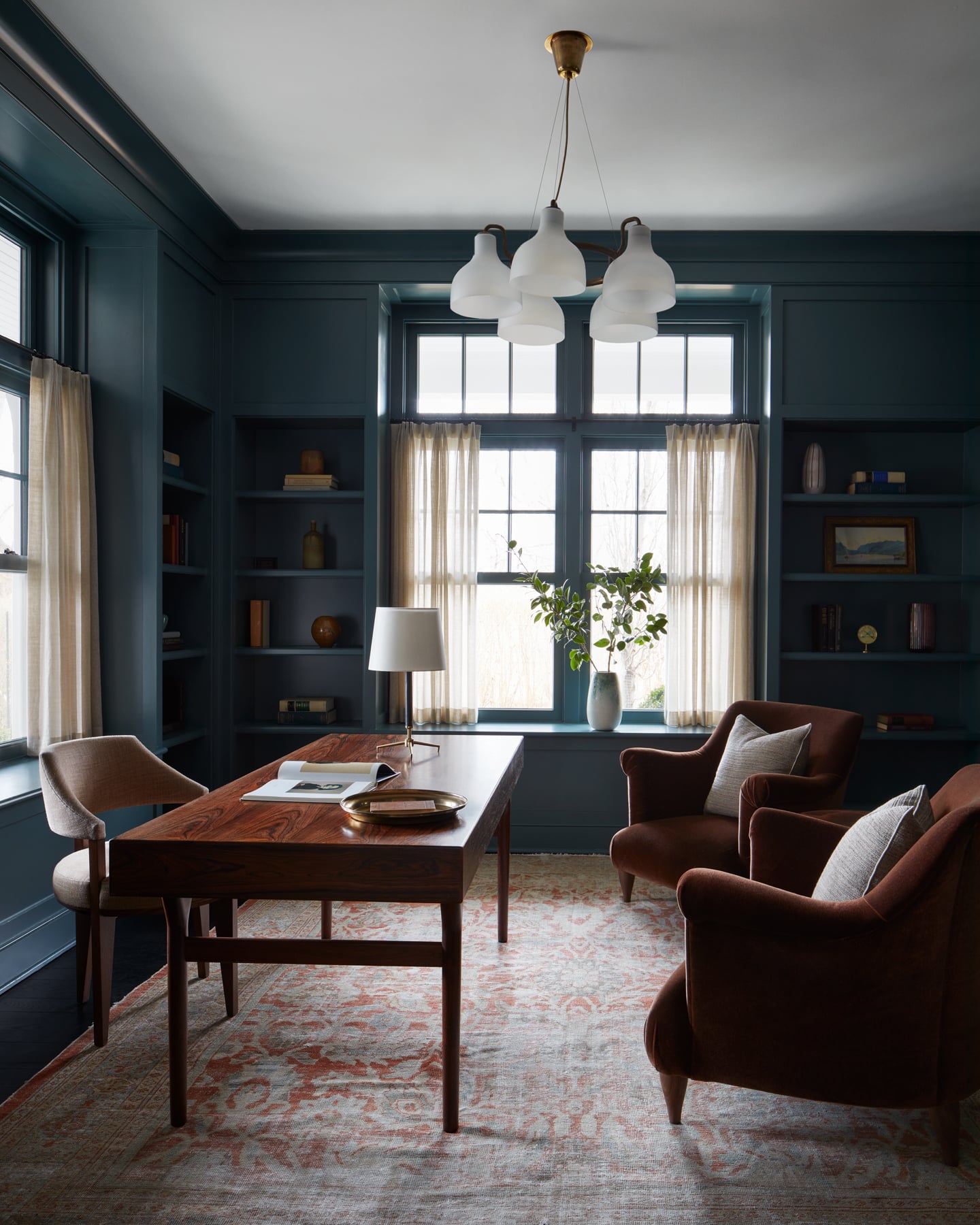
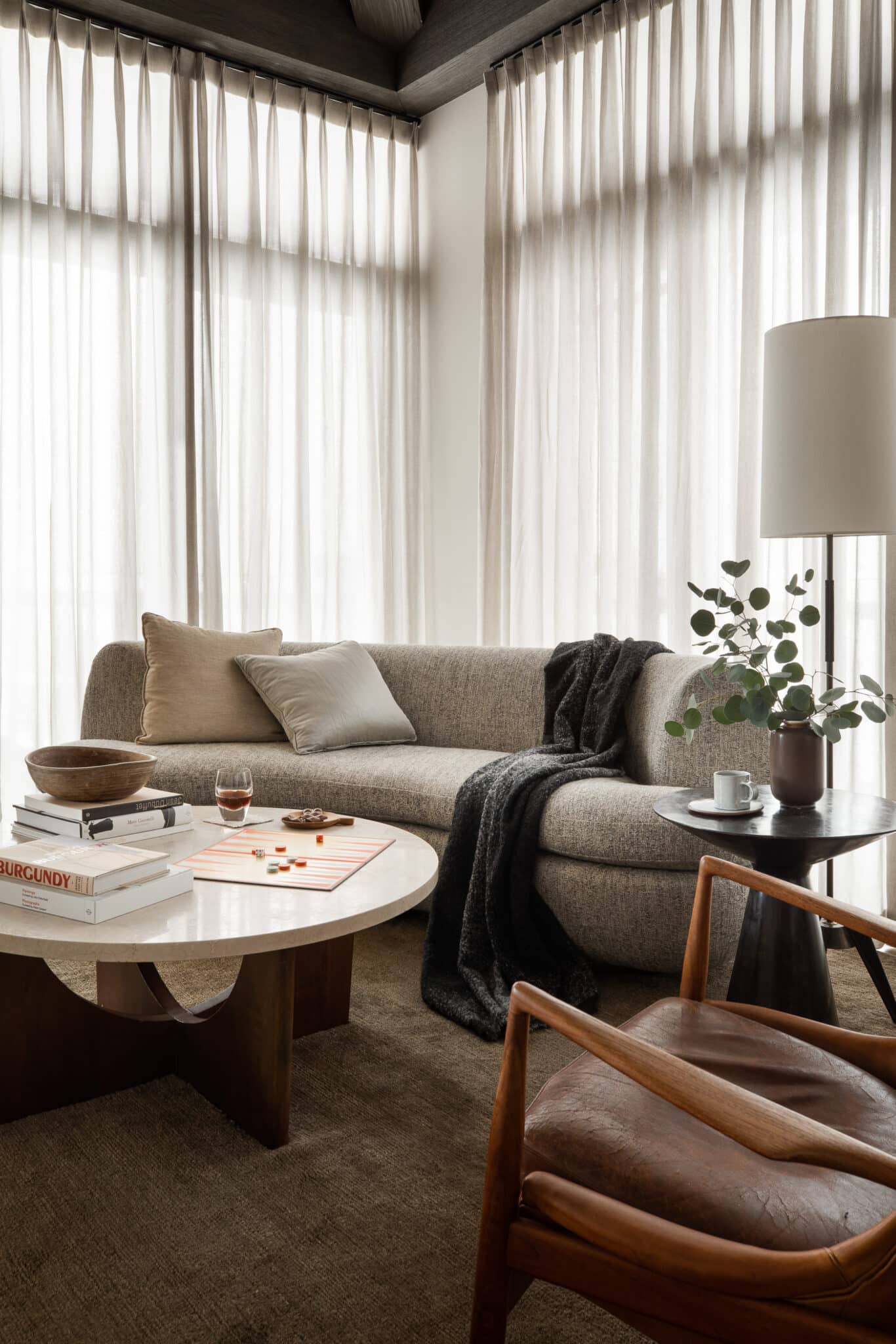
Photo by Shade Degges, Stylist Yedda Morrinson
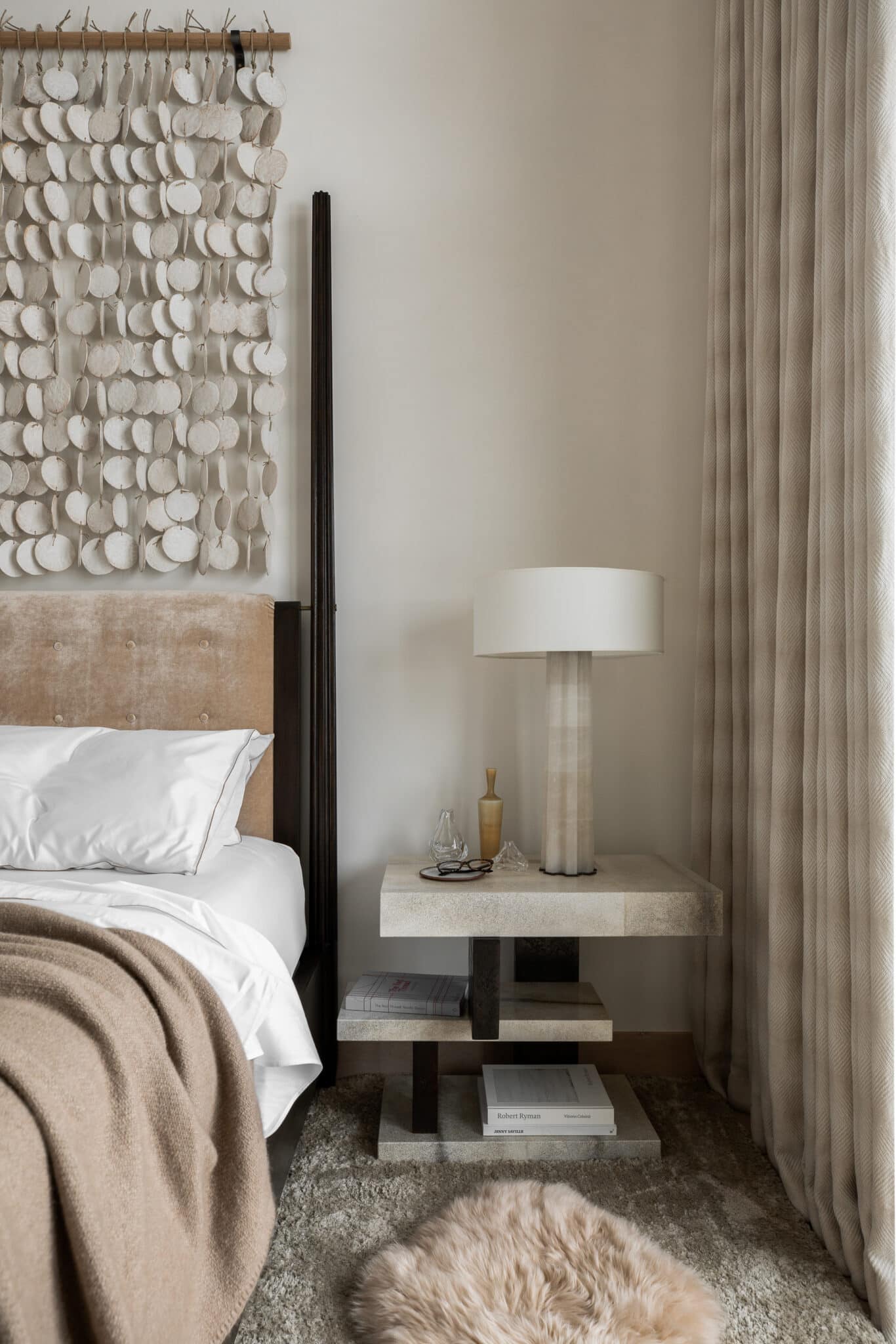
I love to visit marble yards, especially with clients, to see what colors they are instinctively drawn to. It’s fascinating. Also, getting the flooring correct is essential to the success of the project. The floor is the material you touch all the time, and if you get this wrong, nothing in the room will look right.

Photo by Douglas Friedman, Stylist Michael Reynolds
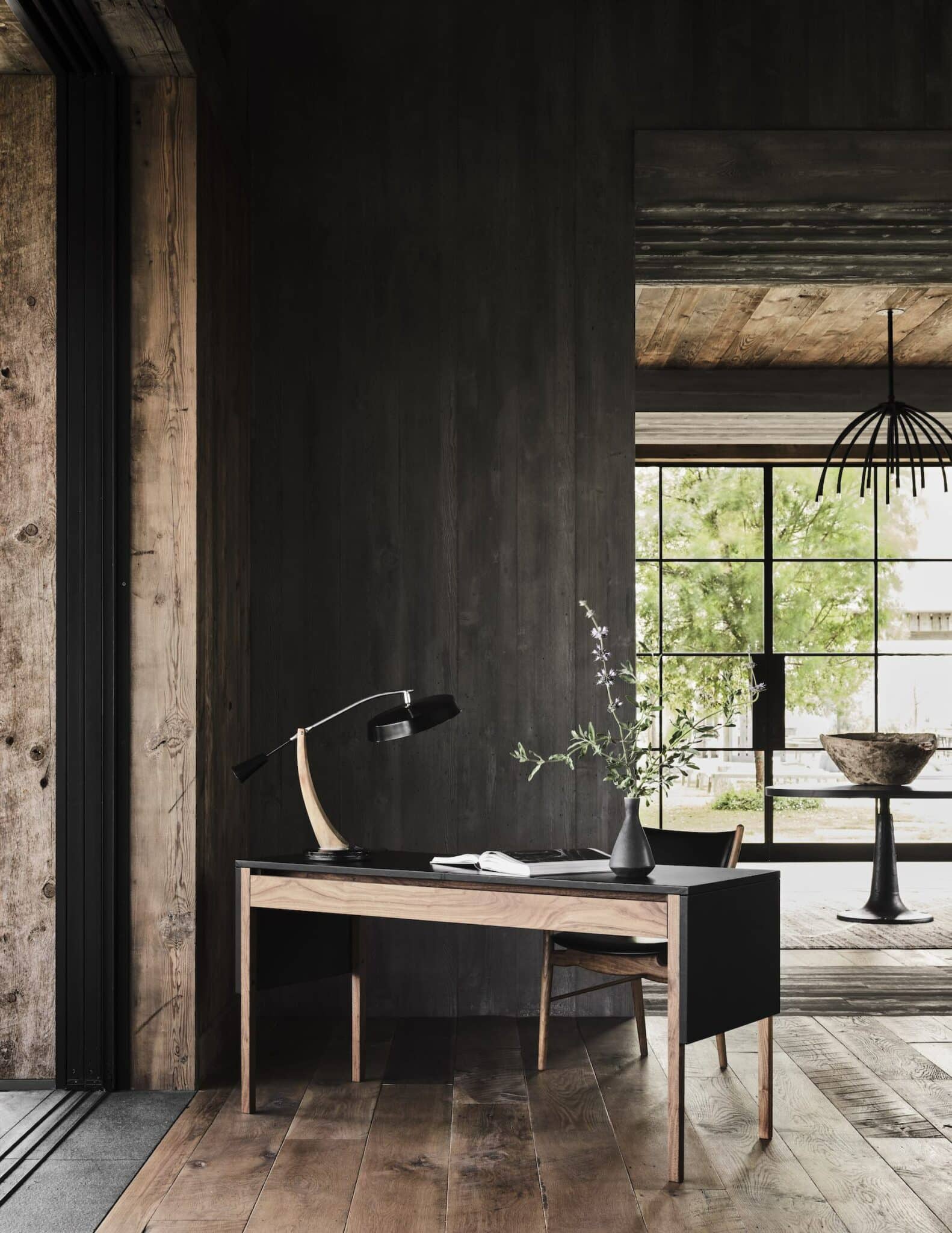
All the talented people on my team and I have wonderful friends in the industry, and sharing ideas is the most inspirational way to work. I love being pushed to do better by everyone I work with, and the best work comes from collaborating with others I respect and admire.
Ilse Crawford is a big influence, and we share the same ethos, putting the human experience at the center of design. I understand how much more successful a project is when the interior designer works with the architect from the very first step of the process. In our roles, we sometimes see things differently, but when we come together, we create the best work. Ilse really talked about this openly and showed me that this was the only way to work.
Rooms to be lived in and to grow with your life.
The Architecture of Happiness by Alain de Botton is essential for anyone who is aware of the effect of their environment on their feelings.
Thank you so much Vicky, for this lovely interview!
Share article :