Altin
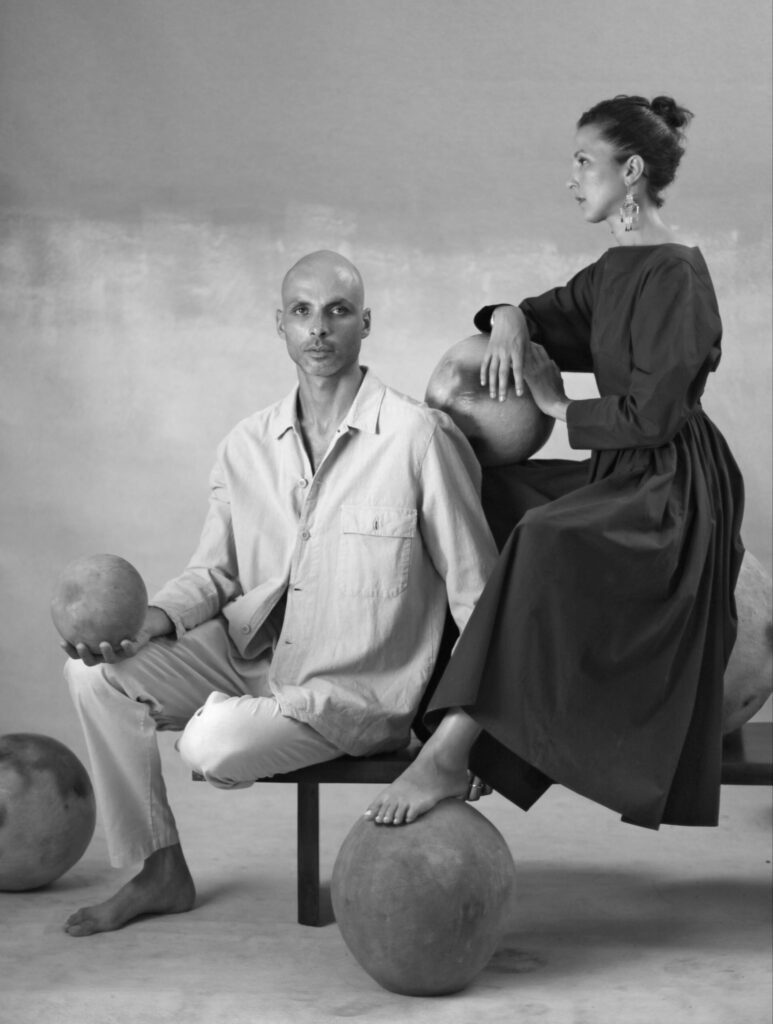
Altin Studio is a contemporary design practice founded by Yasmine, an interior designer trained at the École Nationale Supérieure des Arts Décoratifs de Paris (ENSAD), and Mehdi, a civil engineer educated at the Université de Bretagne Sud. Rooted in a deep appreciation for Tunisian craftsmanship, the studio draws inspiration from ancestral techniques, natural materials, and the cultural richness that has shaped the region throughout its history.
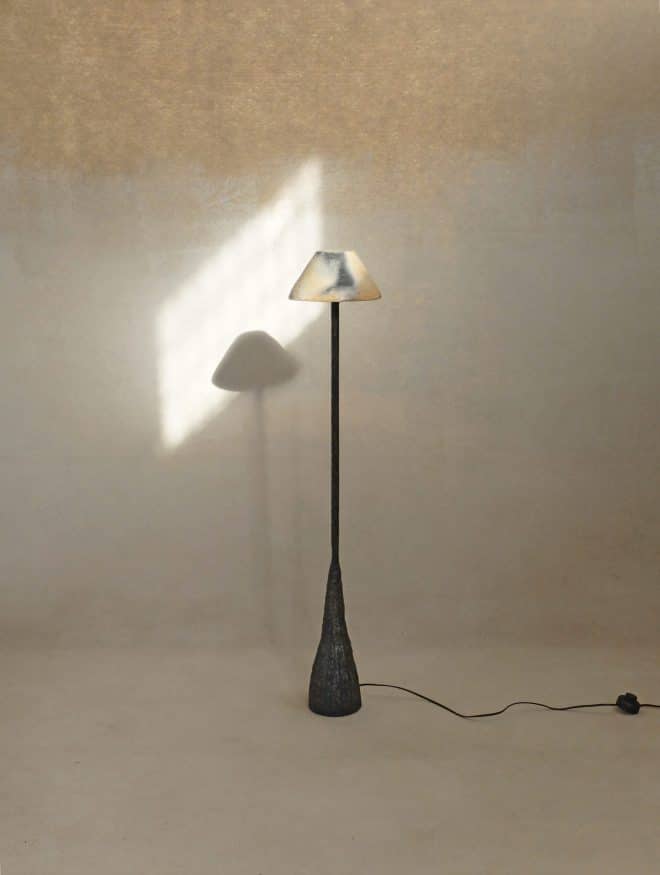
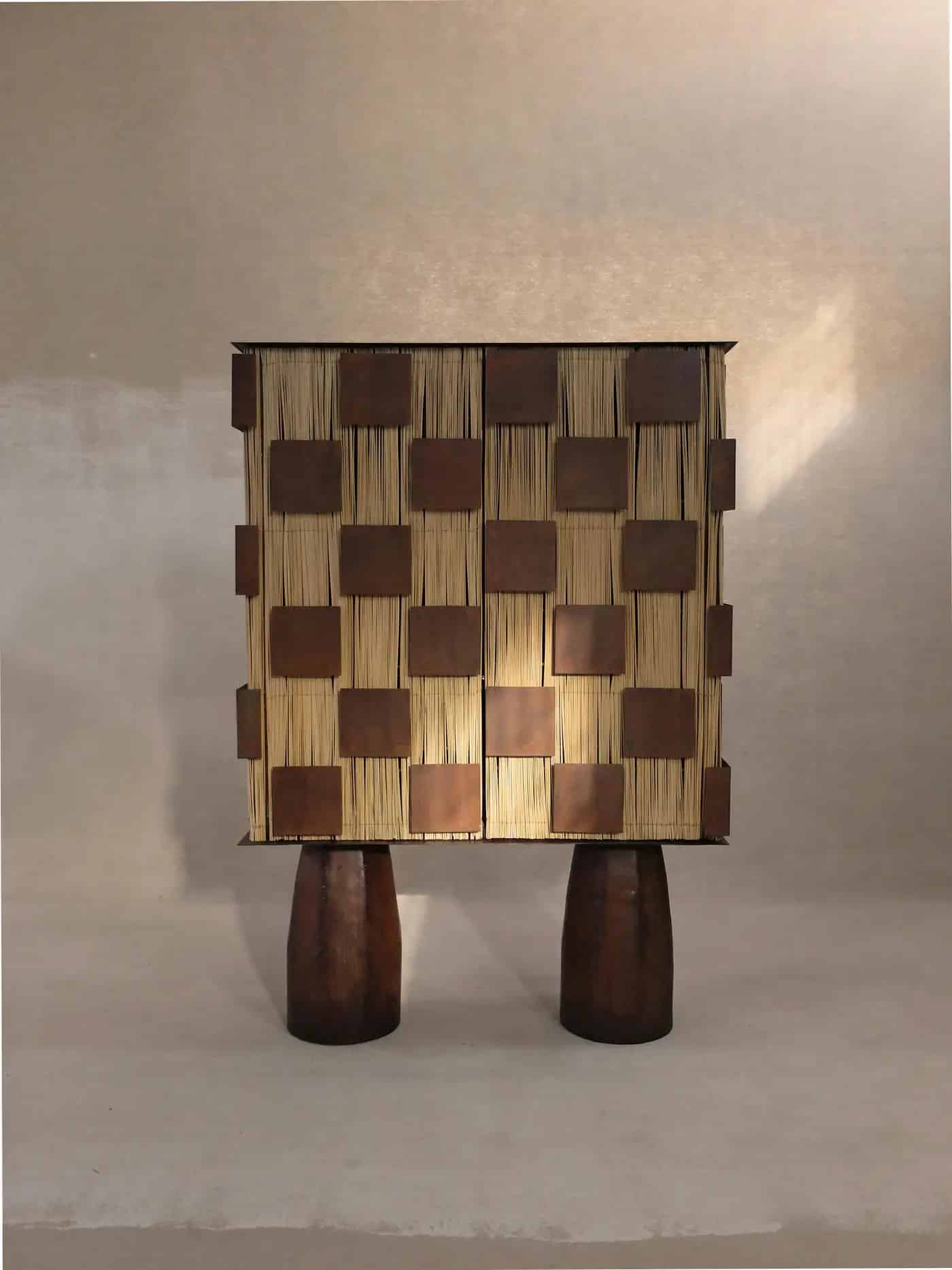
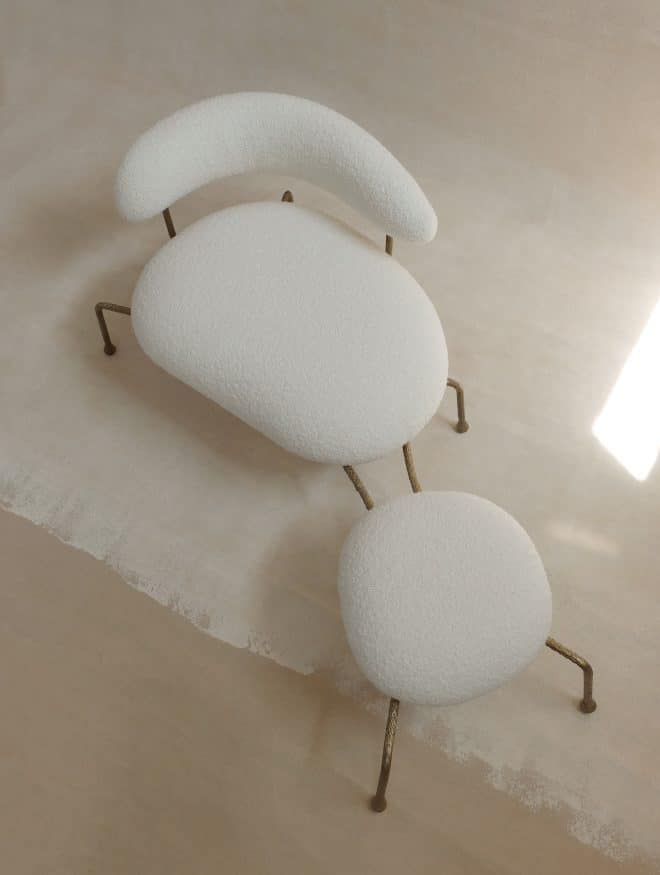
Working closely with a network of artisans across Tunisia, Altin Studio develops contemporary handcrafted furniture and objects that balance tradition with innovation. Defined by an organic and restrained aesthetic, their work celebrates materiality, texture, and imperfection while exploring the enduring relationship between craft, nature, and contemporary design.
Interview
Yasmine: In La Marsa, Tunisia. I spent my early years at the foot of the Byrsa hill, where the mythical city of Carthage was founded.
Mehdi: In Bizerte, Tunisia.
Yasmine: The ruins of Carthage are an integral part of the city. I’ve always been inspired by these resurfacing traces of the past in everyday life. These remains must certainly have influenced my relationship with art. My aesthete parents added bridges with modern artists.
Yasmine: Yes. It’s not just a job, but a way of externalizing ideas and intuitions and trying to make them intelligible, first and foremost to myself.
Mehdi: No. My background is in civil engineering, with 7 years spent managing mega-construction projects in Paris, France.
Yasmine: After a professional experience in interior design, I found that designing pieces gave me a scale that allowed me to see my ideas come to life more immediately and more closely.
Mehdi: Yasmine was already working in object design when I met her. At the time, I was going through a period when I was reconsidering my career plans. I helped her with her project, and we’ve been working on it together ever since.
Yasmine: My process is about encounters in all their possible forms and the echo they can generate in me. It also contains elements of silence and time.
Mehdi: How to put materials in resonance? How to make them dialogue in a principle of assembly? This is the matrix of my creative reflection. The final form is only the tangible manifestation of this constructive logic.
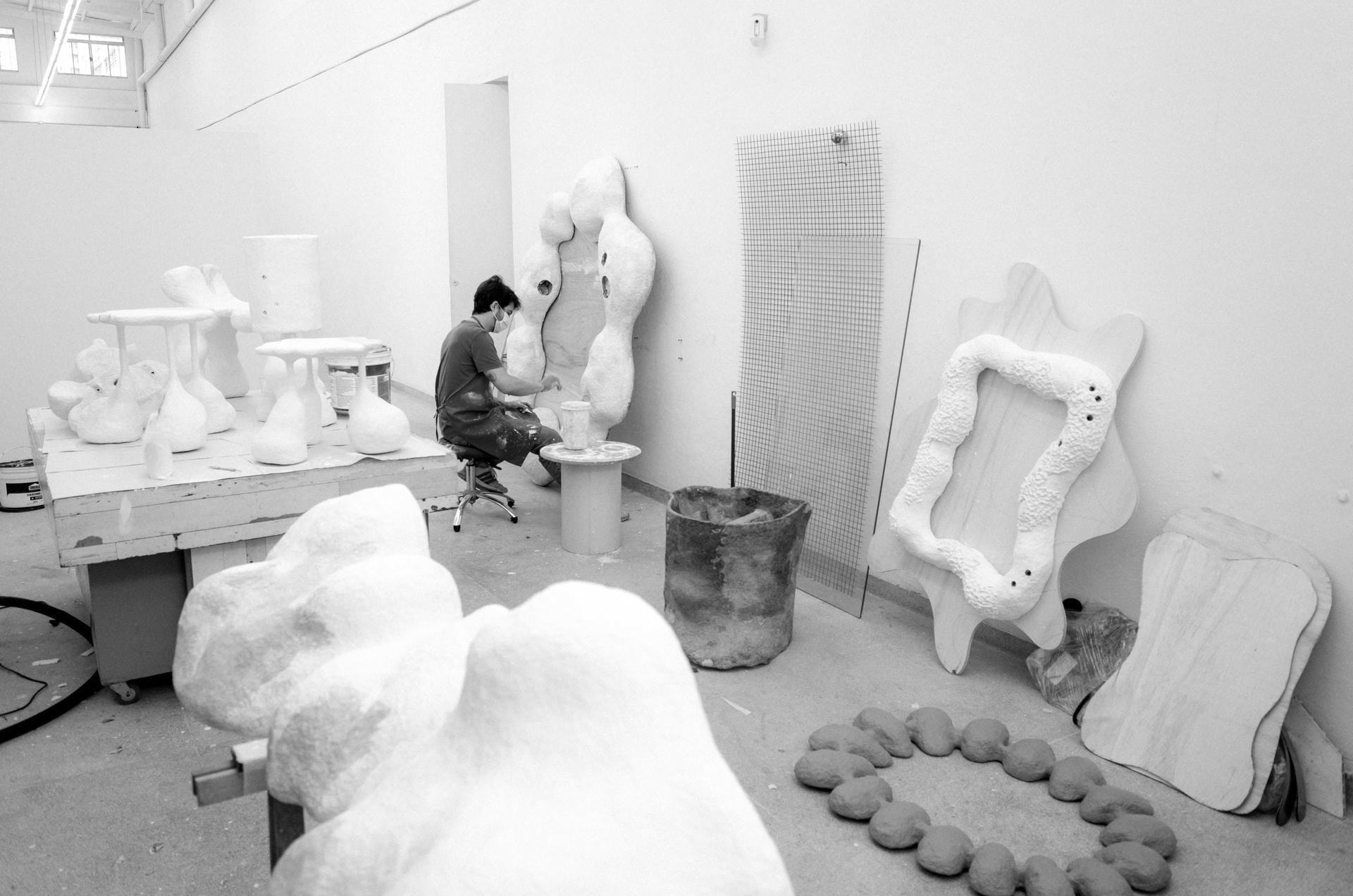
Our days are rarely the same and are often hectic. On a daily basis, we manage our workshop with our finishing craftsmen, the fifteen or so satellite craftsmen in the different regions of the country, our showroom, and the day-to-day running of the company.
When we embark on a new creative project, we tend to isolate ourselves from this daily routine in order to mature our ideas and come back with action plans for ourselves and the team.
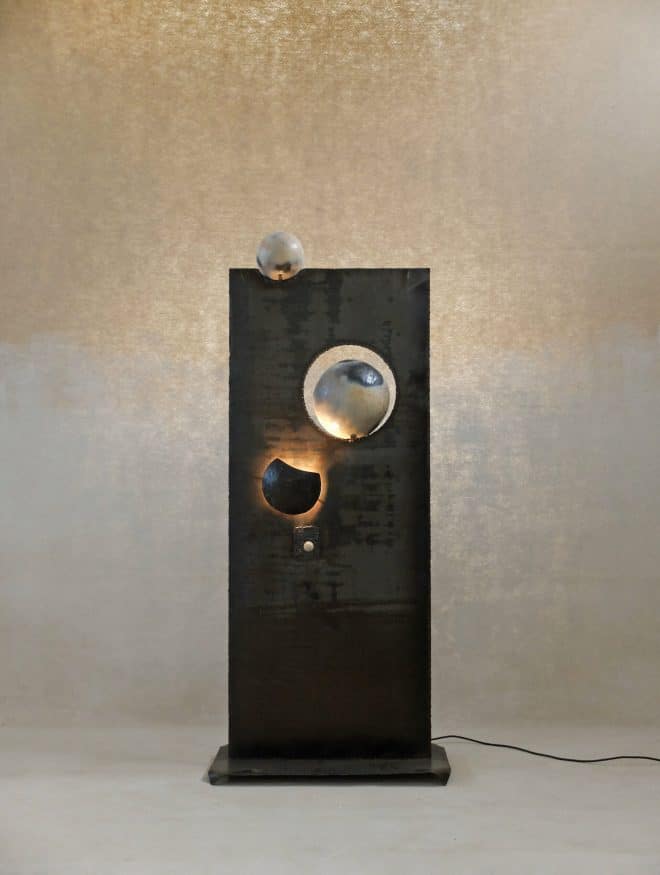
We work with four “elementary” materials: sea rush, wood, metal, and clay. Each of them has unique qualities and a distinct way of shaping our ‘Altin’ project. Our project involves rediscovering Mediterranean traditions, which is how we came to discover these local resources used by the craftsmen we’ve been collaborating with for years.
Our approach is to avoid using machines as much as possible. All our pieces are made by hand using simple hand tools. We often use low-tech tools for some of our creations. This approach reflects the idea that the more direct the gesture on the material, the more visible the craftsman’s imprint and the more perceptible the emotion.
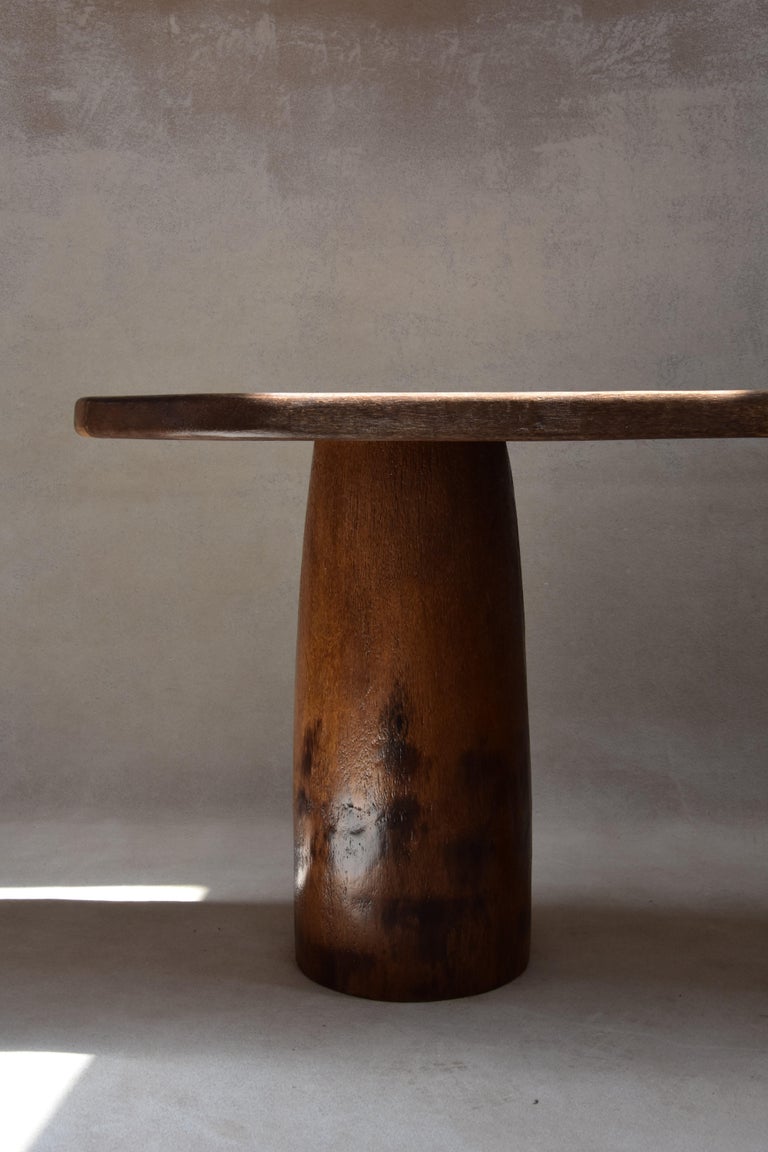
Find that something you’re passionate about or have an innate attraction to. Devote as much time as possible to it and repeat the process as often as possible. Think of this experience as a journey; pay attention along the way. Things are bound to come up that will help you progress. A ‘mistake’ can turn into a happy event, and a small detail can become a key principle.
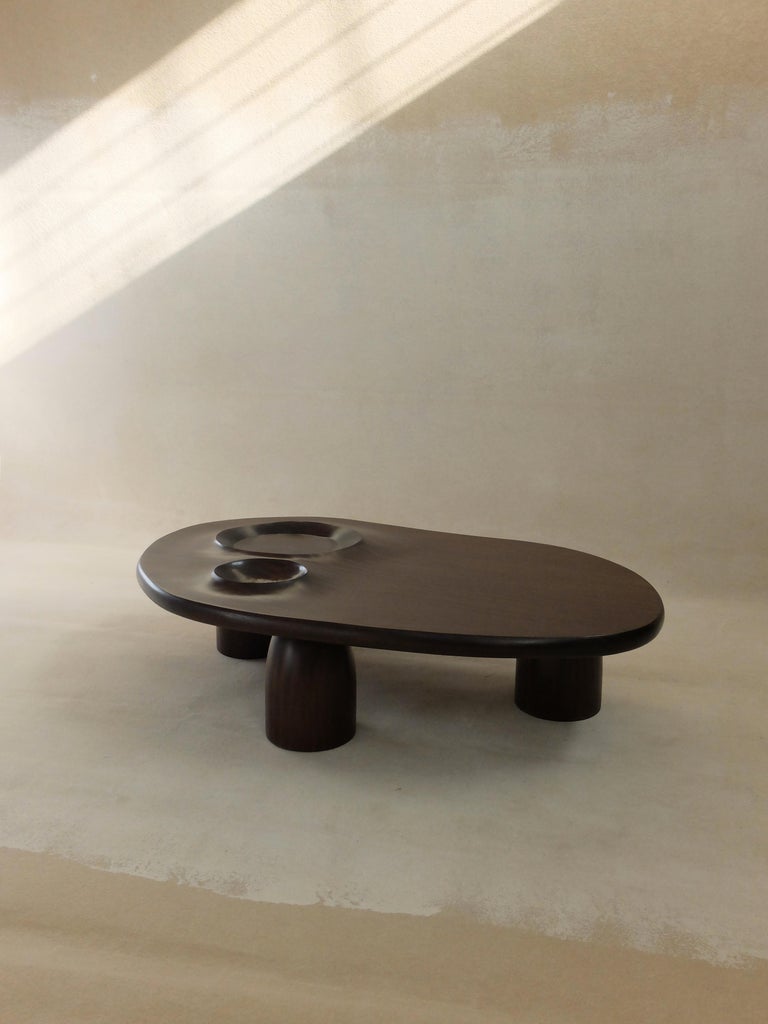
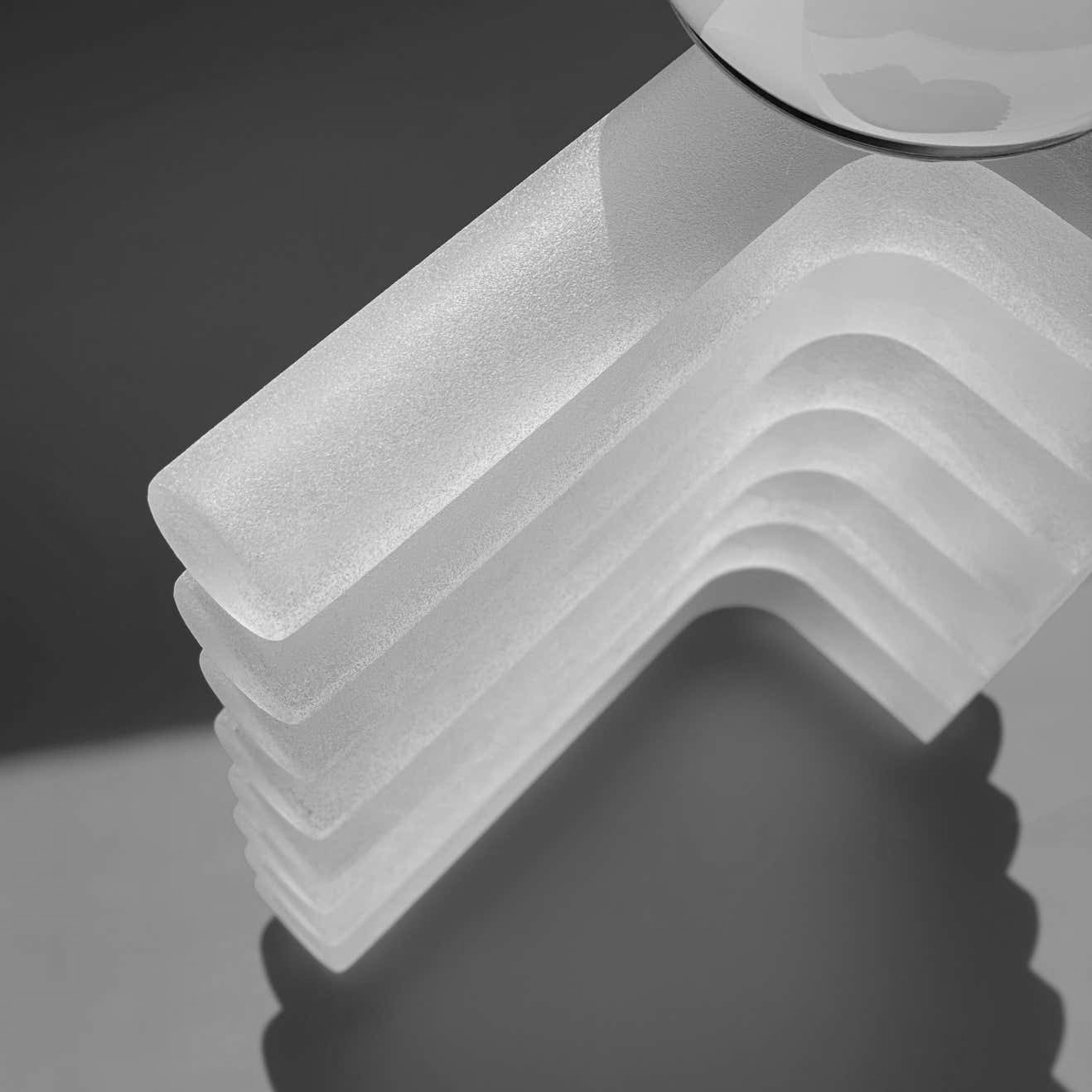
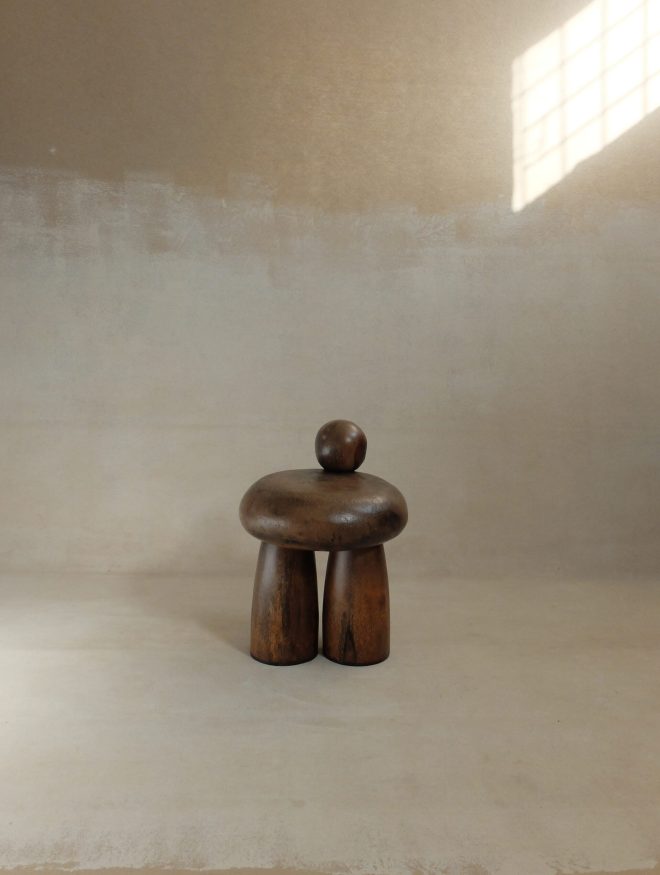
The shapes we give them are as simple and uncluttered as possible. They focus more on the intrinsic characteristics of the materials and the balance of associations (hard/soft, cold/hot, reflective/absorbent, etc.).
Our creations speak the language of an “organic minimalism” rooted in the innate and unbroken link between the material and the piece we create, allowing us to forge a deep connection with nature through our work.
Isamu Noguchi, the artisans of the Ming dynasty, Charlotte Perriand, Jean Prouvé, and Georges Nakashima.
We love the works of Theodore Psychoyos, Marlène Huissoud, and Lionel Jadot.
Oliver Beer and his project: The cave completely fascinated us.
The embodiment in the Present of a dialogue between fragments of the past and visions of a dreamed future.
“The more direct the gesture on the material, the more visible the craftsman’s imprint and the more perceptible the emotion.”
The Questions
(The Proust Questionnaire is a set of questions answered by the French writer Marcel Proust.
Other historical figures who have answered confession albums are Oscar Wilde,
Karl Marx, Arthur Conan Doyle, Stéphane Mallarmé, Paul Cézanne…)
Shared happiness, for all living beings on this planet.
All’s in fear, is fear itself (from Aaron Neville’s song: Hercules)
An unexplained desire to conform to convention.
Lack of curiosity.
Women who live with injustice and oppression and who fight against all odds to make their voices heard.
The lack of extravagance.
Worried. Which is highly unproductive.
Power.
Sensitivity and humour.
Sensitivity and humour.
–
To stop the time.
Nothing, I’m grateful for what I have.
My son.
I prefer to live what I have to live and then… stardust.
Far away from the madness of mankind. Closer to those who organize living together in harmony.
My family.
The real miseries of this world: contempt for others and self-satisfaction.
Doing nothing.
How can I know?
Their heart and their humour.
I don’t really have a favourite, but I’ve had some memorable encounters. The latest: Anima by Wajdi Mouahad and The Language of Birds by Farid Uddin Attar.
Nausicäa.
Elyssa.
Those who spontaneously and individually compensate for and repair the systemic injustices of this world.
Nour and Orhan.
Cruelty.
That I lacked courage at certain times in my life.
Happy, surrounded.
‘El elmou Nour’, knowledge is light.

“A ‘mistake’ can turn into a happy event, a small detail can become a key principle.”
SHARE :