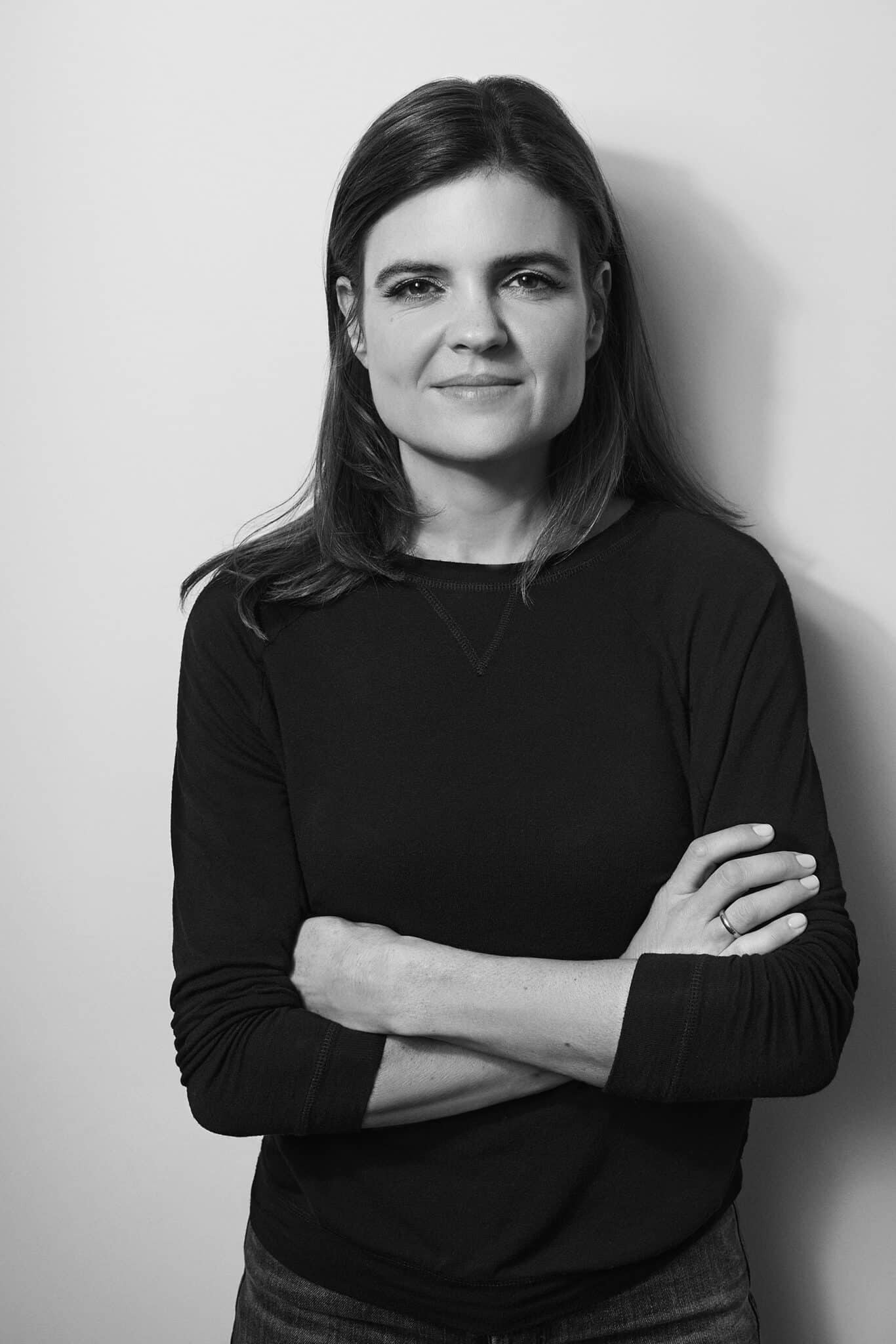
I was born in Casablanca, Morocco, where I spent most of my childhood. After that, I lived in the Mediterranean region of France and Turkey for 14 years. I have been based in Munich, Germany, for several years now.
MAGAZINE · INTERVIEW
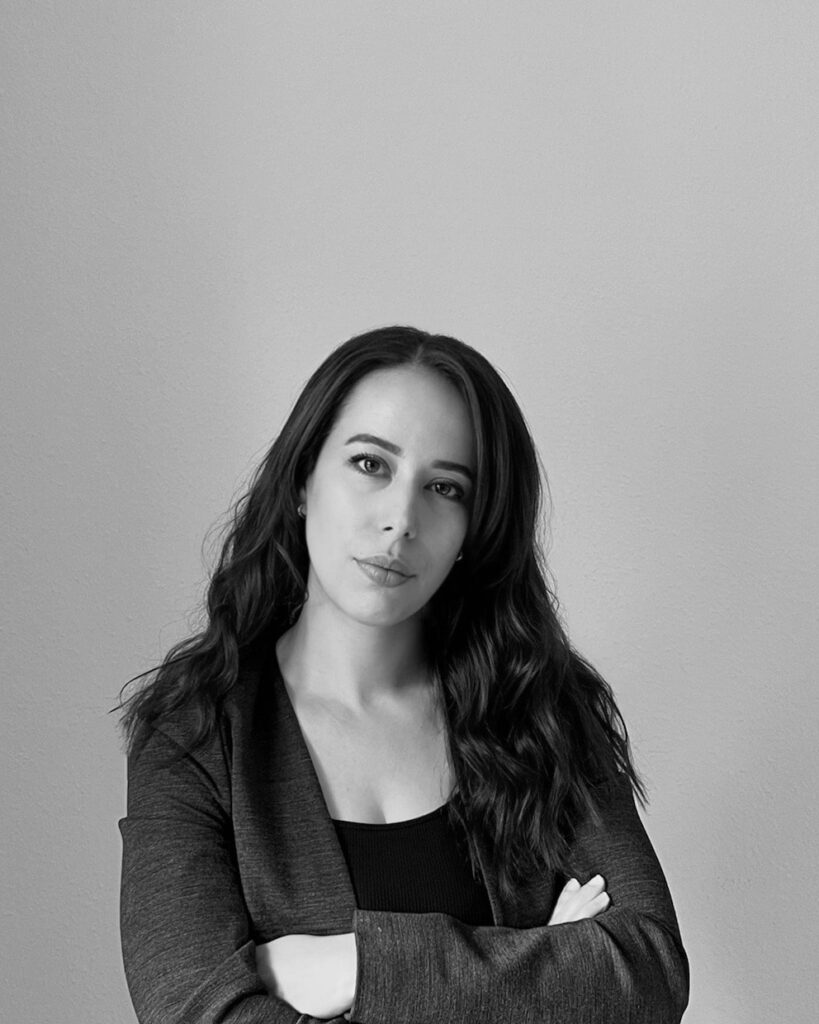
Selma Lazrak
Selma Lazrak is a Moroccan architect and product designer based in Munich whose multidisciplinary practice explores the relationship between design, identity, and territory. Drawing on a life shaped by Morocco and the Mediterranean cultures of France and Turkey, she creates collectible furniture and sculptural objects that reinterpret cultural heritage through a contemporary lens. Guided by a strong architectural sensibility, her work balances sculptural form with material experimentation, creating pieces that are both timeless and deeply personal.
Working across collectible design, interiors, and architecture, Lazrak collaborates with skilled artisans from the MENA region, combining advanced fabrication technologies with meticulous hand-finishing. Through the use of noble materials and traditional craftsmanship, her practice celebrates the dialogue between memory, materiality, and place, resulting in expressive works distinguished by their refined geometry, tactile richness, and sculptural presence.
Let's know more about
Interview
Where were you born and where are you from?
What is your first memory connected to the art world?
My journey into art began at home. My mom, a painter and jewellery designer, was my childhood inspiration; observing her immersed in her art was fascinating. My house had an atelier, and I naturally started drawing and experimenting with things at a young age. Adjacent to our house was my uncle’s architecture studio. After school, I loved visiting him and recall being amazed by his perspective drawings, books, and material collection. I believe those memories have had a significant influence on me.
Have you always worked in the art/design field?
After graduating from an Architecture school in France, I spent the last 10 years working for architecture offices around the world. My experience has been diverse, spanning projects in architecture, interior design, and restoration. This journey has been incredibly enriching, especially because I had the chance to work across different countries and on diverse projects.
What led you to design creation?
I’ve always been drawn to design, but it took me some time to find my own creative voice. I believe this journey began early as I engaged in design workshops during my university years. Then, I decided to join a product design class during my master’s studies. During this period, I tried to explore the essence of objects and forge a connection with them. My passion was ignited when I had the chance to oversee a project right down to the finest details or create bespoke furniture for a client. These experiences led me to further explore design creation.
How would you describe your creative process and its influences?
I am strongly influenced by African art, which emphasizes the importance for an artist to be in a certain state before creating, an approach deeply rooted in spirituality. I strive to cultivate inspiration before opening my sketchbook. This involves immersing myself in art books, capturing photographs, and extensively writing to document my evolution and weave a narrative. The rest of my time is devoted to working on technical elements, digital modeling, and production.
Could you describe a typical day of your work?
As a mother, my day typically begins by accompanying my son to kindergarten and dedicating all my attention to him. Afterward, I dive into work, managing projects, handling emails and calls, overseeing production, or drawing the upcoming pieces. However, as my primary production occurs abroad, my schedule often varies. I travel frequently, working closely with artisans. Additionally, I’m actively involved in missions through various entities like the World Design Organization (WDO), contributing to initiatives that focus on international design and its diffusion. My role revolves around navigating the transcultural aspects of design. I view this engagement as a fundamental aspect of my work.
Why did you choose the specific materials you work with?
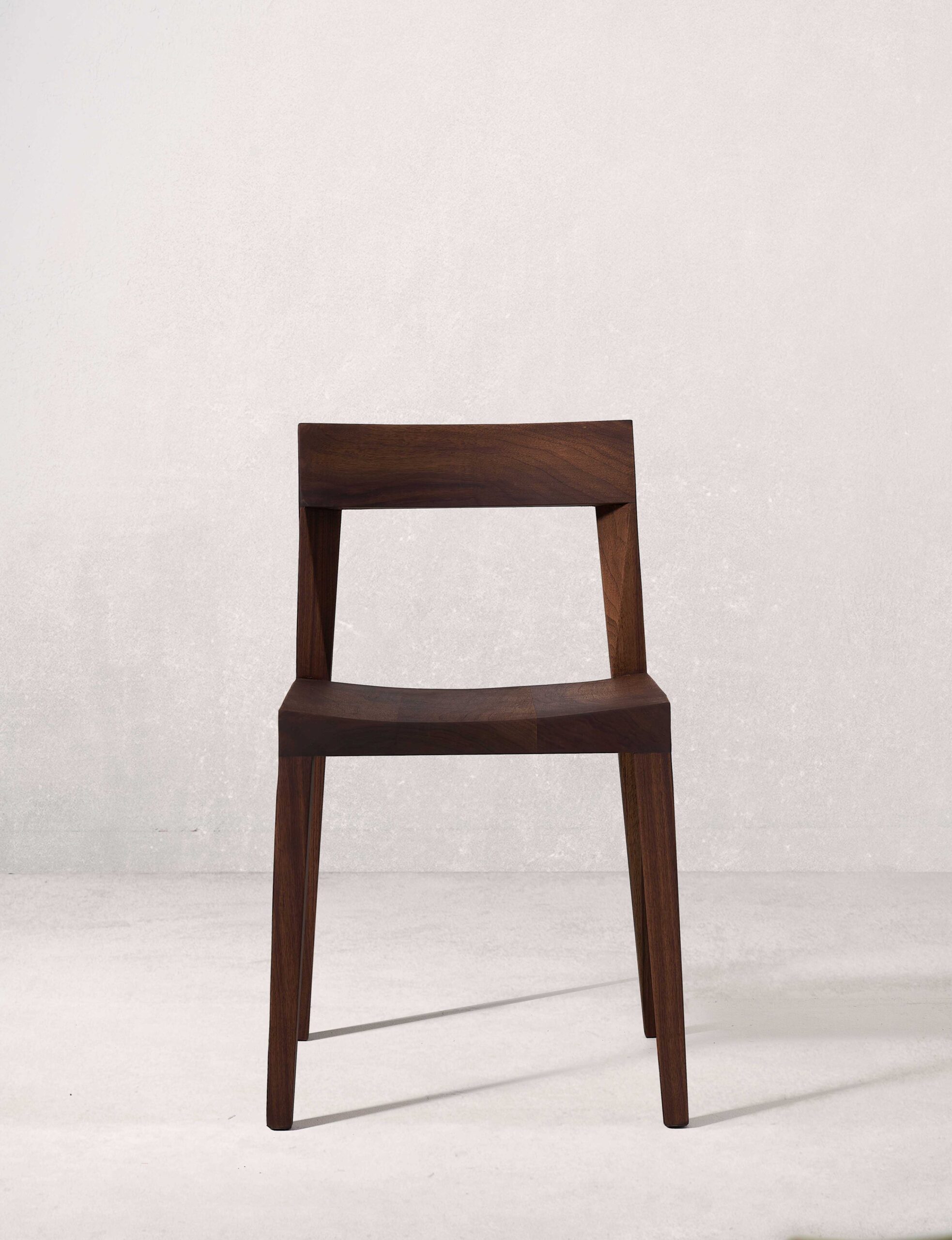
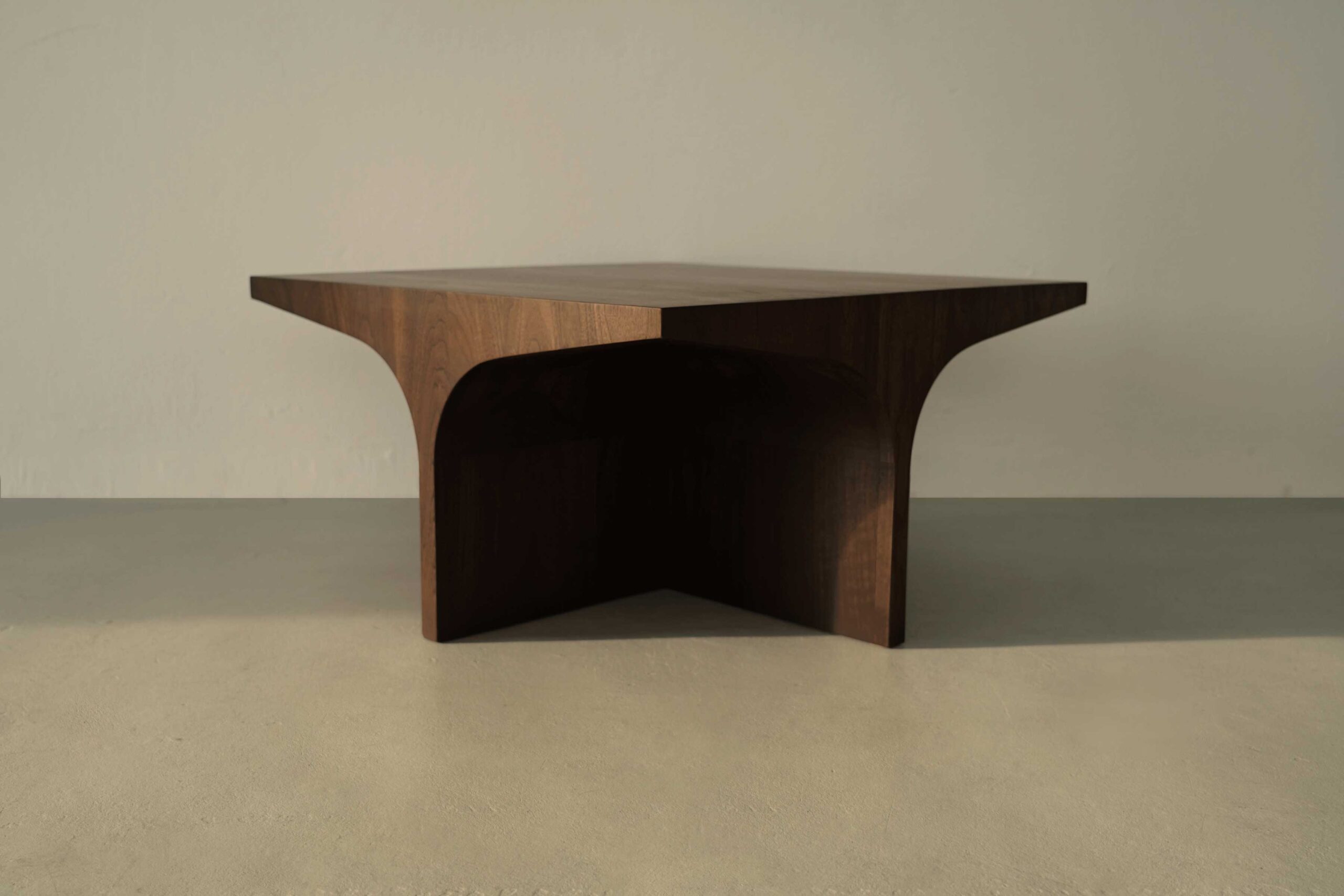
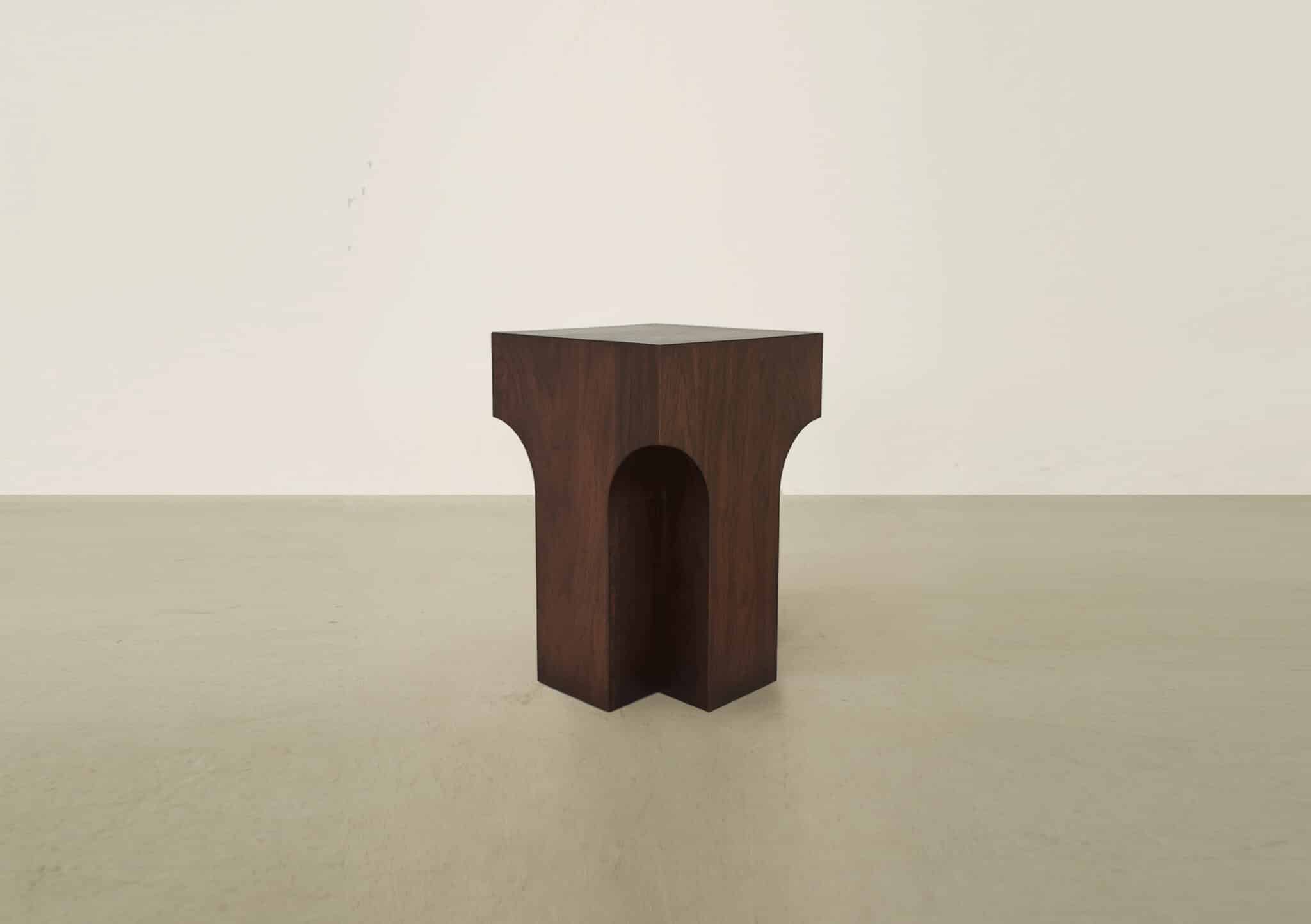
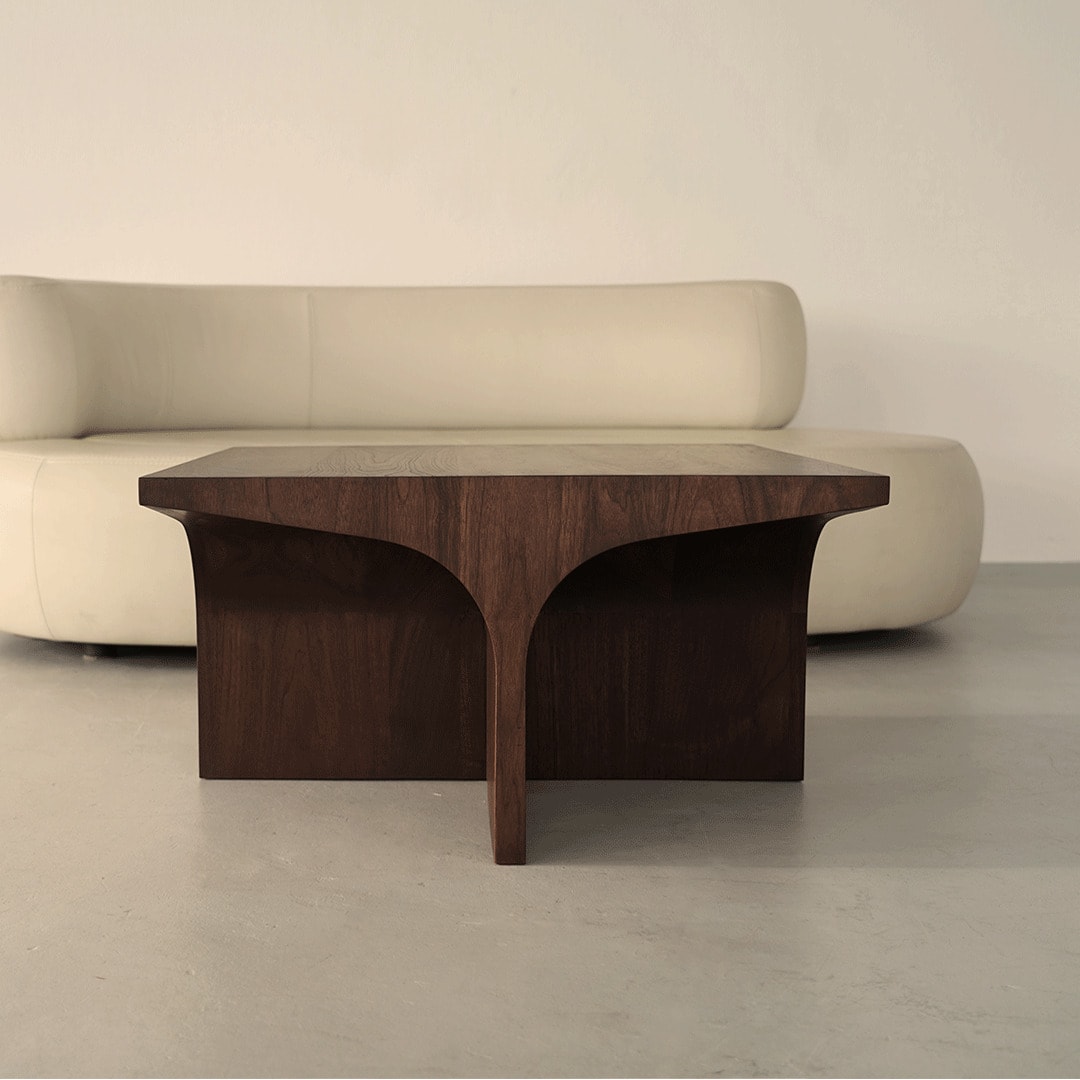
I choose materials that lend themselves to carving or sculpting, aligning with my aesthetic vision while conveying a sense of steadiness. I work with natural materials that embody both strength and expressive potential but also evoke a sensory response, like the warmth of solid wood or the reflective allure of marble stone.
What are the technical particularities of your creations?
My pieces emerge from extensive manipulation, transformation, and a dedication to experimentation. Working mostly with artisans from Morocco and Turkey, I try to fuse traditional hand techniques with modern material approaches.
What advice could you give to beginning artists who would like to create sculptural design works?
Don’t hesitate to be bold and authentic.
If your works had to belong to a design movement, how would you define it?
I prefer not to confine my work to a single design movement, as it encompasses various influences. However, I find a deep resonance with elements from the brutalist and minimalist movements.
What designers and artists have influenced you?
Mies van der Rohe, Gio Ponti, Charlotte Perriand, Zanine Caldas, Isamu Noguchi, George Nakashima, and Jean Michel Frank.
What contemporary designers do you appreciate?
The list is long! I have an inclination for pieces that engage with me on an emotional level, designers blurring the lines between art and design, such as Tokujin Yoshioka or Max Lamb.
What contemporary artists, in any kind of art, have you been inspired by?
Constantin Brancusi, Richard Serra, Iannis Xenakis, El Anatsui, Pierre Soulages, Edward Burtynsky, Thaddeus Mosley.
If you had to summarize your creations in one word or sentence, what would it be?
Sculptural.
Is there anything you would like to add?
Thank you for inviting me and for extending your platform to a diverse and rich international scene.
“Don’t hesitate to be bold and authentic.”
The Questionnaire
The Questions
(The Proust Questionnaire is a set of questions answered by the French writer Marcel Proust.
Other historical figures who have answered confession albums are Oscar Wilde,
Karl Marx, Arthur Conan Doyle, Stéphane Mallarmé, Paul Cézanne…)
What is your idea of perfect happiness?
Harmony
What is your greatest fear?
The loss of a loved one
What is the trait you most deplore in yourself?
Melancholy
What is the trait you most deplore in others?
Arrogance
Which living person do you most admire?
My Mother
What is your greatest extravagance?
Travelling the world
What is your current state of mind?
Reflective
What do you consider the most overrated virtue?
Optimism
What is the quality you most like in a man?
Kindness
What is the quality you most like in a woman?
Kindness
Which words or phrases do you most overuse?
Thank you
Which talent would you most like to have?
Diplomacy
If you could change one thing about yourself, what would it be?
Dreaminess
What do you consider your greatest achievement?
Motherhood
If you were to die and come back as a person or a thing, what would it be?
A bird always dreaming of other skies
Where would you most like to live?
On an island in the Mediterranean Sea
What is your most treasured possession?
My music instruments
What do you regard as the lowest depth of misery?
Losing all sense of purpose
What is your favorite occupation?
Creating
What is your most marked characteristic?
Resilience
What do you most value in your friends?
Integrity
Who are your favorite writers?
Franz Kafka, Amin Maalouf, Milan Kundera, Tahar Benjelloun, Orhan Pamuk
Who is your hero of fiction?
Antigone
Which historical figure do you most identify with?
Ziryab
Who are your heroes in real life?
Altruists
What are your favorite names?
Uncommon names
What is it that you most dislike?
Discrimination
What is your greatest regret?
Untold things
How would you like to die?
Peacefully
What is your motto?
Living with intention
“I strive to cultivate inspiration before opening my sketchbook.”
SHARE :