Hadge – Dieter Vlieghe
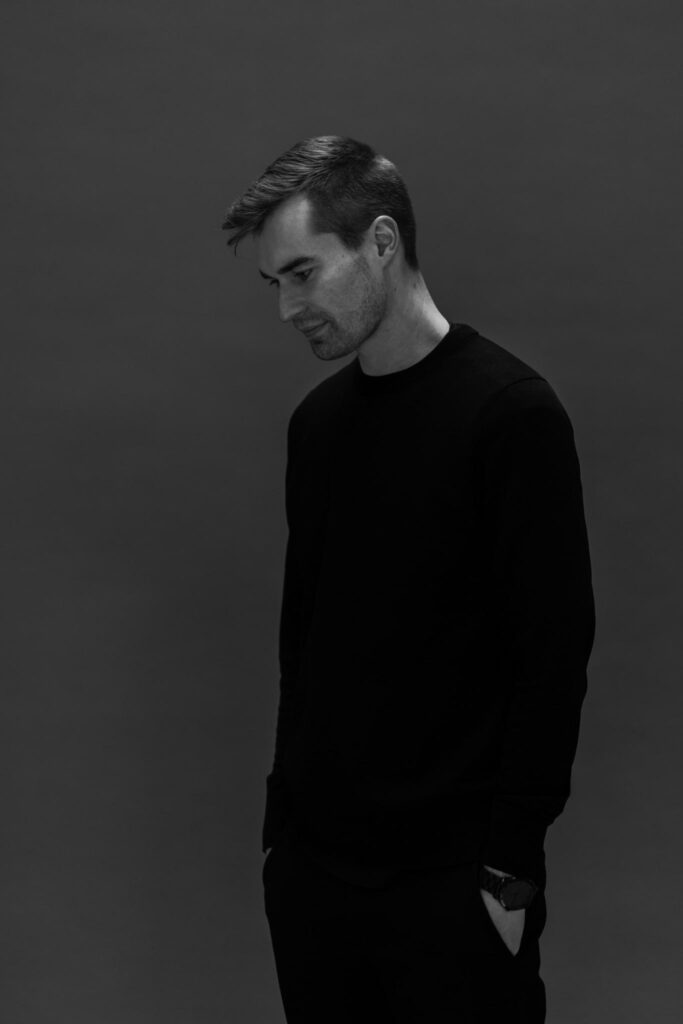
HADGE is a multidisciplinary architecture and interior design practice founded in 2020 by Belgian architect Dieter Vlieghe. After earning his Master of Architecture from KU Leuven, St. Lucas Ghent, in 2015 and collaborating with various architects and designers, Vlieghe established HADGE as a platform for exploring architecture, interiors, furniture, and object design through a highly atmospheric and artistic lens.
Rooted in a pursuit of balance between form and emotion, HADGE creates spaces and objects defined by restraint, material honesty, and timeless simplicity. The practice is guided by a deep appreciation for craftsmanship, tactile raw materials, and the subtle interplay of light, texture, and atmosphere. Through residential, artistic, and collectible design projects, HADGE seeks to create environments that are serene yet deeply evocative, where unique handcrafted pieces evolve with time, developing a patina that reflects the lives of their users.
Interview
Born in Courtrai, Belgium, in 1992, I grew up and moved at the age of 18 to Ghent.
After visiting the Bruder Klaus Field Chapel by Peter Zumthor as a teenager.
After the studies in Ghent worked for some renowned architecture offices in Amsterdam (The Netherlands) and Ghent (Belgium) with valuable experience at Glenn Sestig Architects.
Acquaintances in the design world challenged me to create new objects and designs, which led to a fascination with the 3D visual world, sketching shapes and their materializations.
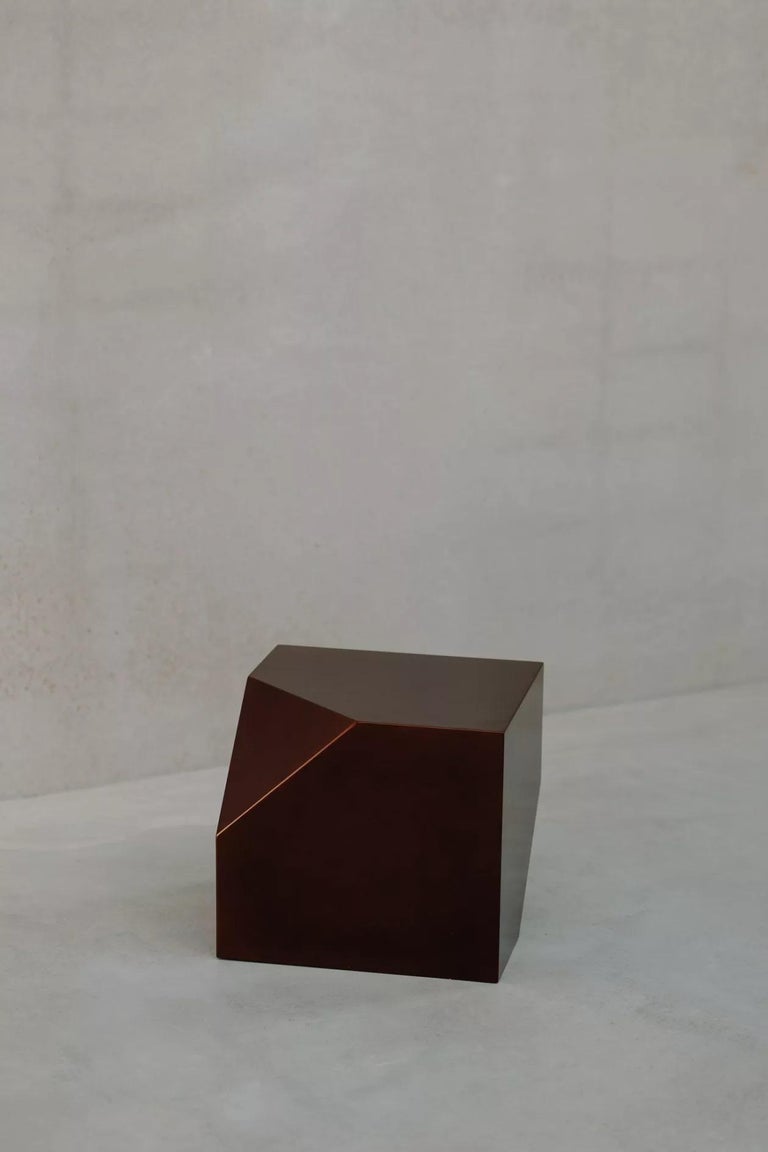
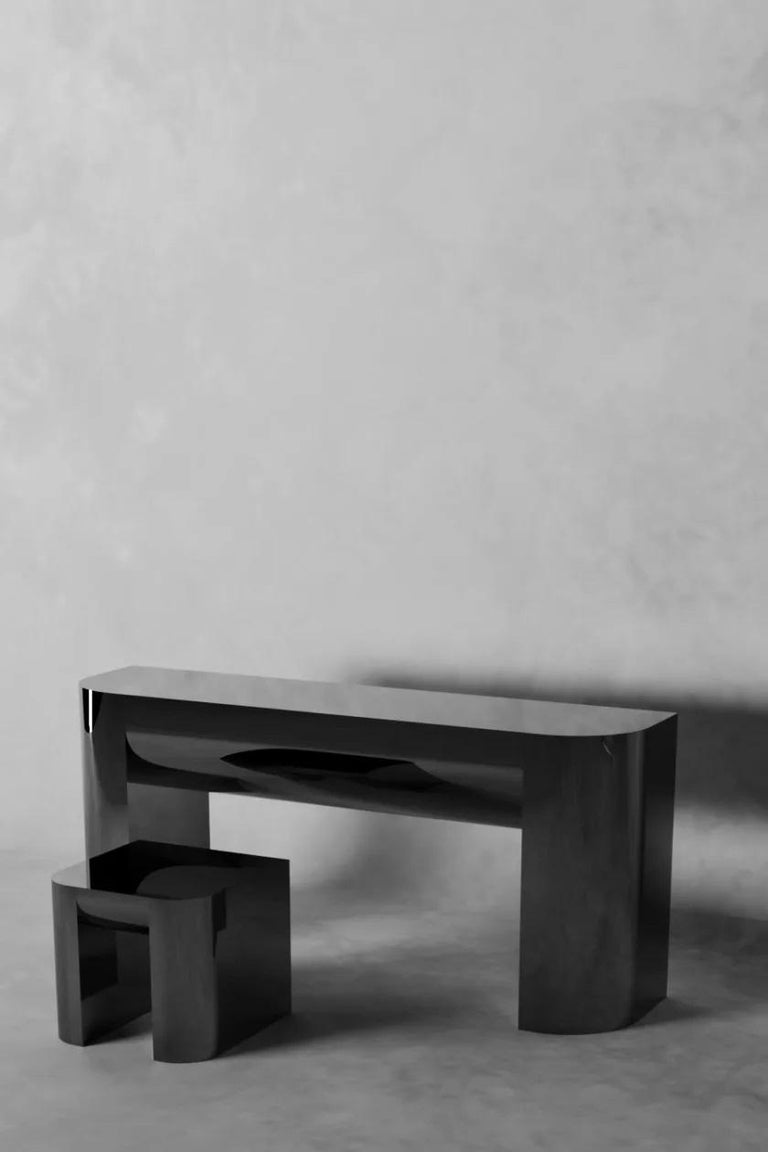
The creative process involves trial and error. It is a unique journey where the evolution from thought to drawing and form can be transformed into the unique realization of an object, harnessing the strength of the material.
With a background in design and work within the architecture world, there is a passion and continuation for creating objects within this space.
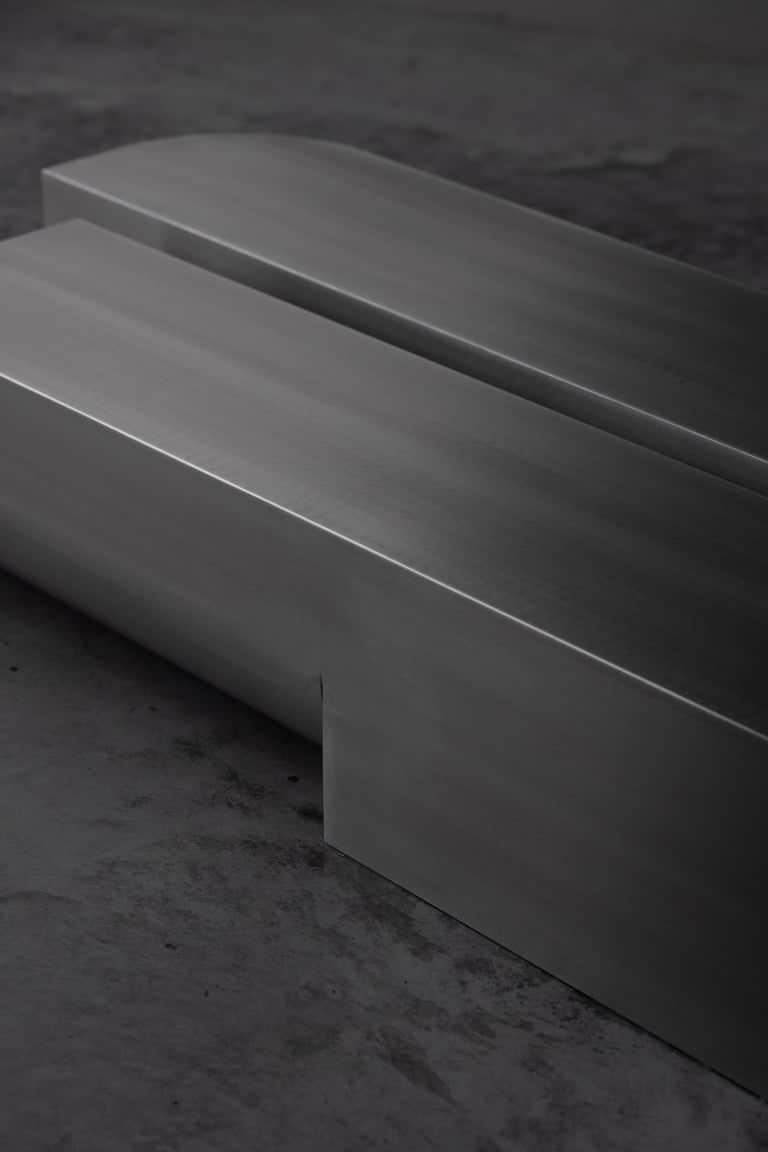
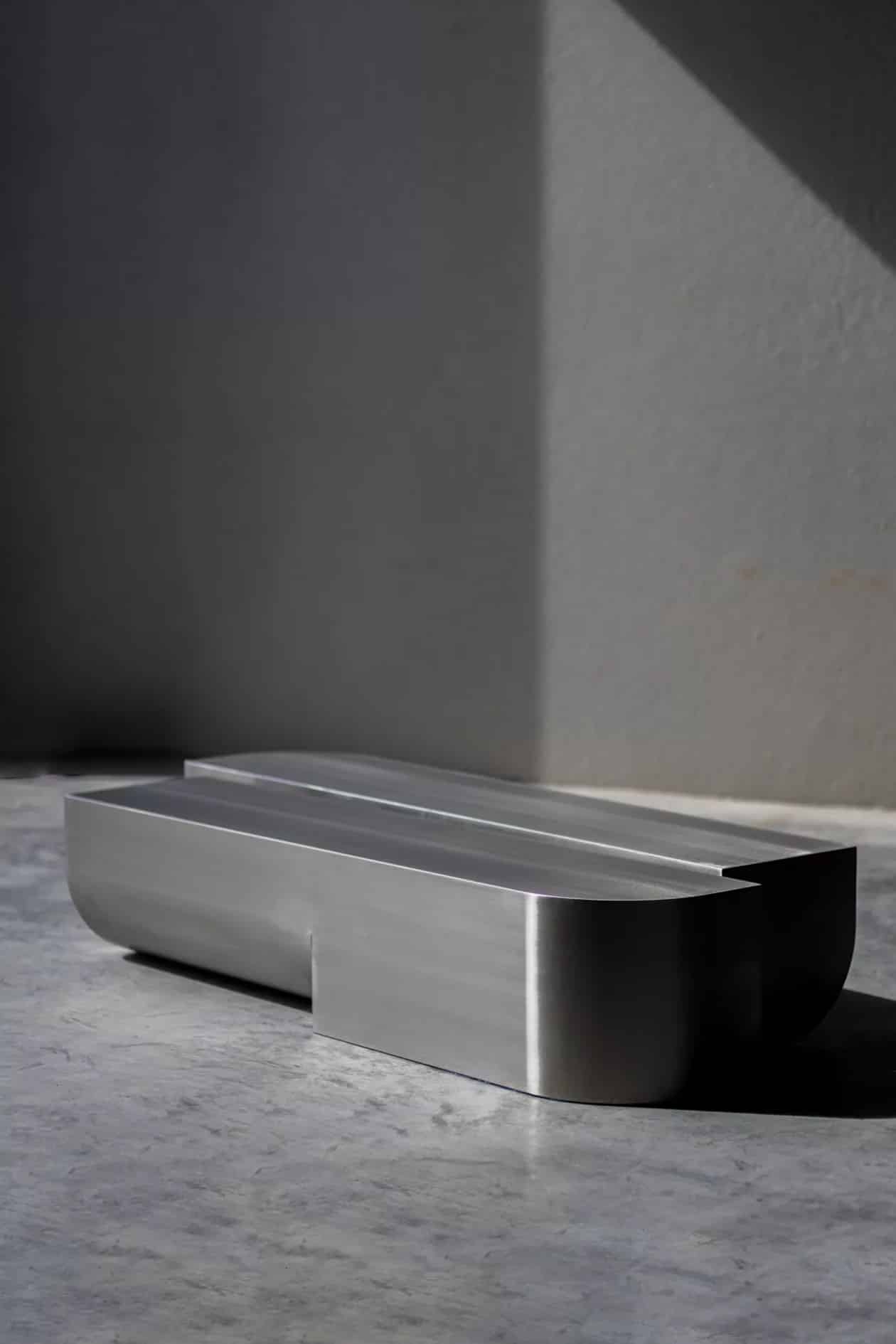
The process from 3D design to the final object for technical execution is always a challenging one, requiring constant refinement and finishing. It demands a balance of technical experience and craftsmanship.
Follow what you love to do, keep persevering, and don’t give up, even though the process often comes with its ups and downs.
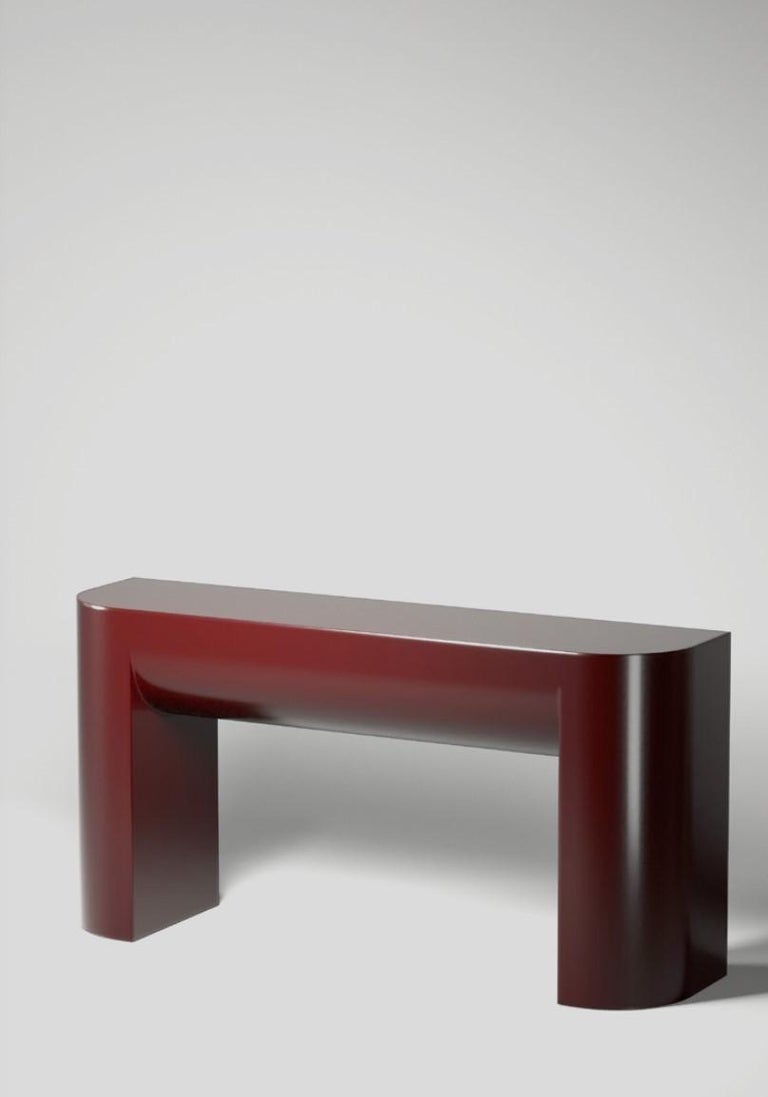
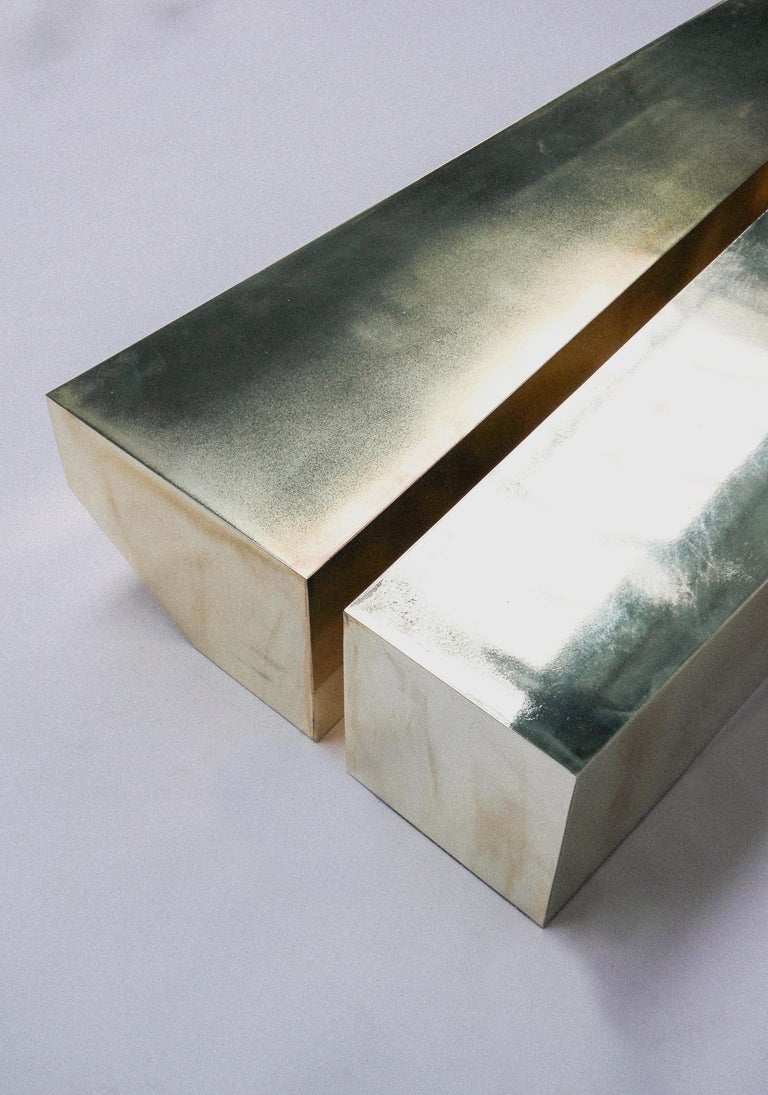
Intertwining between brutalism and minimalism.
Many, but starting from the Belgian architecture world, such as Vervoordt, Vincent Van Duysen, Glenn Sestig, to Carlo Scarpa, Eduardo Chillida, Hans van der Laan…
Also, many of them, but an appreciation of Rick Owens, Sabine Marcelis.
Also, many of them, like Olafur Eliasson, Vicenzo de Cotiis…
Refined robustness and calmness.
“The creative process involves trial and error. It is a unique journey where the evolution from thought to drawing and form can be transformed into the realization of an object.”
The Questions
(The Proust Questionnaire is a set of questions answered by the French writer Marcel Proust.
Other historical figures who have answered confession albums are Oscar Wilde,
Karl Marx, Arthur Conan Doyle, Stéphane Mallarmé, Paul Cézanne…)
Freedom
Dead
Doubt
Hardness
Parents
–
Newness
Socials
Strength
Refinement
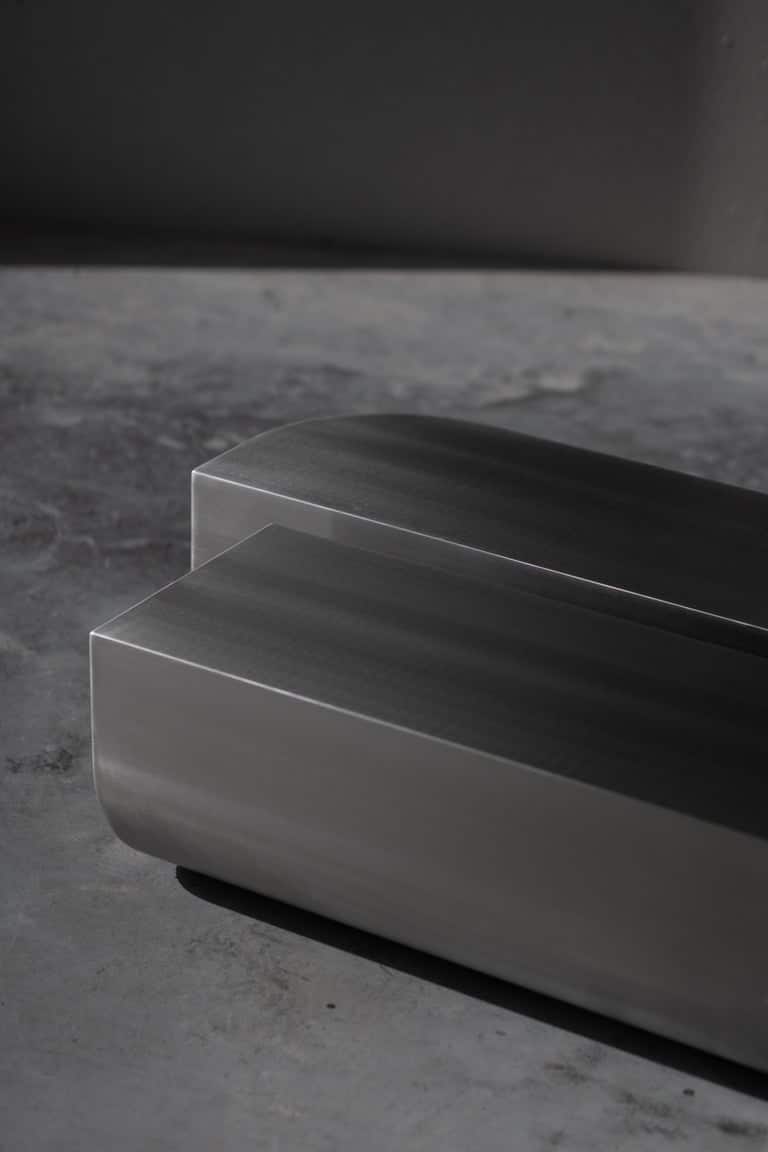
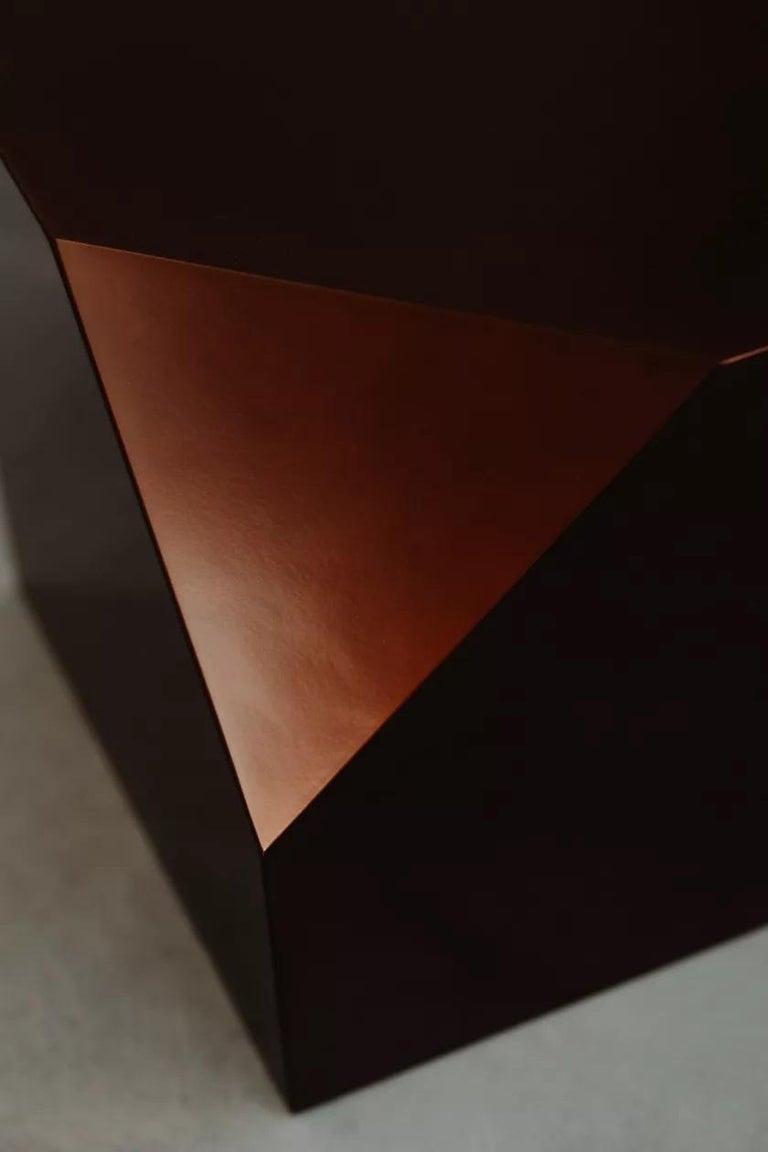
Yes
Self-confidence
Decision fatigue
Work
A whippet
A warm country with a view of the sea, surrounded by nature
Friends, pets and family
Weakness
Excitement
Go with the flow
Fun and sincerity
–
Dobby
None
Parents
Olaf
Fear
Wrong decisions
Peaceful and happy
Go go go!
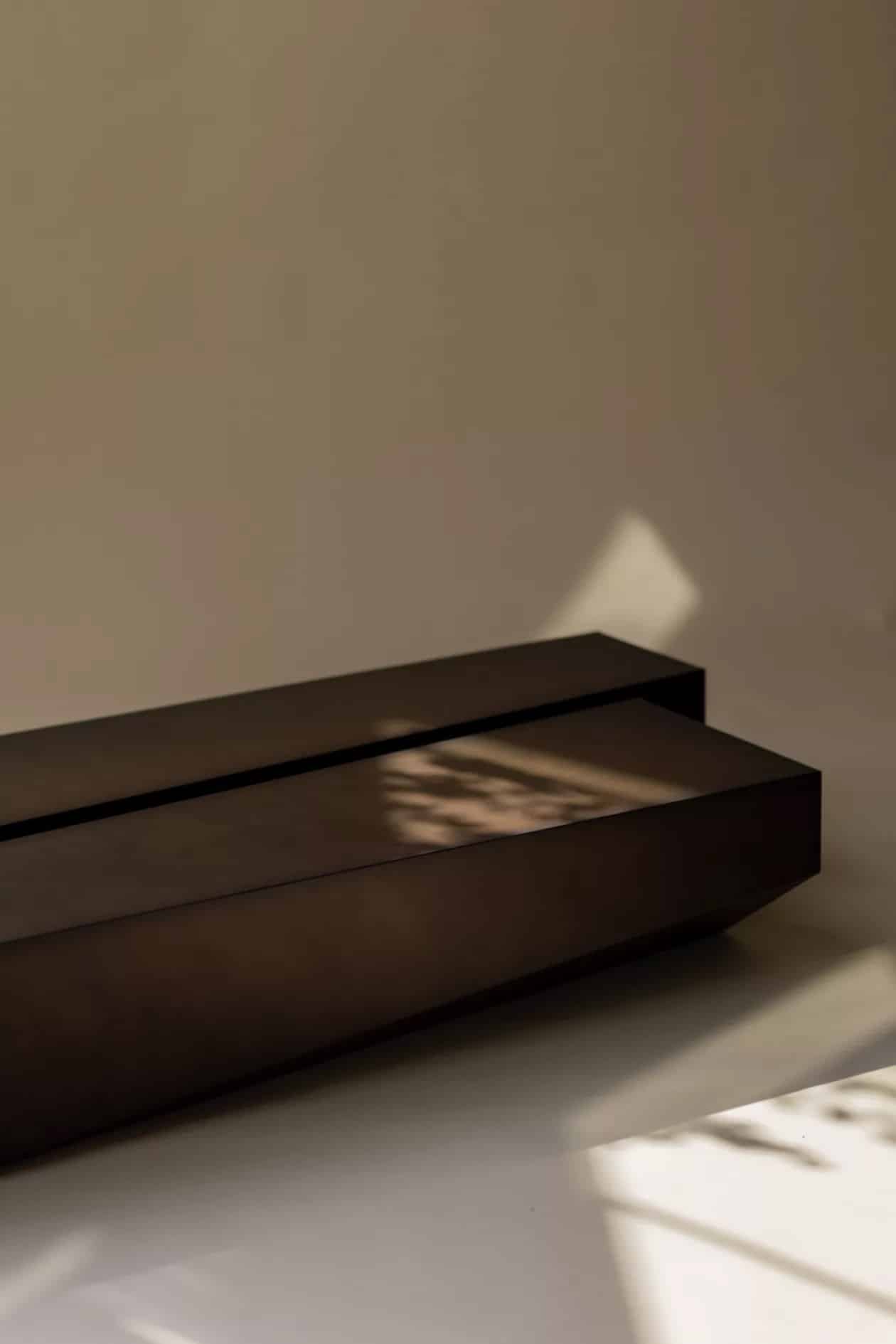
“The process from 3D design to the final object is always a challenging one, requiring constant refinement and finishing. It demands a balance of technical experience and craftsmanship.”
SHARE :