
Bari Jerauld
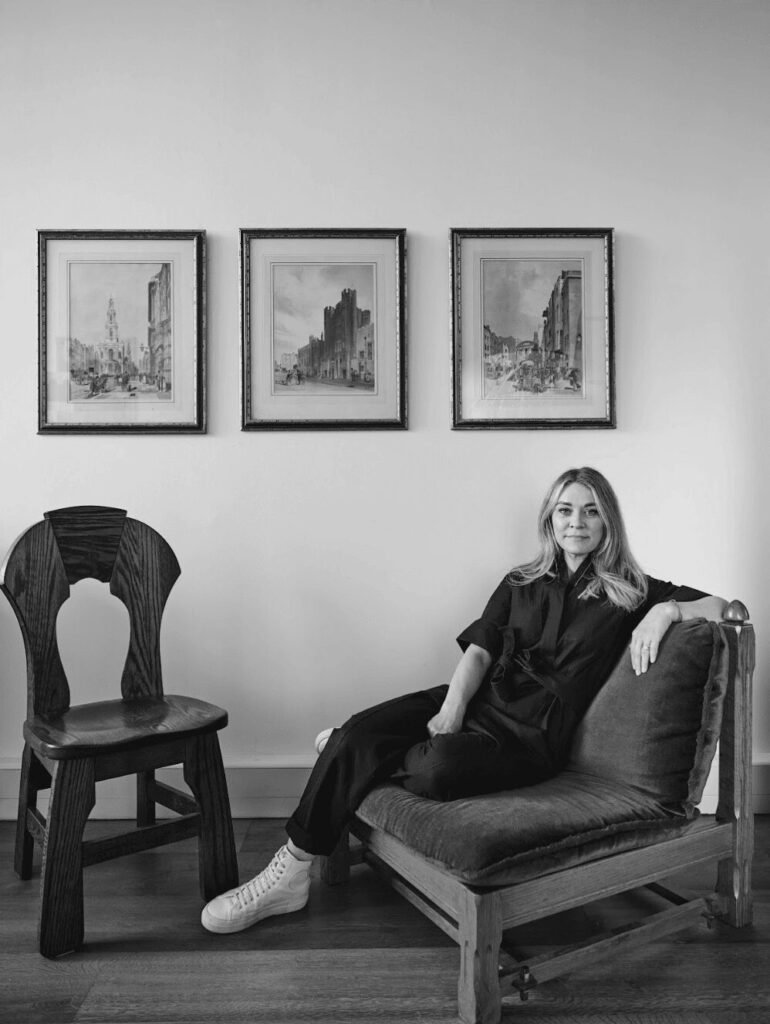
“I’ve learned that it’s far better to use one beautiful, honest material well than to fill a room with numerous mediocre finishes.”
INTERVIEW
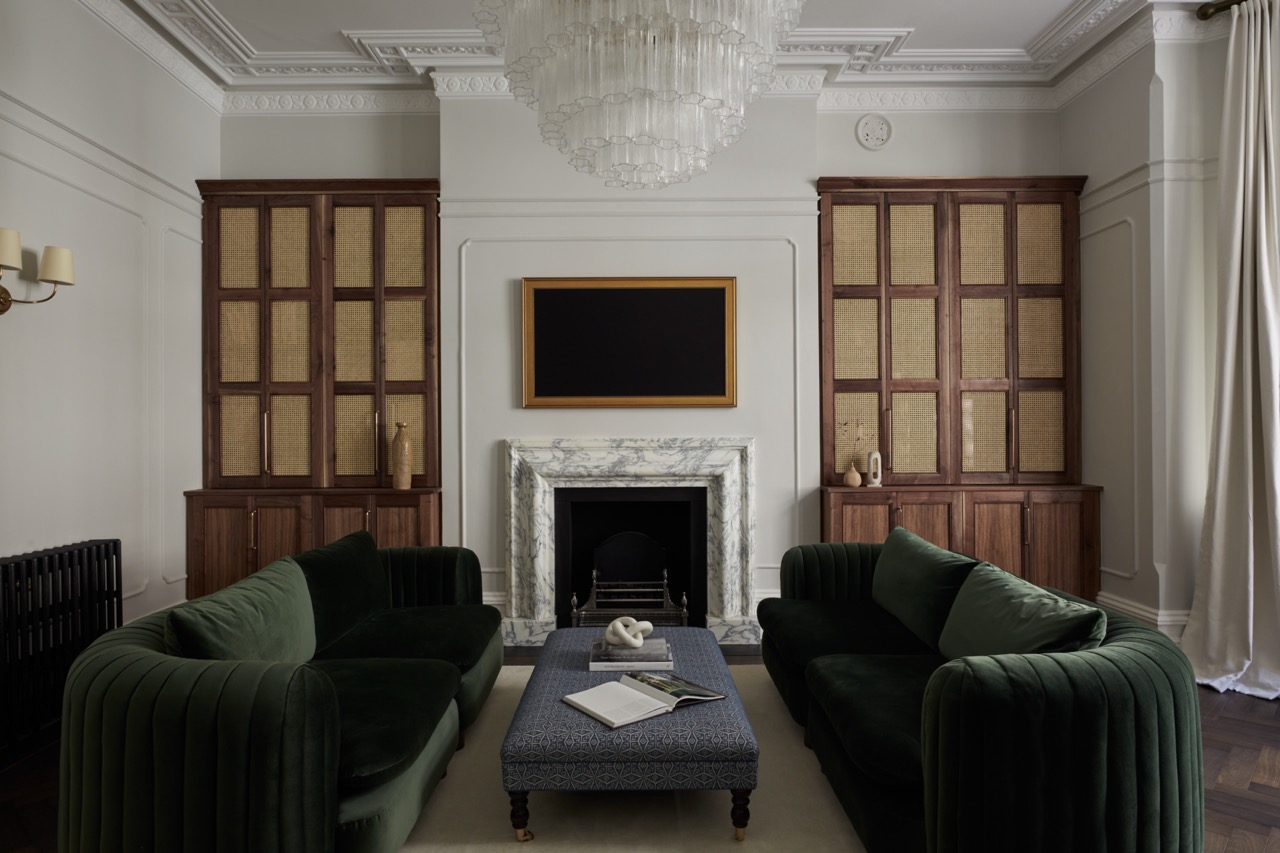
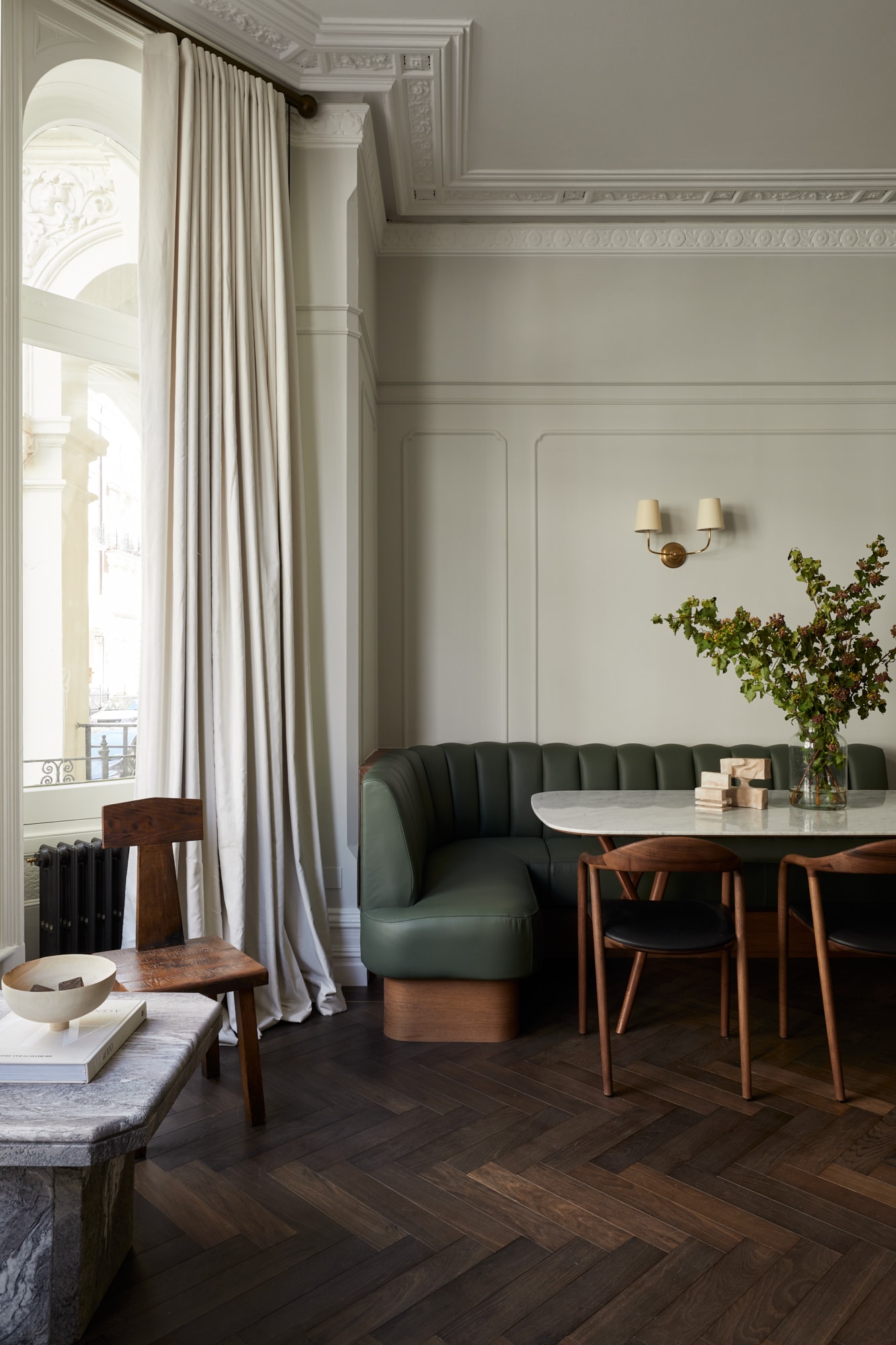
I get to know our clients first and foremost. This allows us to establish a brief—a starting point for creating a vision of what their home will look and feel like. From there, we begin to consider materials, colors, architectural details, and the overall flow between spaces. We call this setting the foundation for everything else in the project.
Harmonious, calm, and natural. Our colours are always grounding, spaces are pared-back and laid-back.
I have always loved art and design, and as far back as I could remember, I was brought up in a household with two very creative parents and art enthusiasts. My Mom painted and collected antiques, which I did not appreciate until I became an adult. My Dad was a trained civil engineer and restored historical architectural detailing on the side as a hobby. My Dad was a master with woodwork before he retired. For schooling, I started off studying Textile Design & Development at the Fashion Institute of Technology in New York City, but decided to focus on Interior Design and Architecture. During my studies, I had the opportunity to train under renowned interior designer and architect Peter Marino, and I continued working with him for several years following graduation. This invaluable experience enabled me to contribute to residential, hospitality, and retail projects across the globe. Prior to relocating to London in 2014 to establish Blank Slate, I spent several years designing and developing bespoke furnishing collections for various distinguished designers.
I think it was during my time working for Peter Marino that everything truly crystallized. The studio was an extraordinary place—filled with antiques, collectibles, and expansive libraries of resources that both Peter and the team had carefully curated. We had two full-time artists who painted room schemes in watercolor, and these renderings became works of art in themselves. The studio was divided between architects and interior designers, and as I was just starting out, I supported whichever team needed me most. I would navigate Manhattan, sourcing everything and anything. Seeing these incredible projects come to life in person was certainly a defining moment, truly opening my eyes to the immense dedication and detail required to create a finished masterpiece.
Staying authentic and true to your own style—both in aesthetics and ethos—is essential. I love discovering people and places off the beaten path, talented craftspeople who can create incredible one-of-a-kind pieces that are unique to our projects and become heirlooms for our clients. I’m passionate about collaborating with like-minded individuals, whether they’re suppliers, artisans, or partners who share our vision and values.
favorite pieces from the Philia Collection
Jug by Laura Pasquino
I’m captivated by this jug by Laura Pasquino for its beautiful restraint and timeless quality. There’s something deeply satisfying about its proportions—the generous, rounded body tapering to a refined neck, the confident handle that feels both sculptural and entirely functional. It’s a form that could have existed centuries ago, yet feels completely contemporary.
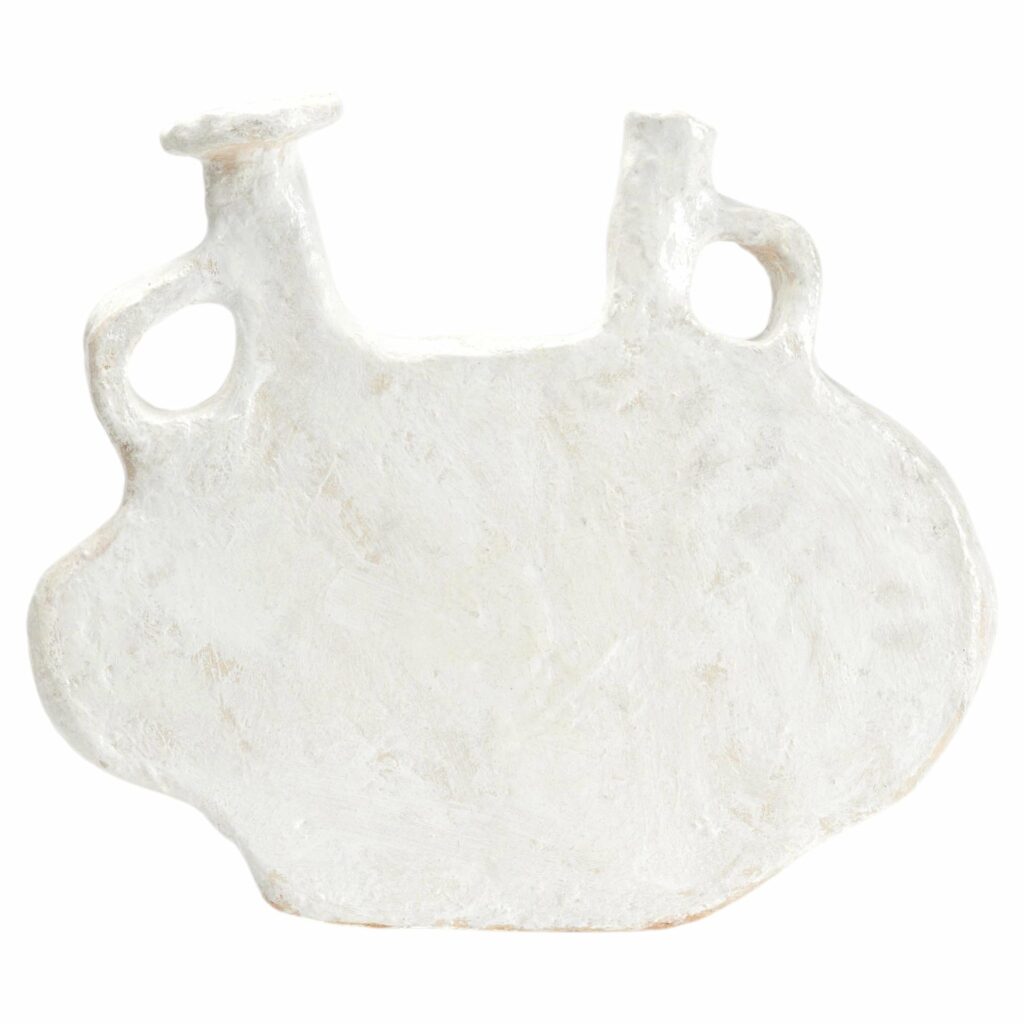
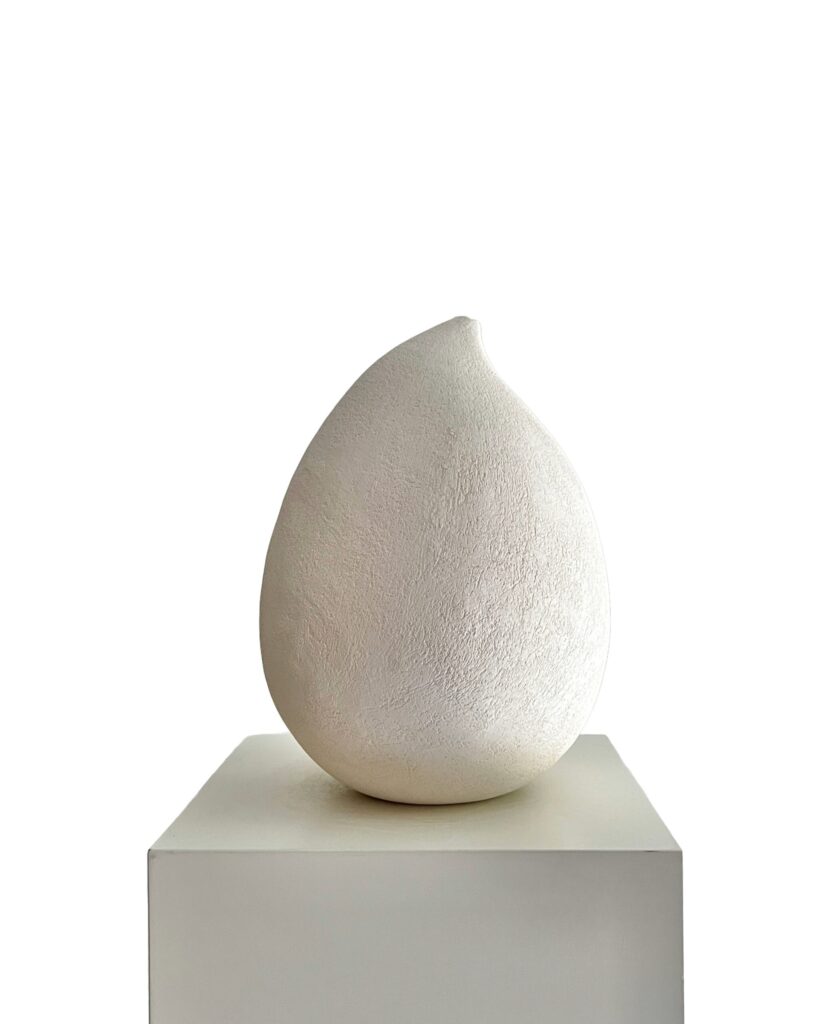
Bili Vase by Willem Van Hooff
I’m drawn to the Bili Vase by Willem Van Hooff for its sculptural, organic form. There’s something about the way it undulates and flows—it feels almost alive, as though it’s been shaped by natural forces rather than human hands. The piece sits somewhere between art and function, which is exactly what I look for when selecting objects for our projects.
A late 15th-century stone house just outside Bath city centre. I’ve been working on this project for nearly four years now, and it’s become something of a passion project. I’ve been on a long journey with our clients, and the house itself is exceptional. I think it’s a favorite because of the trust the clients have placed in me to implement the vision without compromising even the smallest details. It’s truly a special place—both the house and the gardens. I’m really looking forward to seeing it through to completion.
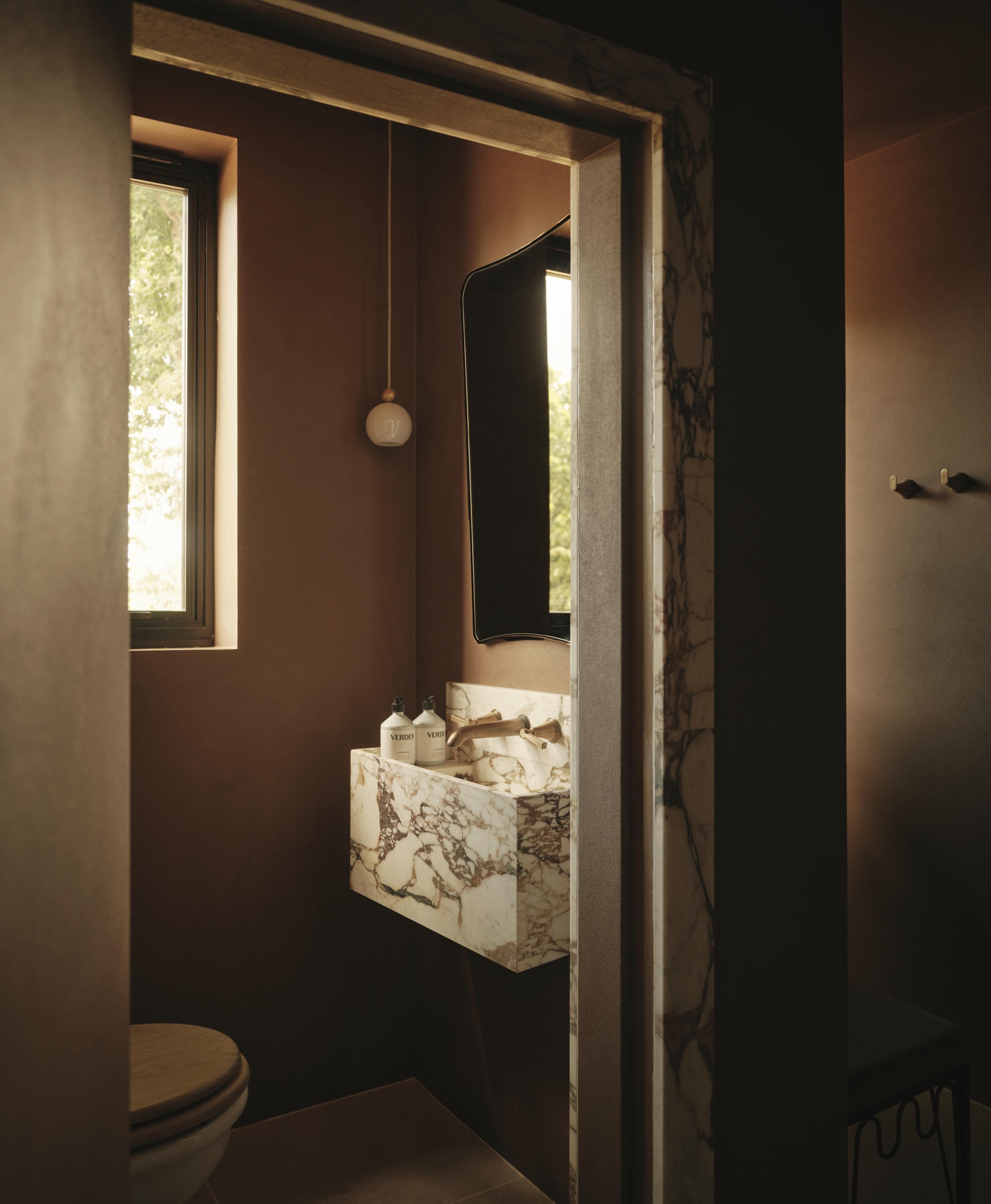
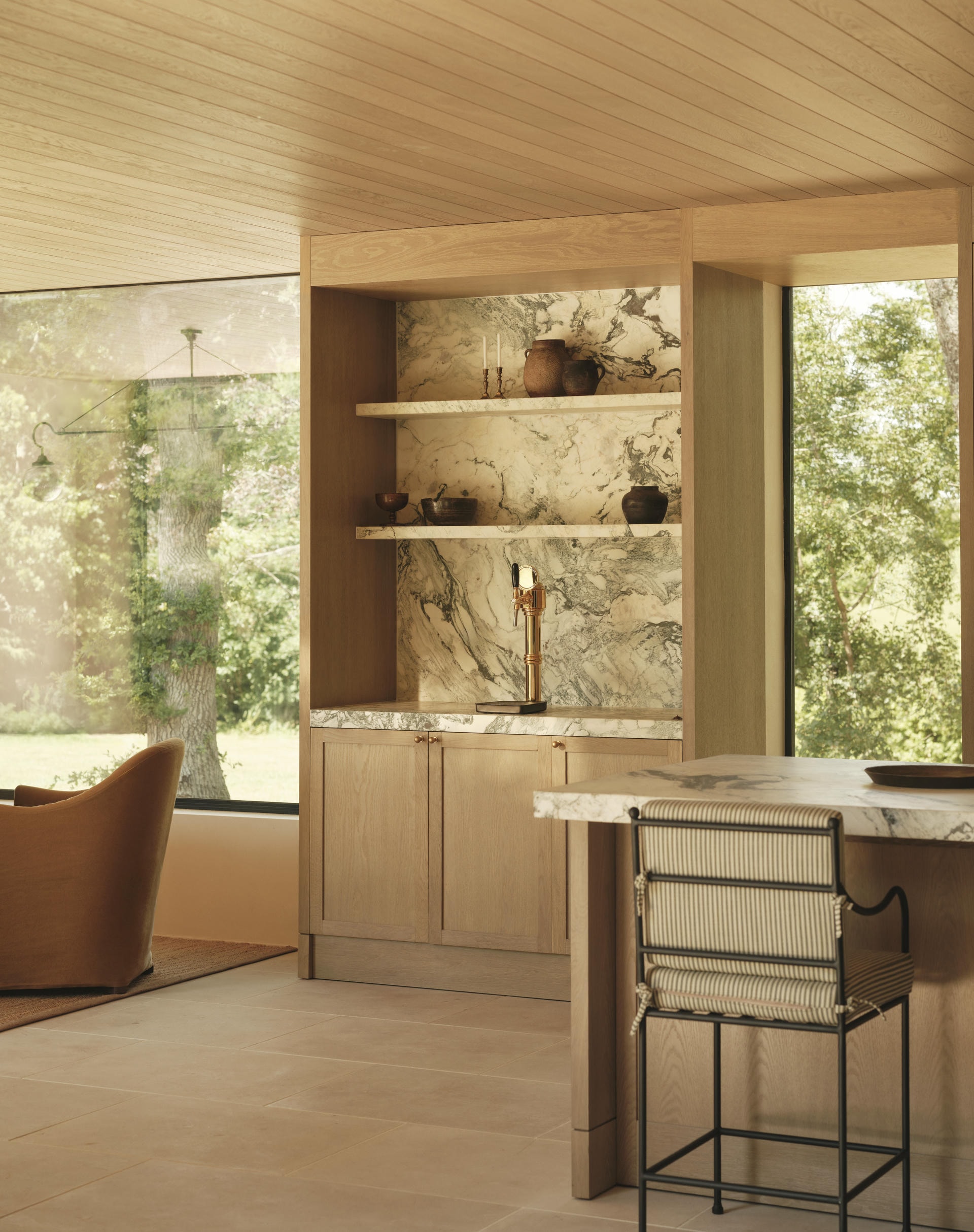
I’ve learned that it’s far better to use one beautiful, honest material well than to fill a room with numerous mediocre finishes. When you choose materials with integrity—whether it’s reclaimed stone, hand-plastered walls, or bespoke metalwork from skilled craftspeople—they bring a tactile richness that cannot be replicated. These materials age gracefully, developing character rather than simply wearing out.
I once sat next to another interior designer at a dinner party—she was about a decade ahead of me in her career. During our conversation, she offered a piece of advice that has stayed with me ever since: “Hire people that can do the things you can’t do, and you will grow.” At the time, I was still trying to master everything myself, but her words resonated deeply. I still think back to that evening often and realize how right she was.
Building a strong team isn’t about replicating your own skills—it’s about surrounding yourself with talented individuals whose strengths complement your own. This approach has not only allowed Blank Slate to flourish, but it’s also freed me to focus on what I do best while trusting others to excel in their areas of expertise.
Get the experience and put in the time—there’s simply no substitute for it. Don’t be afraid to try different studios until you find one that feels right and genuinely allows you to grow. Each studio has its own culture, approach, and strengths, and what works for one person may not work for another. The right environment will challenge you, inspire you, and give you the foundation you need to develop your own voice as a designer. Be patient with the process and trust that the time you invest early in your career will shape everything that follows.
I’m still learning every day, which I believe is essential to growth both personally and professionally. We continuously trial new systems, explore innovative approaches, and experiment with different ways of working—sometimes these changes prove transformative, and other times they teach us valuable lessons about what doesn’t work.
I think the hardest lesson I’ve learned has been the importance of remaining flexible and adaptable. Running a design studio requires you to bend and flow with whatever challenges life throws your way—whether it’s unexpected project delays, shifting client needs, or supply chain complications.
Perhaps most importantly, I’ve come to accept that you can’t control everything, and that’s okay. Sometimes the most beautiful outcomes emerge when you allow room for the unexpected and trust in the process.
Completely not interiors-related, but having recently gone down the Kristin Hannah rabbit hole, I could not put The Nightingale down. I love history, and it takes place in France during WWII. Interior-related, I’ve just collected a few amazing furniture design books from my local used bookshop.
We are currently working on several exciting projects across the UK, Europe, and the United States. Two of these are new builds, which is new territory for our studio—we’ve historically focused on renovations and restorations of older homes.
One project is in New York, just outside of Manhattan on the north shore of Long Island. The entire focus and narrative for this home centres on the use of natural materials, creating a calm sanctuary that seamlessly connects the interior spaces with the surrounding landscape. Every design decision is guided by this principle of harmony between inside and out.
Our other new build is in Cambridge, where we’re creating an Arts & Crafts home that will look and feel authentically historic.
Our mission is to design it in such a way that it feels as though it’s always been there, as if it were built at the same time as the neighbouring homes. It’s a fascinating challenge to build something new while honouring traditional craftsmanship and architectural details that will allow it to sit naturally within its established context.
Thank you so much Bari, for this lovely interview!
Share article :
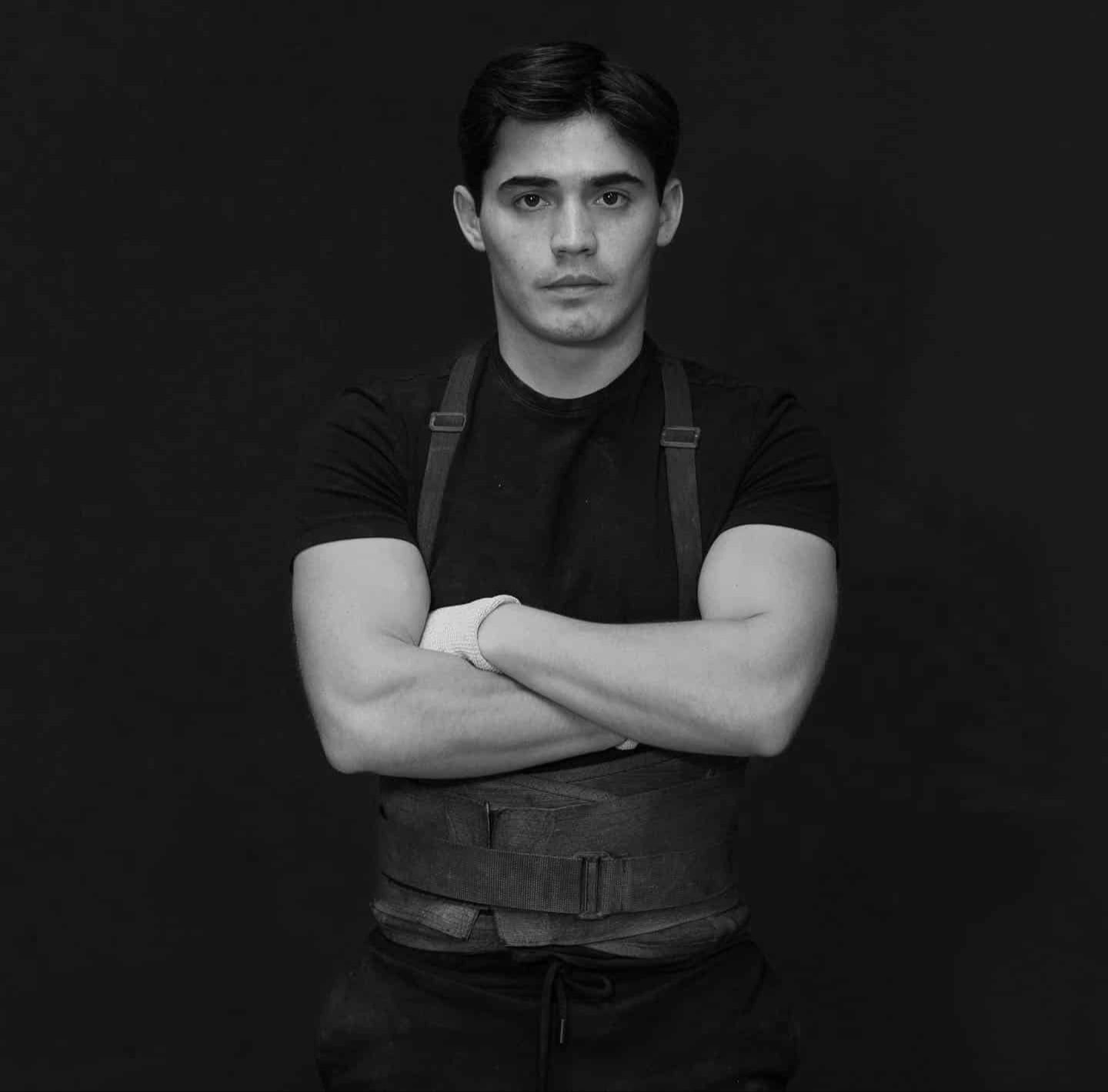
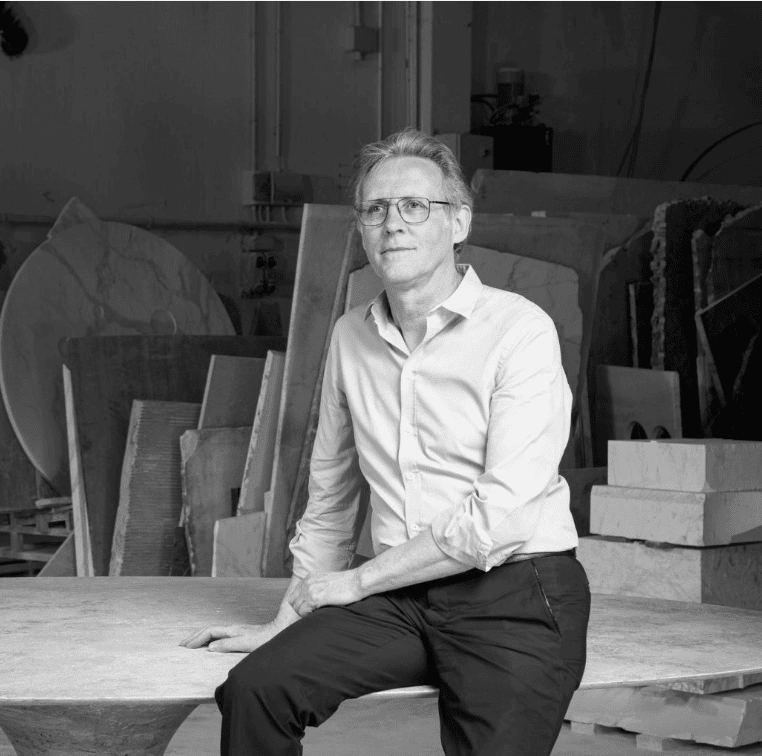
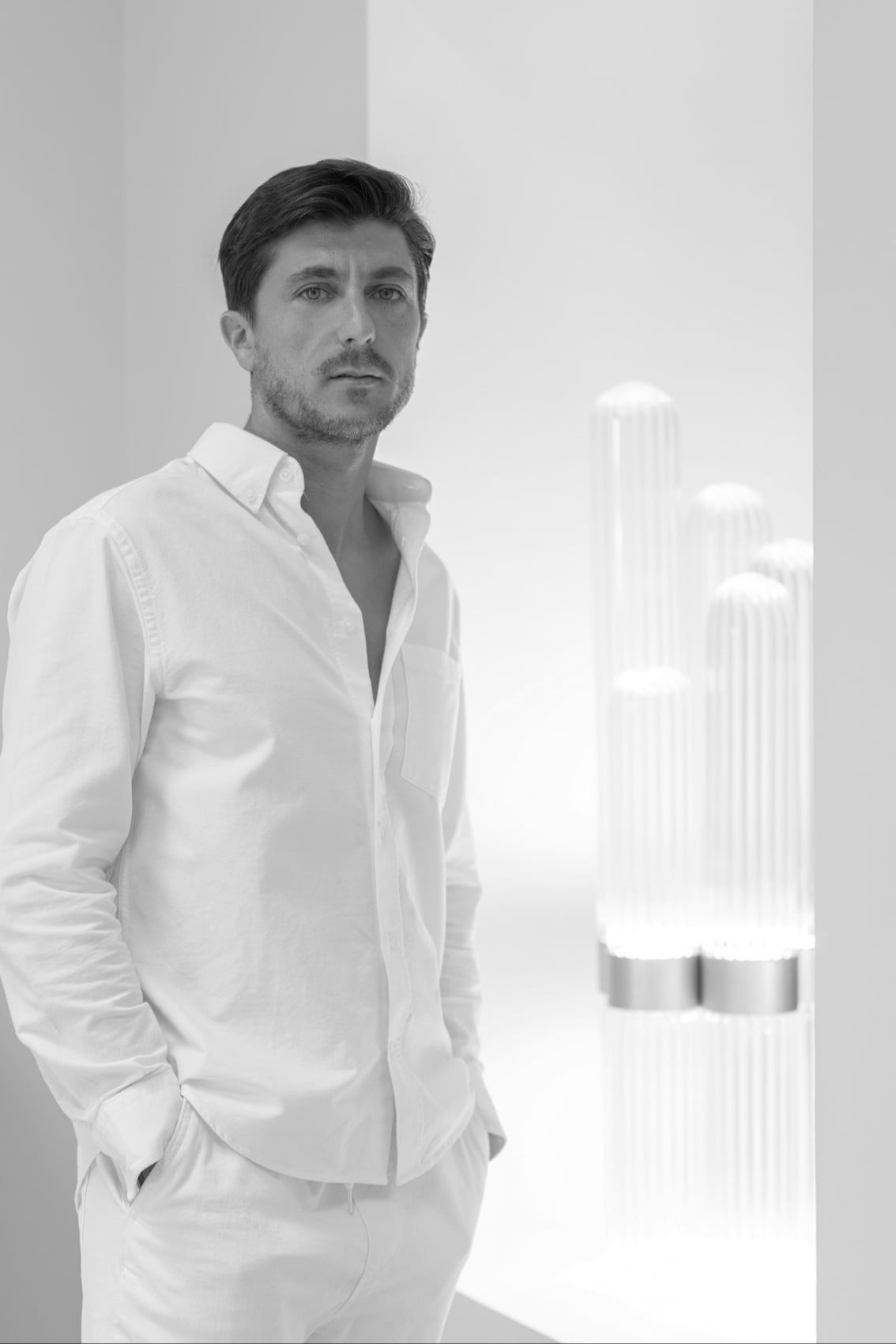
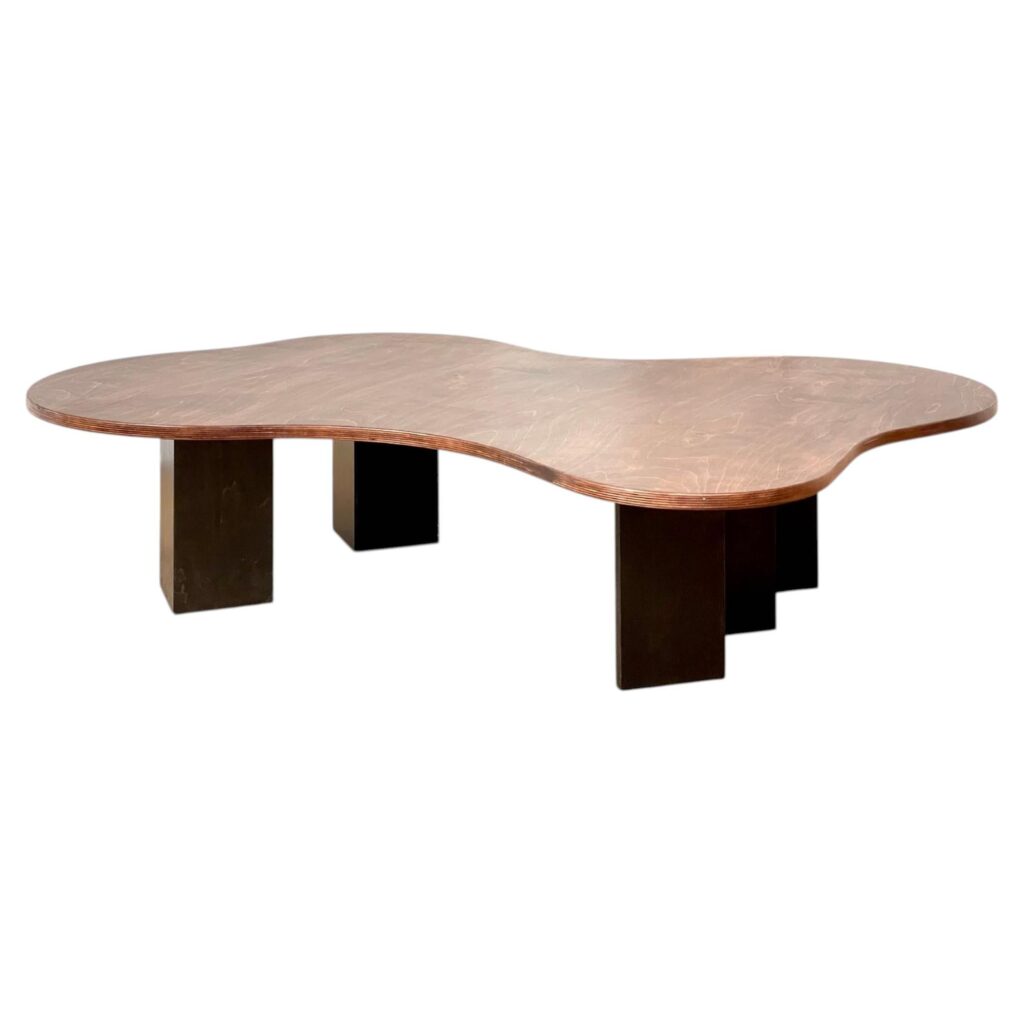
I’m completely drawn to the Spill Table by Goons for its playful yet sophisticated approach to form. There’s something wonderfully unexpected about it—the way it captures a moment of movement, as if liquid has been frozen mid-flow. It’s sculptural and whimsical, yet entirely functional, which is exactly the kind of duality I love in furniture design.