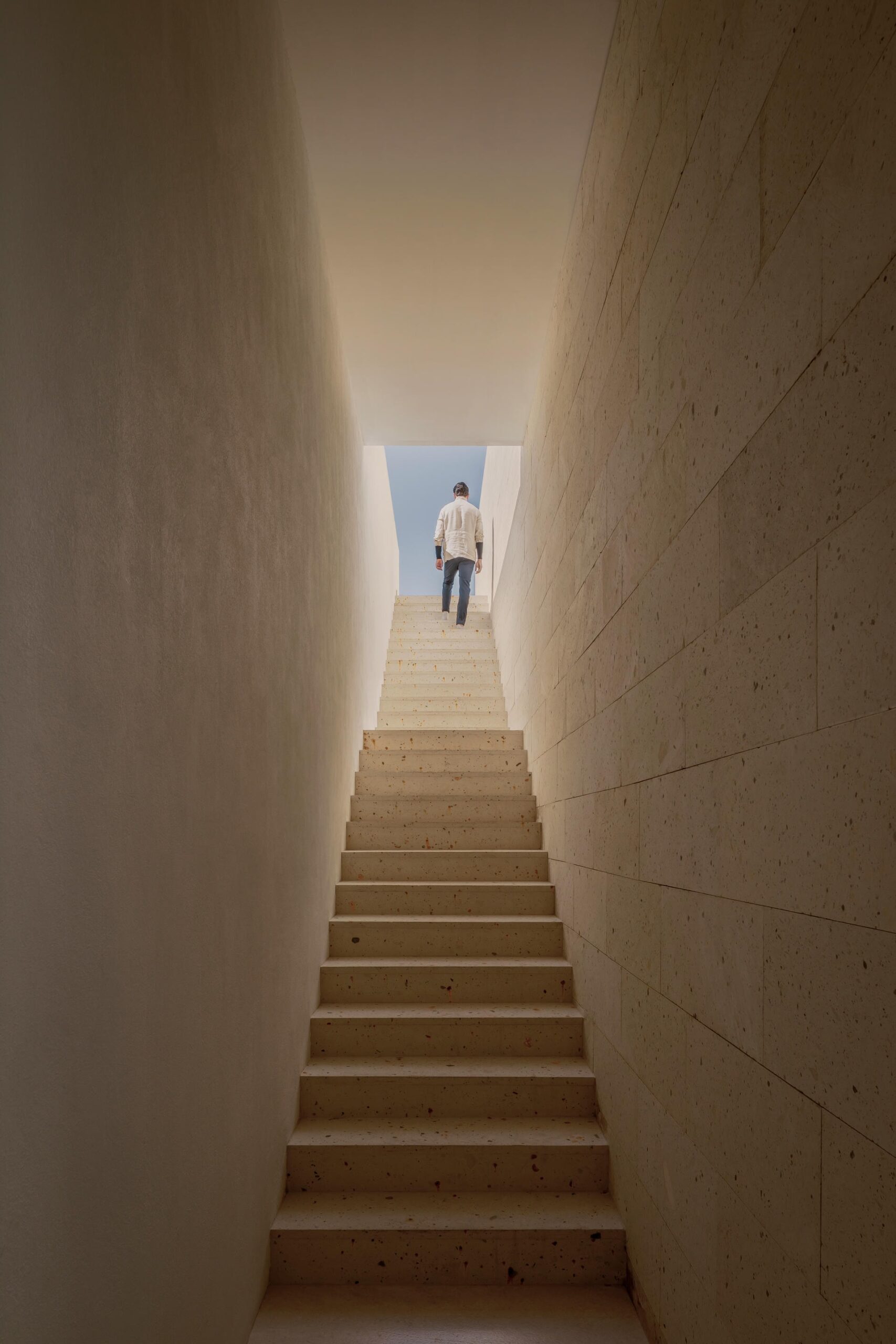
Rogelio Vallejo Bores
Rogelio Vallejo Bores is a Mexican architect and founder of HW Studio Arquitectos, known for a quiet, precise, and deeply human approach to design. Born in Michoacán, he holds degrees in Architecture, Art & New Technologies, and Design & Innovation, and has trained with renowned practices including Fran Silvestre Arquitectos, RCR Arquitectes, and Aires Mateus.
His work explores the beauty of the essential—where silence, light, and disciplined craftsmanship define space. Rogelio’s projects have received international recognition, including Design Vanguard 2024, Record House 2023, Best Emerging Firm by Azure Magazine, the German Design Award 2024, and multiple Loop Design Awards.
Widely published in Architectural Record, Azure, AD, Dezeen, and Archello, HW Studio has been named among Mexico’s best architecture firms and one of Latin America’s most influential studios. Rogelio’s architecture seeks harmony, clarity, and emotional resonance, inviting reflection through thoughtful design.
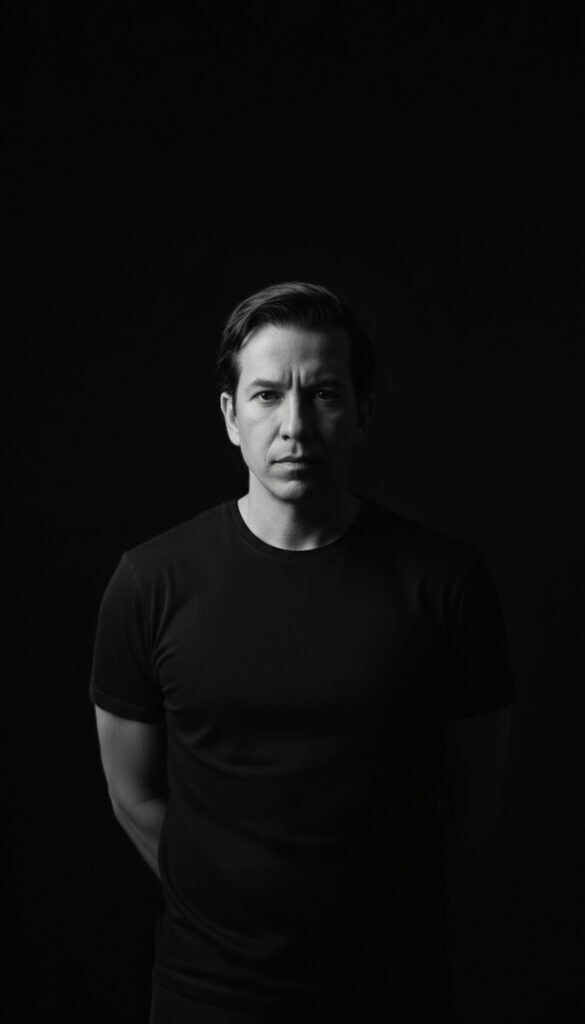
“Architecture is about how people experience themselves, not about showing off.”
INTERVIEW
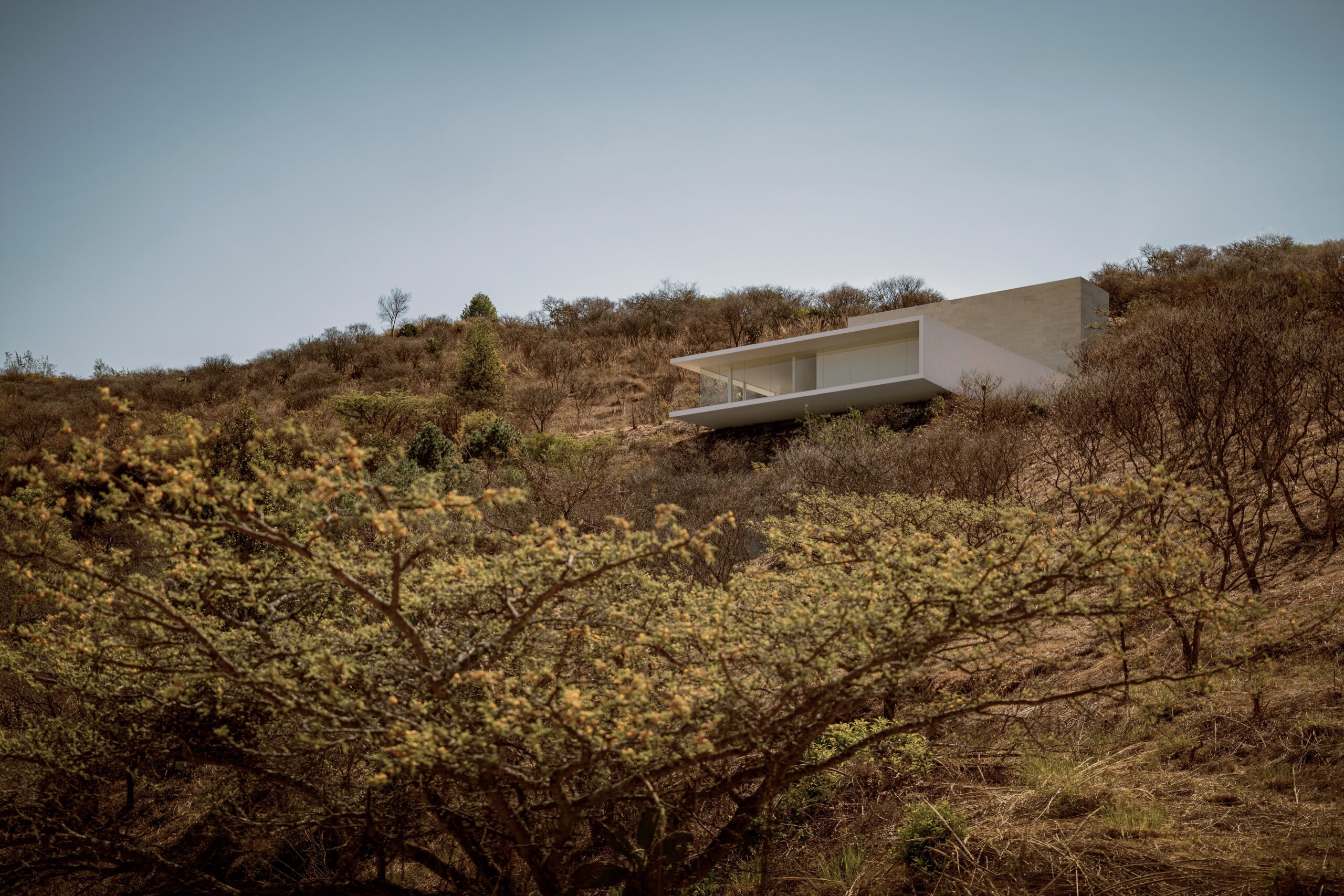
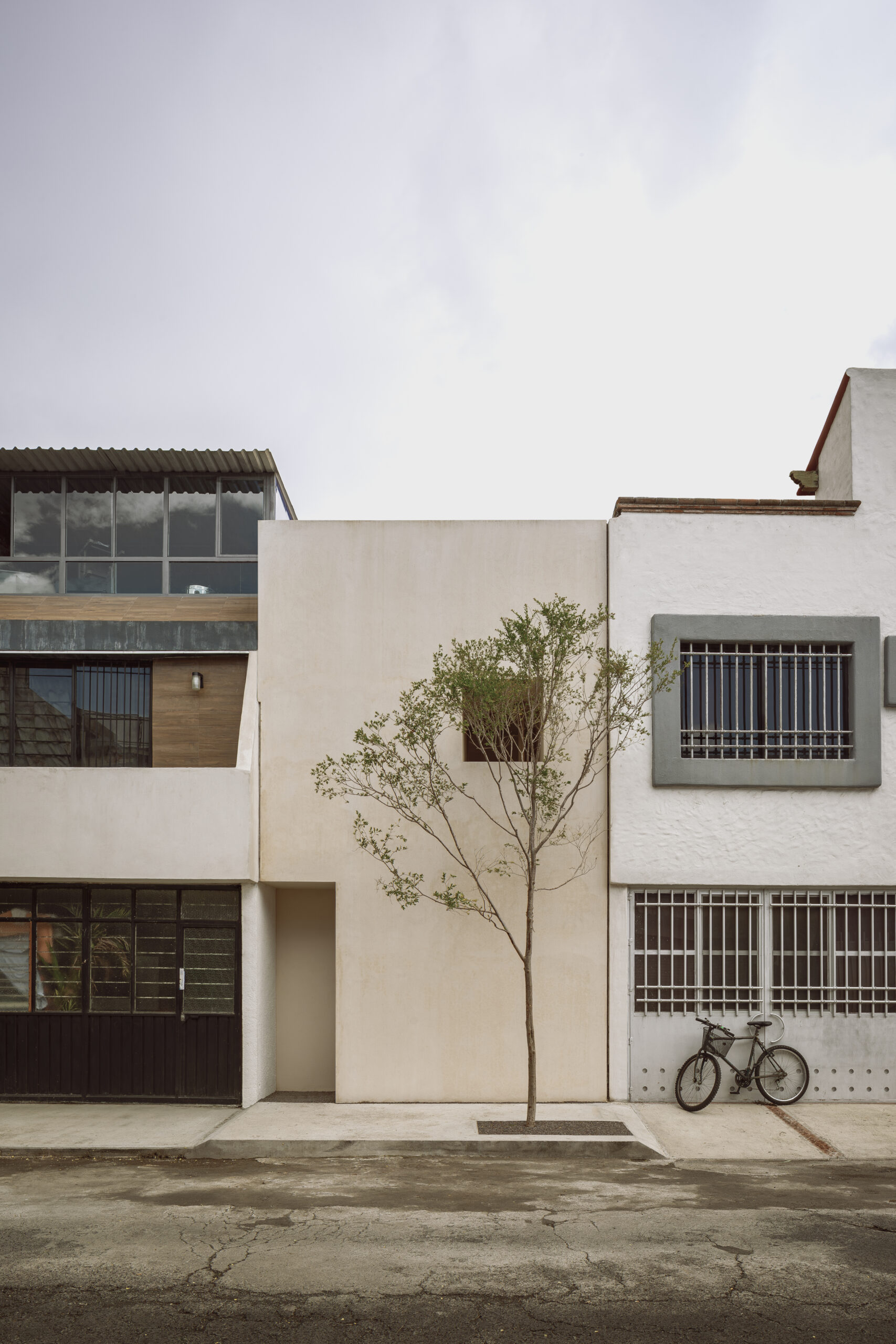
I would choose Casa Tao in Puerto Vallarta. But honestly, it’s hard to put into words. The house is all about experiencing it — walking along its curved walls, seeing how the sunlight moves across the concrete and wood, feeling the quiet of its courtyards. Being inside it brings a sense of calm and peace that’s hard to describe.
It’s a project that reminds me that architecture isn’t just about walls or forms; it’s about how space makes you feel. Casa Tao slowly reveals itself to anyone who inhabits it, showing its depth through simple gestures, light, and material. You really have to experience it to understand it — that’s what makes it so special to me.
Our design style is quiet, precise, and attentive to the subtle poetry of space.
We seek simplicity without sterility — spaces that allow the inhabitant to inhabit them fully, where every line, proportion, and material has meaning.
It is a style that values restraint, focusing on the essential gestures that define spatial experience.
We aim for architecture that whispers rather than shouts, creating environments that invite reflection, contemplation, and a gentle awareness of presence.
Our process begins with three intertwined elements: the inhabitant, the site, and ourselves as designers. To understand the inhabitant, we immerse ourselves in the spaces that have shaped their lives — the homes they have lived in, the places where they have experienced joy, tranquility, or meaning.
We also employ a psychological instrument applied by a neuropsychologist, which helps us uncover the traits that define their personality. Through careful interpretation, we translate these insights into spatial gestures, choices of scale, and materiality, allowing the architecture to resonate deeply with those who will inhabit it.
The site, in our eyes, is never just a plot of land; it is a living presence. We visit it repeatedly, observing how light moves throughout the day, the textures of materials, the sounds that echo or are absorbed, and the subtle rhythms of the surrounding environment.
These observations are committed to our memory, both emotional and intellectual, creating an intimate dialogue with the place that guides every design decision.
And to understand ourselves as designers, we practice Zen meditation. Through silence and attentive presence, we cultivate a sensitivity to perception — a way to sense the invisible currents of space, time, and light. This practice helps us approach each project not only with intellect but with awareness of the body, emotion, and spirit.
Through this intimate conversation — inhabitant, site, self — a building slowly emerges. Every wall, every modulation, every material and proportion becomes an echo of lived experience, a spatial reflection of memory, personality, and context. In this way, the client’s vision is never imposed; it is discovered, translated, and refined into an architecture that feels both personal and timeless.
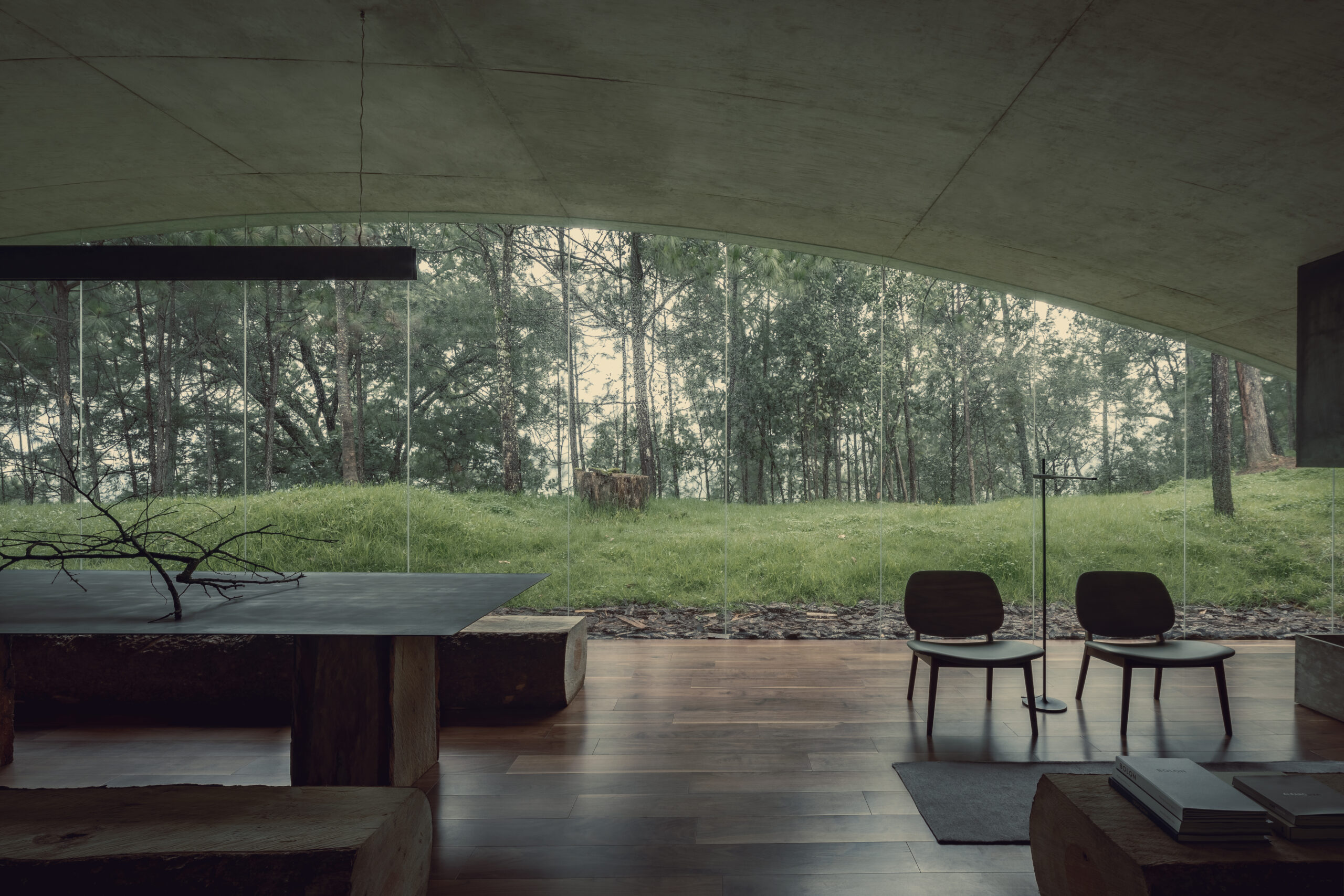
Two of my favorites are the Entoku-in Temple in Kyoto and the Teshima Art Museum in Kagawa. They might seem different — one a traditional temple, the other a contemporary museum — but both share a delicate sensitivity to void, material, and human presence.
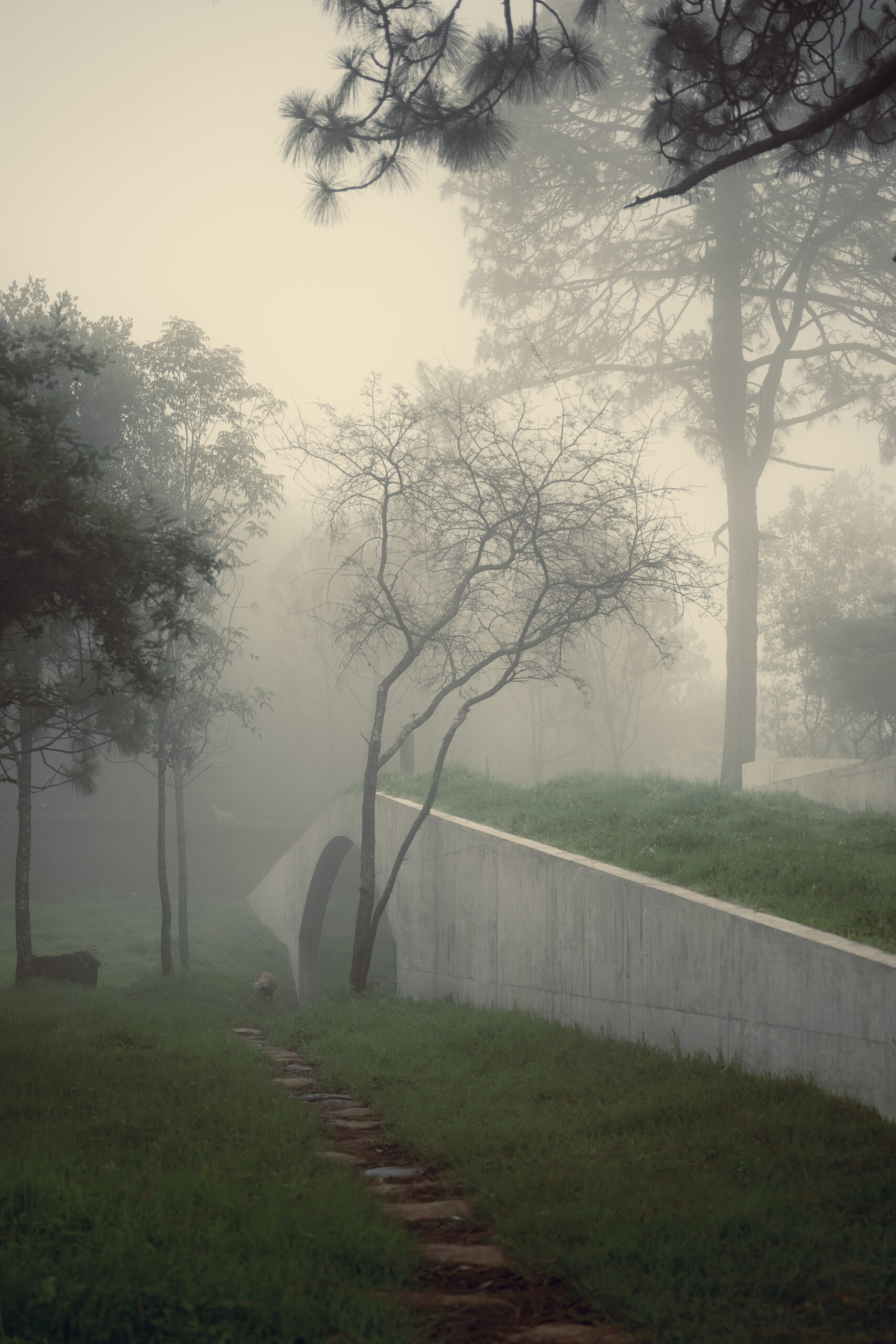
At Entoku-in, every courtyard and framed view invites contemplation. Teshima flows with light, air, and water, connecting you to the environment and your own perception. Both remind me that architecture’s power lies in shaping experience quietly, through subtle gestures, presence, and silence.
Light and nature are inseparable from our architecture; they are not merely elements, but collaborators in the creation of space. We observe how sunlight moves and changes over time, how shadows are cast, and textures are revealed. Nature is woven into our designs, framed, filtered, or invited in, so that each encounter feels intentional. Architecture, in this sense, becomes a vessel for perception — a mediator between the inner life of the inhabitant and the rhythms of the natural world. The spaces we create are in dialogue with the environment, allowing inhabitants to feel a quiet connection to light, air, and landscape at every moment.
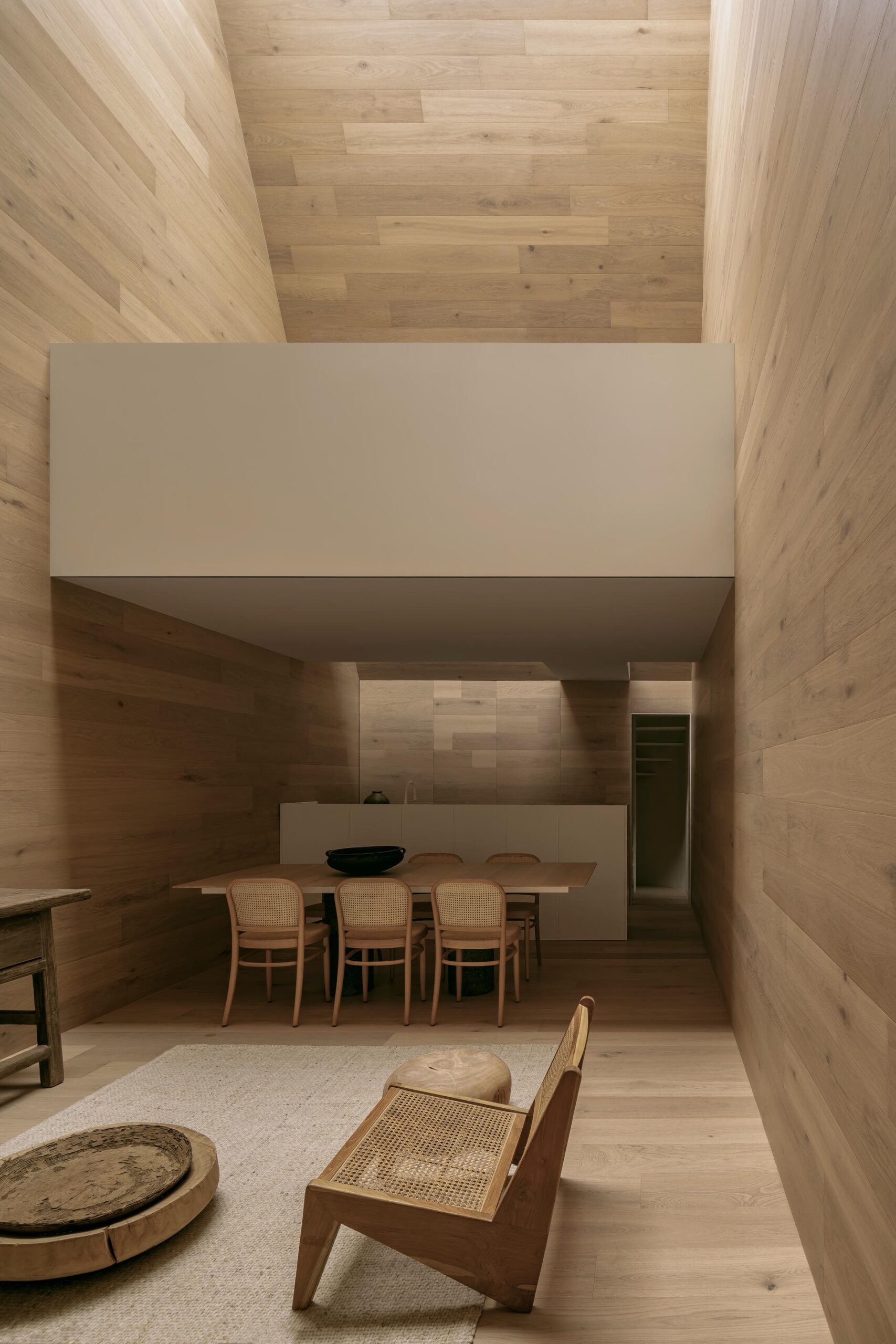
Form and material are inseparable in our work. We choose materials for their tactile qualities, their way of aging, and how they interact with light and shadow. Concrete, wood, and stone are used not merely as surfaces, but as vessels of emotion and memory. Subtle proportions, careful modulation, and rhythm allow the architecture to breathe, guiding the inhabitant through moments of pause and reflection. Lately, I have a growing suspicion that achieving this sense of calm is less about shaping the material itself and more about sculpting the void — what the Japanese call ma. The finest sculptors and architects work with nothingness: the space around the letters is more important than the letter itself.
In architecture, this means thinking of space not as an absence, but as a presence — a silent frame where light, shadow, and human experience unfold. Every detail, every texture, and every modulation is part of a dialogue with this void, allowing the architecture to resonate with quietude, balance, and subtle emotional depth.
What I enjoy the least is that architecture is always a collective event. If someone in the team, or in the larger group involved in the project, doesn’t do their part well, it can affect everyone else’s work, the budget, and the rhythm of the project. That can be very frustrating because the success of the architecture depends on a delicate coordination of many hands, and any imbalance resonates through the whole process.
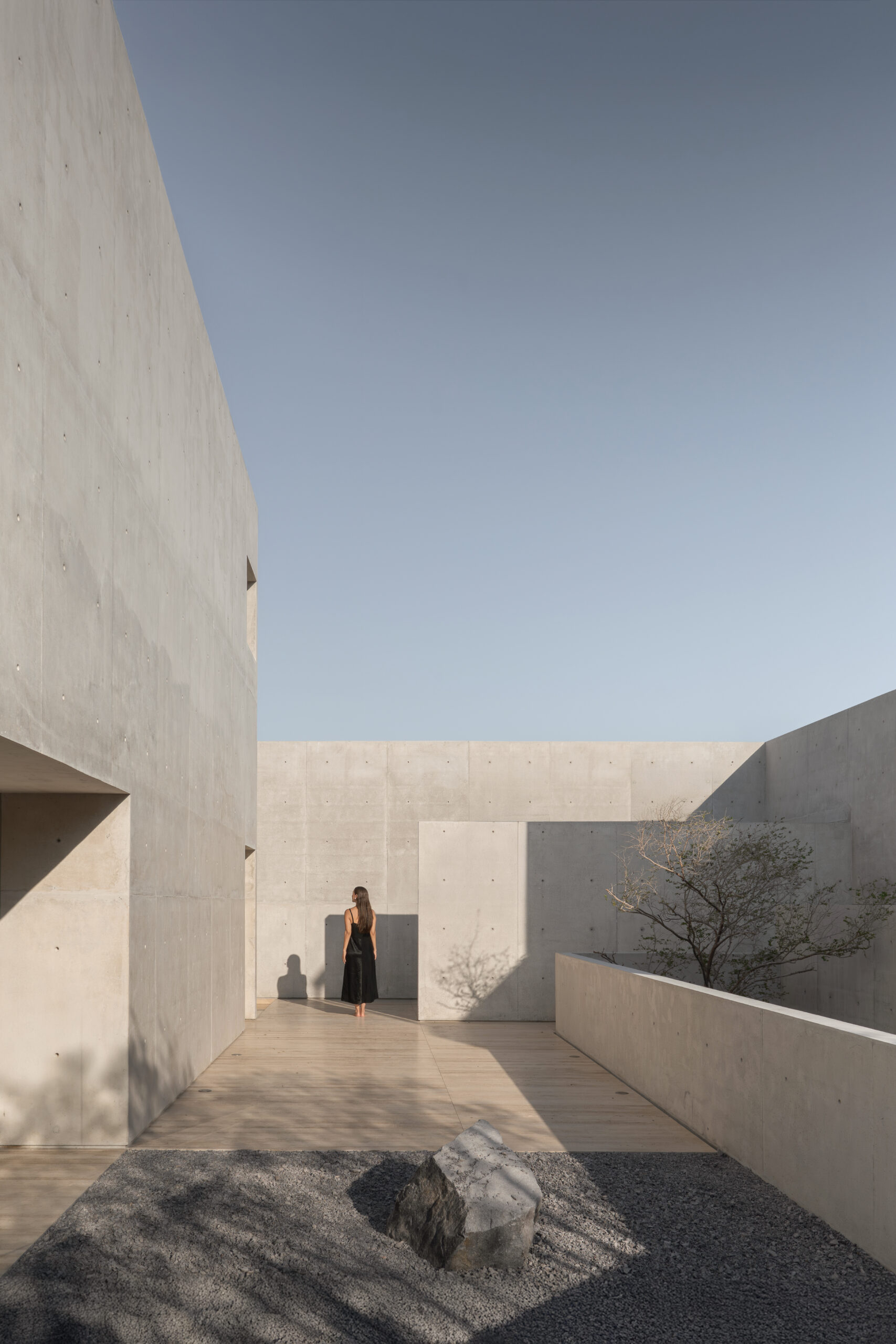
My inspirations are often quiet and subtle. Walking through cities like Morelia, sitting in a temple, or observing light through trees — these moments shape my perception. My greatest inspiration comes from Buddhist wisdom, which teaches attention, silence, and a deep awareness of presence. As an architect, I am also profoundly inspired by the work of Tadao Ando, Kengo Kuma, and Luis Barragán. Their buildings are poetic, subtle, and deeply connected to light, material, and the human experience. Zen meditation is another constant source of inspiration, helping me observe, feel, and reconnect with my true nature.
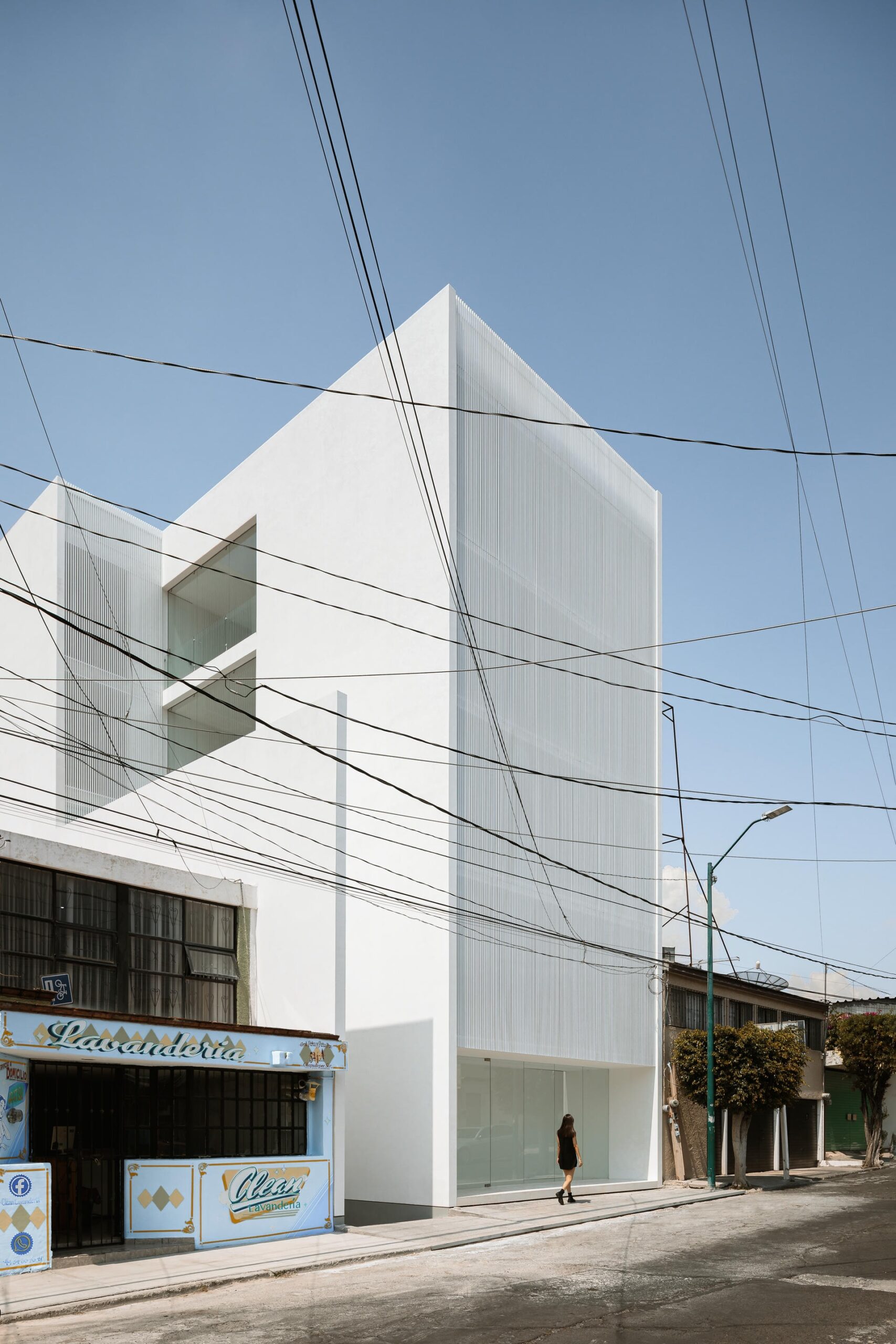
If I had to choose a mantra, it would be inspired by a rare but deeply moving moment during meditation: those brief instants of silence when even the inner monologue pauses. There is nothing but absence — a pure, quiet space. That silence, that absence of sound, is the feeling I try to infuse in my architecture. Spaces that allow for that pause, that moment of calm, are the spaces I strive to create.
I believe architecture today should start thinking less in terms of power and more about soothing the suffering spirit of those who are living in this world. Buildings have the potential to offer calm, comfort, and quiet reflection — spaces where the human spirit can rest, reconnect, and experience a sense of peace amidst the chaos of everyday life.
I wish someone had told me not to fight so much, to surrender, and to allow life to unfold as it should, regardless of the plans and illusions of our own ego. We are here to experience a multitude of emotions, and one of them — suffering — arises from the desire for things to be other than they are. Accepting life as it is, with its moments of joy and pain, is perhaps the most essential lesson for both living and designing.
Trust your own perception and your own silence. It’s easy to get distracted by trends, recognition, or the desire to impress. But architecture is about how people experience themselves, not about showing off. Take the time to observe, feel, and understand — both the world and yourself.
Thank you so much Rogelio, for this lovely interview!
Share article :