Lu Yun
Lu Yun is the founder and principal architect of MUDA-Architects, an international practice he established in 2015 in Beijing and Boston, later expanding with a Chengdu office in 2017. With a Bachelor of Architecture rooted in traditional domestic architectural education, his work is guided by an ongoing pursuit of metaphysical reflection within practical design processes.
Before founding MUDA, he gained significant experience at MAD Architects and GMP International, contributing to major projects such as the Lianyungang Industrial Exhibition Center, Hangzhou South Railway Station, Tianjin Binhai Cultural Center, and the Beijing Central Park Complex. These formative roles strengthened his holistic understanding of large-scale design and construction.
Today, Lu Yun leads MUDA-Architects with a design philosophy grounded in locality, contemporaneity, and a Futuristic Oriental mindset. The studio has received international recognition, including the United States Residential Stadium International Competition Award and the Xinglong Lake Bookstore Competition. As principal architect, he has overseen notable projects such as the Garden Hotpot Restaurant, Xinglong Lake CITIC Bookstore, M50 Art Hotel, Haikou Xixiu Park Visitor Center, and the Tianfu Museum of Chinese Medicine—establishing MUDA-Architects as a distinctive voice in contemporary architecture.
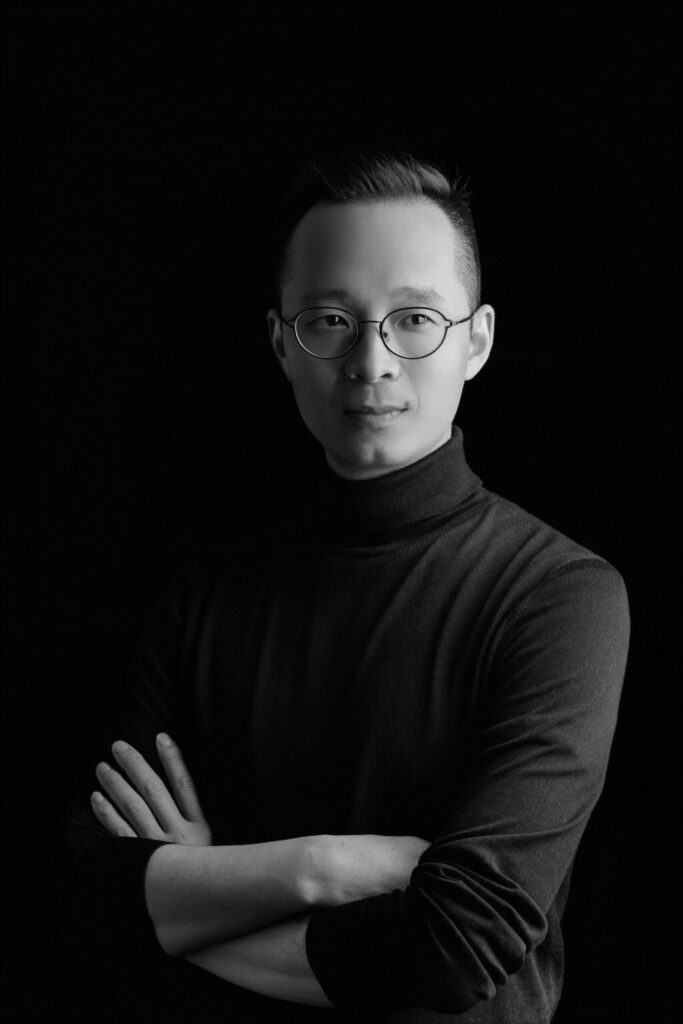
“A building that could exist anywhere ultimately belongs nowhere.”
INTERVIEW

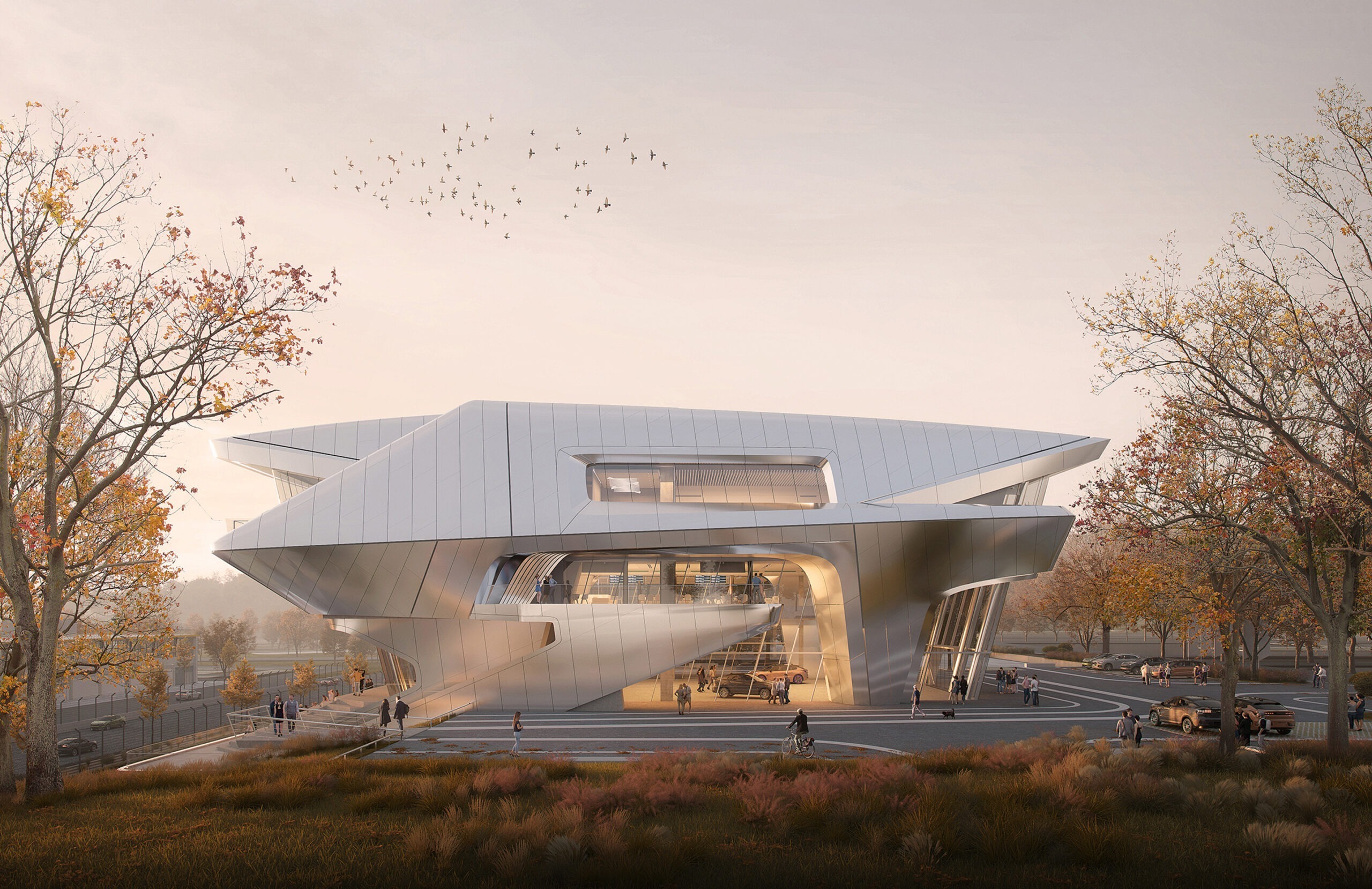
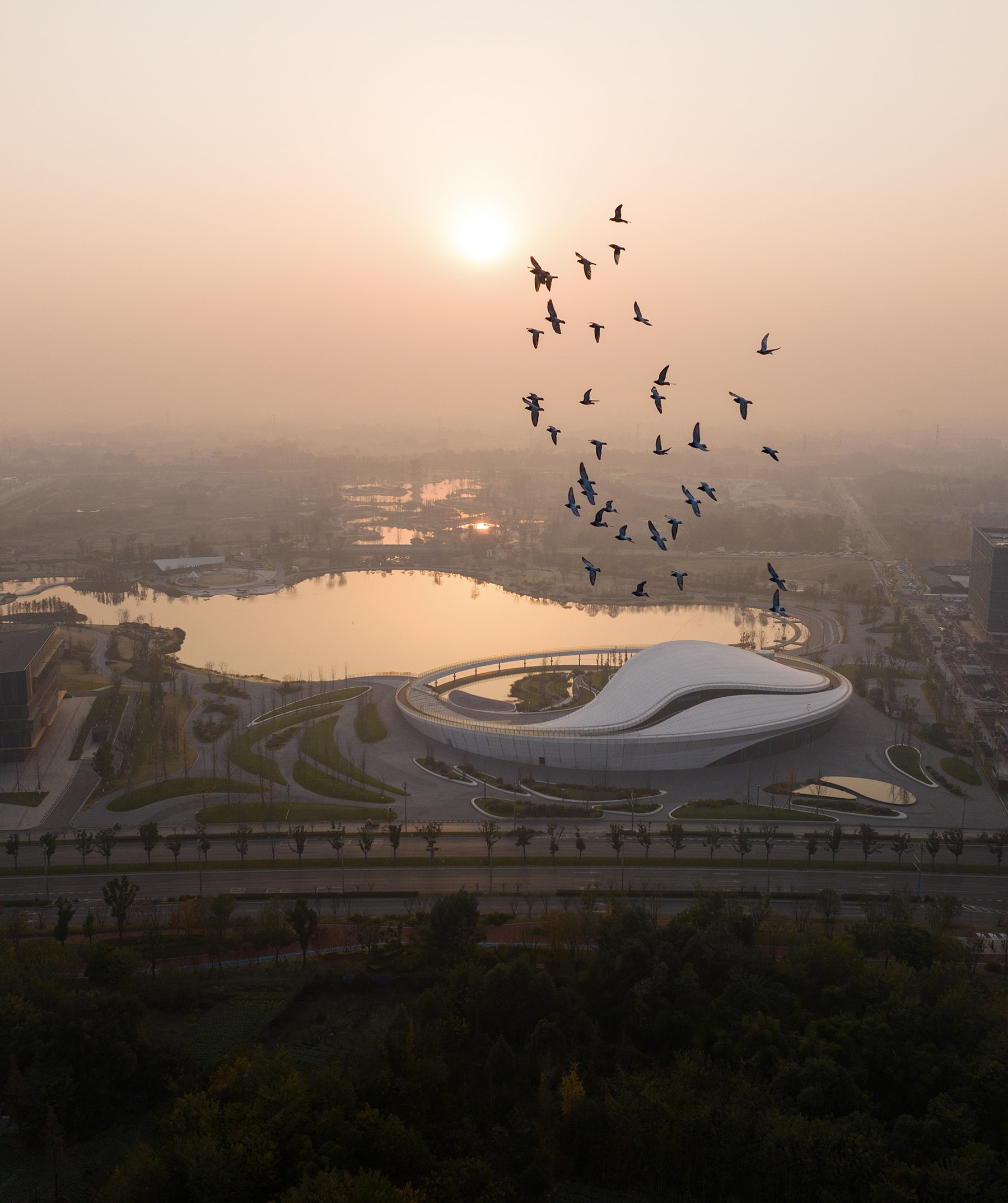
Tianfu Museum of Traditional Chinese Medicine

La Sagrada Família in Spain, Therme Vals in Switzerland, and the Miho Museum in Japan. Each of these projects transcends the idea of “building” itself; they exist as profound dialogues between architecture, nature, and time.
I realized I wanted to become an architect very early on—around the age of 13. I’m grateful that I’ve been able to stay devoted to this conviction ever since.
Every project starts with a deep focus on place, which we call it “localization”. We study its physical and climatic conditions, the budget, the client’s brief, programmatic needs, and the cultural memory…By synthesizing these authentic conditions and responding through contemporary spatial language, architecture forms a connection with both the land and the people it serves.
Our work is contemporary in essence, yet deeply rooted in its China’s cultural soil. I often describe our approach as “Future Oriental”—a synthesis where Eastern spirit and sensibility meet the clarity and precision of modern architecture.
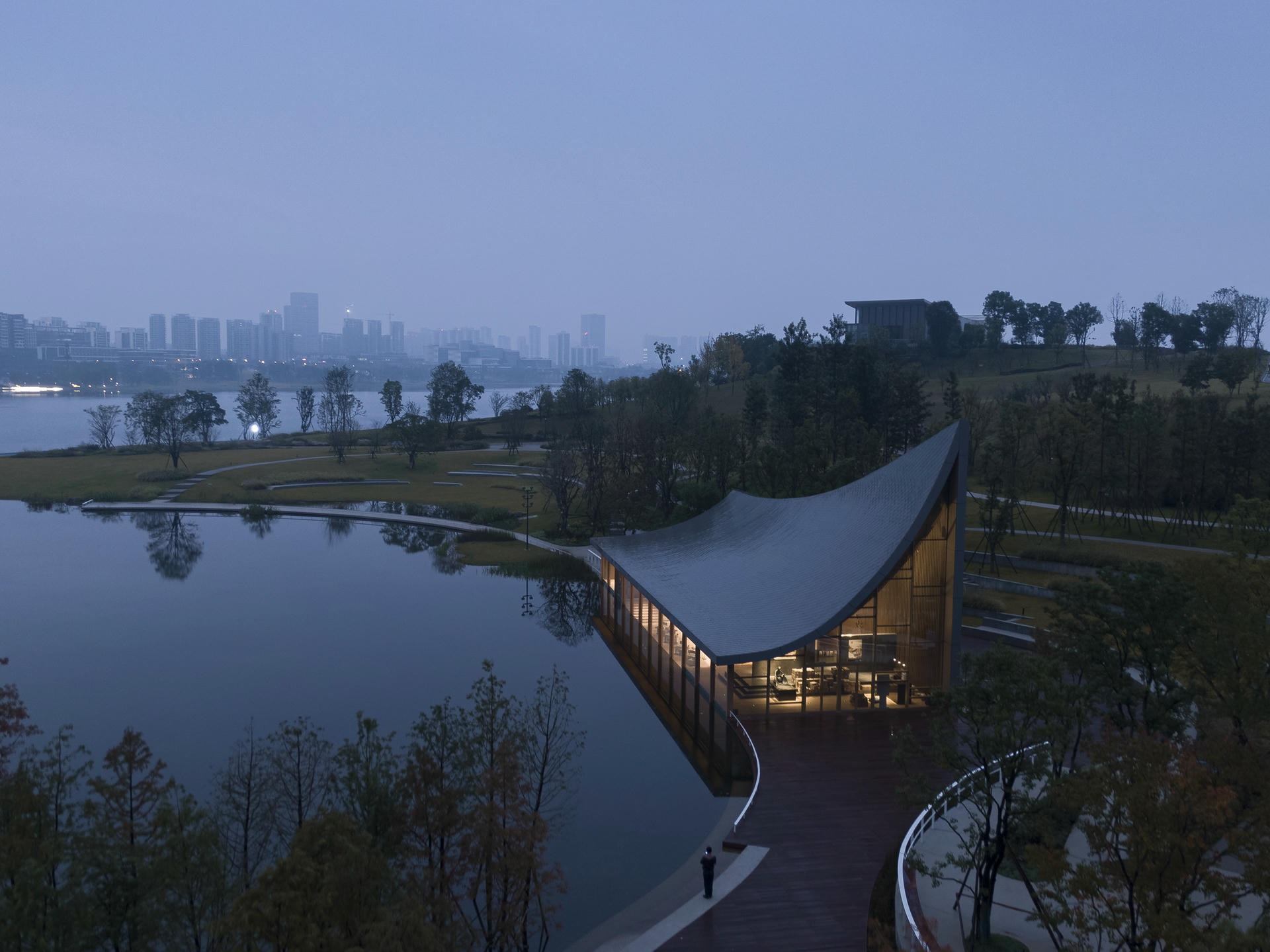
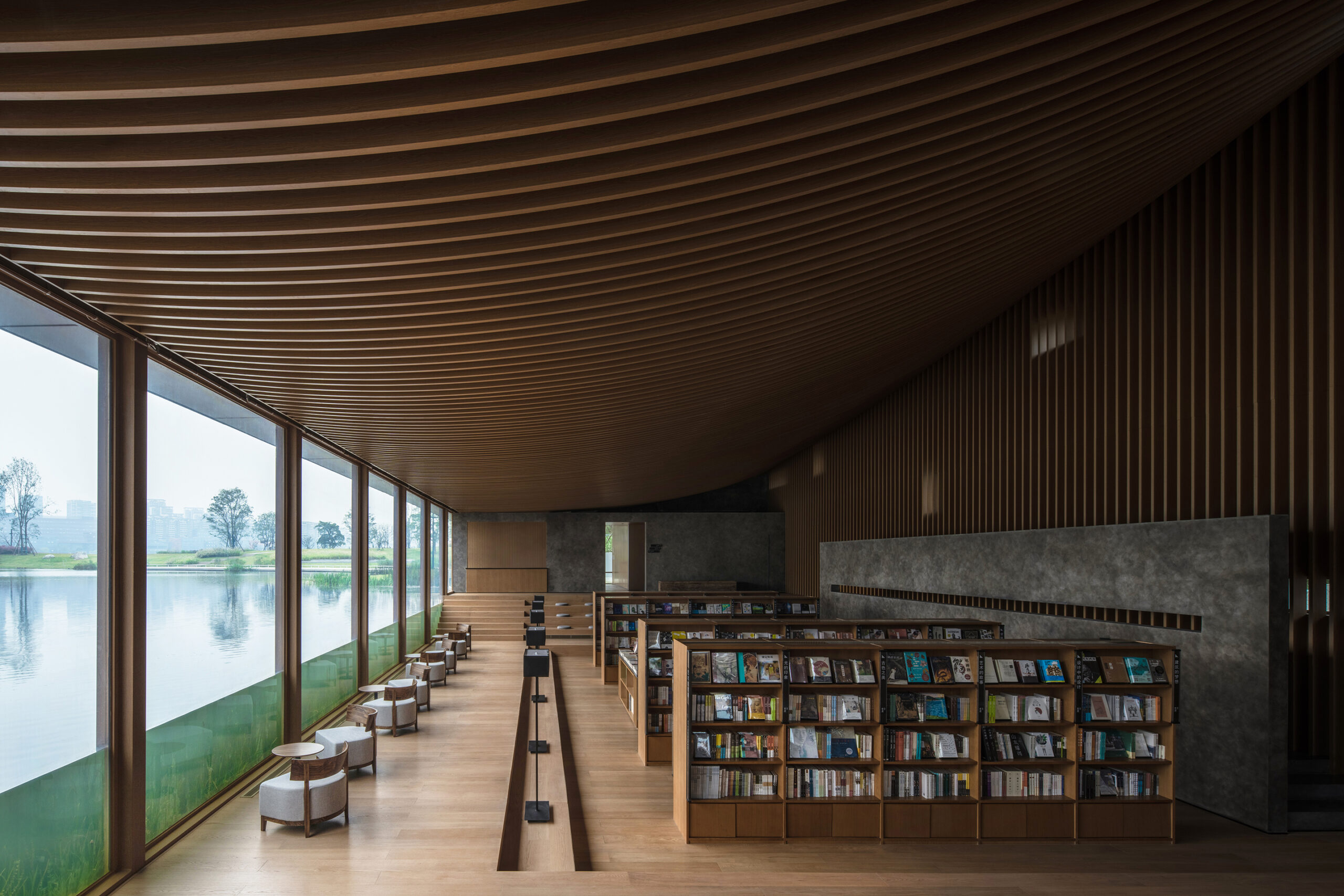
The Xinglong Lake CITIC Bookstore holds a special place in our practice. We won first place among 249 competition entries in 2018, and the project was later realized. It became our firm’s debut project and a foundation of our reputation—a true milestone.
When a project is entirely predetermined by the client, the work loses its spirit of inquiry. Architecture needs dialogue and trust; without them, it becomes difficult for a design to evolve into something truly resonant and alive.
Inspiration is inseparable from one’s worldview. Every journey, every landscape, every book becomes part of a personal archive that shapes intuition. Creativity, for me, is a process of rediscovering fragments of oneself through the world.
Localization, Contemporary Attrioutes and Oriental Futurity in Architectural Praxis.
Many contemporary works overlook the importance of cultural resonance. Architecture should not be placeless. A building that could exist anywhere ultimately belongs nowhere.

Chengdu Xinglong Lake CITIC Bookstore
Remain faithful to your origin. Don’t hurry the process.
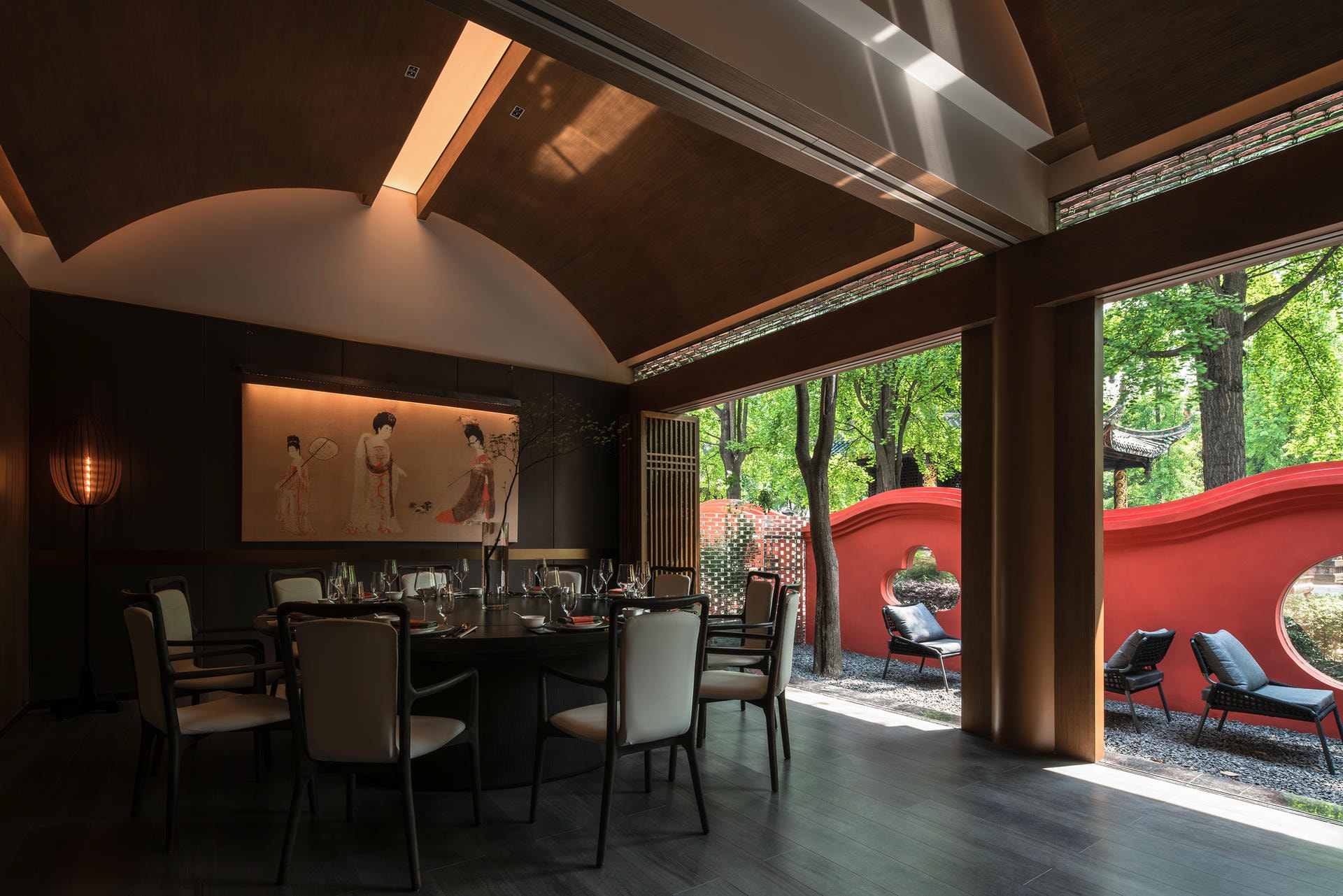
Kuansan Town Restaurant
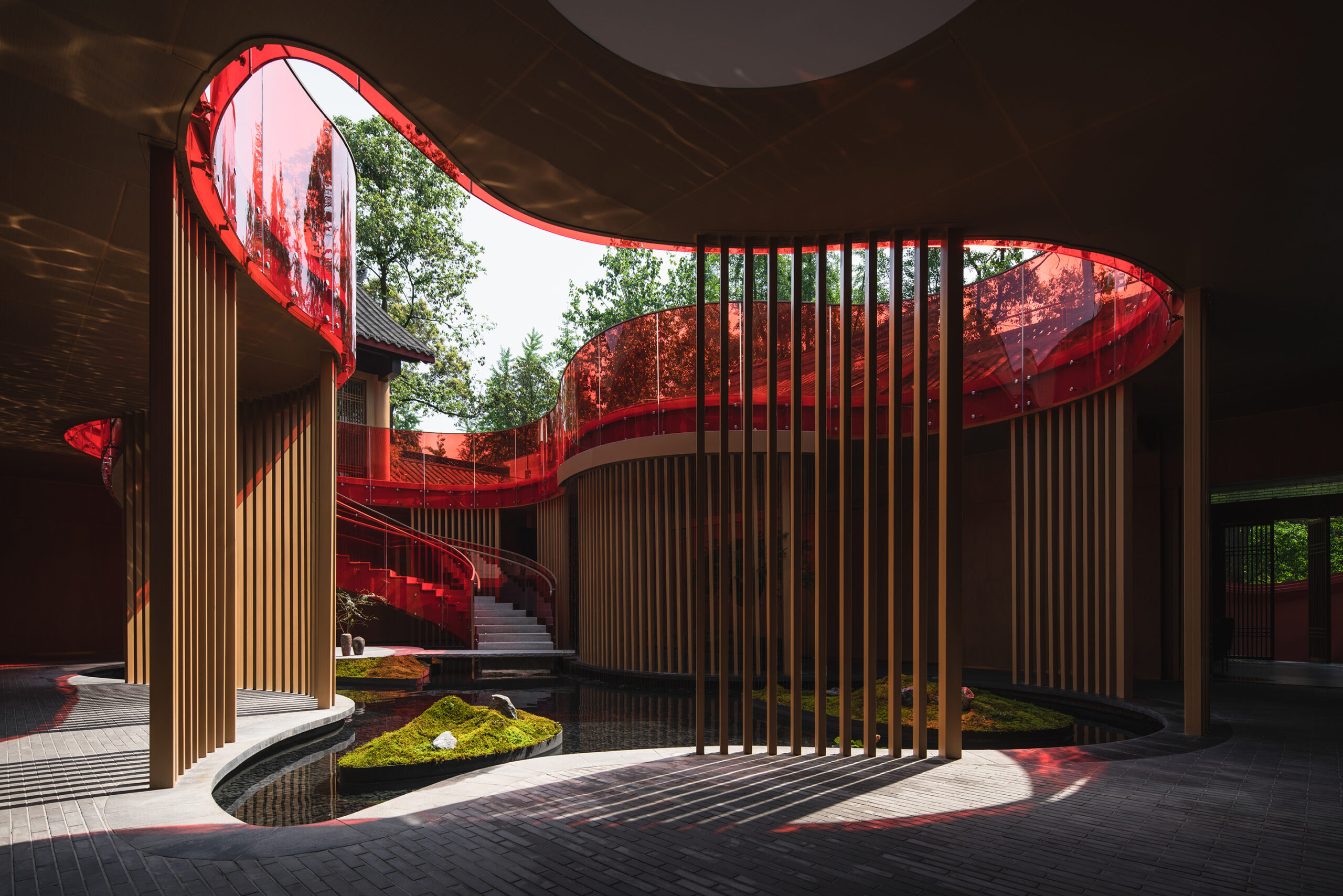
To interpret cultural heritage through a contemporary architectural language, we begin by closely reading the spirit of place — its climate, landscape, community needs, and cultural memory. From this, we extract essential principles rather than surface symbols, allowing tradition to shape spatial logic and sensory experience.
In Chengdu Xinglong Lake CITIC Bookstore, the folded roof draws from vernacular slopes yet becomes a contemporary gesture opening to water and light. The Tianfu Museum of Traditional Chinese Medicine translates yin-yang relationships into interlocking solids and voids, movement between interior and landscape. At Haikou Xixiu Park Visitor Center, a mirrored roof reimagines traditional geometry to reflect sky and invite nature into perception….
We build these ideas through refined materials, structural clarity, and sustainable detailing, ensuring that cultural concepts remain tangible and enduring.
Innovation must remain grounded in reality. We assess whether the budget and craftsmanship can support the concept, and ensure the program serves future operations and people’s daily lives.
Thank you so much Lu Yun, for this lovely interview!
Share article :