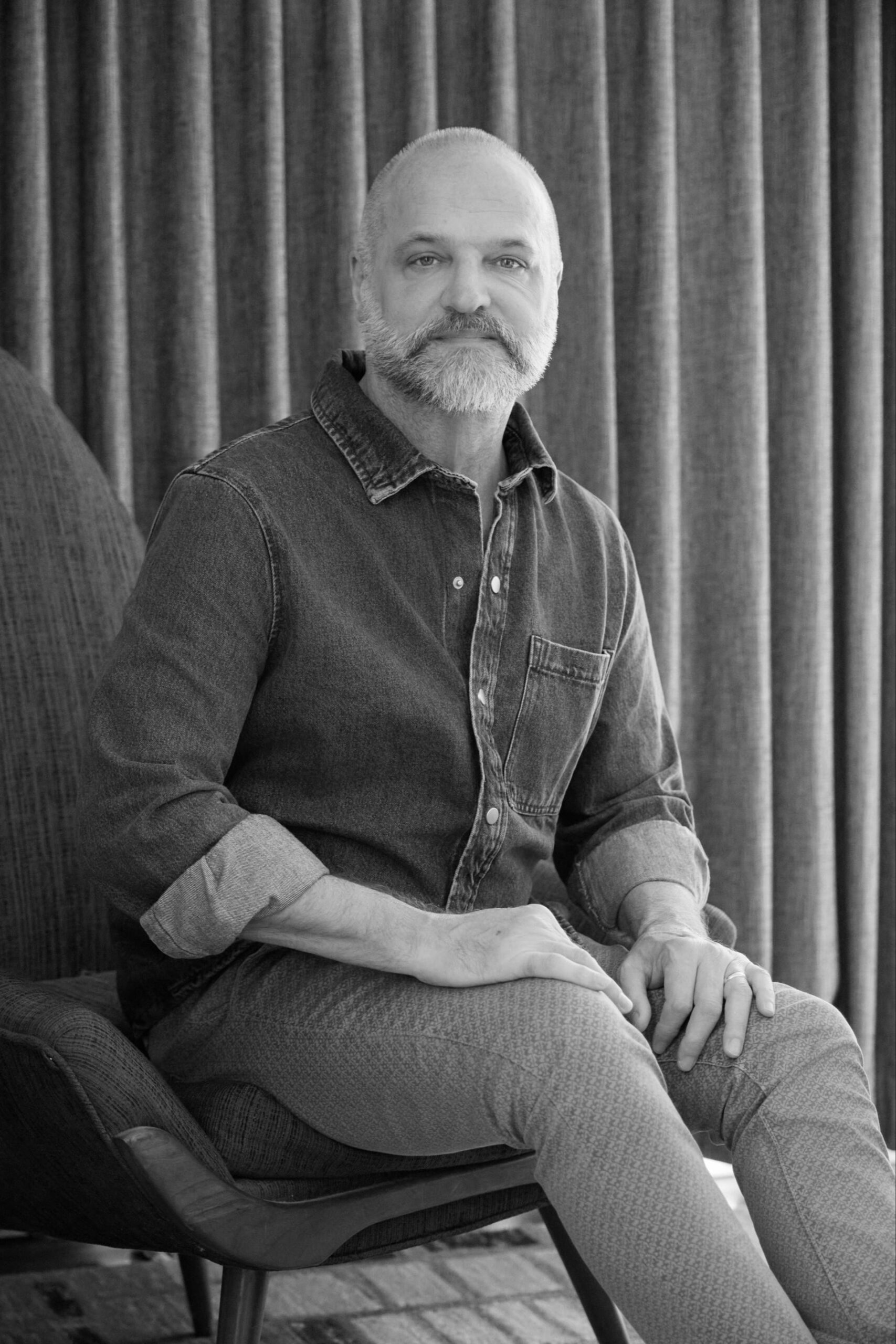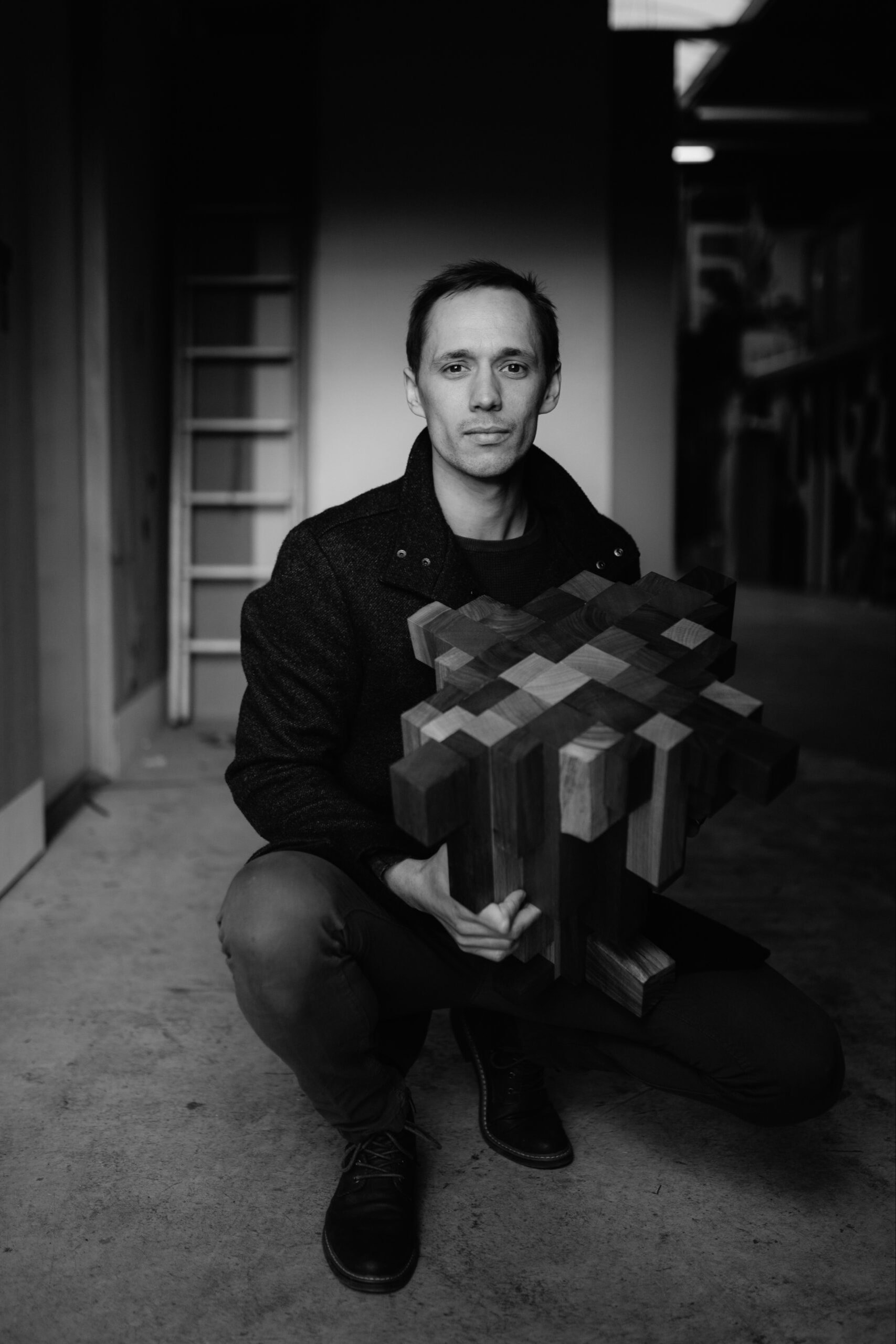
Gabriel Chipperfield – Wendover
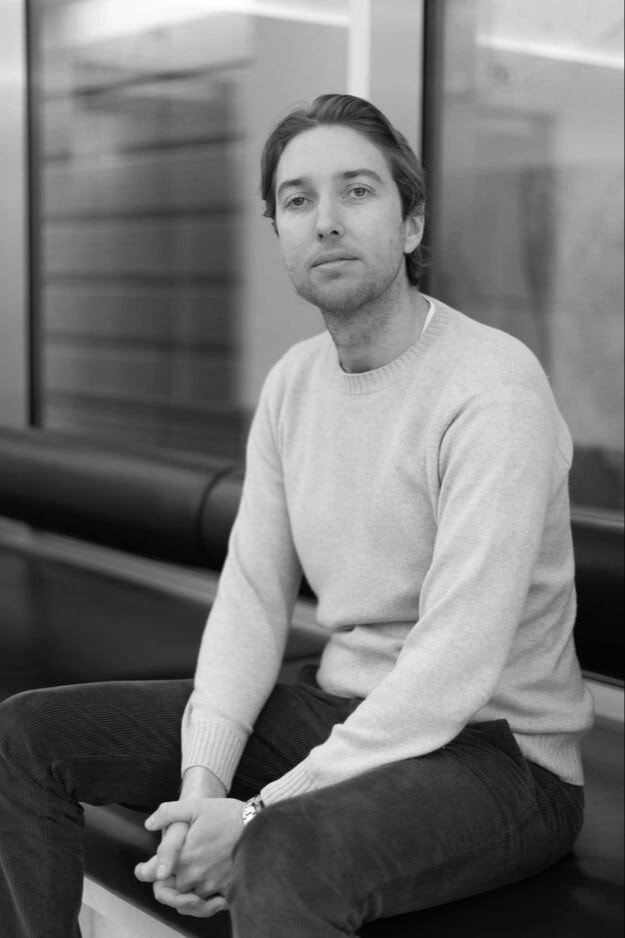
Gabriel Chipperfield is the Managing Director and Co-Founder of Wendover, where he oversees the company’s strategic direction and day-to-day operations from its London office. With a background spanning business and design, he studied Business Management at King’s College London and Industrial Design at the University of the Arts London.
His early professional experience took him across Paris, Switzerland, and Japan, shaping a global perspective on design and development. He later joined David Chipperfield Architects in a business development role, before establishing his own practice, Gabriel Chipperfield Limited, in 2014.
From 2016, he worked closely with Jan-Paul on the development and delivery of a growing body of projects, a collaboration that ultimately led to the founding of Wendover in 2020. His work today reflects a balance between strategic thinking and a deep engagement with the design process.
INTERVIEW
Our style isn’t driven by aesthetics in the traditional sense. It comes from a practical response to the specific parameters of each project, its context, who it is for, how long we have, and where it sits. In that way, the process itself begins to define the outcome, and a sense of style naturally emerges. If there is a mantra, it’s that the work should be selfless, not about us, but about the market and conditions the project is designed to serve.
My journey into design began instinctively. From a young age, I was drawn to building in all its forms, not just the finished object, but the entire process behind it. I was fascinated by how ideas evolve into tangible spaces, by the quiet discipline of making, and by the sense of accomplishment that comes from seeing something take shape.
I don’t think there has been a single defining moment. Instead, it has been the steady establishment of the studio itself that feels most significant. I’m proud that we appear to be succeeding with a model of development rooted in a strong architectural ethos, one that allows us to navigate a wide range of interesting and varied projects. All of this happens within an inspiring studio environment, where we spend time together, work collaboratively, and play with ideas. That balance between rigour, teamwork, and creative exploration has been what has shaped the career most meaningfully.
Successful design comes from balance. It begins with a clear understanding of requirements, particularly those of the end user, whether that is a client, visitor, or guest, and an appreciation of how people will ultimately experience a space. At the same time, building is a process that demands a great deal of understanding and judgement, requiring careful balance between constraints such as time, budget, and planning. Bringing these elements together thoughtfully is what allows a project to move from idea to reality with clarity and integrity.
Context is often the starting point. We tend to begin with ideas that border on the unrealistic, knowing that they are quickly straightened, challenged, and refined through the process. As they develop, those initial ideas become saturated with layers of practical understanding and finesse, shaped by constraints, dialogue, and collaboration, until they resolve into something grounded, coherent, and buildable.


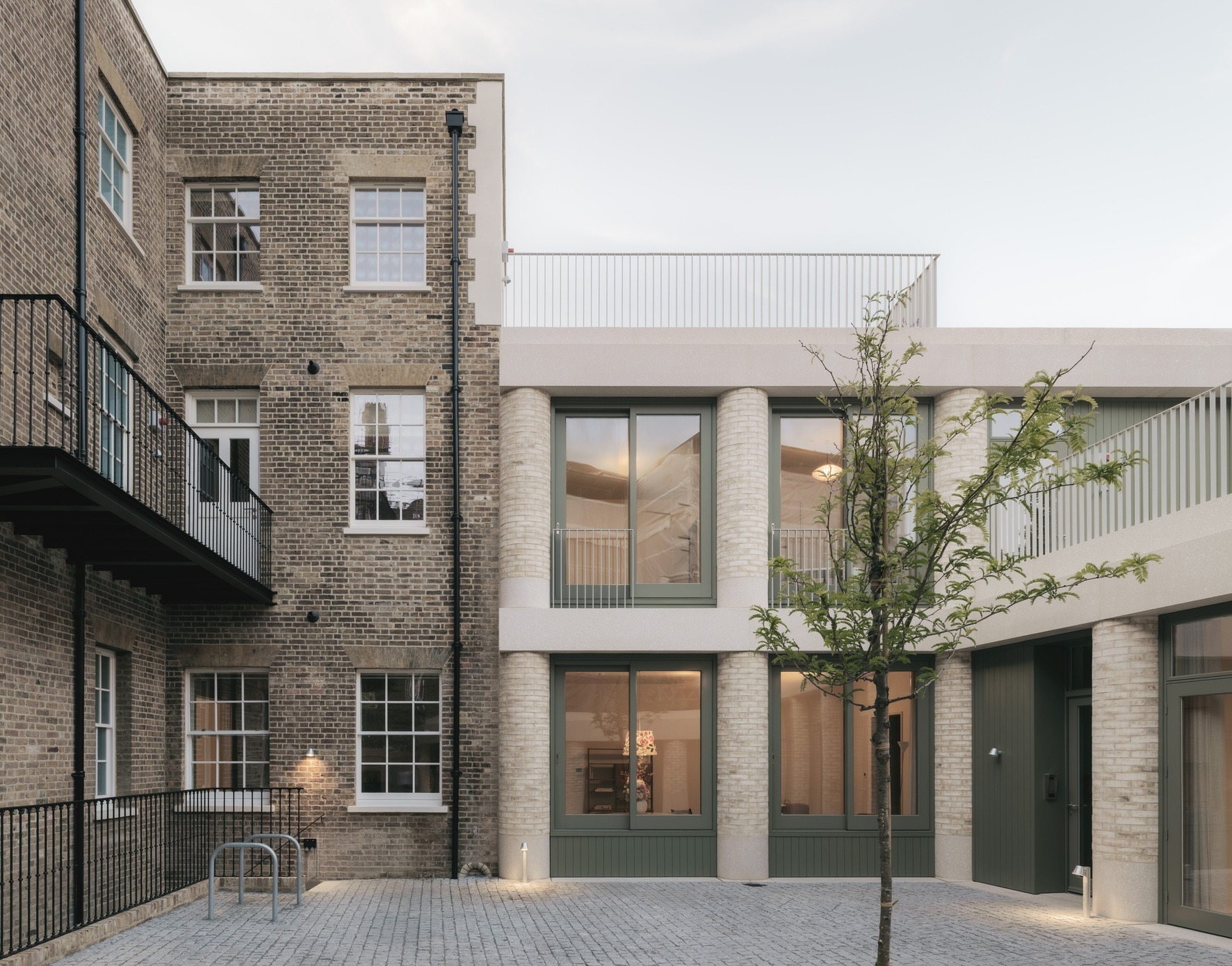
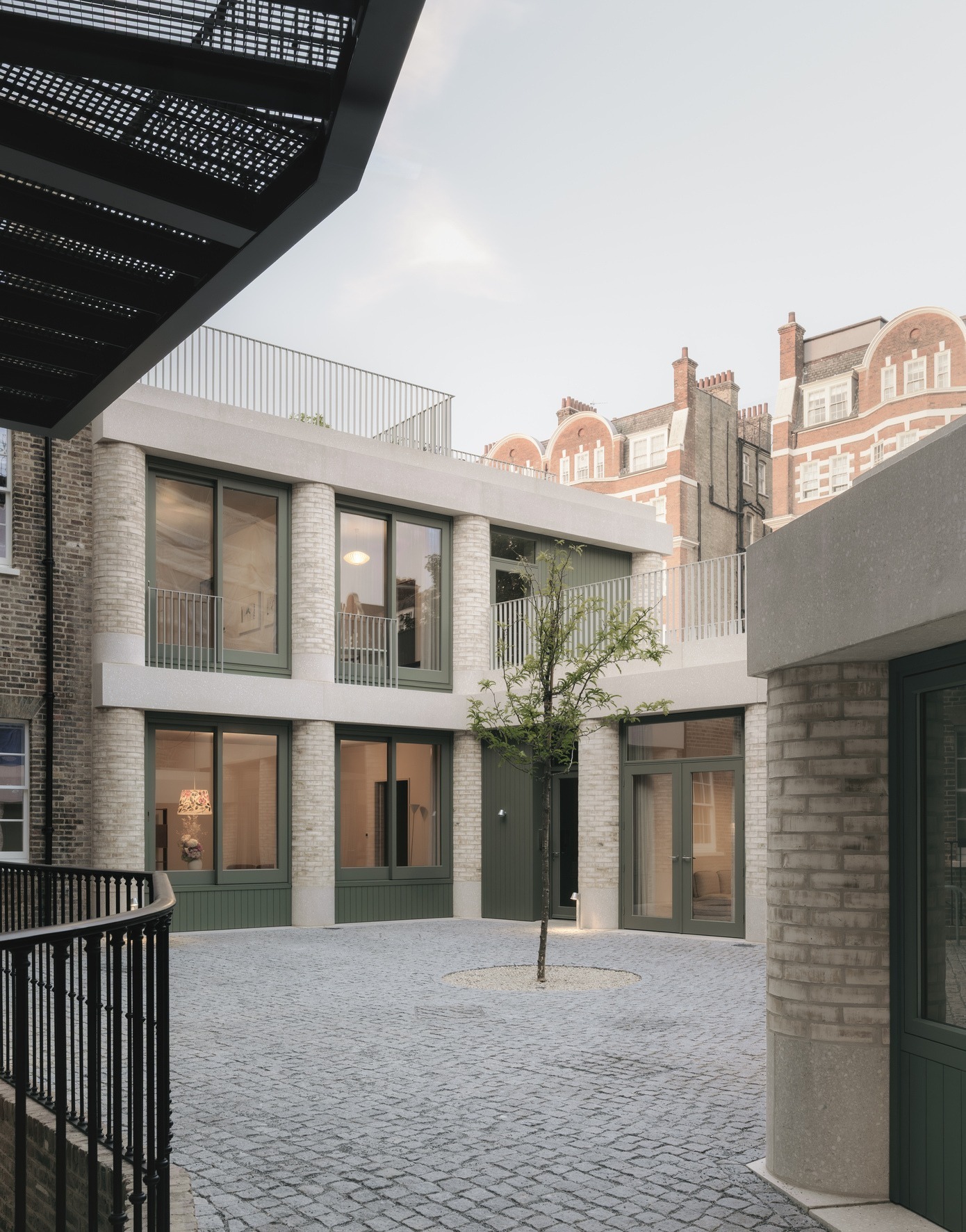
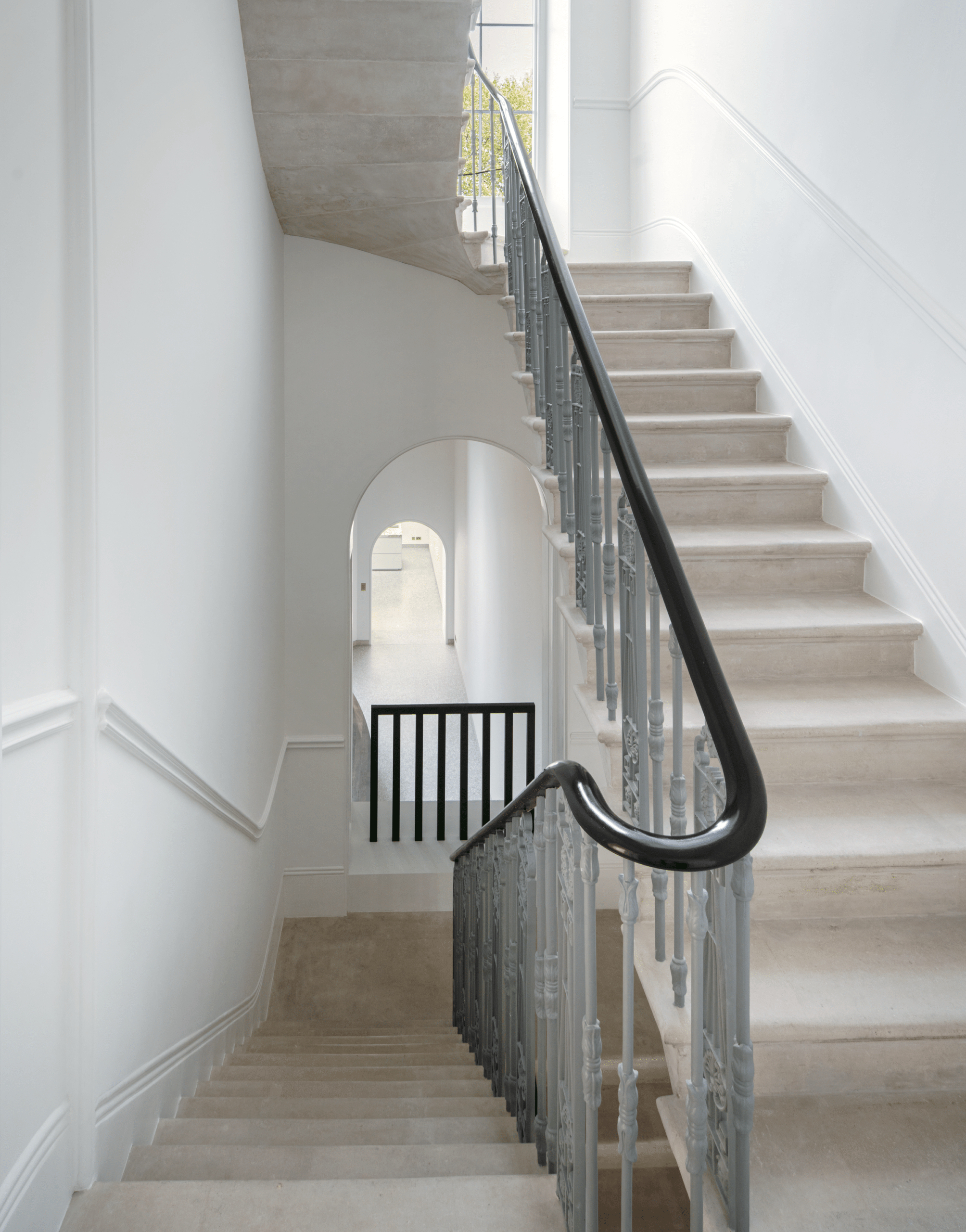
Historically, we’re particularly proud of projects such as Gloucester Gate – a Grade I listed John Nash designed terrace house overlooking Regent’s Park – and more recently, Newcourt Street stands out as a favourite (the full restoration and extension of the former St. John’s Wood police station, just moments from Regent’s Park), not least because it offered new opportunities within a protected conservation area in central London. Each of these projects reflects our interest in working carefully with context and in finding contemporary solutions within established architectural settings.
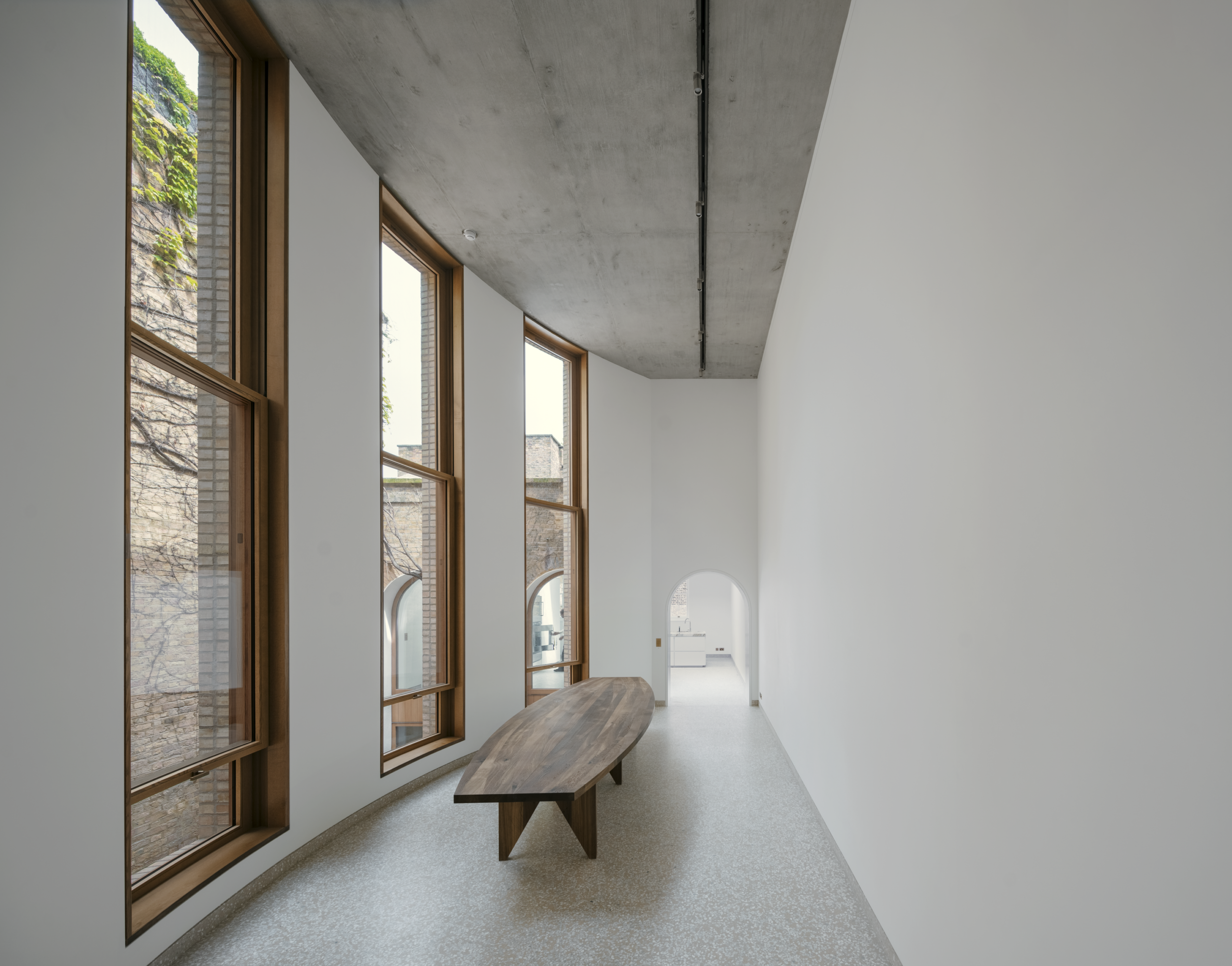
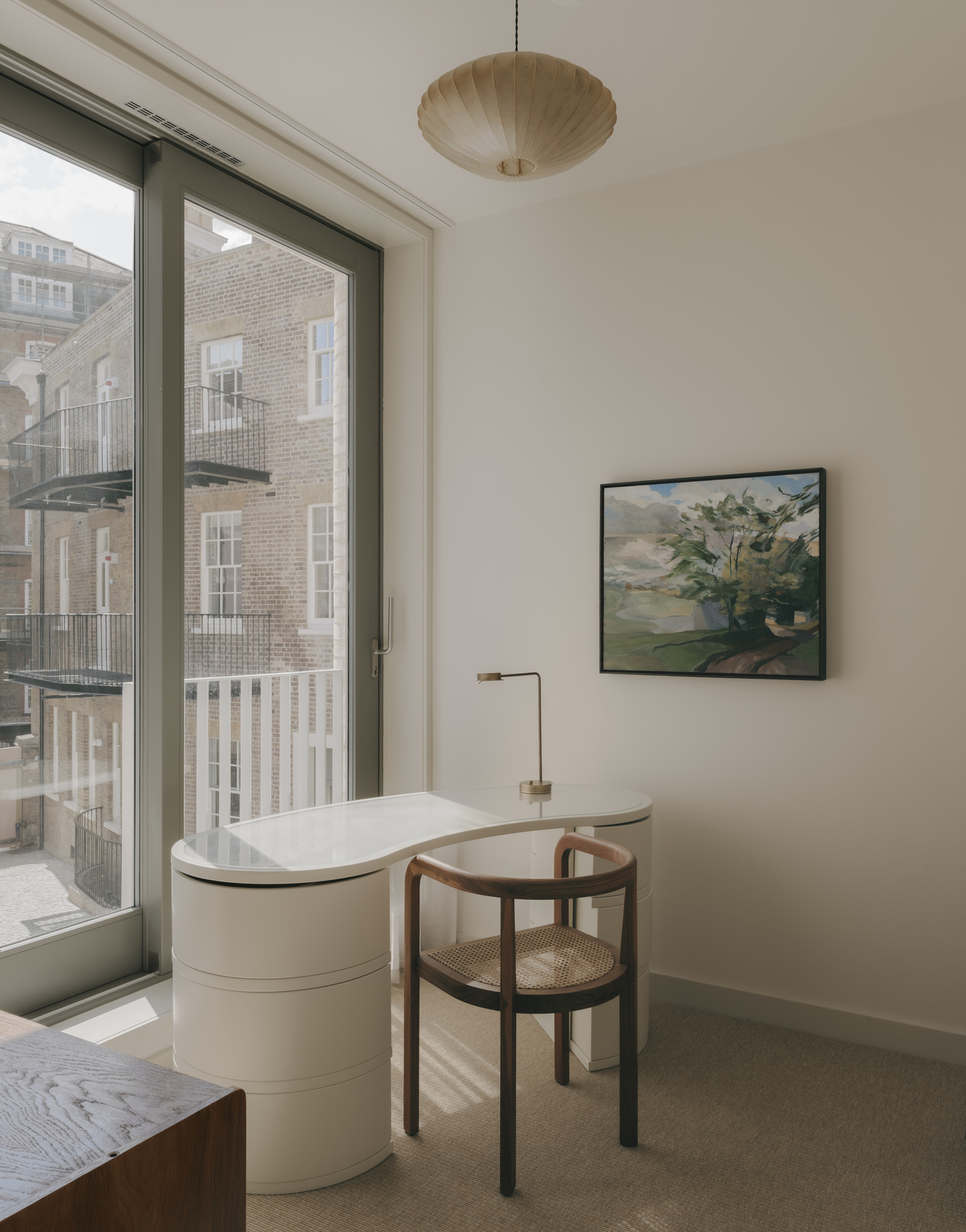
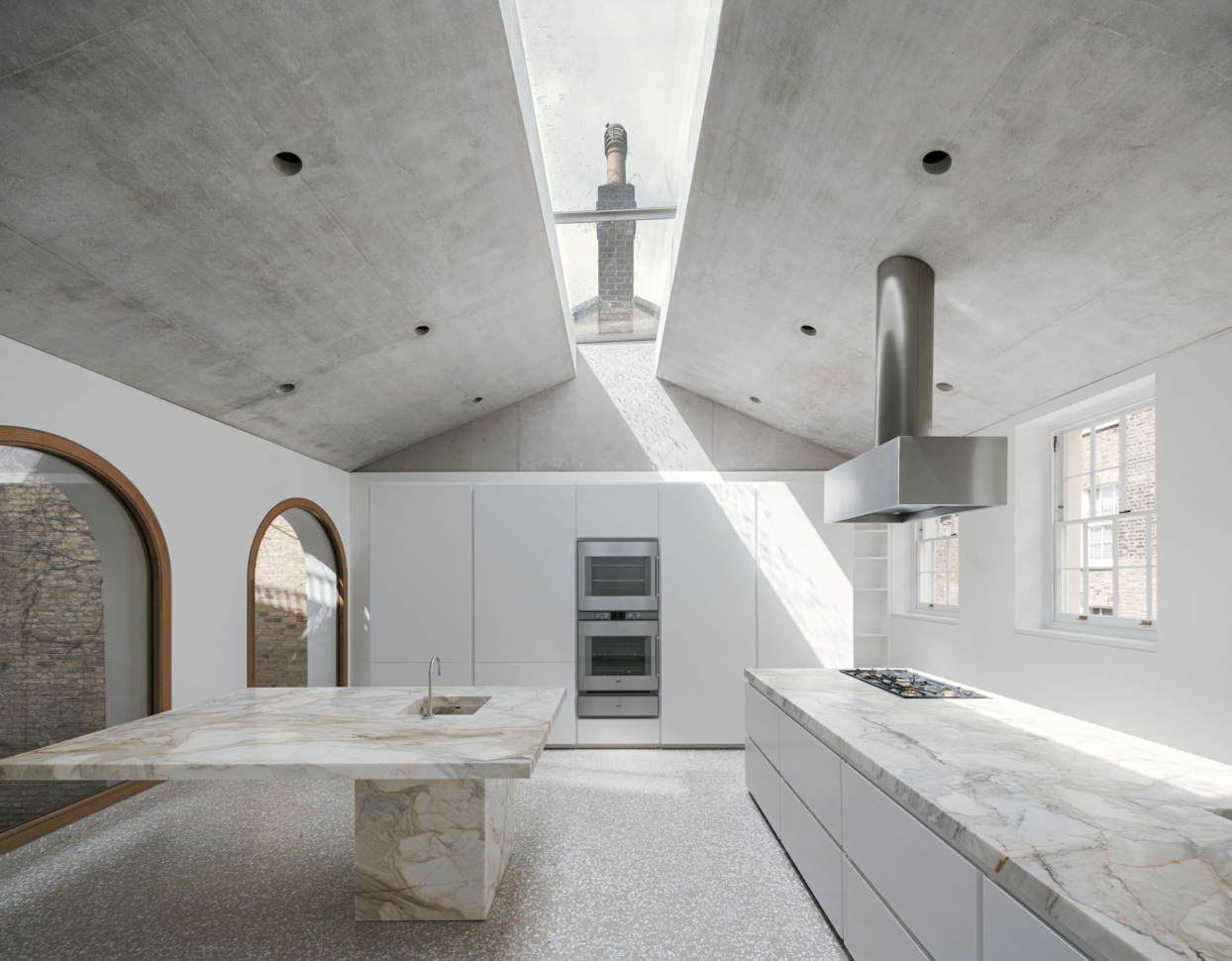
If I had to choose one enduring design tip, it would be this: you can never go wrong with white walls, wooden floors, and Carrara marble. It’s a combination that feels timeless rather than trend-led, allowing proportion, light, and material quality to do the work. We often return to this palette, including at Eccleston Street, where its simplicity creates a calm, generous backdrop that lets the architecture and daily life within the space take precedence.
The best advice I received was to see and experience as much as possible and make sure you love what you are doing, then try to do it better than anyone else.
It is not easy. Hurdles drive design and direction.
My advice would be to learn what it takes to deliver a design just as much as how to draw it. Understanding the realities of process, collaboration, and execution is as important as developing a strong visual or conceptual idea, and it is often what determines whether good design can truly be realised.
I tend not to read extensively about design. Instead, I’m drawn to perspectives from adjacent worlds. One book I would recommend is I Regret Almost Everything by Keith McNally, whose reflections on the restaurant industry are particularly insightful, as they mirror experiences with opening restaurants such as ours, Sol’s, offering valuable insight into creativity, hospitality, and leadership beyond architecture. As for podcasts, I’ve never been particularly good at keeping up with them. When I do have the opportunity to listen to something, it’s often music instead, as a way to detach slightly and reset.
We are embarking on a special project at Brownlow Mews, alongside an array of high-end residential and commercial projects. With every commission we take on, we’re conscious of ensuring there is something meaningful to gain, whether that’s learning, experimentation, or growth. We’re particularly proud to have just won a competitive commission in a new area, both geographically and culturally, which we’re excited to share more about and present to the public very soon.
Share article :