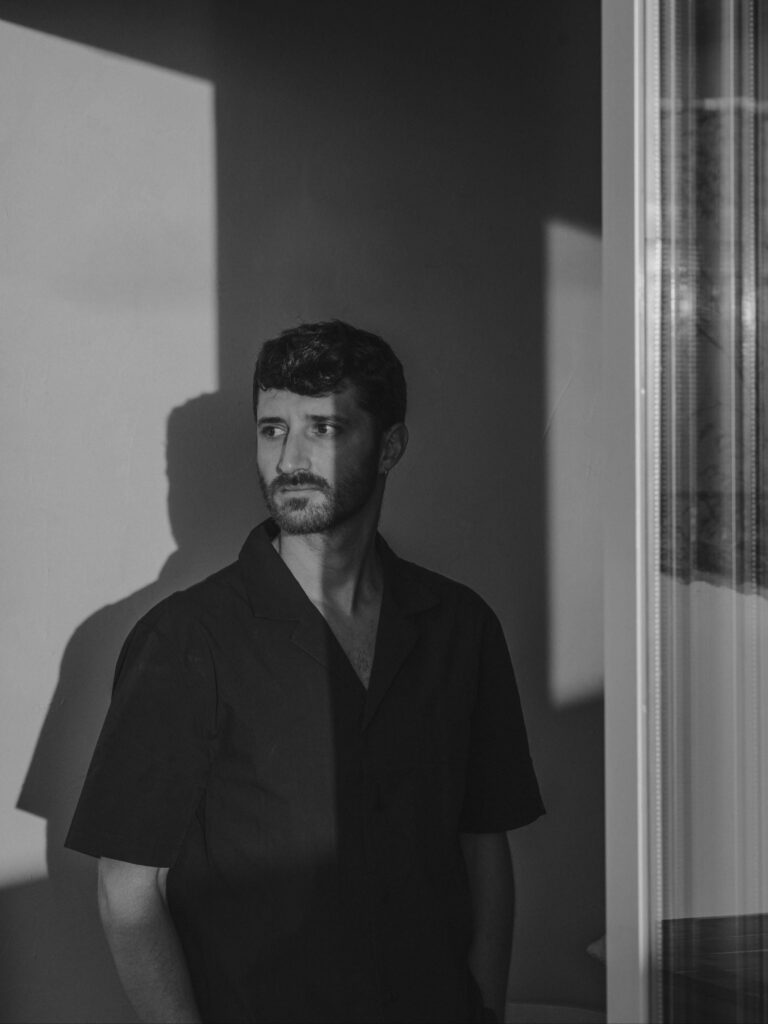
Benni Allan
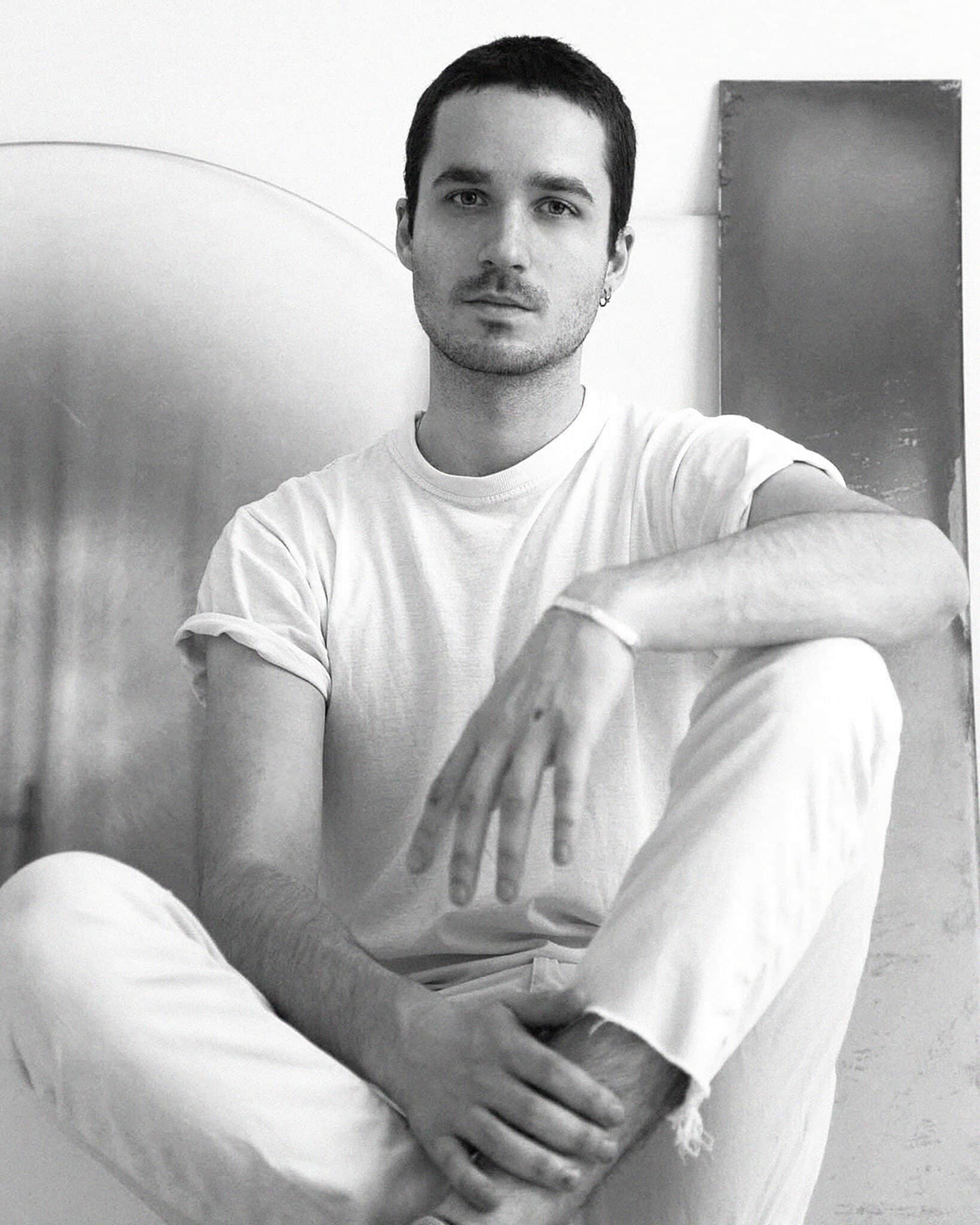
Benni Allan is the founder of EBBA, a London-based practice established in 2016 that brings together architecture, interiors, furniture, and product design through a deeply material and craft-driven approach. Born and raised in Spain and educated at the Bartlett School of Architecture, Allan was named One to Watch by the British Design Council in 2015 and received the RIBA Journal Rising Stars Award in 2019.
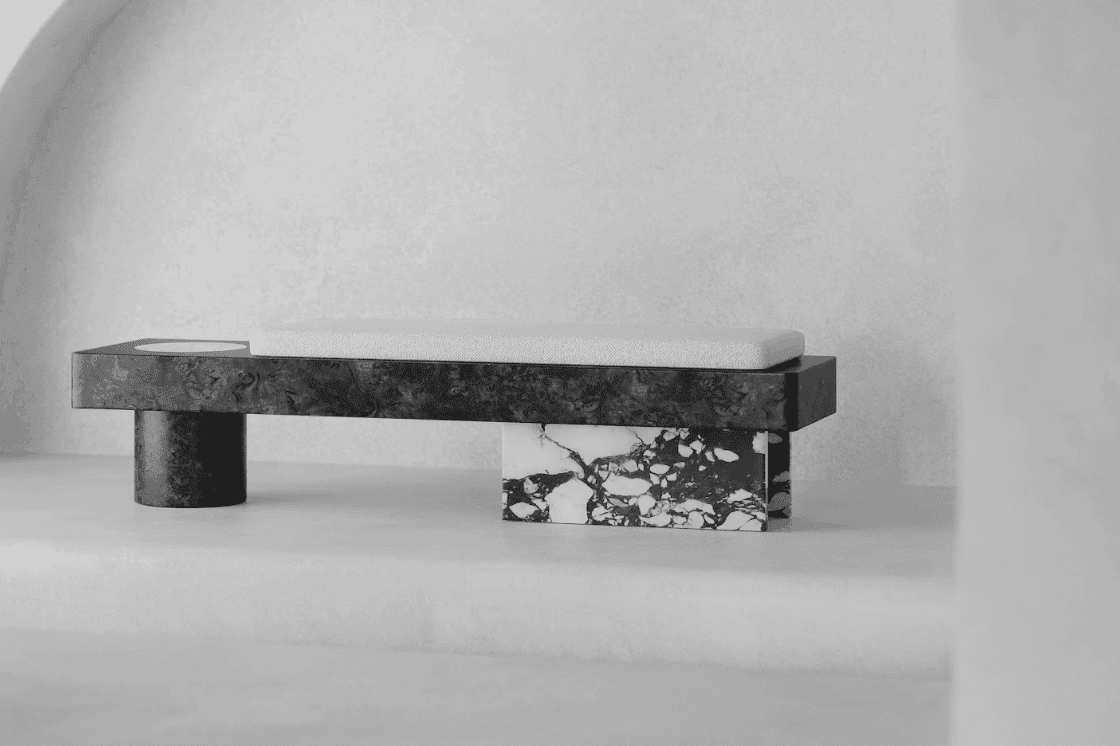
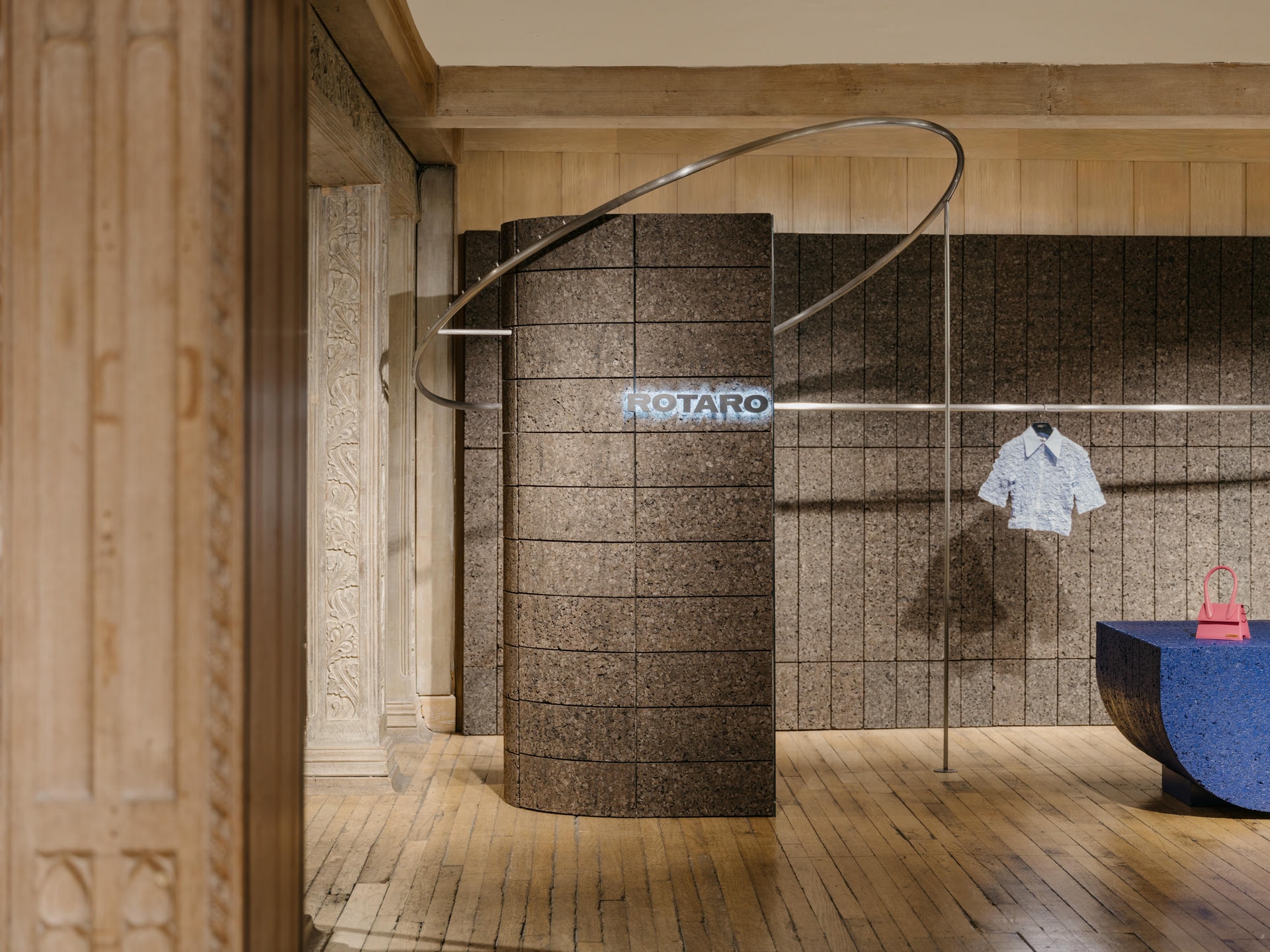
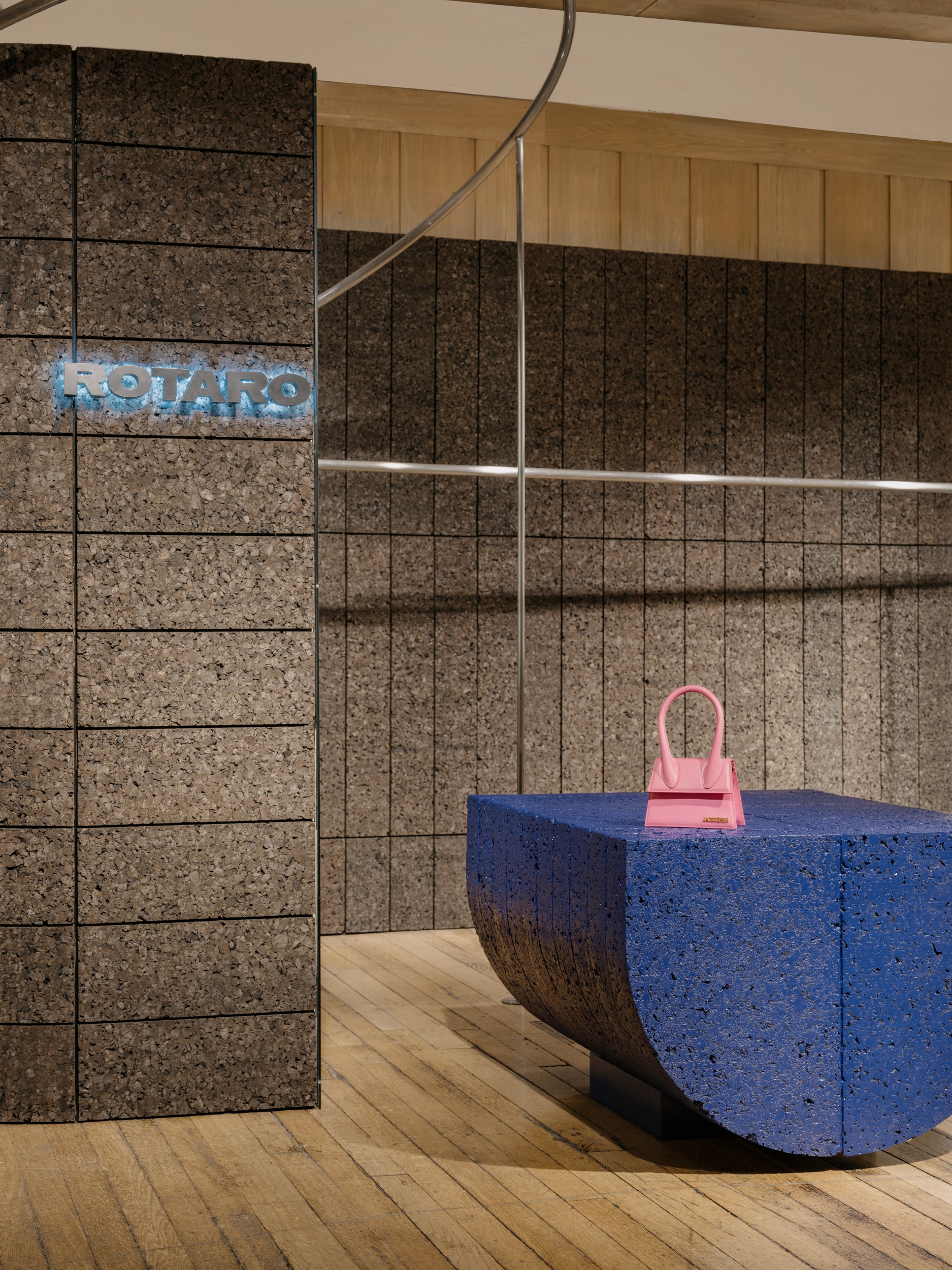
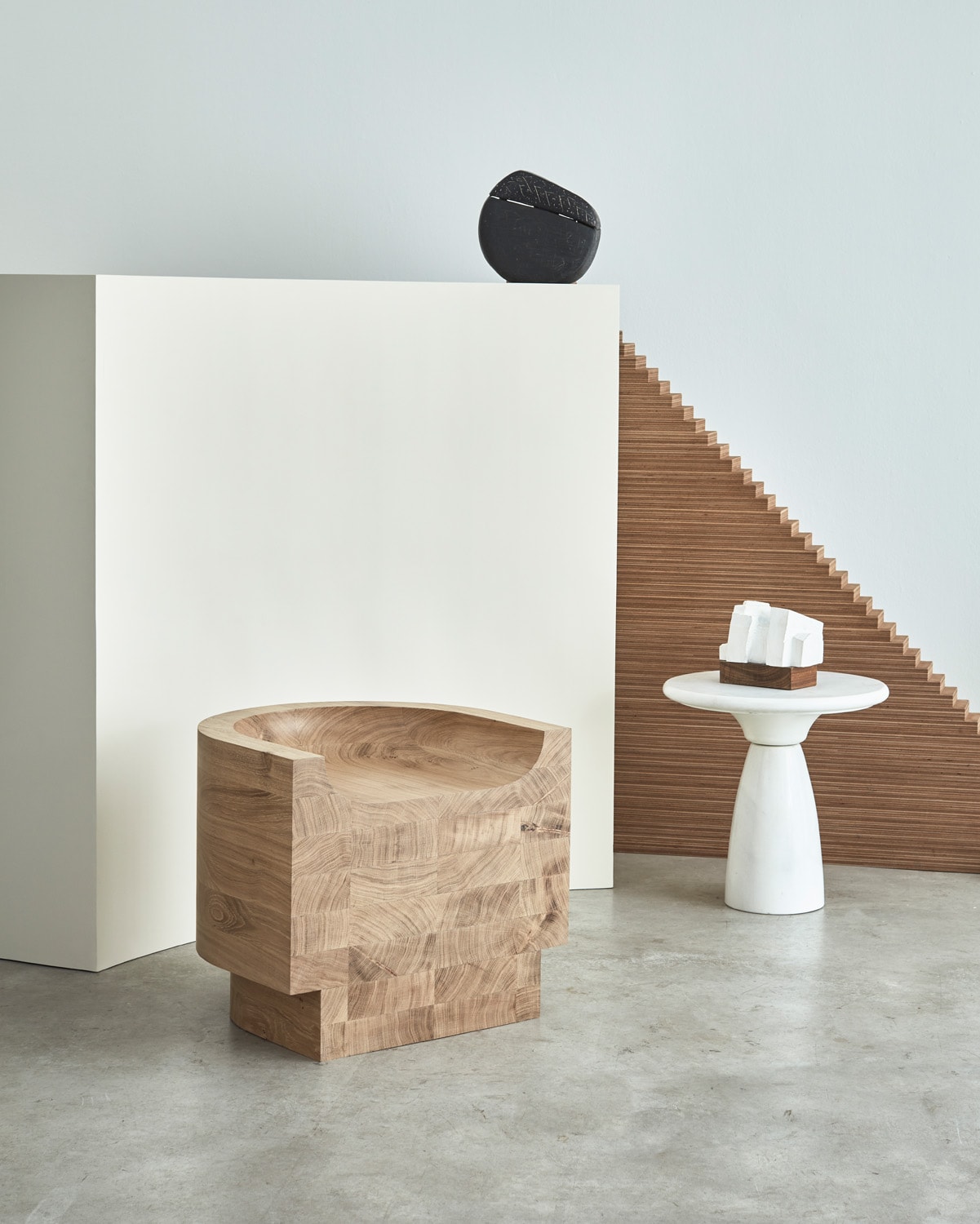
Under Allan’s direction, EBBA has developed a diverse body of work spanning residential, cultural, and retail projects for clients and institutions, including Adidas, Erdem, Tate Modern, the Royal Academy, TFL, and the V&A. Alongside the studio’s architectural practice, Allan also leads EBBA Objects, an experimental platform dedicated to furniture and product design.
In addition to practice, Allan lectures at the University of Greenwich and regularly serves as a guest critic at institutions including the Bartlett School of Architecture, the Royal College of Art, and the Cass. He is also the co-founder of AORA, a virtual gallery focused on wellbeing and mental serenity, and Atavola, a concept connecting creatives through shared dining experiences.
“We create quietly progressive buildings, places, objects and furniture with a special sensitivity to how they are experienced.”
INTERVIEW

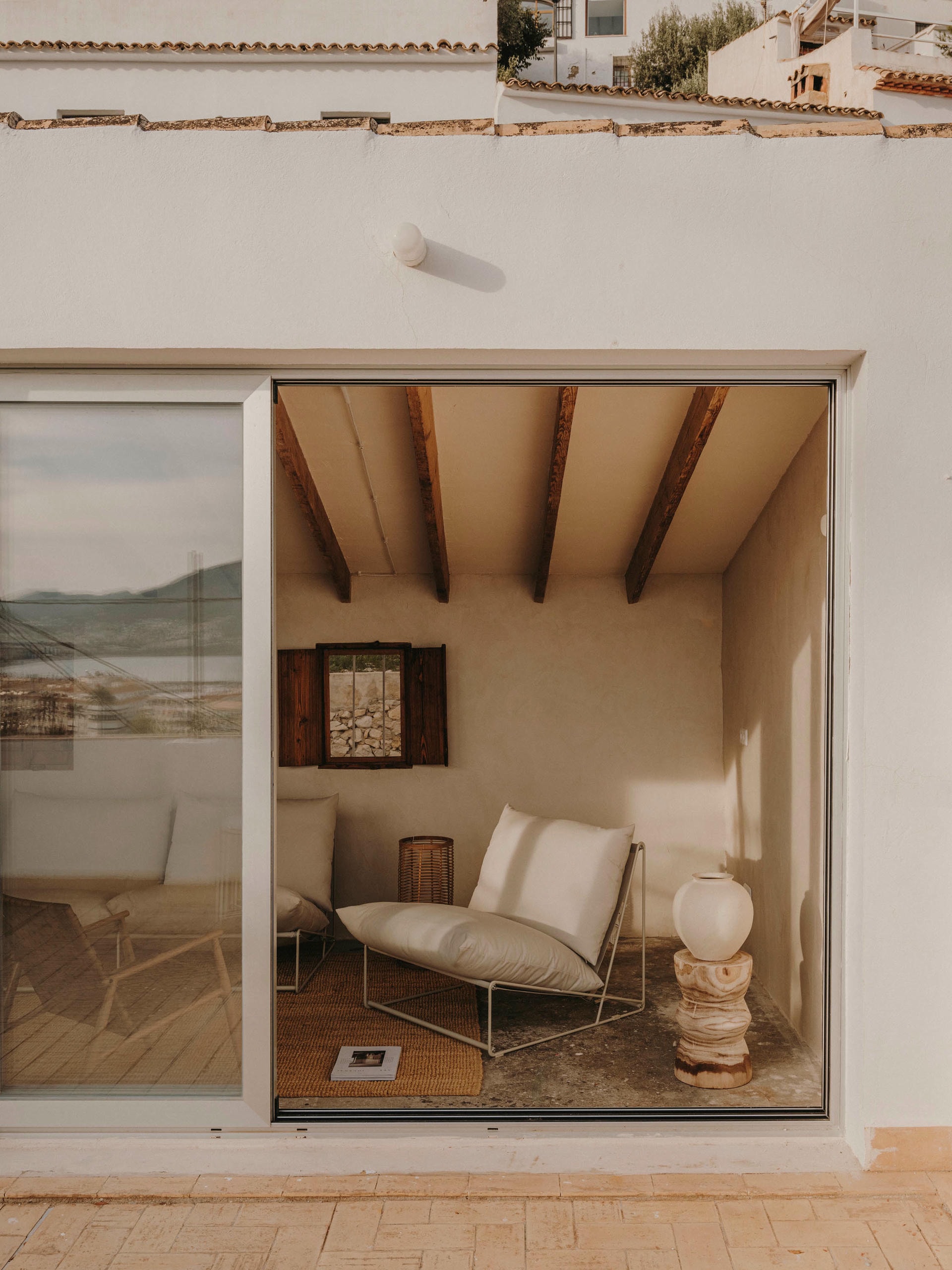
Casa Agulló, Photography courtesy of Salva Lópe
For me, a successful practice is about the positive energy and the people that you have around you. I think it is very uncommon for a practice to be a single individual’s output, and I feel that we should celebrate the creation process more. Architecture and design are disciplines that last a lifetime, and I’m certainly of the opinion that within practice, we will have multiple lives. I am a firm believer that a successful practice is one that can be self-sustaining and produce work that is meaningful to those who experience it.
Since I can remember, I have been interested in the process of design. I was brought up as a very curious and creative child with a lot of mixed interests, often bringing them together. I was obsessed with football, and I remember sewing miniature kits for some of my favourite toys, which was clearly my initial draw into fashion. Similarly, I was always trying to adapt and upgrade all of the objects I owned, from motorbikes to pieces of furniture. I wasn’t really aware that this was a design, but looking back, I was very keen on being able to design the world around me.
It still feels early to be able to pinpoint a defining moment, as I believe I still have so much to learn and experience. I have been lucky to have had a solid foundation of architectural education and training. The time I spent in China, doing part of my initial training, would likely be a fairly important moment, even if it was prior to fully qualifying. Connected to this, and potentially one of the highlights so far, would be the major exhibition design I designed and developed for an arts organisation in Hong Kong. At the time, about 1 year into having a practice, I was commissioned for a large show on fashion photography. As I was still so early into starting the studio, we hadn’t built much large-scale work, and certainly hadn’t had the chance to complete a building. Therefore, we took the opportunity to create a “building” inside the gallery. The design process was incredibly rewarding, and the result was something almost sculptural that had the presence of something permanent.
We create quietly progressive buildings, places, objects, and furniture with a special sensitivity to how they are experienced… EBBA designs are always imbued with meaning and feeling, crafted to have a lasting emotional impact on the users.
I am very process-driven but equally enjoy starting quite conceptually. Often, we start by looking for an image or a theme that can help to carry the project through. It is usually something that is connected to the site or the culture where the building is situated.
The image then helps to start a conversation with the team and the client, as well as the users.
Sketches, models, and rough drawings help to develop those ideas. Very quickly, we like to test materials and textures as a way to bring in another layer to the project.
The project that comes to mind is one of the first building schemes that we completed as part of a self-build. It was the restoration of a school building in Spain, which happens to be the classroom I used as a child.
The project was completed for less than £1000 and shows the potential of design to make a real impact. The design involved the recladding of the building using recycled bitumen panels that we transformed into different tones of red to pick up on the use of terracotta in the region.
It was so successful that the children at the school thought they had been given an entirely new building.
Balancing when to grow and when to scale.

Casa Agulló, Photography courtesy of Salva López
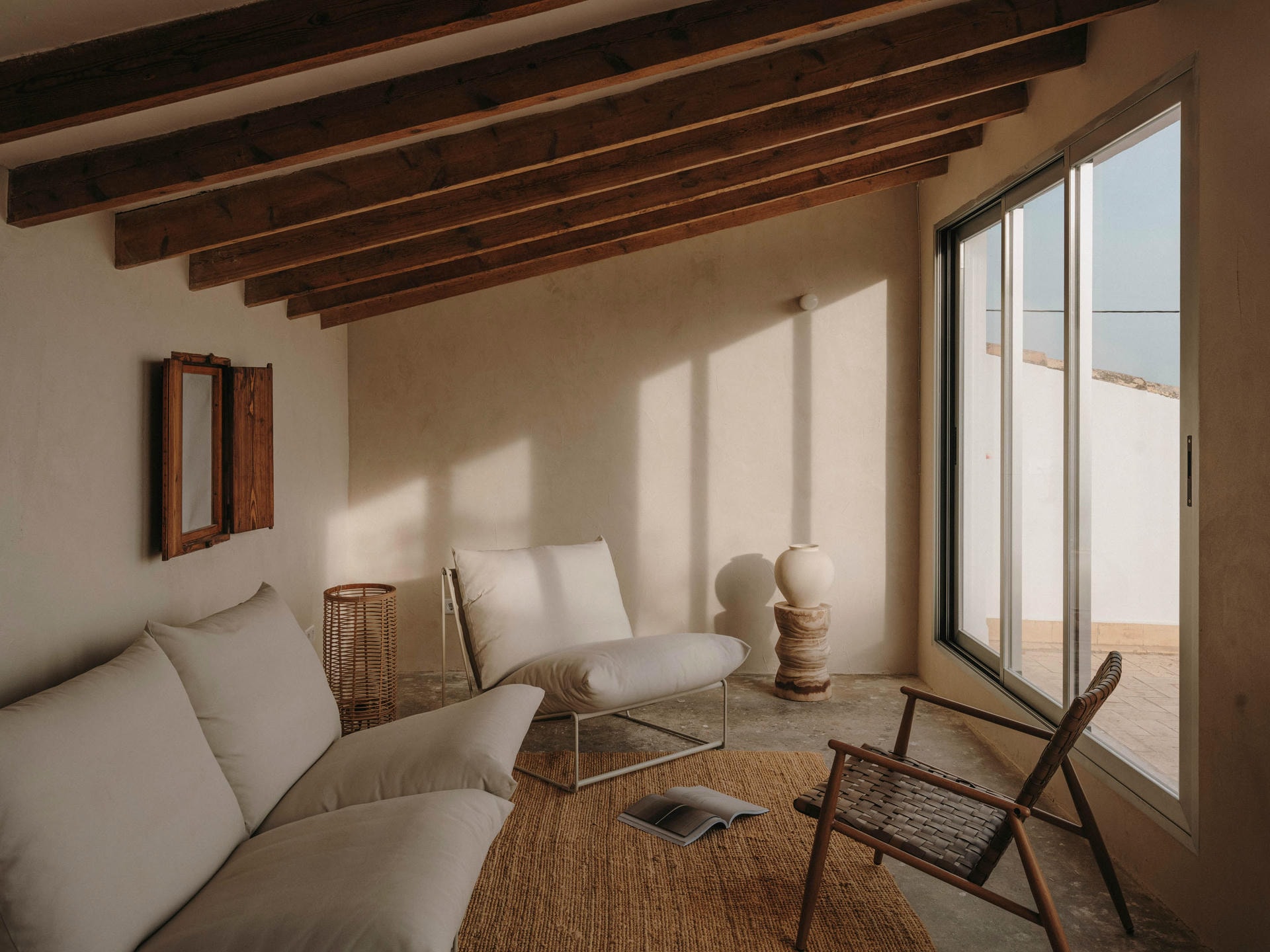
Be curious and try out as many new things as possible. I didn’t quite understand the suggestion to look outside of architecture and design for inspiration, but as I’ve developed as a designer, I’ve realised that there is so much out there to use to create ideas. More and more, I find myself seeing beauty in the simplest things.
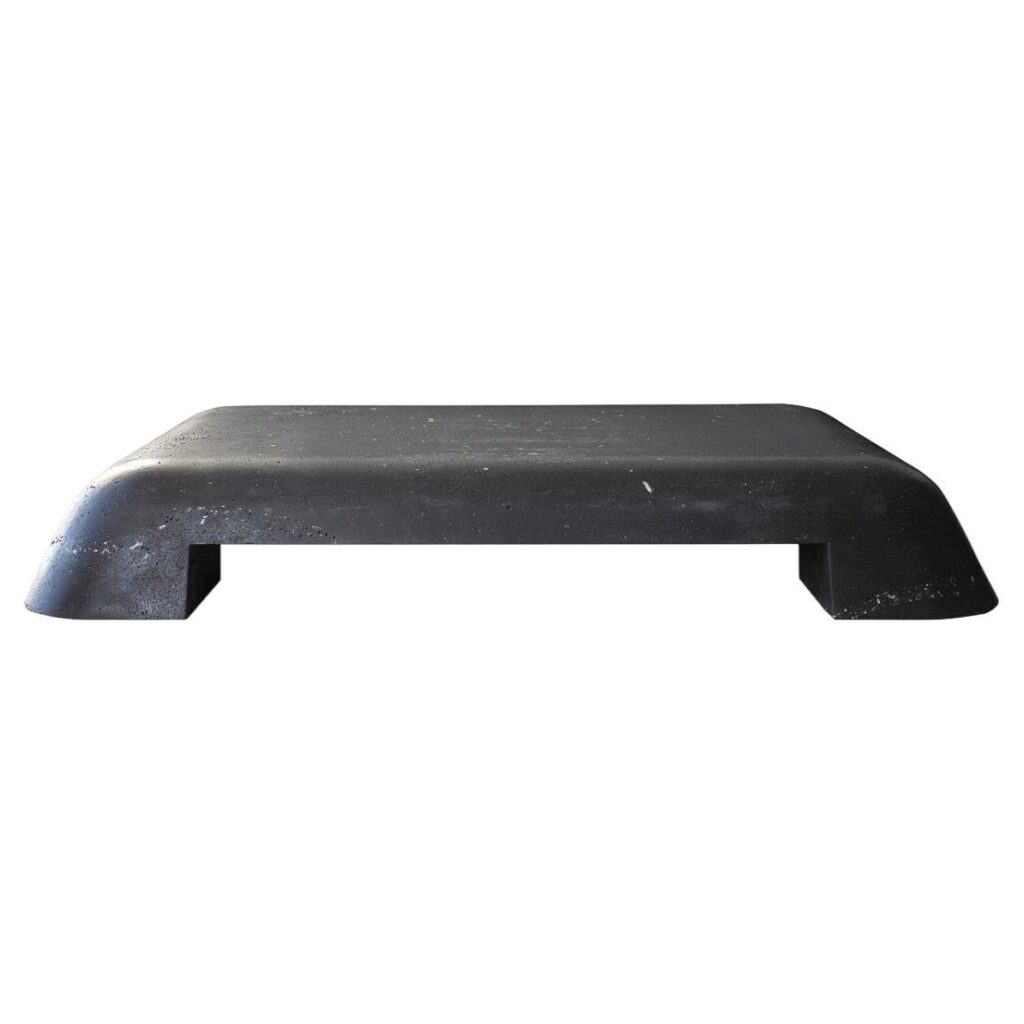

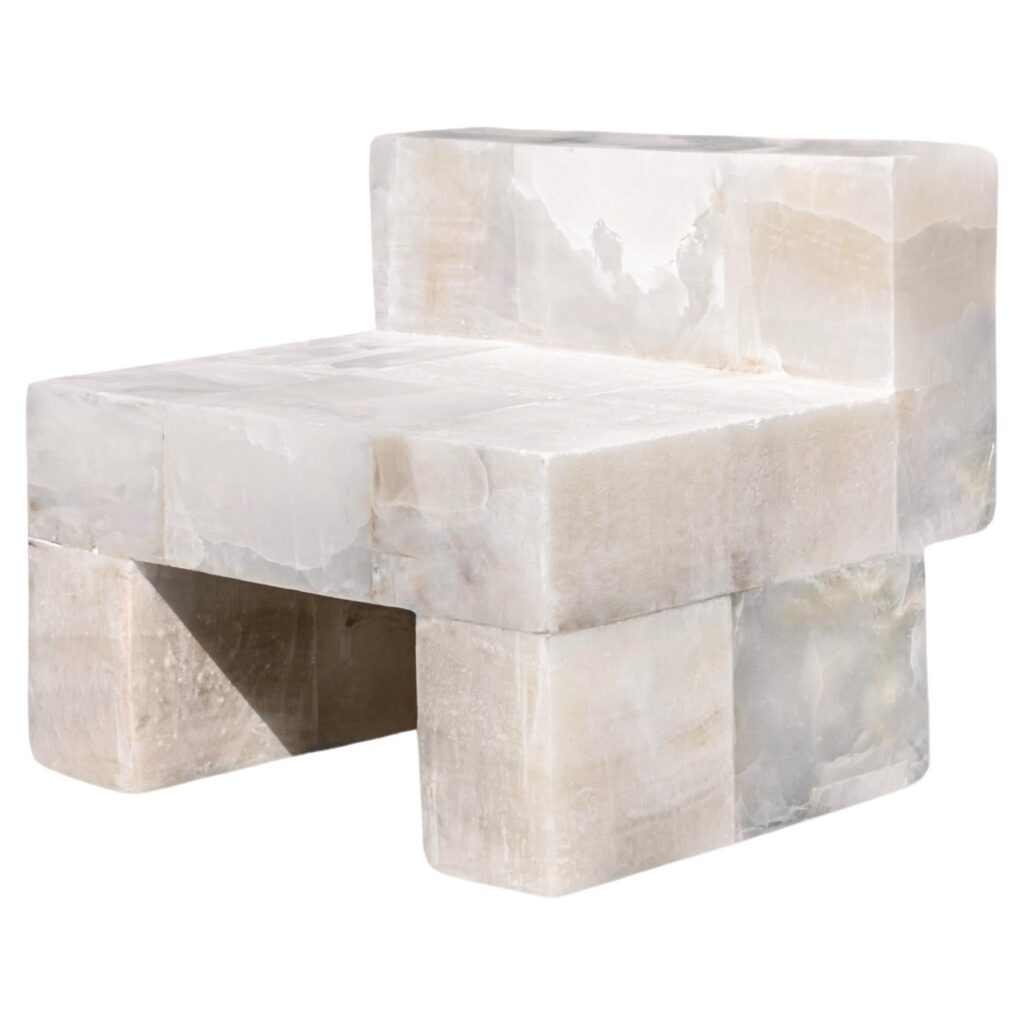

Betonbrut, Photography courtesy of Gareth Hacker
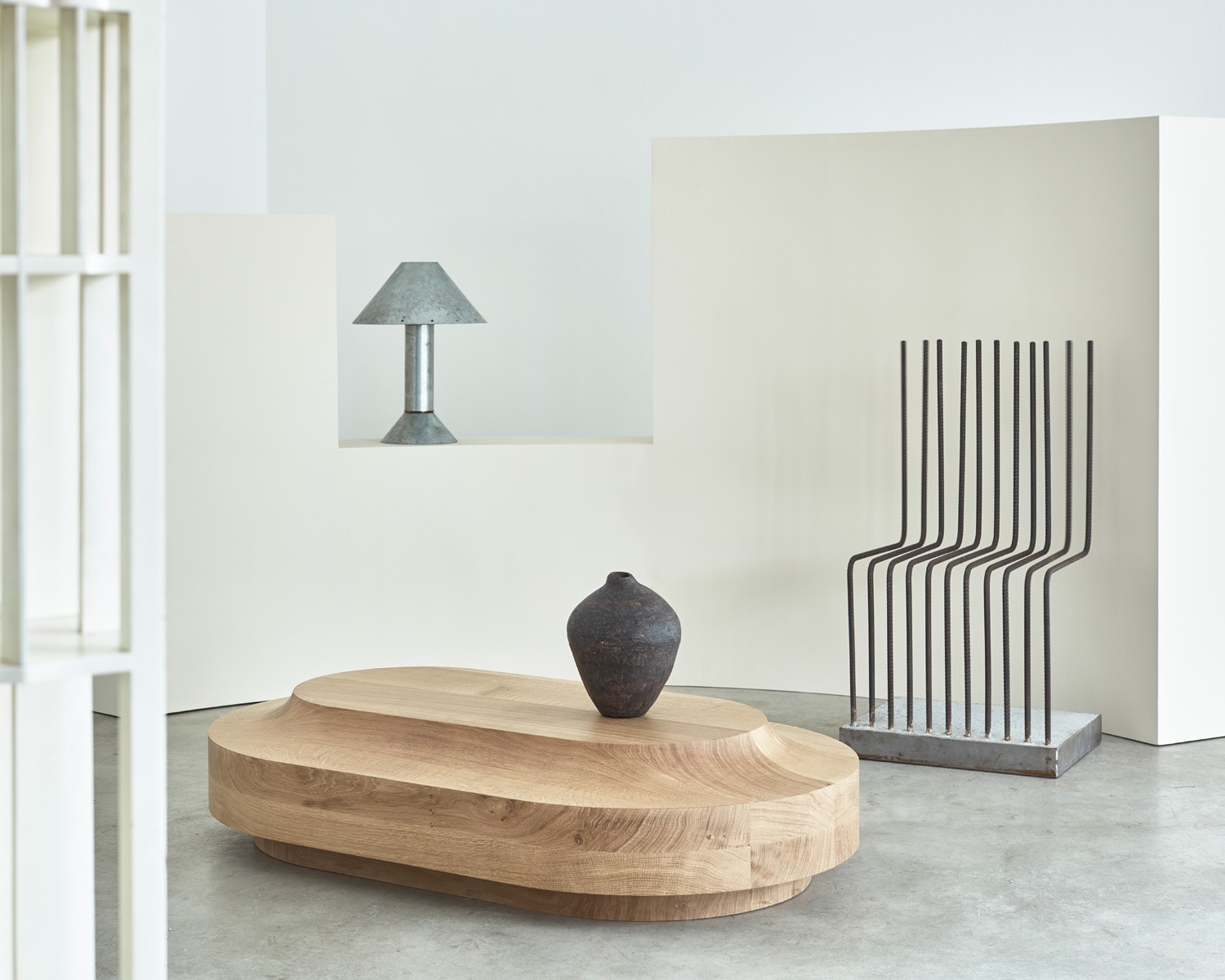
Do everything as if it’s your most important project. The results will show, and people will notice.
I was recently asked to be on a podcast called Office Talk. It is a really interesting series on how architects market themselves. Instead of it being all about the glam of practice, it delves into how studios began and their view on business.
Combine materials that help to create subtle yet juxtaposed relationships. This can be both in form or materiality, helping to create compositions and, best of all, do the work of resolving junctions between different elements.
We are working on the restoration of a modernist house in London originally designed by Georgie Wolton of Team 4. It is a sensitive restoration where we are also extending to create an elegant first-floor extension made entirely in timber. Another project I am excited about is the design of a new bespoke speaker system alongside Friendly Pressure that takes on the language of our Low Collection.
Thank you so much Benni, for this lovely interview!
Share article :