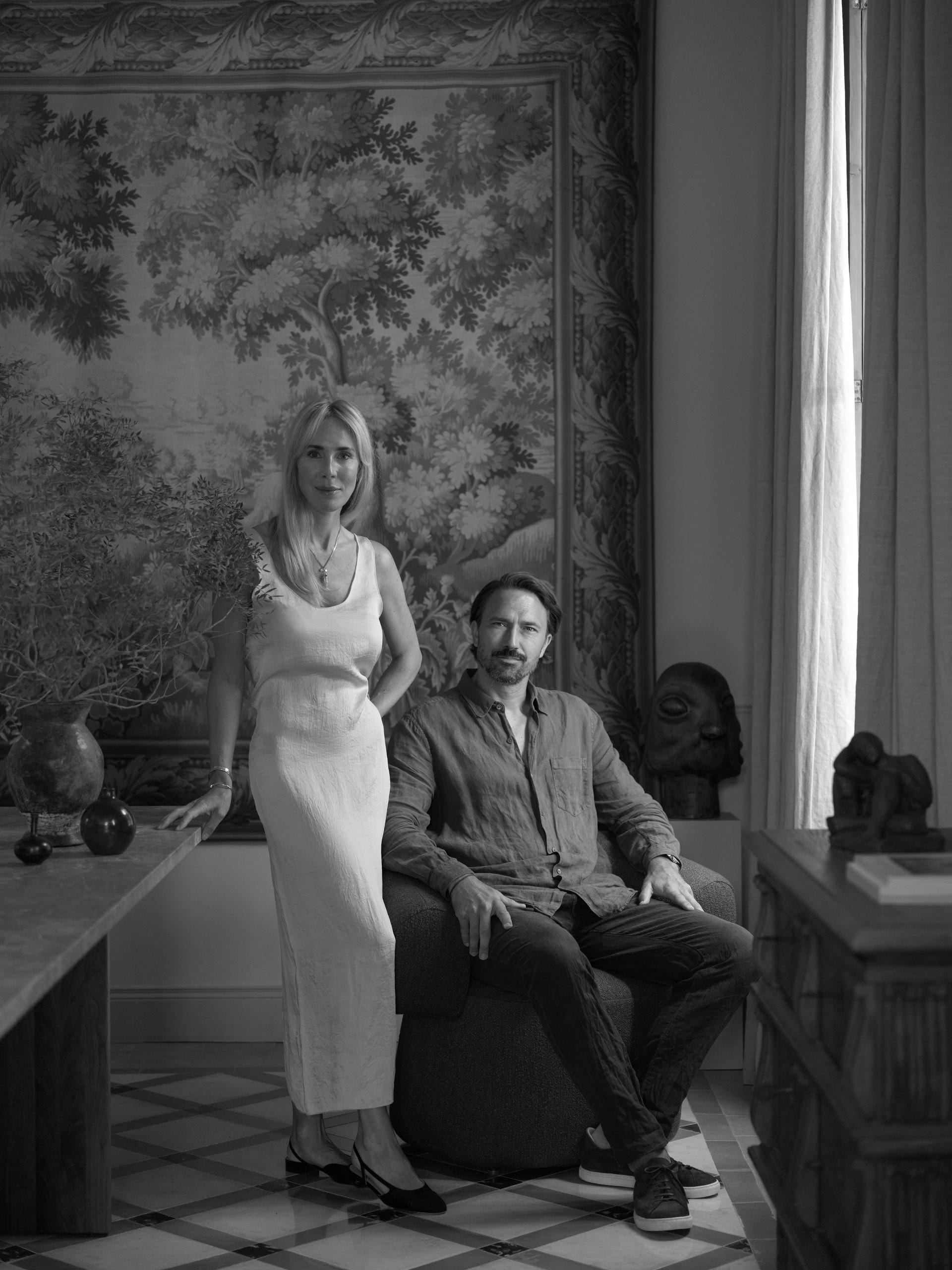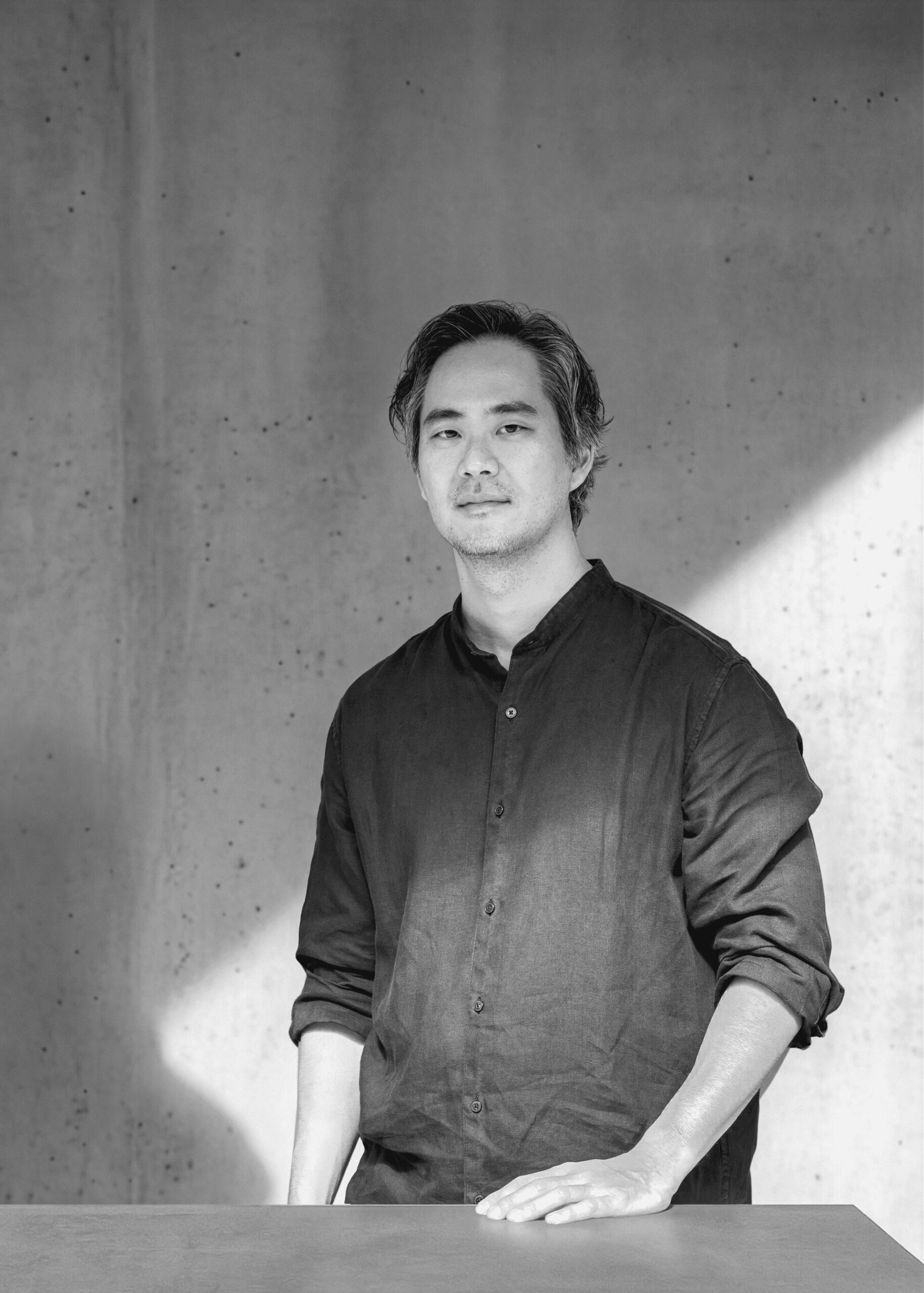
Hannes Peer
Hannes Peer is an architect and designer from South Tyrol, Italy, and the founder of Hannes Peer Architecture, a Milan-based studio established in 2009. Educated at the Politecnico di Milano and the Technical University of Berlin, he refined his approach through collaborations with influential practices, including OMA in Rotterdam and Zvi Hecker in Berlin.
Guided by a philosophy of eclecticism, Peer’s work bridges architecture, interiors, and product design, combining historical references, craftsmanship, and contemporary innovation. His projects range from hospitality and residential spaces to international brand collaborations, all distinguished by a rich material language and a strong sensitivity to atmosphere. Drawing on his background as a trained carpenter, Peer approaches design through both conceptual rigor and hands-on experimentation, creating spaces that balance functionality, sensory experience, and timeless character.
Interview
I was born in South Tyrol, and I am based in Milan. My roots in South Tyrol and my connection to the Alpine landscape have deeply influenced my approach to architecture and design.
One of my earliest memories connected to the art world is experiencing the tactility of materials—wood, stone, and ceramics. My fascination with materials began early, and I was always drawn to how they could be shaped, transformed, and juxtaposed. One of my earliest memories connected to the art world is visiting Murano with my mother. She had a deep appreciation for art and craftsmanship, and those trips introduced me to the beauty of glassmaking—the colors, the textures, and the incredible skill of the artisans. At the same time, I was always drawn to the tactility of materials—wood, stone, and ceramics. I remember being fascinated by how these materials could be shaped, transformed, and juxtaposed, which became a foundation for my own approach to design.
Yes, my career has always been deeply rooted in architecture and design. I studied architecture at the Politecnico in Milan and the Technical University in Berlin, and I had the opportunity to work for Rem Koolhaas and Zvi Hecker, which shaped my critical thinking. Over time, my practice has evolved to encompass not only architecture but also furniture and product design.
My journey into design was a natural evolution from architecture. I see design as an extension of space, shaping not only the environment but also the objects within it. My love for craftsmanship and material experimentation led me to furniture and product design, where I could explore these ideas at a more intimate scale. Everything is architecture to me, no matter the scale.
My creative process is deeply research-driven, shaped by historical, social, and cultural contexts. I often work through juxtapositions—bringing together elements that may be geographically or temporally distant to create something unexpected yet meaningful. My process is also highly tactile; I love working with materials hands-on, understanding their potential, and pushing their boundaries.
No two days are the same. My work oscillates between designing, overseeing projects, collaborating with artisans, and traveling for research. Some days are spent sketching, refining details, or exploring material innovations, while others involve site visits, discussions with craftsmen, or curating artworks for a project.
Material selection is both an emotional and contextual decision for me. I love working with wood and ceramics because they demand respect and patience, each with its own unique response to craftsmanship.
I am also fascinated by glazing techniques, oxidized metals, and textured finishes that create depth and unpredictability. My approach to materials is about contrast and layering, creating compositions that evoke a sense of history and narrative.
Technically, my designs often explore the interplay of material tension and contrast—how textures, finishes, and juxtapositions can shape perception.
I focus on the dialogue between craftsmanship and conceptual rigor, ensuring that every material expresses its full potential. The precision of detailing, the treatment of surfaces, and the balance between structure and softness all play a crucial role in shaping the final piece.
My work embraces both tradition and experimentation, pushing materials to reveal unexpected qualities while maintaining a strong architectural foundation.
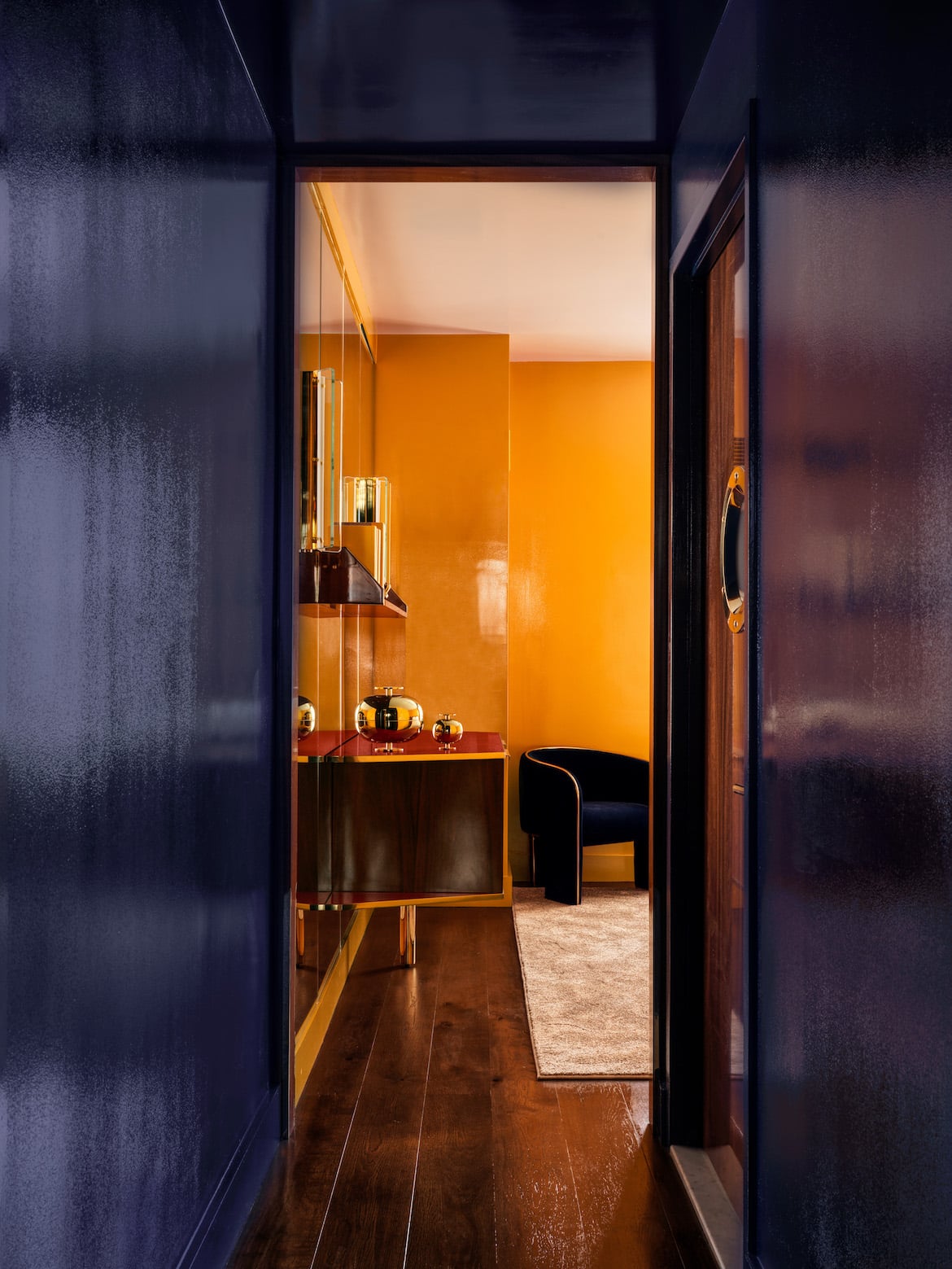
Learn at least one craft deeply. Understanding materials hands-on gives you an intuitive sense of what is possible, far beyond digital visualization. Also, embrace complexity—allow yourself to explore layers of meaning and historical references in your work rather than seeking instant simplicity, or even worse, ‘likability’.
I would place my work within an eclectic and conceptual framework—perhaps a contemporary evolution of postmodern eclecticism, but with a deep respect for historical continuity and craftsmanship. I also resonate with the idea of ‘nostalgic utopia,’ where architecture and design are informed by a sense of memory and cultural layering.

A layered dialogue between architecture, memory, and material experimentation.
Design, for me, is always an act of storytelling. Whether through furniture, interiors, or architecture, I aim to create spaces and objects that evoke emotions, invite exploration, and connect people to something beyond the immediate—a sense of place, history, and materiality.
I have always been drawn to the architectural and material sensitivity of Carlo Scarpa, the theoretical depth of Aldo Rossi, and the conceptual rigor of Rem Koolhaas. Their approaches to space, materiality, and memory have significantly shaped my own practice.
I appreciate designers who go beyond the surface, those who are truly invested in deep research rather than just storytelling or market-driven trends. Very few actually engage in profound exploration—many focus on instant visibility and quick success rather than developing a strong foundation over time. Designers like Héctor Esrawe, Roberto Sironi, and of course, Vincenzo De Cotiis stand out for their commitment to material research and cultural narratives, bringing depth and substance to their work. In today’s landscape, there’s often an emphasis on what generates immediate recognition rather than a slow, steady evolution of ideas, but I believe the most meaningful work comes from patience, curiosity, and constant refinement.
Mark Rothko’s mastery of color has profoundly influenced me—his ability to create spatial and emotional depth through color alone is something I continually reflect on. Chillida, Noguchi, and Twombly have also shaped my approach to form, materiality, and gesture, while Arte Povera resonates with me for its raw, elemental nature. Gerhard Richter’s sheer talent and versatility are unmatched. And of course, my mother, Ursula Huber—she has been part of my creative journey from the very beginning. I am also drawn to the modernist and figurative works of younger artists like Elvira Solana, whose large-scale mural at The Otter in The Manner hotel in New York embodies the intersection of art and architecture that I find so compelling, or the sculptural works of Giovanni de Francesco and Florian Baudrexel.
“Design, for me, is always an act of storytelling.”
The Questions
(The Proust Questionnaire is a set of questions answered by the French writer Marcel Proust.
Other historical figures who have answered confession albums are Oscar Wilde,
Karl Marx, Arthur Conan Doyle, Stéphane Mallarmé, Paul Cézanne…)
A life filled with creation, curiosity, and meaningful conversations.
Stagnation—intellectually, creatively, and emotionally.
Impatience.
Lack of curiosity.
Gerhard Richter.
Traveling light, but collecting heavy—books, ceramics, and objects with a story.
Always searching, always refining.
Obedience.
I don’t distinguish qualities by gender—what matters to me is depth, intellect, and authenticity in any person.
I don’t distinguish qualities by gender—what matters to me is depth, intellect, and authenticity in any person.
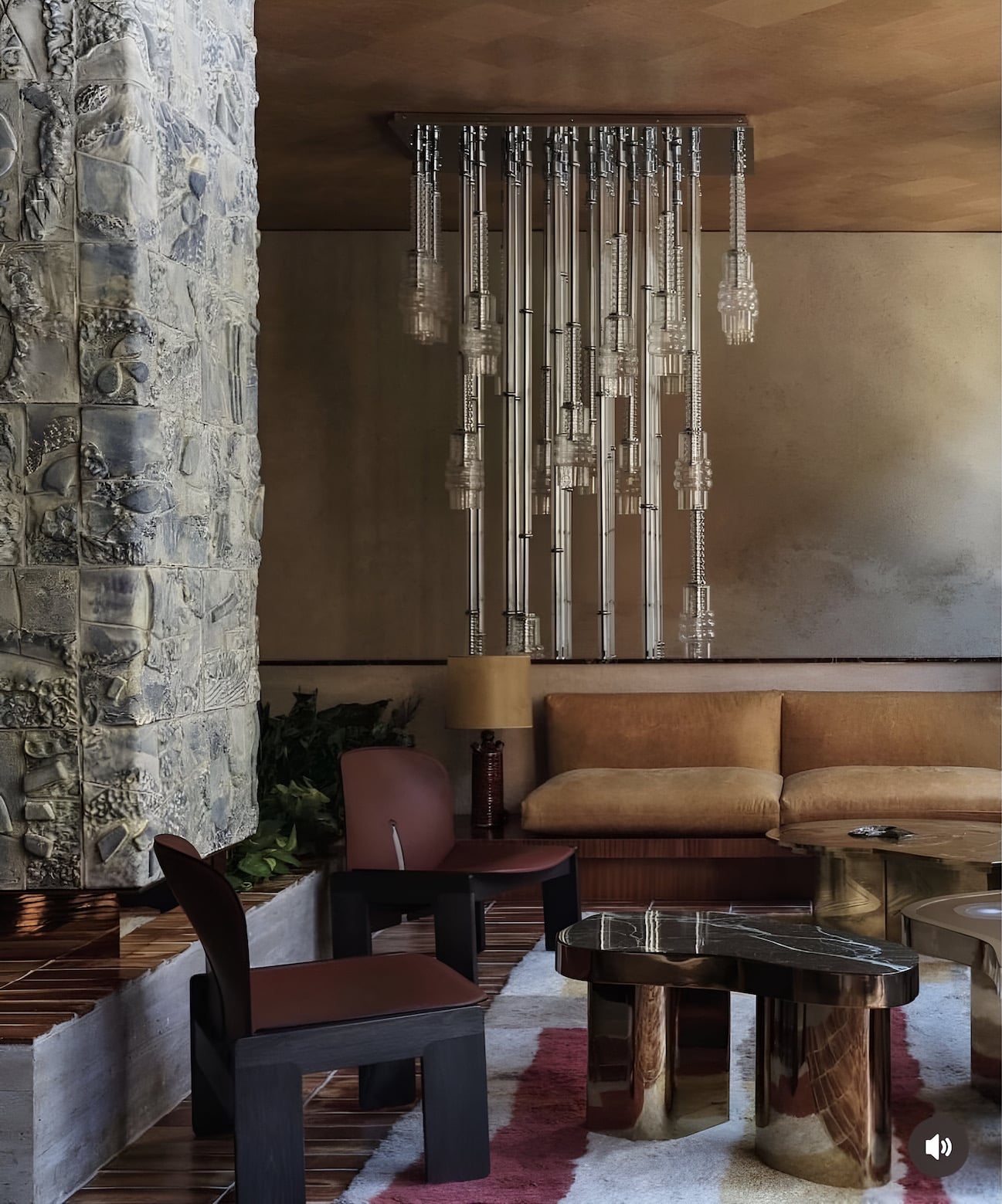
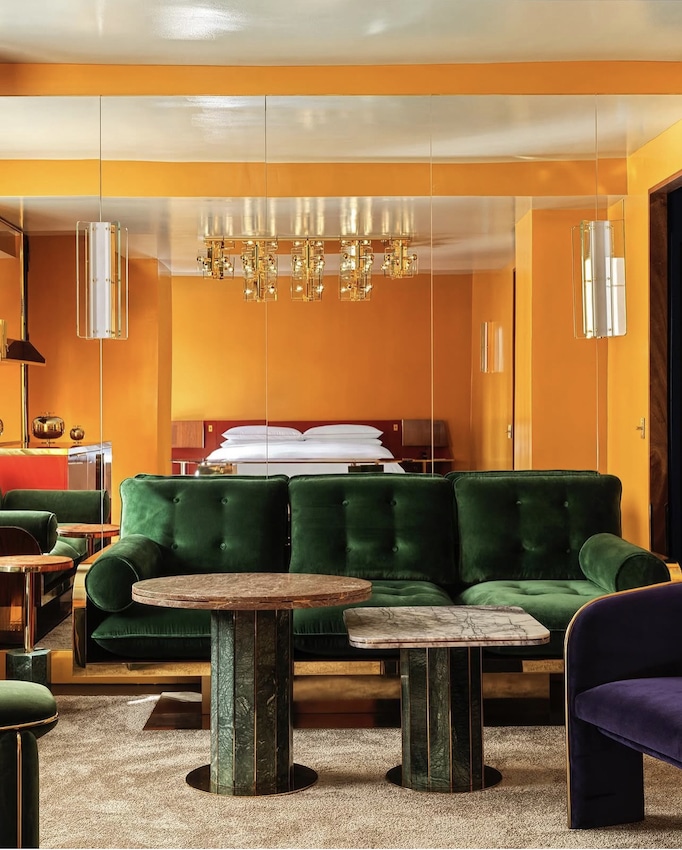
Layering.
Playing an instrument well.
To be more patient with the process.
Creating a body of work that is both conceptual and tangible.
Isamu Noguchi.
Probably New York.
The two glass sculptures ‘Ego’ made by my mother and in my presence over thirty years ago in Murano.
A world without love.
Architectural designer—because it’s never just one thing.
Eclecticism with precision.
Loyalty and an independent mind.
Kerouac.
Perhaps the young Holden—restless, observant, navigating the world with sharpness and vulnerability. Or Corto Maltese—for the wandering spirit and quiet defiance.
Identify is a big word, but I definitely relate to Carlo Scarpa—his meticulousness, sensitivity to materials, and the way he orchestrated light and detail with absolute precision.
Those who shape culture with integrity.
Names that carry history and depth.
Intellectual laziness.
That time is always too short.
Peacefully and without realizing it—having witnessed my grandmother slowly regress due to Alzheimer’s, an experience that shook me to the bone and was utterly heartbreaking—I know that is not how I want to go.
Embrace complexity, refine endlessly.
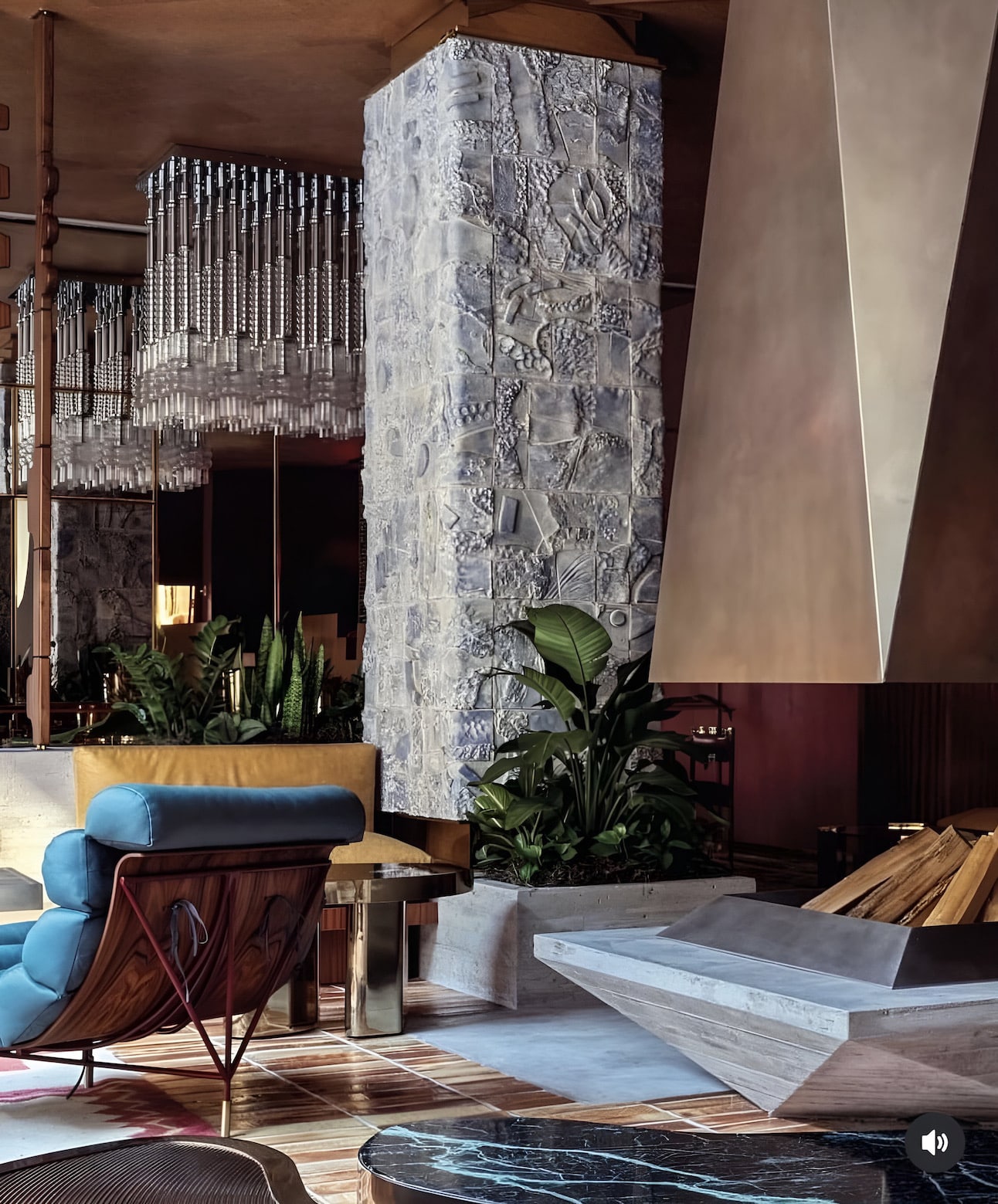
“Everything is architecture to me, no matter the scale.”
SHARE :