Specht Novak
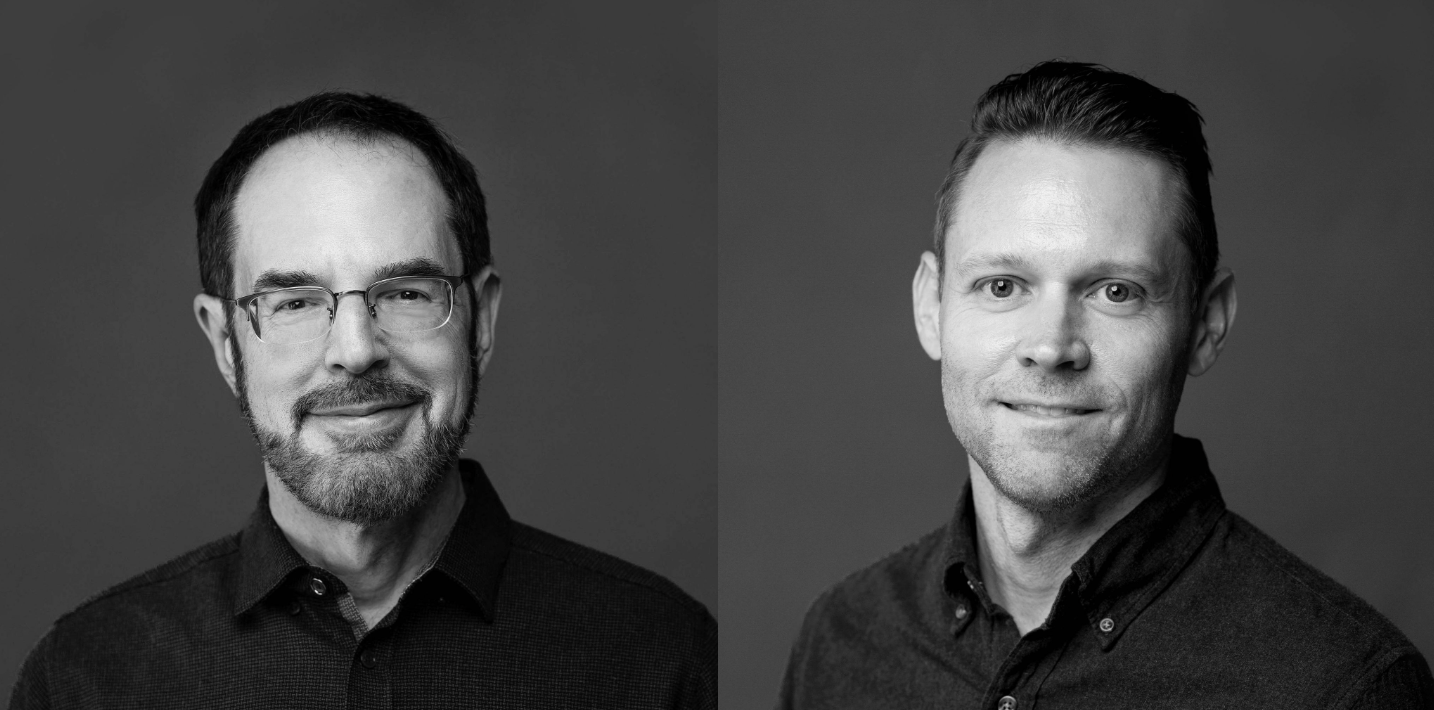
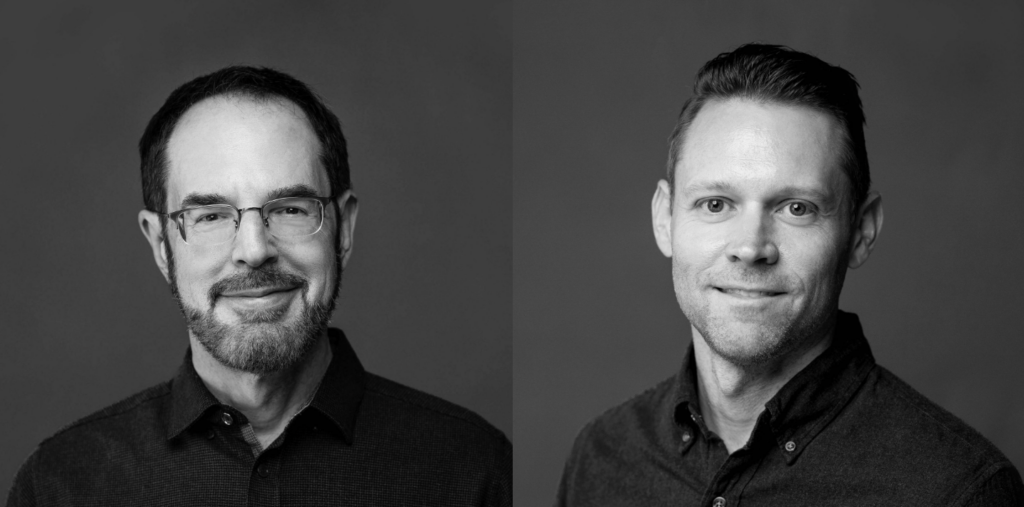
Specht Novak is an Austin-based architecture and design studio known for its thoughtful approach to contemporary living. Founded by Scott Specht and led alongside partner Jakeb Novak, the practice creates work defined by clarity of form, material sensitivity, and a strong connection to place.
Rooted in a philosophy of elegant and timeless design, the studio shapes environments that balance rigor and warmth, responding to both context and the people who inhabit them. Over the past decades, their work has gained international recognition through award-winning and widely published projects.
INTERVIEW

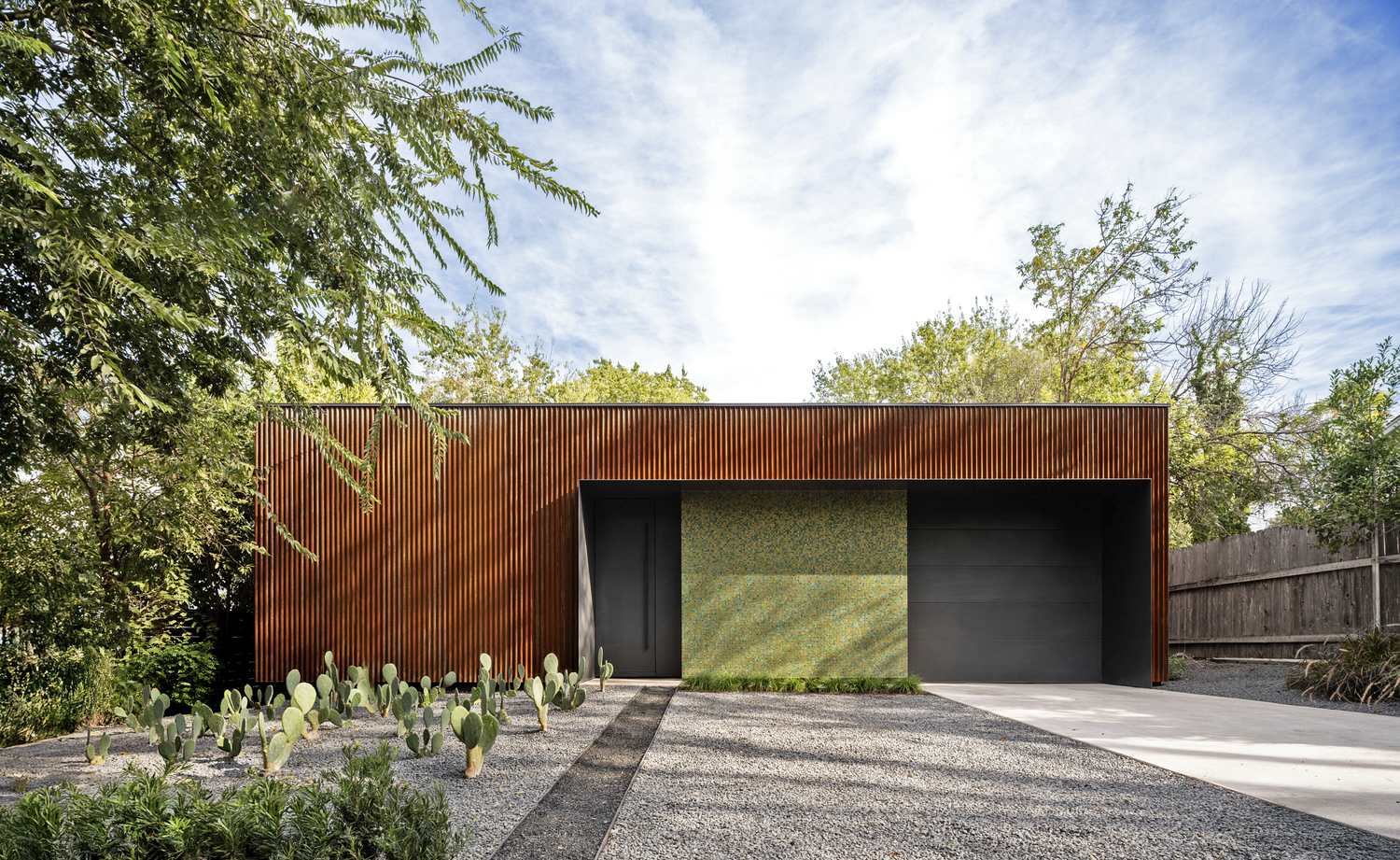
Stealth House, Austin, TX. Photo © Leonid Furmansky
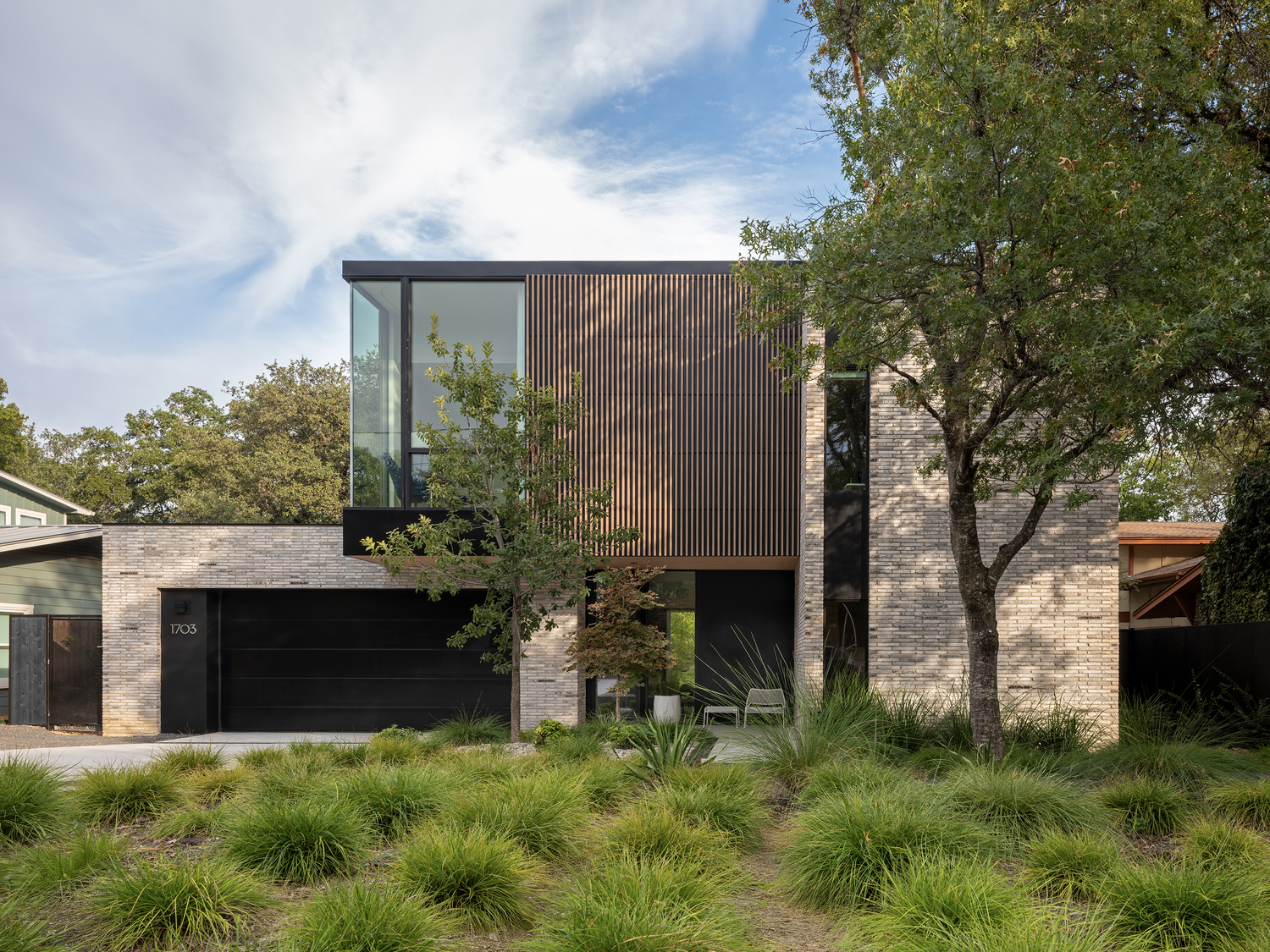
Our design philosophy is rooted in the belief that architecture should be a direct response to its environment. We focus on clean lines and a sophisticated use of natural materials to create spaces that are highly tailored. Rather than following trends, we prioritize an enduring aesthetic that emphasizes light, volume, and tactile quality.
Scott: I never wanted to be an architect. I was very much into filmmaking when I was younger and thought that I’d pursue it in adulthood. I realized, though, that the career path in filmmaking is very limited, and as I worked for a number of architects after school, I realized that there were similarly exciting narrative and visual possibilities available through architecture. At that point, I never looked back.
Jakeb: Growing up, I always found joy in drawing and building things. However, it wasn’t until high school that I truly developed an appreciation for architecture. That was the moment I realized I wanted to contribute to the built environment in a meaningful way.
Every project begins with a rigorous site analysis and a study of local restrictions. These parameters act as the primary guides that shape the architectural form. By first establishing these physical and legal boundaries, we can more effectively integrate the client’s vision into a design that is both inspired and achievable.
One project we are particularly proud of is the Stealth House, an accessory dwelling unit in Austin designed as a private oasis within a dense urban alley. To address the lack of privacy typical of tight urban lots, we wrapped the exterior in a blank, windowless perimeter of corrugated Cor-Ten steel. This move shifts the entire focus inward, where the living spaces are organized around lush, hidden courtyards featuring an olive tree and bamboo. Floor-to-ceiling glazing floods the interior with natural light while maintaining complete acoustic and visual isolation from the surrounding neighborhood. It serves as a compelling model for turning constrained or undesirable urban lots into serene, light-filled sanctuaries.
Scott: It may be an odd choice, but the works that have inspired me most are the houses of Bruce Goff that I was lucky enough to visit (most are now gone). He was a true original – he had his vision of what architecture should be, and didn’t seem to be influenced much by what other architects were doing at the time. He was also somehow able to convince his clients to go along with his idiosyncratic ideas. ShinEnKan in Bartlesville, Oklahoma, was his masterwork, with anthracite coal cladding, carpeted ceilings, and “stained glass” made from colored beads he found at a local store. He was inspiringly daring and unrestrained by convention.
Jakeb: The Salk Institute by Louis Kahn is a masterpiece I return to constantly.
The brilliance of the Salk lies in its masterful use of raw, unfinished materials. The pozzolanic concrete has a soft, almost silk-like texture that contrasts beautifully with the silvering teak window walls. This honesty of materiality allows the structure to feel both ancient and modern.
The most profound element is the central courtyard. By leaving the plaza as a façade to the sky, void of any plantings, Kahn created a monumental and meditative space. The single narrow water channel bisects the travertine plaza, perfectly framing the view toward the Pacific Ocean and the infinite horizon beyond.
Scott: I build models. Not kits or representations of actual things, but more like sculptures that have a scale and a vision of inhabitation. They’re often crude and pretty abstract, but I love the hands-on process of designing while building. I never know where they are going to end up, and that’s the most exciting part.
Jakeb: Travel is my primary source of inspiration and the most effective way for me to re-center. Experiencing different cultures and landscapes provides a necessary shift in perspective that cannot be replicated in a studio environment. Whether I am exploring a dense urban center or a remote natural landscape, I am constantly observing how light, scale, and materials interact in new contexts. This constant exposure to new environments ensures my design process remains dynamic and focused on the unique potential of every site.

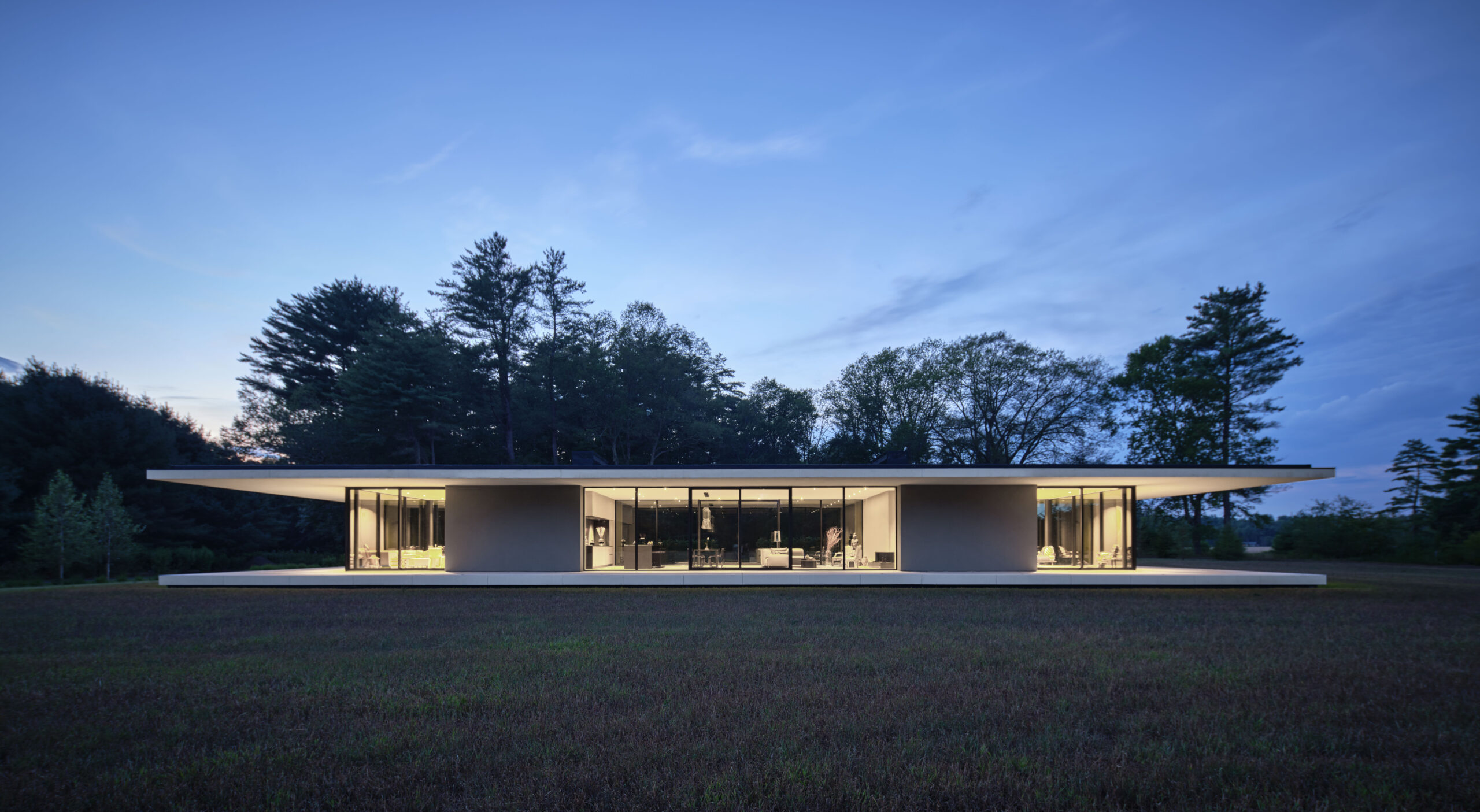
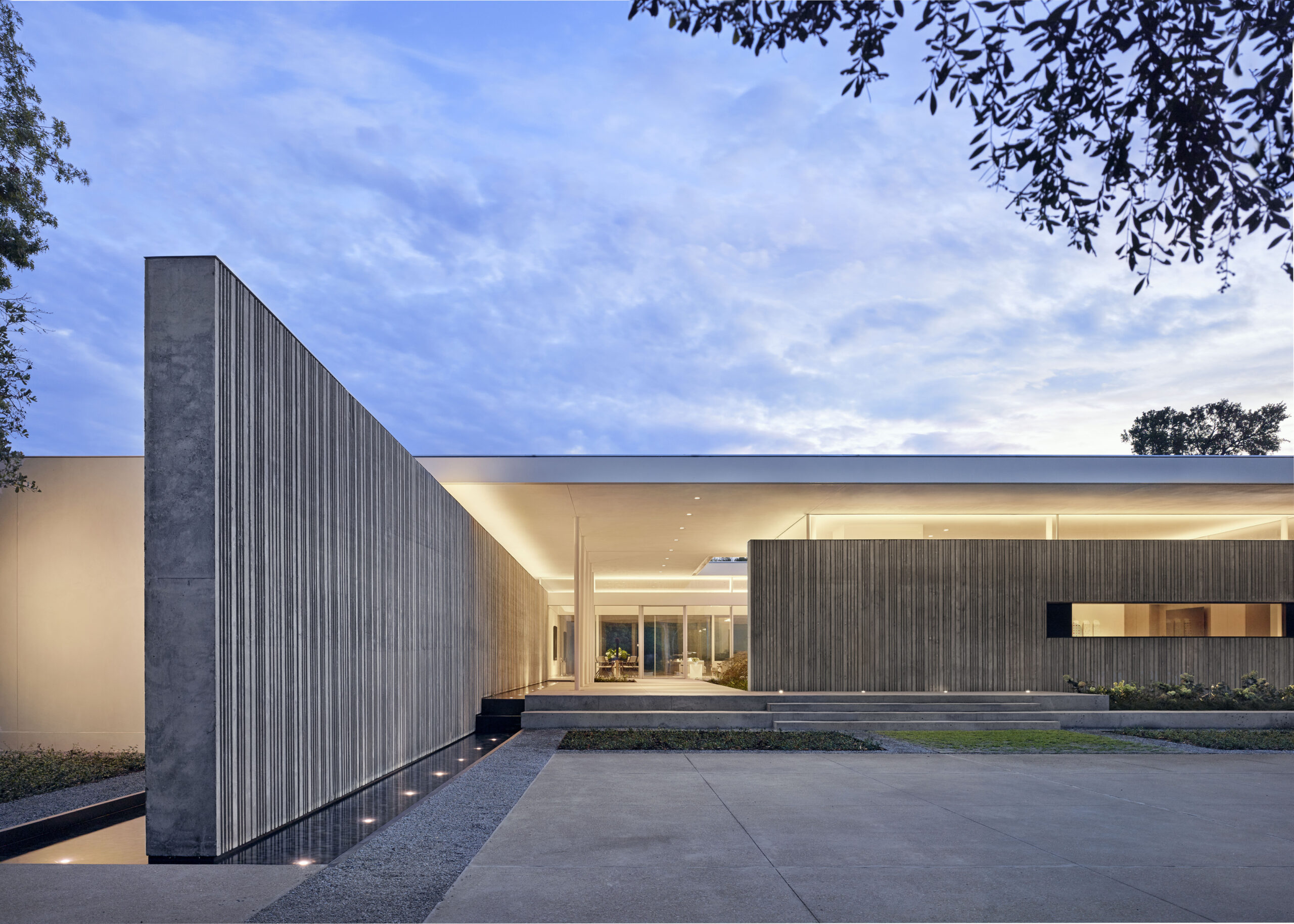
Preston Hollow Residence, Dallas, TX. Photo © Casey Dunn
Scott: I’ll agree with Jakeb here that the increasingly constrained legal and business-practice boundaries in architecture have drained some of the possibility from the profession, and resulted in an increasingly bland built landscape. When trying to avoid anything that may be seen as “reducing resale potential” or “possibly controversial,” there is a tendency to play it safe. Architecture can become less creative and less likely to produce works that are truly transformative in this kind of environment.
Jakeb: The part of the profession I enjoy the least is navigating the increasingly complex web of administrative and bureaucratic hurdles. Managing intricate layers of permitting, evolving building codes, and legal documentation can often pull focus away from the actual craft of design and construction. Balancing these logistical requirements with the creative vision is a necessary part of the discipline, but it is certainly the least inspired aspect of the work.

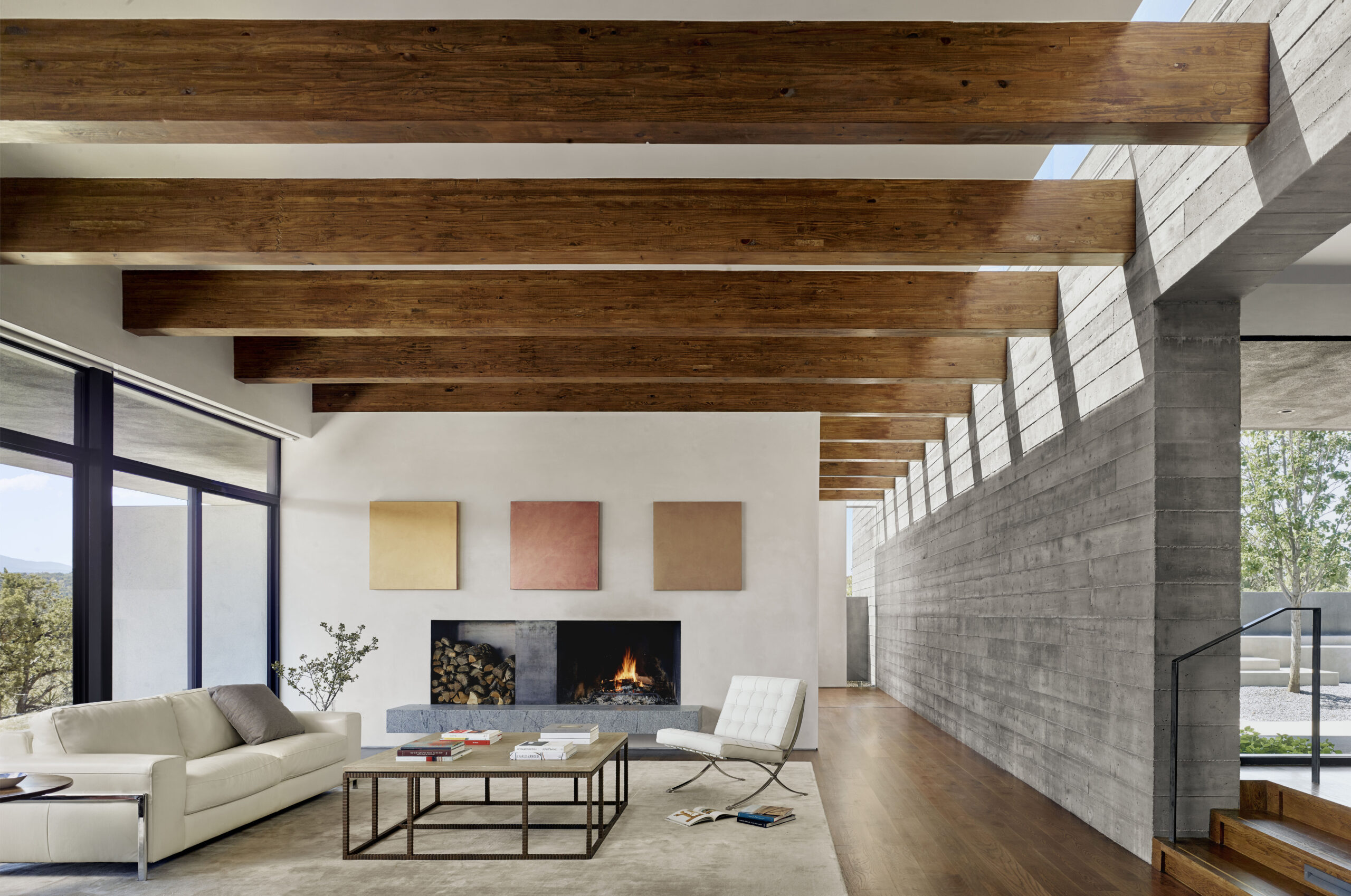
Sangre de Cristo House, Santa Fe, NM. Photo © Casey Dunn
Our mantra is simple: everything in alignment.
This principle guides every phase of our work, from the initial site analysis to the final construction details. To us, alignment represents more than just the physical precision of a structure; it is the intentional harmony between the site’s natural constraints, the client’s functional needs, and the architectural form itself.
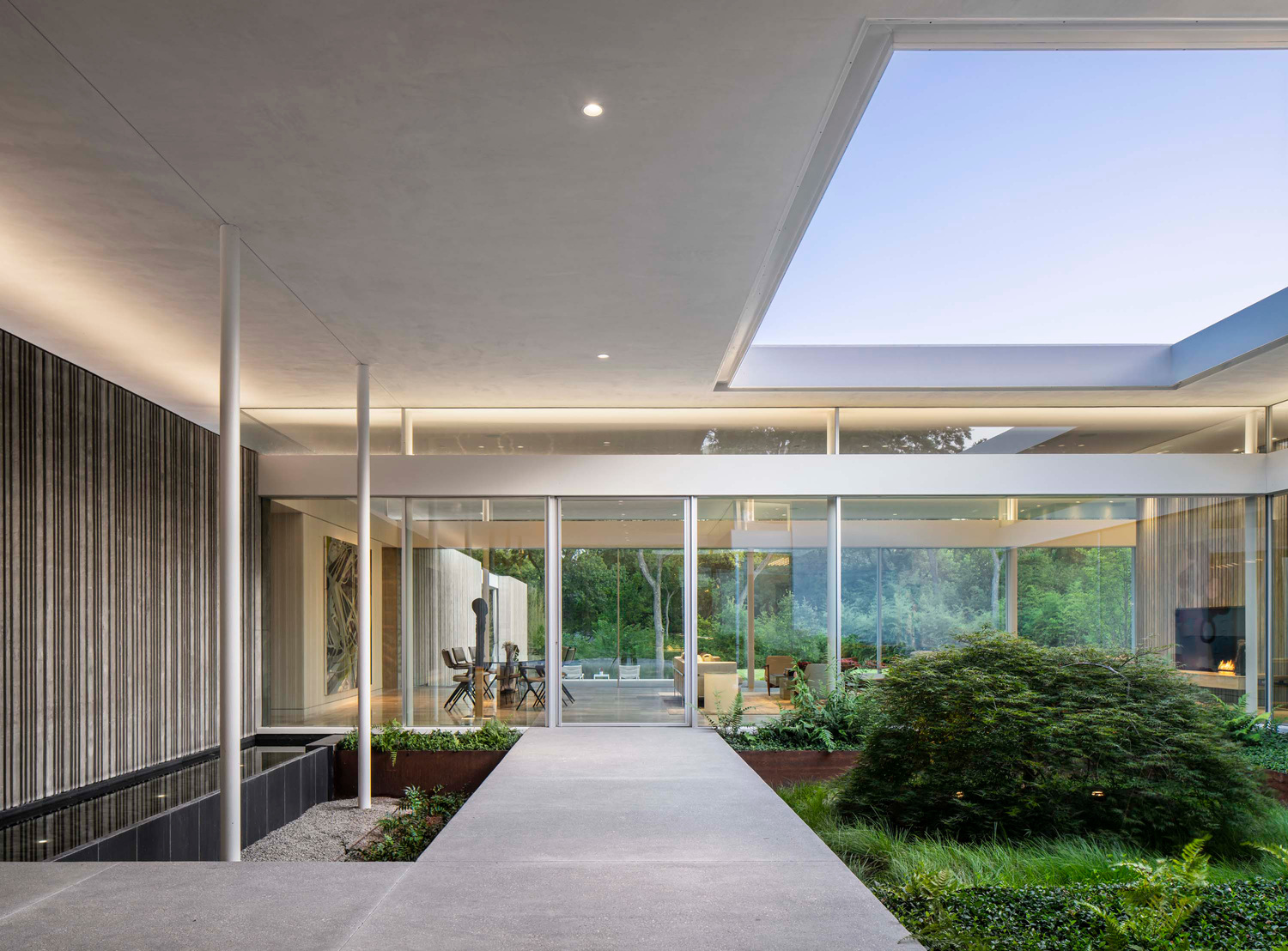
When a project is truly in alignment, every element feels purposeful and balanced. The sightlines connect the interior to the landscape, the materials respond to the environment, and the layout facilitates the rituals of daily life without friction. This commitment to precision and balance ensures that our designs remain grounded, enduring, and deeply resonant with those who experience them.
When designing a residence, we believe a truly livable space must balance high design with functional flexibility. We aim to create environments that are uncluttered and purposeful, allowing the architecture to serve as a quiet backdrop to the lives of our clients. By focusing on these fundamentals, we ensure that a home remains a source of inspiration and comfort long after the initial construction is complete.
We hope our work encourages people to slow down and become more observant of their surroundings. By creating spaces that prioritize clarity and a strong connection to the environment, we aim to shift the inhabitant’s focus from the clutter of daily life to the quiet beauty of light and shadow. We want the architecture to act as a frame for the natural world, making the simple act of watching the sun move across a room or seeing a courtyard tree change through the seasons a meaningful experience. Ultimately, when a space is designed with such intentionality, the environment supports a more mindful way of living and serves as a grounding force that enhances overall well-being.
Many modern buildings lack a sense of permanence and a deep, tactile connection to their specific site. In an era of rapid construction and standardized materials, what architectural projects need most is a return to “ultra-contextualism,” which is the idea that a building should be so deeply rooted in the history, climate, and spirit of its neighborhood that it could not exist anywhere else.
Jakeb: I wish someone had told me early on that architecture is as much about people as it is about buildings. While technical skill and design intuition are vital, the power of networking is often the true catalyst for a successful career. Most of the opportunities that have shaped my path came through relationships built over years of genuine engagement with peers, consultants, and the community. Investing in your professional network builds a support system of collaborators who challenge your thinking and sharpen your practice. I would advise anyone starting out to prioritize these connections as intentionally as their design work, as building a reputation for being reliable and collaborative is often the most effective marketing tool available.
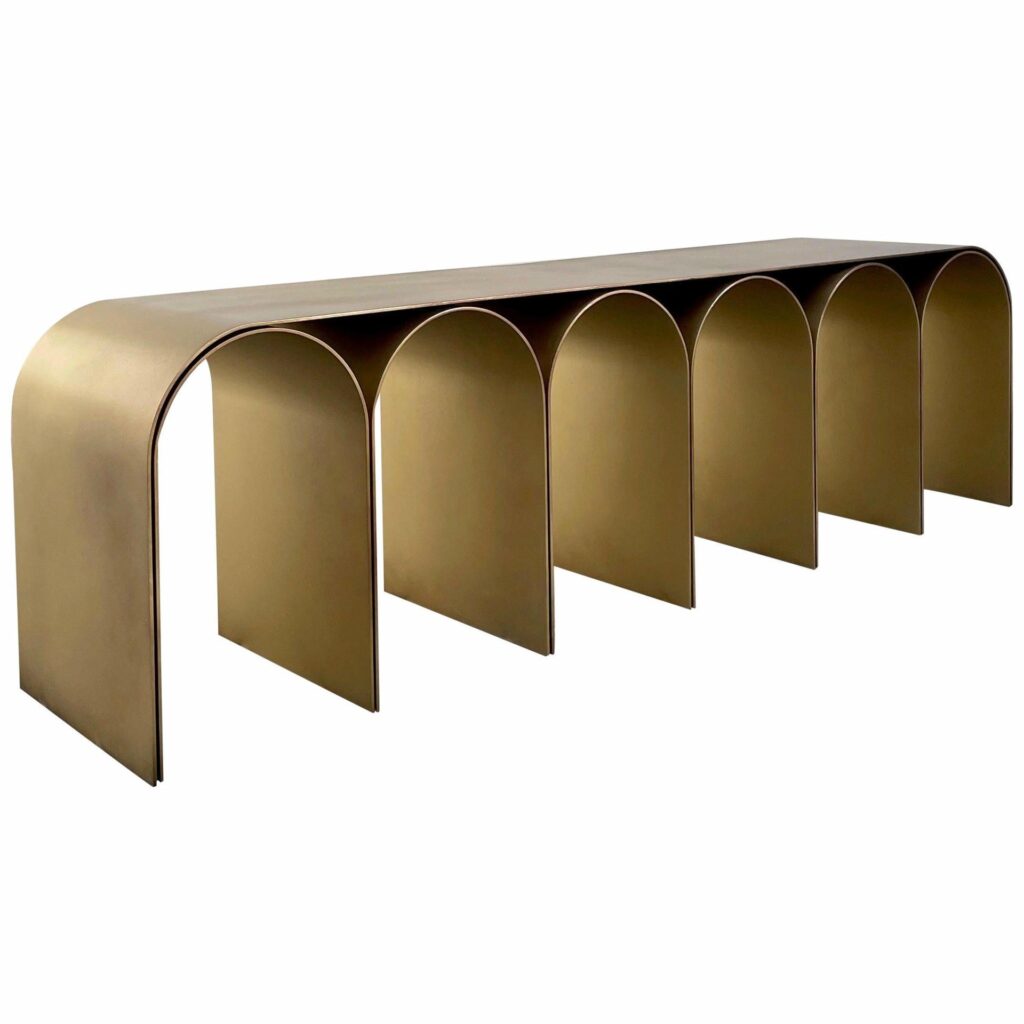
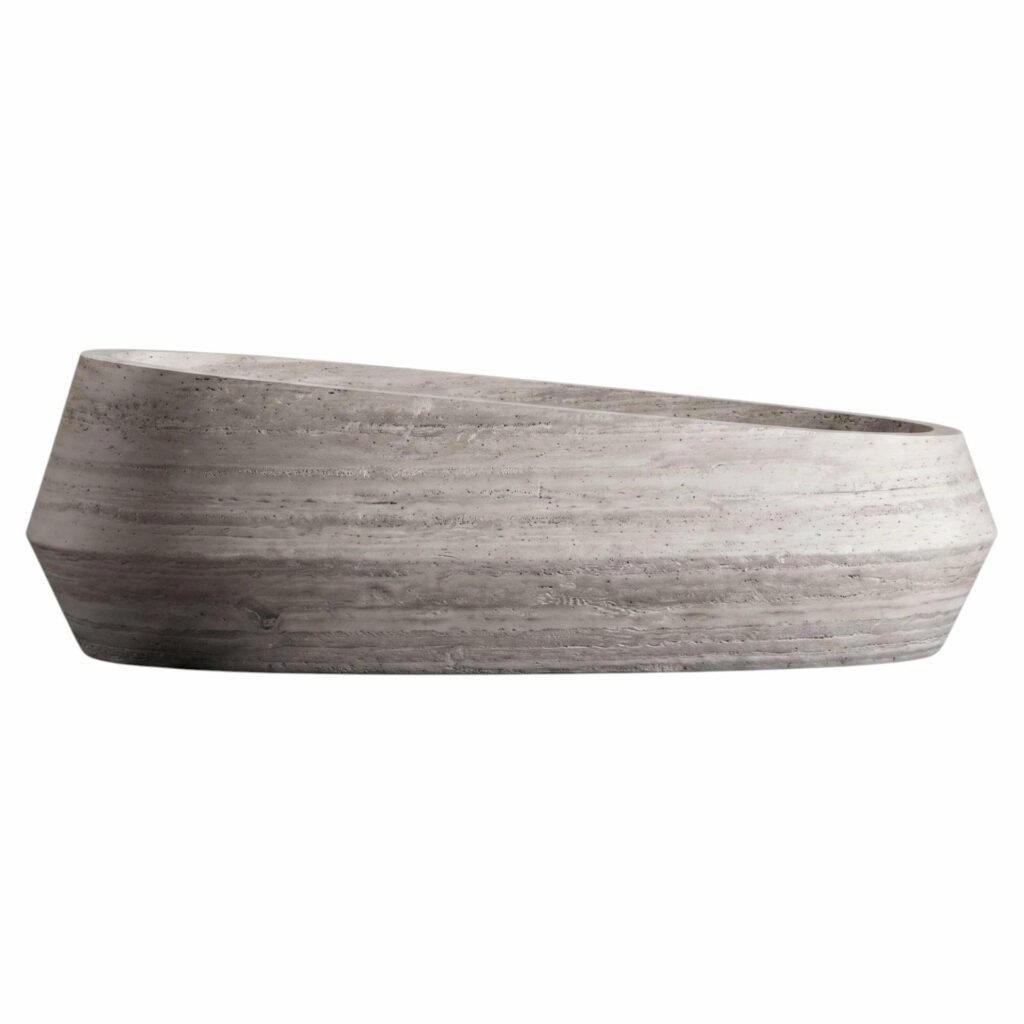
favorite pieces from the Philia Collection
Thank you so much Scott and Jakeb, for this lovely interview!
Share article :