McLean Quinlan
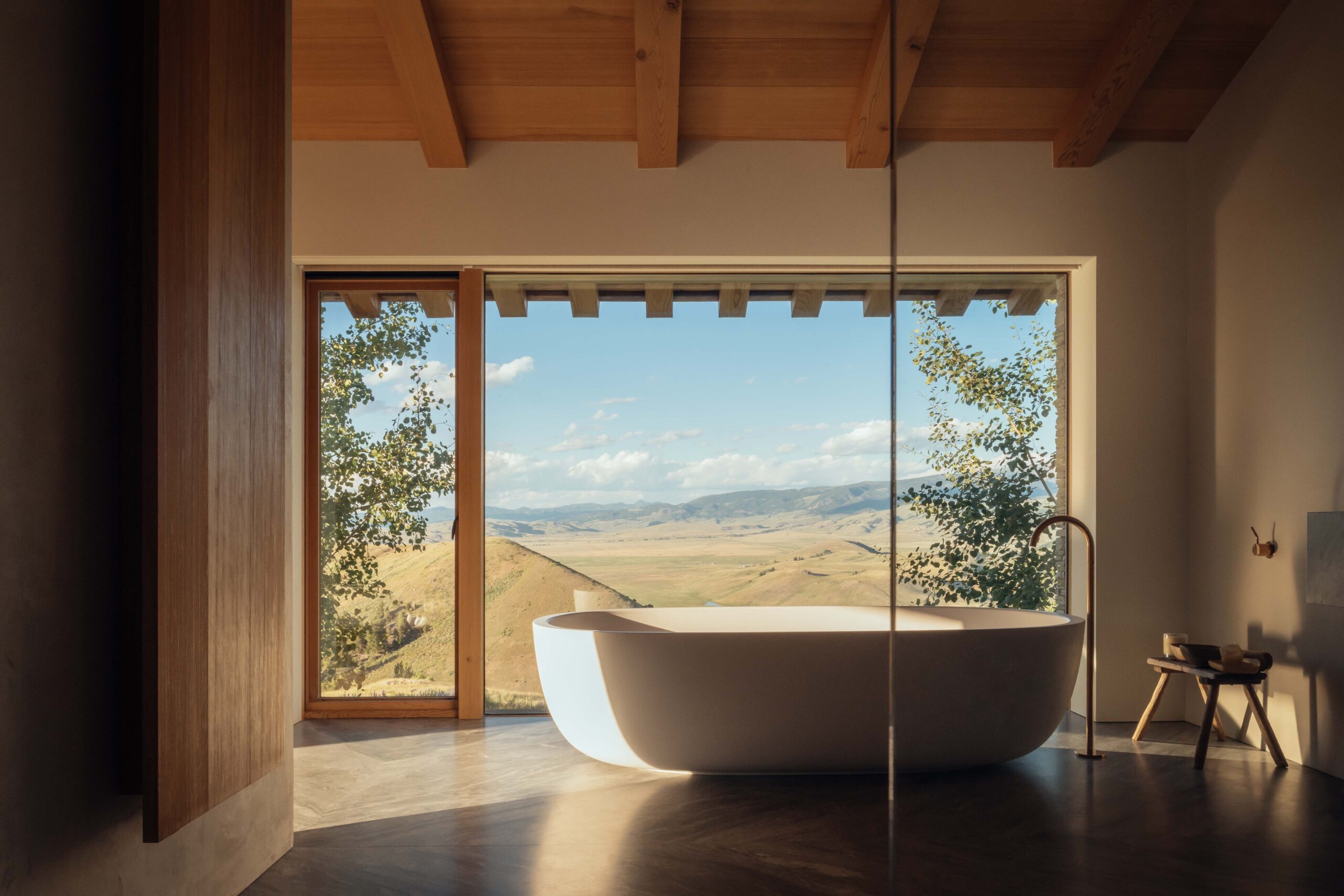
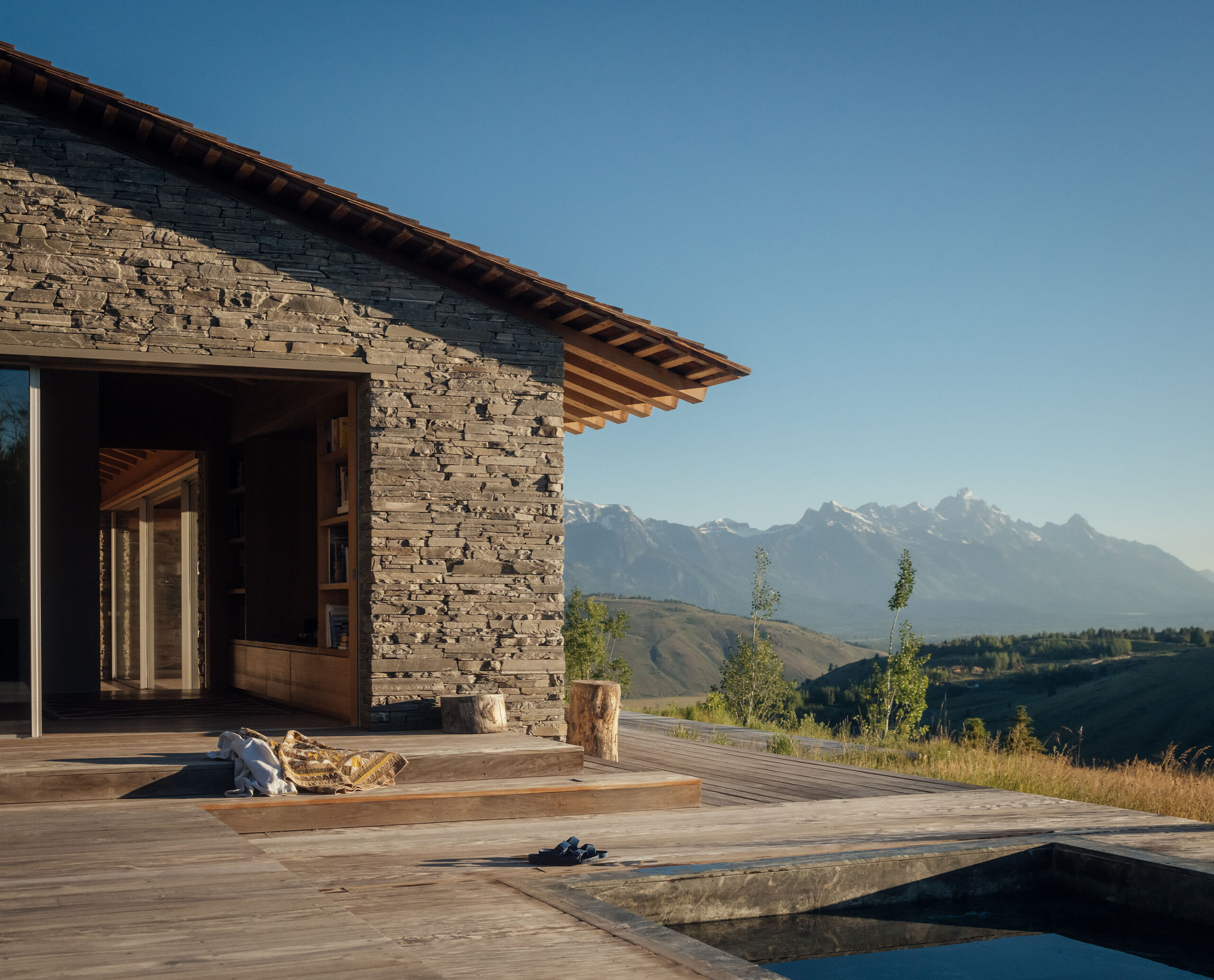
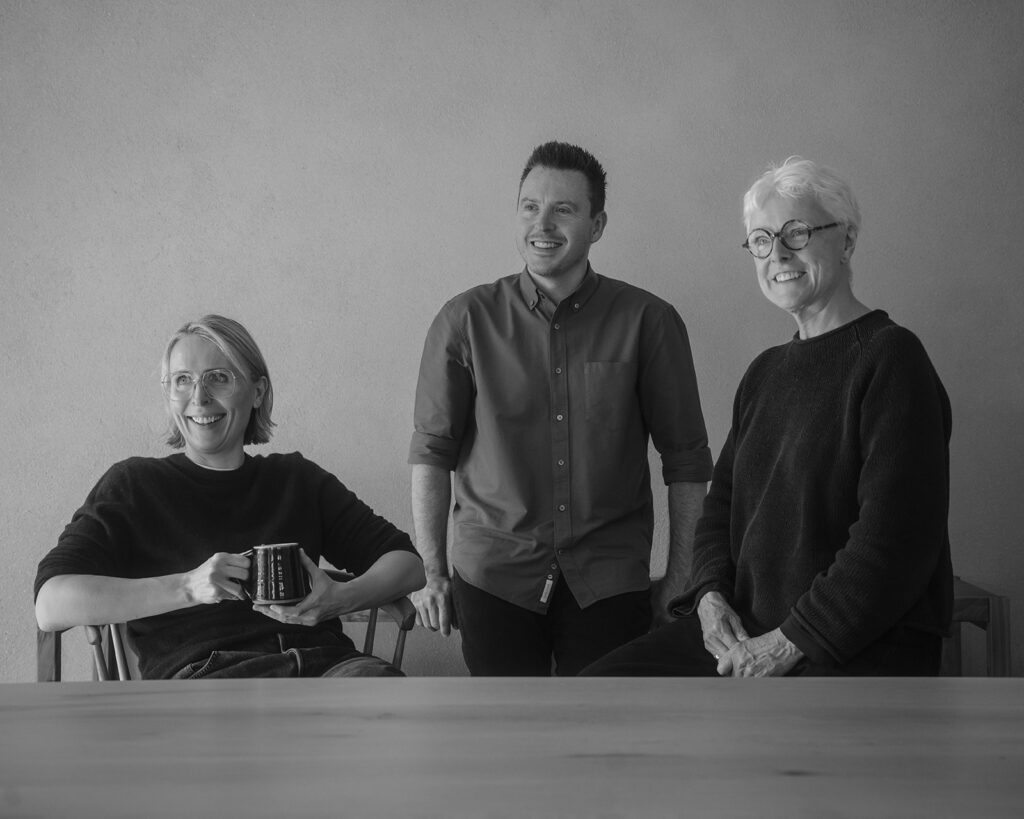
McLean Quinlan is a family-led architectural studio with over four decades of experience creating carefully crafted homes and retreats across towns and countryside in the UK and internationally. Working from studios in London and Winchester, the practice undertakes a limited number of projects, each receiving close attention from a tight-knit team of architects and designers, supported by a trusted network of specialist professionals and craftspeople.
The studio is recognised for its sensitive approach to material, light, scale, and texture, creating spaces defined by warmth, atmosphere, and a strong sense of place. Rooted in traditional processes and natural materials, yet expressed through a contemporary and highly crafted language, McLean Quinlan’s work is both tactile and enduring. Their award-winning buildings are designed to age with grace and are intended to inspire beyond their lifetime.
“Good buildings make you feel something. The best make you feel something profound.”
INTERVIEW

Bay House, Devon © Jim Stephenson

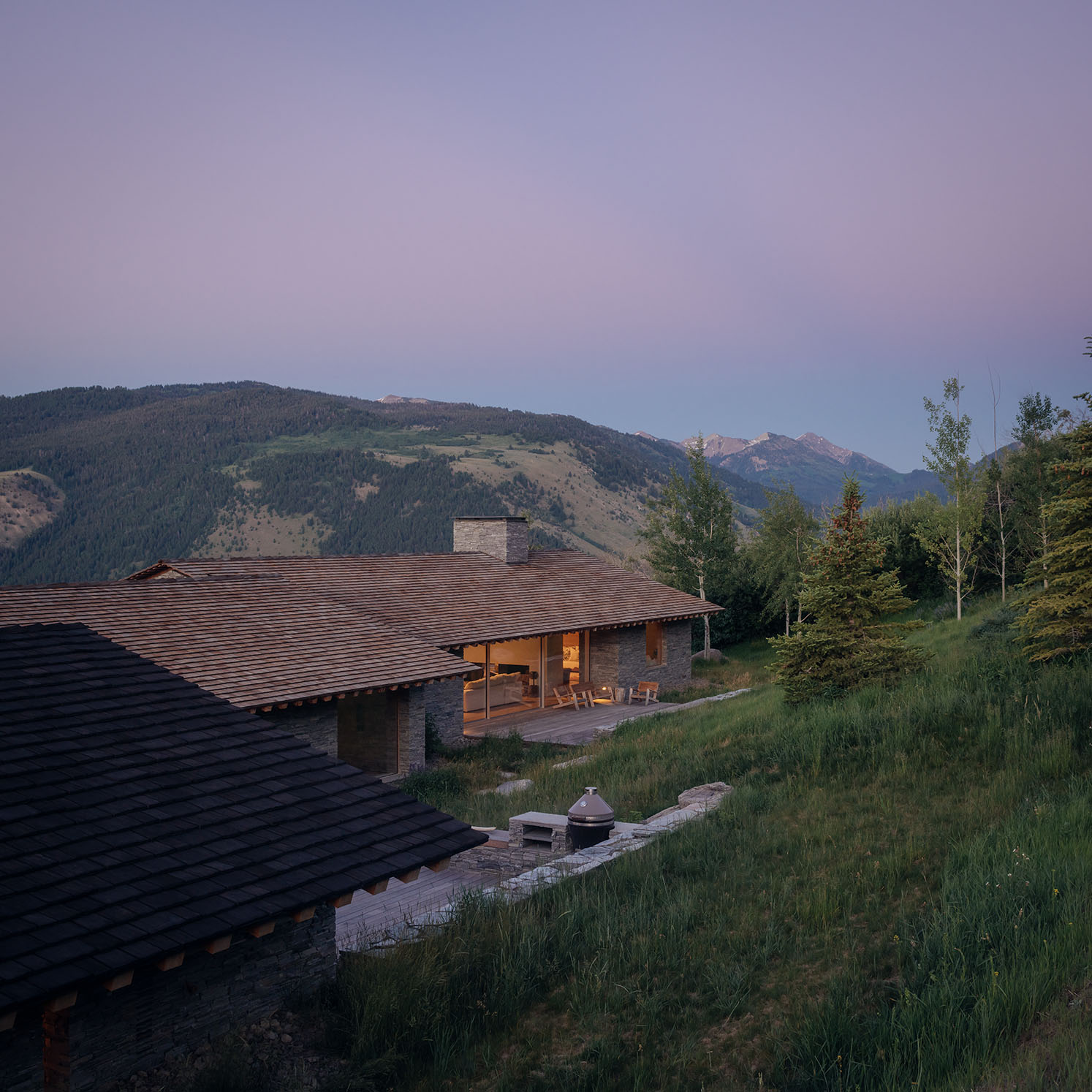
The Devon Passivhaus is a favourite. It brings together everything we care about: art, landscape, interiors, construction, and technology. The clients are charming, intelligent people we’re still in close contact with.
Each of us is very sensitive to design quality, how things are made, and their visual impact. We also enjoy solving problems and are drawn to art, nature, history, and science. Architecture pulls all of this together.
The aim is to translate a client’s needs and ambitions into a clear idea that can eventually become reality. Listening carefully is essential, both at the start and as the design evolves. The concept sets everything in motion, and seeing that vision through to the final details takes commitment and focus. Designing architecture can feel a little like directing a stage production or a film. It is long, complex, and ultimately very rewarding.
We don’t think in terms of a style. Our focus is on creating buildings that sit comfortably in their surroundings, work well as places to live, and, when they are homes, feel like home.
Designing a house means remembering that you often spend as much time inside looking out as you do outside looking in. The feel of the internal spaces often sets the direction. We don’t draw a hard line between interior and exterior design.
Our clients are usually as sensitive to their surroundings as we are, so there’s rarely a conflict. We often bring in landscape architects from the start, so the relationship between the building and the land is never an afterthought.
Fiona McLean: Colline Notre Dame du Haut, Ronchamp, by Le Corbusier. A masterclass in form and the control of light.
Alastair Bowden: The Barbican in London, for its complete architectural world that you can immerse yourself in and escape normality for a while.
Kate Quinlan: The Barcelona Pavilion by Mies van der Rohe. A few simple moves create an extraordinary sequence of spaces.
When the wider team isn’t working to the same standard we aim for. We work with wonderful and skilled builders and craftspeople, but that isn’t always the case. Saying when things aren’t right is never enjoyable.
Holidays in Italy.

Devon Passivhaus © Jim Stephenson
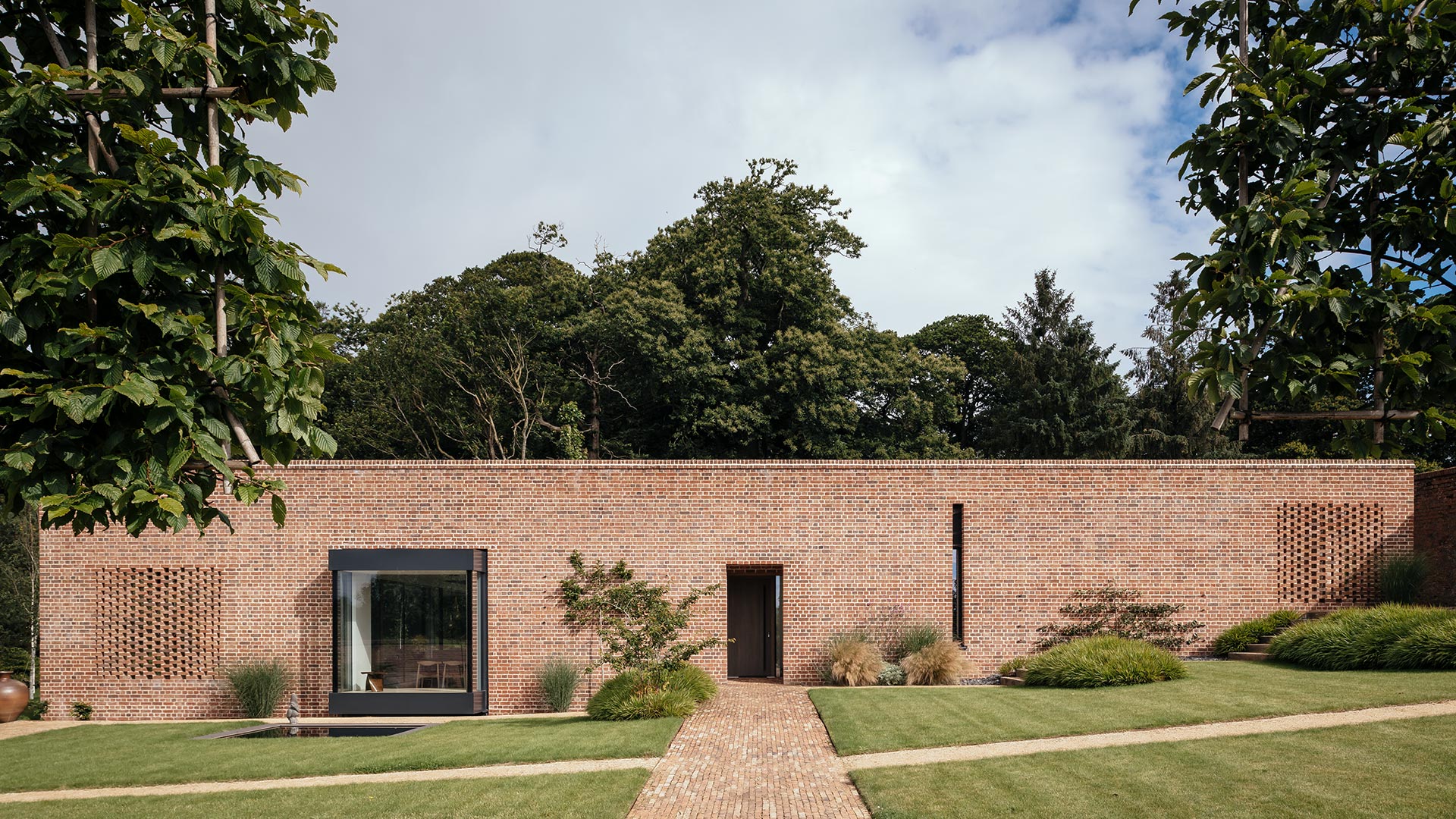
Listen to the place and listen to the people. The site guides how the building should sit, and the clients tell you how it should feel. When you pay attention to both, the design often falls into place.

Devon Passivhaus © Jim Stephenson
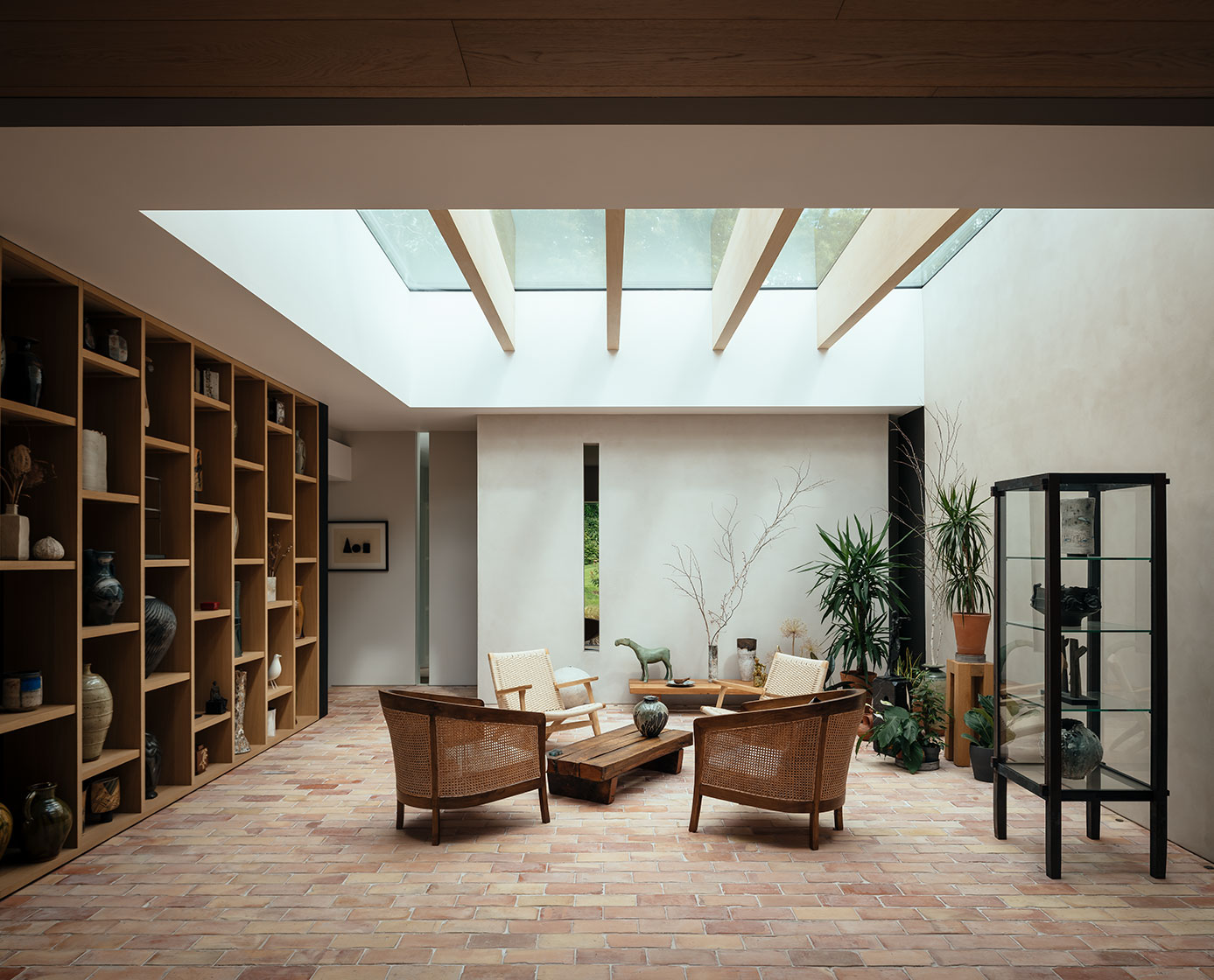
People respond instinctively to materials. The moment samples are on the table, they’re picked up and handled, as if there’s something ancient in that reaction. Stone, timber, and textured finishes hold much of a building’s atmosphere and age well. Craftsmanship completes it. A simple detail made with care brings a calm, lasting quality you feel straight away.
There have always been good and bad buildings. Good buildings make you feel something. The best make you feel something profound.
Be bolder. Trust your instincts, speak up, and put ideas forward before they feel finished. The work moves faster and becomes stronger when you do.
Thank you so much Fiona, Alastair, and Kate, for this lovely interview!
Share article :