Ido Yoshimoto
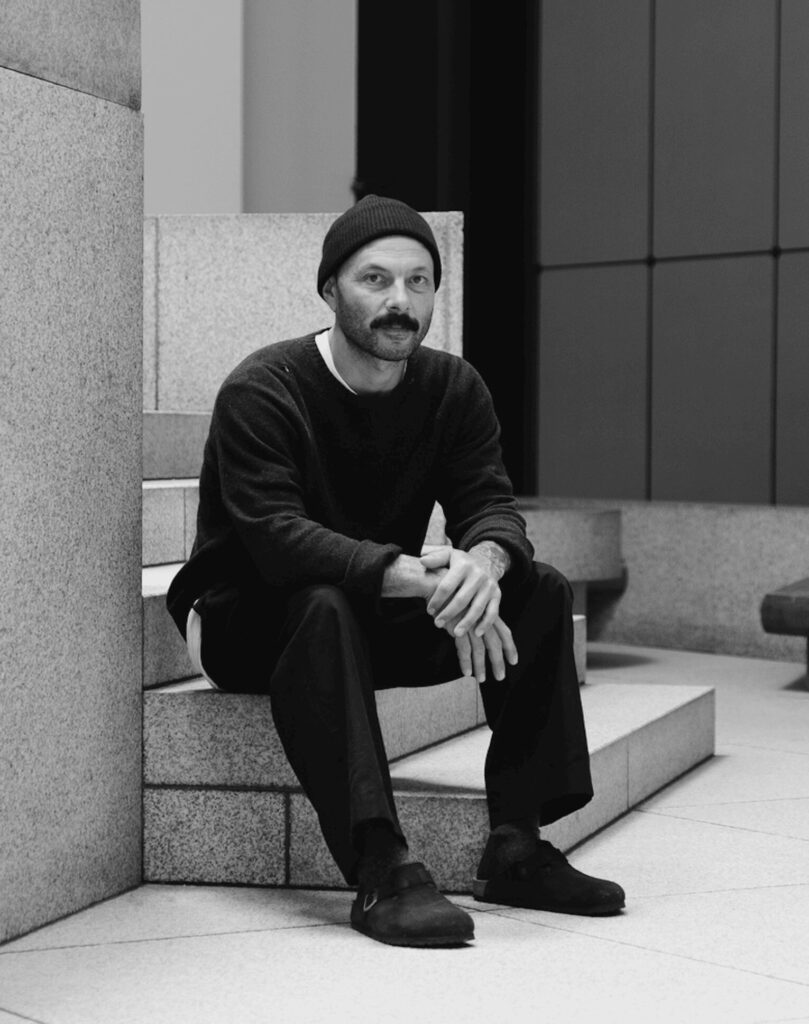
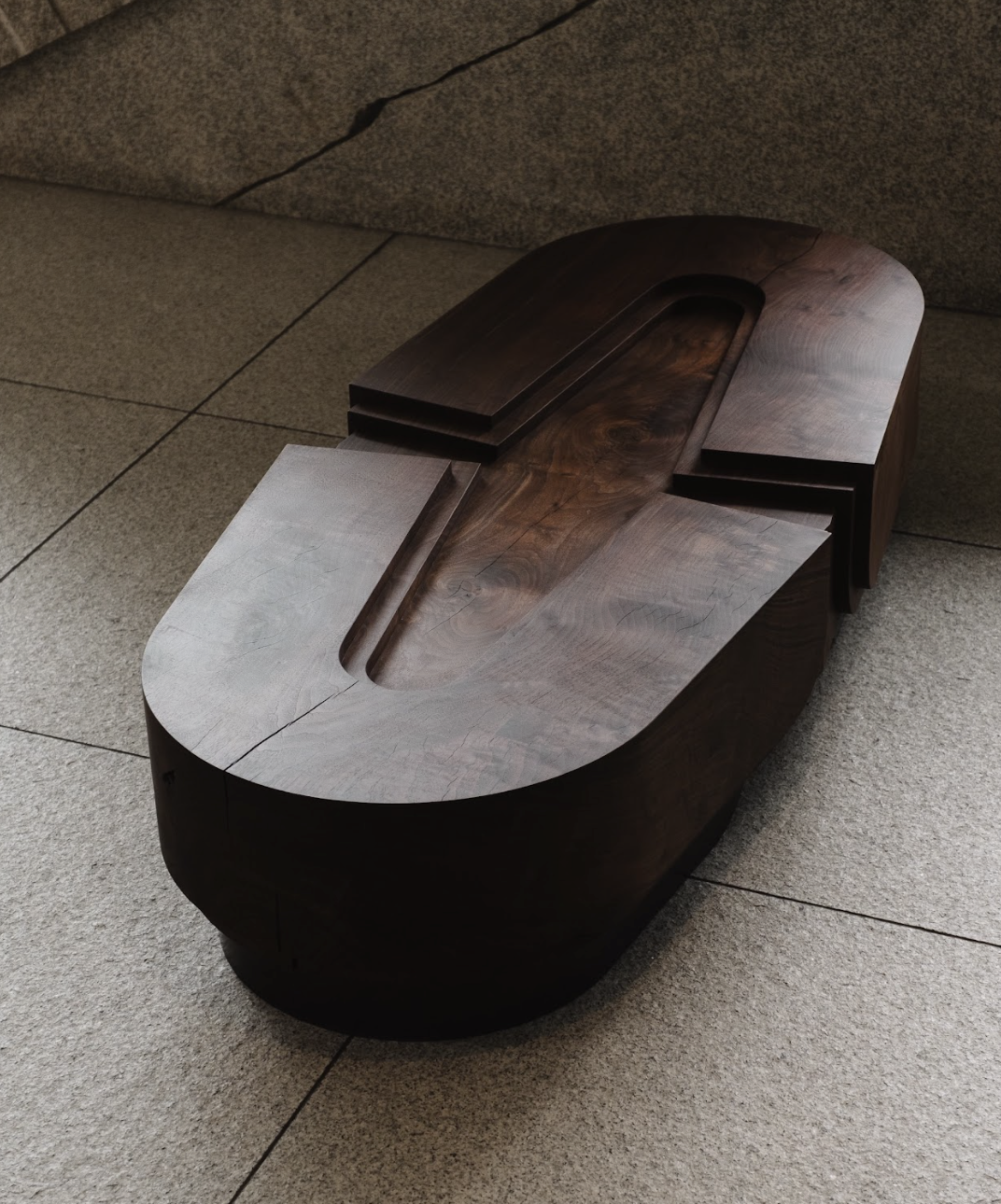
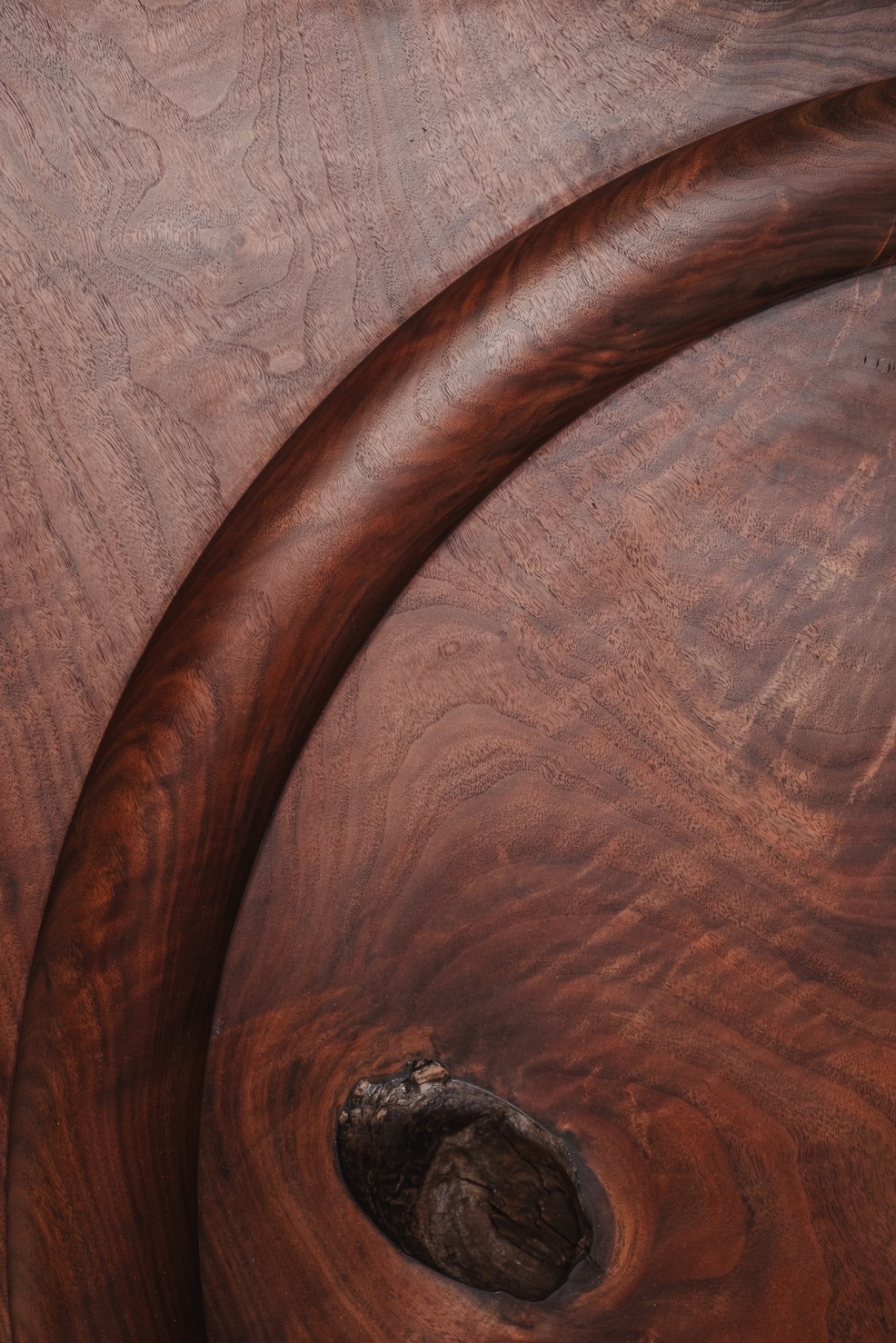
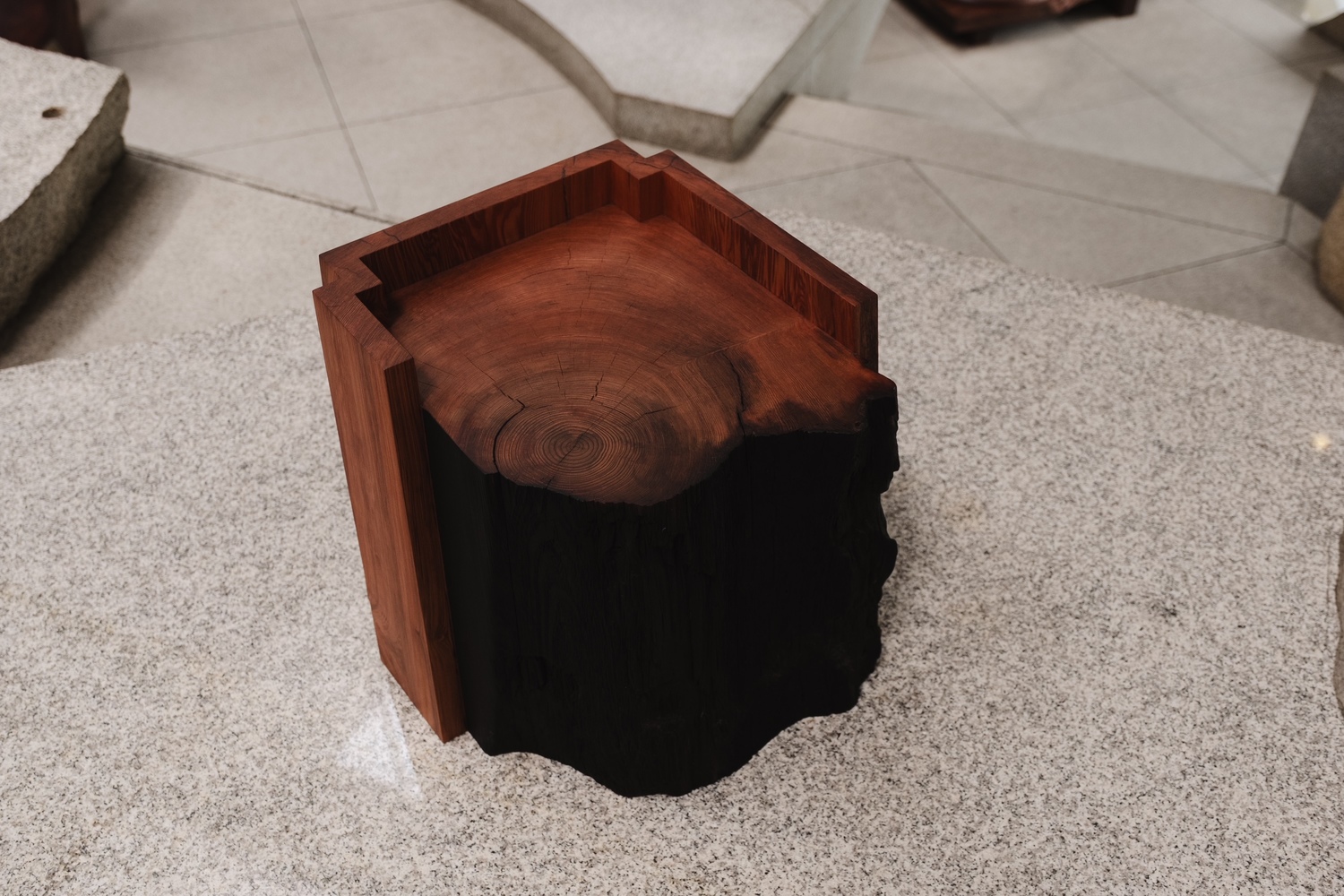
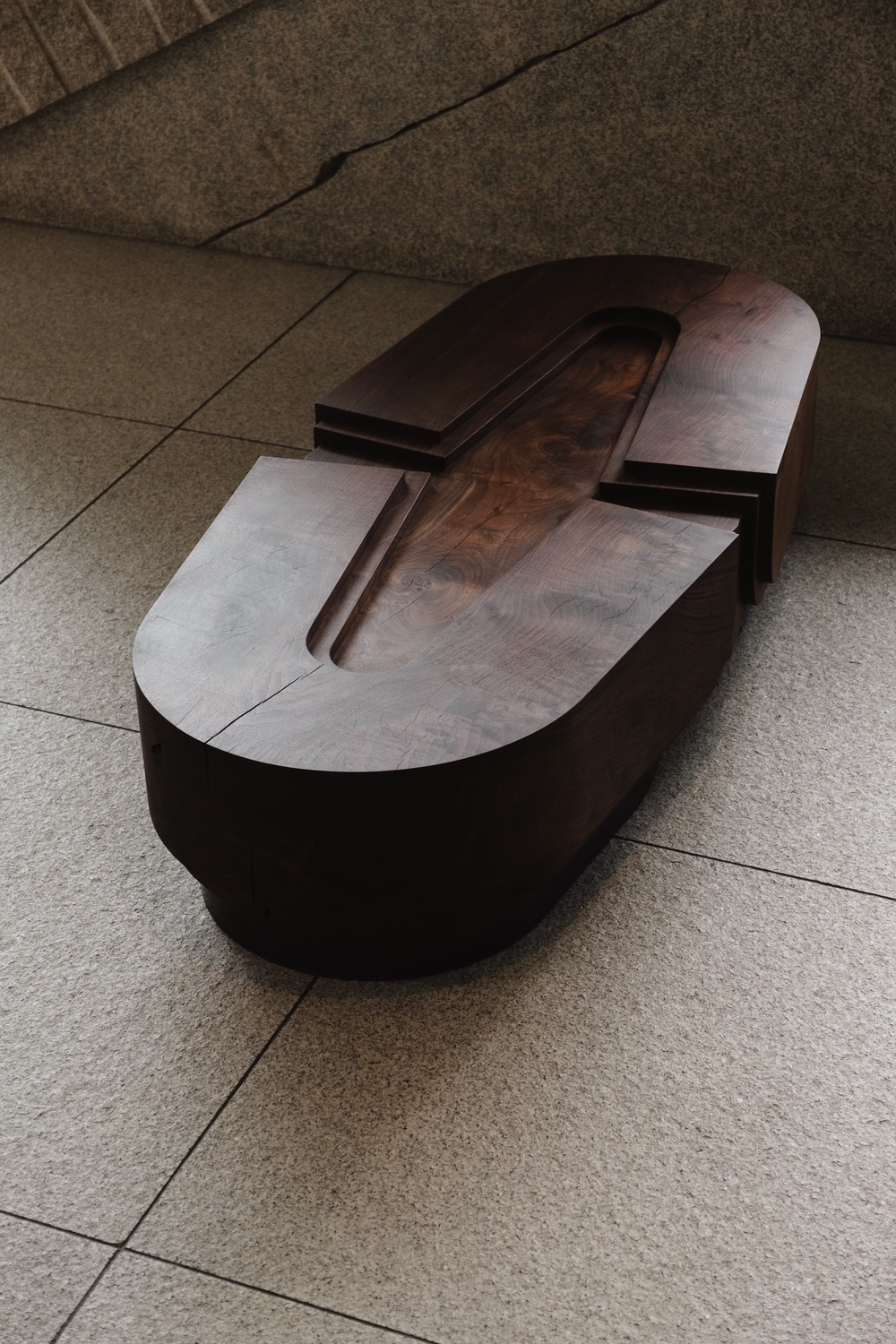
Ido Yoshimoto is a California-based artist whose practice is deeply shaped by the forests and landscapes of West Marin. After more than two decades working as an arborist, he turned to art, bringing with him an intimate understanding of trees, their structures, and their natural life cycles. Working primarily with salvaged and locally sourced wood, Yoshimoto creates sculptural and functional pieces that preserve the character and history of their material while introducing deliberate geometric interventions.
Through an intuitive and material-led approach, Yoshimoto explores the dialogue between natural growth and human intention, allowing the irregularities, textures, and forms of the wood to guide each work. Balancing raw organic expression with precise craftsmanship, his practice reflects on transformation, impermanence, and the passage of time, revealing new possibilities within materials that might otherwise be overlooked.
Interview
Inverness, CA.
The world and the art world were never separate in my mind. Growing up, art, objects, beauty, and function all blended together without too much definition. I remember my father working in his studio. He made ceramics, jewelry, sculpture, useful objects, and also repaired things.
Yes, I’ve been surrounded by art and had some version of an art practice. Before I was a professional artist, I worked as an arborist — I sculpted trees. I think that almost any practice can have the elements of art and design.
My current practice just sort of evolved from living here in Inverness, being surrounded by artists, working with the materials from the environment, and then a lot of practice and dedication — hours spent with the material.
I spend a great deal of time thinking, sitting with the material and the idea, before anything tangible happens or any tools are picked up. My work begins mentally, considering the inherent perfection of natural materials and how they might be altered to exist within a human world.
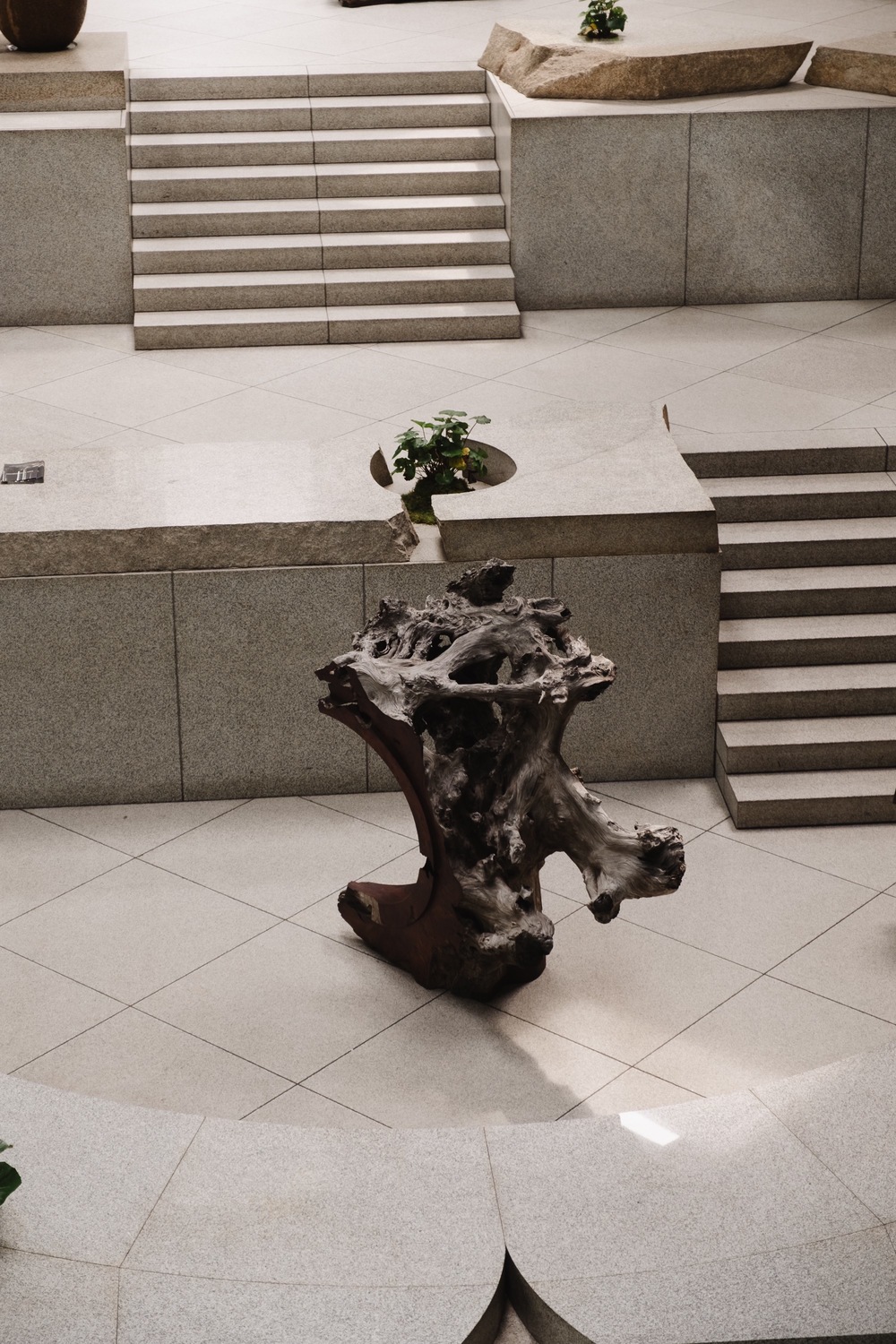
The process is about introducing something natural into a non-natural space and understanding what kind of impact it can have there. It takes time to clarify what impact I want that to be. While there is deep consideration for the material itself, its properties, limits, and best possible use, I’m equally attentive to how the finished piece might feel to be around, how it changes your experience of a space when encountered in a new way.
I wake up early because I have a toddler, so the day gets going right away. I’m a physical person, so I like to get moving in the morning. I’ll make coffee, then go chop firewood for the house or start on a project outside. We just built a house, and so it’s an endless project with something always to work on.
I typically then head to my studio around 8:30 am and stay until 5 or so. Because my work requires a lot of physical demand, I try to balance what I do throughout the week, and every day and every week is pretty different. Some days I focus on drawing and designing, some days it’s carving for 8 hours straight, and some days it’s sanding and oiling. I try to avoid working on multiple projects at once and instead focus on one at a time, finish it, get it out of the studio, then start another.
I work with wood from Northern California because I am from here and have the experience with it — I know and understand it really well and feel connected to it.
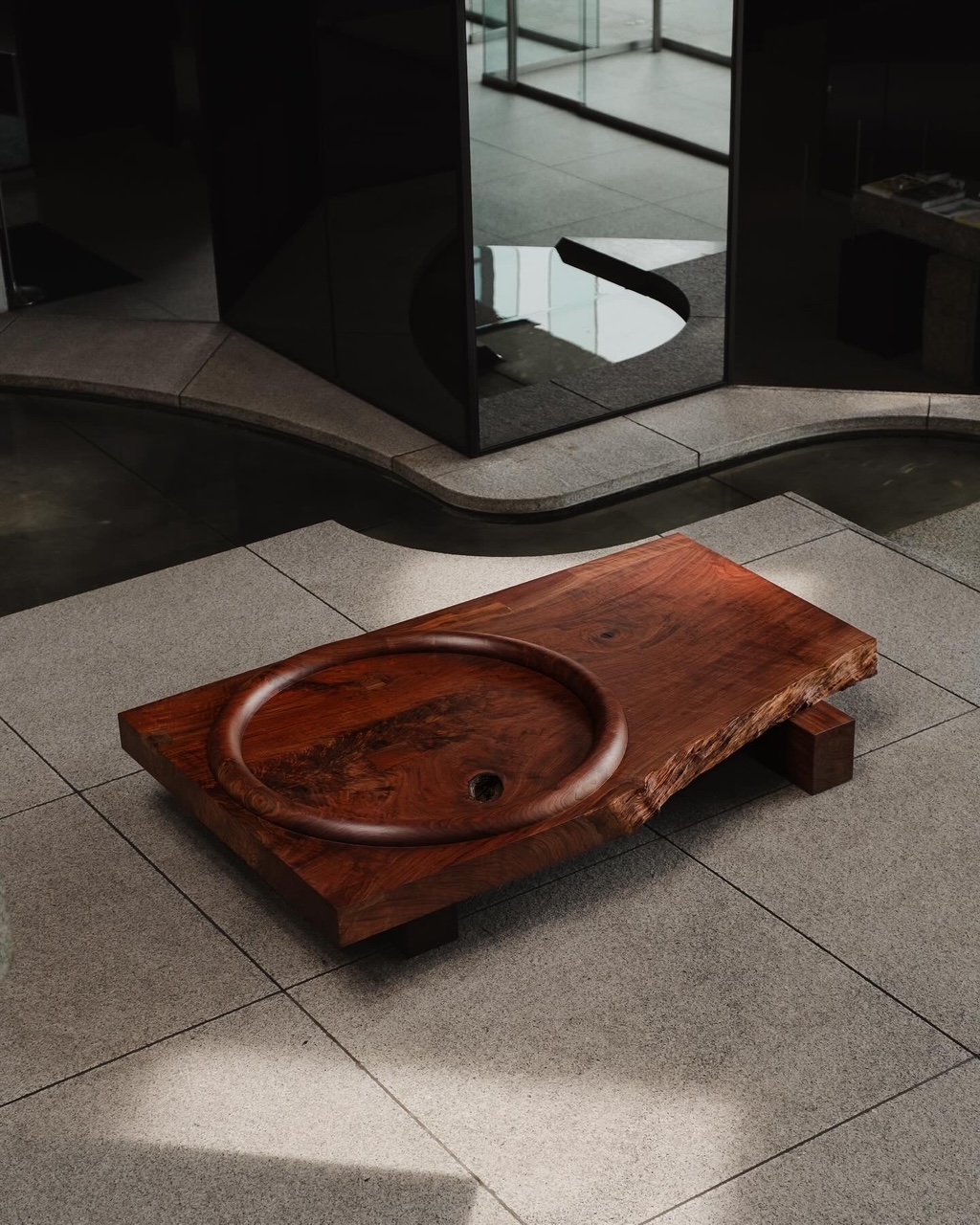
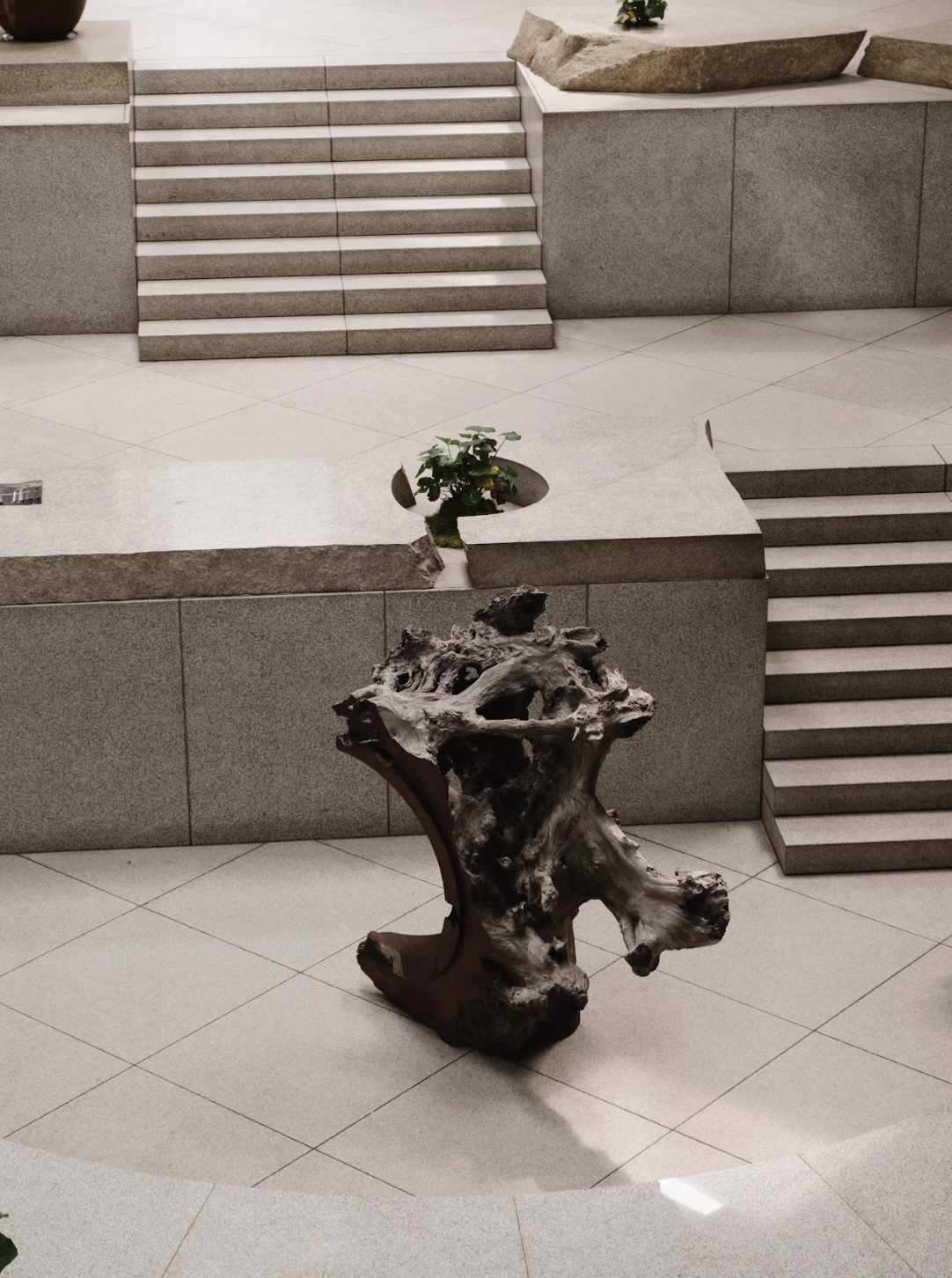
I make a lot of tools or alter existing tools and use them in unconventional ways to make the work. What I need for each piece is always different. I’m obsessive-compulsive about accuracy and geometry — I spend a lot of time checking lines and curves, leveling… for example, I may make the thinnest possible line for a marking for a cut so there’s the highest chance of accuracy.
Strive for perfection, you’ll never get there, but if you try as hard as you can, you’ll keep getting closer.
There are so many… Noguchi, Brancusi, Giacometti, JB Blunk, Scarpa, Albers, Martin Puryear, amongst others…
Andrea Zittel, Alma Allen, Dan Anderson, Martino Gamper, Nobuto Suga.
Andrea Zittel, Alma Allen, Dan Anderson, Martino Gamper, Nobuto Suga.
It’s the inspiration of my entire life, plus the particular interest of that exact moment, projected onto materials that are innately beautiful in nature, manipulated so they can be used or experienced in a new human context.
“Strive for perfection, you’ll never get there, but if you try as hard as you can, you’ll keep getting closer.”
The Questions
(The Proust Questionnaire is a set of questions answered by the French writer Marcel Proust.
Other historical figures who have answered confession albums are Oscar Wilde,
Karl Marx, Arthur Conan Doyle, Stéphane Mallarmé, Paul Cézanne…)
Being outside in a storm.
Confinement.
Impatience.
Inauthenticity.
My daughters.
Tools and materials.
Scattered.
Observation.
Sensitivity.
Engagement.
Dirty words I’d rather not say.
–
More inclined to use modern technology.
Building my home.
Maybe a sea bird.
Anywhere by the ocean.
–
Hopelessness.
–
Perfectionist.
Unconditional friendship.
Kenneth Grahame, Aldo Leopold.
–
–
David Attenborough.
Short names and androgynous names.
Litter.
Being born too late.
Outside.
Live and let live.
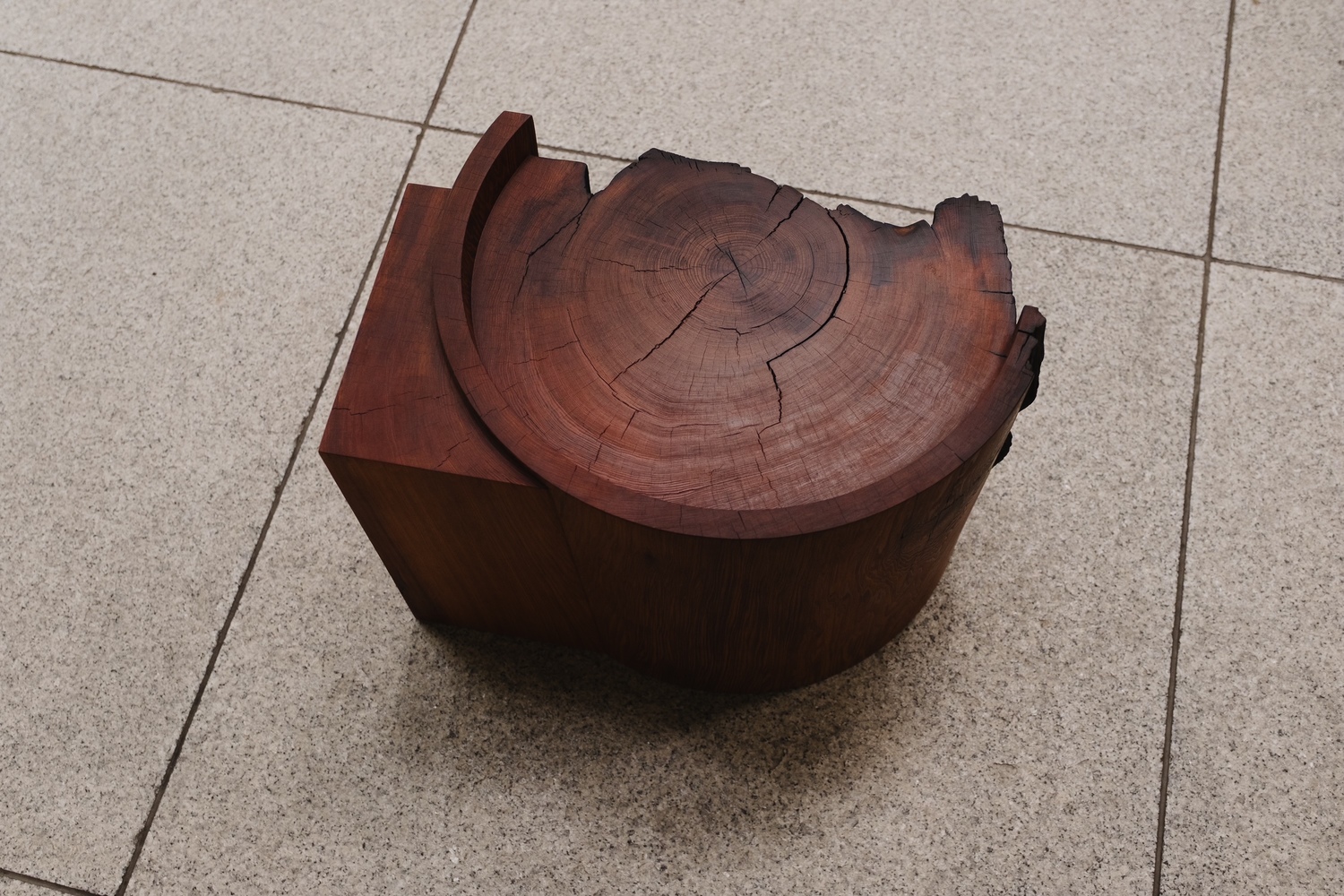
“My work begins mentally, considering the inherent perfection of natural materials and how they might be altered to exist within a human world.”
SHARE :