
It is difficult to choose, but I am drawn to work that balances intellectual rigor with emotional depth: the Pantheon, for its mastery of proportion and light; Mies van der Rohe’s Neue Nationalgalerie in Berlin, for its clarity, discipline, and structural elegance, and for the way its garden acts as a perfect counterpoint to the building itself: playful, engaging, and a generous response to the severity of the architecture; and the work of Luis Barragan, for his extraordinary command of light, color, and silence. Each of these takes your breath away and finds a lasting home in memory, in very different ways. Together, they demonstrate that architecture can be exacting and deeply human at the same time.
MAGAZINE · INTERVIEW
Andre Kikoski
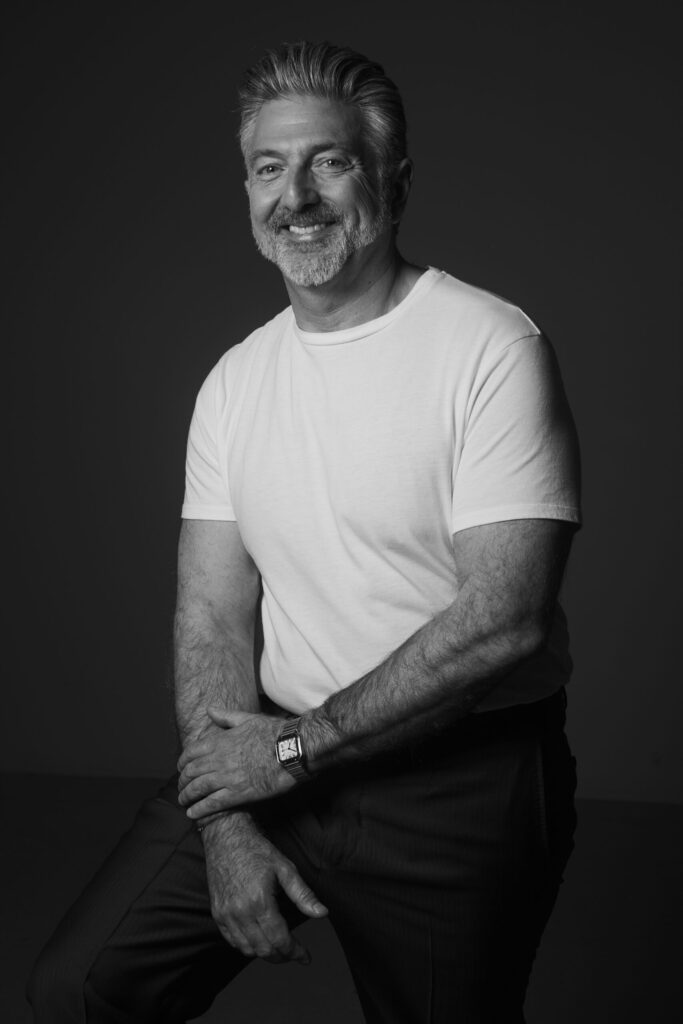
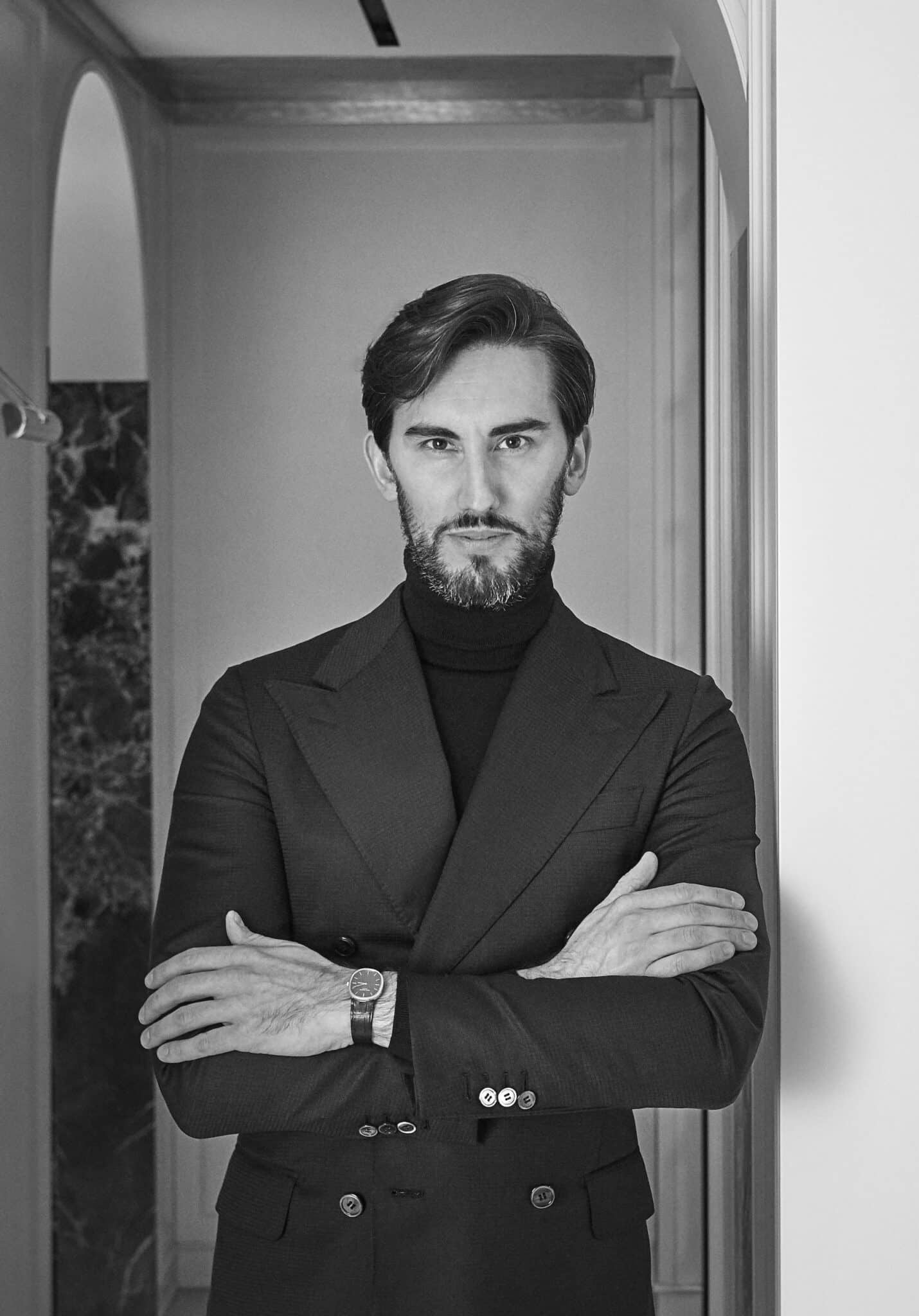
Andre Kikoski, AIA, LEED AP, is the Founding Principal of Andre Kikoski Architecture. A commitment to creating transformative architecture runs through all of the firm’s work, shaping projects that balance innovation, materiality, and experience.
Andre received his Master’s degree in Architecture from Harvard University, where he earned distinctions for innovation in design and technology. Prior to founding his practice, he trained with leading figures and firms including I.M. Pei, Peter Eisenman, Skidmore, Owings & Merrill, and William McDonough.
He currently serves on the board of the Barnsdall Art Park Foundation in Los Angeles, which oversees the Hollyhock House and supports a mission to foster a vibrant and inclusive space for creativity, cultural expression, civic dialogue, and social empowerment. Andre is also a former Trustee of the Van Alen Institute and a member of the Alumni Council Emeritus at Harvard University’s Graduate School of Design.
Andre speaks internationally across the United States, Europe, Asia, and Latin America. His engagements include ArtHamptons, Harvard University, the Architectural Digest Home Design Show, New York University, Savannah College of Art and Design, Parsons School of Design, and Pratt Institute, among others.
“The spaces that matter most are the ones that stay with you long after you leave them.”
INTERVIEW

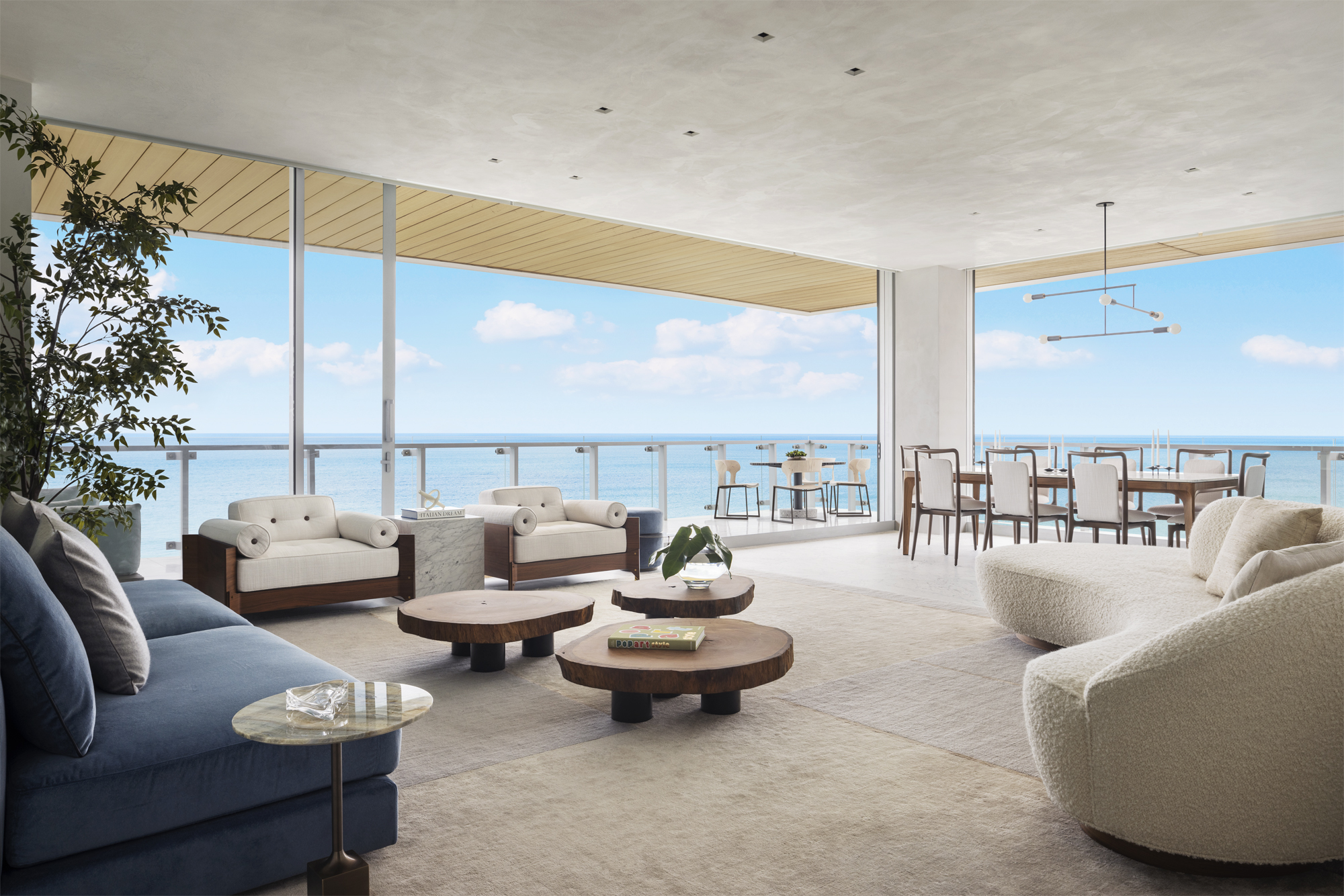
57 Ocean, Miami Beach, FL © Scott Frances
How would you describe your design style as an architect?
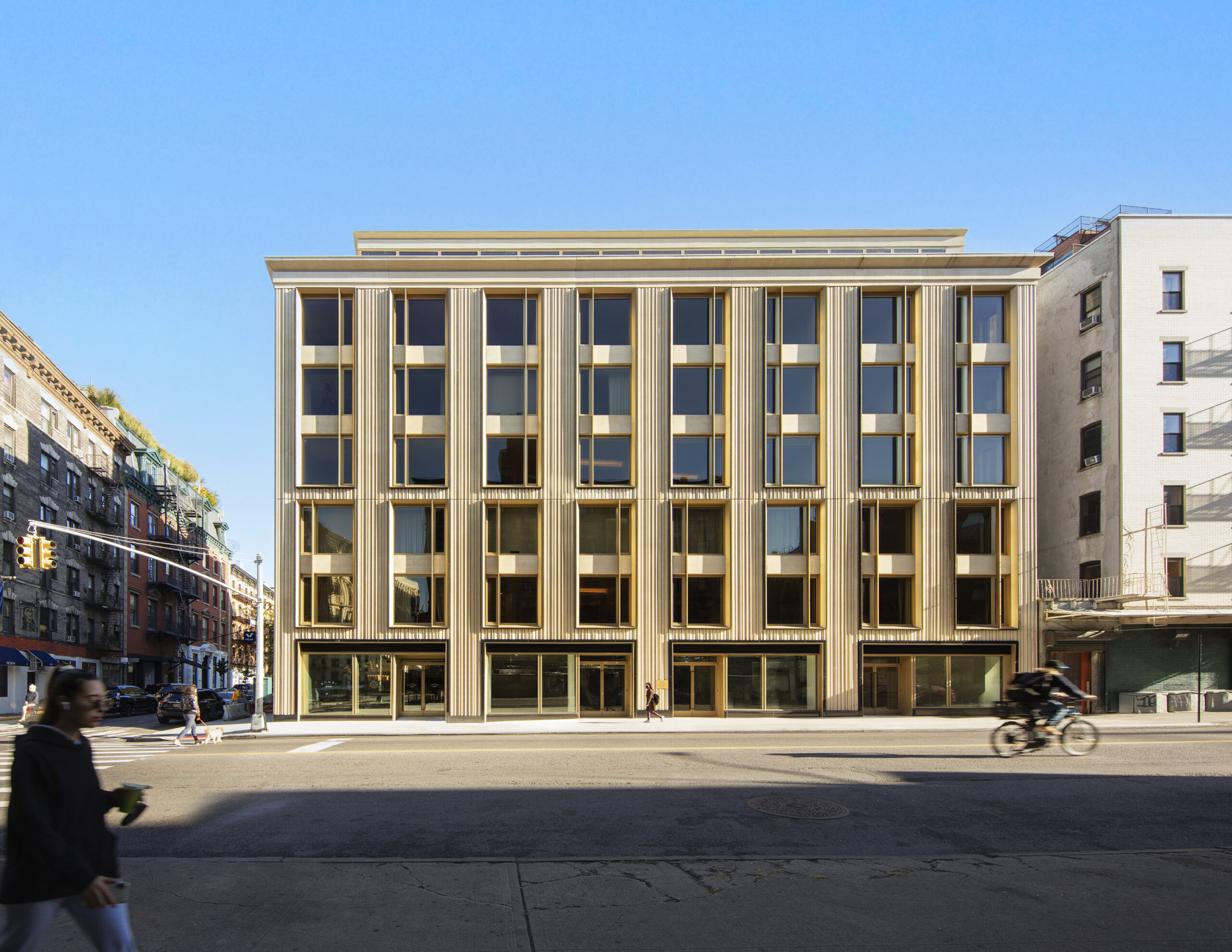
Disciplined, contextual, and quietly expressive. The work is grounded in proportion, material honesty, and a strong relationship to light and landscape. We place great emphasis on craftsmanship and material research, and often invent new applications in response to a project’s specific conditions. One example is the cast-in-place concrete facade at 75 Kenmare, a seven-story residential building in downtown Manhattan, where experimentation, craft, and structural logic were elevated into a defining architectural language. Geometry and order are essential, but softened by texture, patina, and time, so that the architecture settles naturally into daily life.
How did your journey into architecture start? Did you always know you wanted to work as an architect?
What guides your very first steps in conceiving a building, and how do you translate a client’s vision into architectural form?
How do you think about the relationship between architecture and landscape when shaping a project, particularly in residential settings?
Two current residences, one in the Caribbean and one in California, capture this relationship clearly. In St. Lucia, architecture is shaped by topography, prevailing winds, vegetation, and long sea horizons, dissolving the boundary between inside and outside. In Beverly Hills, the relationship is different and equally exacting: buildings are carved into steep terrain, framed around distant views, and carefully calibrated to light, privacy, and section.
Across both contexts, landscape is never secondary. It actively informs form, orientation, and experience. When architecture and site are in balance, the experience settles into memory.
Could you tell us about one of your projects that you are most proud of, and share what it is about this project that is exciting?
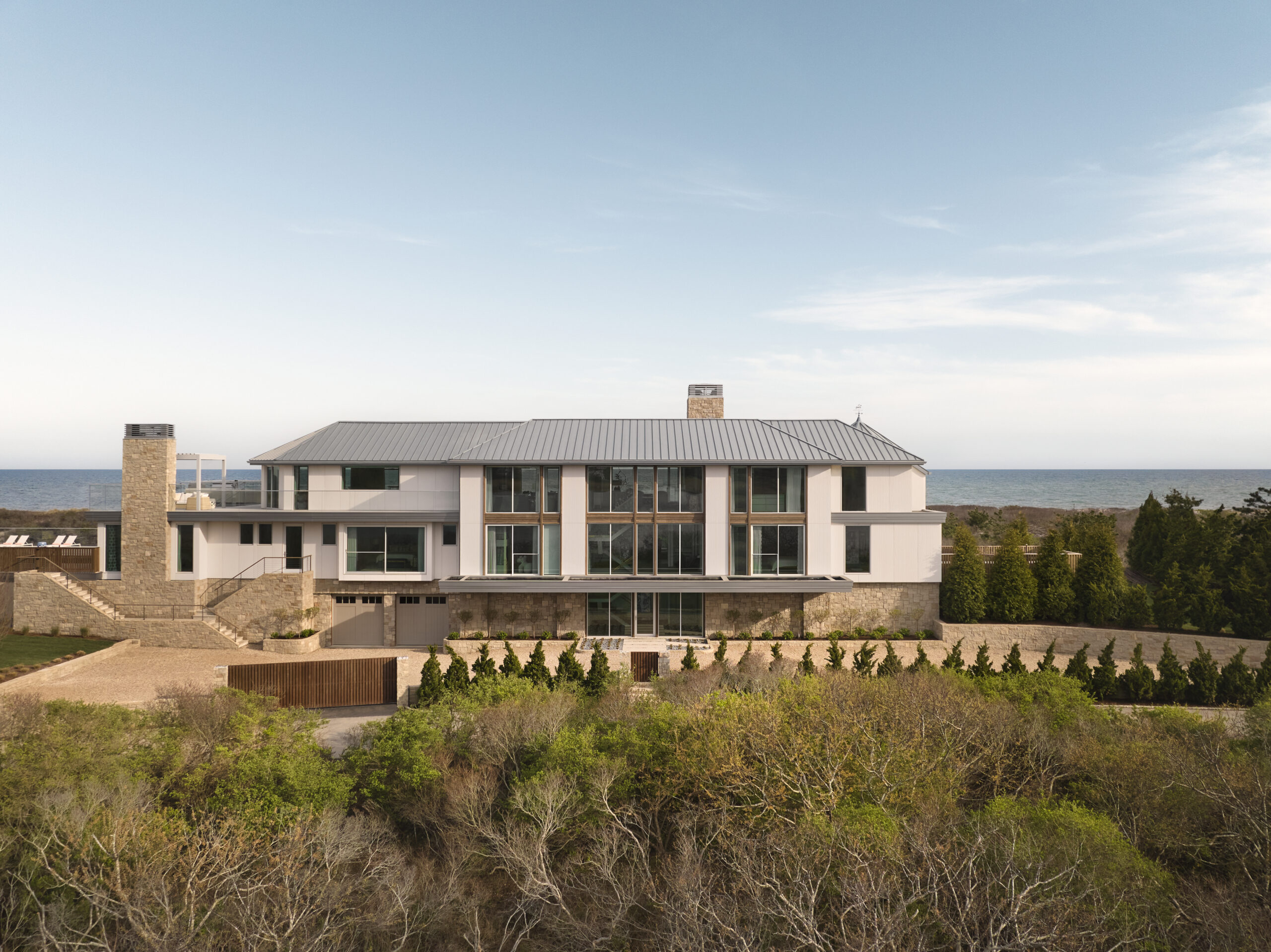
Two projects stand out for different reasons. The Oceanfront Residence in Southampton is a multi-level, year-round family retreat conceived as an intergenerational compound, created through the renovation and lifting of an existing house on a fragile dune site. Shaped by extreme environmental and regulatory constraints, the project required rethinking structure, envelope, and spatial flow while remaining deeply rooted in its landscape.
Through discipline and restraint, it became a calm, enduring retreat defined by light, long horizons, and an unforced sense of ease that lingers long after you leave.
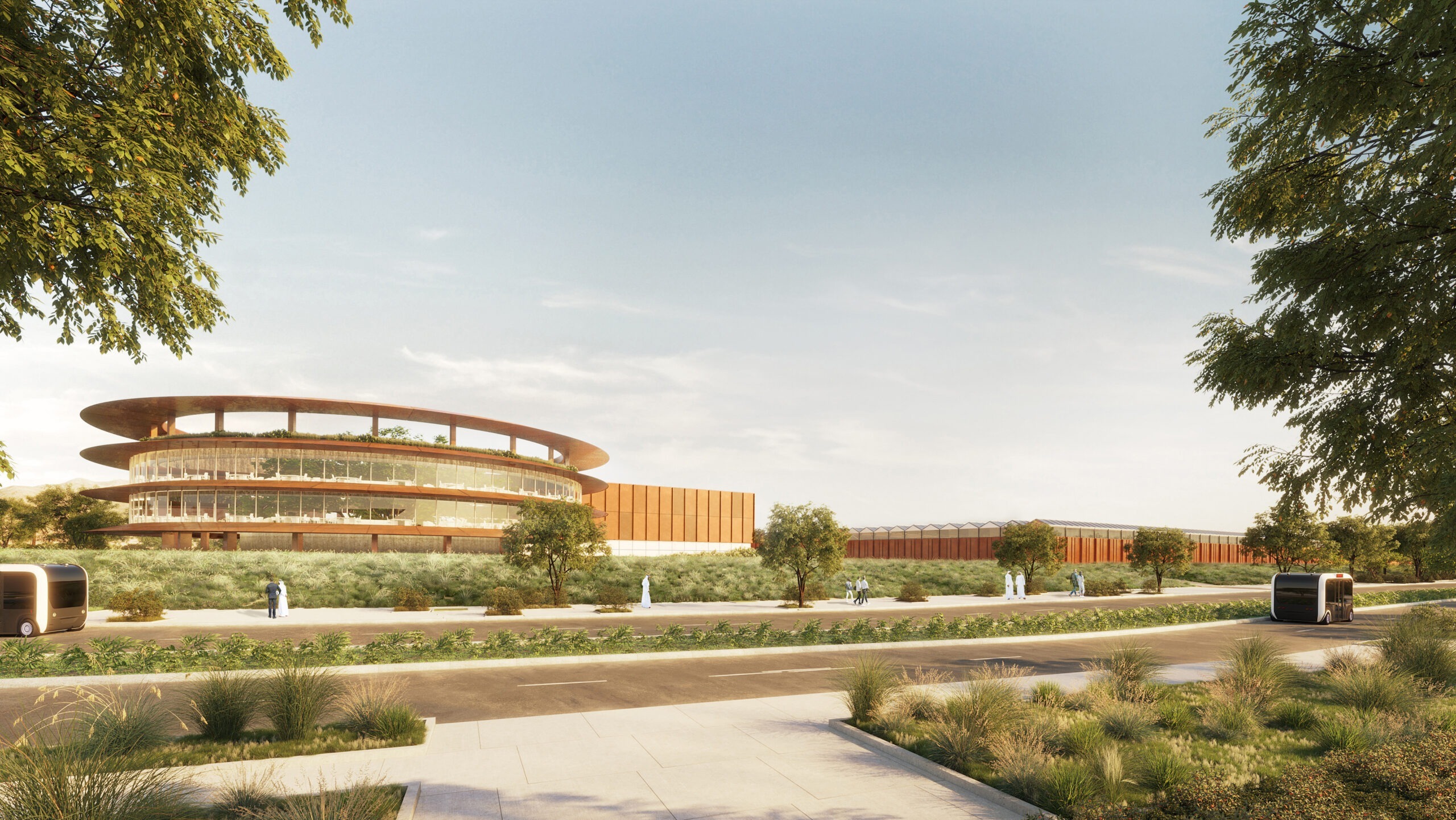
At a very different scale, our agricultural projects for NEOM address food security and climate resilience in arid environments. These include large-scale greenhouses, vertical farming facilities, and research buildings designed to produce food using net-zero, climate-responsive systems in the desert. While one is a private residence and the other is civic infrastructure, both are driven by the same principles: respect for place, long-term thinking, and stewardship.

Oceanfront Residence, Southampton, NY © Eric Petschek
It must be hard to choose from, but what are your favorite architectural works in the world, and could you tell us why?

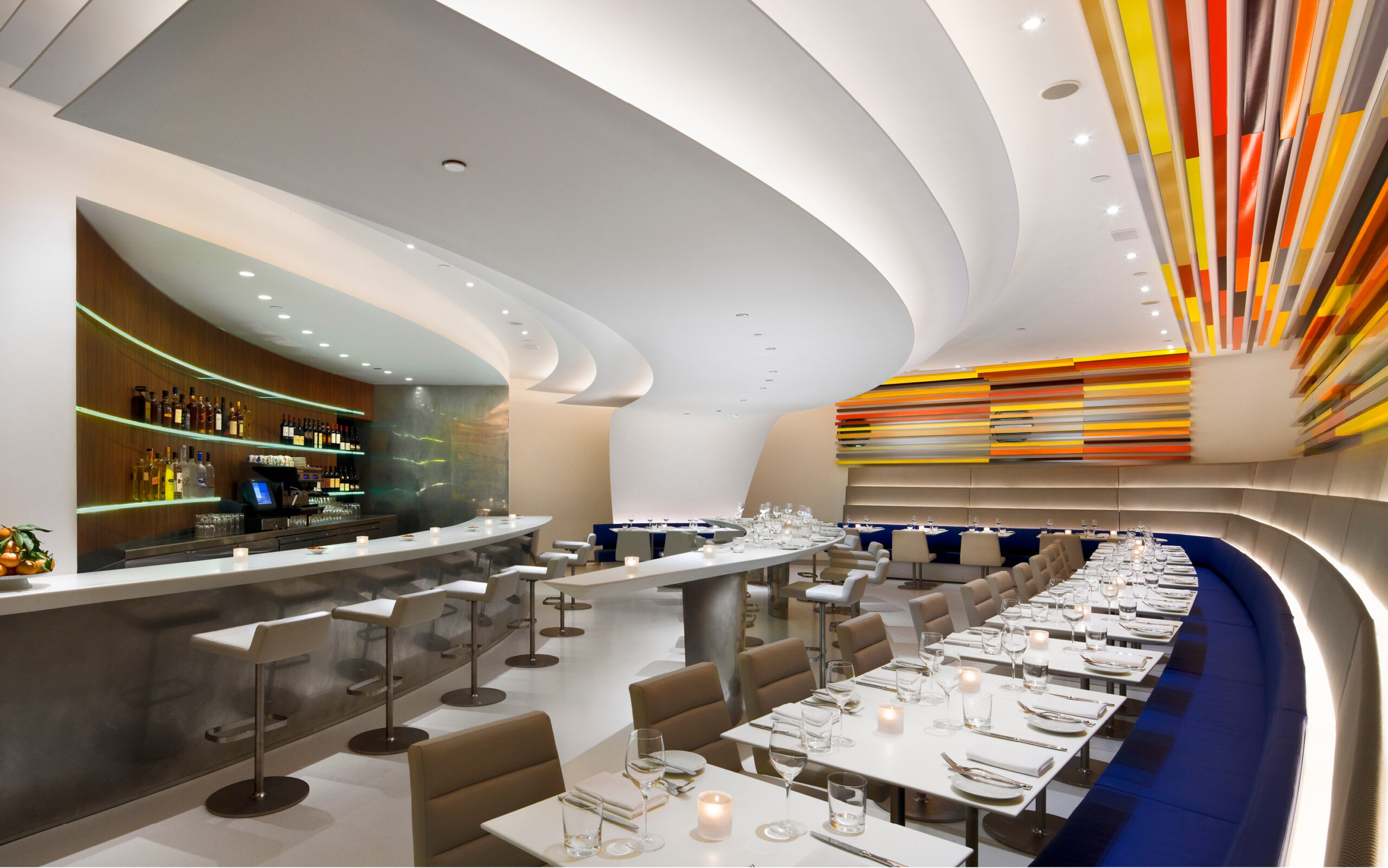
The Wright, Guggenheim Museum, New York, NY © Peter Aaron
Is there a motto that resonates in all your designs? A mantra that you live by when building?
“Clarity before expression.” If structure, proportion, and spatial logic are resolved, expression follows naturally. Architecture should become a quiet framework for life, family, objects, and, ultimately, memory. Doing less, precisely, is often the most powerful approach.
What is the part of your work as an architect that you enjoy the least?
What are your inspirations? Is there a place, a figure, or an activity that always fuels your inspiration or always re-centers you?
Nature is a constant source of grounding, especially landscapes with long horizons: oceans, deserts, open fields. Travel, museums, and walking cities without an agenda are equally important. I am drawn to thinkers and writers who explore stillness, perception, and inner clarity, including Rumi and Hermann Hesse, both of whom speak to the idea of returning to what is essential. I am also inspired by artists and craftspeople who work with restraint and intention, as well as the act of cooking, and by moments of quiet that allow ideas to settle rather than rush.
Many of your projects place a strong emphasis on light, views, and movement through space. How do these elements shape your design decisions?
Light and movement are foundational. I think carefully about how one enters a building, how views are revealed or withheld, and how light shifts throughout the day and seasons. Architecture should unfold as a sequence rather than a single moment. When done well, movement through space feels intuitive and calming, and the experience stays with you in subtle ways. This becomes especially important in homes meant to be returned to year after year, where familiarity deepens rather than diminishes experience.
What do you think the new architectural projects of today need the most? Or asked differently, what is something that the buildings of today lack the most?
They need a deeper commitment to sustainability paired with optimism and ambition. Architecture must move beyond minimizing harm and instead actively contribute to ecological and social resilience. Projects like our NEOM greenhouse demonstrate how design can address climate challenges while offering a sense of promise about the future we are building, at both civic and domestic scales.
At its best, this work uplifts not through spectacle but through clarity, responsibility, and long-term generosity.
It is about creating places that are responsible, but also meaningful enough to be remembered, cared for, and passed forward over time.
What would be an advice that you wish someone had told you as you were starting out?
Trust your instincts, but refine them continuously. Architecture is a long game. Depth, integrity, and relationships matter more than speed. Focus on craft and clarity, and allow the work to evolve.

2 West Water, Sag Harbor, NY © Scott Frances
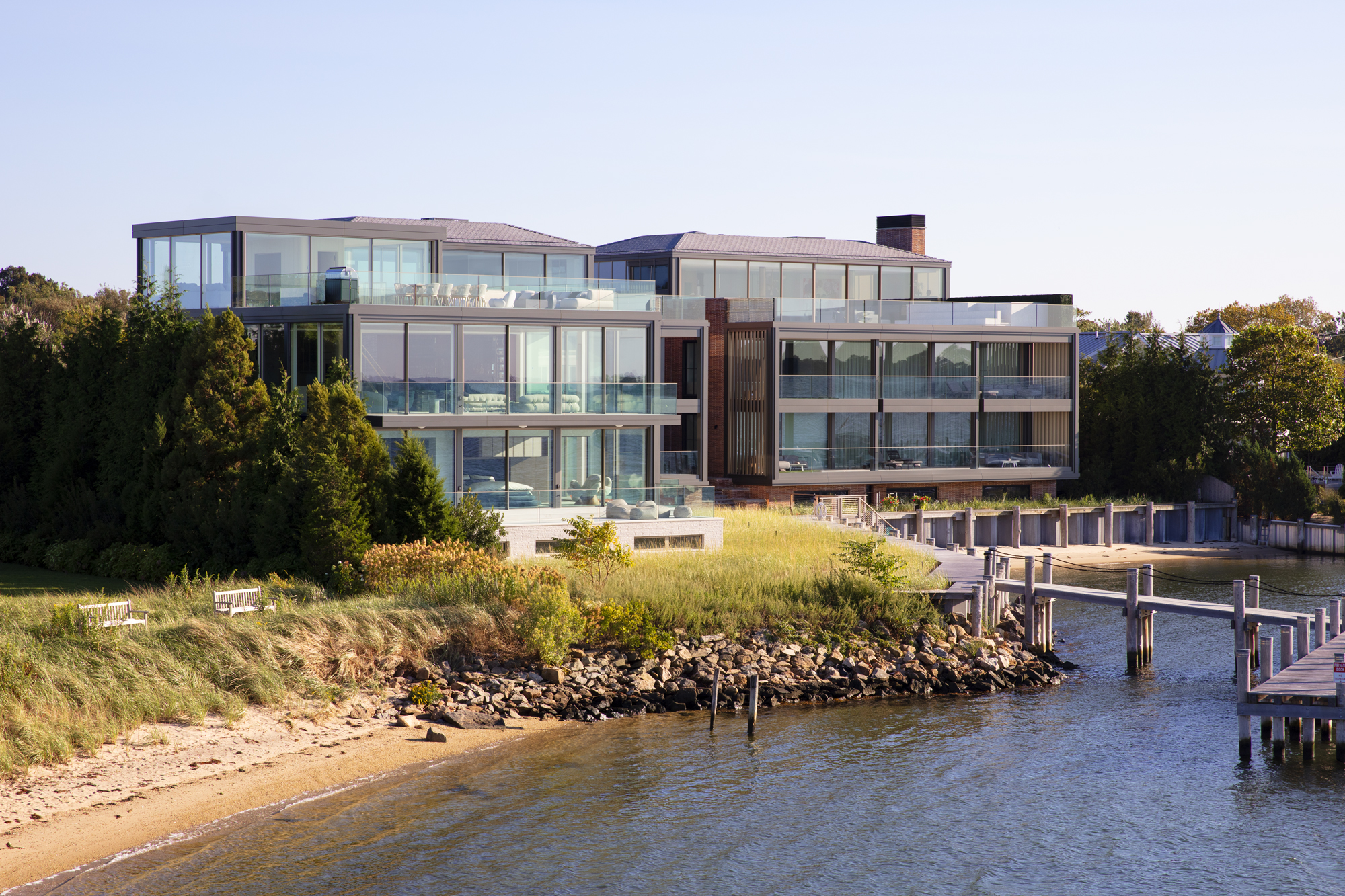
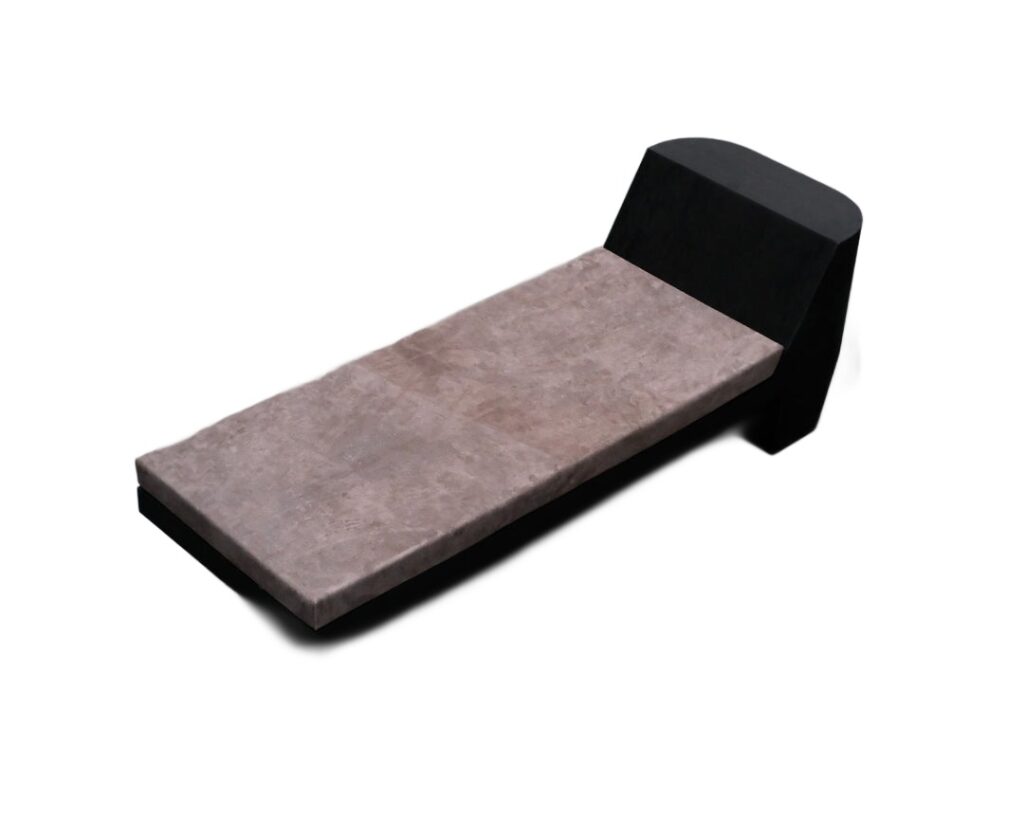
favorite pieces from the Philia Collection
Andre’s Selection
Each engages space rather than surface and feels architectural in spirit.
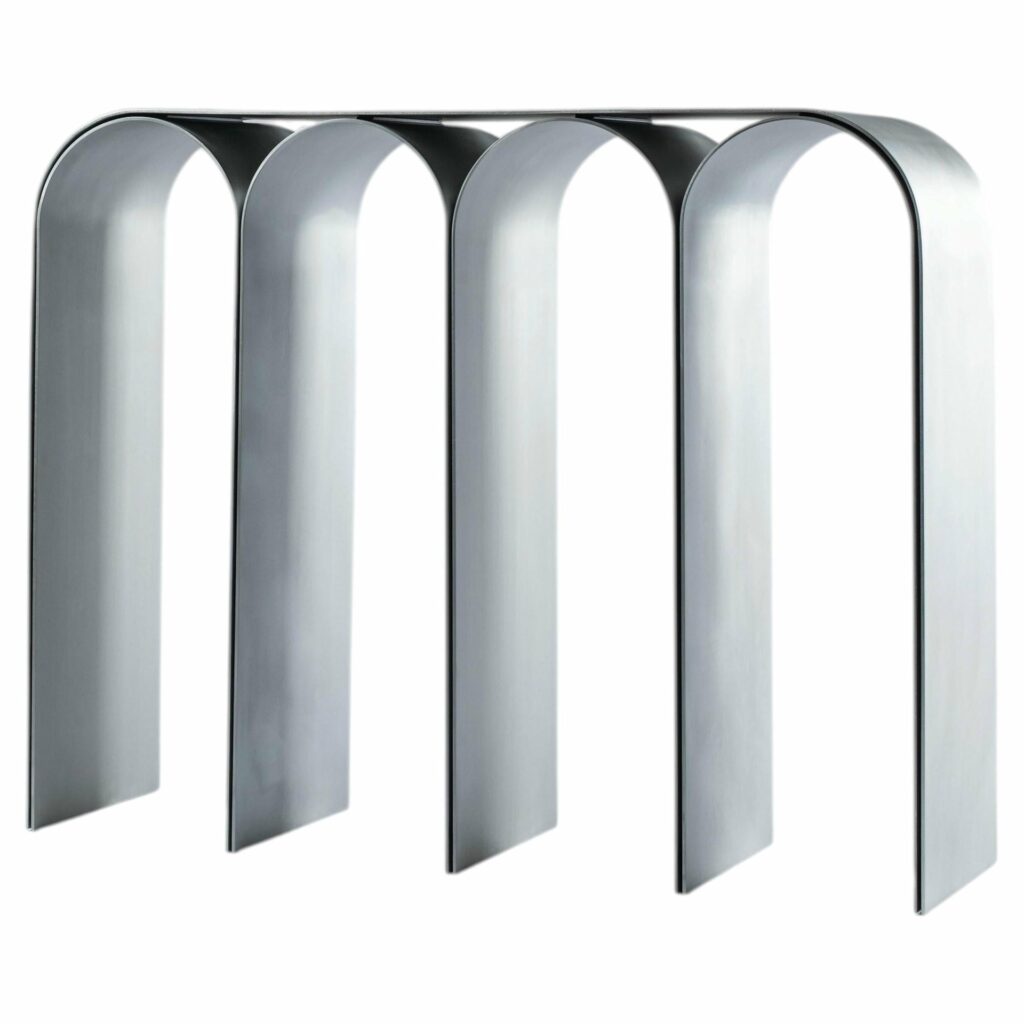
Contemporary Silver Aluminum Arch Console by Pietro Franceschini
€16,390
The Silver Aluminum Console by Pietro Franceschini is a precise architectural gesture in object form.
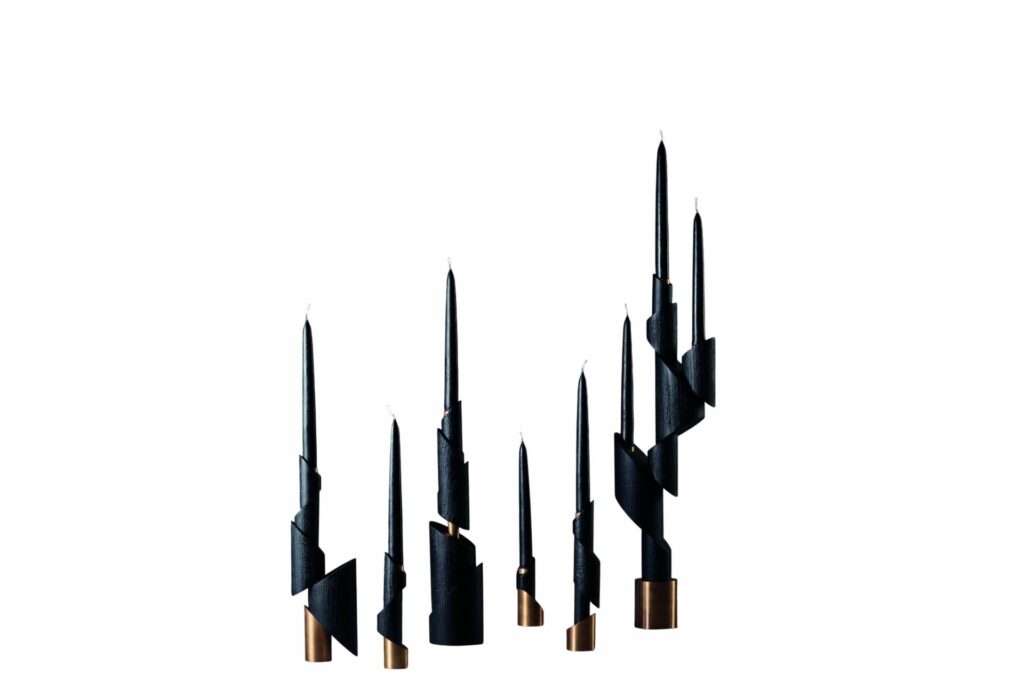
Ensemble of Bronze Chandeliers ‘Ashes to Ashes’, Signed William Guillon
Ashes to Ashes B1, the bronze chandelier by William Guillon, for its material gravitas and atmospheric presence.
Thank you so much Andre, for this lovely interview!
Share article :

The Rick Owens Daybed, for its sculptural restraint and quiet power.