Andrea Bonini
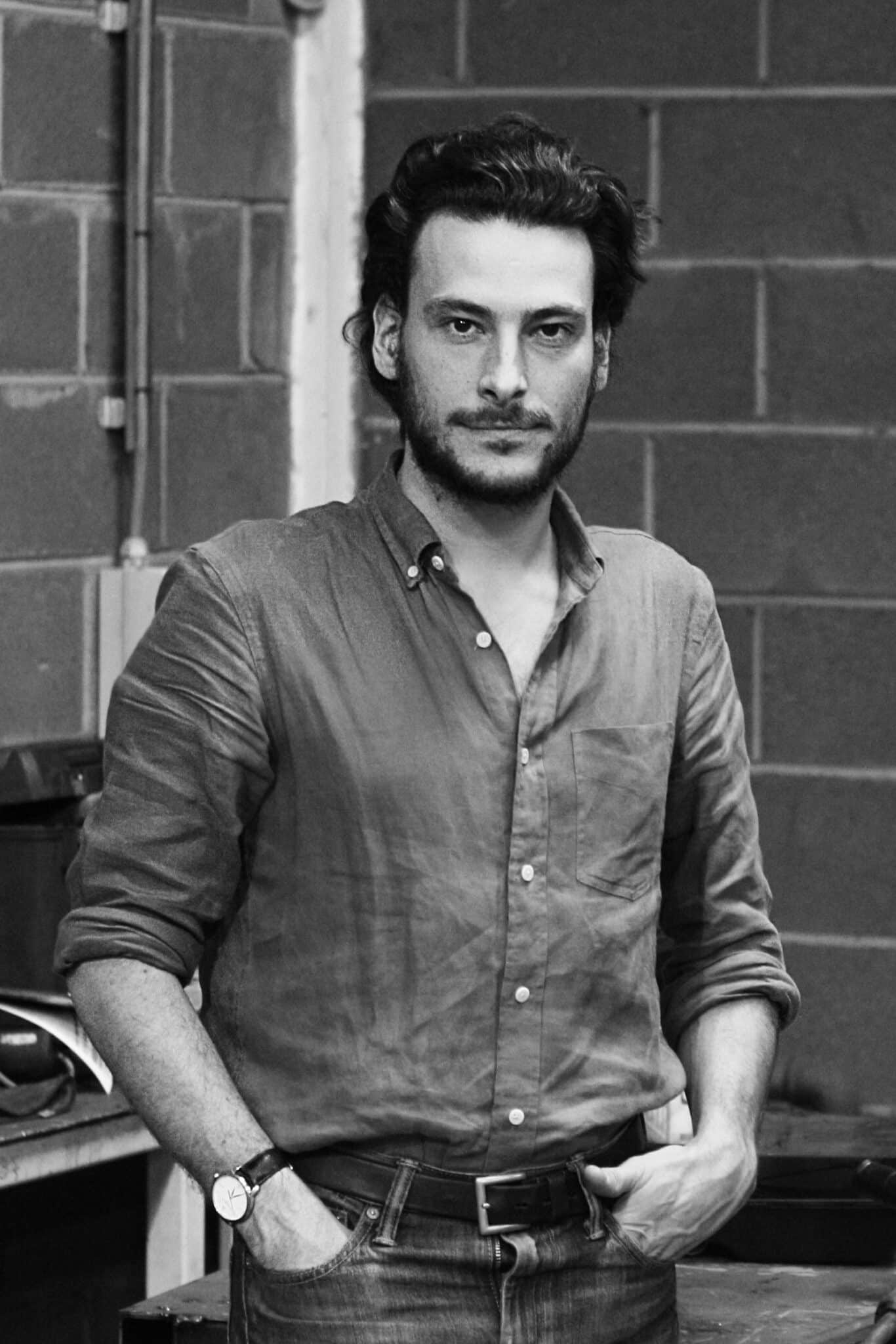
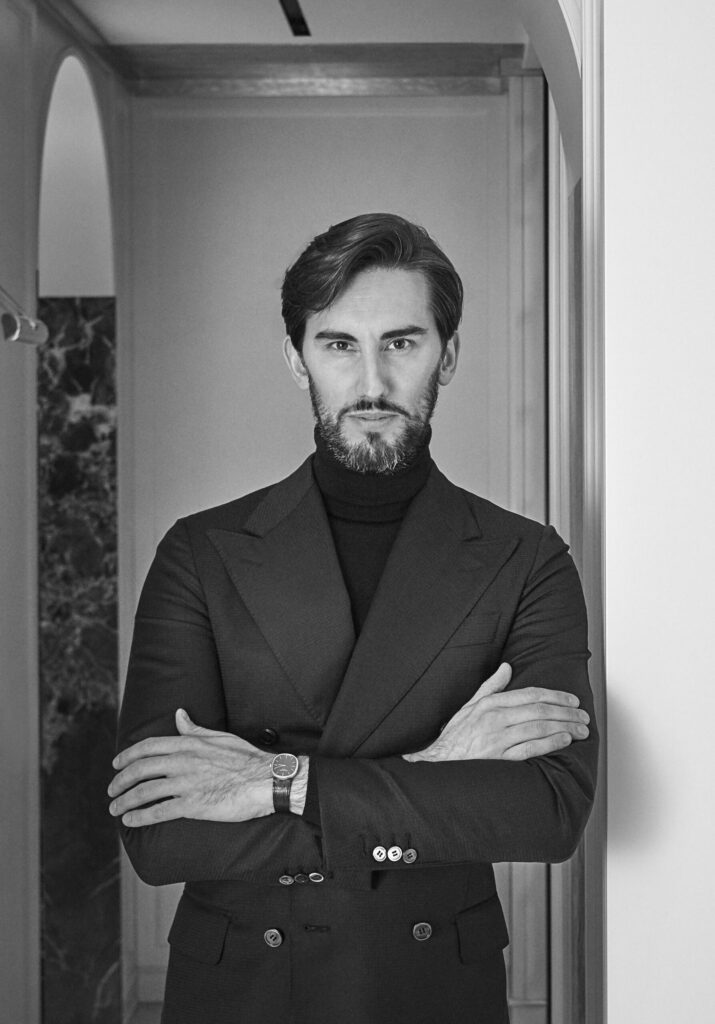
Andrea Bonini is an Italian interior and product designer based in Milan. Born in Verona in 1985 and trained at the Istituto Marangoni, he founded his studio in 2014, developing a practice that spans bespoke interiors, collectible furniture, and product design.
Known for his refined and sensual approach to design, Bonini creates spaces and objects distinguished by sculptural forms, meticulous craftsmanship, and a deep attention to materiality. Drawing inspiration from his family’s background in metalworking and the marble traditions of northern Italy, his work balances contemporary elegance with artisanal savoir-faire.
Working internationally across residential, hospitality, and collectible design projects, Bonini has become recognized for creating sophisticated environments that blend timeless Italian craftsmanship with a contemporary design language. In 2019, Architectural Digest Italia named him one of its “Seven for the Future,” recognizing him among the leading Italian designers under 35.
Interview
I was born in a small village near Verona(Italy) in the countryside. Actually, I live and work in Milan, in the Montenapoleone area, surrounded by the excellence of Made in Italy.
My father is a craftsman who works with metals, and since I was little, I grew up in contact with this reality. I remember that as a child, I spent a lot of time in the workshop. During my childhood, I also experimented a lot, from painting to sculpture and getting in touch with materials.
After studying design in Milan, I have worked in various design firms in Italy, also delving into other areas such as graphic design, set design, and industrial design. But when I was young, I also did other jobs.
I immediately understood that I had a knack for shapes, dimensions, and interiors. I have always been very critical of things, in a good sense, and curious when it came to interiors. As I grew up, I had no doubts about what I would do, and I started step by step.
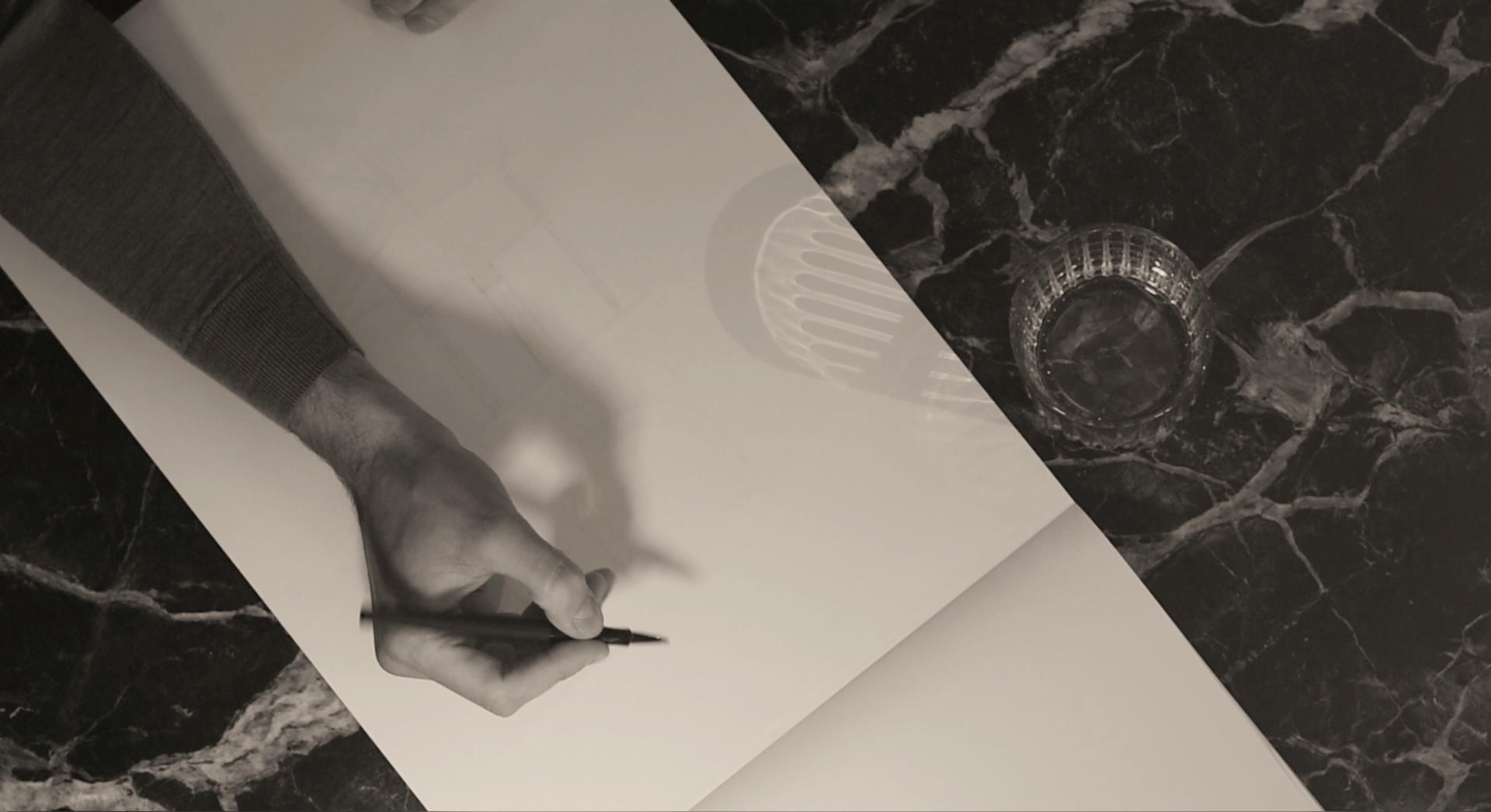
I believe I don’t have the talent of great artists, making it easy for me to create, but I do possess a strong work ethic that allows me to obsessively ponder over my work and sketch at every moment. I often rediscover ideas in my sketchbooks and revisit them.
My inspirations are never direct or controllable, but I am curious and delve into everything. When I encounter something interesting, I pin it to the mood boards in the studio to keep it in view.
However, I always rediscover inspiration in my work. I strongly believe that being in nature helps a lot. Nature is perfection; think, for example, how color combinations in nature are never ugly.
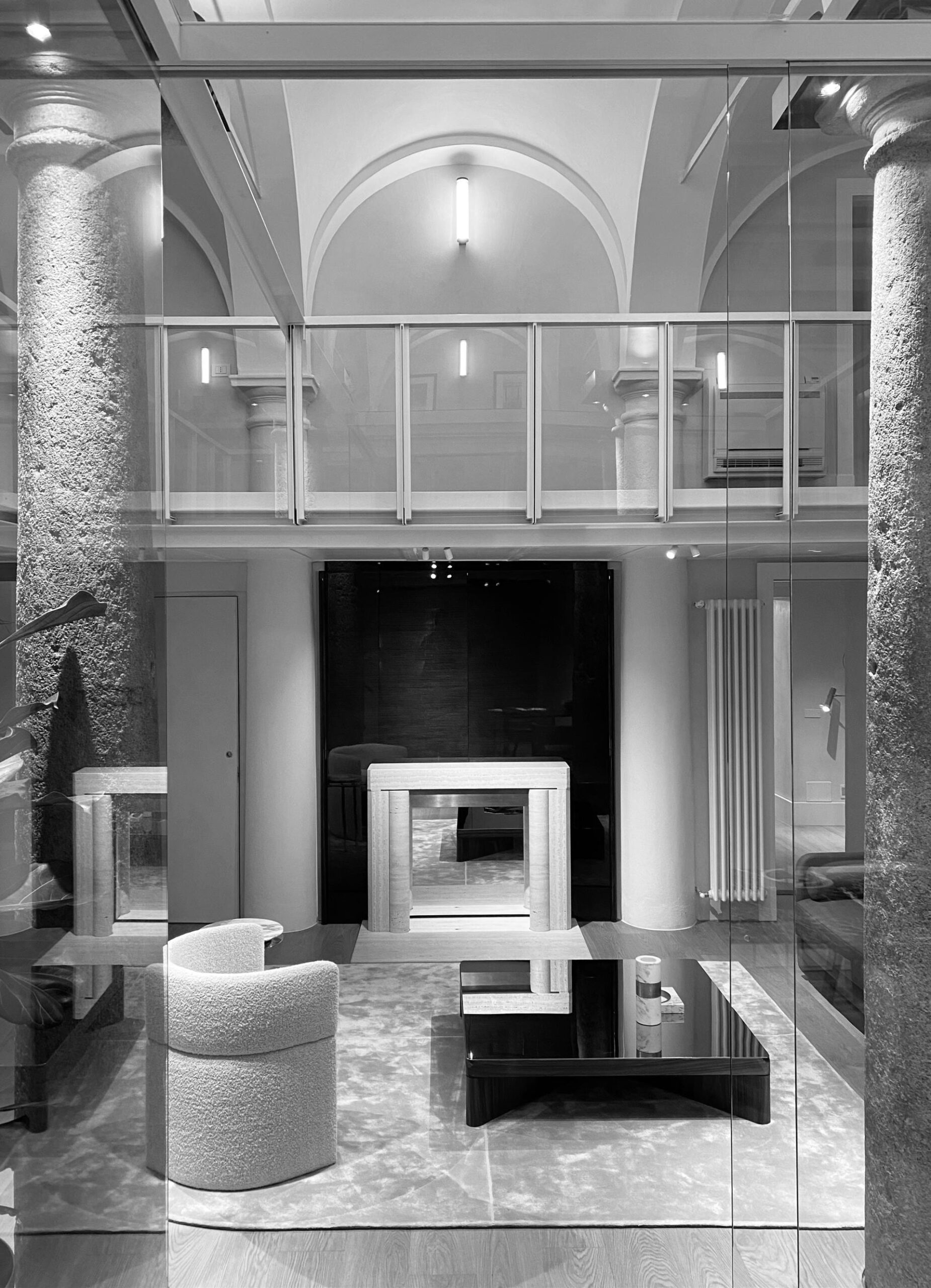
I wake up very early, around 4:30 AM, and tend to my spirituality. I meditate, write, read, think, and draw when the world is still calm, all within my studio. This studio, originally designated as the horse stable of the ‘Melzi di Cusano’ family palace in the 1800s, underwent an architectural intervention in the 1970s by the master Luigi Caccia Dominioni, who created a splendid mezzanine in metal and glass where my desk is situated.
My days unfold with my team, developing various interior design and design projects. I visit my craftsmen in Brianza, exchanging ideas frequently for upcoming projects. I often meet my clients, even if it’s just to spend time with them and gain the intimacy necessary to design their interiors better.
I don’t lead a socialite life, as Milan might suggest. Instead, I dedicate myself to family and sports on most evenings. It may seem quite boring, but it’s not.
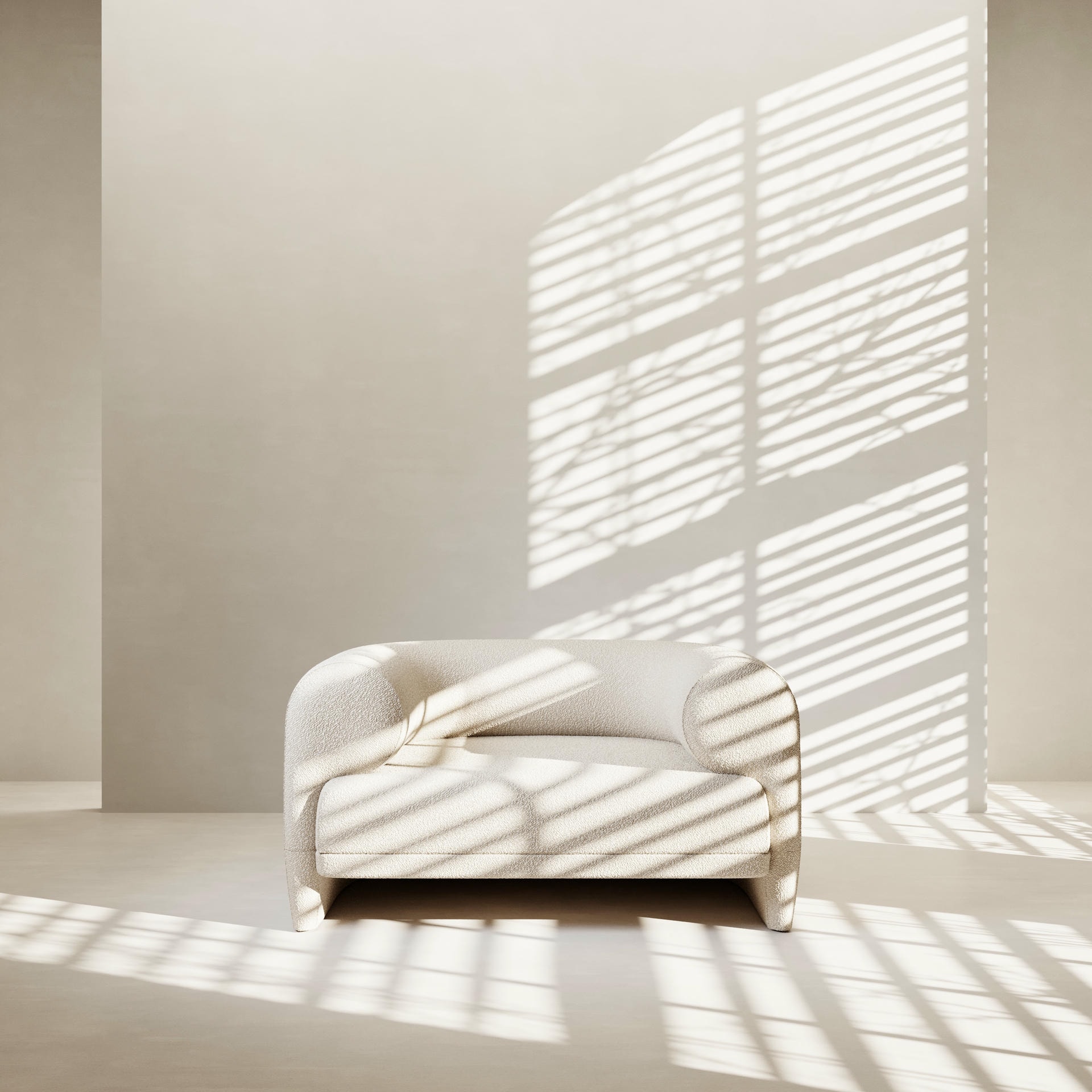
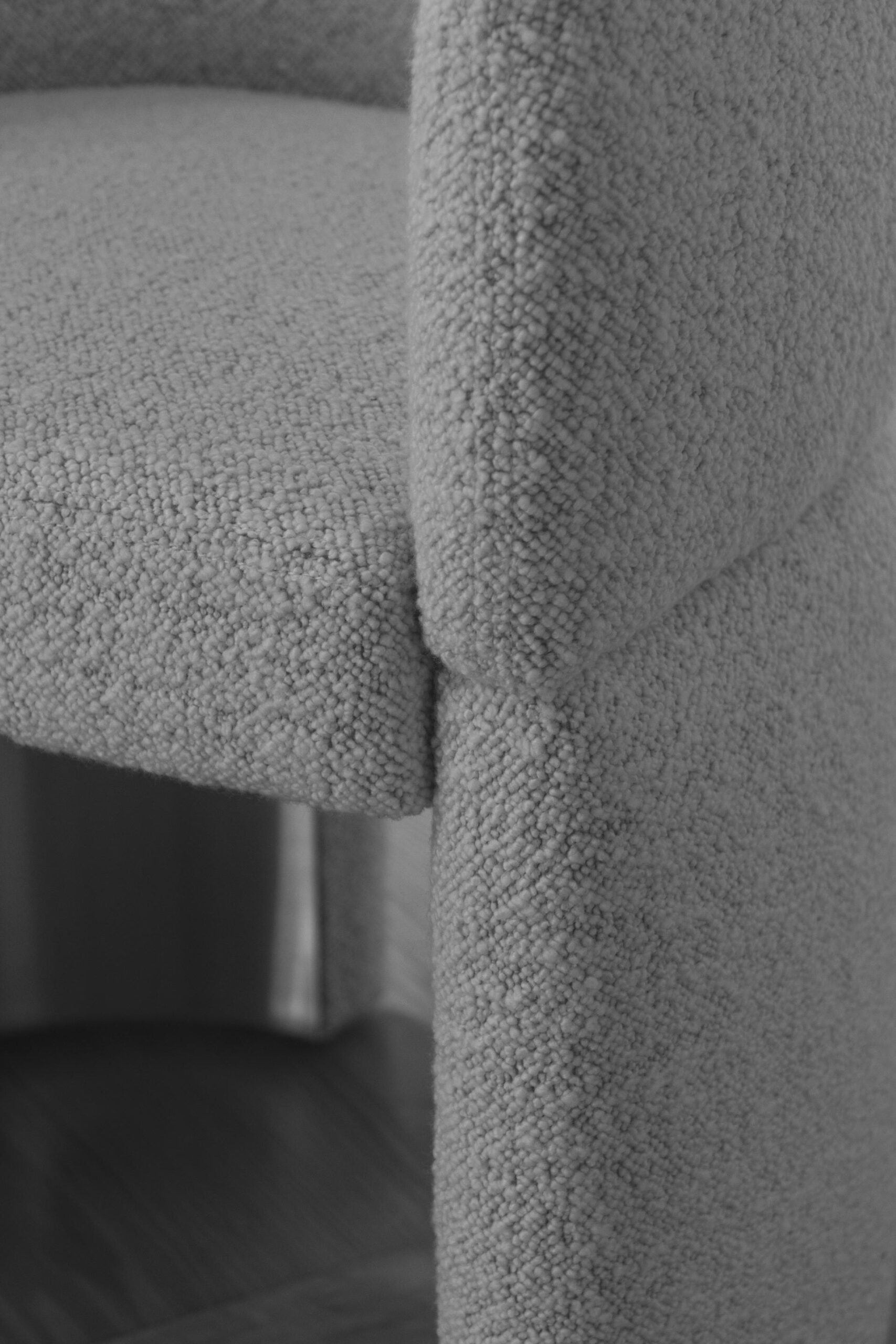
I grew up in contact with two materials: metal, due to my family’s background, and marble, because the area where I was born has a very important district for the processing of this material. So, these have always been the reference materials for me. Then, wood became a part of it when I started being in touch with the artisanal carpentry workshops in Brianza, and I fell in love with it. The scent of wood in the carpentry workshops is inebriating.
Sophisticated.
Details make the difference.
The techniques are many, but they all share the need for the intervention of a skilled artisan. They involve not only the construction aspect but also the design, where there is always a lot of exchange of opinions that help improve the project. I love natural finishes and detest anything synthetic or imitating natural materials. I want my work to stand the test of time, which is why I am meticulous about quality.
Do not embrace this belief of our times that design, to be contemporary and innovative, must at all costs be visionary, outside the rules, and bizarre… There exists a sober elegance that is correct in all eras and endures over time. Study and always have respect for design history.
Unfortunately, I don’t have such a broad knowledge to answer accurately, but the Spatialism movement founded by Lucio Fontana is certainly among those I’m familiar with and where I would place my work.
Carlo Scarpa, Franco Albini, Louis Kahn, Arthur Erickson, Luigi Caccia Dominioni, Luigi Moretti,Angelo Mangiarotti, Tom Ford and Ralph Lauren.
Christian Liaigre, Michele Bonan, Bruno Moinard.
Agostino Bonalumi, Pietro Cascella, Arnaldo Pomodoro, Helmut Newton , Francis Giacobetti.
“Details make the difference.”
The Questions
(The Proust Questionnaire is a set of questions answered by the French writer Marcel Proust.
Other historical figures who have answered confession albums are Oscar Wilde,
Karl Marx, Arthur Conan Doyle, Stéphane Mallarmé, Paul Cézanne…)
Family and nature.
Feel fear.
Too much thought.
Presumption.
Brunello Cucinelli.
I always carry a crystal with me in my pocket; I believe in the energy of crystals.
Motivate.
Creativity.
Steadfastness.
Independence.
‘’Interessante’’.
Accepting the timing of things.
Let go.
The next project.
A King.
Tuscany countryside.
Leila, my wife.
Self-neglecting.
Designer.
Sense of aesthetics.
Their time.
Paulo Coelho, Og Mandino, Timothy Ferriss, Confúcio.
James Bond.
I truly wouldn’t know who.
My parents.
Noor and Vittoria.
Conforming to the masses.
I have no regrets.
I don’t think about death.
’La nostra vita è ciò che i pensieri ne hanno fatto.” Marco Aurelio / “Our life is what our thoughts make it.” Marco Aurelio.
“I always rediscover inspirations in my work.”
SHARE :