
Ascend Design
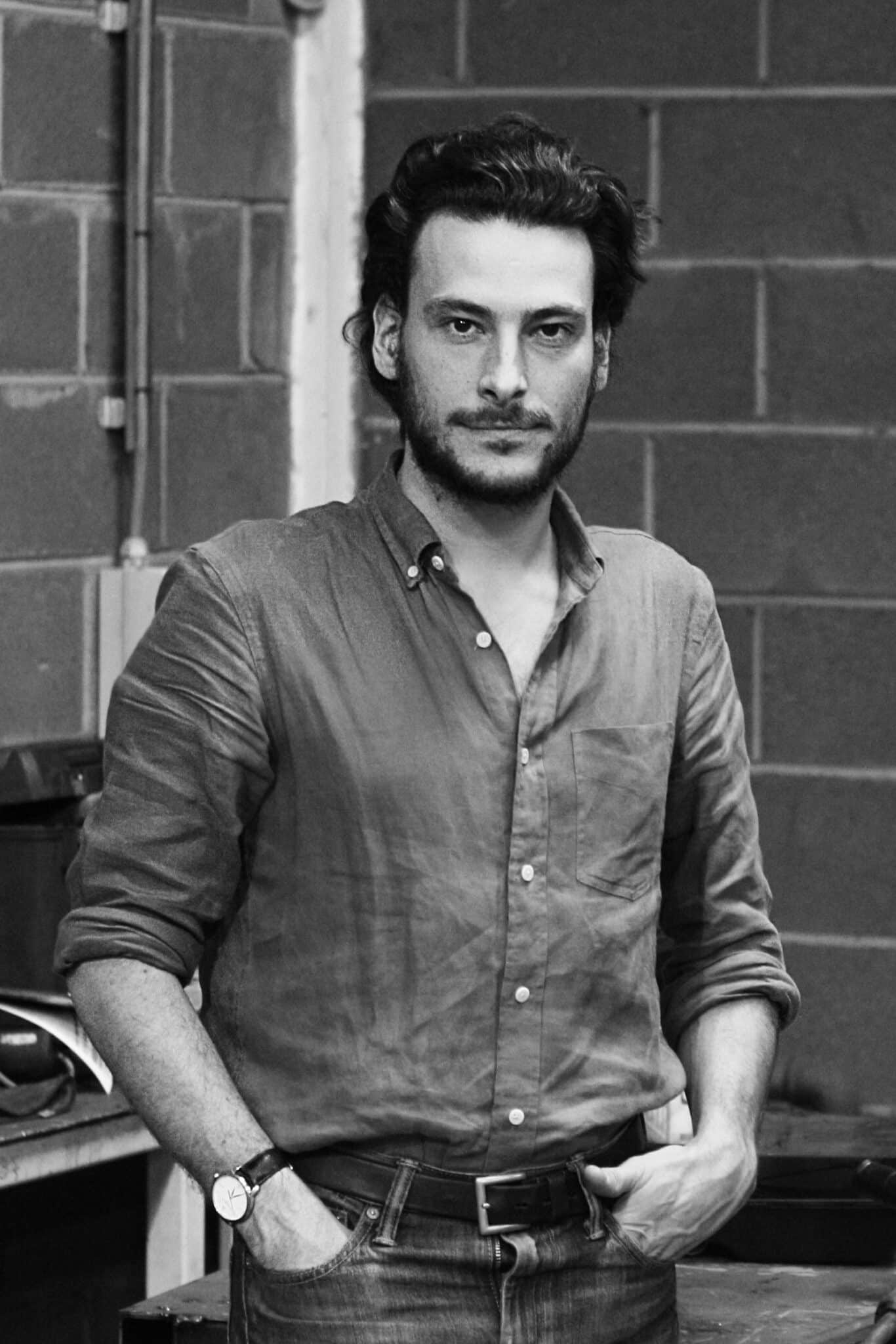
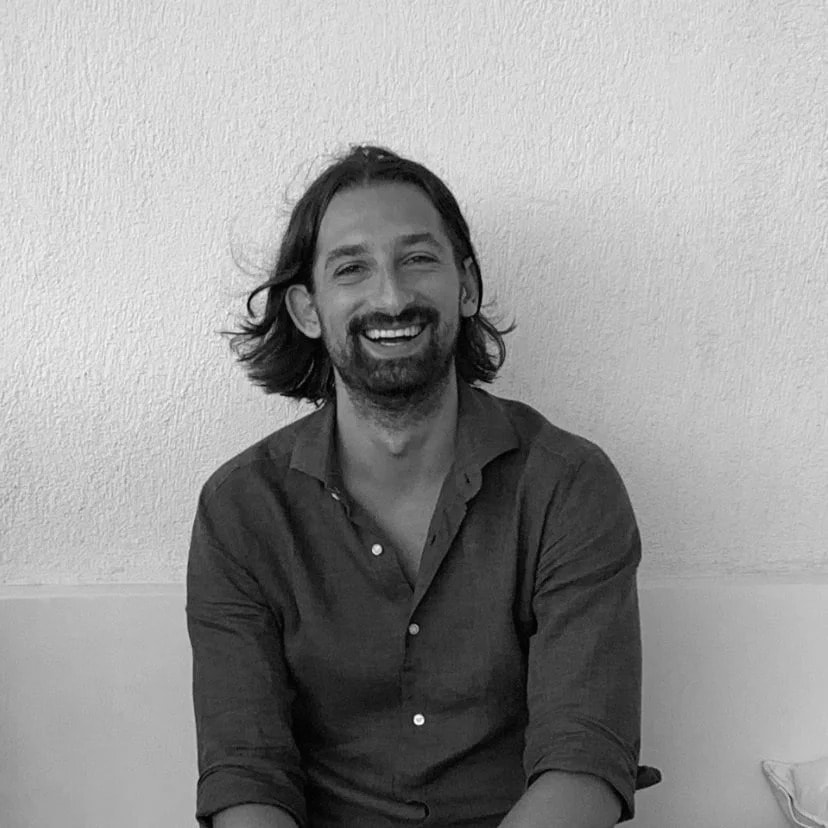
Founded by Jasper Goh and Agnes Yap, Ascend Design is a Singapore-based interior design studio that crafts thoughtful, design-centric spaces grounded in emotional resonance and quiet sophistication.
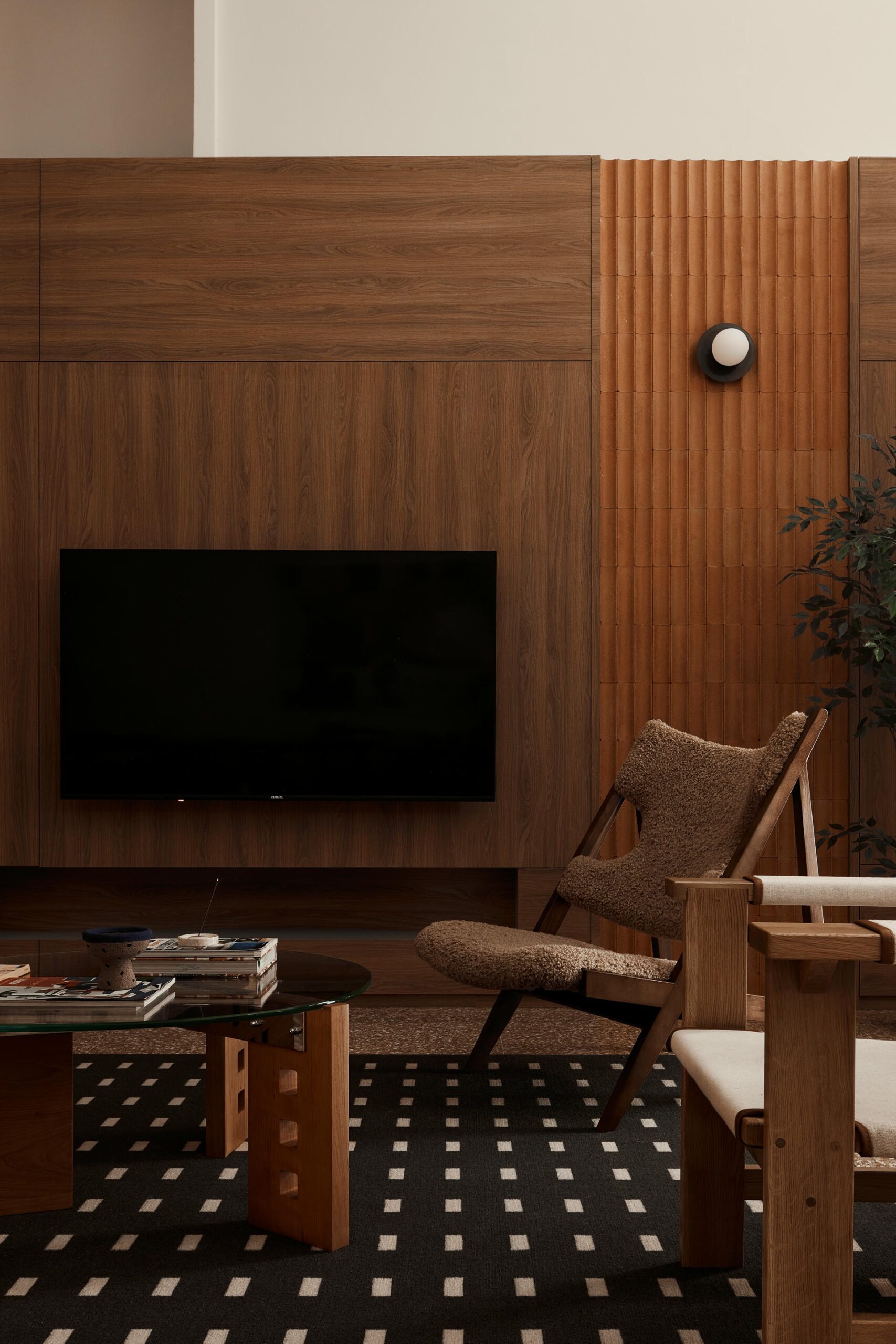
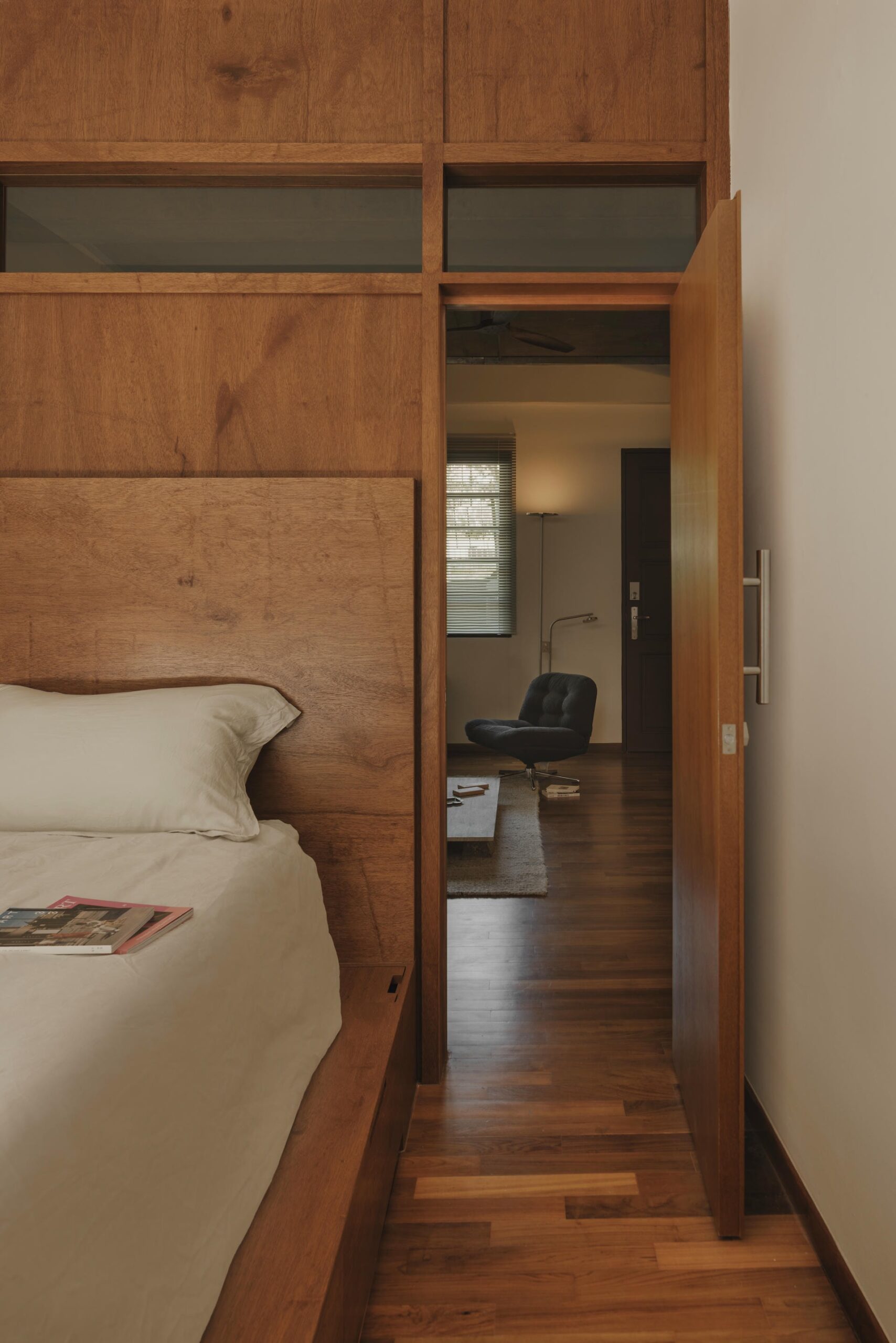
As Principal Designer, Jasper leads the creative direction of the studio, shaping its distinct aesthetic language — one that balances restraint with warmth, and celebrates tactility, imperfection, and the lived-in beauty of space. His projects, such as The Bahru House and Amayadori House, reinterpret modern living through a lens of sensitivity and calm.
Agnes Yap, the studio’s Creative Director, brings a refined eye for proportion, atmosphere, and material harmony. Having designed many of Ascend’s residential works featured across its portfolio, his approach merges technical precision with an instinctive understanding of light and texture. Together, Jasper and Agnes cultivate a studio culture rooted in authenticity, collaboration, and curiosity — continually evolving the visual language of contemporary Singaporean design.
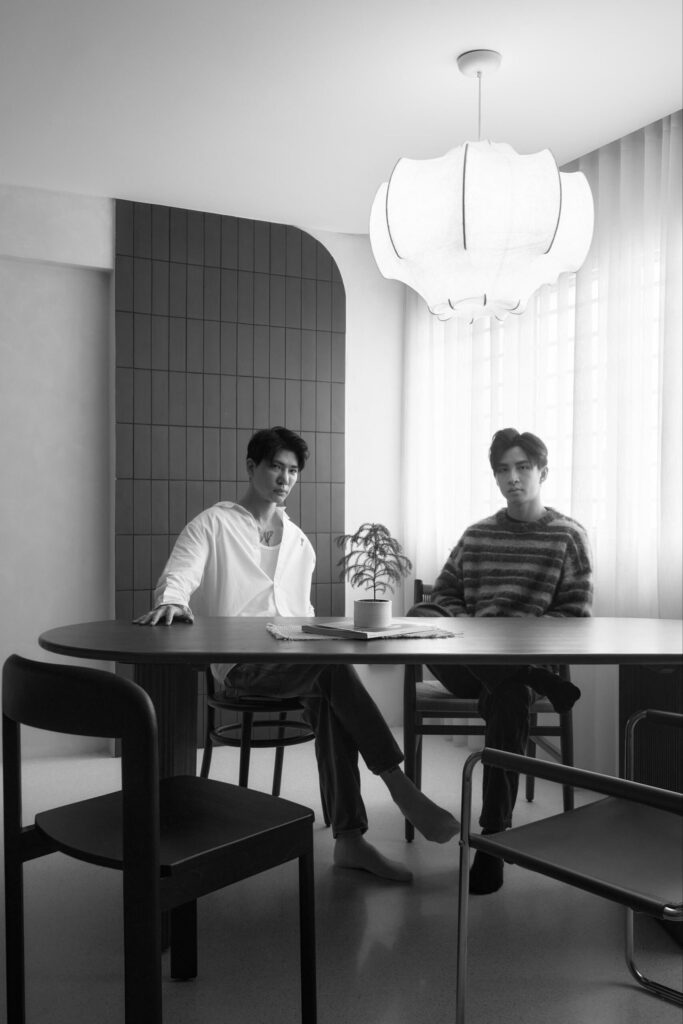
“Design is not about perfection, but about presence.”
INTERVIEW
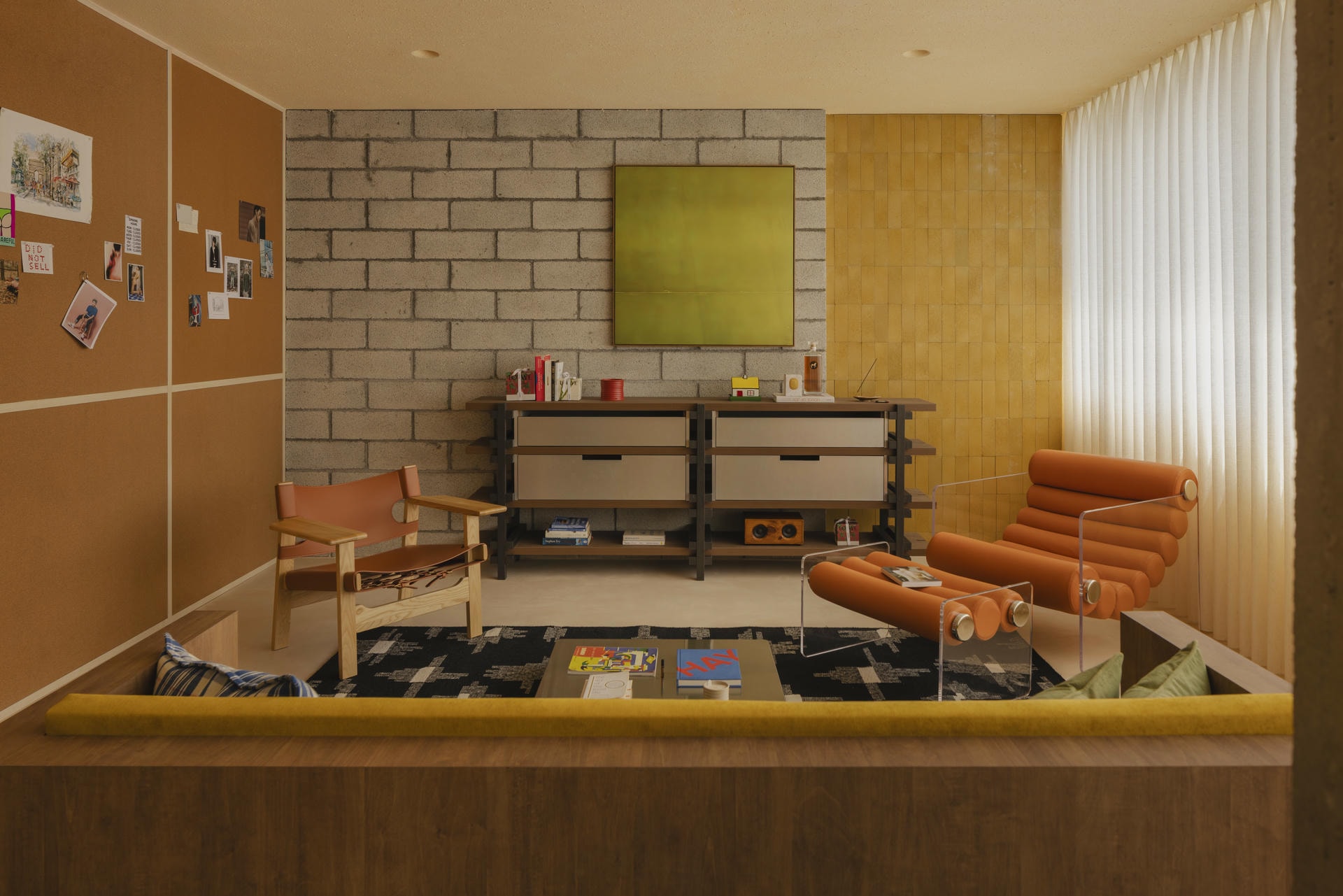
If I had to describe it, it would be quite dramatic. I’m drawn to restraint, natural materials, and imperfections that make a space human — yet I love inserting moments of boldness that surprise. My mantra is simple: design is not about perfection, but about presence.
I actually began in fashion. I was drawn to textures, silhouettes, and the way clothing could shape not just how someone looked, but how they felt. That sensitivity to material and mood eventually found its way into interiors. The real turning point was when I designed my own house — it forced me to think deeply about space, flow, and permanence in a way fashion never demanded. That project became the bridge between the two worlds, and I’ve never looked back.
Yes. For me, it wasn’t winning an award or landing a big project — it was the first time a client told me, “This space feels like home.” That moment was defining because it reminded me why I design: not to impose an aesthetic, but to create spaces that feel deeply personal and alive.
Empathy. Every successful project begins with understanding — the client, the site, the light, the context. A beautiful room is not just about composition; it’s about resonance. In business, it’s the same — if you understand people, you can design better experiences, whether it’s for a home, a bar, or even your own team.
For me, it always starts with the client’s lifestyle. I want to understand how they live, what rituals matter to them, and how the space can support or elevate those habits. From there, the design develops in layers — sometimes through keywords, sometimes through materials, but always anchored in the ethos that design must serve life first. At Ascend, our role is not to create showrooms, but to create spaces that feel lived, loved, and lasting.
favorite pieces from the Philia Collection
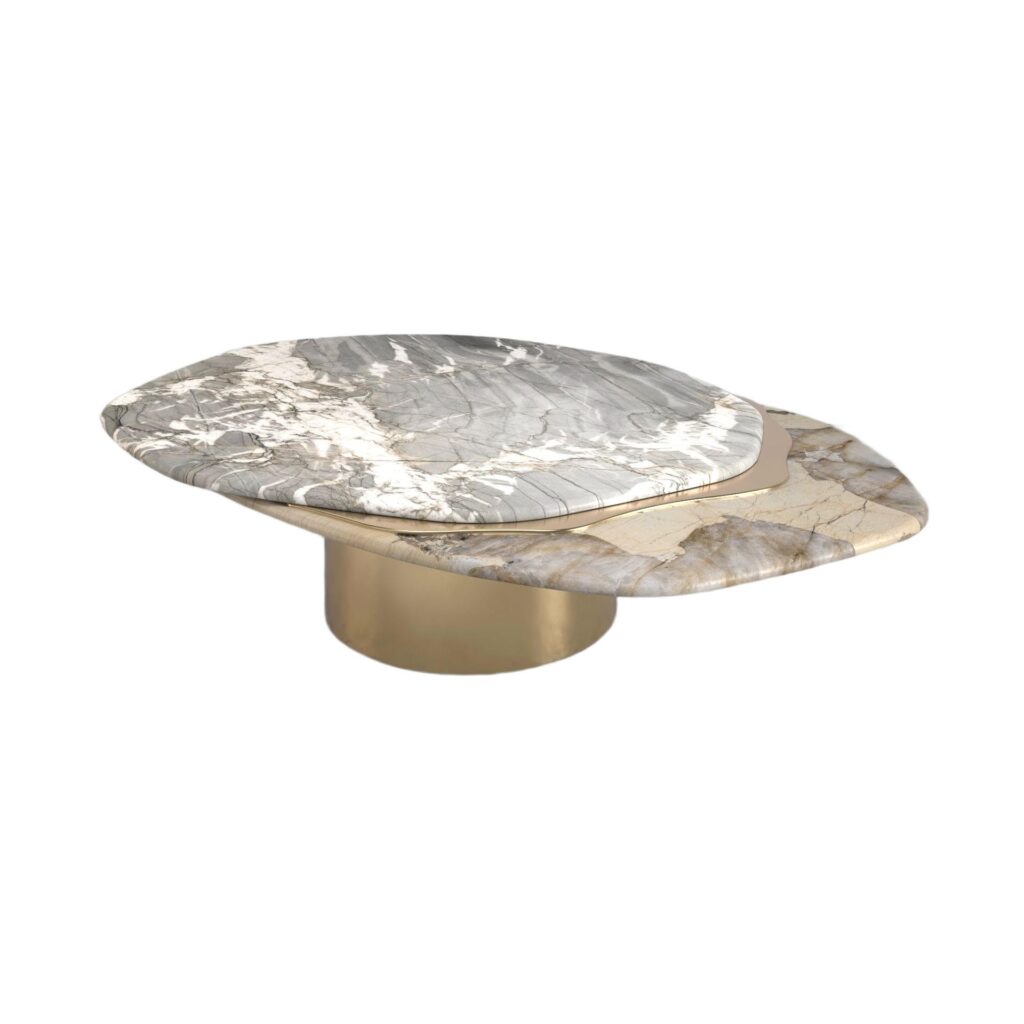
Epicure V Quartzite And Brass Limited Edition Coffee Table by Grzegorz Majka
The craftsmanship and uniqueness (“1 of 1”) make this a statement piece. It’s grounded yet sculptural, a table that isn’t just functional but a poetic focal point. It aligns with my belief that subtle drama in a space can arise from one compelling piece.
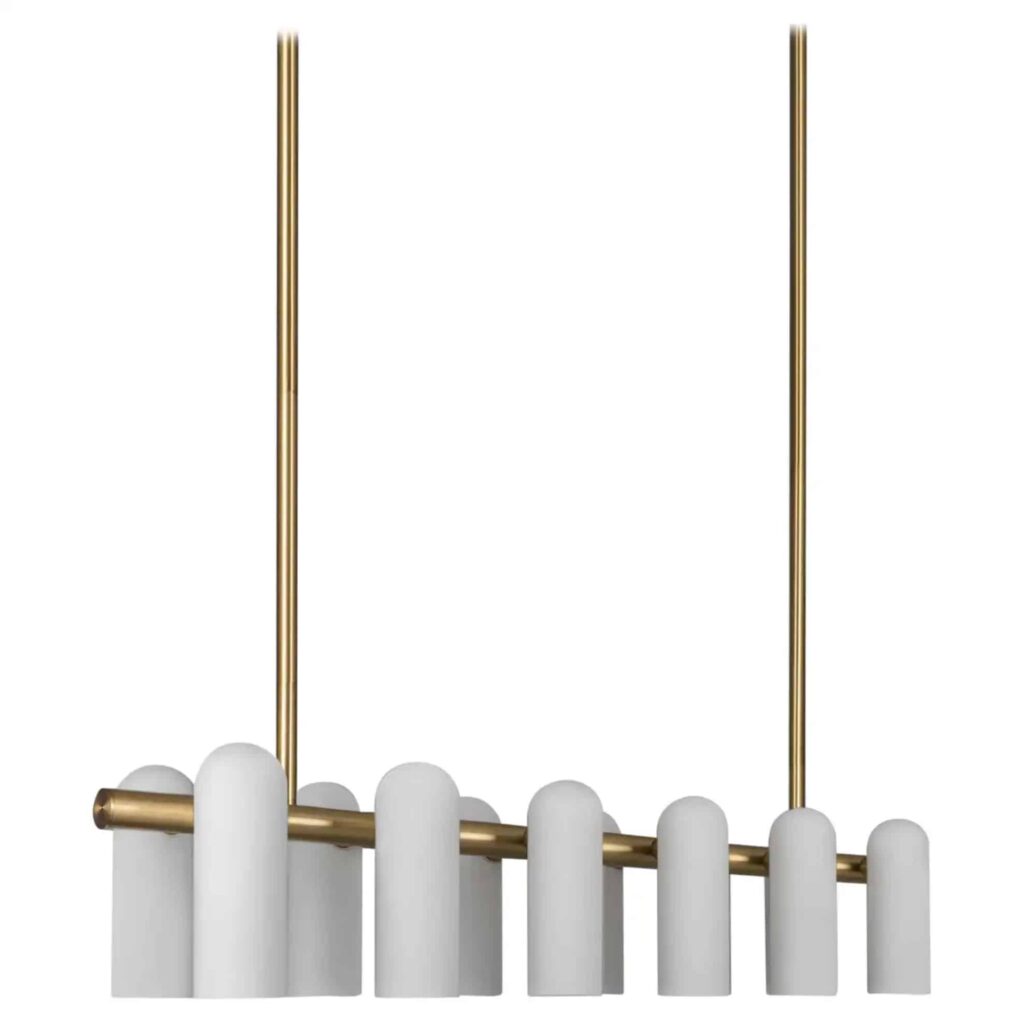
Odyssey Linear MD Brass Chandelier by Schwung
Light is central to any interior, and this chandelier is elegant yet bold. It has presence without excess. In my work, I often use lighting to sculpt mood and shadow — and this piece would let me do that beautifully.
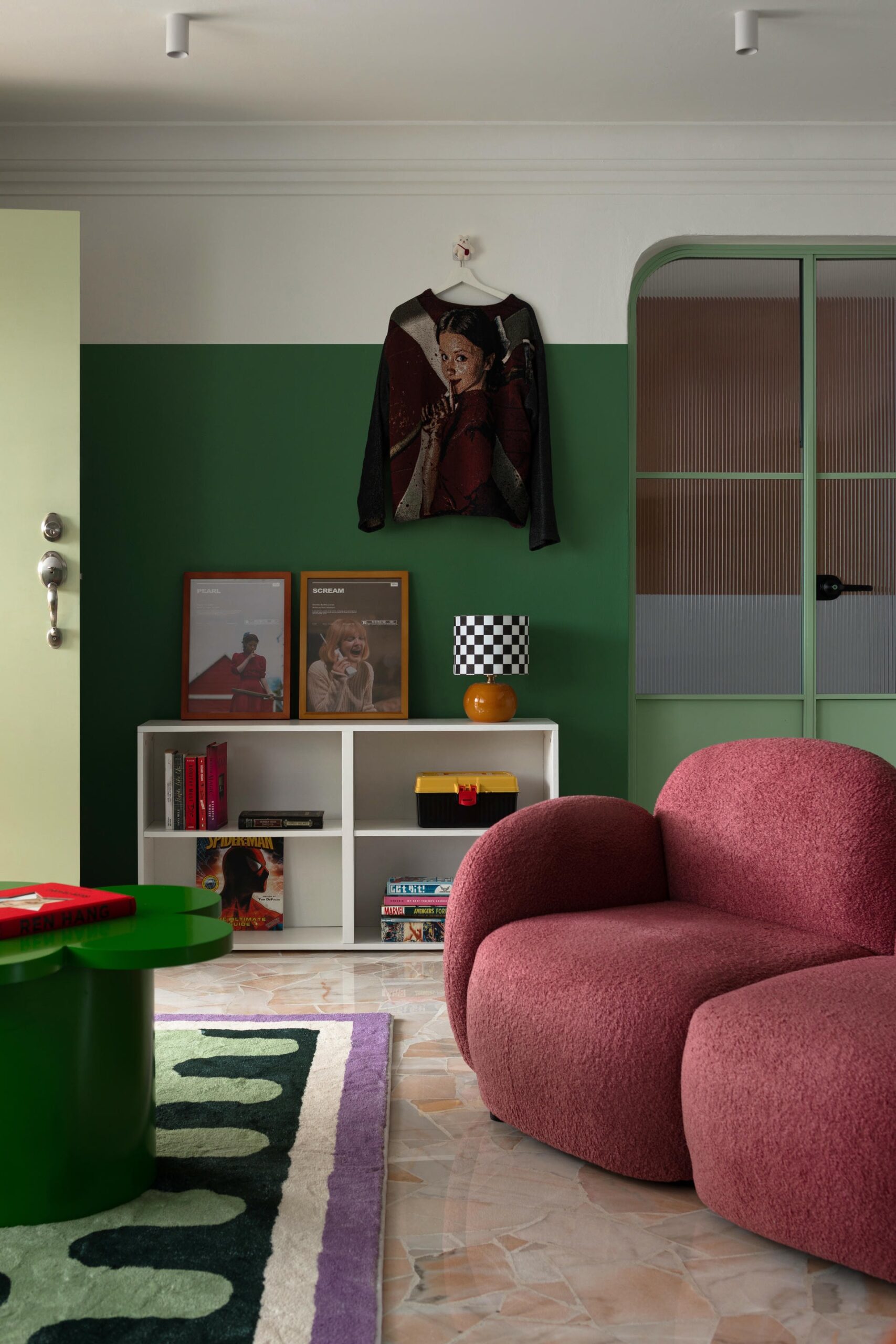
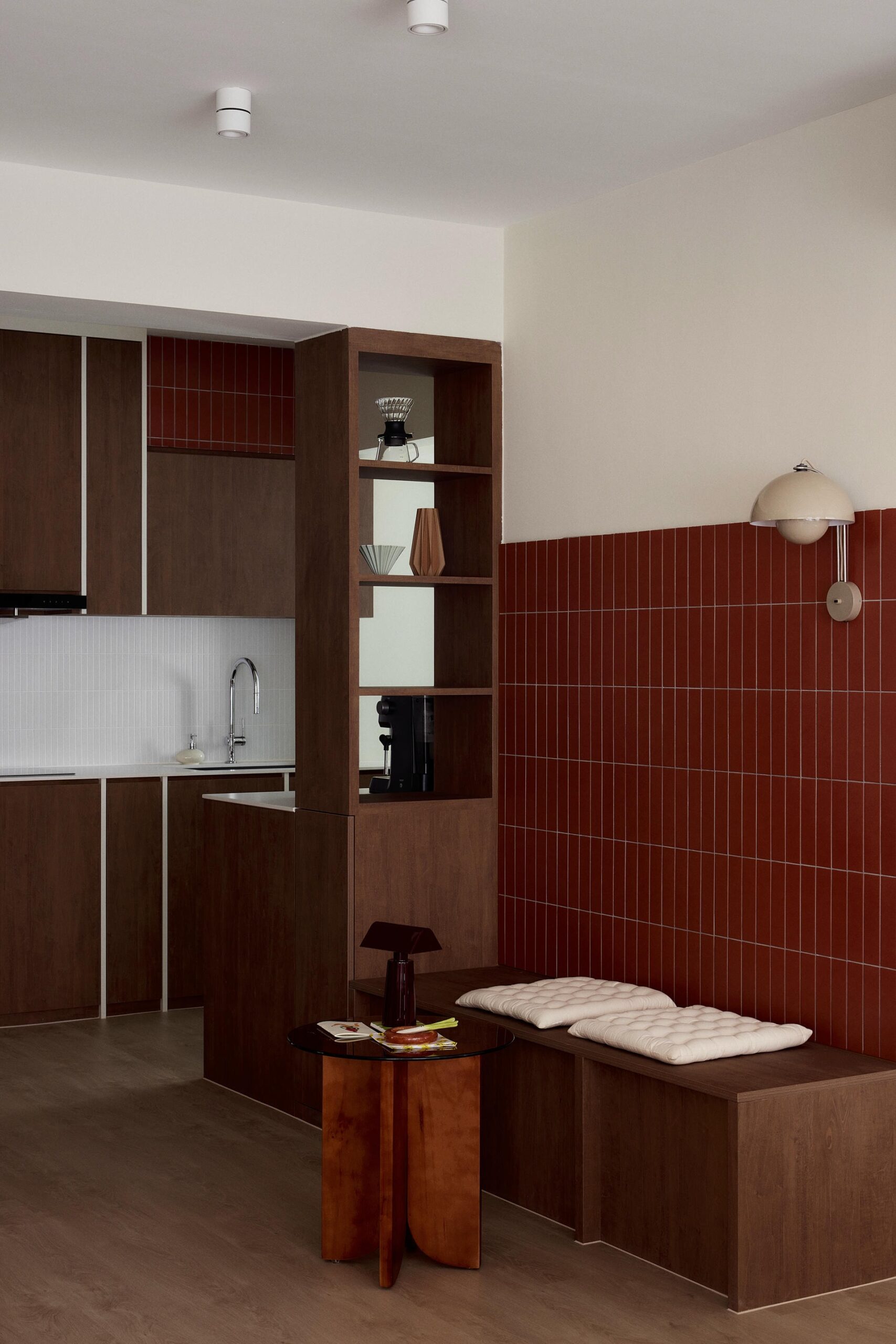
One of my favorites is The Bahru House. It’s a small walk-up apartment in Tiong Bahru that we opened up into a single studio-like space. The challenge was working within an old structure, but the reward was watching how the light now flows from one end of the home to the other. It was a reminder that sometimes design is about subtraction, not addition.
Don’t be afraid of empty space. Sometimes the absence of something creates the strongest presence. A blank wall, an untouched corner — these moments allow the eye, and the person, to breathe. To me, space is luxury.
“Don’t design for Instagram; design for people.” It sounds simple, but in an age where so much is curated and performative, remembering that interiors are meant to be lived in — messy, imperfect, full of life — has kept me grounded.
Be patient with yourself. Don’t rush to have a “signature style” or the perfect portfolio. Spend more time observing — sit in a café and notice the chairs, the lighting, how people move through the space. The best designers are not the ones who sketch the fastest, but the ones who notice the most.
That not everyone will see what you see. Early on, I struggled with wanting clients to agree with every detail. Over time, I’ve learned that design is also about trust and compromise. The hardest lesson is letting go — but also the most liberating one.
Yes — In Praise of Shadows by Jun’ichirō Tanizaki. It’s not a design manual, but it taught me to appreciate silence, subtlety, and imperfection in space. I also love listening to Design Matters with Debbie Millman, because the conversations remind me that design is really about people and their stories.
We’re currently working on a series of homes in Singapore that explore the balance of intimacy and openness — how spaces can feel cocooned yet expansive. We’re also developing a few commercial projects, where the challenge is to design spaces that not only express brand identity but also create a lasting experience for customers. Personally, I’m excited about blurring the boundaries between hospitality and home — making private spaces feel like retreats, and public spaces feel intimate.
Thank you so much Agnes, for this lovely interview!
Share article :
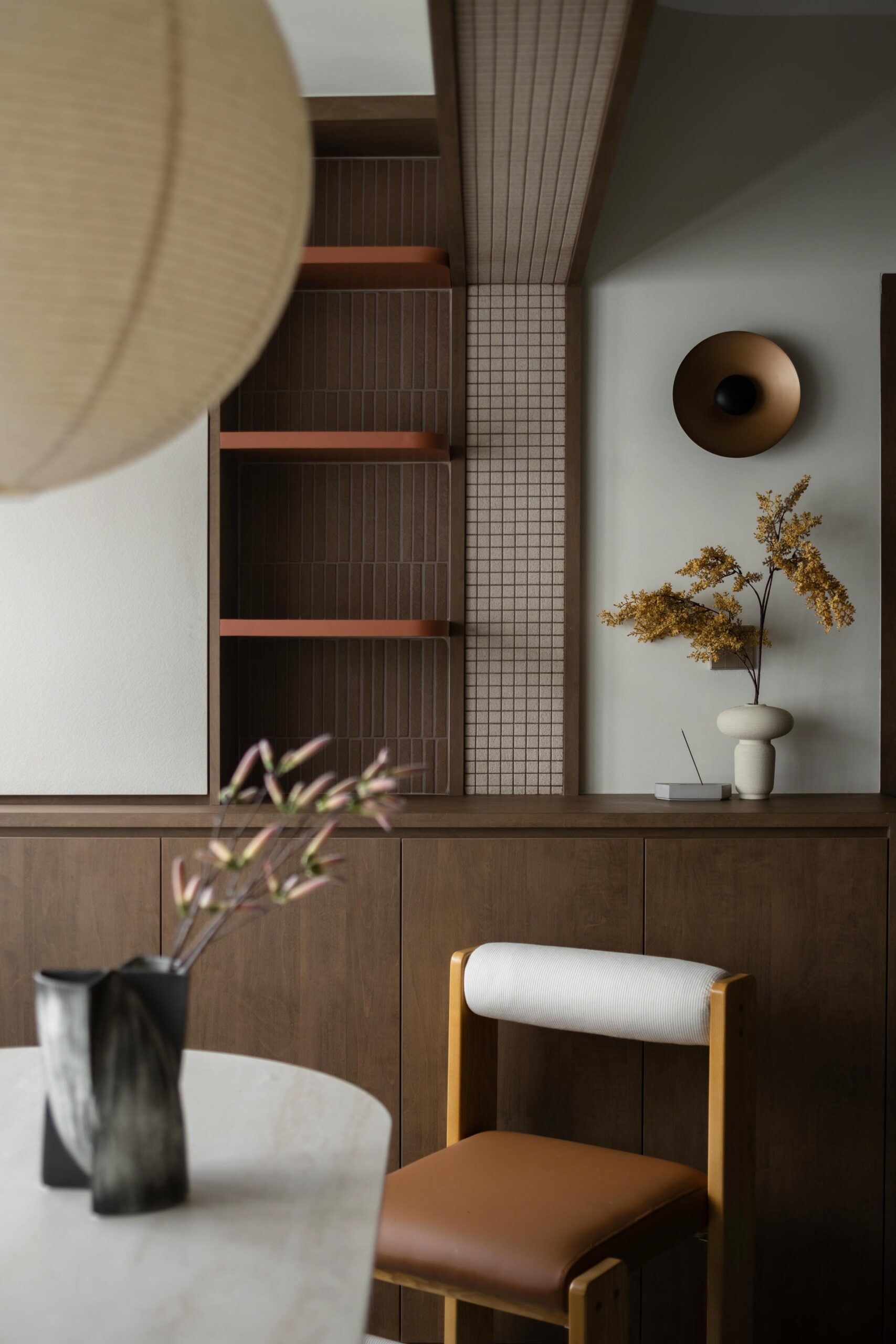
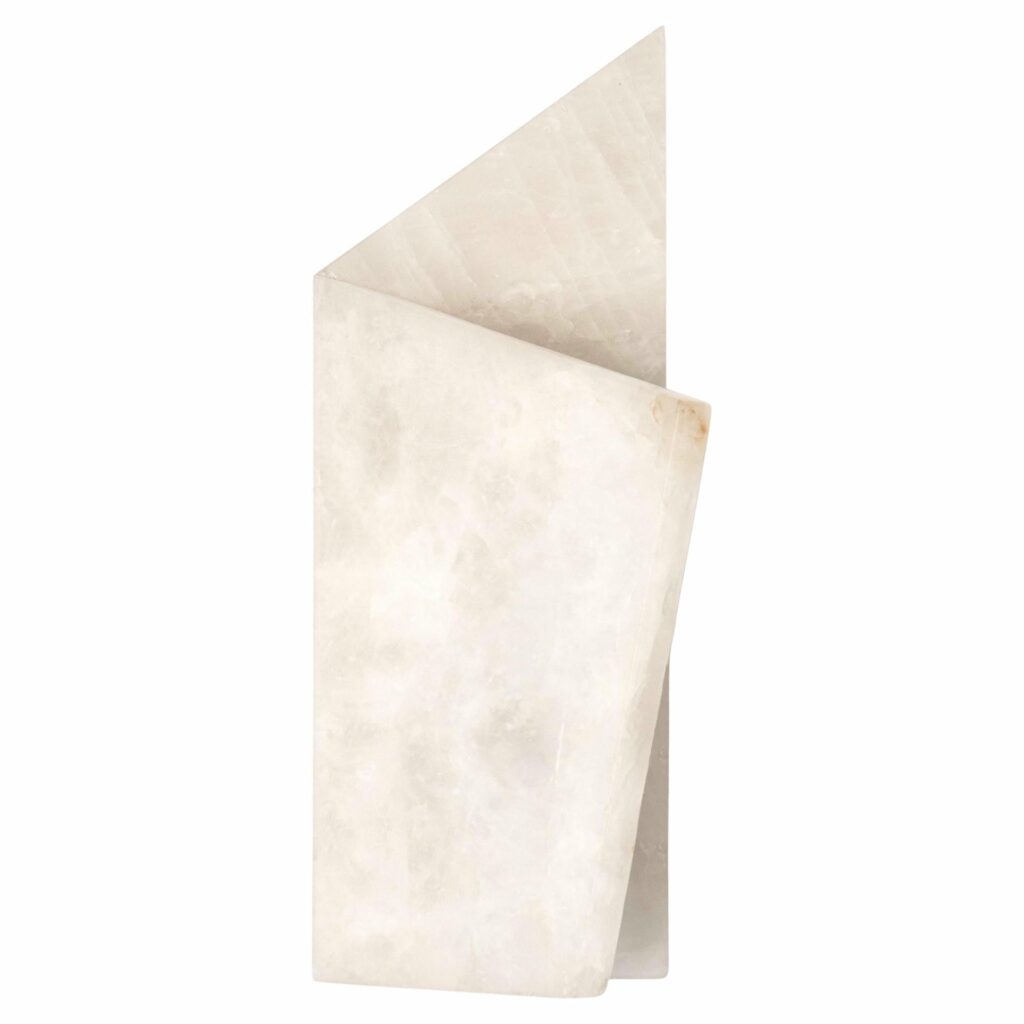
This piece has a graceful, almost organic flow. The folds and curves evoke cloth or paper, yet in light/metal form, it bridges between softness and structure, which resonates with how I like to balance restraint and surprise in my interiors.