Atelier Sauvage
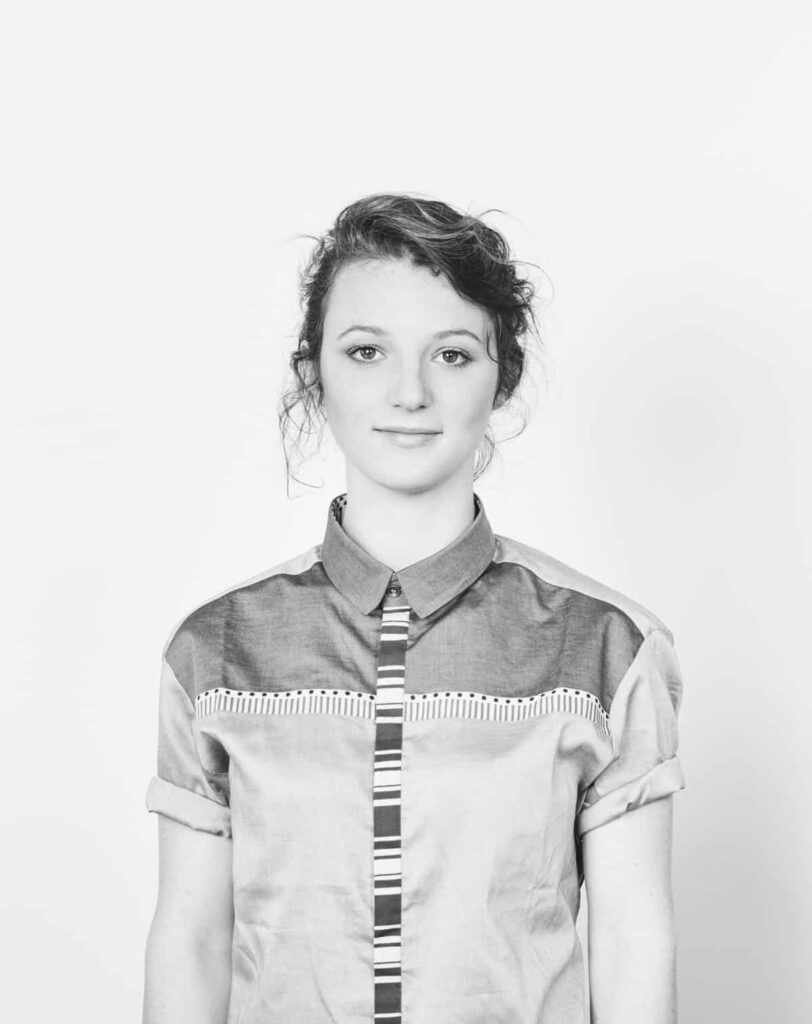
Atelier Sauvage is the creative practice of French designer and cabinetmaker Albane Salmon. Working primarily with wood, she creates collectible furniture and objects distinguished by their organic forms, asymmetrical compositions, and handcrafted character. Drawing inspiration from natural phenomena such as erosion, weathering, and the passage of time, her work explores the beauty of irregularity, material transformation, and subtle imperfections. Through a process rooted in craftsmanship and intuition, Atelier Sauvage develops pieces that balance sculptural expression with a deep sensitivity to materiality and form.
Interview
I was born in Briançon, a small town in the French Alps, surrounded by the mountains. I spent most of my childhood and teenage years in this environment and left when I finished high school to study in different places.
I grew up in a family that made me connect very early with art and creation. First, my grandmother was an art teacher and kept painting her whole life, and my aunt is a painter as well.
Additionally, from early childhood, my parents took us to theatre shows and music festivals, and travelled with us every year to big cities where we visited major art exhibitions.
Although I pursued higher education in a completely different field, I couldn’t envision spending most of my time behind a computer. I was craving to make things with my hands and took the plunge as soon as I was done with university.
I came to design creation through cabinet-making. Working with wood made me realize the sensuality and poetry of this material as well as the emotional power of objects.
My aesthetics is nurtured by the random effects of natural phenomena such as erosion and the natural wear of materials exposed to the elements. I also like to explore the poetry that lies in the slight imbalance and irregularities provided by the human eye and gestures. In my creative process, design and manufacturing are deeply intertwined phases.
Even if I sometimes draw very precise things beforehand, working at the bench is a decisive step. The grain of the wood and its specific shades, the way it reacts when you start working, all these elements influence the final direction of a project. I also like to start from what I have at hand to create and develop new ideas. I discovered that constraints can be a great source of creativity, and this approach allows me to extend the life of the trees in my workshop, trying to value even the smallest scraps.
I spend most of my time in the studio, either working at the bench, drawing, or trying to come up with a technical solution to make my ideas come true.
Working with wood has been the most obvious introduction to crafting objects. I have seen my dad making wooden furniture for our house all along my childhood, which gave me a sense that working with wood was something accessible. Then, I discovered the poetry of this material.
When talking about trees from a scientific point of view, we use words like « population » or « individuals ». It means that it is impossible to find two identical trees. Each one possesses its own character, its own beauty.
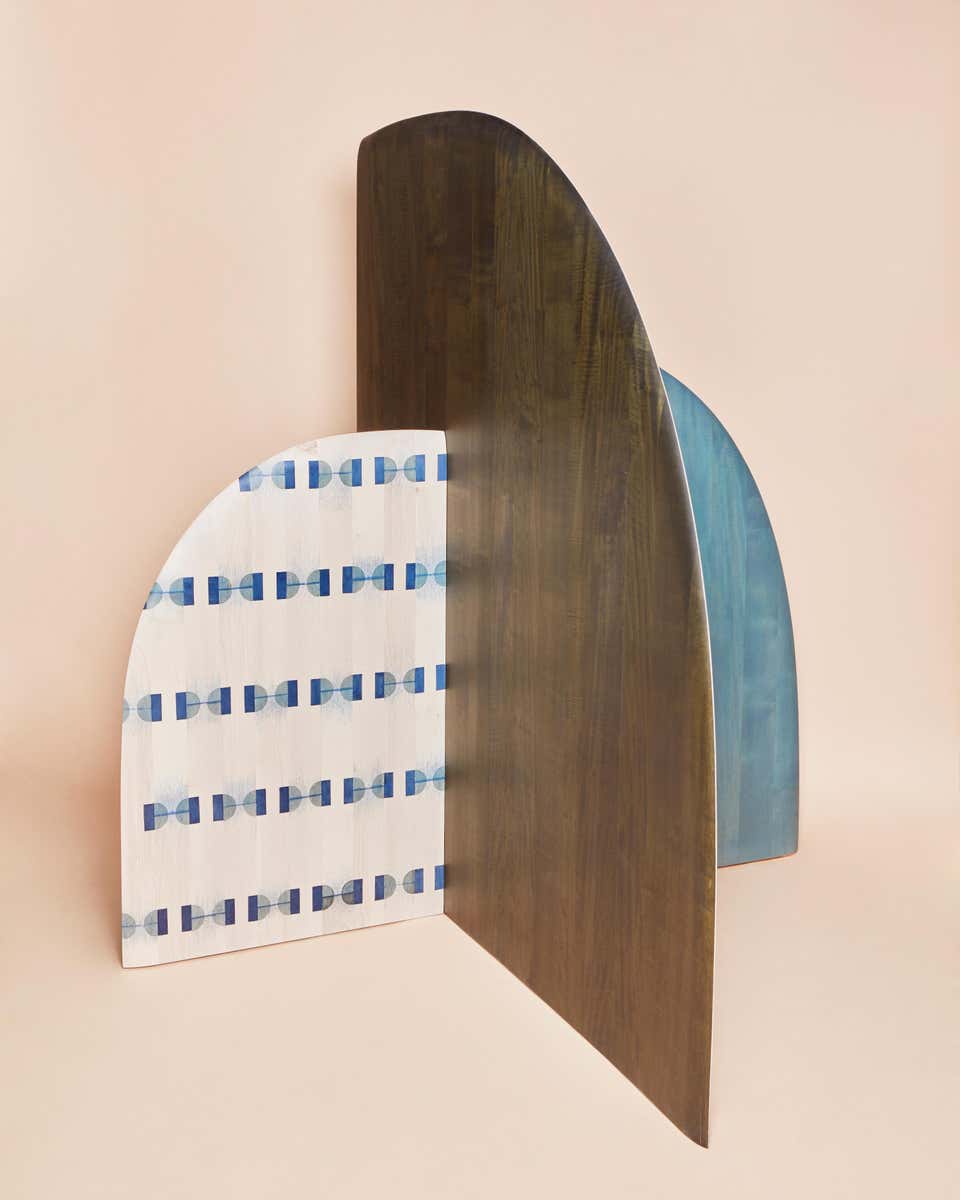
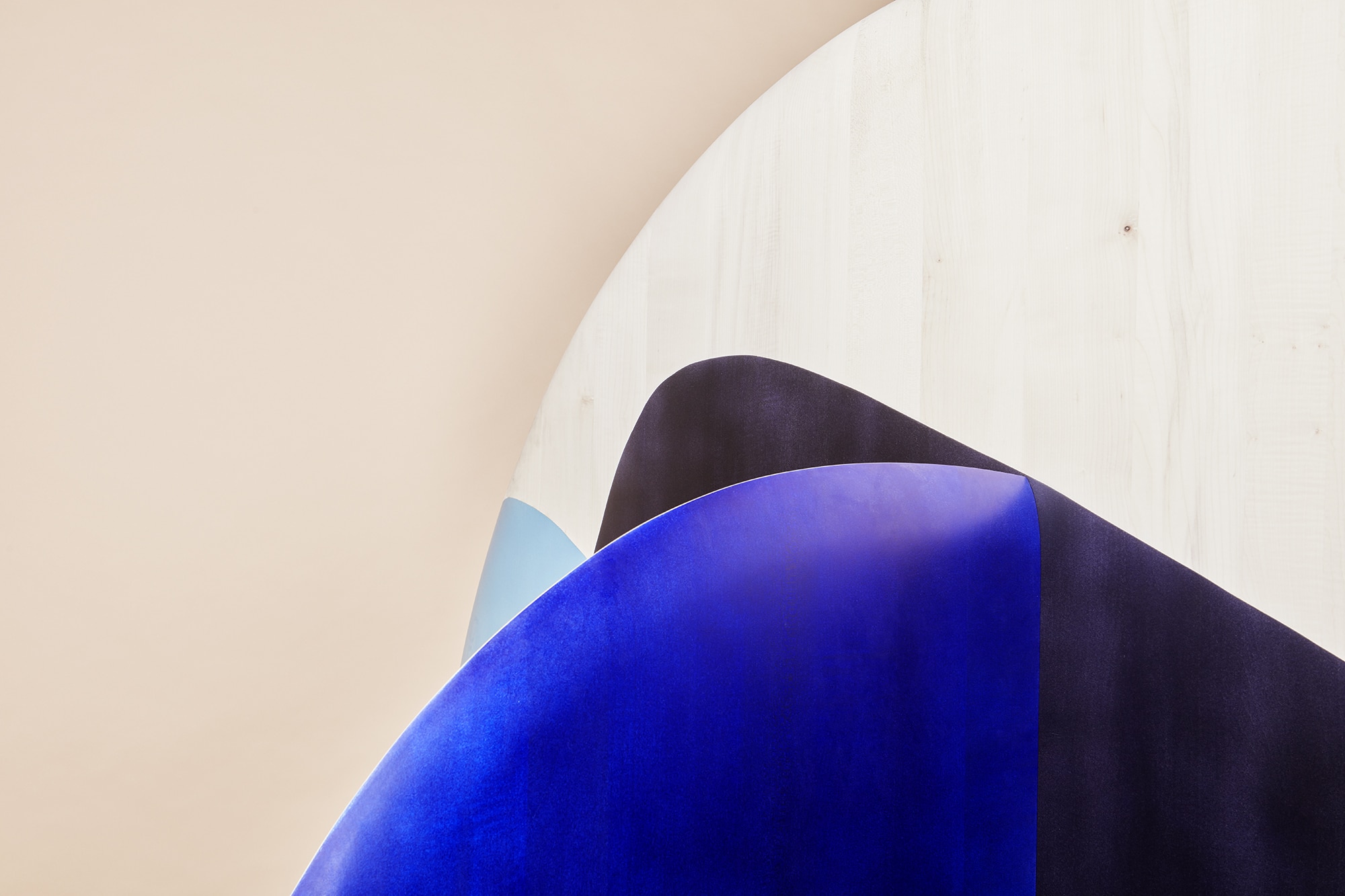
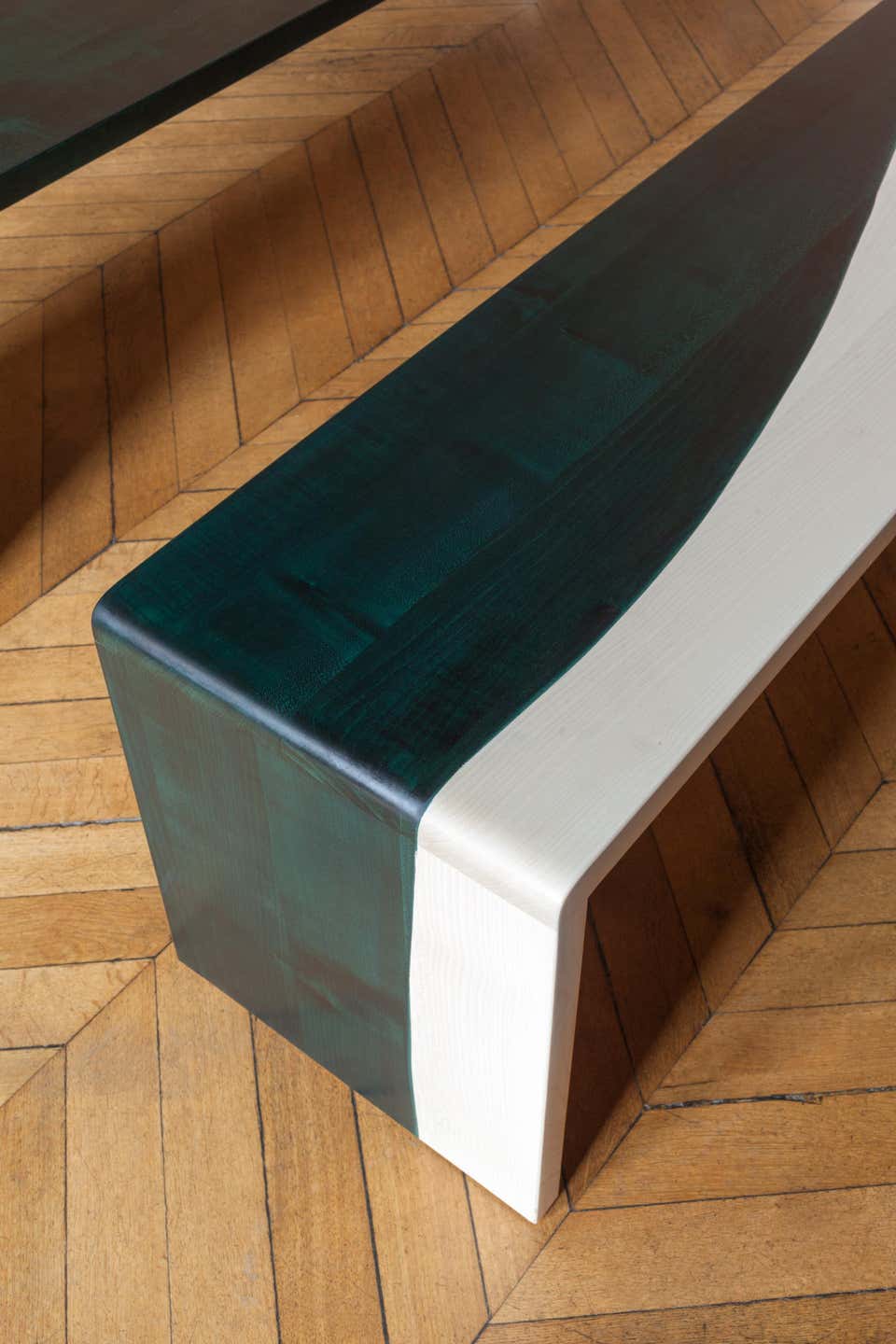
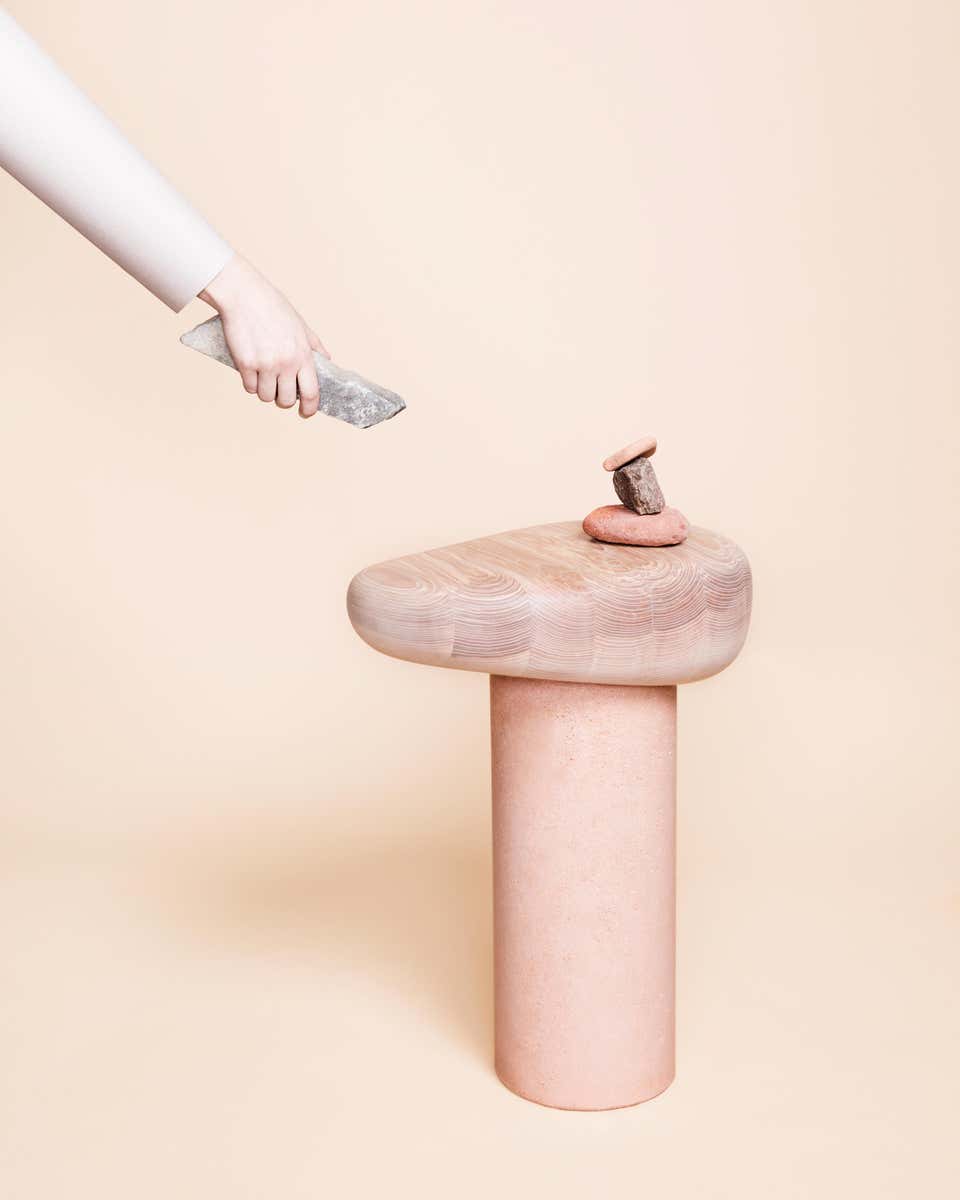
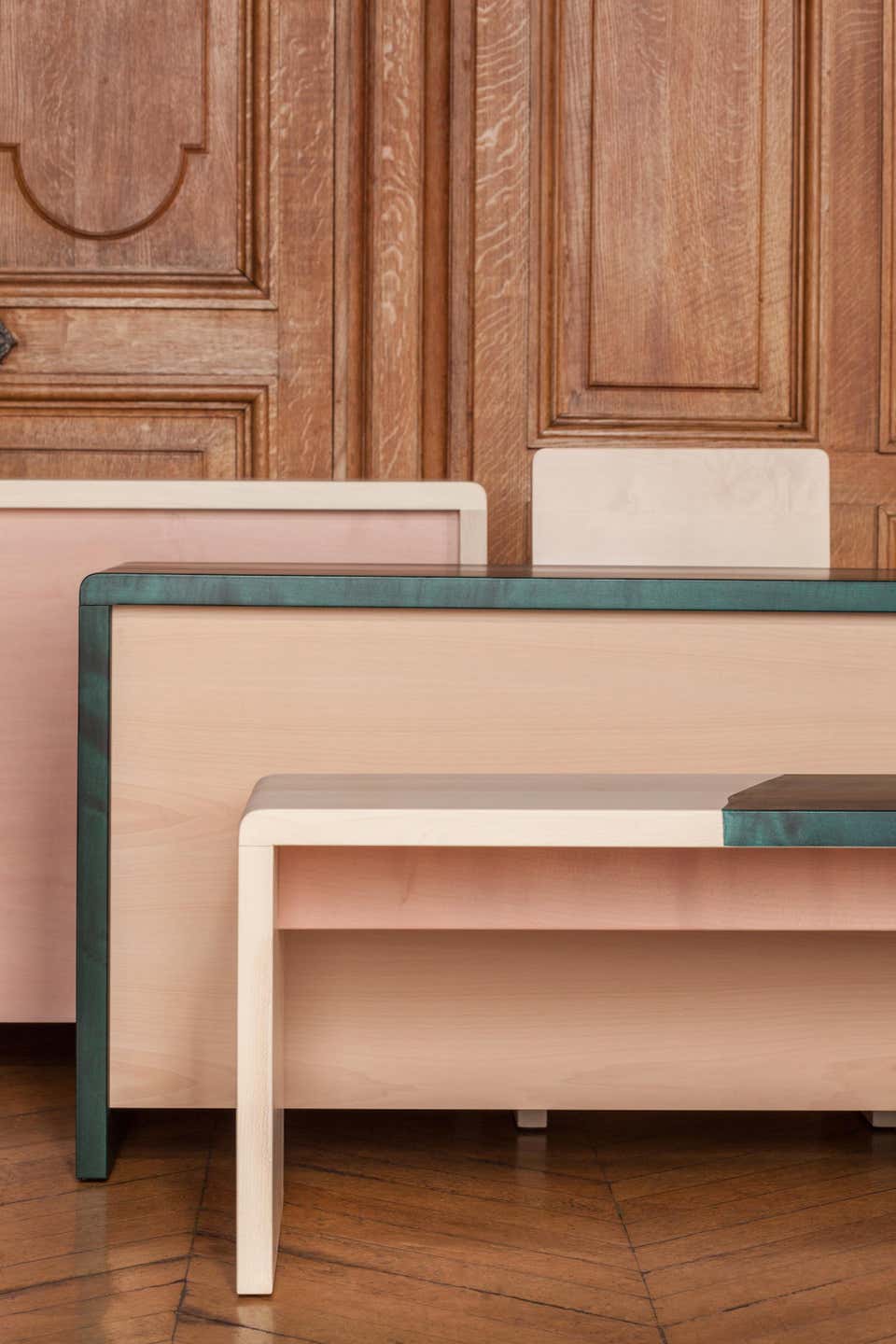
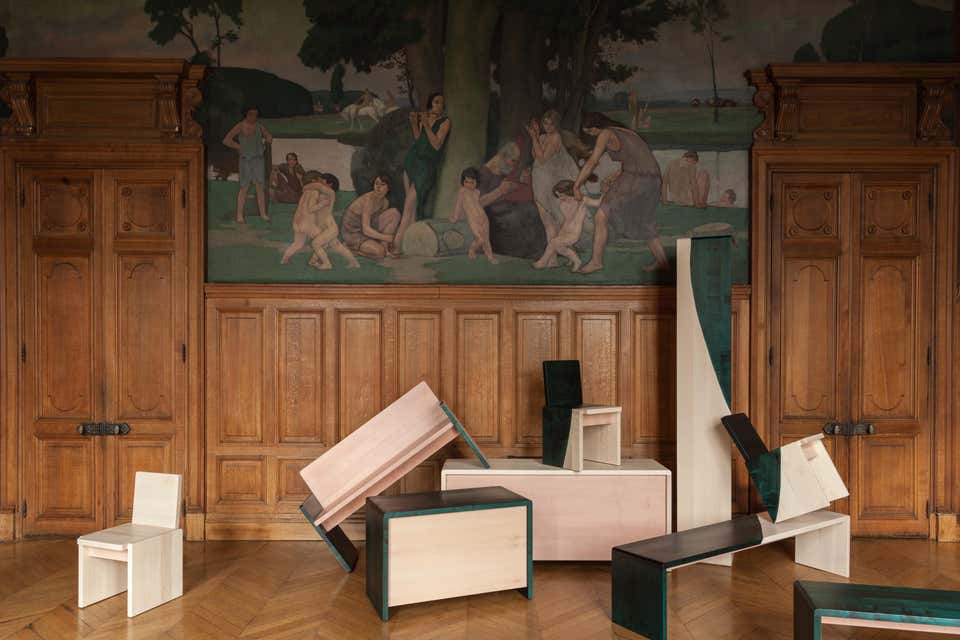
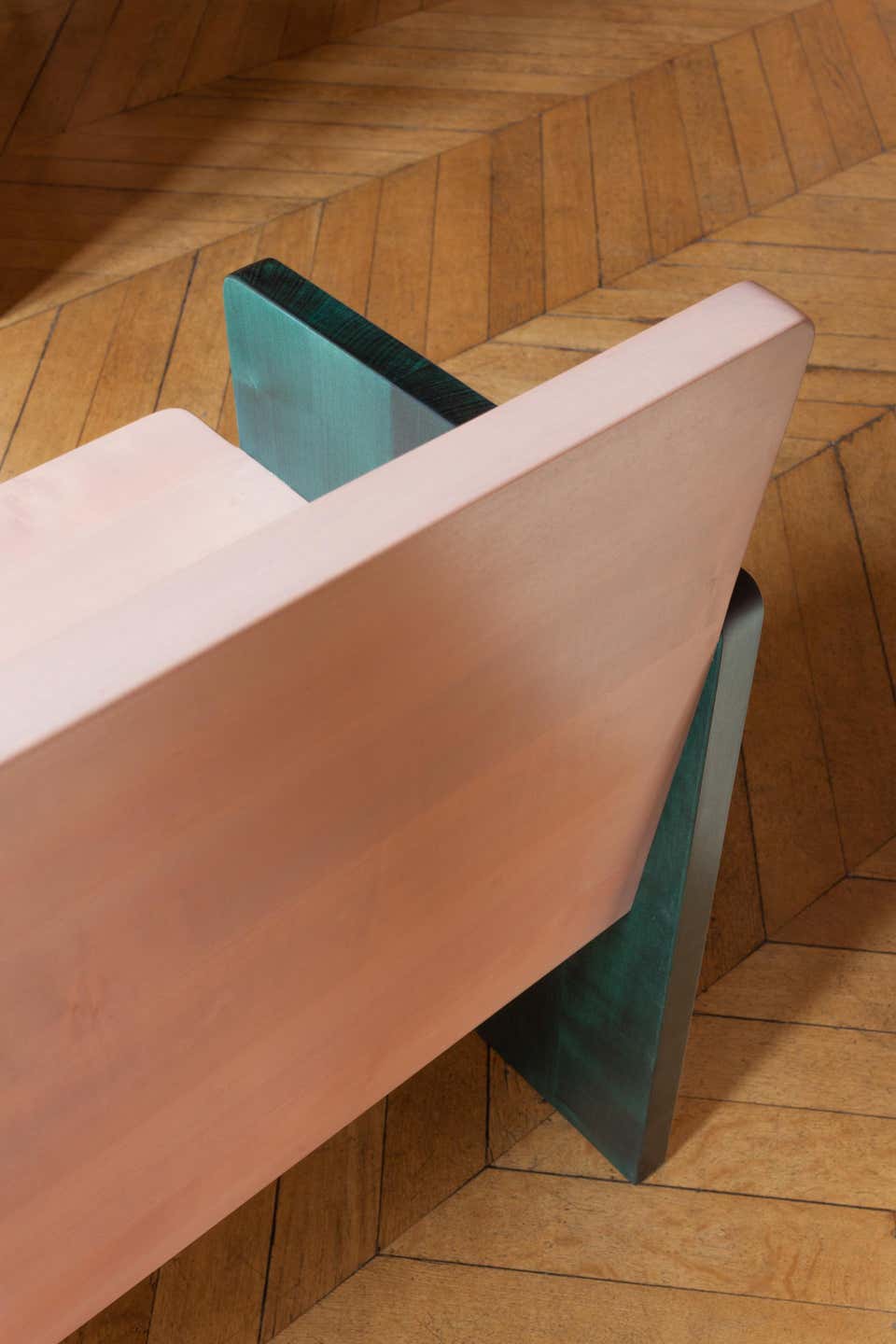
I am working primarily with solid wood that I source locally, and I like to build everything myself. I work mostly with asymmetrical, organic shapes that result from freehand drawings and avoid using jigs and gauges as much as possible. I try to let the singularity of each piece of wood dictate the final shape, thus ensuring never make anything identical to a previous production. I also like to respond to contrasting textures, colors, and treatments that both highlight and alter the qualities of wood to act like a trompe l’oeil, so that the viewers are led to question their senses and to wonder about the nature and the unity of the material used.
Trust yourself and do what you really want to do. Try things when you want to, don’t be scared to fail.
This is a hard one, I wish you could tell me!
I find a lot of inspiration in the way artists like JB Blunk managed to make their personal lives and professional practices one whole, coherent thing.
Max Lamb or Valentin Loellman, for instance.
Brancusi, Sheila Hicks, Anni Albers, Noguchi, painter Caroline Forest, and many, many others.
Objects of emotions.
“Working with wood made me realize the sensuality and poetry of this material, as well as the emotional power of objects.”
The Questions
(The Proust Questionnaire is a set of questions answered by the French writer Marcel Proust.
Other historical figures who have answered confession albums are Oscar Wilde,
Karl Marx, Arthur Conan Doyle, Stéphane Mallarmé, Paul Cézanne…)
Shared happiness.
Losing loved ones.
Doubts and hesitations that can be so time consuming.
Hypocrisy.
At the moment, I would say Francis Hallé for his attempt to recreate a primary forest in Europe.
Trying to do things my way.
I feel very excited and yet a little scared about the coming projects, both professional and personal.
Labor.
Benevolence, just like in a woman.
–

“Genre” which is an equivalent of “like” in French.
Make the days twice as long as they are!
I’d be more tactful and organized.
Working with my hands.
A handcrafted wicker basket.
In a contradictory place, both were lost among the mountains while in the midst of a big city.
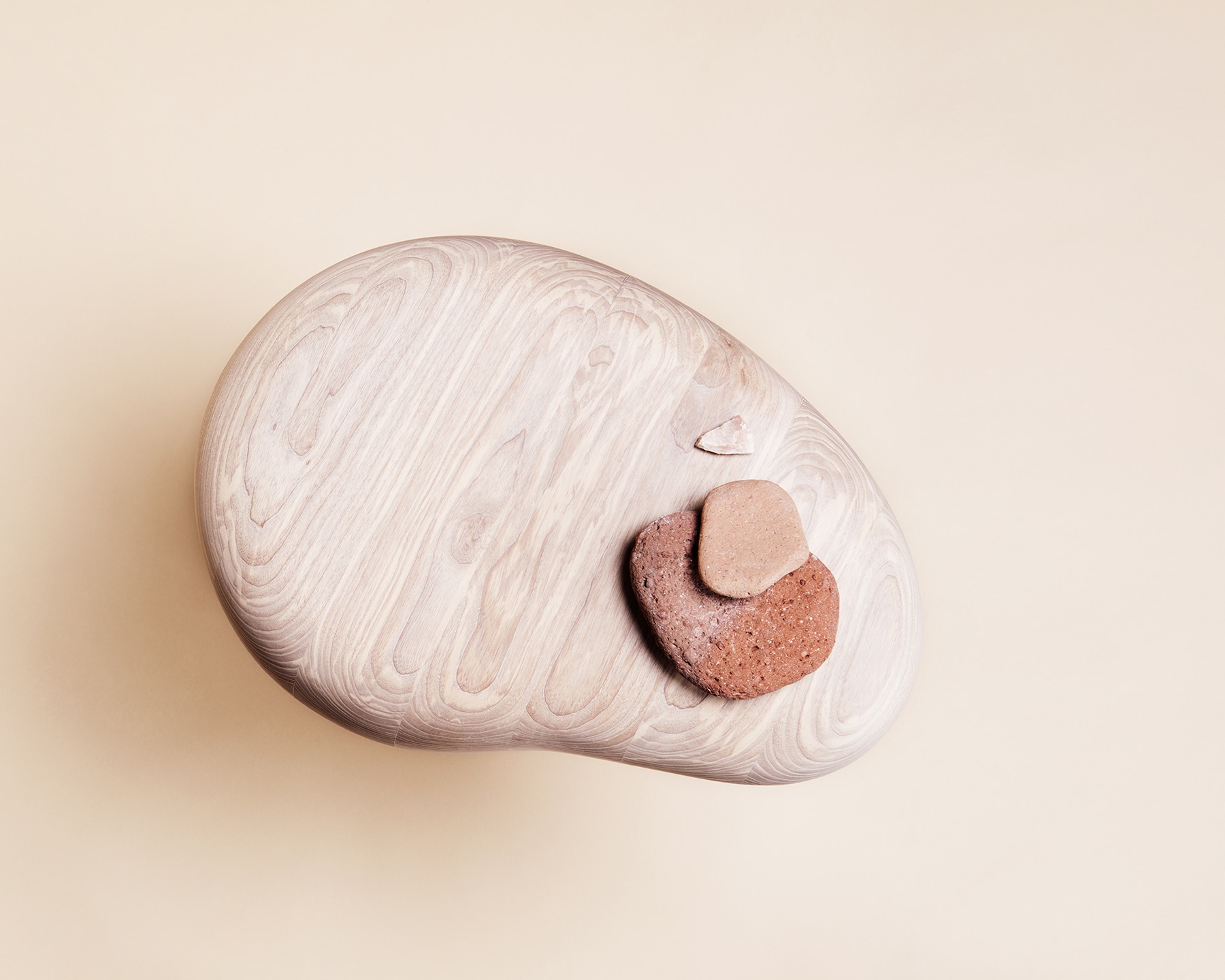
Small rocks were collected along my walks.
Losing contact with nature.
Making things, reading, day-dreaming.
My grandmother says I am strong-willed, and I always carry a way too big suitcase.
Enthusiasm and supportiveness.
At the moment, I enjoy reading Giono and Kessel.
Self-taught men and women who make their destiny change path.
I admire people whose involvement has made significant changes in society, like Simone Weil or Ruth Bader Ginsburg.
My parents.
Names that make you travel.
Contempt.
Not finding time to learn how to weave, weld, make ceramics, paint, and so on…
Fast!
La felicità è una piccola cosa,
è un’ape che si posa
su un bocciolo di rosa (Trilussa).
“Each tree possesses its own character, its own beauty.”
SHARE :