Atra
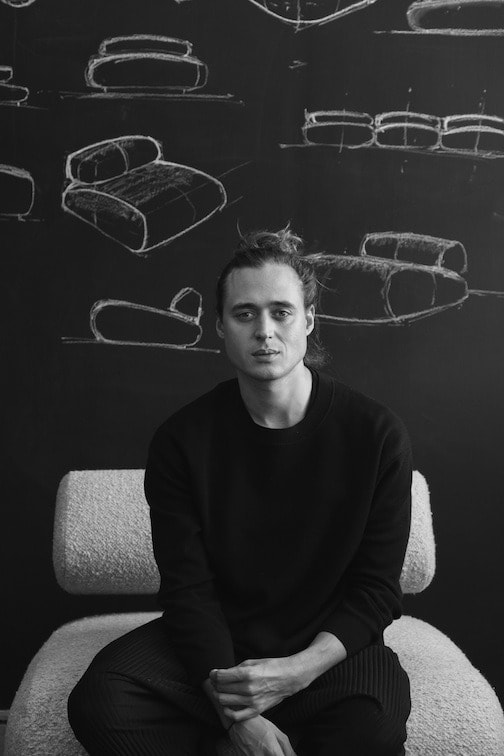
Alexander Díaz Andersson is a Swedish-born designer and the founder of ATRA, currently working between Mexico City and Los Angeles. Trained in industrial design, his multidisciplinary practice spans collectible furniture, sculpture, interiors, and hospitality projects, distinguished by a dynamic balance between structure and spontaneity, fluidity, and function.
Drawing from a background shaped by Scandinavia, Spain, and Mexico, Díaz Andersson combines formal design training with material experimentation and an intuitive creative process. Guided by a deep interest in craftsmanship, history, and human experience, he creates works that are both expressive and functional, while exploring the relationship between objects, space, and everyday life.
Interview
I was born and grew up in Sweden, studied in Spain, and now live and work in Mexico City. I lived in Mérida for many years, and moving to Mexico City felt like a natural next step. Mexico, along with Sweden, forms a big part of my heritage, and I take pride in both.
My parents’ Carl Magnus painting, I couldn’t stop looking at it.
Yes, I’ve always worked in the art and design field. I’ve been a furniture designer for almost 20 years and expanded into architecture over the past six years. My journey began in the Yucatán Peninsula, where I worked in my family’s furniture business. My mother was a consultant for IKEA, helping to establish their upholstery production in Mexico and founding a factory that supplied both IKEA and major hospitality groups. Growing up surrounded by design and production, I developed a natural affinity for the craft. Although I studied industrial design at university in Madrid, much of my learning was self-directed and shaped by mentorship. One of my most influential mentors was Alexander Carlsson, a visionary designer who later became the director of industrial design at SEDIM in Mexico. Around 2008, when my family transitioned out of large-scale production, I set up a small woodworking shop and taught myself carpentry through trial and error. Over time, I became passionate about mastering traditional techniques and pushing the boundaries of design, blending heritage with contemporary innovation.
As time goes on, the concepts behind each collection evolve. The common thread that ties everything together is our commitment to quality and craftsmanship. Conceptually, we’re inspired by utopian ideas of the future. Our goal is to create timeless objects, both in quality and vision. We’ve even imagined a universe—Earth 2100—where our designs exist, and within that world, we tell stories like “future relics,” envisioning how our pieces will be passed down through generations.
ATRA has evolved into a multidisciplinary force, bridging creative concepts, biohacking architecture, furniture design, and cultural expressions of art.
Every day at ATRA involves coordinating these diverse industries while maintaining a unified thread of conceptual design.
After Madrid, I moved to Mérida, Yucatán, to dive deeper into traditional craftsmanship—mainly woodworking and upholstery. We even developed an exchange program, bringing Swedish master upholsterers to share their techniques with our artisans.
After about four years of research, we defined our design language and launched the ATRA chair collection, which marked our beginning.
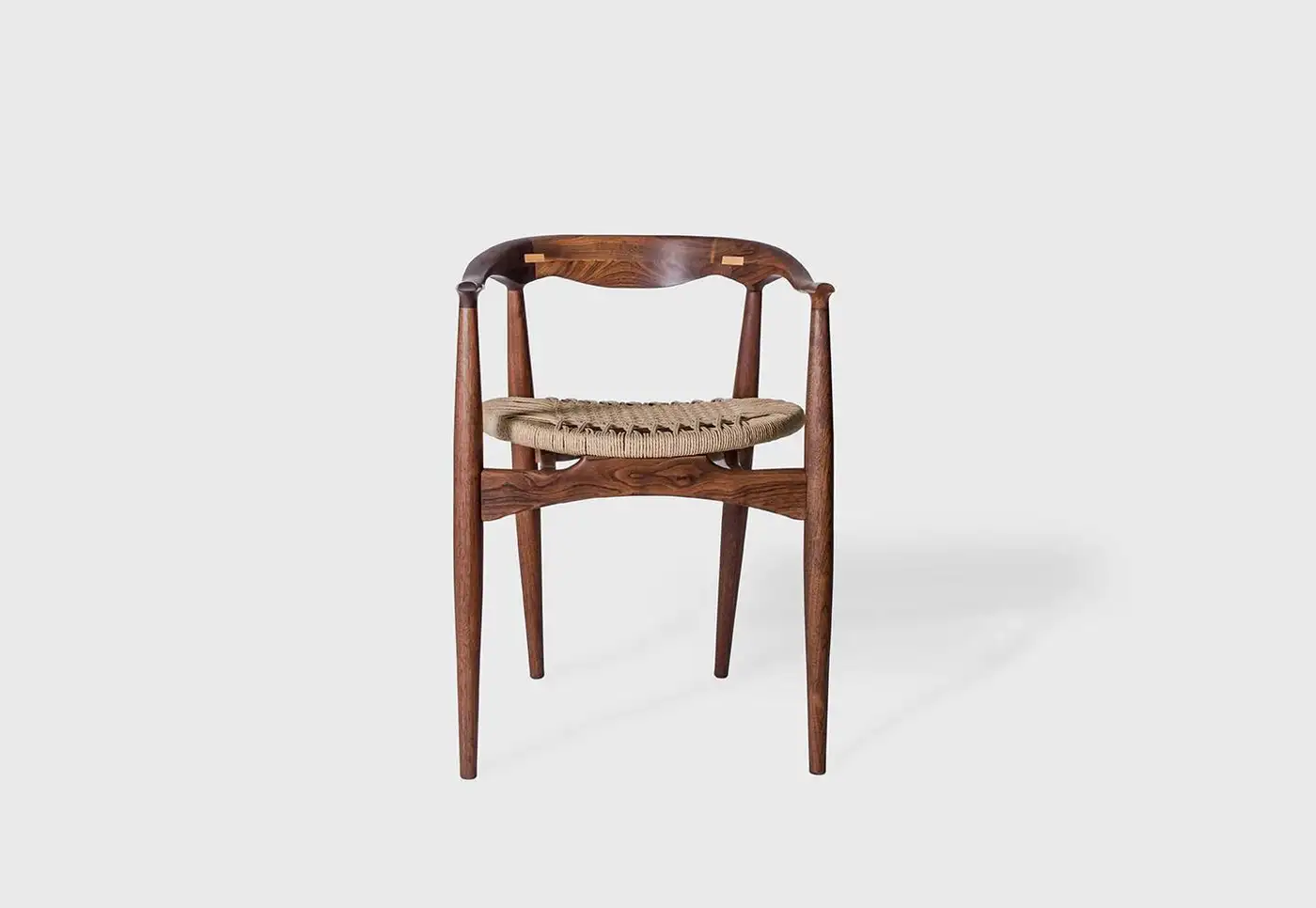
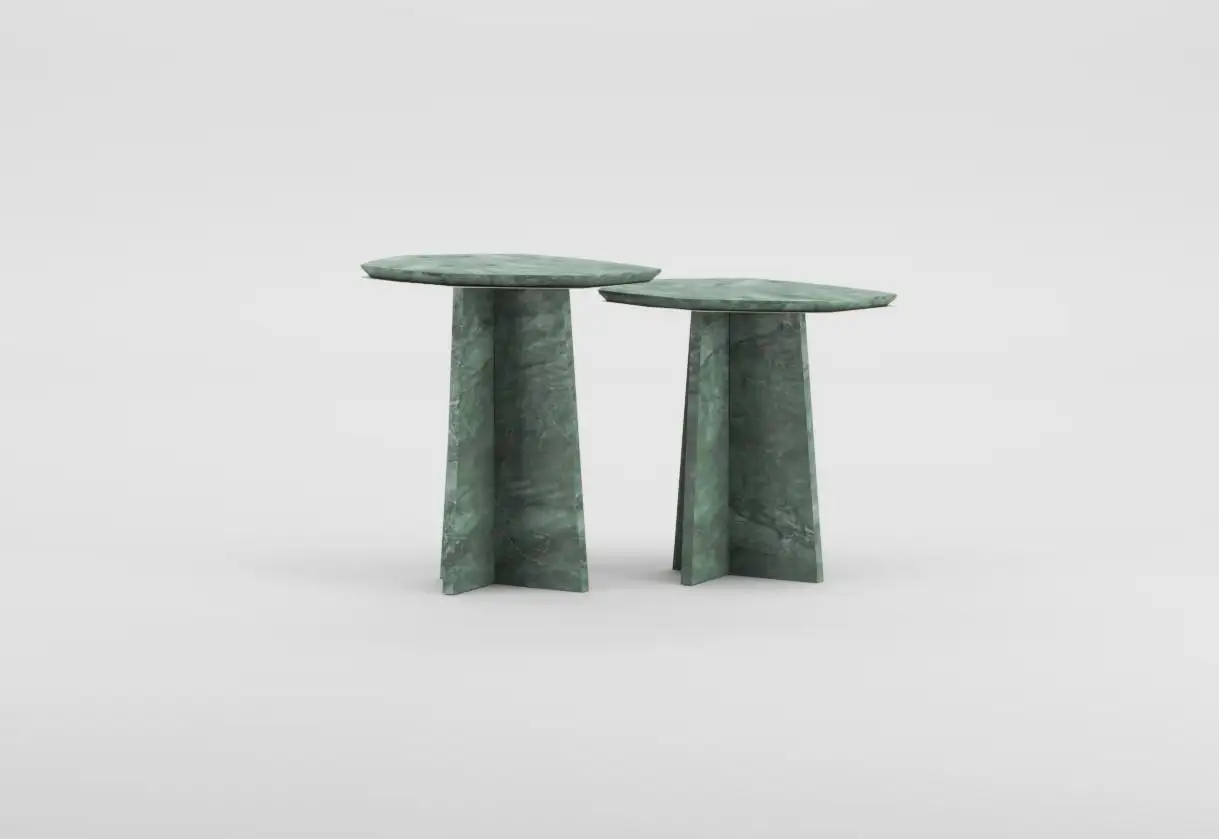
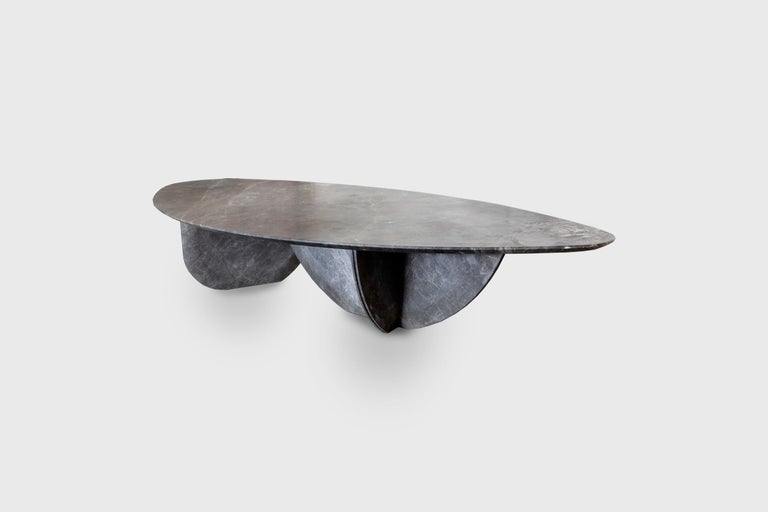
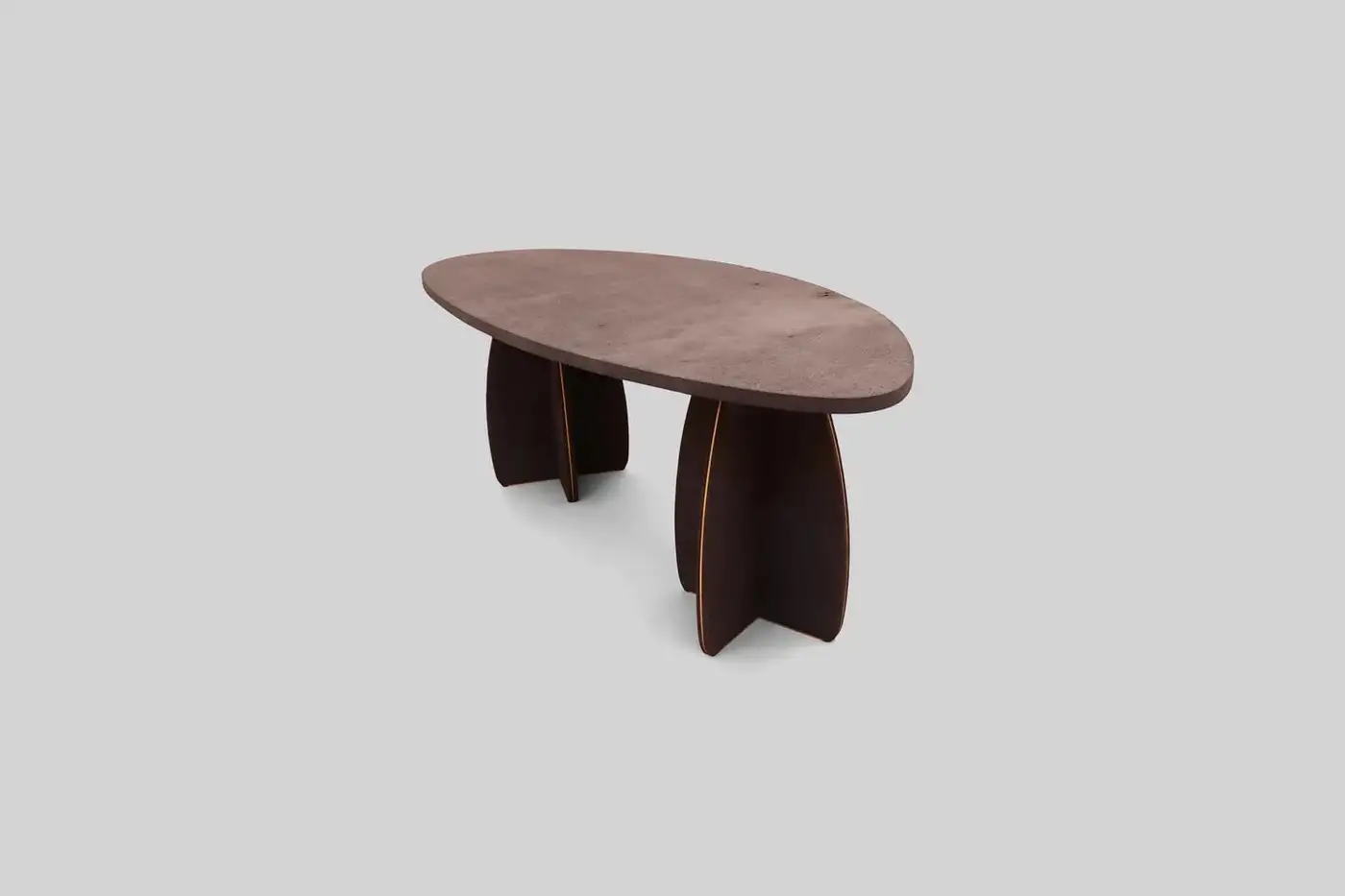
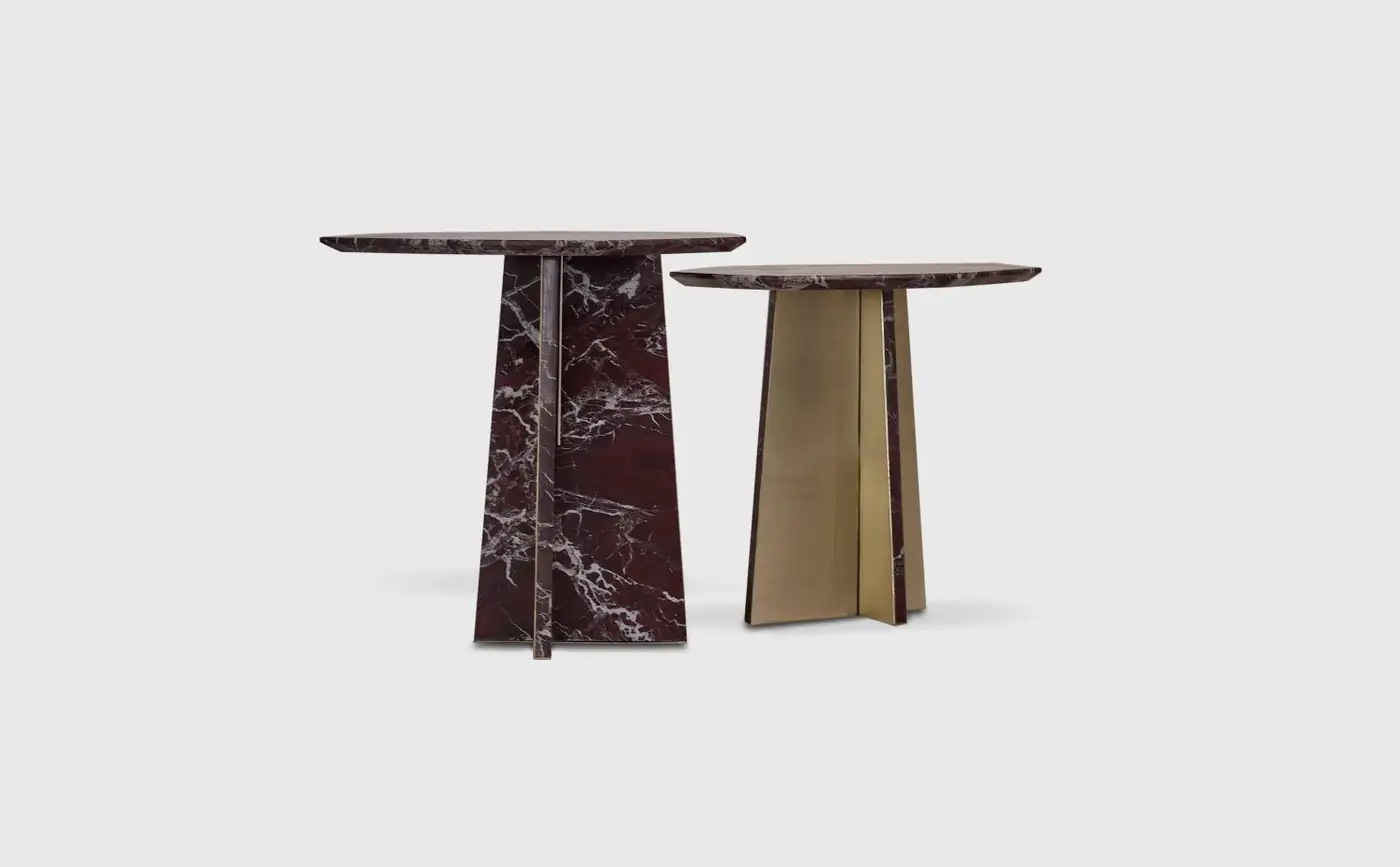
Over the next 15 years, both the brand and our manufacturing techniques evolved. We expanded from wood and upholstery to stone, metal, and lighting—creating more sculptural pieces along the way.
Our creations are distinguished by a harmonious blend of traditional craftsmanship and modern technology. We integrate time-honored techniques with cutting-edge methods such as CNC production, stoneworking, metallurgy, and upholstery.

Finding your design language takes time, and it’s essential to move beyond references to create something truly original. My advice is to focus on developing a language that is authentically your own, one that reflects your individuality and vision.
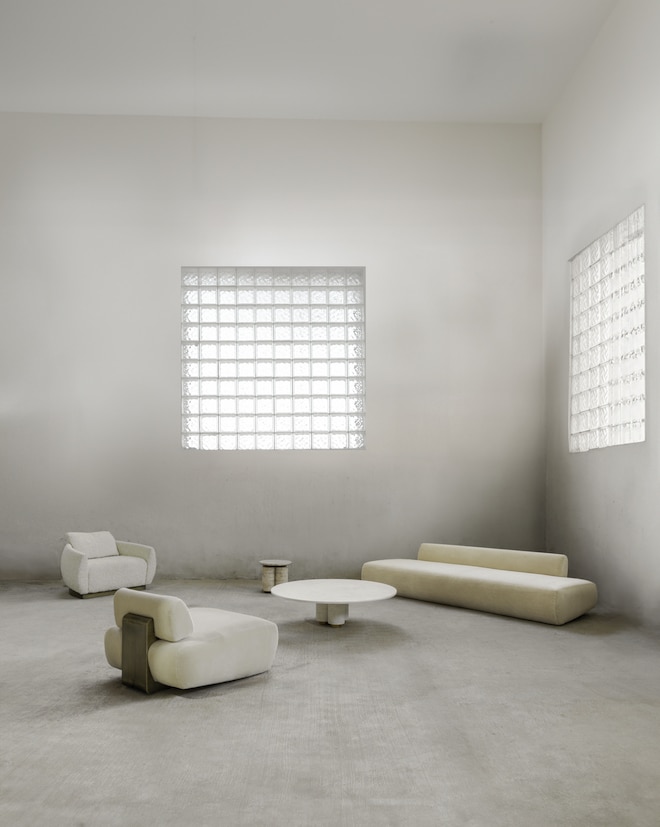
Brutalism is the movement I recognize most in my designs.
Scarpa, Isamu Noguchi, Buckminster Fuller, and Arne Jacobsen have all influenced me, but my inspiration extends beyond designers. I’m deeply influenced by historical architecture, particularly Egyptian and Aztec. Nature is another profound source of ideas for me; Its forms, shapes, and inherent perfection offer insights that no human design can replicate.
I don’t think too much about contemporary designers, but I do really like Vincenzo De Cotiis
Walter De Maria, Sol LeWitt, James Turrell, Michael Heizer, Paul Fägerskiöld, among many others.
I prefer to allow people to make their own projections.
“Nature is another profound source of ideas for me; its forms, shapes, and inherent perfection offer insights that no human design can replicate.”
The Questions
(The Proust Questionnaire is a set of questions answered by the French writer Marcel Proust.
Other historical figures who have answered confession albums are Oscar Wilde,
Karl Marx, Arthur Conan Doyle, Stéphane Mallarmé, Paul Cézanne…)
My family’s safety, being connected to nature, and having time.
Being stagnant.
Don’t have deplorable traits, don’t like to have that relationship with myself.
Mediocrity.
My mother.
I’d rather not say.
Calm and focused.
Chastity.
Nobility.
Kindness and strength.
“And that’s that.”
To be a space pilot.
To stop losing things around the house.
My future child.
Superman.
In a forest in the mountains near a river, close to the sea, and central enough to easily travel to a city. Somewhere like Northern Italy or Switzerland.
My company, ATRA.
Loss of power of self.
Astronaut.
I don’t give up.
Their company.
Murakami, Kerouac, Hemingway, and many more.
Luke Skywalker and the Count of Monte Cristo.
I don’t really relate to historical figures. It’s very a projective perspective since it’s only based on an idea of someone.
My parents, my life partner, my family, and my business partner.
I like Greek and Nordic god names—not one specific, but generally those types.
Laziness.
My regrets have become my most important lessons in life.
Happy.
You only live once.
“Finding your design language takes time, and it’s essential to move beyond references to create something truly original.”
SHARE :