Batten and Kamp
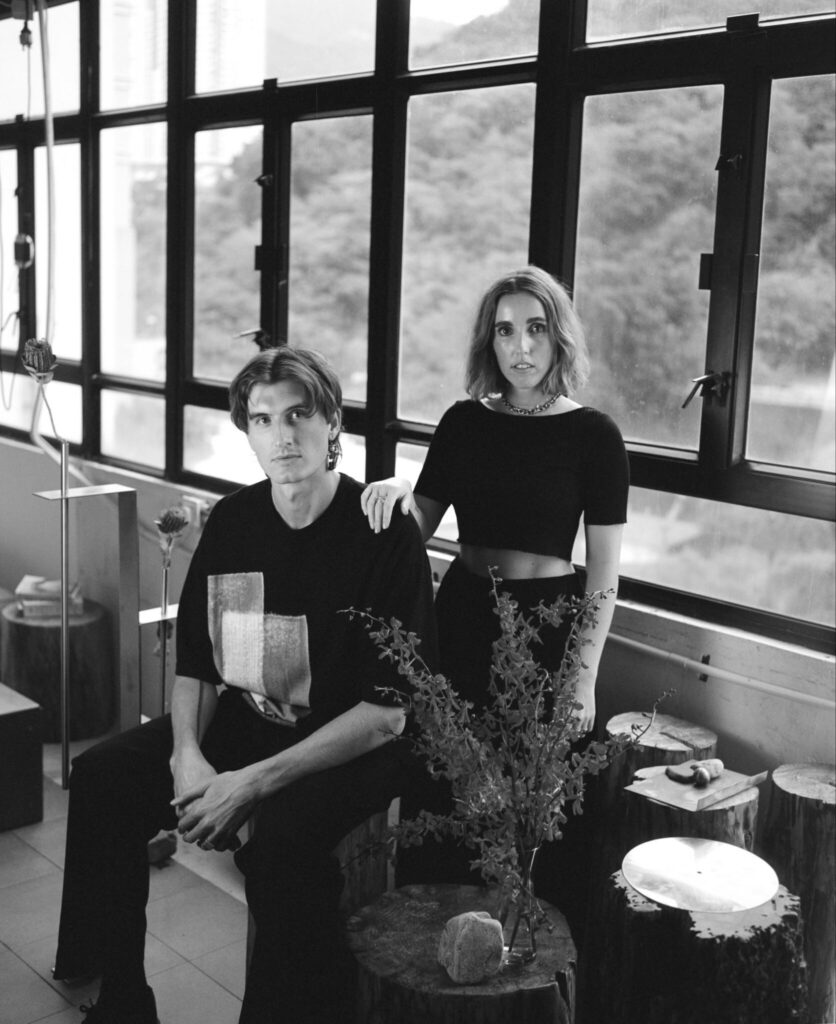
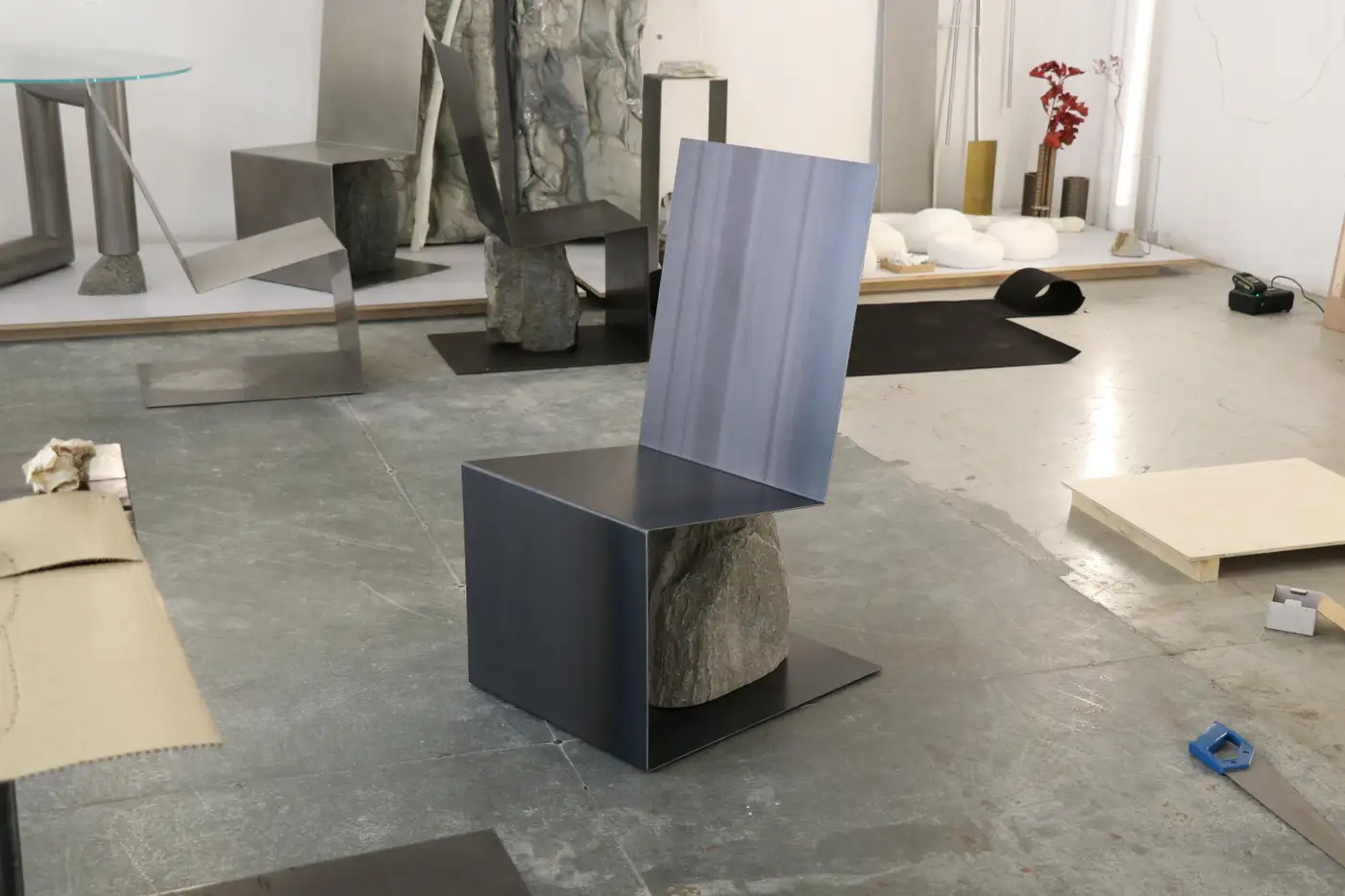
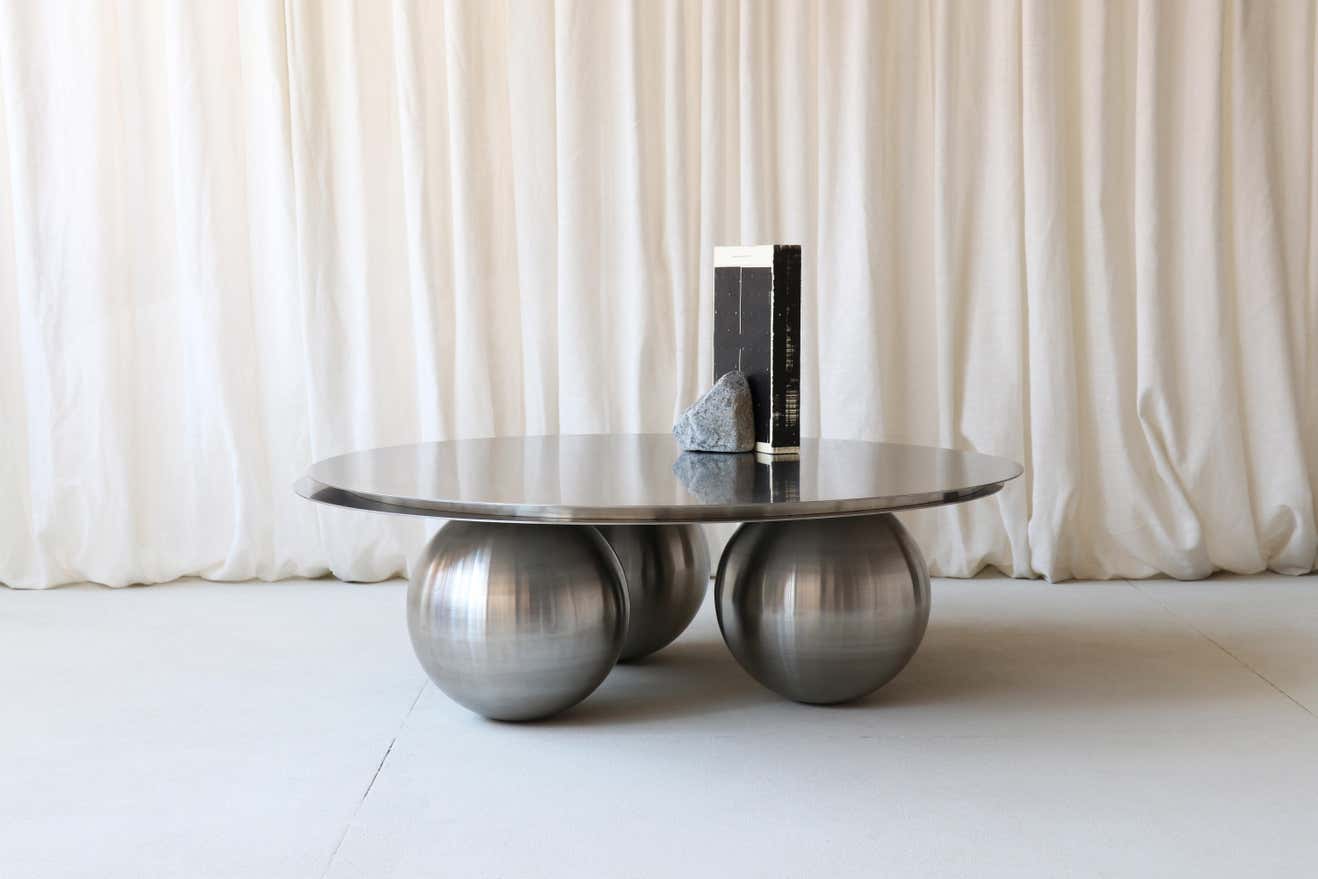
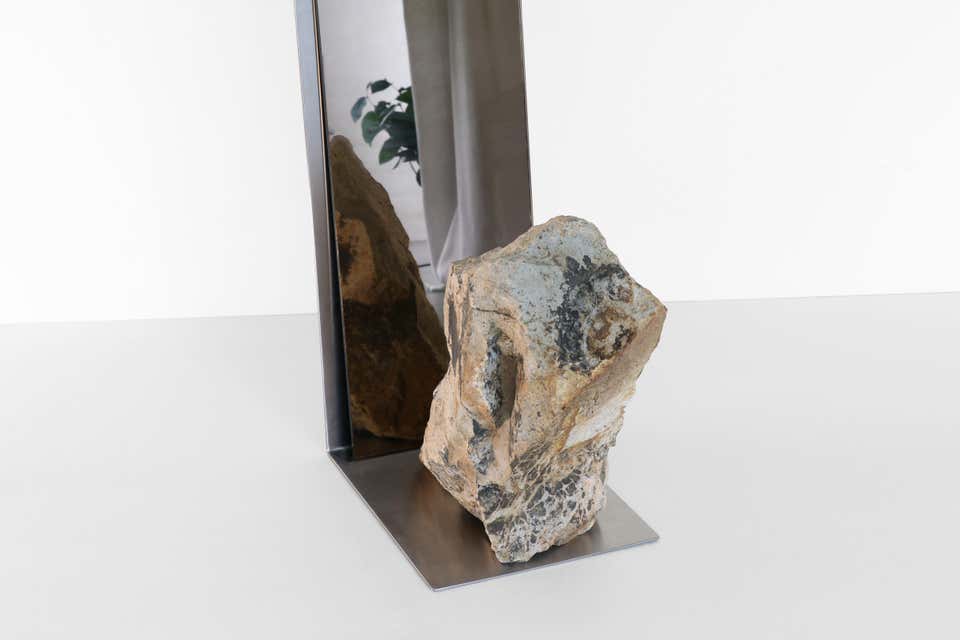
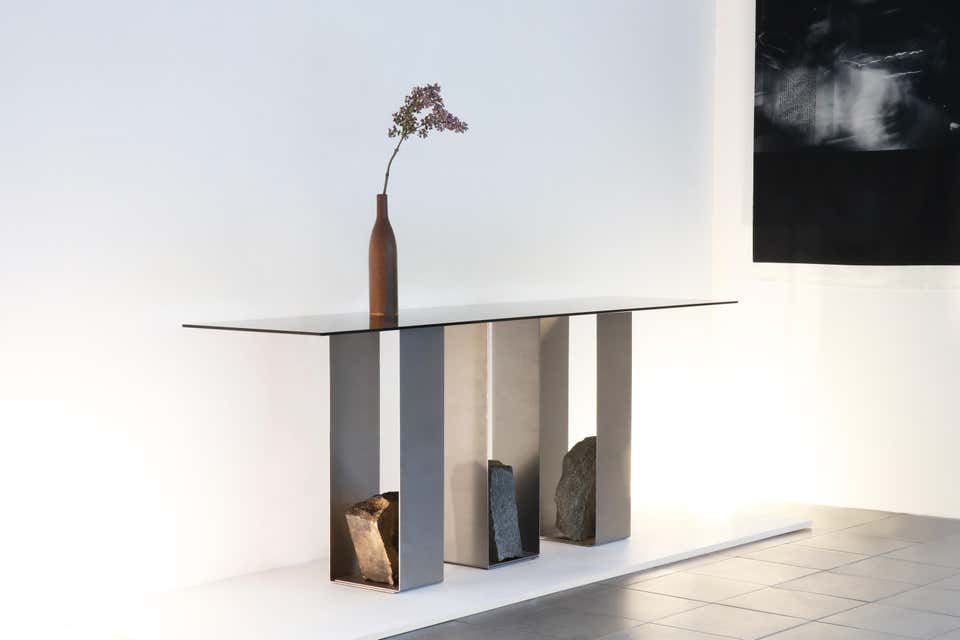
Batten and Kamp is the collaborative art and design practice of Alexandra Batten and Daniel Kamp, a New Zealand-born duo currently based between Paris and Hong Kong. Working at the intersection of art, design, and sculpture, they create functional objects distinguished by a conceptual approach that blends organic and industrial materials in refined, minimalist compositions.
Drawing inspiration from natural history, science fiction, and the landscapes of their New Zealand upbringing, Batten and Kamp develop works that explore contrasts between the primordial and the contemporary, the artificial and the natural. Through collectible furniture and sculptural pieces, the duo creates objects that are both thought-provoking and deeply connected to materiality, form, and human experience.
Interview
Dan: Born in New Zealand and raised partly on an isolated farm in the mountains and partly in the city.
Ali: Christchurch, New Zealand, to two very creative parents, my mother is an interior designer and writer, and my father is a gardener.
Dan: Punk culture as a teenager.
Ali: My grandfather was a landscape painter as a side passion. Although he was not a part of the art world, he used art to express the soul of the place, which seemed like a magical idea as a child.
Dan: Yes, other than working on my Dad’s farm as a teenager, I have only ever really worked for myself as a designer. After university, my two best friends and I started a product and interior design practice in New Zealand called Think and Shift, which still exists now. After tiring of commercially driven design, I drifted more toward design as a sculptural endeavour.
Ali: Yes, I studied and practiced Interior Architecture right up until we started Batten and Kamp. Art and design have been a core to our personal relationship, passions, and conversations since Dan and I first met in university.
As New Zealanders, the natural environment is part of our cultural and aesthetic DNA, in both the physicality and materials of the natural world, but also the intangible forces and ideas within nature. We are realising more and more that so much of what inspires us comes from our homeland. In saying that, Hong Kong is very much our home too, and we are hugely inspired by the industrial, natural, and cultural qualities of this city.
For us, the beginning of an idea starts with exploring the city, long walks, and a lot of conversations. It is one of the perks of working with your partner; there is so much more time. Particularly for Dan, there is no endpoint to an idea; he likes to continue to develop and discuss something right until the last minute, and in that sense, each piece can be seen as an evolution for the last and a prototype for the next.
We live and work in the same space, which is wonderful because it gives us more time at the start and end of the day. Almost every morning, we get coffee and sit on the waterfront near our studio before beginning work. Our days are varied, lots of conversations, lots of time in the workshop or re-arranging our studio, which helps us to formulate ideas, and ideally, no more than one client meeting a day. Of course, there are the really busy days where we work in hyperfocus, but generally, we are trying to establish a pace and rhythm to our work that has longevity. We hope that we are lucky enough to do a version of this forever, and if that is the case, we can’t afford to build burnt-out into our day-to-day.
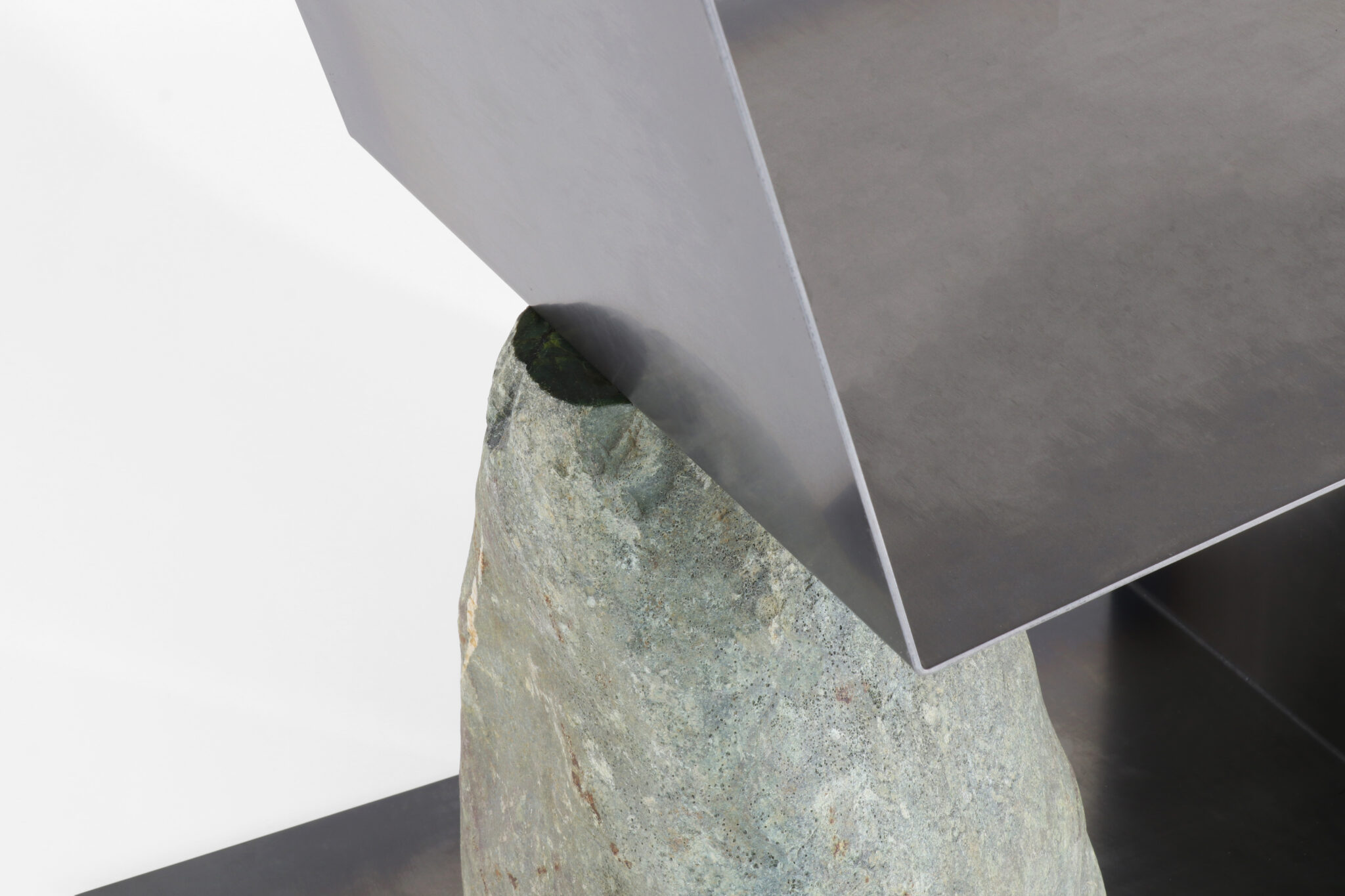
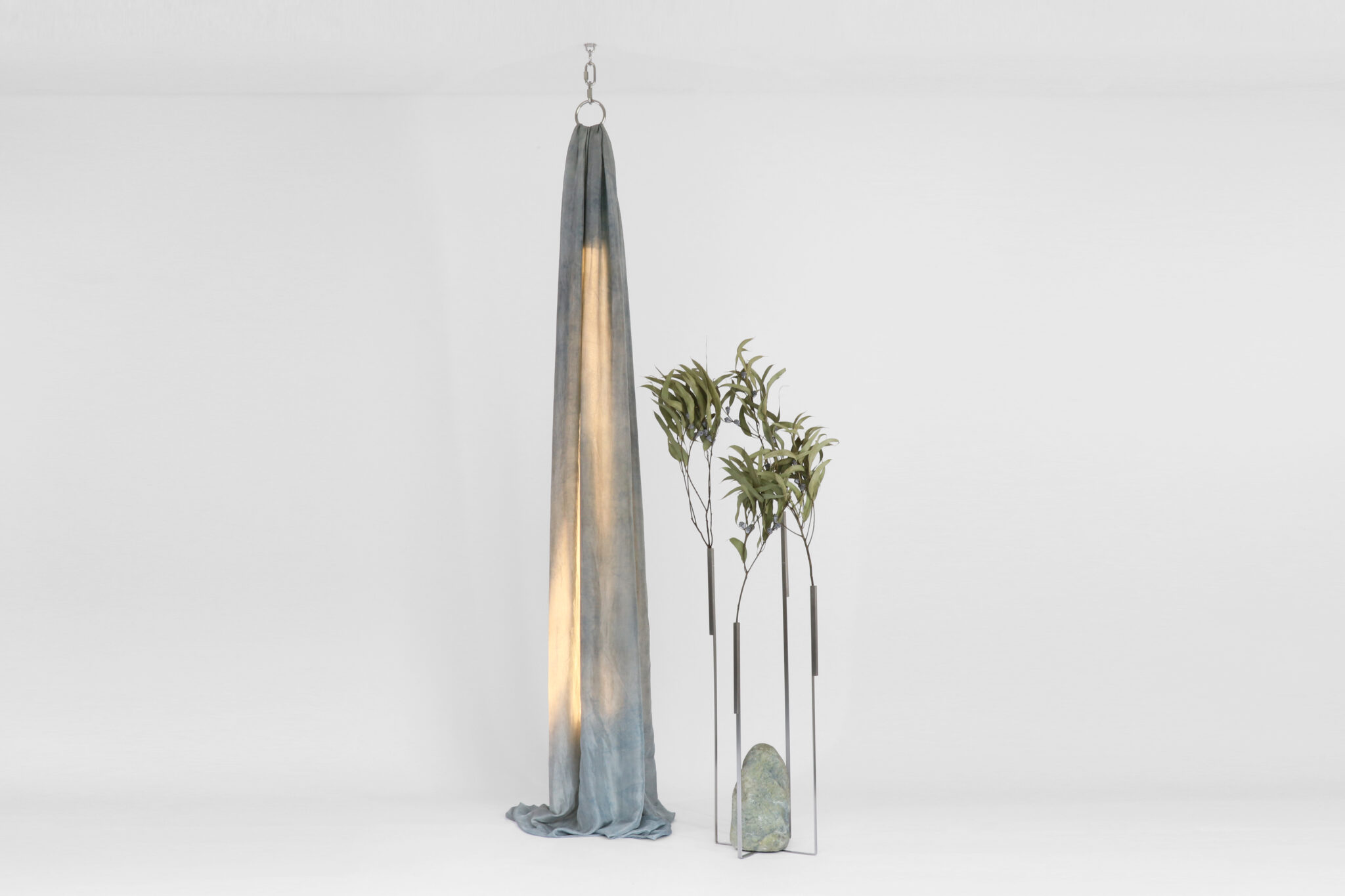
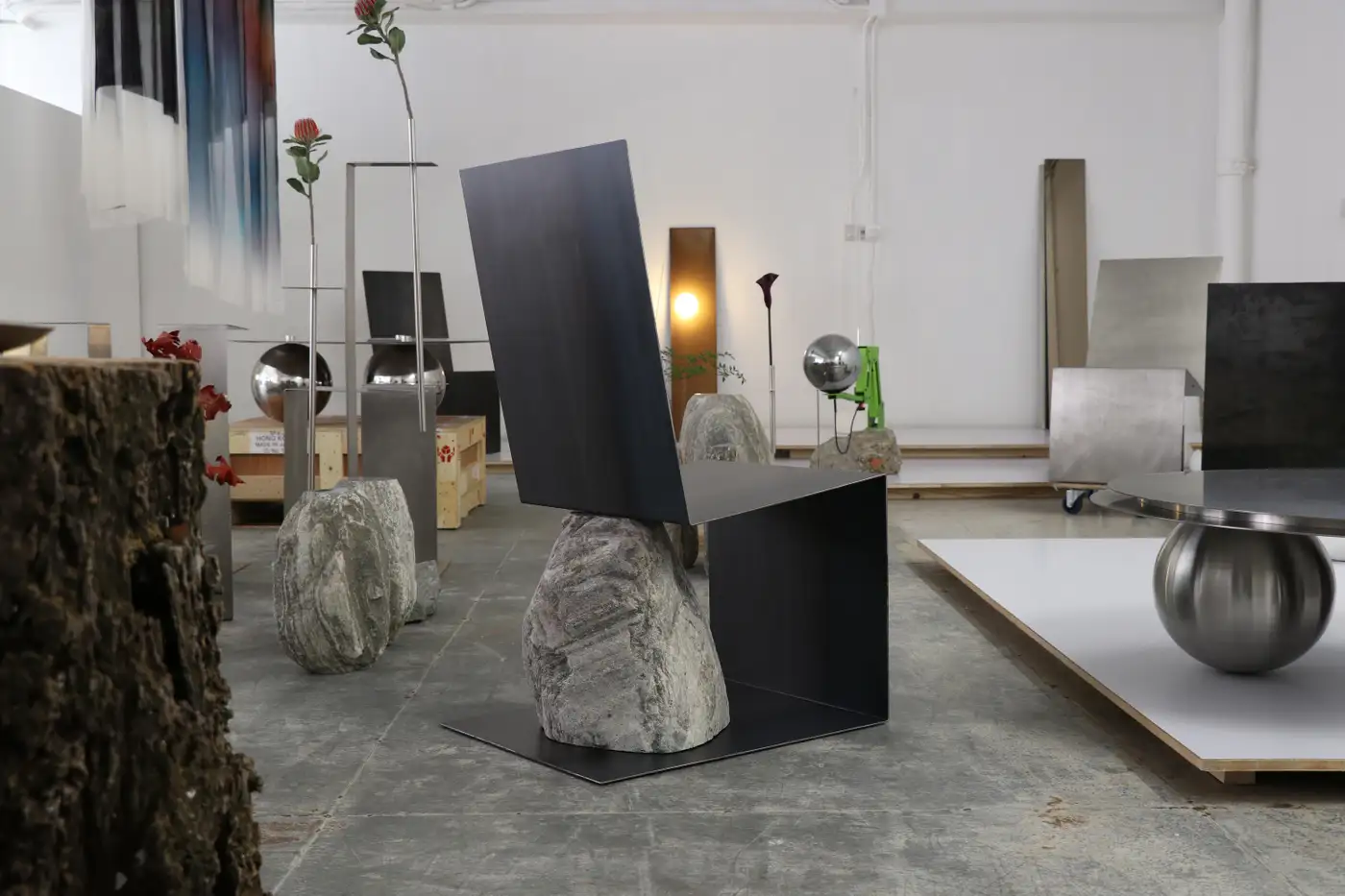
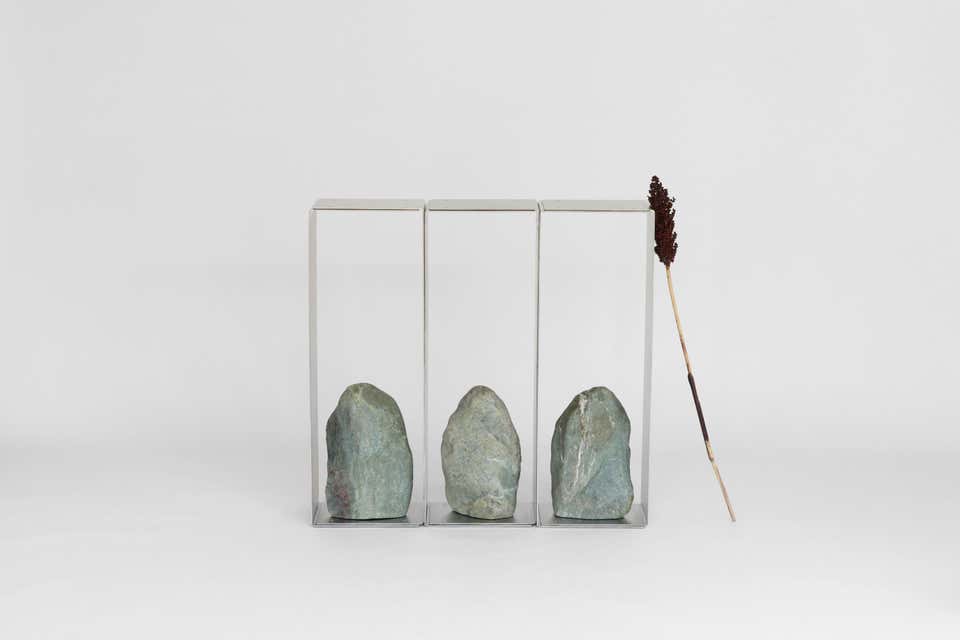
I love the stillness of stone and the everyday beauty of industrial materials. These materials have been our particular focus for the last few years, but we care to explore new directions within the same ethos.
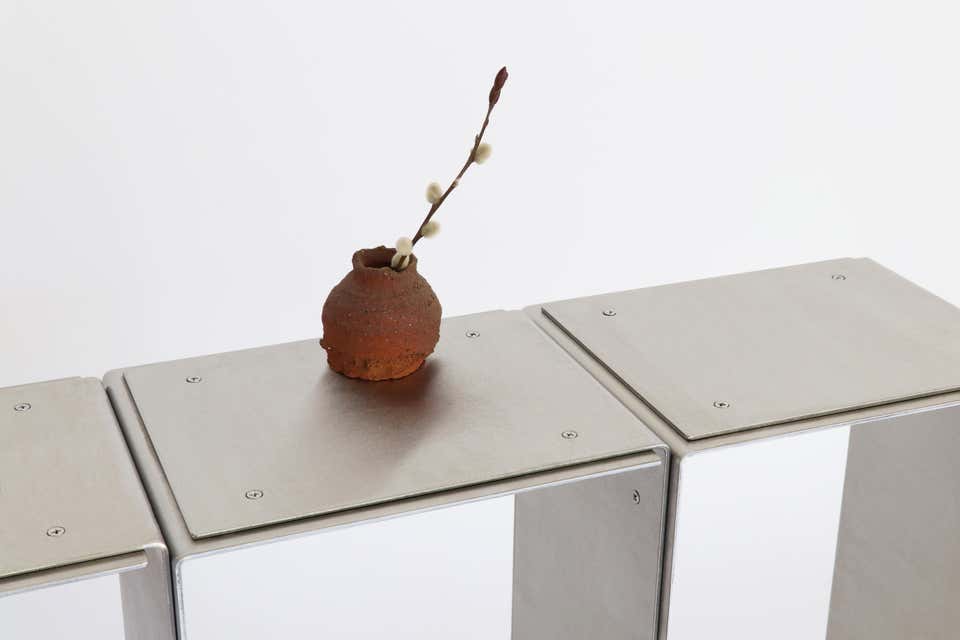
We approach the making of our pieces with as little intervention as possible. Either things aren’t fixed together, or they are done so in a way that is honest; no tricky hidden details and all nuts and bolts on display and celebrated. Every part of the piece matters, and the conventional hierarchies between materials are often challenged.
Ali: Contemplative.
Ali: Work on yourself, explore your own ideas and your own interests. Take inspiration from all of the incredible talent in the world, but don’t try to find success by emulating others. The most interesting work you will do will be a reflection of your own story. These are all the things I am constantly telling myself.
Dan: Design is so deliberate. One of the hardest things I have found working as an artist is unlearning that deliberacy and engaging more directly with my intuition. In other words, listen to Ali.
Our training was more Euro-centric, and our current context brings Asian influence to the work, but ultimately, our work is reflective of our New Zealand upbringing. If we were to attach it to a particular movement, perhaps it would be to the one currently happening in New Zealand. It feels like the country is really starting to find its contemporary aesthetic identity.
Dan/ Ali: Noguchi, Formafantasma, Rick Owens, Axel Vervoordt, Andrea Branzi, Tadao Ando
Dan/ Ali: Wonmin Pak, Faye Toogood, Bijoy Jain.
Dan/ Ali: Lee Ufan, Nick Cave, James Turrell, Dane Mitchell.
“Each piece can be seen as an evolution of the last and a prototype for the next.”
The Questions
(The Proust Questionnaire is a set of questions answered by the French writer Marcel Proust.
Other historical figures who have answered confession albums are Oscar Wilde,
Karl Marx, Arthur Conan Doyle, Stéphane Mallarmé, Paul Cézanne…)
Dan: Space.
Ali: Time and nature.
Dan: Losing my sanity.
Ali: Not reflecting who I believe I am.
Dan: Neurosis.
Ali: Irrational fear.
Dan: Narrow-mindedness.
Ali: Lack of critical thinking.
Dan: I don’t spend much time thinking about this so can’t answer.
Ali: Both my parents.
Dan: Being as picky as I am about the work I want to do.
Ali: The fact that we don’t cook.
Dan: Calm.
Ali: Excited anticipation.
Dan: Surety.
Ali: Tirelessness.
Dan: Respectful masculinity.
Ali: Gentle yet confident.
Dan: Strength.
Ali: Self care.
Dan: “should we get curry for dinner?”
Ali: “I haven’t quite thought this through, but…”
Dan: Money retention.
Ali: To be able to paint.
Dan: Over thinking.
Ali: Nervousness.
Dan: Having survived without following the normal path.
Ali: Being someone that my younger self would be proud of.
Dan: Black Kite (so I can hang out with Ali).
Ali: The wind.
Dan: Where we are currently, in Hong Kong.
Ali: In the mountains by a river…probably in New Zealand.
Dan: My past sketchbooks.
Ali: My Jewelry.
Dan: Hopelessness.
Ali: Fear.
Dan: Sculptor.
Ali: Florist.
Dan: Tall.
Ali: Joyful.
Dan: Conversation.
Ali: Laughter.
Dan: I only read non-fiction so no one in particular.
Ali: Ocean Vuong, Haruki Murakami, my Mother.
Dan: Porko Rosso.
Ali: Cheng Xin.
Dan: I can’t think of a way to answer this question that isn’t arrogant.
Ali: A generic, recluse farmer (however, my first thought was Genghis Khan but… you know).
Dan: My mother.
Ali: My family, Dan.
Dan/Ali: We genuinely don’t have an answer for this.
Dan: The idea that humans are apart from nature and inherently bad.
Ali: Closed mindedness.
Dan: Not learning an instrument.
Ali: I tend to worry and not regret.
Dan: I want my final act of design to be something that I feed my body to. I have thought about this for years.
Ali: In the mountains, by a river.
Dan: Rice is life.
Ali: Choose yourself first.
“The natural environment is part of our cultural and aesthetic DNA.”

SHARE :