Carla Baz
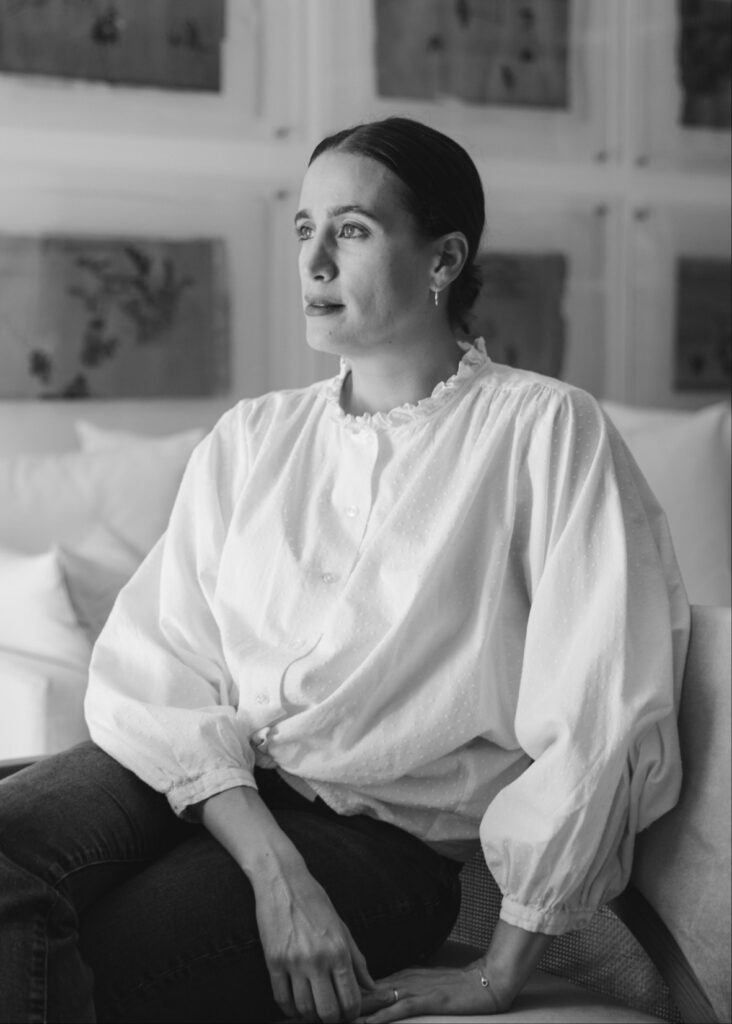
Carla Baz is a Lebanese designer whose practice explores the dialogue between contemporary design and traditional craftsmanship. Trained in Interior Architecture at Penninghen in Paris and Product Design at ECAL in Lausanne, she founded her studio to develop collectible furniture, lighting, and interiors rooted in material experimentation and artisanal know-how.
Working between Beirut and Dubai, Baz collaborates closely with skilled artisans to create sculptural pieces that reinterpret regional craft traditions through a contemporary lens. Her work is defined by a refined balance between ornament and restraint, combining materials such as brass, metal, marble, resin, and wood in designs that celebrate both cultural heritage and innovation.
Interview
I was born and raised in Beirut, Lebanon.
I remember visiting the Sursock Museum in 1994 after the civil war, where Lebanese sculptor Nadim Karam was exhibiting ‘Archaic Procession’, a collection of enormous metal sculptures of weird and wonderful creatures. As a child, I was completely intrigued by these creatures and thought they were magnificent.
Yes, I studied Interior Architecture initially at Penninghen in Paris before moving to Switzerland, where I had the tremendous chance to study Product Design at ECAL under Pierre Keller. I subsequently worked for household names in Fashion & Architecture, namely Burberry, Vivienne Westwood, and Zaha Hadid, before returning to Lebanon to set up my own design studio and explore my own lines.
I’ve always been very interested in craftsmanship and the beautiful relationship between the hand that draws and the hand that makes it. Being Lebanese, we have a very strong artisanal heritage and I always felt like I wanted to explore cultural identity through the transmission of these knowhows. I decided to root my practice in this dialogue between the designer and the maker, modernizing techniques while respecting the craft itself.
My creative process involves a conversation between myself and the artisans I closely collaborate with. Every piece is the result of an extensive exchange whereby we each challenge each other’s perspective in order to reach a mutually convincing result. To me, design is a form of dialogue so it only makes sense that it unfolds in the form of an ongoing conversation.
I wake up very early because I like to start my day with some quiet time to gather my thoughts and think about whatever I am currently working on. It’s a kind of meditation where I get most inspired. I usually then visit my artisans’ workshop depending on the piece I am working on and will typically spend the day there undergoing several experiments and prototypes, having coffee, and discussing the progress. To me, design is a dialogue.
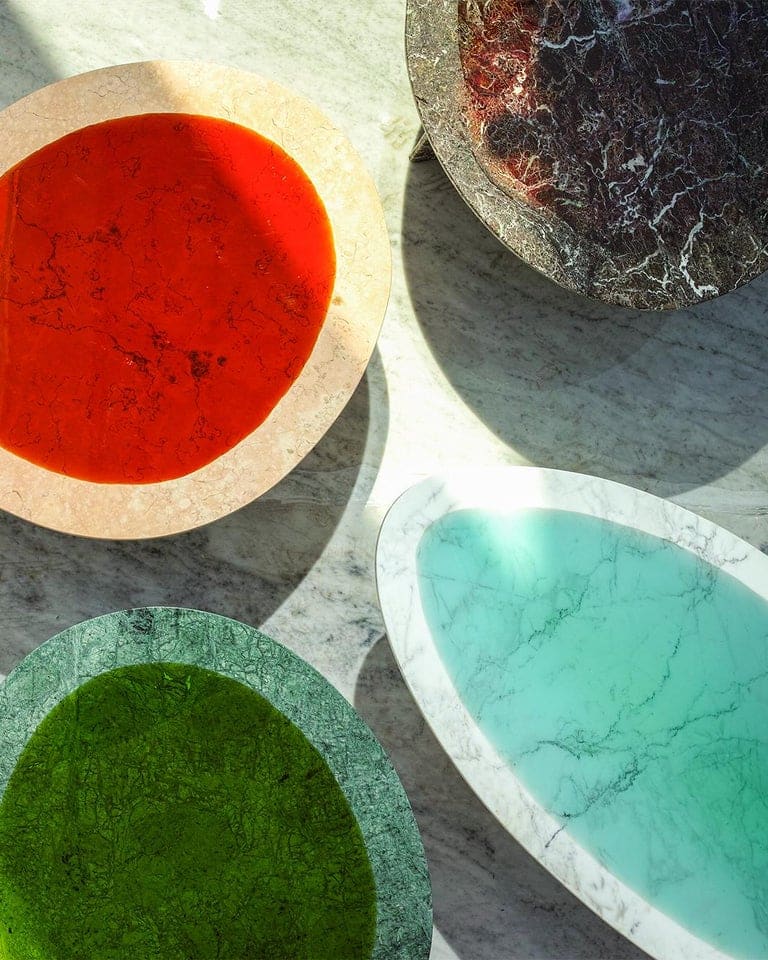
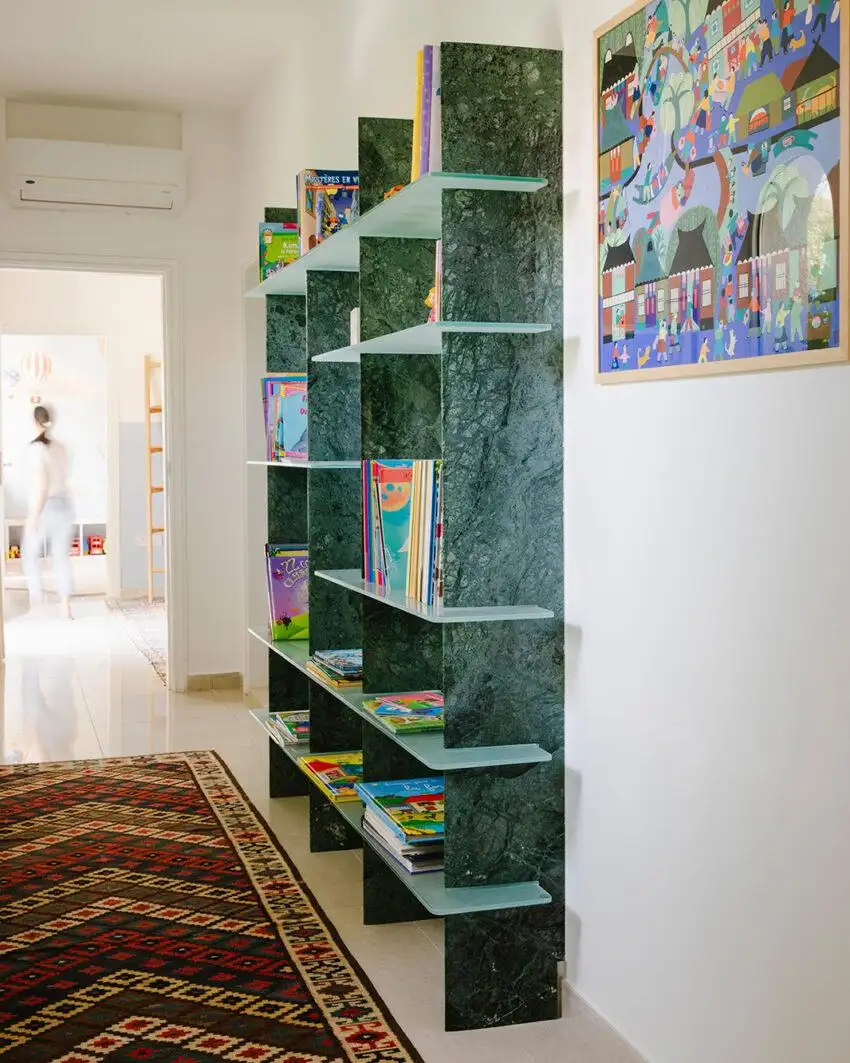
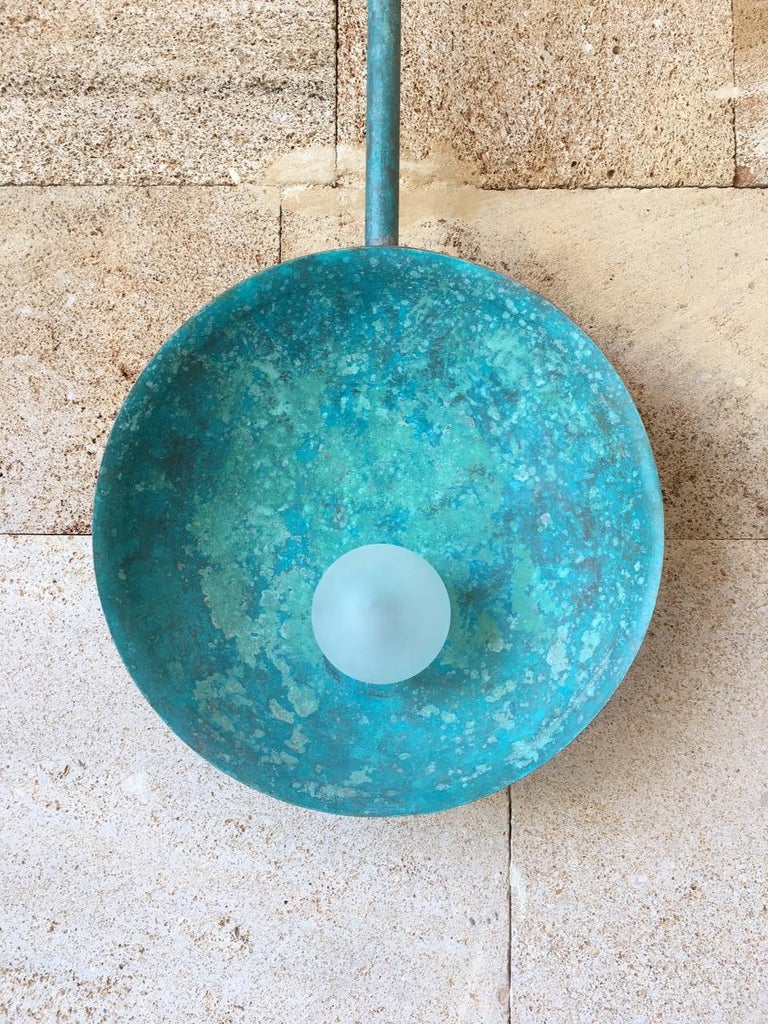
I chose to work with materials and techniques that were specific to Lebanese craftsmanship, whether brass, metalwork, or carpentry, and then slowly started experimenting with pushing the techniques further, incorporating resin, marble, and enamel. My inspiration was to root my work in traditional local handicrafts while finding new ways to interpret their technique.
Mainly to find the proper balance between respecting the essence of handicraft and the relationship between the craftsman and his medium, and modernizing the approach, resulting in pieces that are innovative, clean, ornate, and sculptural.
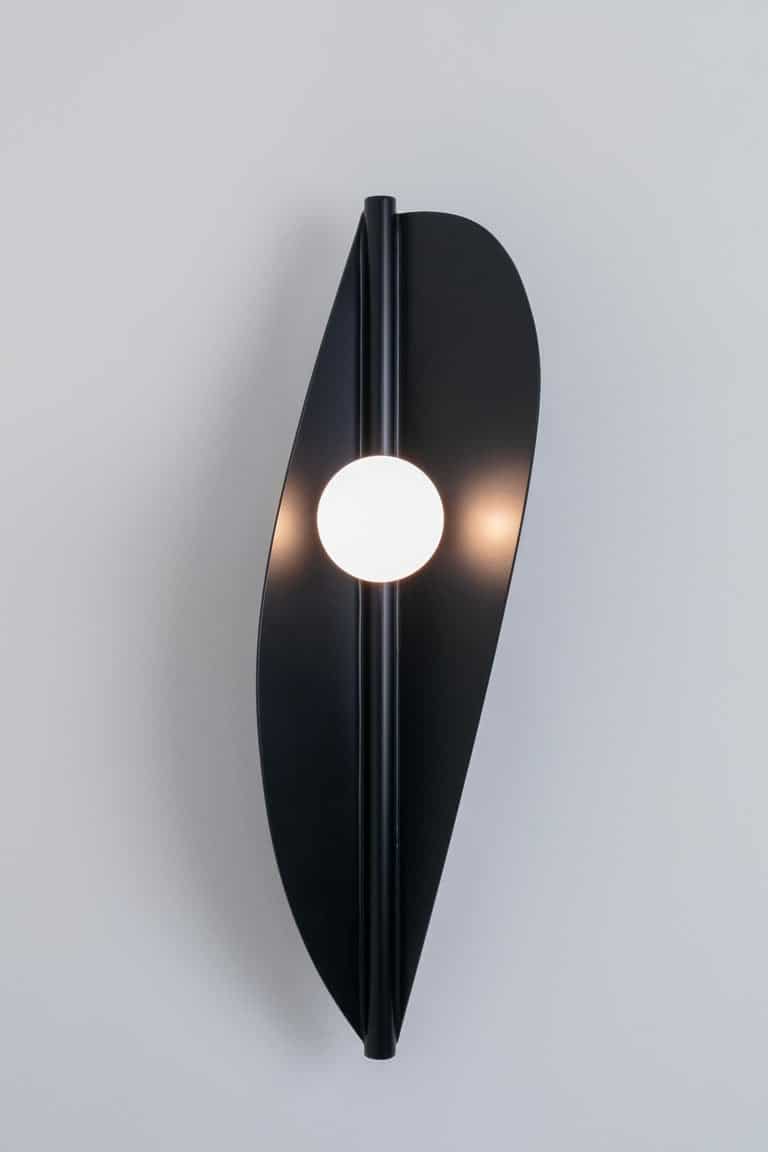
Just to take an active part in the production process and understand how things are made. Artisans and makers are incredibly knowledgeable and passionate and I believe by spending time learning how they make things and their attention to detail profoundly inspires the designing process.
I think it is difficult to dissociate our creations from the historical, socio-economical context they are born into. I believe my work is quite rooted in the big interrogations of our contemporary world: How to be more conscious, intentional, responsible, and innovative in a world that is so fast-paced and where AI is starting to occupy more space. I think the true question is how can we keep design moving rather than feeling stuck if that makes sense?
I’ve had the chance to study at ECAL under the guidance of fantastic designers who have inspired me, and I started my career working for Vivienne Westwood and Zaha Hadid, so these experiences inevitably influenced my approach, perhaps not so much aesthetically but more so in their dedication, vision, and creative sovereignty.
Patricia Urquiola, Pierre Charpin, and India Mahdavi.
I love Hanibal Srouji, Etel Adnan, and Miya Ando. Their work is poetry, and that sensibility is the essence of true humanity.
Works that are at once sculptural and practical, ornate and clean, strong and subtle.
“To me design is a form of dialogue so it only makes sense that it unfolds in the form of an ongoing conversation.”
The Questions
(The Proust Questionnaire is a set of questions answered by the French writer Marcel Proust.
Other historical figures who have answered confession albums are Oscar Wilde,
Karl Marx, Arthur Conan Doyle, Stéphane Mallarmé, Paul Cézanne…)
Being next to the sea.
Losing a loved one.
Laziness.
Unkindness.
My mom.
Collecting Art.
Enjoy the moment.
Truth…this should be a given in any interaction.
Integrity.
Courage.
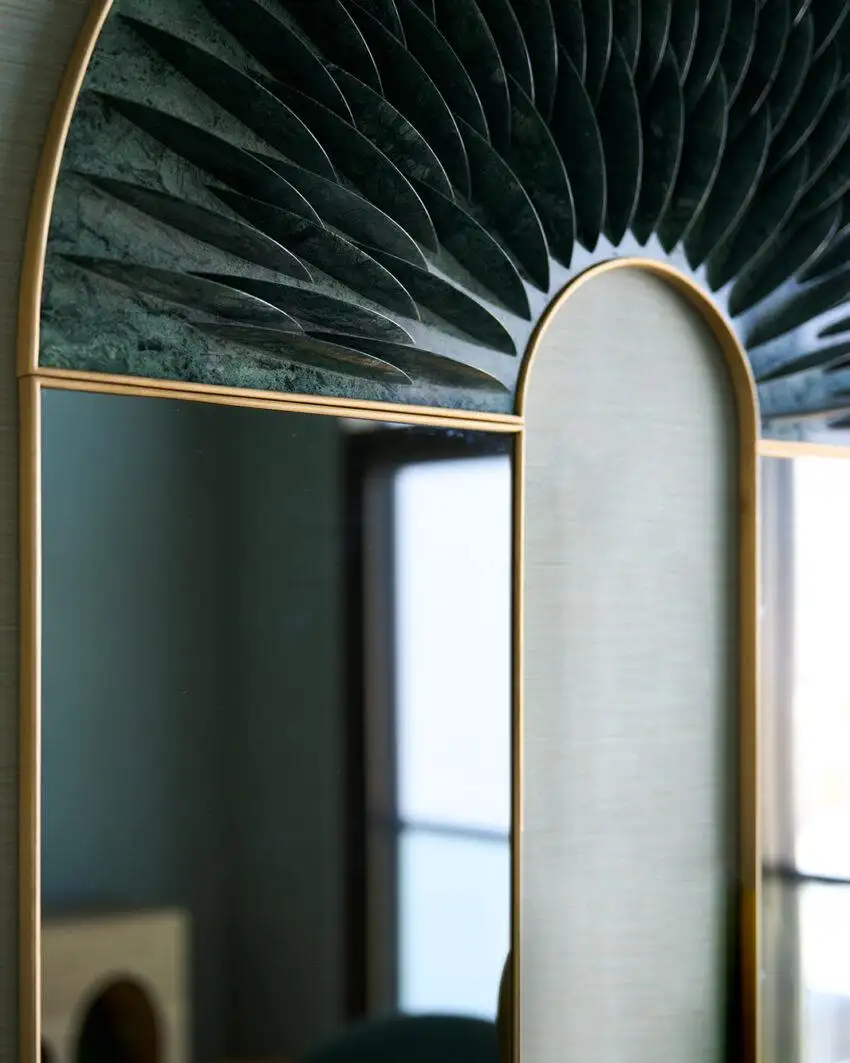
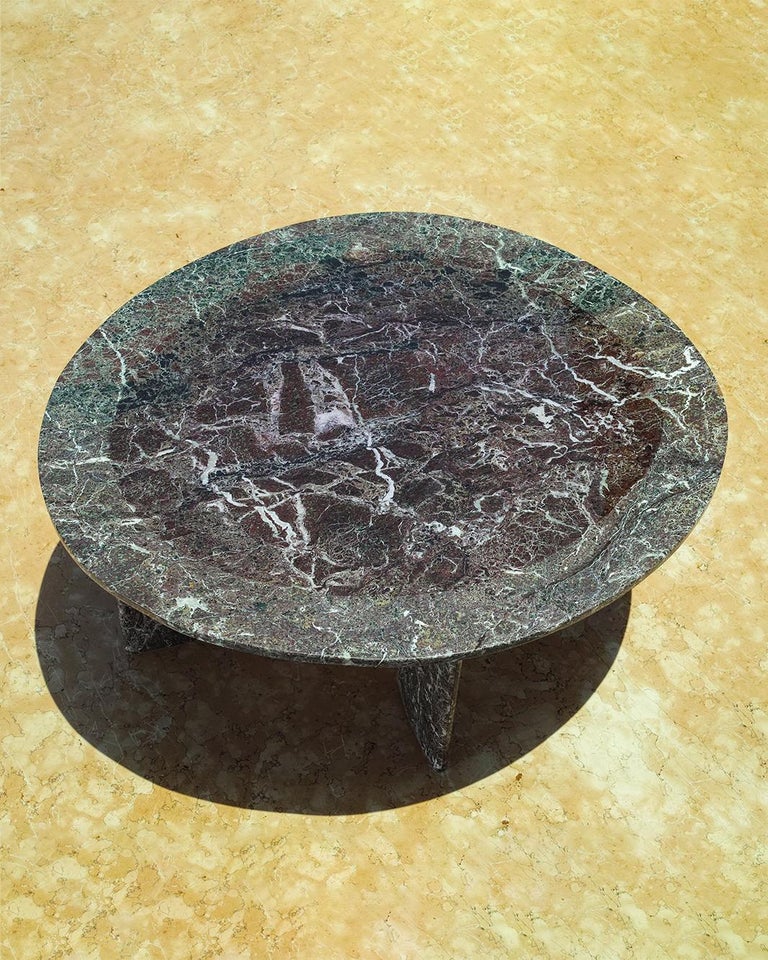
AKID (which means “definitely” in Arabic).
Playing a musical instrument.
Overthinking.
My family.
A Cedar tree.
On the Mediterranean.
My engagement ring designed by my husband.
The inability to have empathy.
Designing.
Dependability.
Consistency.
Milan Kundera, Haruki Murakami, Leila Slimani to name a few.
Eleven from Stranger Things.
I wouldn’t know.
Teachers.
Karim and Jamil.
Dishonesty and injustice.
Overthinking.
In my sleep.
You Do You.
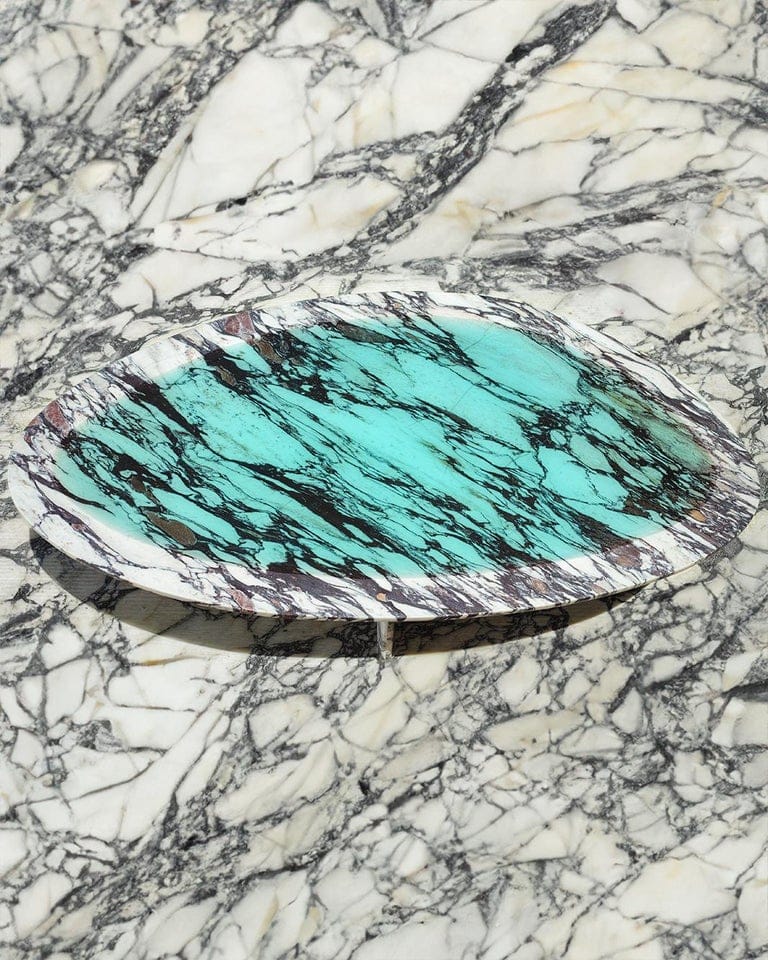
“My inspiration was to root my work in traditional local handicrafts while finding new ways to interpret their technique.”
SHARE :