Clément Thevenot
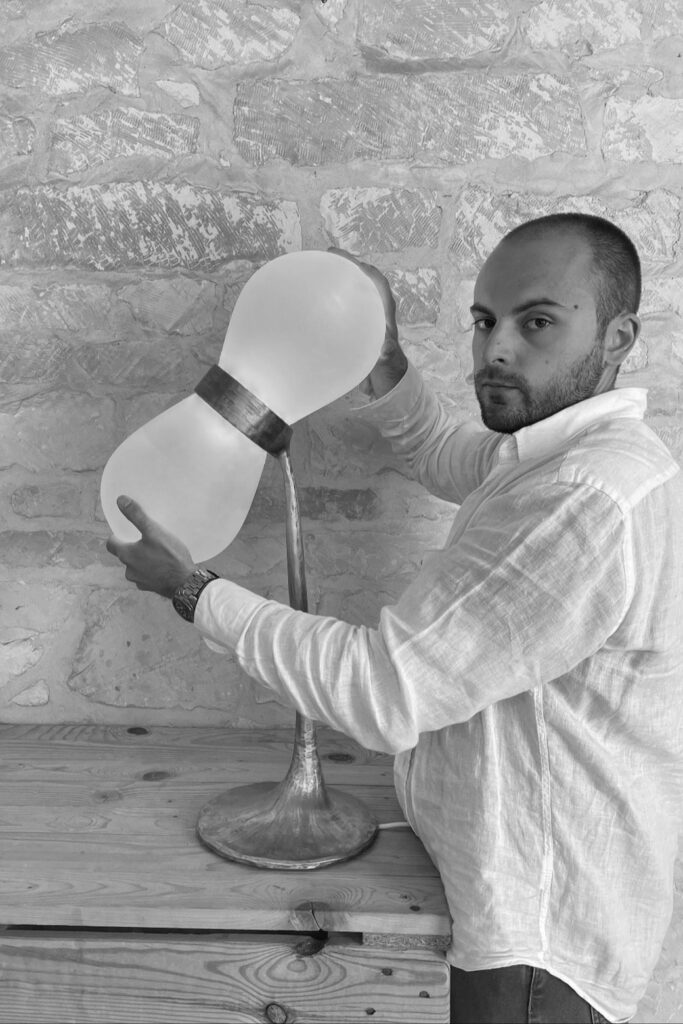
Clément Thevenot is a French designer born in Normandy in 2000. Working across collectible design, art, and craftsmanship, he leads a multidisciplinary practice that explores the relationship between objects, space, and imagination.
Educated between the École Supérieure de Design de Troyes and the Pontifical Catholic University of Rio de Janeiro, Thevenot developed a design approach shaped by both cultural exchange and material experimentation. Early experiences in an art foundry and alongside designer Vincent Dubourg further informed his interest in creating objects that extend beyond functionality and engage with narrative and emotion.
Drawing inspiration from the Radical Design movement, his work blurs the boundaries between art and design, resulting in sculptural pieces that challenge conventions and invite new ways of experiencing the domestic environment.
Interview
I was born in the Normandy region of France in 2000. I have always lived in the countryside with an environment close to nature.
I have always evolved in the fields of design and art. There was a period when I became more oriented towards craftsmanship, which allowed me to acquire in-depth knowledge in many skills and to subsequently fully invest myself in design. In my opinion, the boundaries between the disciplines of design, art, and crafts are quite permeable because they share an essential creative and artistic dimension.
When I was a child, six or eight years old, I was not a prodigy, but I spent my days drawing airplanes, animals, flowers, all these things that aroused my curiosity on a daily basis. A few years later, I started making all sorts of things: wooden planes, which flew no better than a dead leaf, inventions, mechanisms that often only worked halfway or not at all. However, it didn’t matter, because what really mattered to me was getting up every morning with a project that I was passionate about. After my school career, I naturally went to a design school. My experience in this institution encouraged me to continue on this path, and to become the creative and passionate adult that I am today, a big kid in a way. I can’t really say exactly what drew me to design, it’s something innate to me.
My creative process is a constant balancing act between an abstract universe and manual work. It is a subtle harmony. I often find my inspiration in the material itself and its exploration, but also in free drawing and any form of artistic expression, such as sculpture or photography. It is a true symbiosis between my hands and my creative mind. This dialogue develops in the heart of the workshop, taking the form of a back-and-forth, until I manage to give life to the idea that resides in my mind. Finding this very fragile balance is difficult; it can take a week, six months, or a year.
This creative energy is essential to my own personal balance. Too much time in the studio makes me unhappy, as does too much time devoted to the abstract. I draw my inspiration from tools, ancient and contemporary know-how, nature, history, humanity, their habits, my travels, and my books. Everything becomes a source of influence for me, guided above all by my curiosity with its gargantuan appetite. My curiosity is the genesis of my creative process.
I don’t really have a typical day at the workshop because projects are constantly being created and reinvented. It is often hard to follow, but it is also very stimulating on a daily basis. But I have to say there is always music.
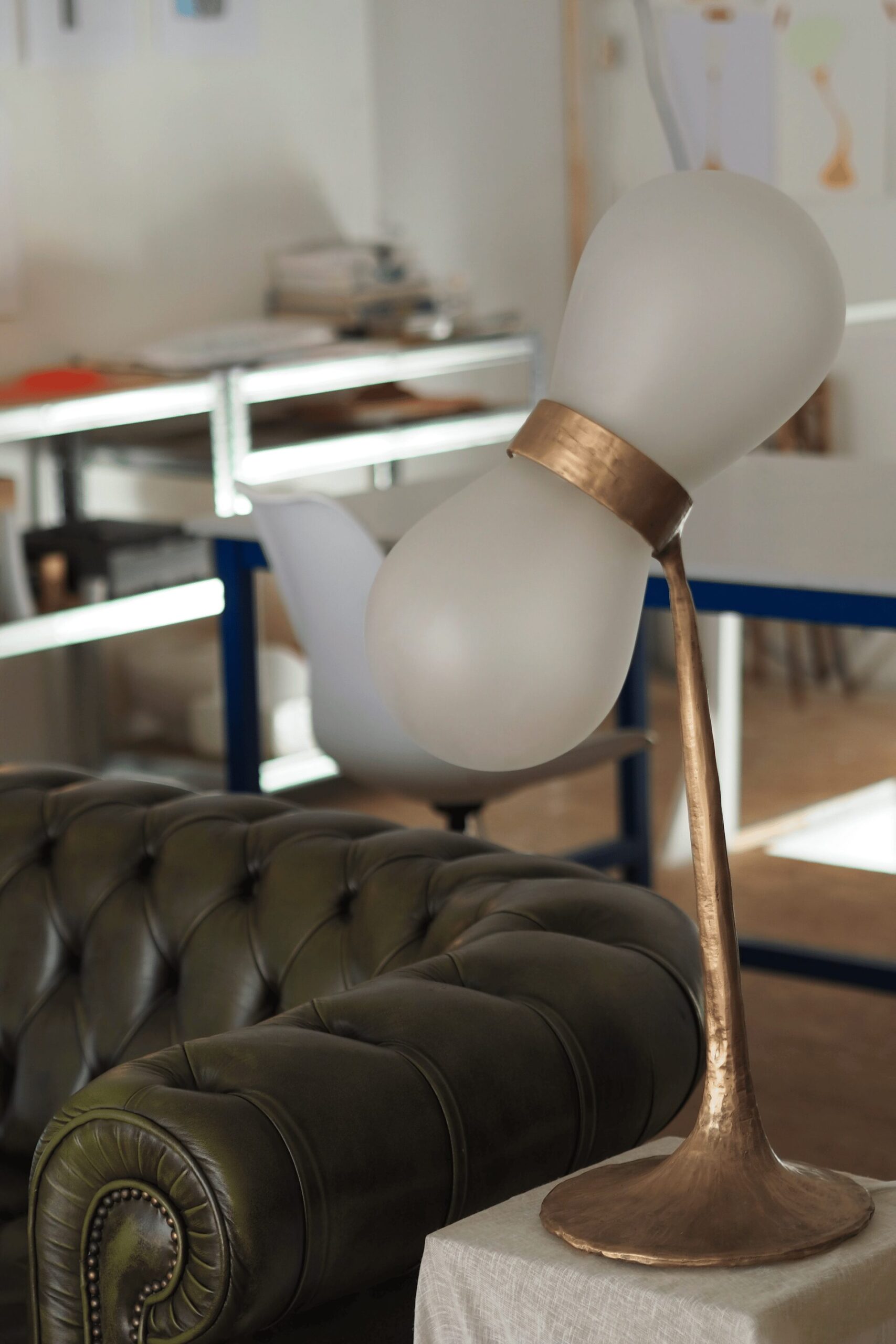
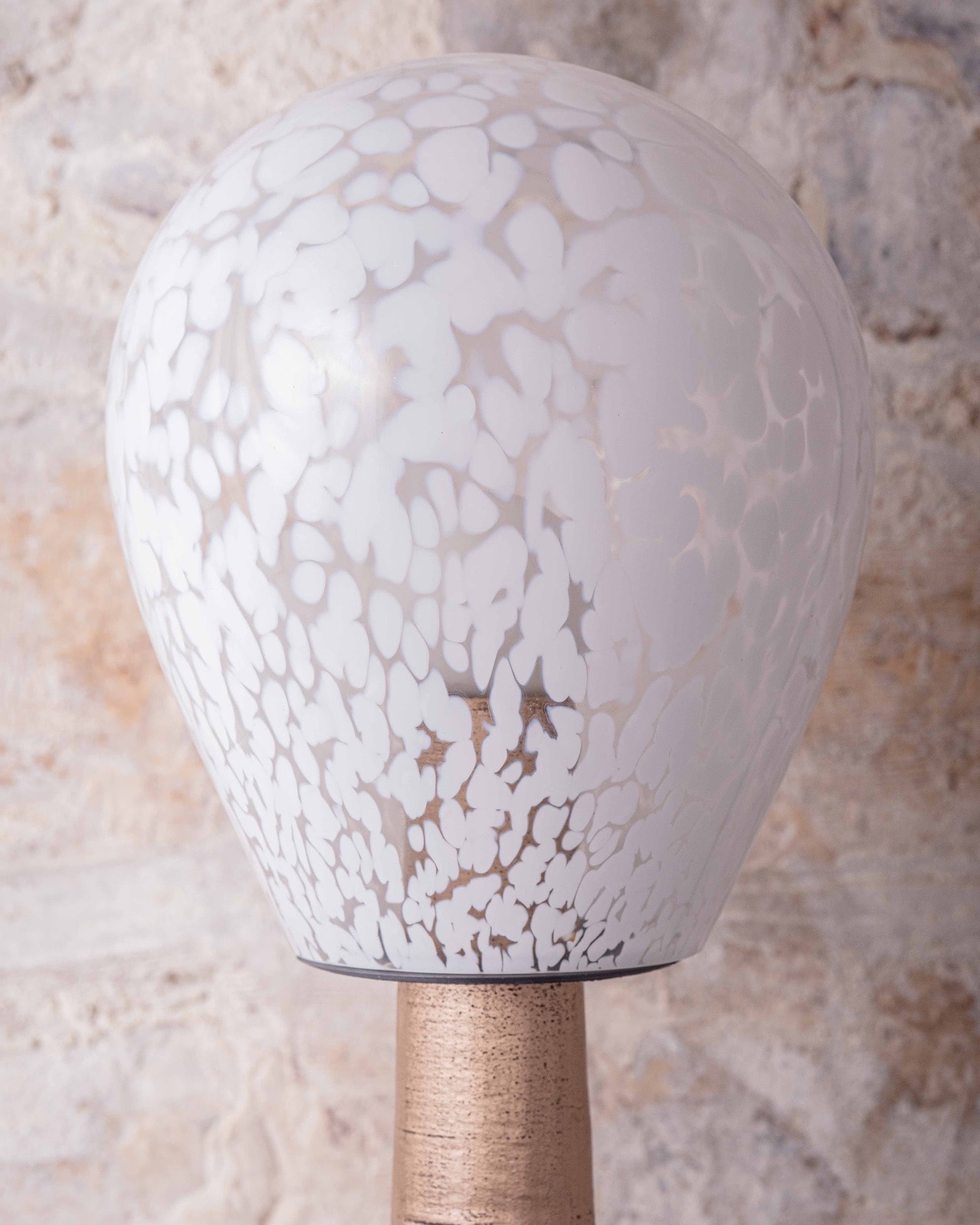
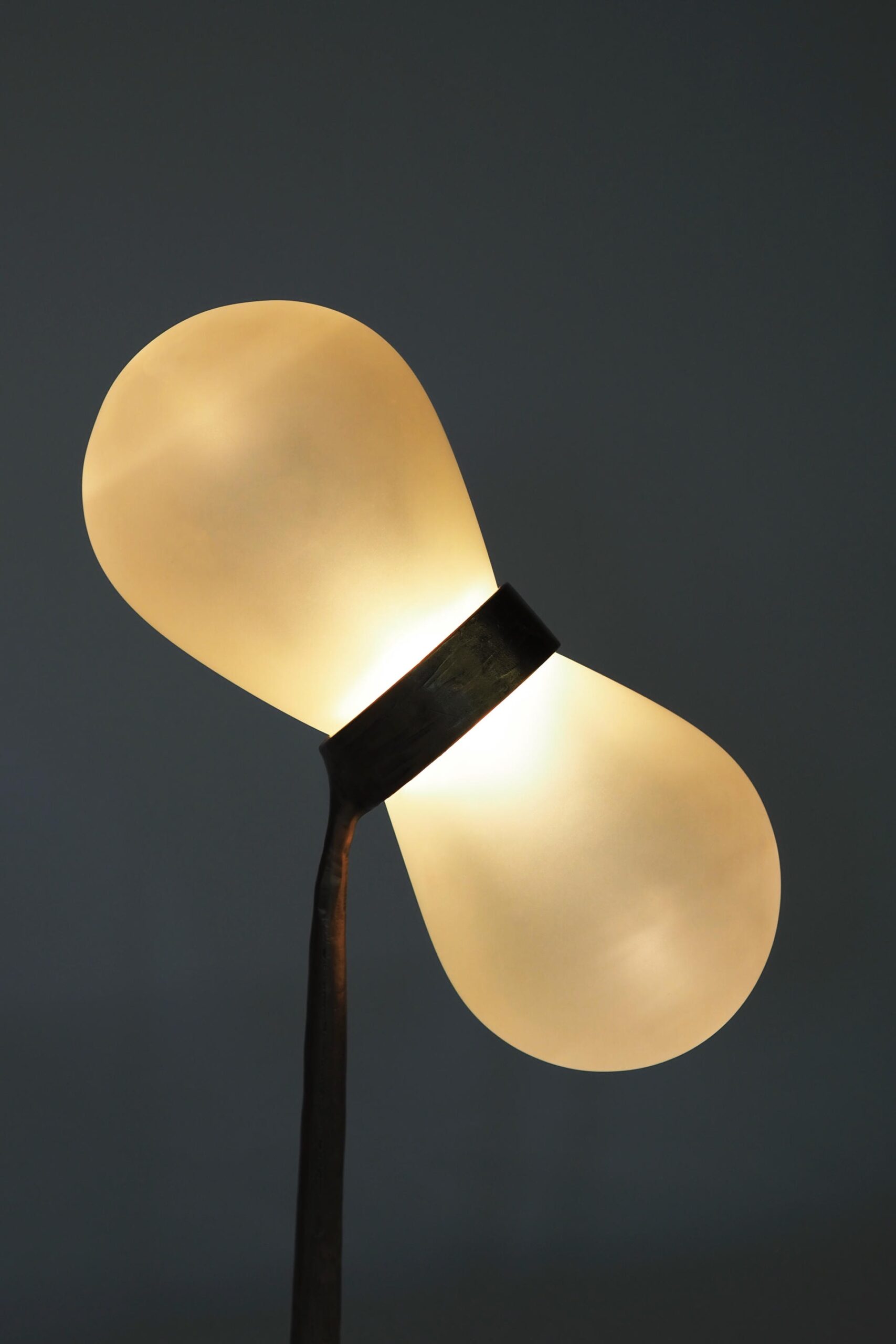
I chose to work with glass and bronze because these materials intrigue me deeply, and no doubt will always intrigue me. They have a lot in common, like fusion, their composition, etc. The know-how surrounding them has existed for thousands of years; their minerals have inhabited the soil of our planet since the dawn of time. Their history is closely linked to that of humanity, unfolding in a thousand forms. In Mesopotamia, small statuettes and jewelry were already being made from glass paste and bronze. These materials, and the processes that accompany them, have evolved alongside man; I find that infinitely inspiring. These are materials filled with psyche and belief, magic, as E.Sottsass says.
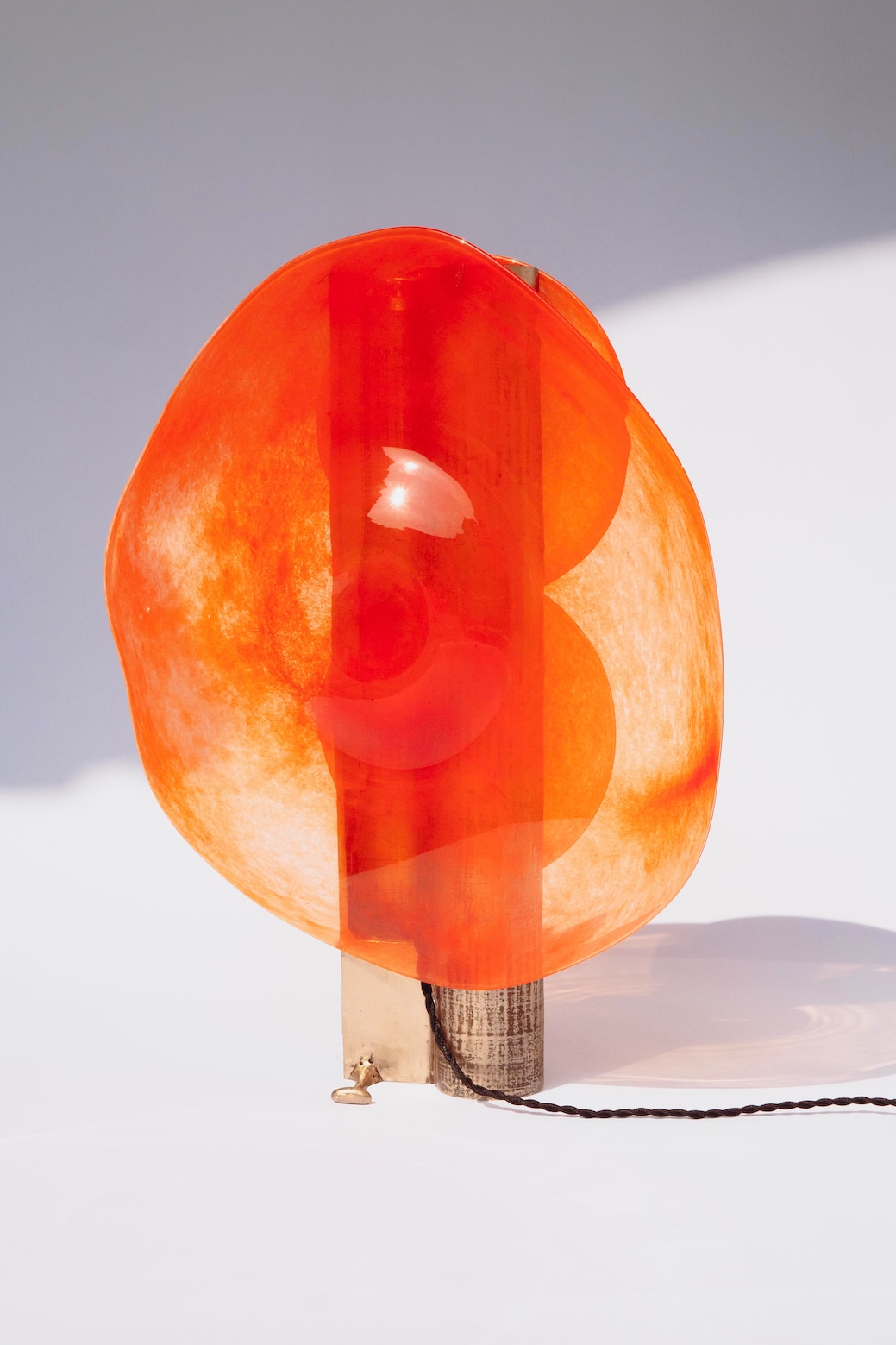
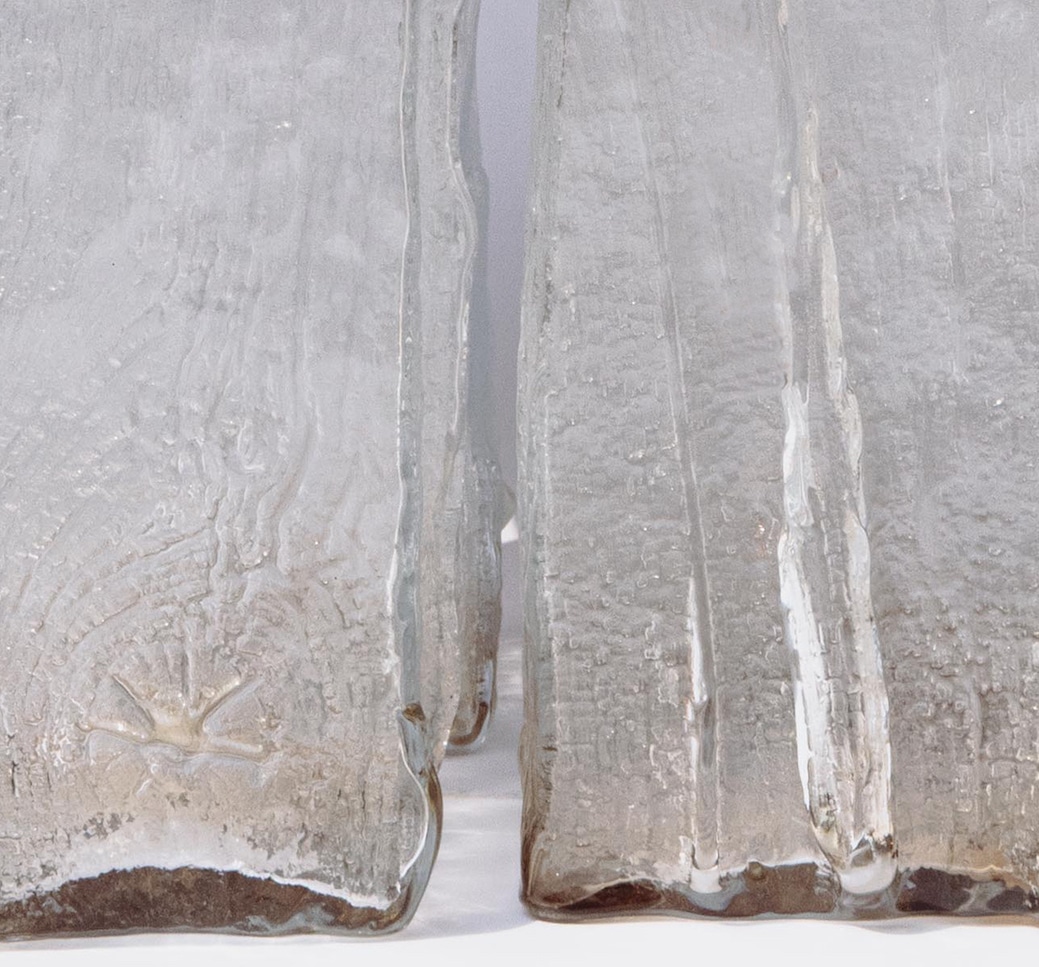
In my creations, I strive to restore naturalness to the material. I object to the execution of an identical form that is perfectly smooth, which, for me, is totally devoid of soul. Like when I was little, and I made things that only worked in my imagination, I try to experiment and use failures, defects, and the naturalness of the material to create shapes and finishes that make sense to me. It’s a way of moving away from the traditional use of materials.
I’m not sure how to answer the question. A few contemporary artists come to mind; I only think of artists whose careers have ended. I listen to a lot of music, and I have to say that Brazilian baile funk will always amaze me, DJ Lorran, DJ Anderson, Mc Durrony, Mc Kevinho Chris. I like the way of breaking the codes and the rhythm of the music. It is innovative, and they do a lot with little material; their universe is very inspiring, and I find it exceptional.
Not setting any limits, naturally, there will be obstacles, but you have to be attentive to these obstacles because they are an immense source of creativity and innovation.
I don’t like to say that I belong to a particular movement because I don’t think I fit into any box. Despite everything, I am very inspired by the work of the members of Radical Design for their critical look at our way of designing and consuming objects. Like this design movement, I think that my work is non-conformist, and it allows us to free ourselves from rationality and standardization.
I worked as an assistant alongside Vincent Dubourg. A real learning relationship was established. I was greatly influenced by his world. This then guided me in my career. It was an artist/apprentice relationship, a bit like in medieval or Renaissance workshops; the proximity I had with the workshop and the experimentation pushed me to continue in this direction. Vincent still advises me today.
I particularly appreciate the work of Brother Campana for their quality in constantly pushing the boundaries between artisan art. I like the stories that Hubert le Gall tells in his works. I love the work of Vincent Dubourg for his constant experimentation with material, and I really like Ettorre Sottsass.
Vitro-metallic alchemy.
“My curiosity is the genesis of my creative process.”
The Questions
(The Proust Questionnaire is a set of questions answered by the French writer Marcel Proust.
Other historical figures who have answered confession albums are Oscar Wilde,
Karl Marx, Arthur Conan Doyle, Stéphane Mallarmé, Paul Cézanne…)
Total freedom.
Wars.
Organization.
Incuriousness.
Tim Maia.
My spontaneity.
Mixed.
Intelligence.
Taking risks.
Maternal instinct.
Vernacular.
A flawless memory.
My patience.
My work.
A plane.
On the imaginary island of the project.
My mental health.
Loneliness.
Building.
Perseverance.
Humor.
M.Houellbecq, R.Senett, G.Perec.
Jed Martin in the novel « The Map and the Territory » by M. Houellebecq.
Gaudí.
Artists.
Norbert.
Fast Fashions.
Not having yet completed a world tour.
Sitting in a field, among barrels of good wine, listening to S. Gainsbourg or bossanova, the birds are singing and the sun is shining.
Doing well with little.
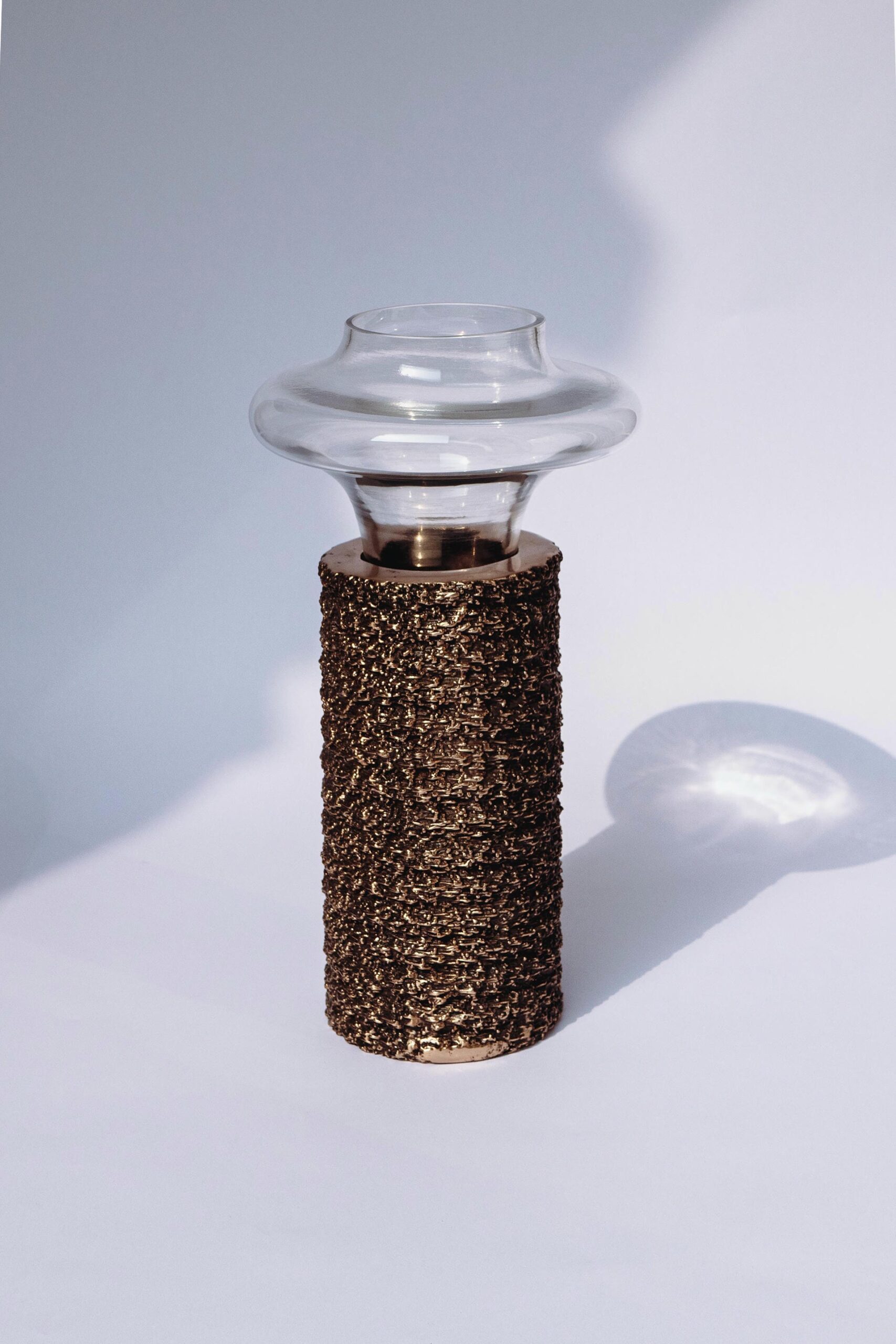
“The defect is sublimated so that it becomes quality.”
SHARE :