Donatas Zukauskas
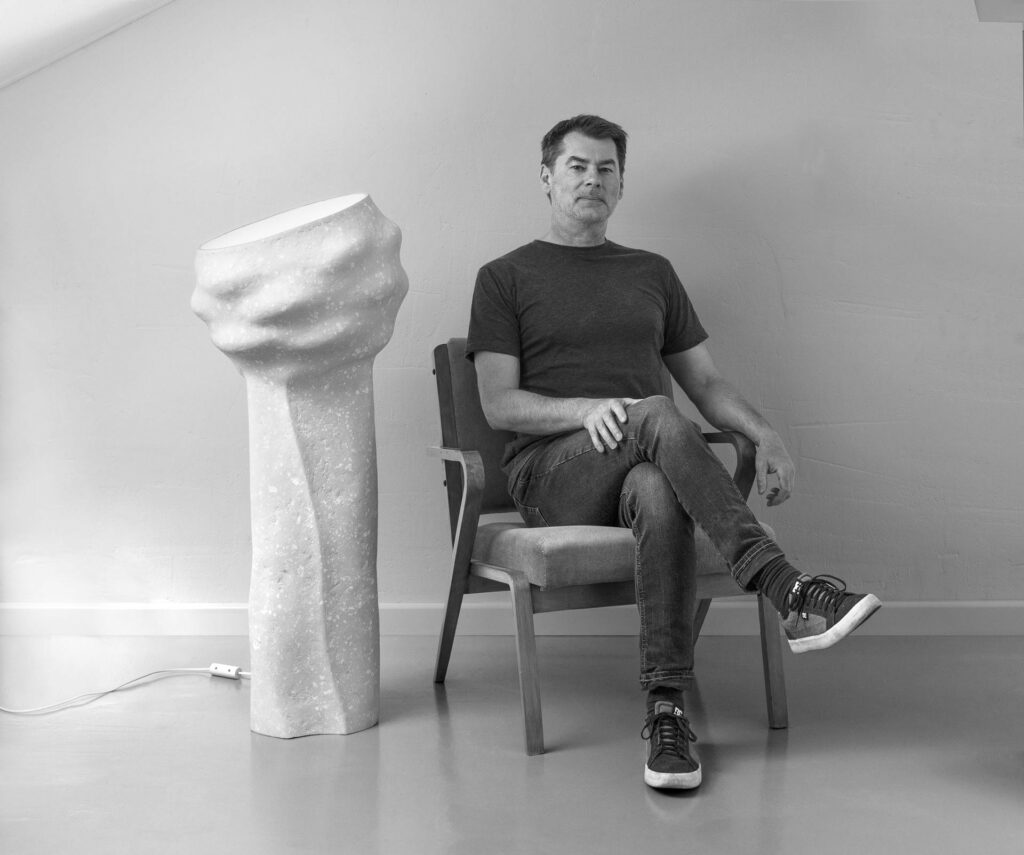
Donatas Žukauskas is a Lithuanian artist and designer whose practice bridges sculpture, design, and craftsmanship. Originally trained in graphic design at the Vilnius Academy of Arts, he spent more than two decades working across animation, advertising, and interior design before turning his focus to collectible objects and sculptural works.
Creating tables, lighting, vases, and sculptures, Žukauskas explores the beauty of imperfection through expressive forms and handcrafted processes. His work reflects a balance between functionality and artistic expression, resulting in pieces that are both poetic and deeply personal.
Interview
I was born and live in Lithuania.
I grew up in a creative family — my mother and uncle are artists, and other relatives are architects — so I’ve been surrounded by art since childhood.
I graduated from the Vilnius Academy of Arts with a degree in interior design. I started my career in animation and later worked in interior design for many years. I’ve always believed that a good interior needs art. Since I’ve always been drawn to art — especially sculpture — I gradually shifted my focus to creating sculptural objects. Today, this has become my main occupation.
I wanted to create a creative activity for my mother—something that used simple materials, required no workshop, and could be done from home. I chose paper as the main medium because, unlike ceramics or wood, it doesn’t require complex tools. As I experimented and combined recycled paper with other materials, I became deeply involved in the process myself. Over time, it grew into my main occupation. Today, I have a dedicated workshop where I work with various tools and materials, including recycled paper, cement, wood, glue, and paint.
About half of my works are created on commission from architects. They usually show me the space where the object will be placed and ask me to create something that fits. It’s always rewarding when a client trusts me enough to give me complete creative freedom. Sometimes they don’t know exactly what they’ll receive, but they’ve never been disappointed.
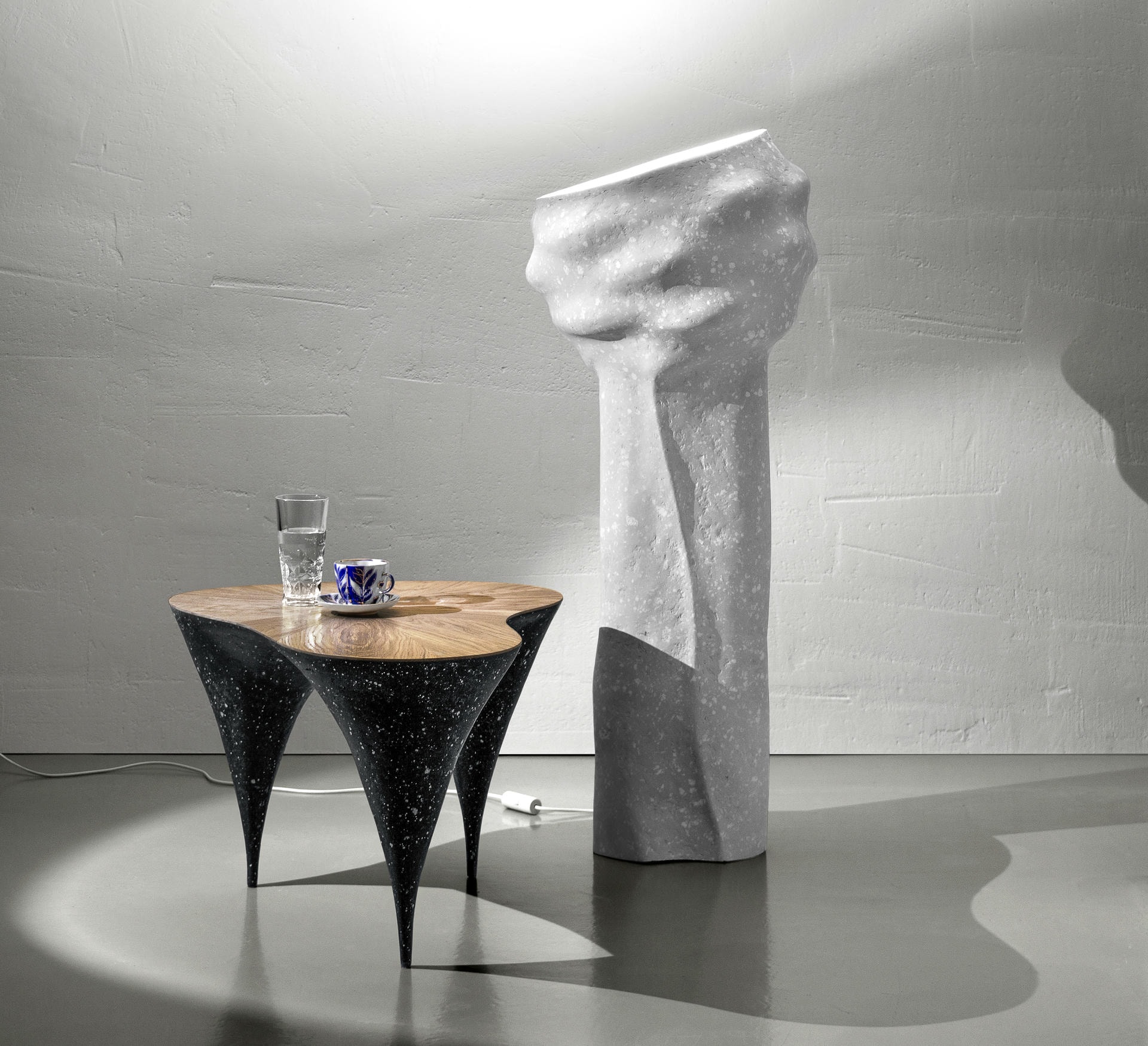
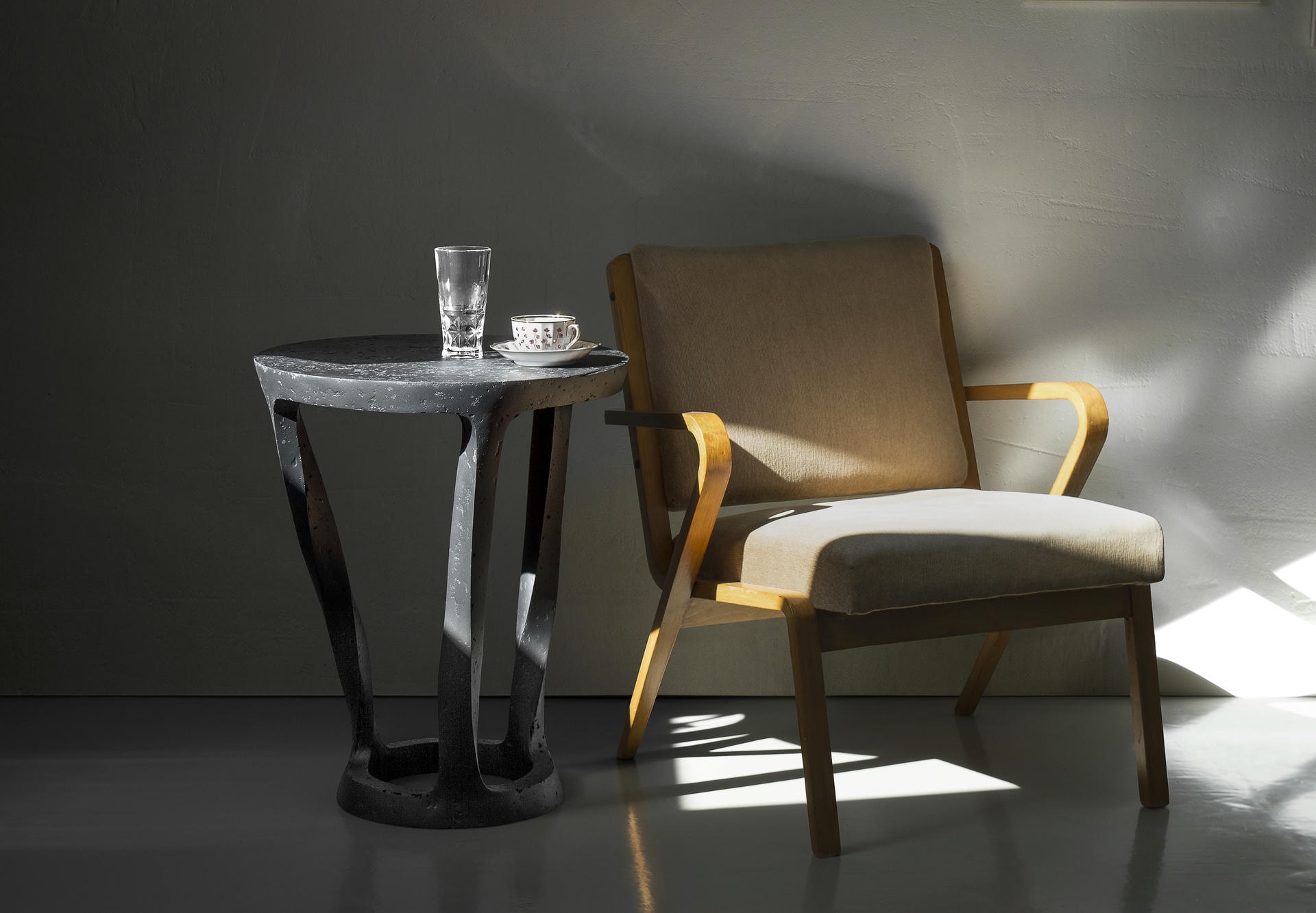
The other half of my work emerges more spontaneously. I enjoy variety—sometimes I create vases or other decorative pieces. But as an interior designer, I’m also drawn to functional objects like tables, lamps, and benches.
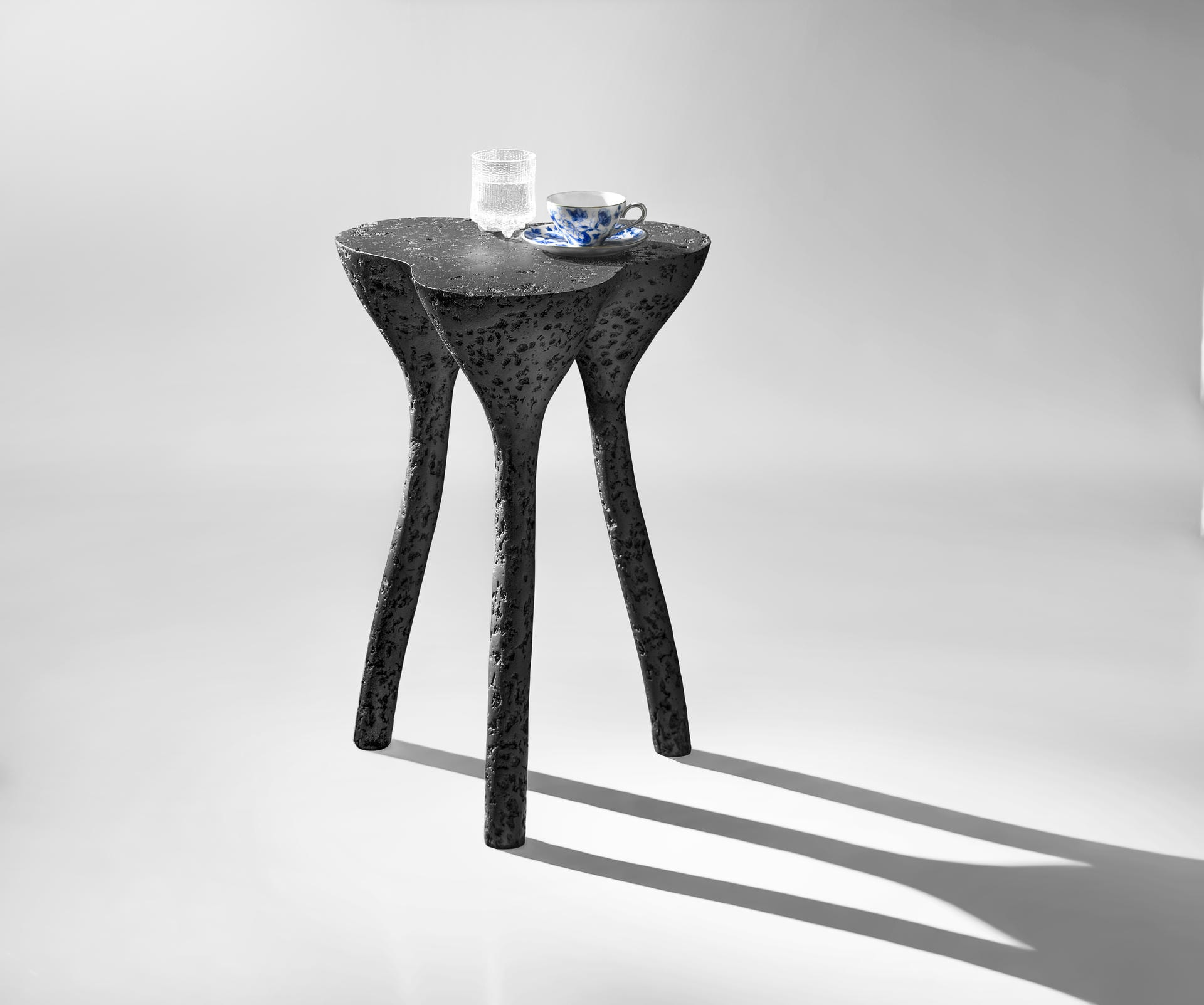
As I mentioned, I initially chose recycled paper because it was easy to work with. Over time, as I gained experience, I began exploring more complex techniques and incorporating a wider range of materials. Although paper may seem fragile, when recycled and combined with other elements, it regains a strength similar to wood. I like to call it the “third life of wood.” This material allows for a wide variety of textures and forms. I’m drawn to elegant shapes paired with raw, archaic textures—and this medium makes that combination possible.
Sustainability is also a very important aspect of my work. I use a lot of cardboard sourced from discarded packaging, and all other paper materials are also repurposed. My production generates virtually no waste. The main processing technique is sanding, and the only by-product is dust—that’s the extent of the waste.
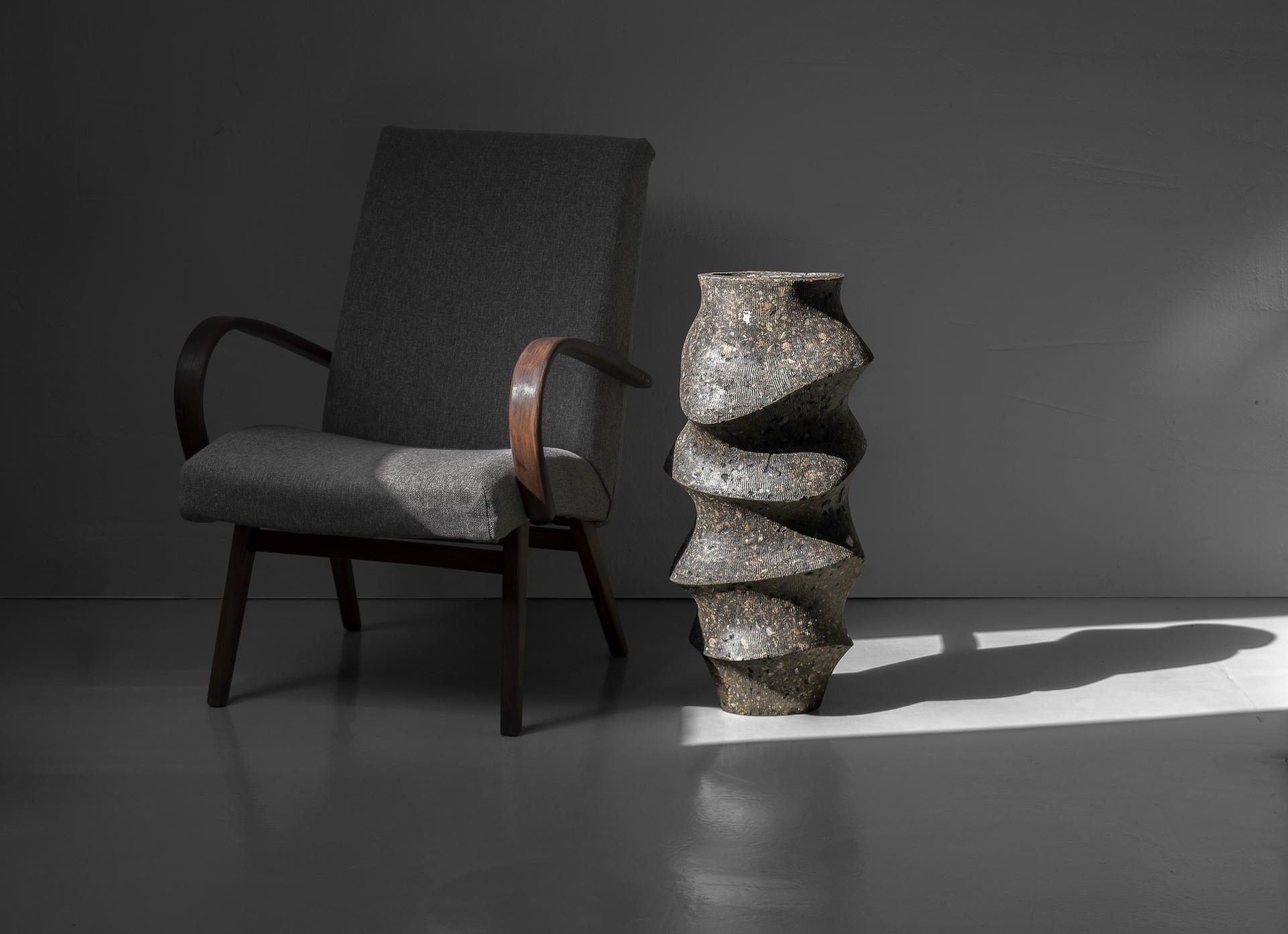
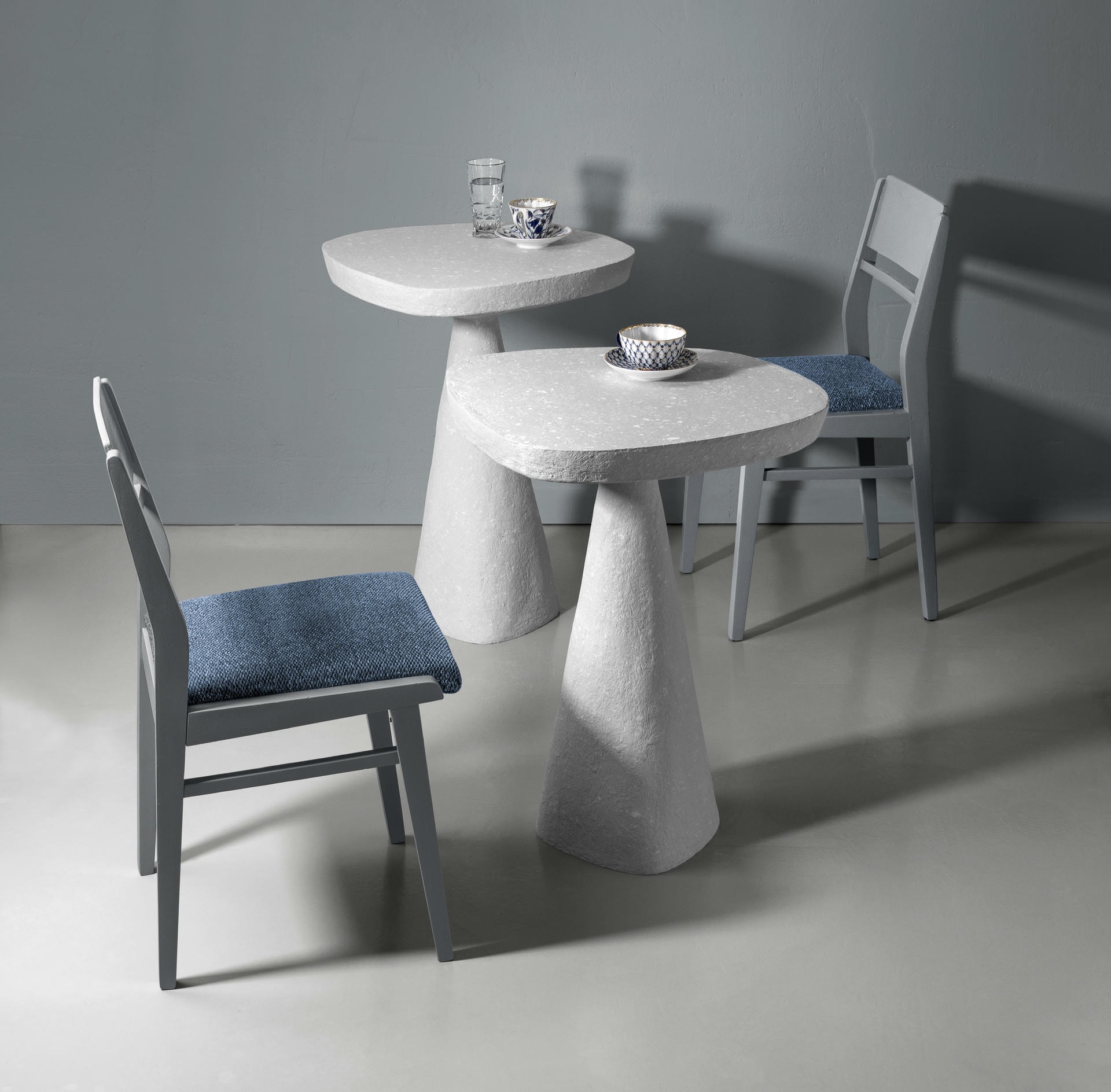
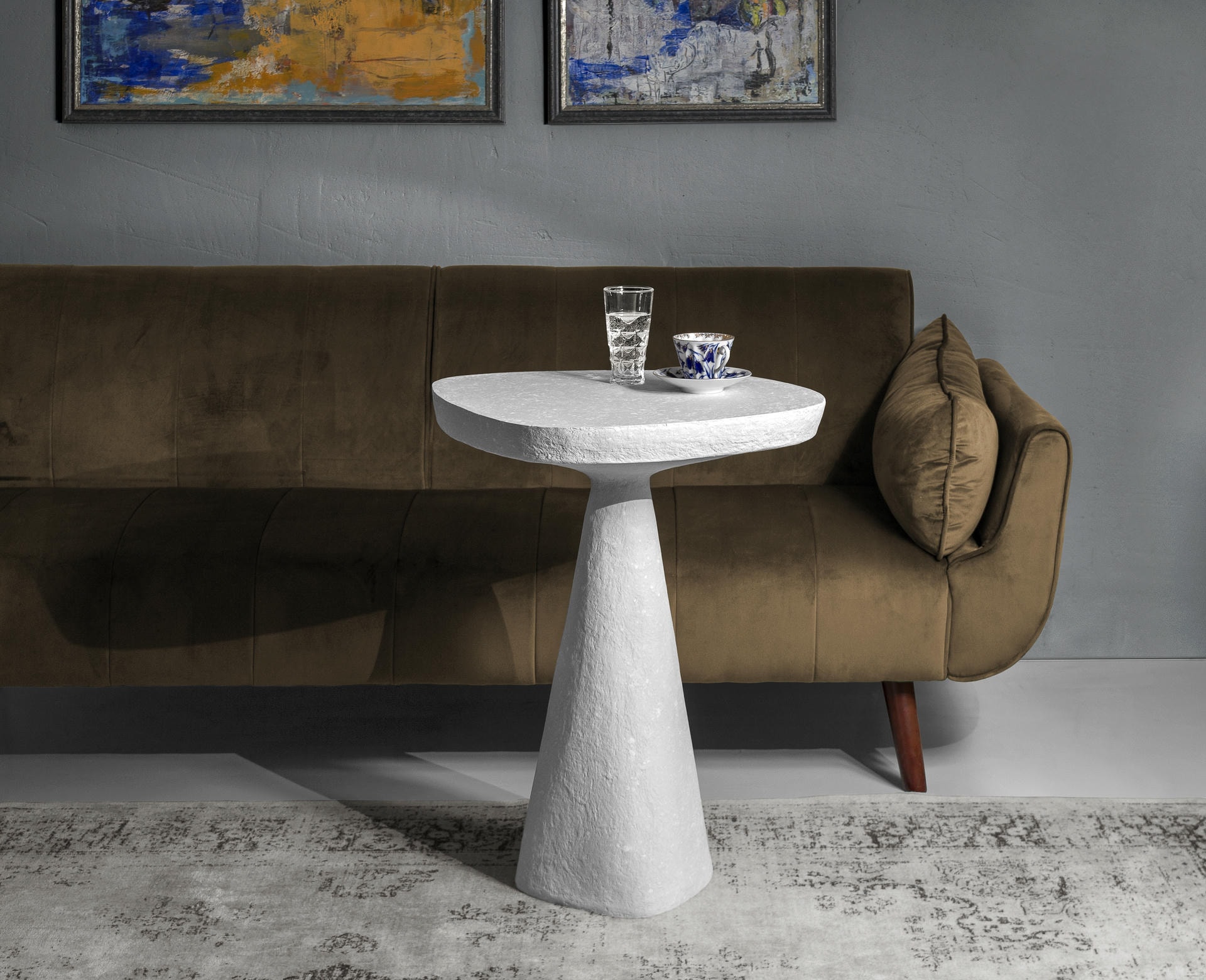
The material I use is strong— even a 2 mm layer is difficult to break. At the same time, it has a slight elasticity, which helps it withstand impact without cracking. Although it sometimes resembles concrete in appearance, it doesn’t have its coldness to the touch; instead, it feels more like wood.
Cultivate curiosity and commit to consistent effort.
Abstraction, minimalism, archaism.
Domingos Totora, Ria Augousti, Vincenzo De Cotiis.
Joan Miró.
“Imperfection as a way to create beauty.”
Cracks, splits, random marks, and unpredictable outcomes in sculptural forms—this kind of imperfection fascinates me. I intentionally seek it out in almost all of my work.
“My production generates virtually no waste.”
The Questions
(The Proust Questionnaire is a set of questions answered by the French writer Marcel Proust.
Other historical figures who have answered confession albums are Oscar Wilde,
Karl Marx, Arthur Conan Doyle, Stéphane Mallarmé, Paul Cézanne…)
Creation.
Lack of ideas.
Impulsiveness.
Insincerity.
Black Francis.
I am what I want to be.
Reflections.
All Opinions Must Be Heard.
Determination.
Flexibility.
–
Entrepreneur.
Introversion.
I make a living from art.
–
Closer to the Sea.
Abilities.
–
Dreaming.
Perseverance.
Sincerity.
Jorge Luis Borges.
Captain Blood.
–
Independent Captain Blood Artists.
Andrius.
Too Many Rules.
Unexploited Opportunities.
Sleeping.
Everything is Possible.
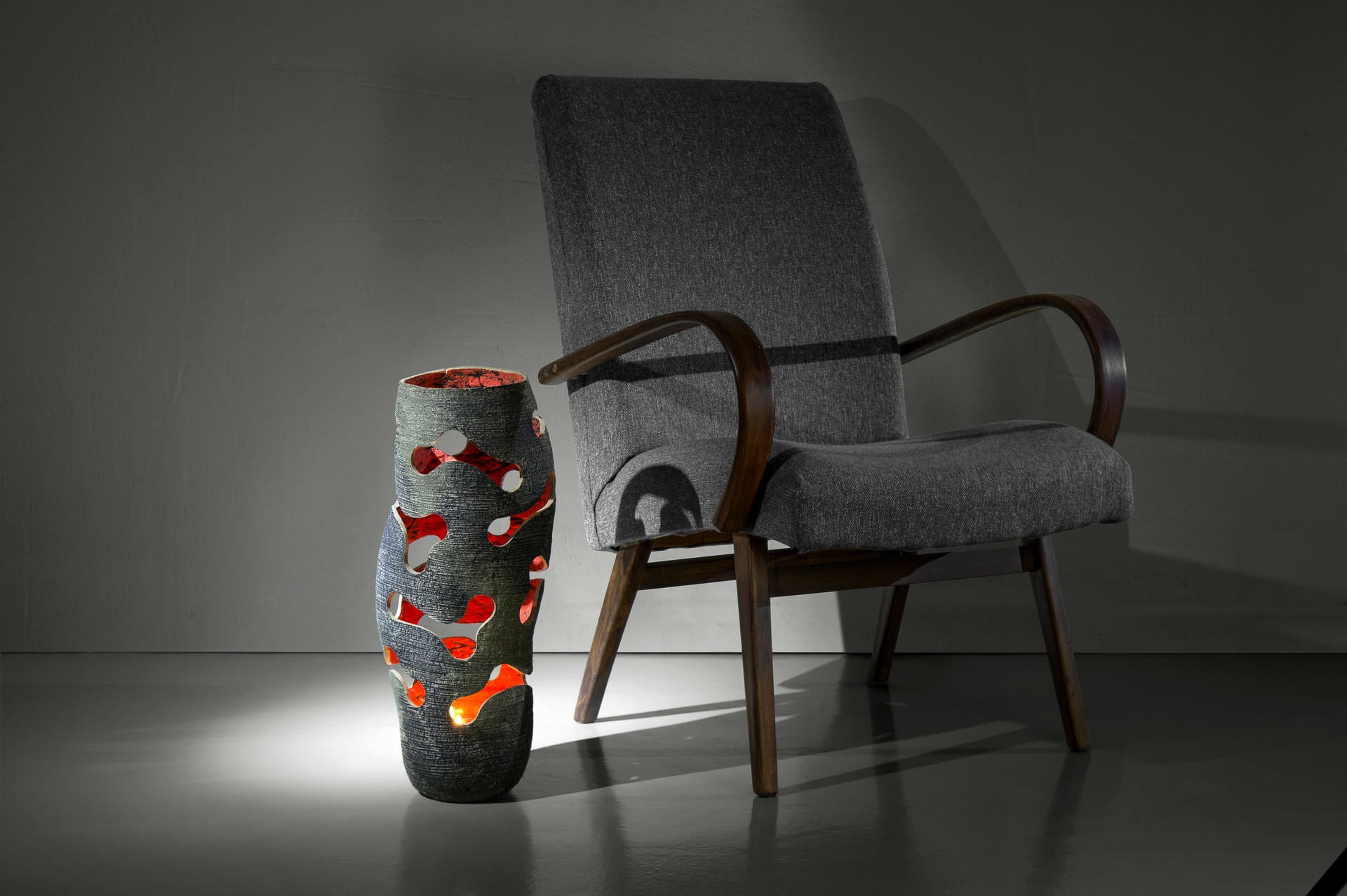
“I’ve always believed that a good interior needs art.”
SHARE :