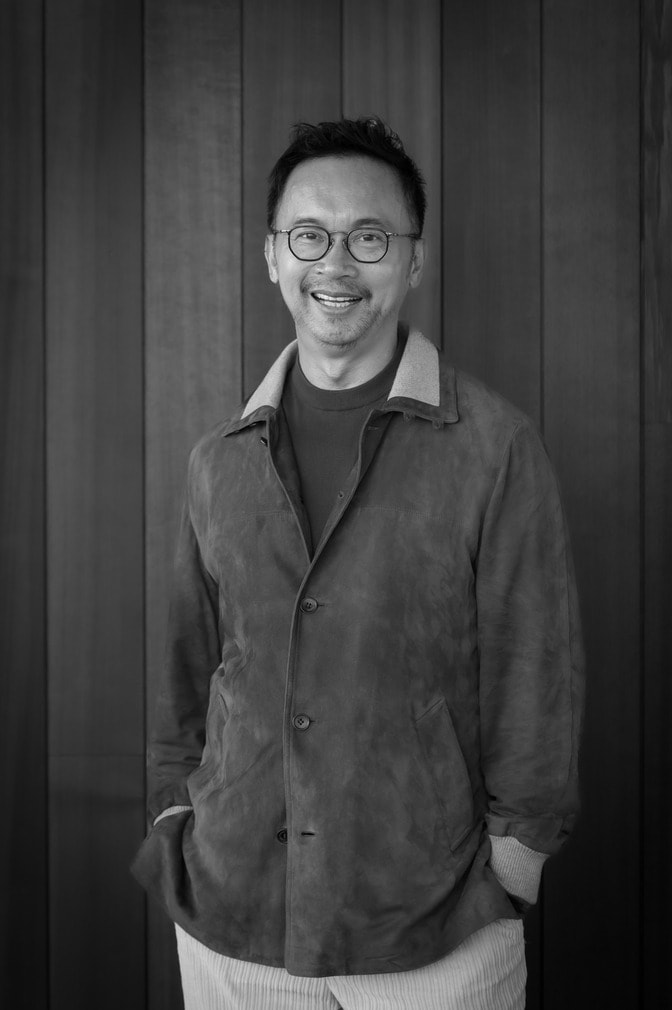
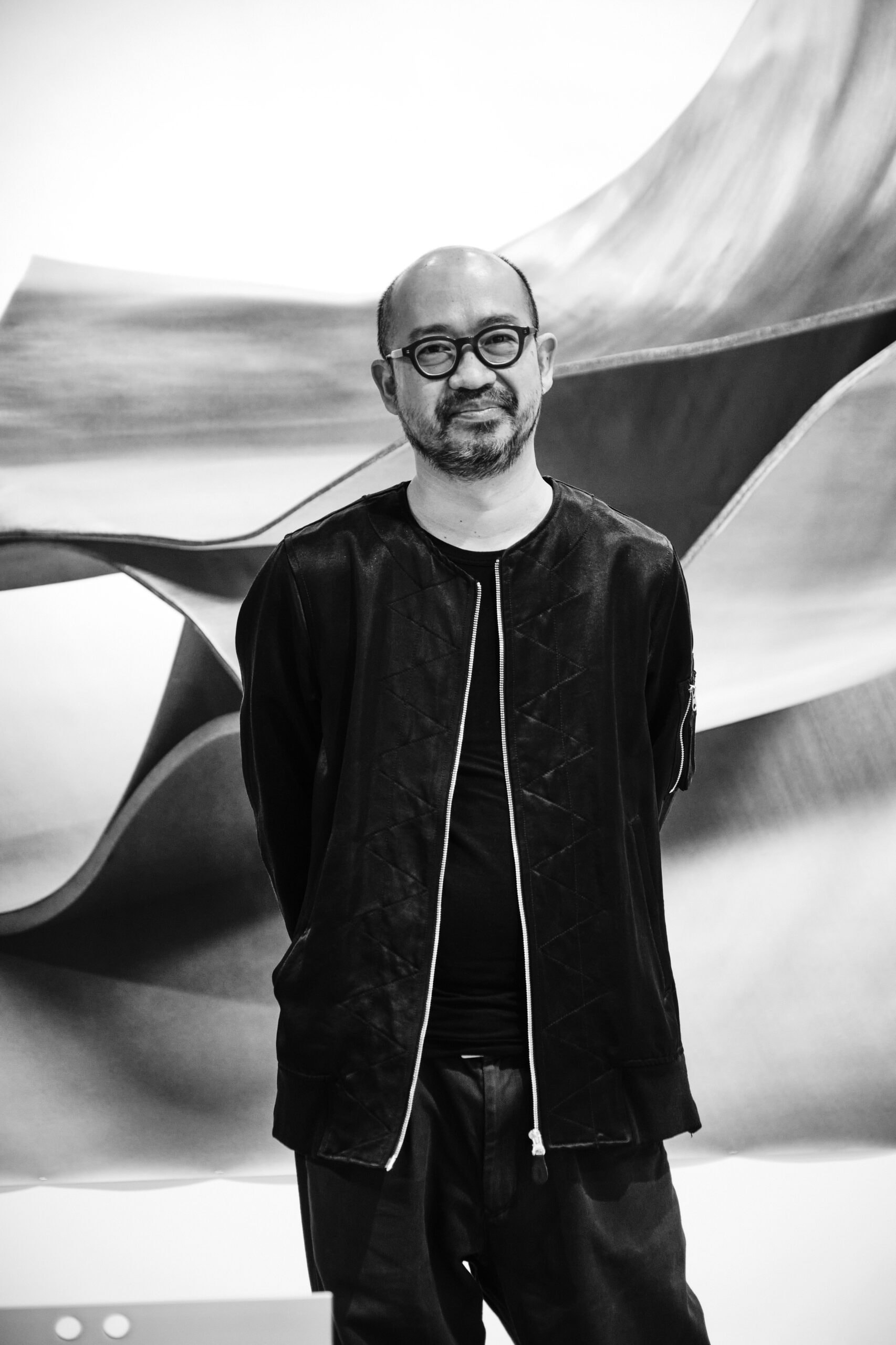
Ed Ng – AB Concept

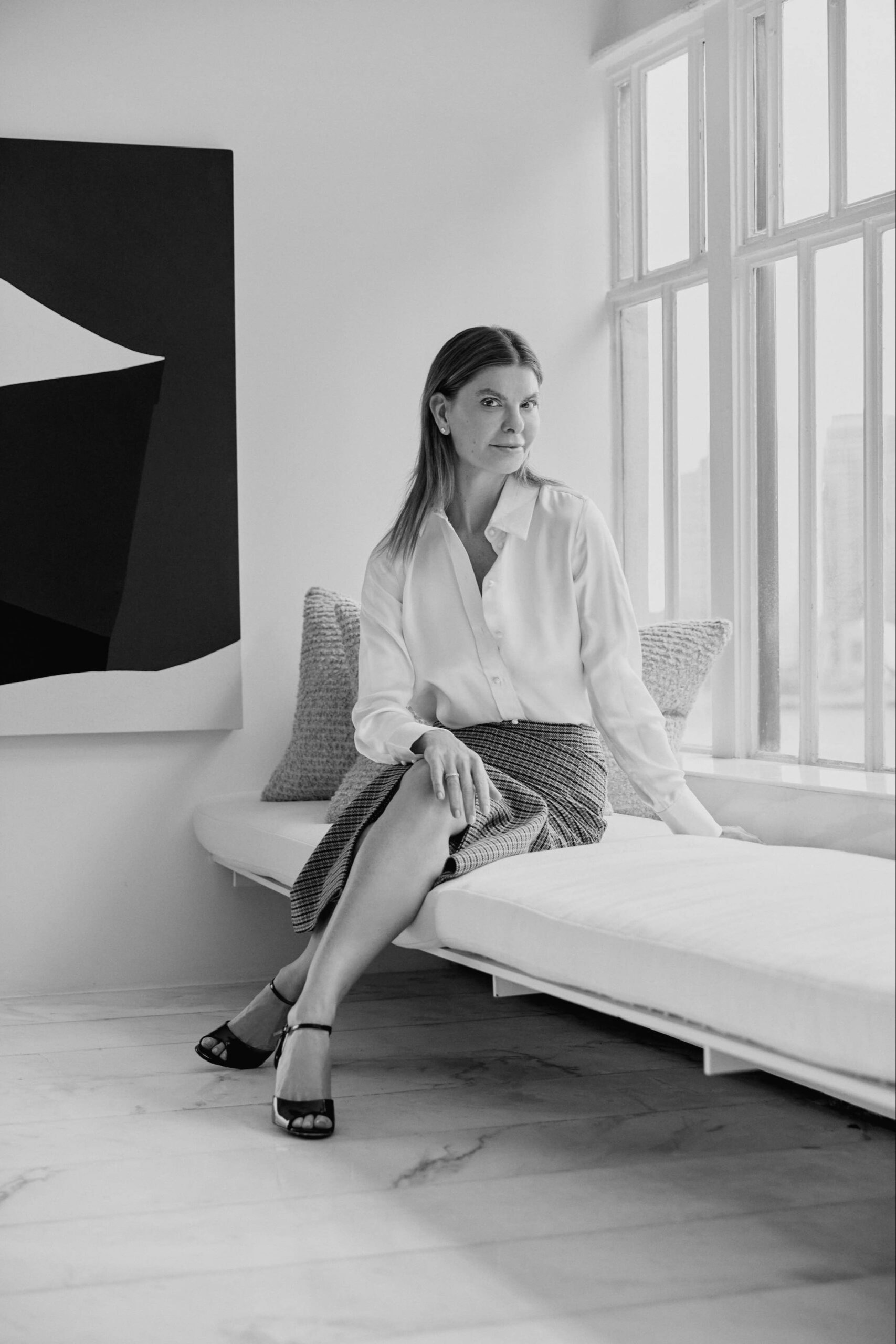
AB Concept is an international, multi-disciplinary design studio founded in 1999 by interior designer Ed Ng and architect Terence Ngan. Headquartered in Hong Kong, with offices in Taipei, Kyoto, London, and Milan, the studio is known for its refined, narrative-driven approach to luxury hospitality, commercial, and residential environments worldwide.
Blending Ed Ng’s cultural fluency and material expertise with Terence Ngan’s architectural precision, AB Concept creates spaces that are emotionally resonant and meticulously crafted. Their work spans over 30 cities across 16 countries, with projects for leading brands including Four Seasons, Rosewood, Mandarin Oriental, and Ritz-Carlton.
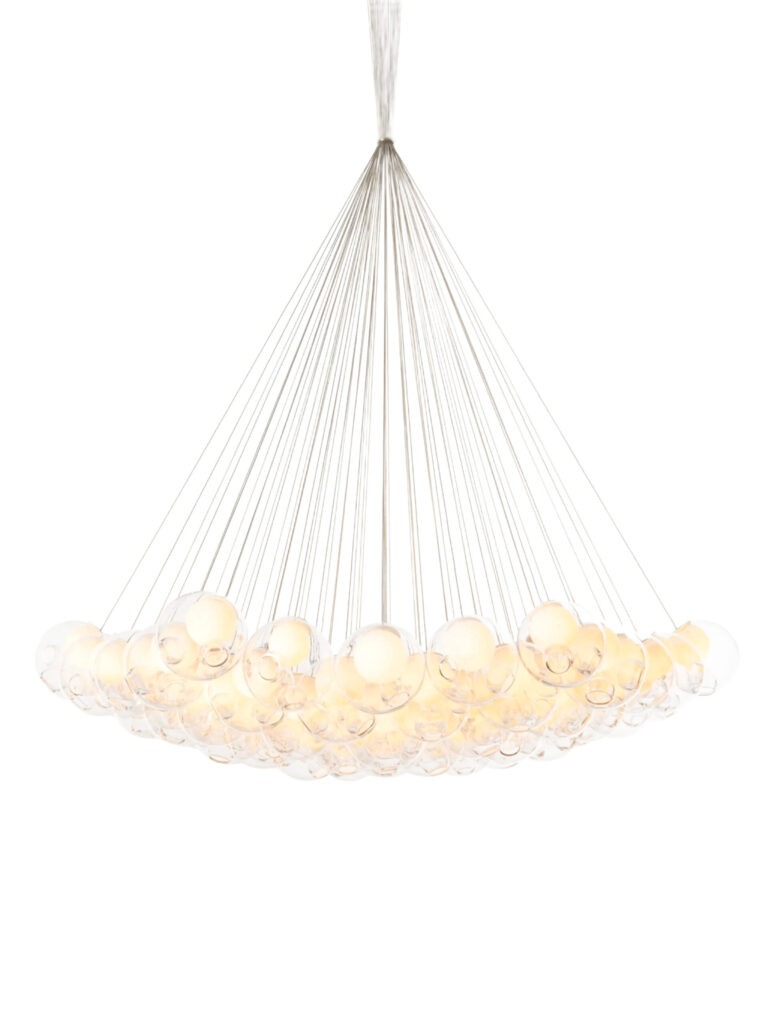
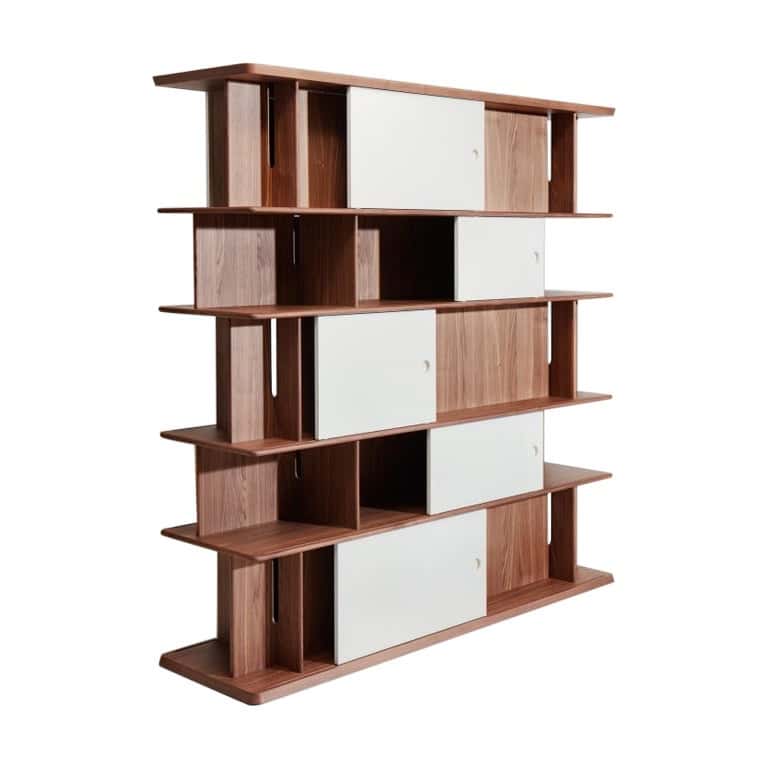
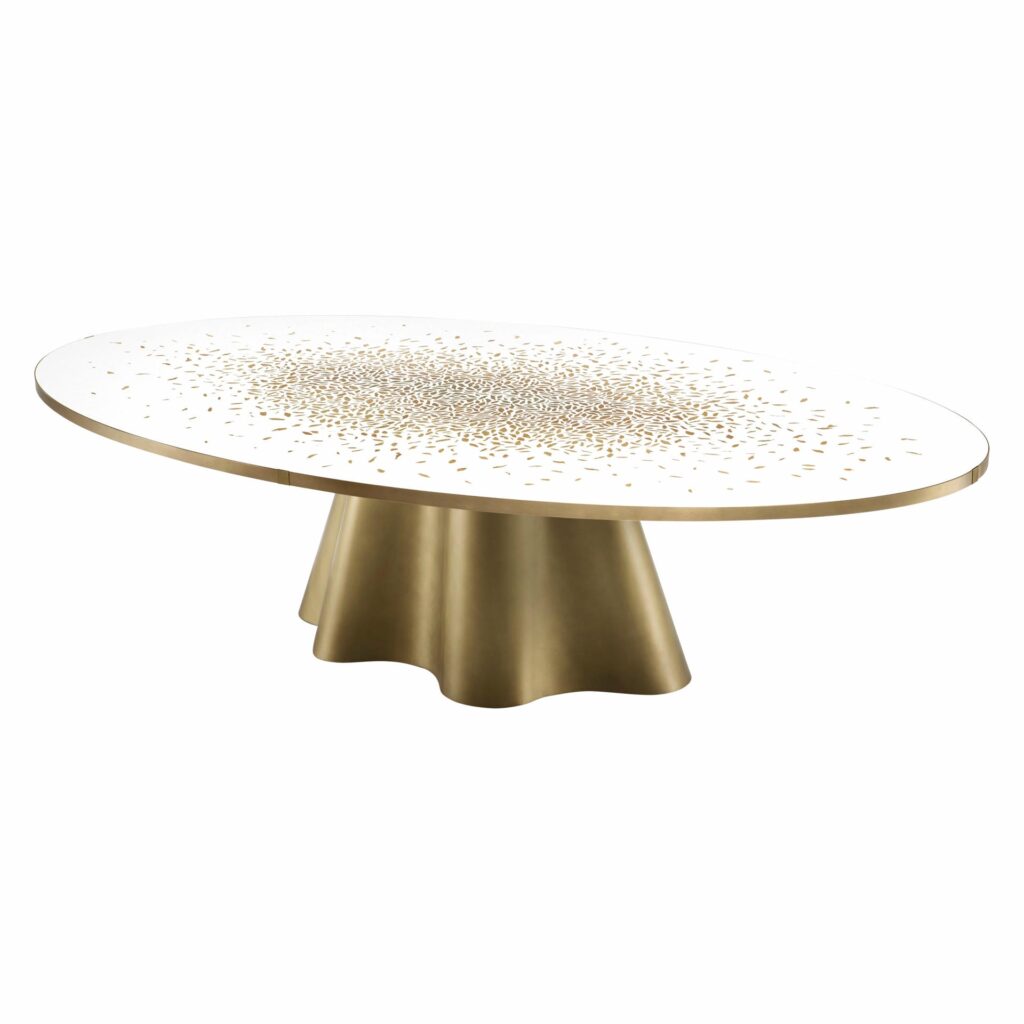
Beyond spatial design, the studio also develops design products and collaborations with brands such as Tai Ping, Poltrona Frau, Lasvit, and Noritake Design Collection, guided by a singular belief: that design is about being.
1. Could you tell us how your journey into interior design started?
I have always been fascinated by how people react to their surroundings. When I was young, I would rearrange the furniture at home just to feel how the atmosphere shifted. That small habit became the beginning of everything. I studied design because I was drawn to the idea that space can influence emotion, and perhaps also because design majors do not have exams.
After graduating, I worked across almost every corner of the industry. I joined interior studios, architectural firms, and even developers. I wanted to understand how the entire ecosystem works, not only how to create something beautiful, but how design lives in the real world. Eventually, Terence and I started AB Concept, with no grand plan other than the desire to create.
Looking back, the journey moved from minimalism to complexity, from pure form to cultural stories, from geometry to emotion. Every new project challenged us to bring something meaningful. Watching each one come alive and serve its purpose gave us genuine joy. Over time, design simply became the way I understand life.

2. Do you think there has been a defining moment in your career?
There was never one dramatic moment. Instead, there were many quiet ones that only reveal their meaning years later. Working across different sides of the industry taught me how to design for reality, not only for beauty. It opened my eyes to value, function and how people truly experience space.
Meeting Terence and building AB Concept together was another defining moment. I am lucky to have a partner who listens, challenges, and trusts without hesitation. We always understood each other’s intentions. That foundation shaped every milestone that followed, from our first hotel to our recent global collaborations.

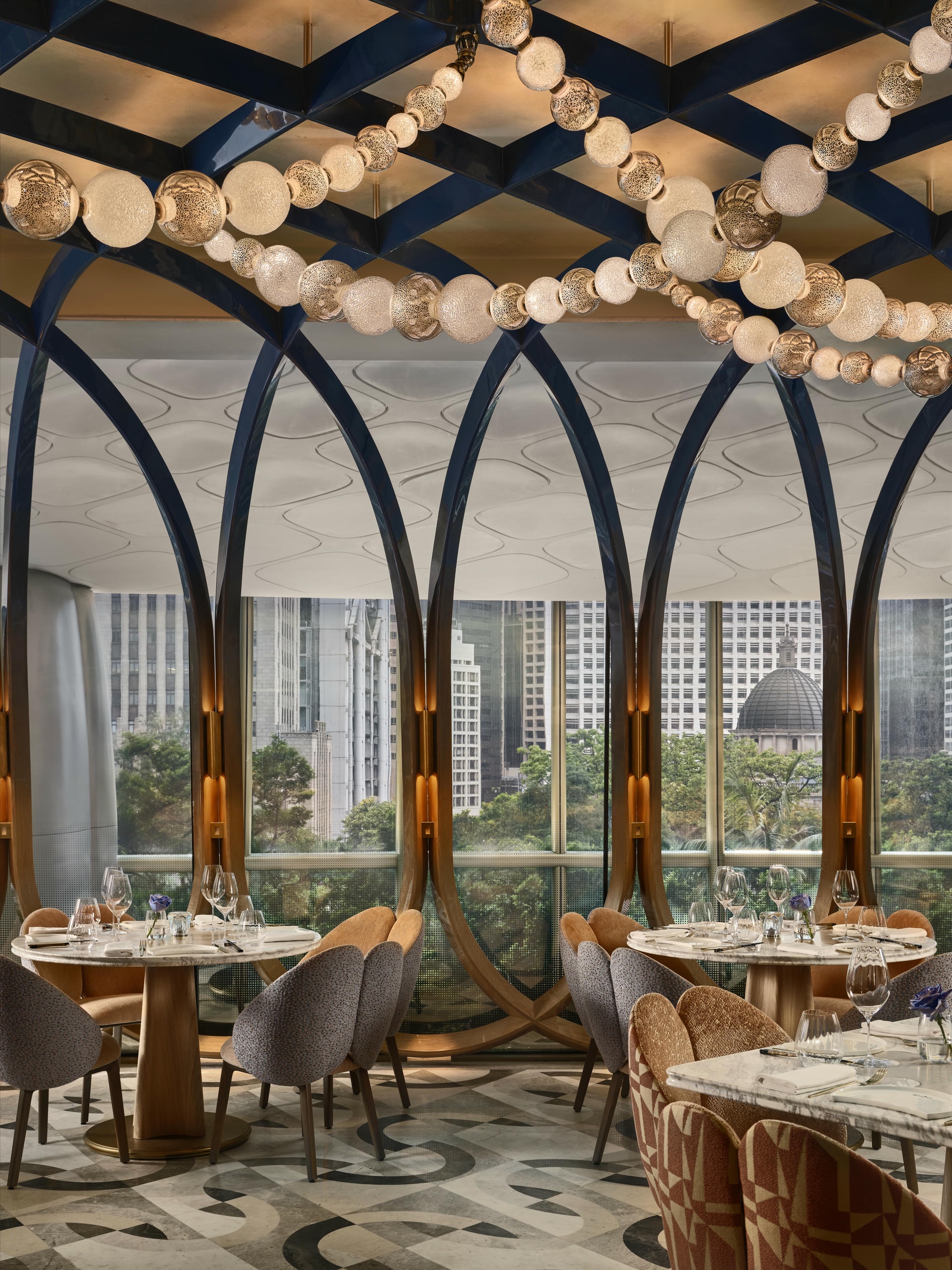
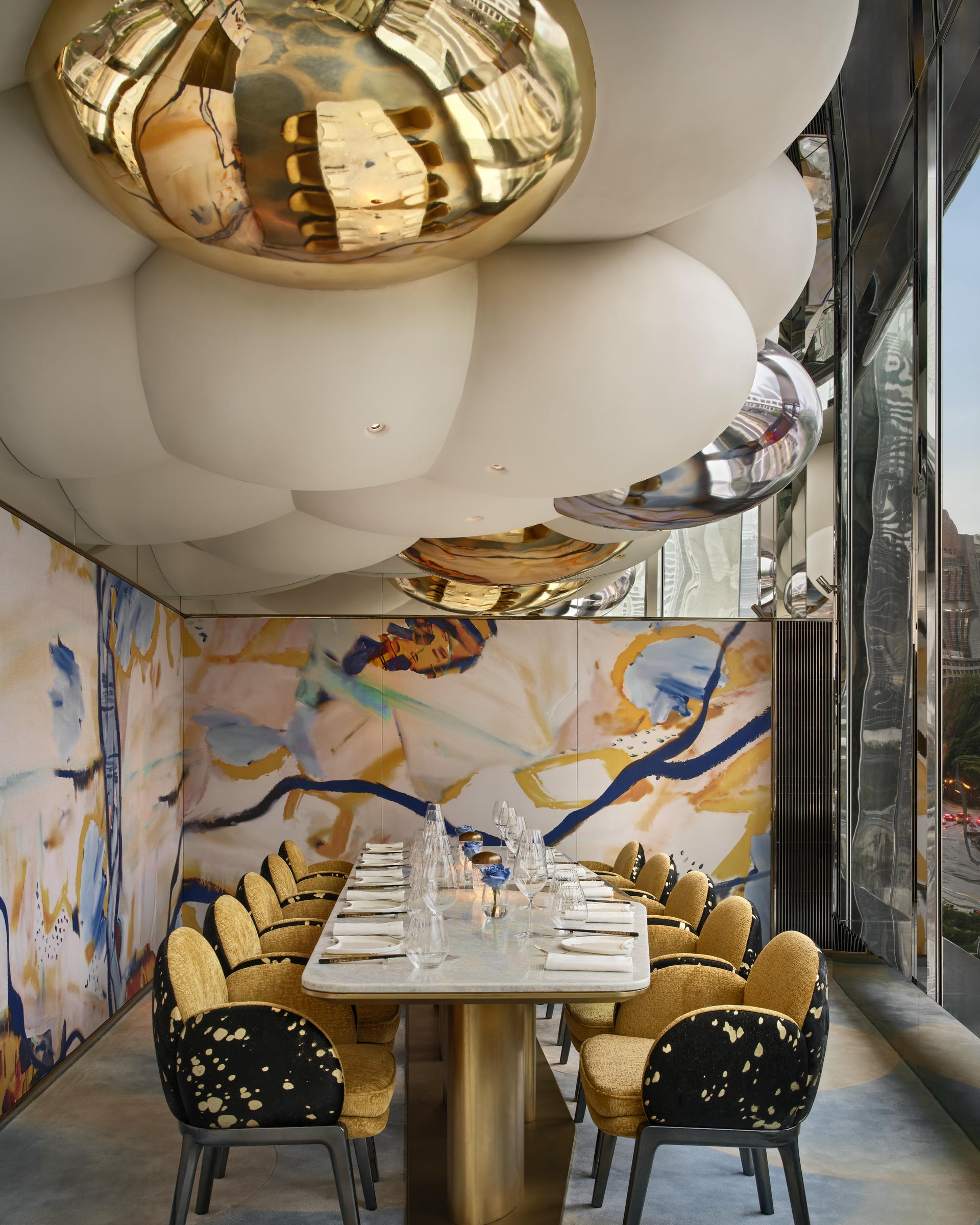
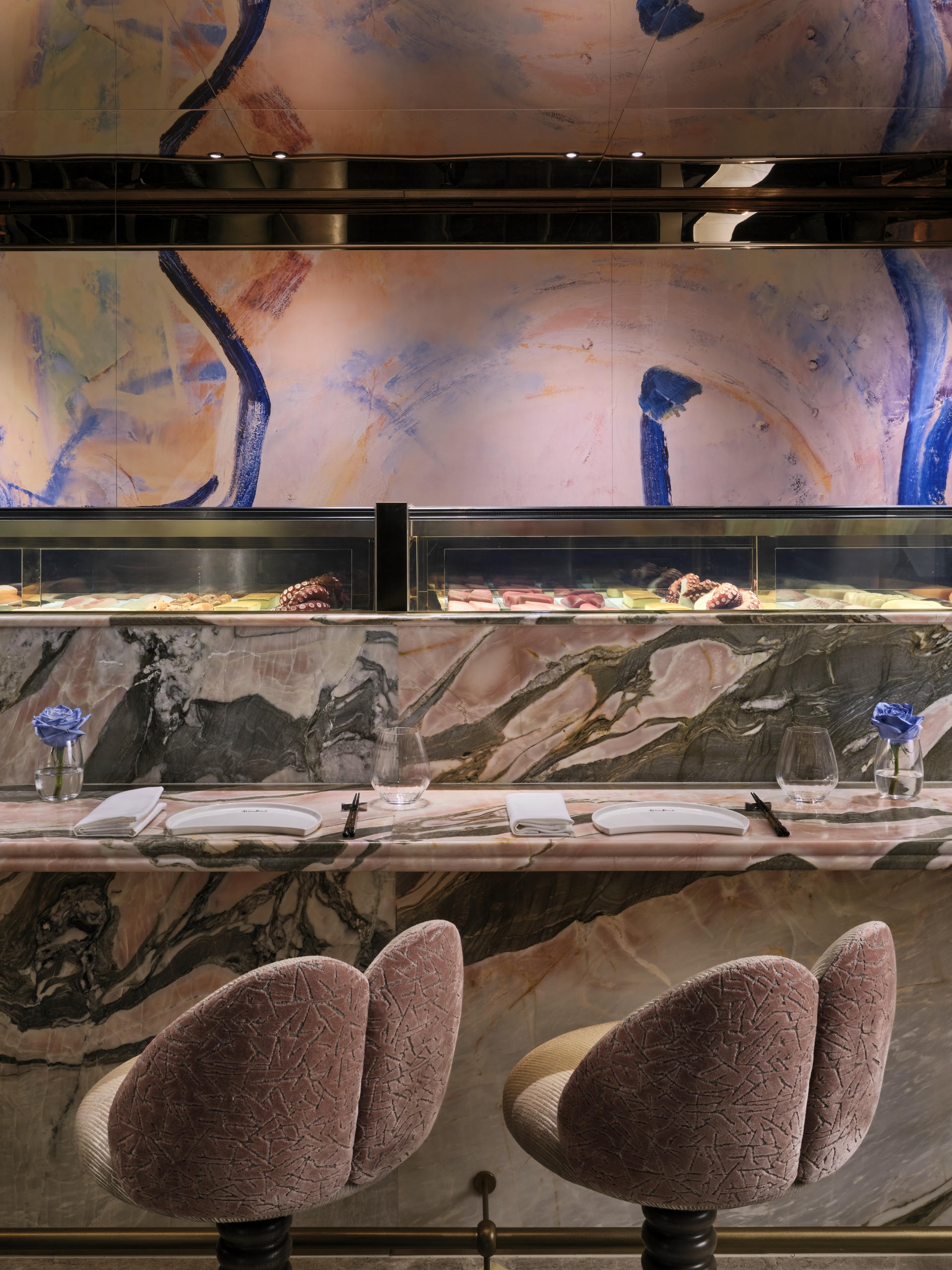
AKIRA BACK, HONG KONG © Owen Raggett

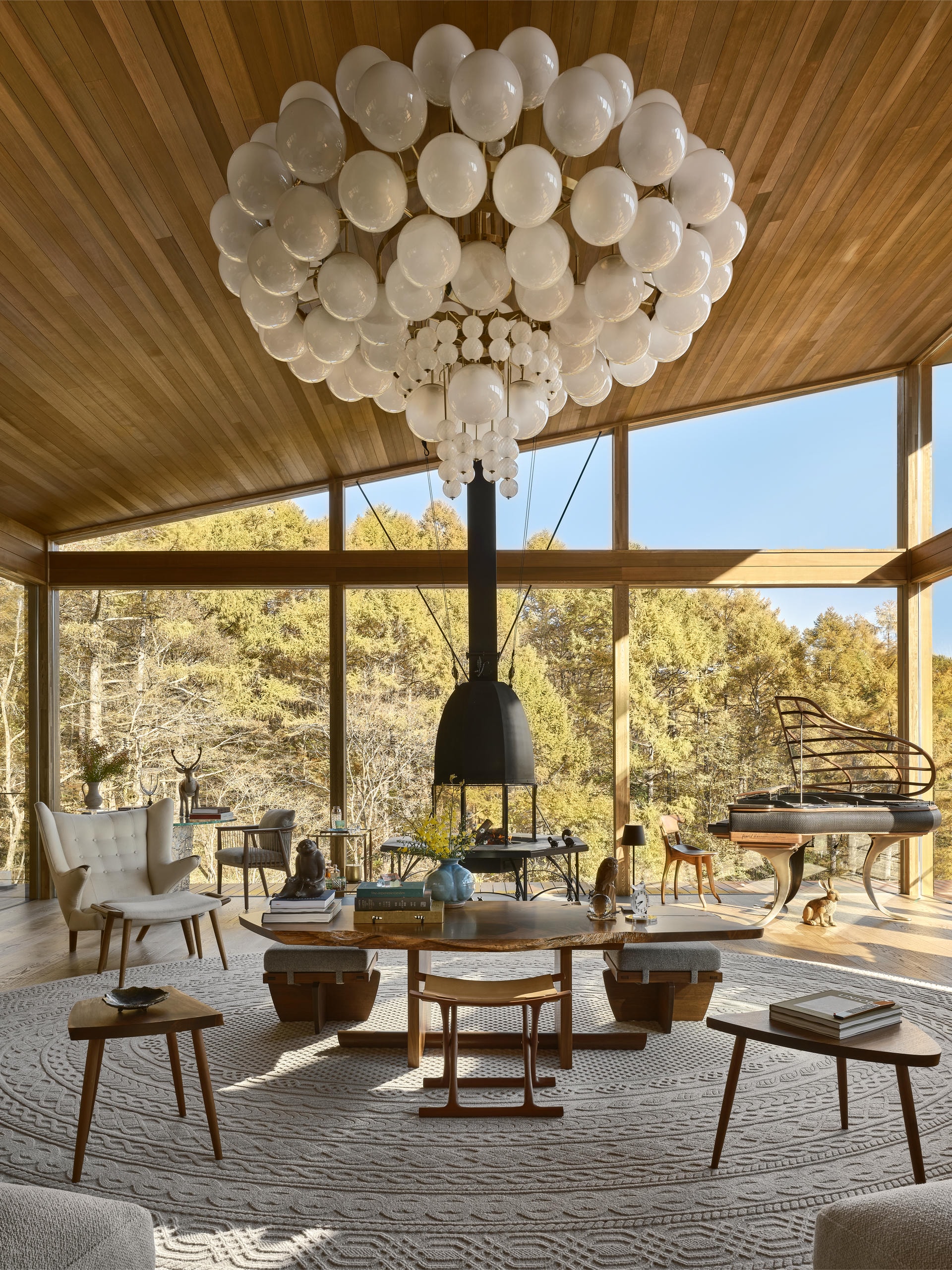
Itsu Sho Sha © Owen Raggett
3. What do you think is the key to a successful interior design? And in your business in general?
We often say that design is about being. It reminds us that emotion and experience sit at the heart of every space. When we sit through a long dinner, for example, the comfort of the chair, the softness of the fabric, and whether the space feels alive for hours are all part of the experience. Most people notice these things instinctively, but designers must translate them into intention.
Design succeeds when it speaks honestly to human emotion. Aesthetic language may change with time, but the feeling of clarity, comfort, and belonging never gets old.
The same applies to business. Trust, transparency, and the ability to listen form the core of every collaboration. Design begins as a conversation. Running a studio is really no different.
4. How do you start your interior design projects? Do you usually start with a certain element of design or a keyword? And how do they develop?
I always start by listening and observing. Every place has a story, waiting quietly. Sometimes it comes from the site. Sometimes from a memory, a piece of history, or a cultural rhythm. We never force a starting point. We let the project introduce itself.
We walk the streets. We spend time in local markets. We try to understand how people live, how the light moves through the city, and what the place dreams about. Often, we gather more inspiration than we need. The real challenge is choosing the elements that will create the most meaningful experience.
Once the narrative becomes clear, everything else follows. Materials, light, form, and sequence begin to speak to each other. The design grows like a conversation, one response leading naturally to the next.
5. How would you define your signature style? Do you have “a mantra” that encapsulates your taste in design?
7. Could you tell us about one of the favorite projects that you worked on?
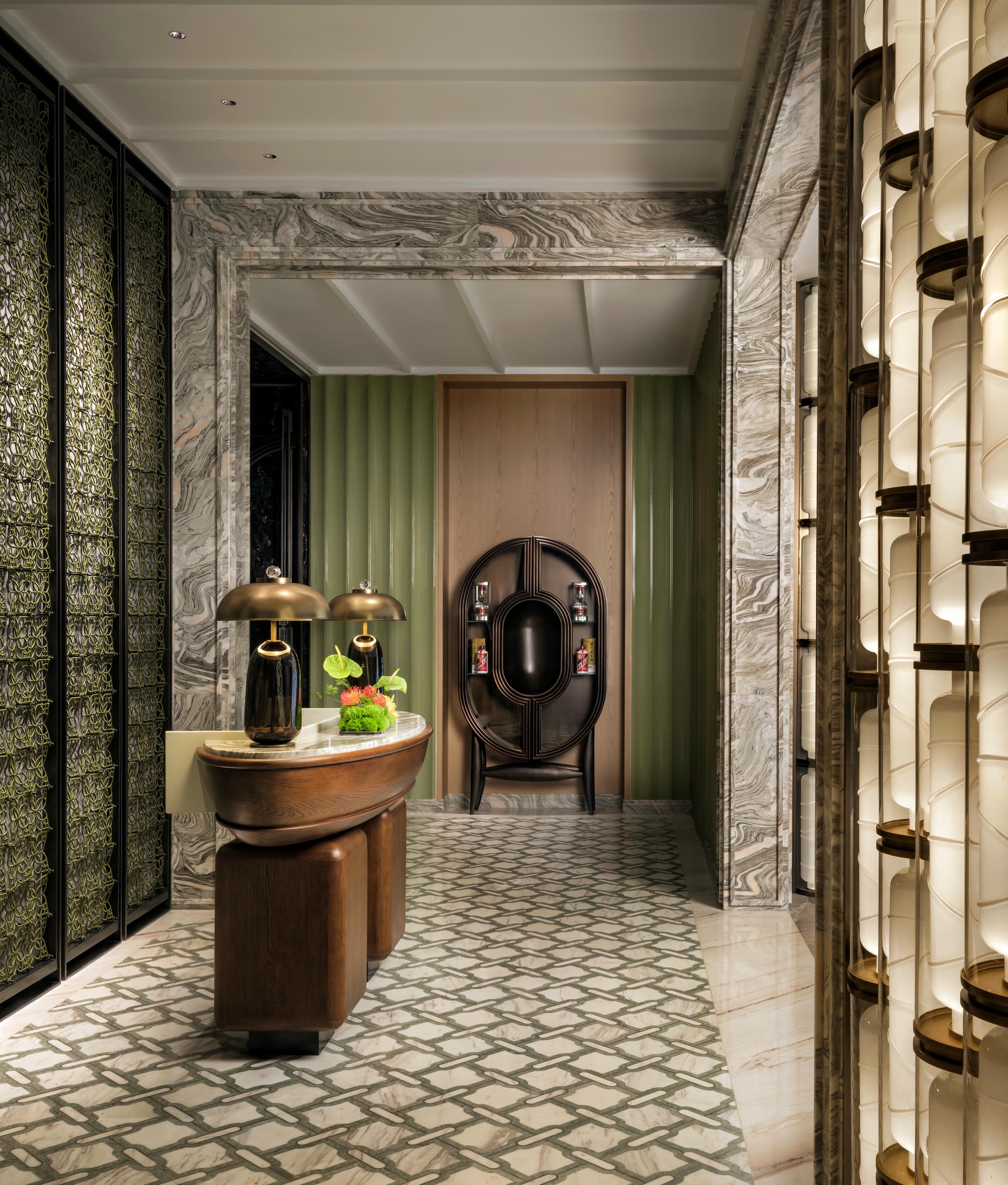
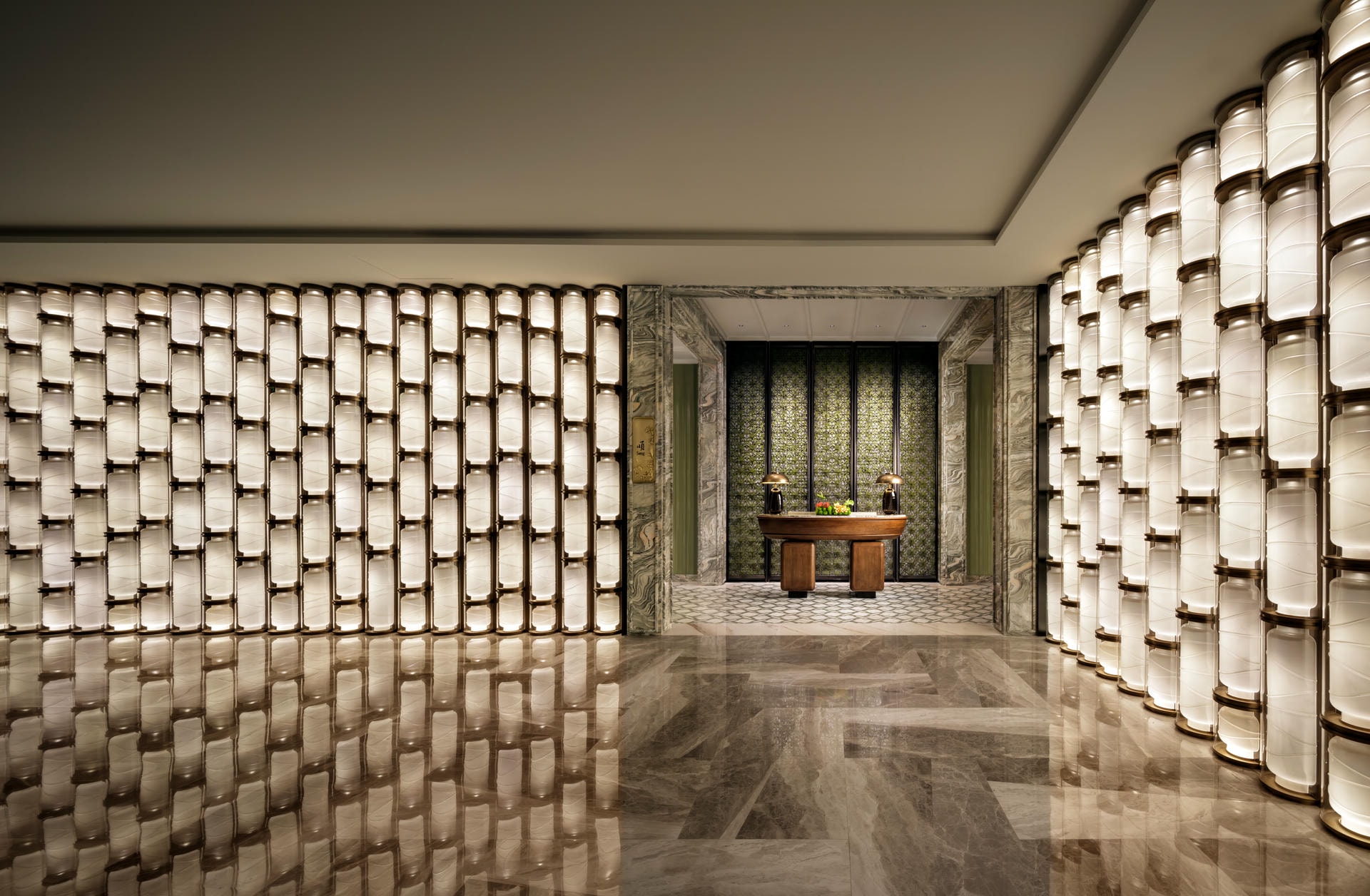
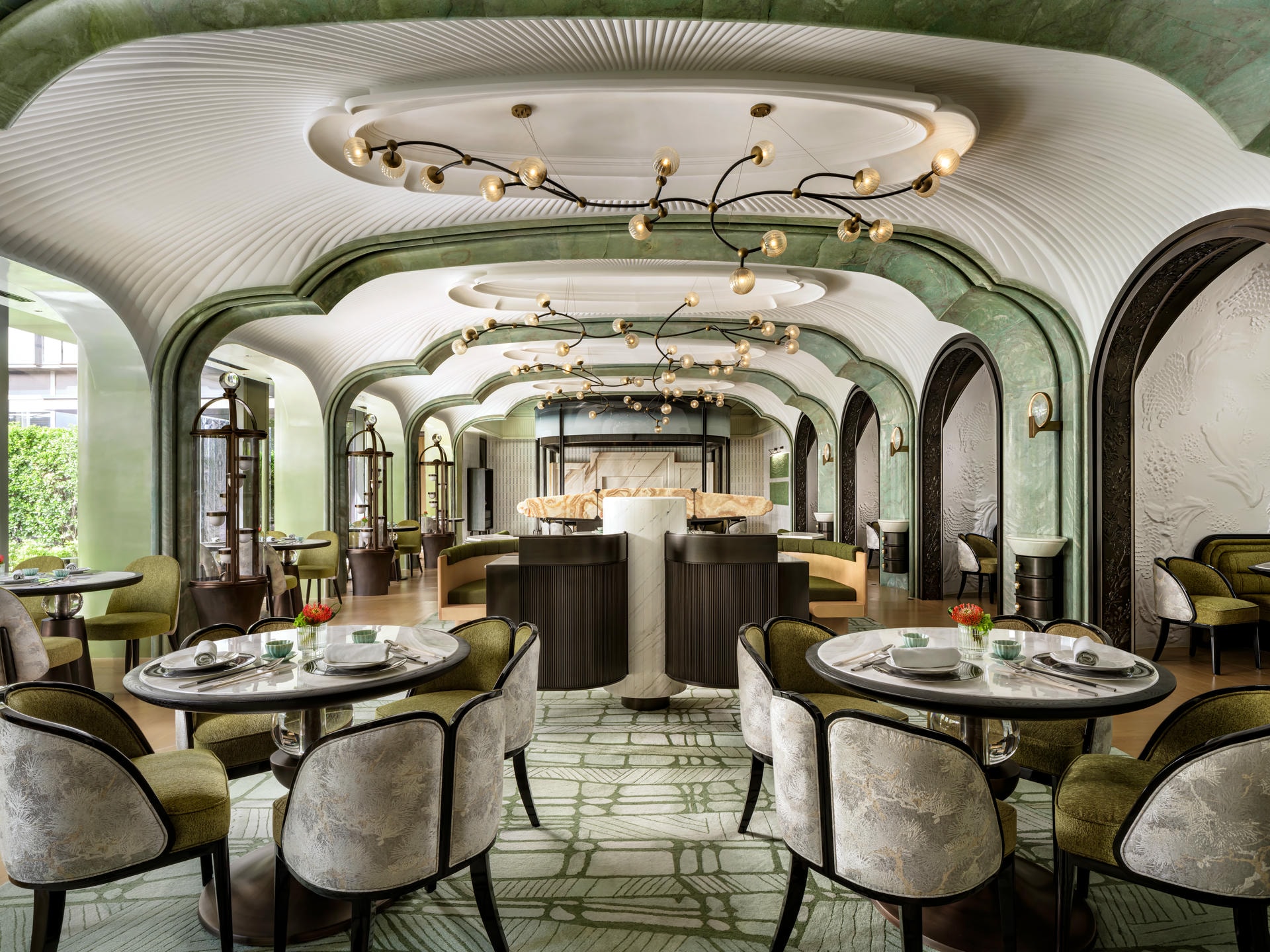
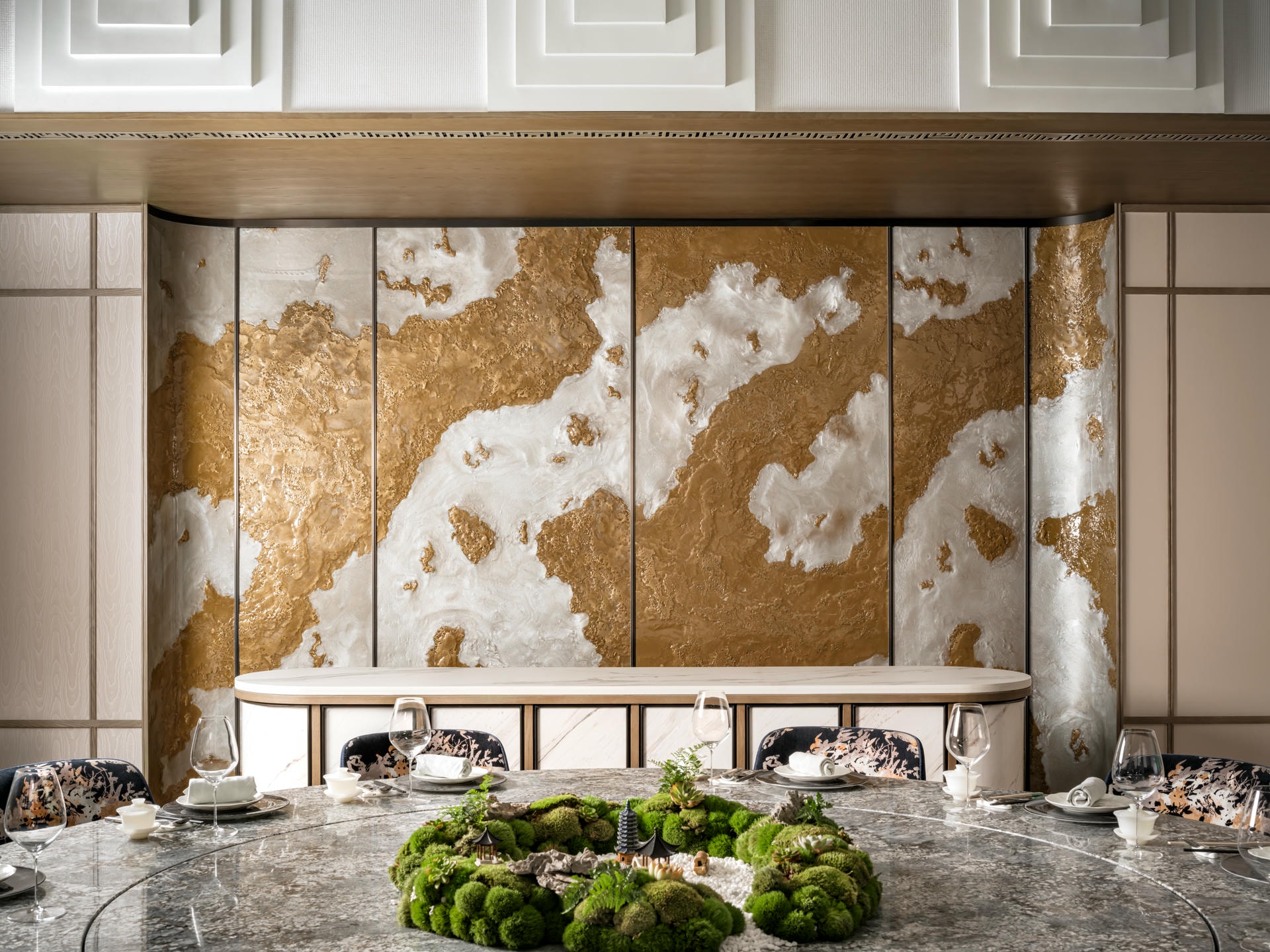
Every project becomes special for different reasons, so choosing one that could be considered a favorite might almost be impossible for me. Song at Four Seasons Hangzhou has brought us several awards this year, and we are proud of that. We also recently completed Akira Back in Hong Kong and Spago by Wolfgang Puck at St. Regis Shanghai, each with its own very distinct narrative.
But if I am honest, my favorite project is often “the next one”. Much like opening a blind box, there is always something very exciting about not knowing what story I will work on next.
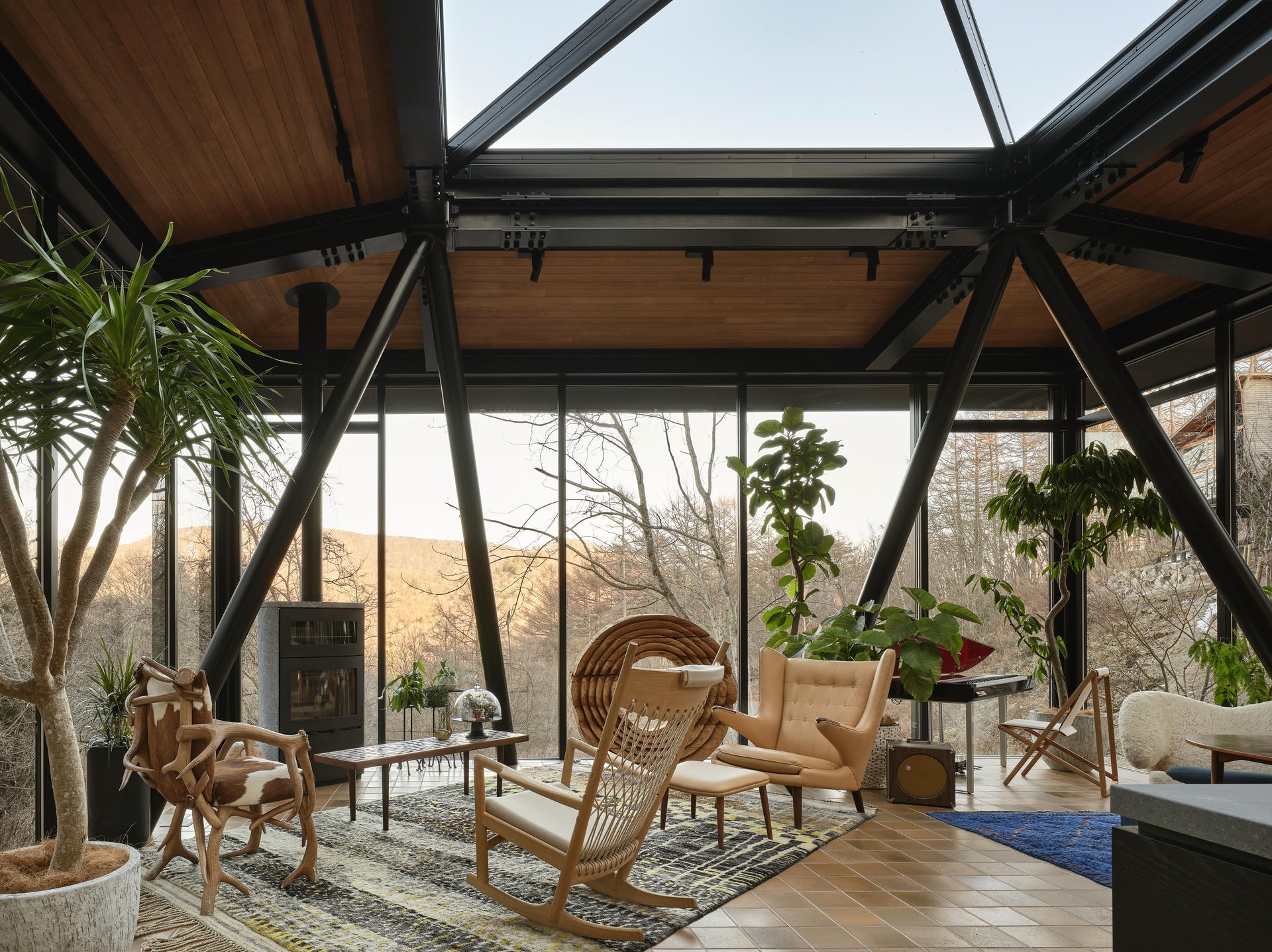
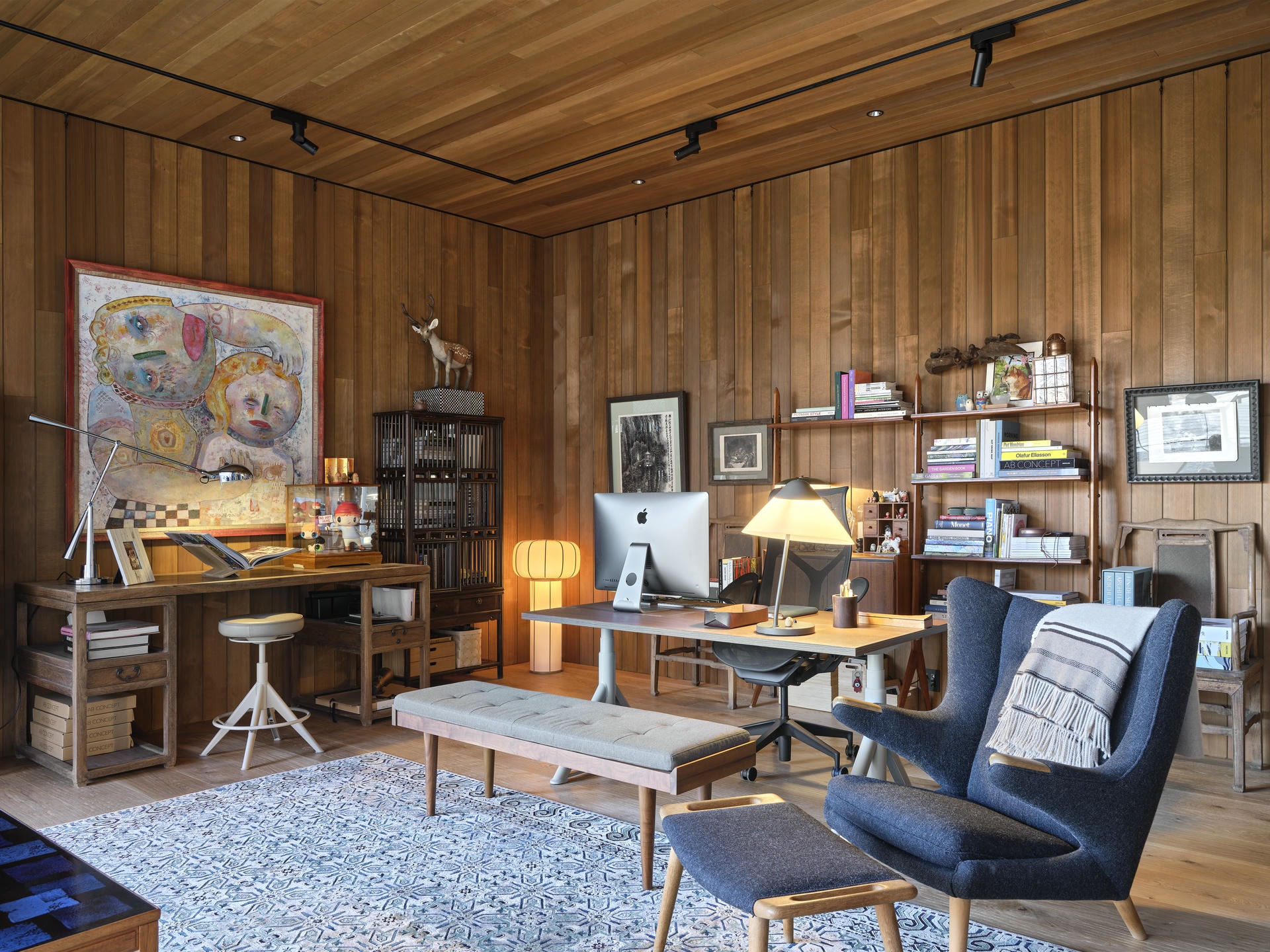
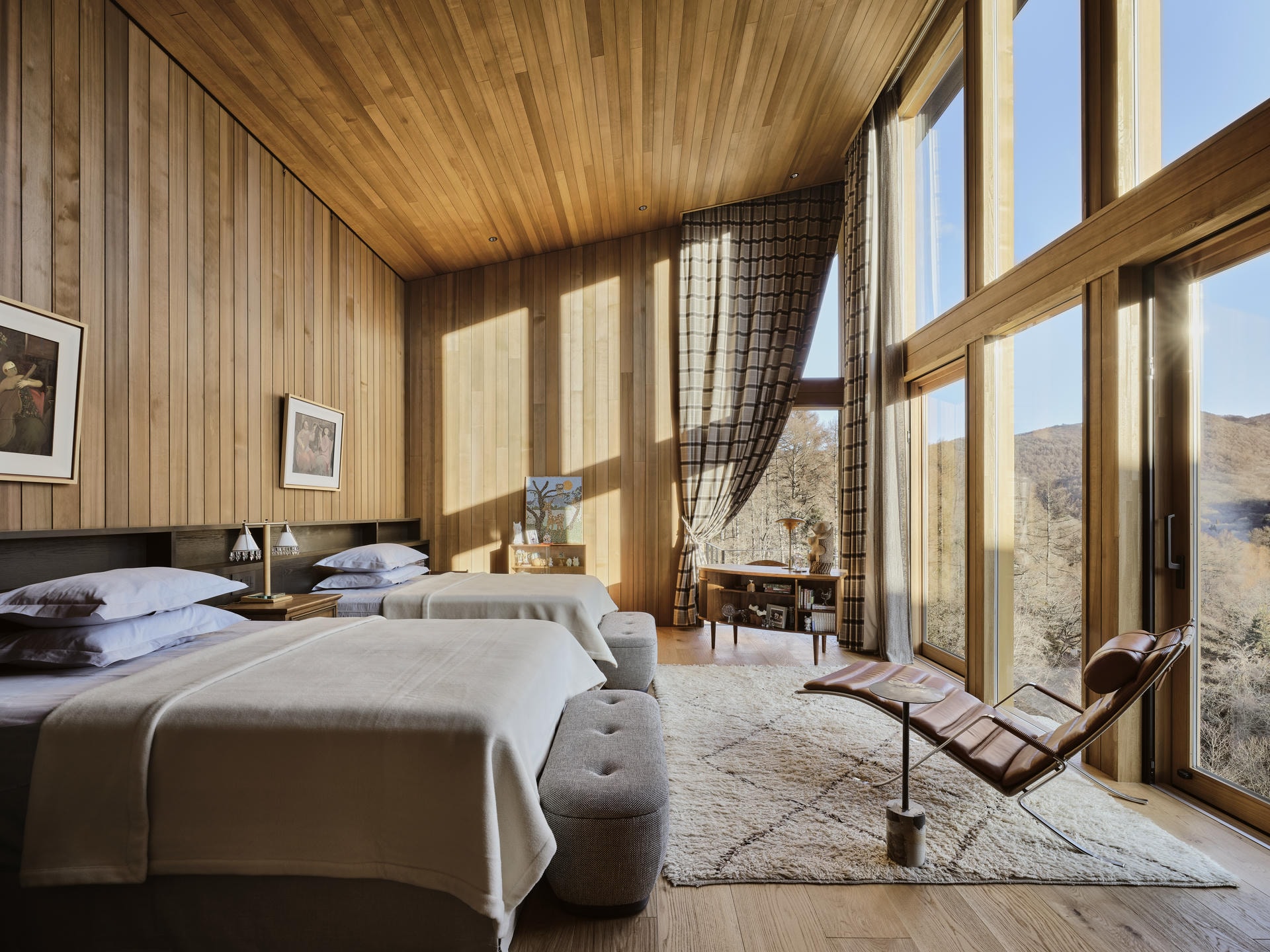
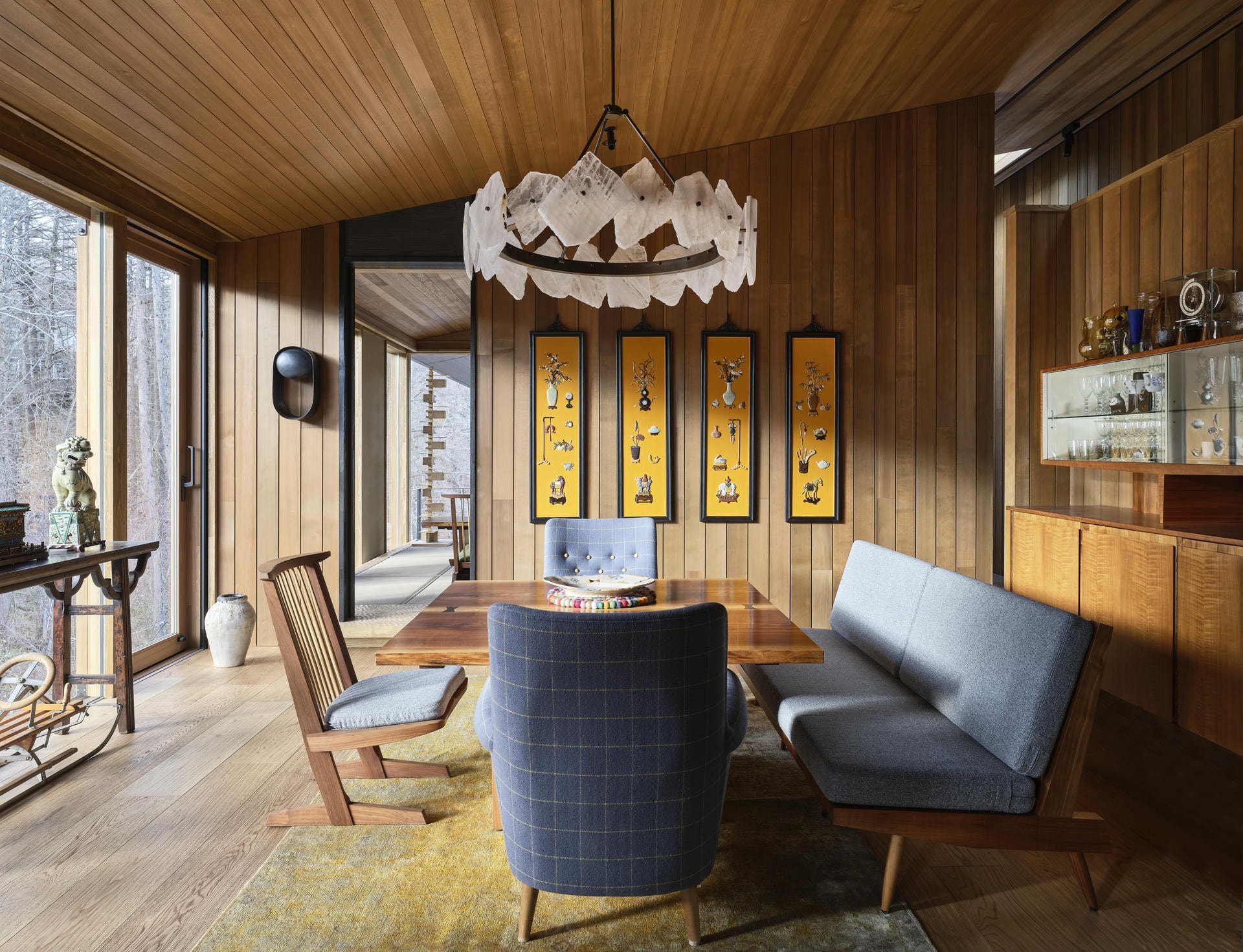
On a personal note, my home, Itsu Sho Sha in Karuizawa, will always hold a unique place in my heart. Terence and I designed it from the ground up with no narrative and no constraints. It was pure freedom, guided only by the way we want to live and the things we love.
8. If you could pick one interior design tip that is important to you, what would it be?
Forget the styles. Less is more. More is more. These ideas only go so far. Listen to the space. Let the space guide you. Like tango, interact, respond, and create a dialogue. When you follow that rhythm, the space becomes alive.
9. What was the best advice you have received in your path?
10. What would be your advice to beginner interior designers?
Stay curious. Observe before you create. Listen before you draw. The world is full of small clues about balance, proportion, and emotion. When you truly think about everyday life and human experience, your design will naturally carry depth and soul.
11. What was one of the hardest learned lessons in your journey?
Patience is not optional. It is essential. Good design takes time, thought, and many adjustments. Building a strong team takes time. Clear communication takes time. Early in my career, I tried to push things quickly. Now I see that when you embrace the process, you often reach the finish line with more clarity and less rework.
12. Are there any books/podcasts you would like to recommend to our readers?
Who Moved My Cheese?
13. Finally, what are your upcoming projects? Anything you’d like to share or add to the interview?
At the moment, we are lucky to be working in many different cities around the world. From Rosewood Red Sea to Shangri-La Kyoto, and across different parts of Europe, the Middle East, and Asia, the projects keep us moving and constantly learning. Every place has its own rhythm, its own light and its own sense of beauty. Being able to design in such different cultures feels a little like carrying a suitcase filled with new inspirations everywhere we go. It keeps the work fresh and alive.
I am also spending more time on product collaborations, which lets me explore ideas on a more intimate scale, almost like sketching with materials.
More than anything, I feel grateful. It is a really special feeling to see our work become part of people’s lives in so many corners of the world.

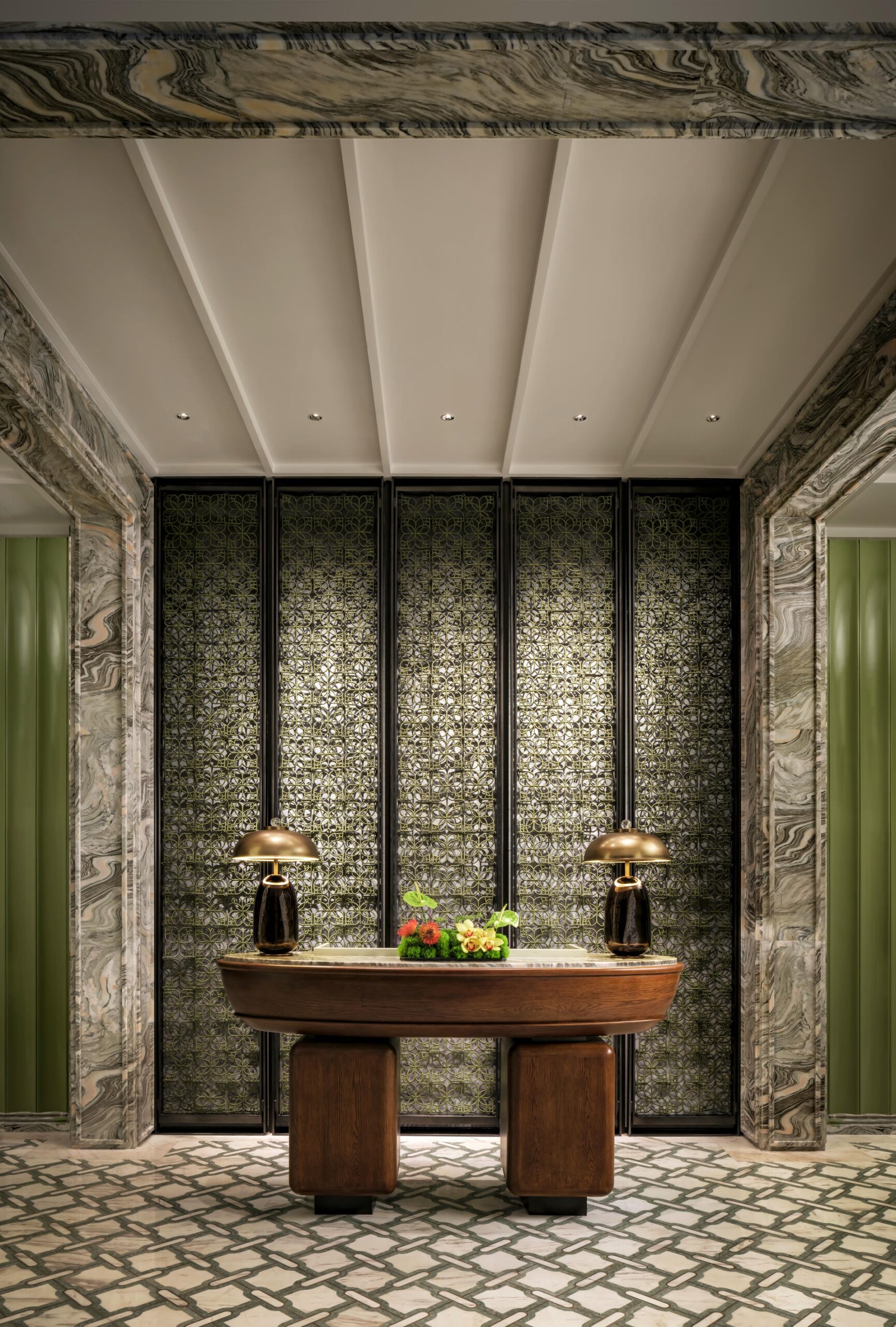
Song Chinese Restaurant, Four Seasons Hangzhou © Brandon Barre

Song Chinese Restaurant, Four Seasons Hangzhou © Brandon Barre
Thank you so much Ed, for this lovely interview!