Eline Baas
Interview
The Netherlands, Nijmegen.
Growing up in an art-loving family, my affinity for art and design has always been very strong. I was often taken to all kinds of museums and architectural icons, which deeply shaped my appreciation for art and design. At home, we were always engaged in creative activities, and this was encouraged from a very young age.
Yes, I have always been involved in designing and creating, though I’ve applied this passion across many different industries. I constantly seek the challenge of exploring new areas, which has resulted in a broad ability to combine all the knowledge I’ve gained from these diverse fields.
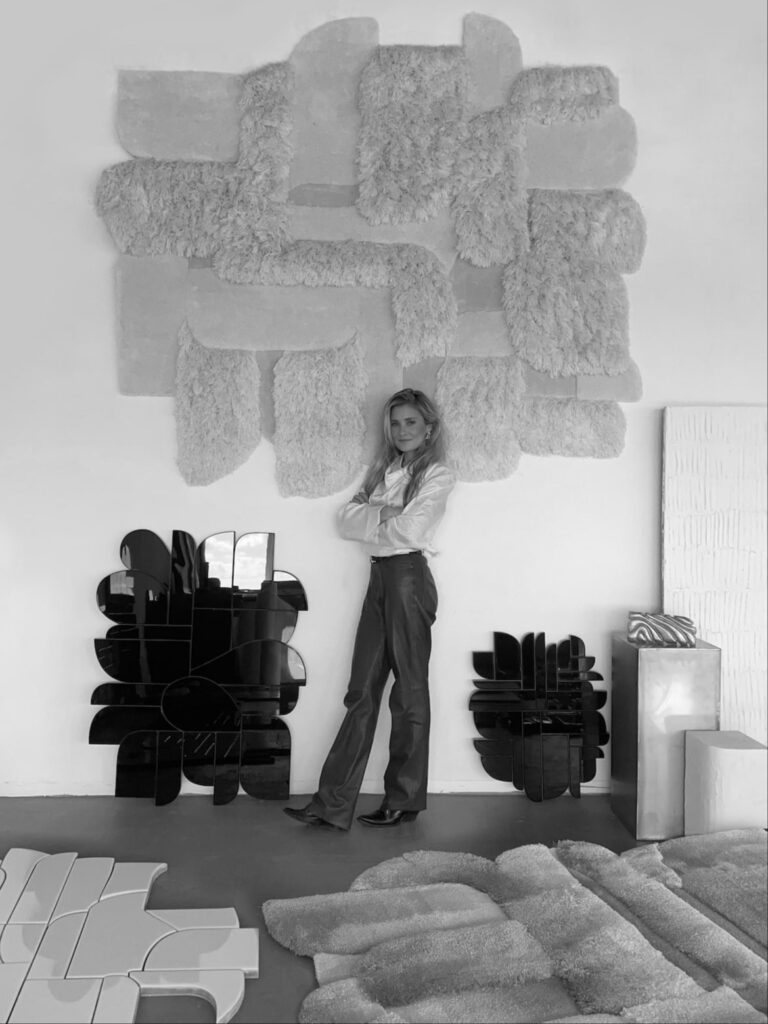
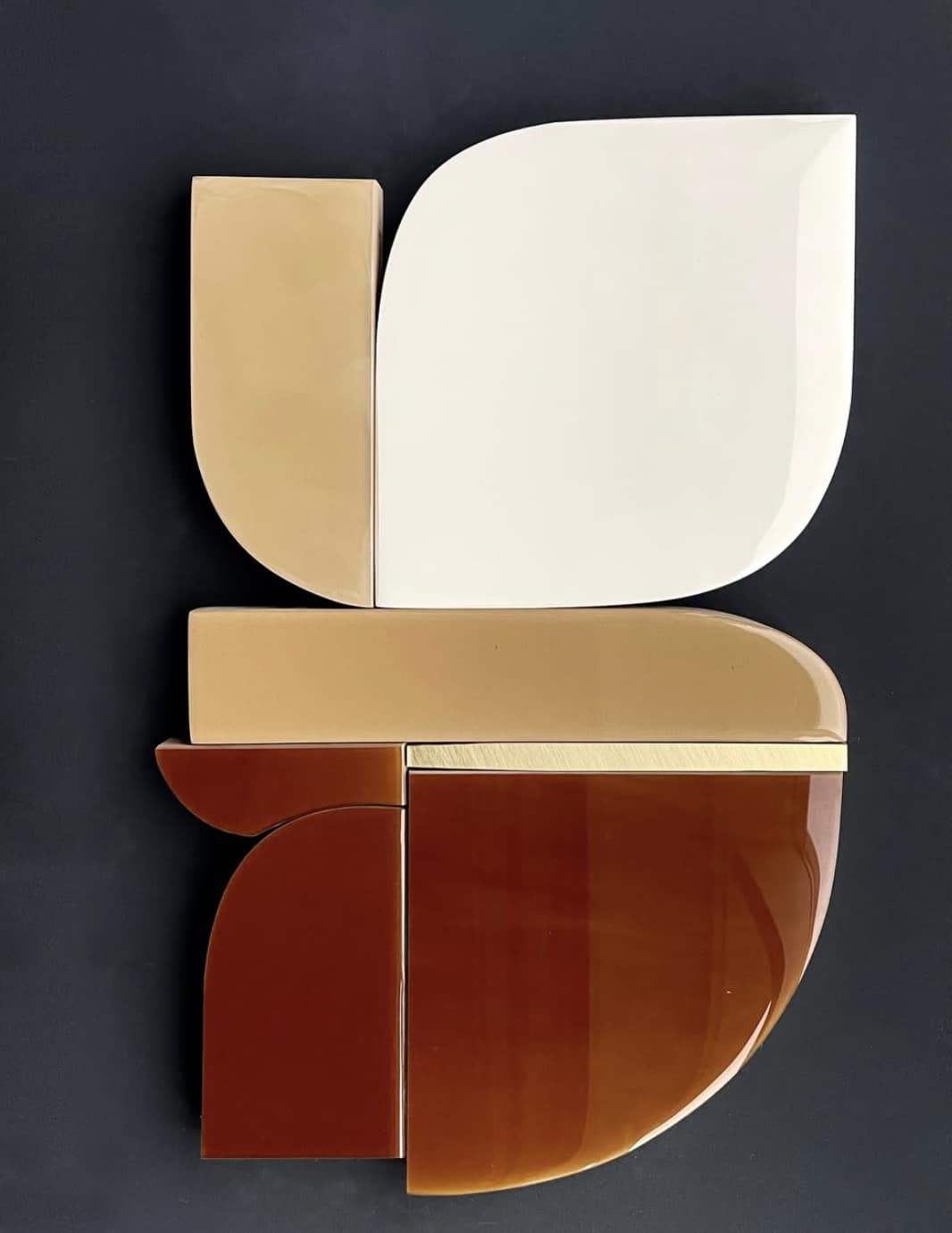
My journey into design creation was driven by a fascination with form, contrast, and material. I’ve always been intrigued by the interplay between shapes, the tension between different materials, and the harmony that can emerge from opposites. My intuitive approach allows me to explore these contrasts deeply, guided by a broad knowledge of materials, a focus on quality, and a commitment to authenticity. I’m particularly drawn to the contrast between vintage and contemporary styles, blending the best of both worlds to create something unique. This combination has shaped my passion for creating designs that feel both dynamic and timeless.
My creative process is deeply intuitive, often starting with a feeling or concept that I want to explore. I begin by experimenting with different forms, materials, and textures, embracing contrasts and the unique qualities each element brings. I’m influenced by a wide range of sources—from nature, material, vintage designs to contemporary innovations—constantly seeking a balance between the past and the present.
A typical day of work varies greatly, and that’s what makes it so exciting for me. No two days are the same. However, I particularly cherish the days spent in my studio, where I start from scratch and fully immerse myself in my creative process. This freedom and space are essential for me to come up with something new. Being able to lose myself in my work and live my passion in those moments is the ultimate feeling. These days give me the greatest sense of freedom, which is very important to me. Thankfully, I also have a variety of projects and collaborations, so each day feels different and brings a good balance to my work life.
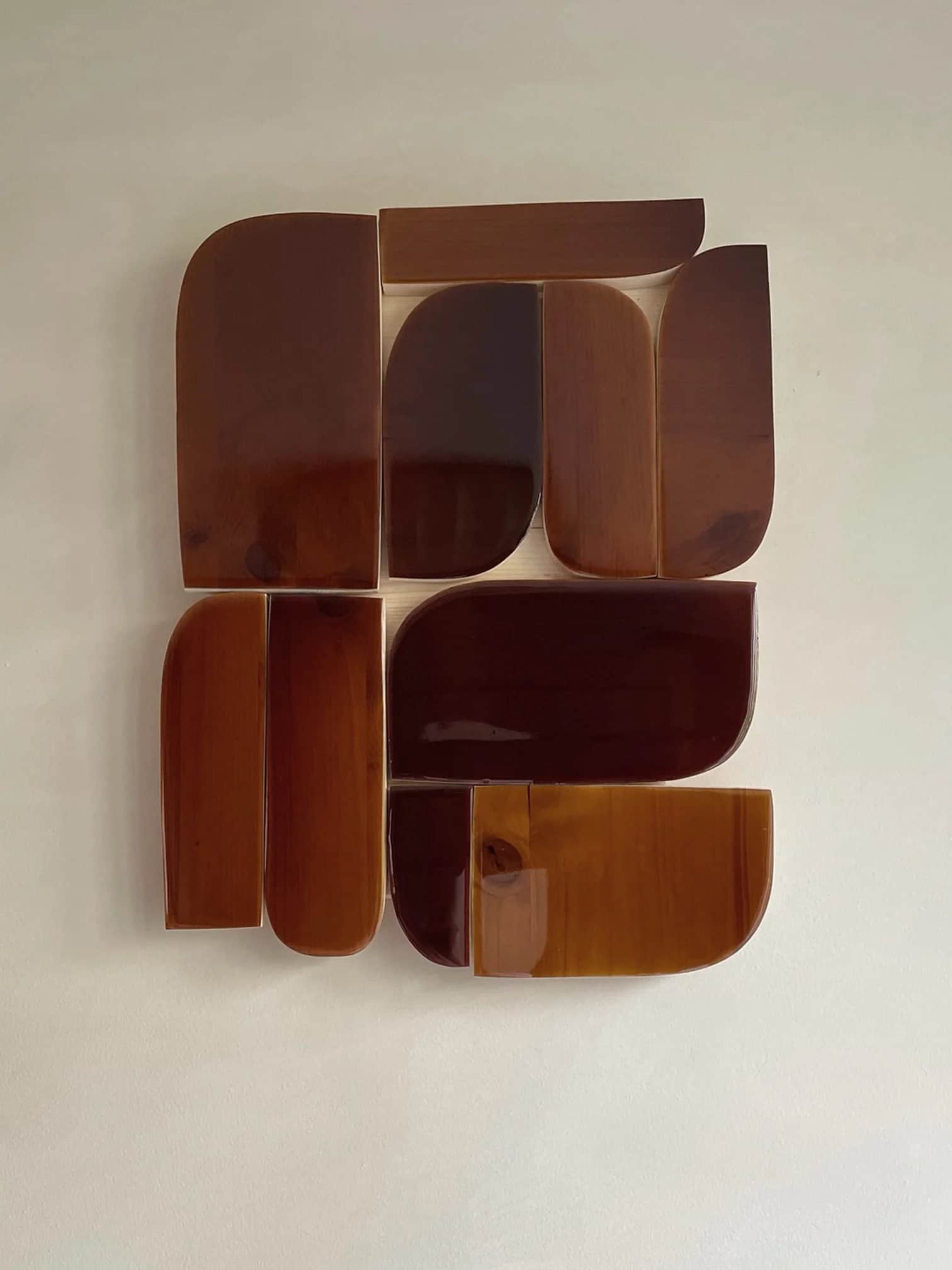
I choose the materials I work with based on their ability to express contrast, texture, and authenticity. My selection is driven by a deep understanding of each material’s properties—how they interact with light, how they age, and how they can transform within a design. I’m drawn to materials that offer both aesthetic beauty and functionality, allowing me to create designs that feel timeless and meaningful. Whether it’s the warmth of wood, the sleekness of metal, or the richness of stone, each material brings its own story to the design, and I love exploring how they can work together to evoke the right emotions and impact.
It’s more of a meticulous process that takes weeks to complete. The wax and color pigments must be applied layer by layer, allowing each layer to harden before the next one is added. Surface treatments of materials are both time-consuming and costly. The real challenge often lies in combining different materials, as this brings about technical difficulties due to the need for specialized machines and techniques. Each material requires careful handling and precise coordination to ensure everything comes together seamlessly.
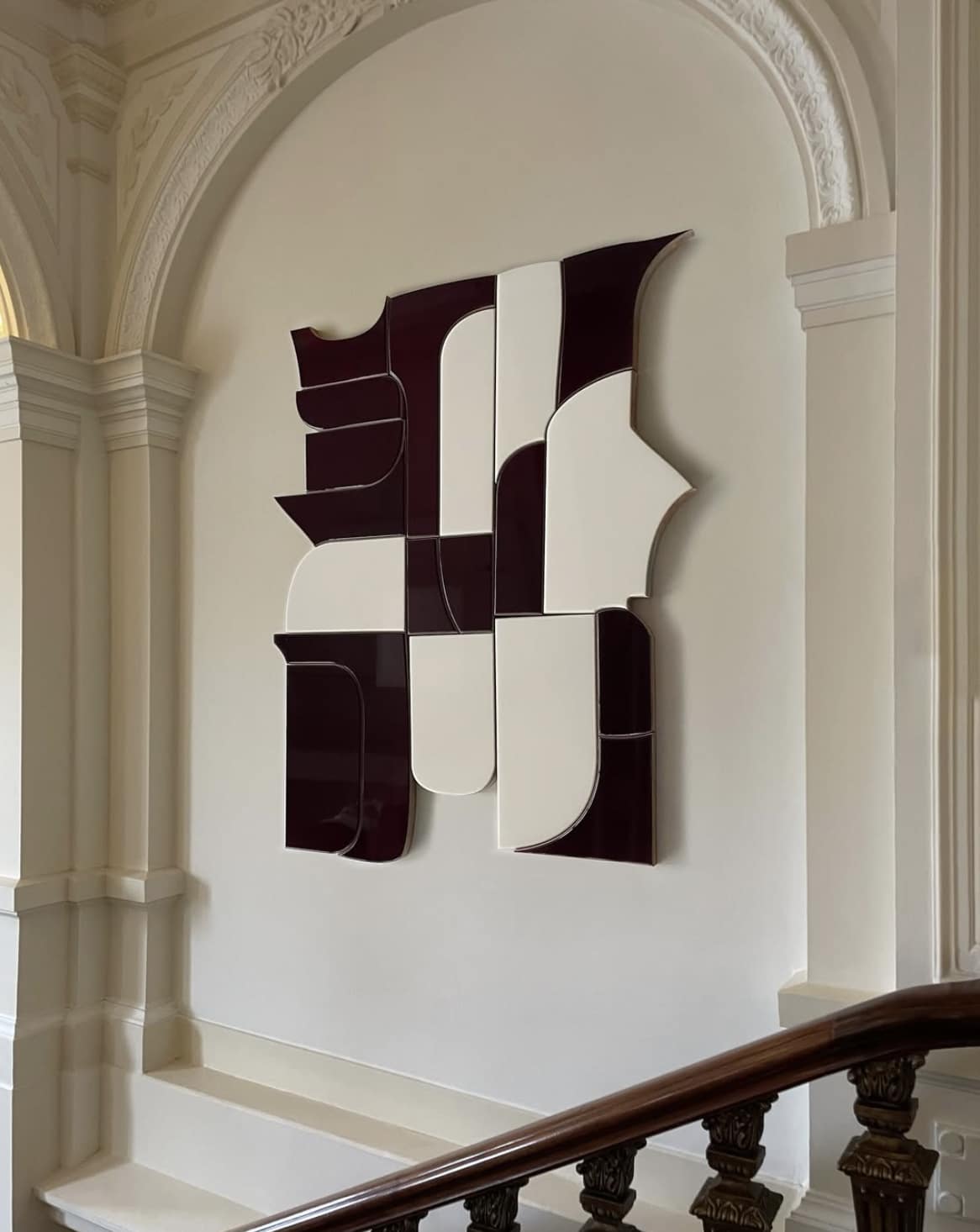
My advice would be to give yourself time to experiment with a wide variety of materials, styles, and techniques. Make a deep study of this process and continue to explore it over time. Always seek out new techniques and materials, and try to expand your horizons as much as possible. Let yourself be inspired by the most unexpected things, and never be afraid to push the boundaries of your creativity. The more you explore, the richer your work will become.
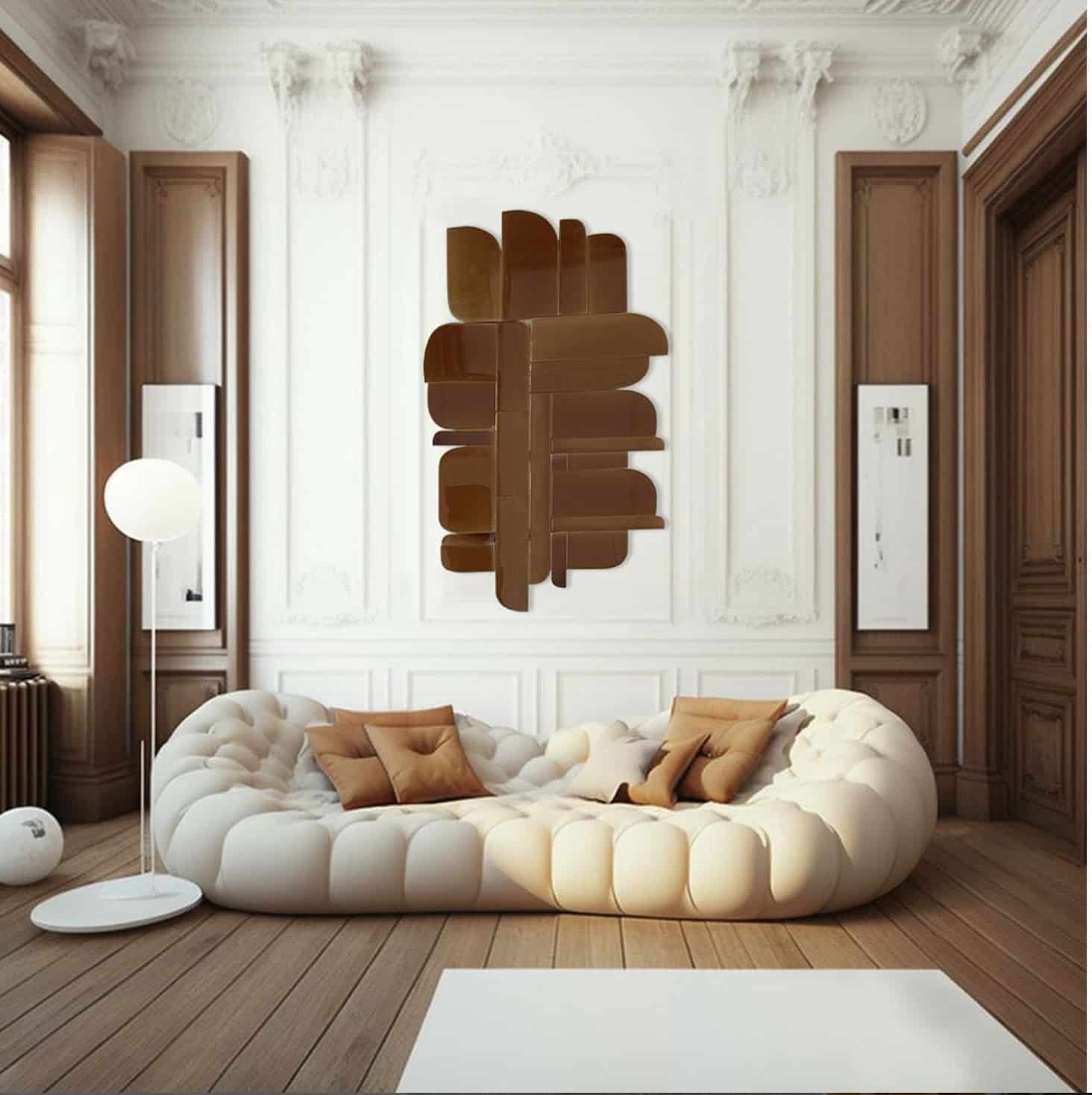
If my works had to belong to a design movement, I would likely define them within the realm of *contemporary* or *modernism with a focus on craftsmanship*. My approach combines a deep appreciation for timeless forms with an emphasis on texture, contrast, and materiality. I blend traditional techniques with modern sensibilities, allowing for a balance of aesthetics and functionality.
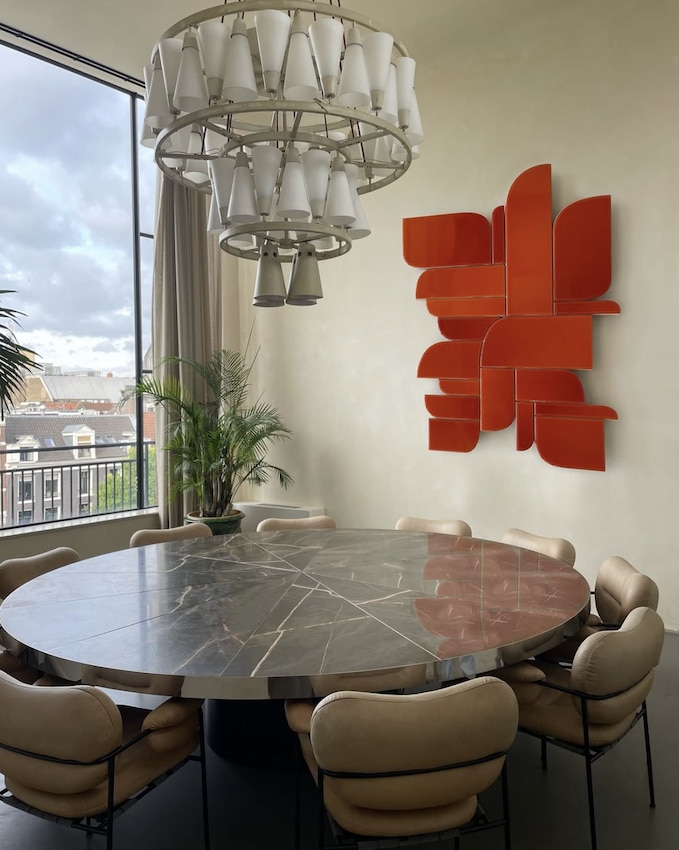
My work has been influenced by artists like Barbara Hepworth, Constantin Brâncuși, Jean Arp, and Henry Moore. Hepworth’s organic shapes and textures, and Brâncuși’s focus on purity and abstraction, all inspire my approach to materiality and space. Arp’s exploration of fluid, biomorphic forms has also had a strong impact on my work, encouraging me to think about the natural flow and balance in sculpture. Henry Moore’s large-scale, abstract pieces, which interact with their surroundings, further shape my creative process. These artists push me to explore the harmony between form, material, and emotion in my designs.
Anish Kapoor, Kapoor’s use of form and reflective surfaces. Tony Cragg creates abstract, organic sculptures that explore material transformation and the interaction between form and environment. Richard Serra is renowned for his large, monumental steel sculptures that engage the viewer’s physical experience and perception of space.
A contemporary designer who inspires me is Tokujin Yoshioka. He is known for his innovative approach to materials and light, such as his “Honey pop” chair made from folded paper. His designs combine elegance with an experimental approach to technology and natural elements, resulting in unique and visually striking pieces.
“Transforming space through form and perception.”
“The more you explore, the richer your work will become.”
The Questions
(The Proust Questionnaire is a set of questions answered by the French writer Marcel Proust.
Other historical figures who have answered confession albums are Oscar Wilde,
Karl Marx, Arthur Conan Doyle, Stéphane Mallarmé, Paul Cézanne…)
Freedom and Simplicity.
Loss of zest for life.
Overthinking.
Dishonesty.
Malala Yousafzai.
Obsession.
Curious.
Society.
Empathy and humor.
Same and not to take herself too seriously.
Ohhhja?!
Present.
Stronger spine;-)
My children.
A man.
On a warm island, back to basics.
My imagination.
Losing the ability to create.
Creating.
Curiosity.
Authenticity.
Yuval Noah Harari, Nora Ephron, Astrid Lidgren, Elizabeth Strout, Primo Levi, AFTH van der Heiden.
Tintin.
Frida Kahlo.
David Attenborough.
Lola, Bella, Bowie, Sam, Benja.
Rules.
Not starting sooner.
Fast.
Do not take yourself too seriously!
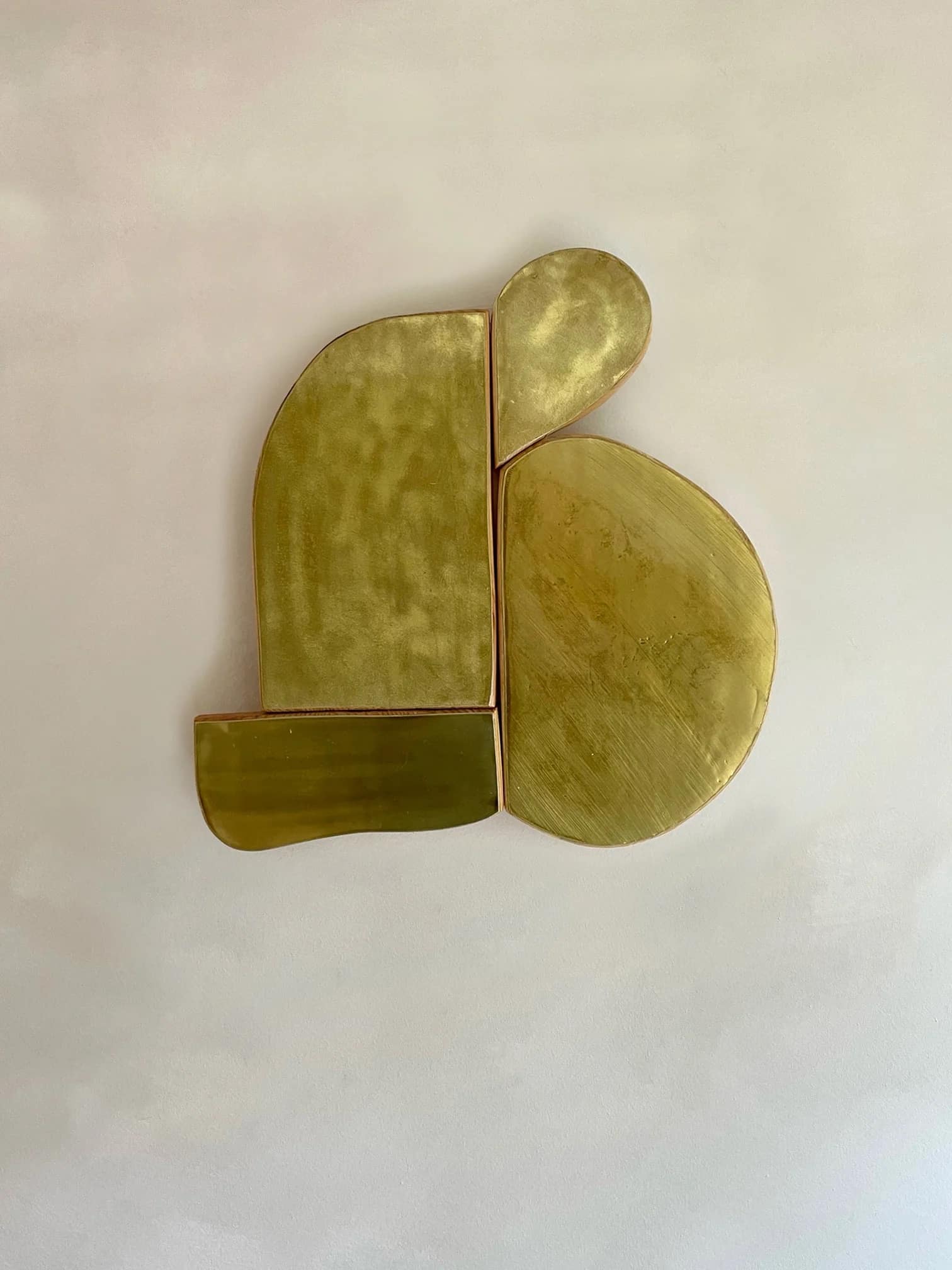
“I choose the materials I work with based on their ability to express contrast, texture, and authenticity.”
SHARE :