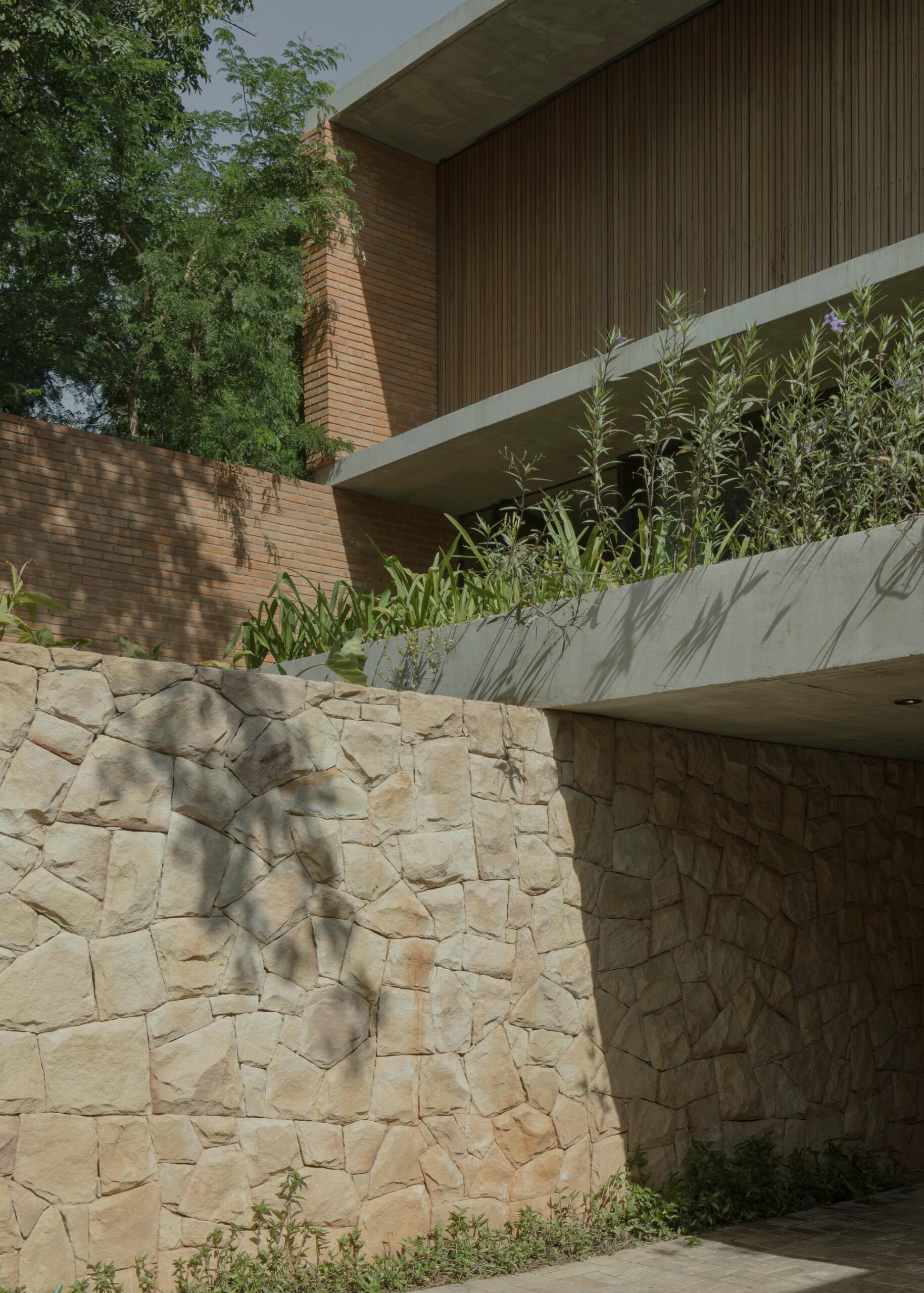
Equipo de Arquitectura
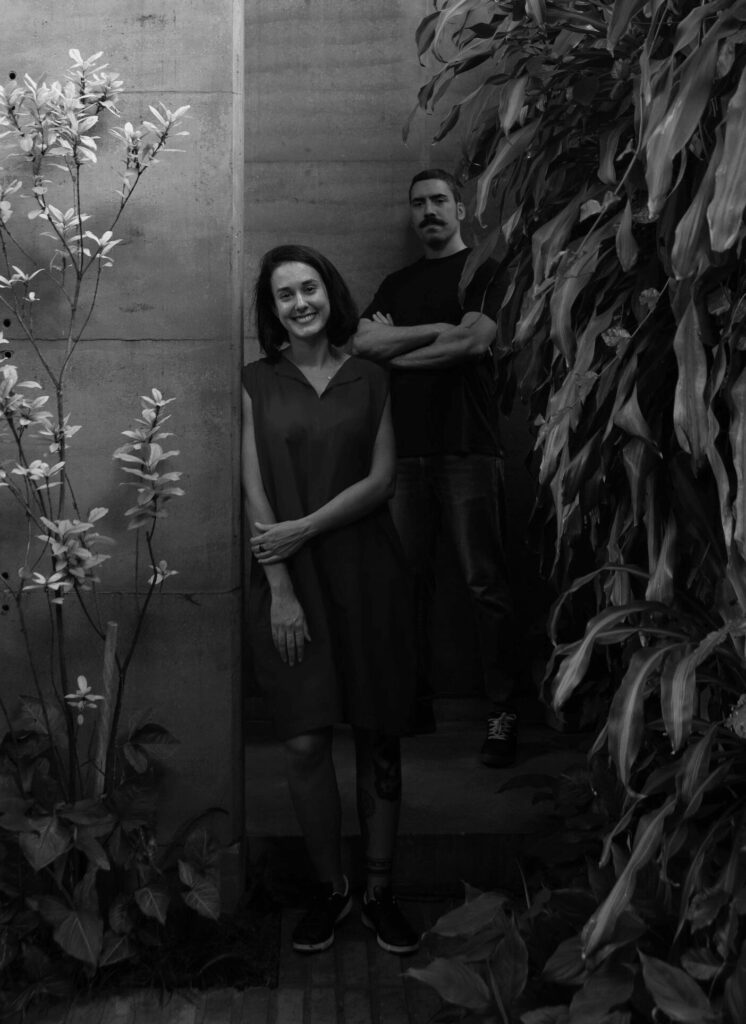
Equipo de Arquitectura is an architecture practice based in Asunción, Paraguay, founded in 2017 by Horacio Cherniavsky and Viviana Pozzoli. Working across a wide range of scales and programs, the studio approaches architecture through the fundamental elements of matter, space, light, and time, creating projects that respond sensitively to both their physical and cultural contexts.
Guided by a philosophy rooted in material sincerity and spatial clarity, Equipo de Arquitectura seeks to establish a dialogue between the built environment and the natural world. Their work is characterized by a careful consideration of construction, light, and landscape, resulting in architecture that is both rigorous and deeply connected to place. Alongside their professional practice, Cherniavsky and Pozzoli are actively engaged in teaching and research, viewing architecture as a continuous process of learning, experimentation, and exchange. The studio has received international recognition through numerous awards, exhibitions, and publications, and has been named among the leading emerging architecture practices in Latin America.
“We recognize the paradox that to build is also to destroy.”
INTERVIEW

Earthbox, Asunción, Paraguay, 2018. Photo by Jason Schmidt
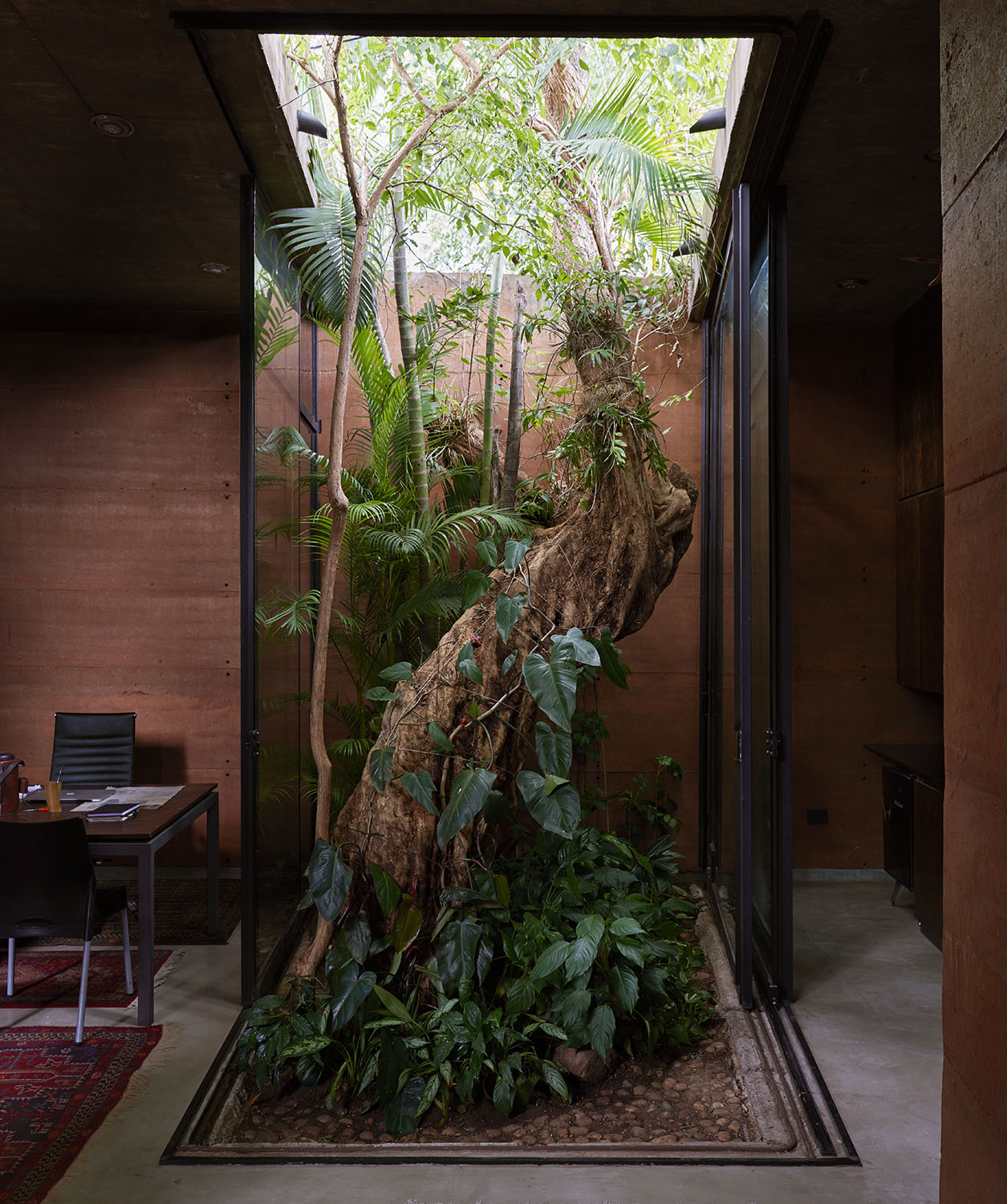
We understand architecture as built reality, so materials are inherently central to our work. We are particularly drawn to natural materials and the way they communicate through spatial experience. Working with local materials allows for coherence between place, construction, and resource availability, while also supporting local techniques and reducing environmental impact. We are interested in material honesty—allowing construction to be legible, even when that implies embracing imperfection.
Each material carries its own logic, and our role is to understand its presence and its appropriateness within each project.
Viviana: Since I was a child, I was drawn to spaces that produced specific atmospheres—almost phenomenological experiences. My father is an engineer, so I spent a lot of time on construction sites, which sparked an early fascination with how materials are transformed into buildings.
Horacio: My parents had a collection of architecture magazines in our living room, and I used to look through them from a very young age. I knew I wanted to be an architect, although I also considered becoming a musician, and for a while I struggled between the two. Eventually, I chose architecture. At the beginning, I didn’t fully understand what the discipline entailed, but over time, I became completely immersed in it.
At the beginning of the process, we talk about intuitive steps we think are the correct ones for every occasion. Of course, intuition comes from experience, and as young architects, we are in the process of acquiring experience, but having practiced for almost 10 years, we are beginning to understand that the decisions we make at the start of each process come from conclusions we arrived at through previous experiences. It is an ongoing process: the more we learn and build, the more we refine that intuition. In that sense, intuition becomes the driver of the first steps in the conception of any project.
We try not to operate within a predefined style. While certain patterns may appear across our work, they emerge as logical responses to specific conditions—climate, material availability, local resources, existing landscapes, and construction techniques.
Our values remain consistent, but their material expression changes from project to project. What persists is an attitude—a way of approaching problems—rather than a fixed aesthetic. We are not interested in consolidating a recognizable image, but in responding precisely to each situation.
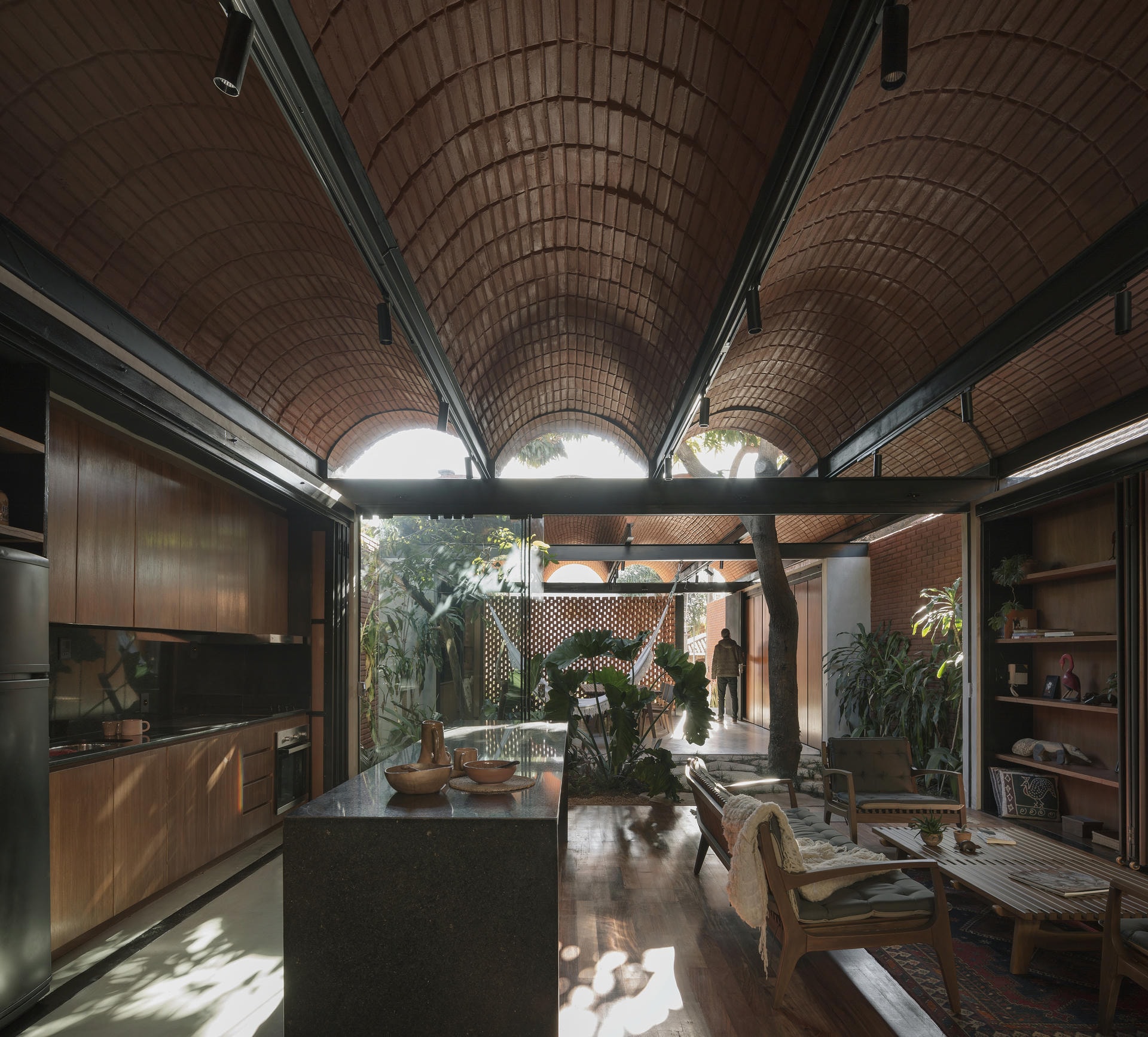
Natural light is fundamental to the experience of architecture. We treat light as a protagonist, understanding that shadow is equally necessary for its presence to be perceived.
In Paraguay’s climate, working with light requires balance: protecting from excess while still allowing enough illumination to avoid artificial lighting during the day. Filters, veils, and shutters help modulate this condition, producing a chiaroscuro atmosphere that intensifies spatial experience.
We don’t think of projects in terms of success or failure, but rather as part of a continuous learning process. In some projects, we resolve certain problems better, while other projects possess stronger qualities in different aspects. Some projects allow for more experimentation, accelerating that learning curve. Our aim is to maintain a balance between exploration and precision, understanding that growth comes from both.
The works we value most are those that align with the principles we pursue: a strong material presence, a precise use of light, clear spatial qualities, and a mastery of structure.
What these projects teach us is that timeless architecture emerges from a deep understanding of material, construction logic, light, and space. When these elements are resolved with clarity, a building transcends its function and becomes something more—something enduring.
There are many such works, across different times and contexts, each responding uniquely to its own reality.
Paperwork and legal procedures.

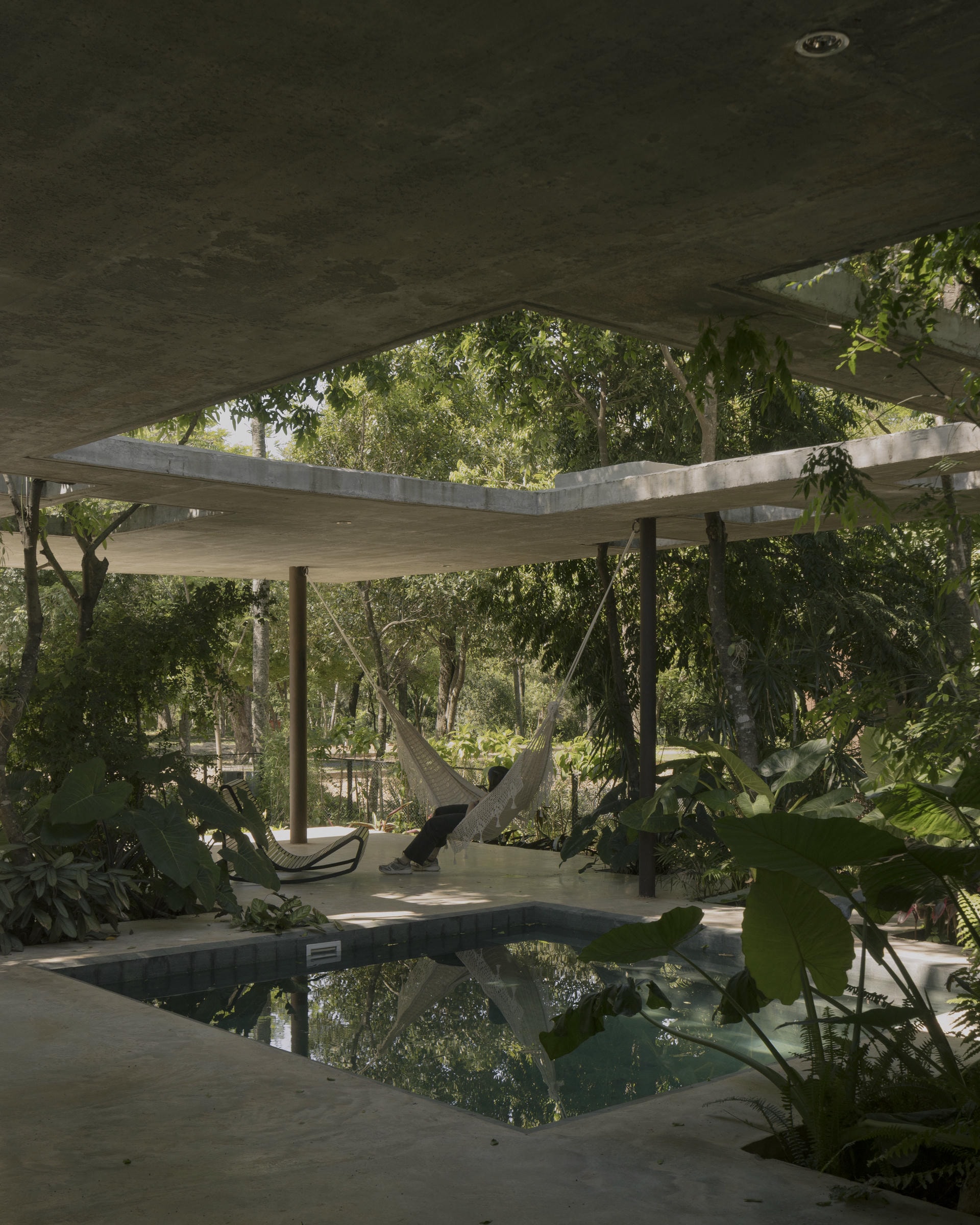
La Casita de Matt, Paraguay. Photo by Federico Cairoli
We constantly engage with music, art, cinema, philosophy, literature, and travel. For us, being architects means understanding the world through architecture, but also through all other forms of human expression.
We believe that richer inputs lead to richer outputs, so we continuously seek to expose ourselves to ideas and experiences that expand our perspective.

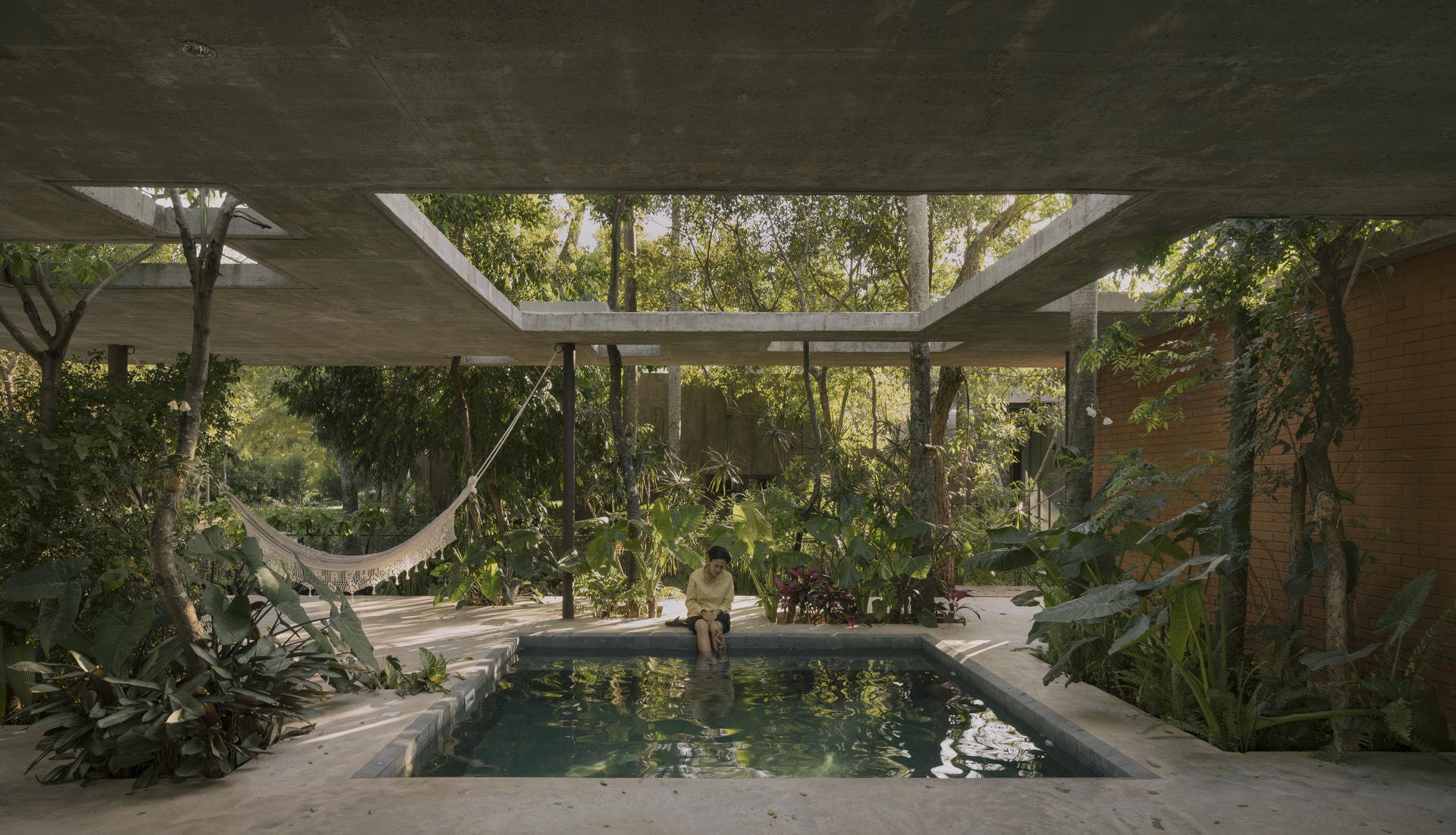
Un Bosque en la Casa, Paraguay. Photo by Federico Cairoli
Rather than a fixed motto, we try to remain faithful to our core values and to improve continuously. It is less a statement and more a way of working.
It’s not for us to define what is universally good or bad—each perspective depends on the knowledge and values one operates from.
However, we believe architecture still has significant room to improve in its social and collective impact. Environmental concerns are unavoidable, and we recognize the paradox that to build is also to destroy. The challenge lies in reducing that impact—through passive strategies, thermodynamic performance, and responsible material sourcing.
At the same time, affordability and accessibility remain critical. If architecture is to remain relevant, it must engage more directly with broader social needs.
No advice is more valuable than experience.
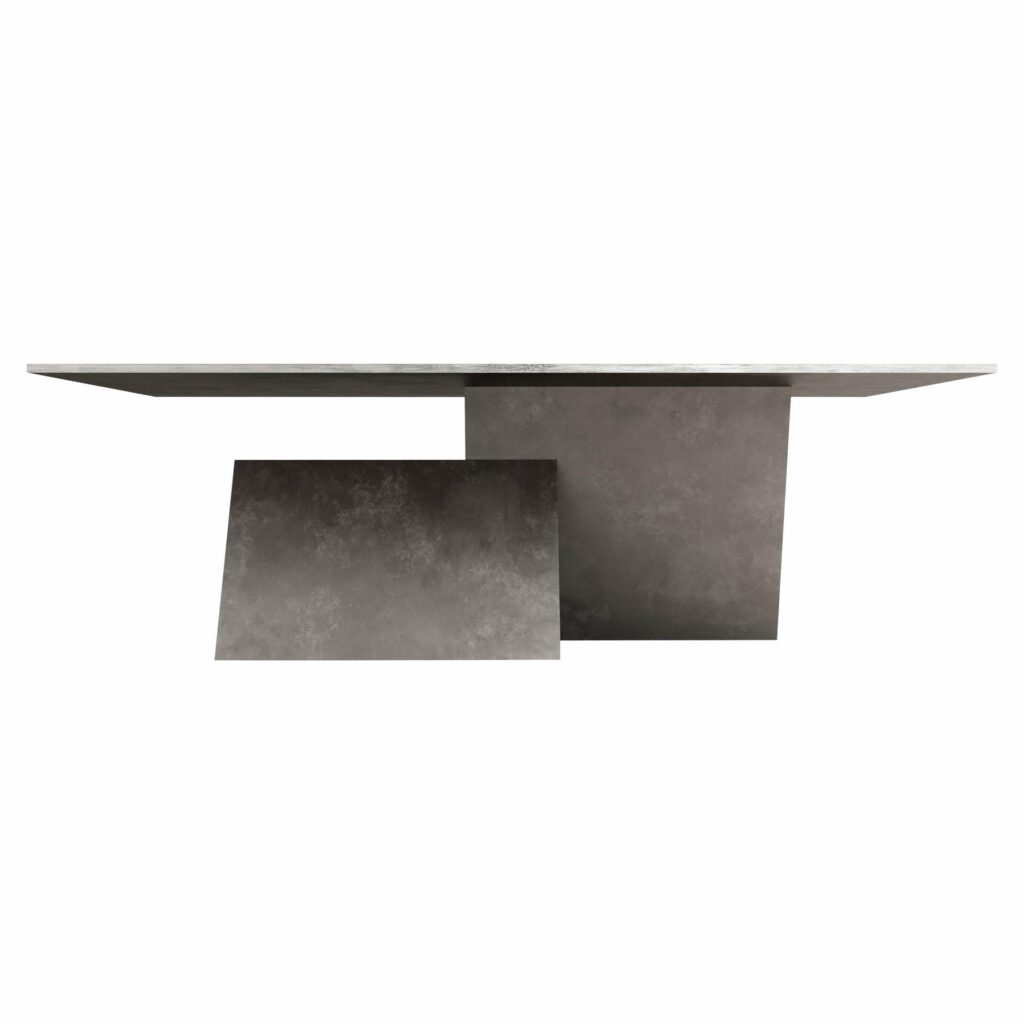
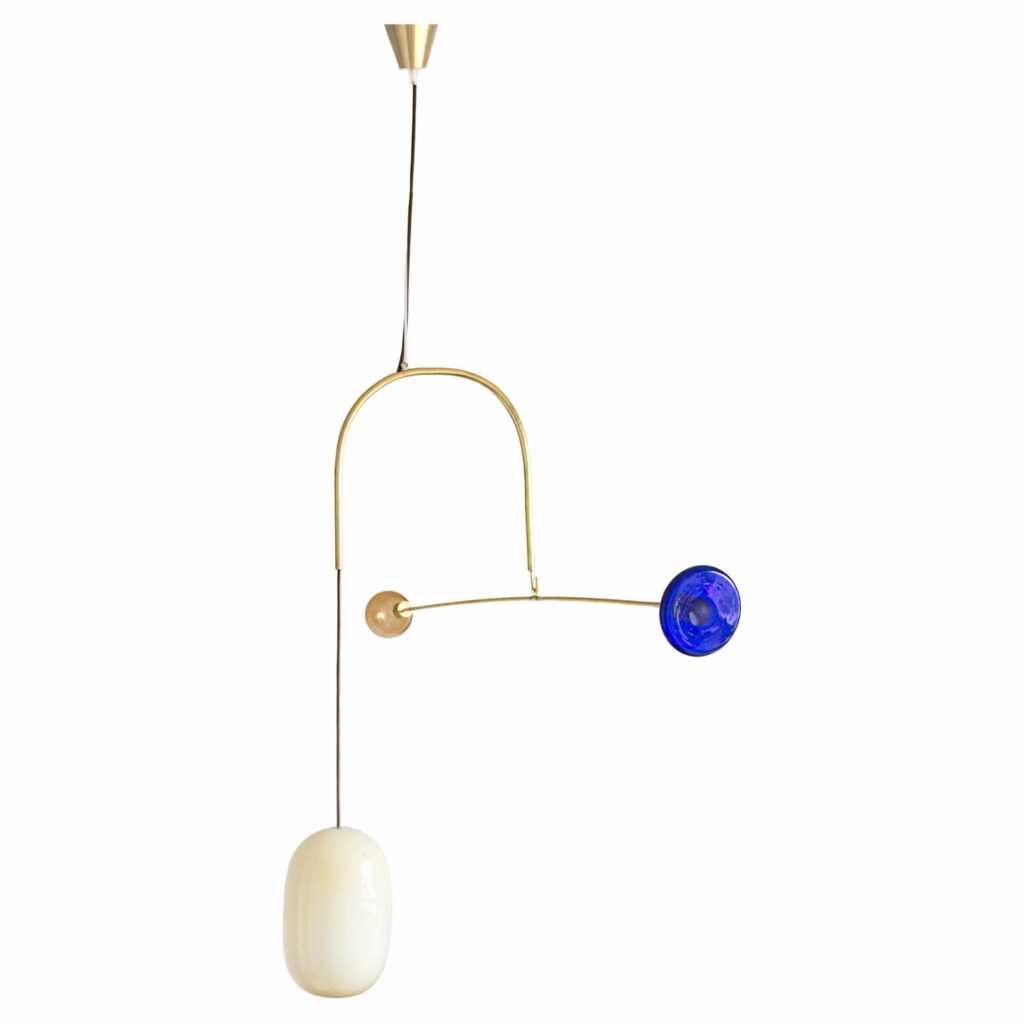
favorite pieces from the Philia Collection
Thank you so much Horacio and Viviana, for this lovely interview!
Share article :