
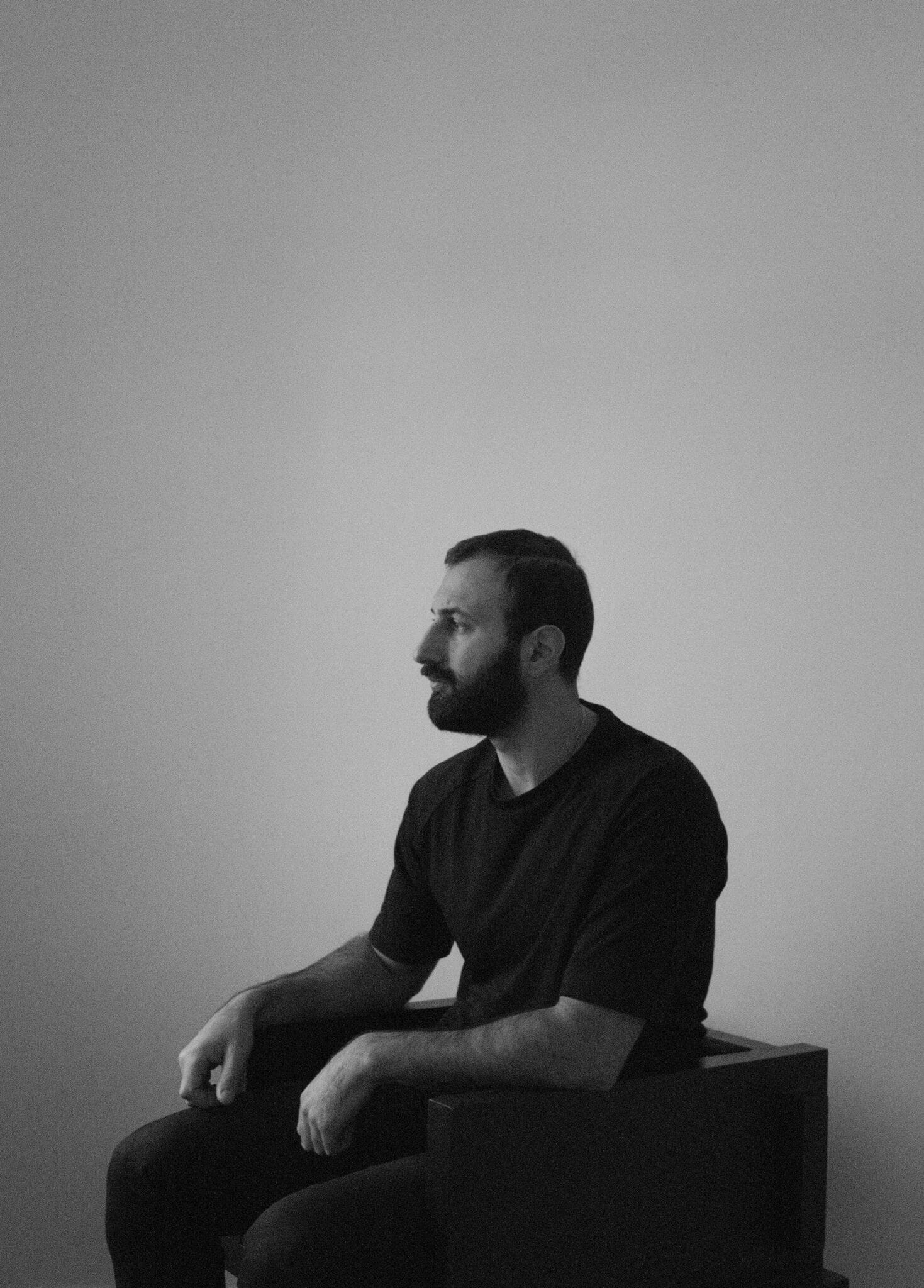
Esra Kazmirci
Esra Kazmirci is a Turkish interior architect and designer based in Istanbul, where she founded Esra Kazmirci Mimarlık in 2012. Working across residential, hospitality, commercial, and yacht interiors, her multidisciplinary practice is guided by a refined balance between functionality and aesthetics, creating timeless environments that respond thoughtfully to the lifestyles and aspirations of their inhabitants.
Before establishing her own studio, Kazmirci gained experience in leading architecture and design practices while also working as a decoration and fashion editor, an experience that shaped her sensitivity to materials, composition, and visual storytelling. Approaching each project as a collaborative dialogue with the client, she develops spaces that reflect both individual identity and contemporary living. Rooted in a belief that thoughtful design can positively influence well-being, her work is distinguished by its elegant simplicity, artistic perspective, and enduring sense of place.
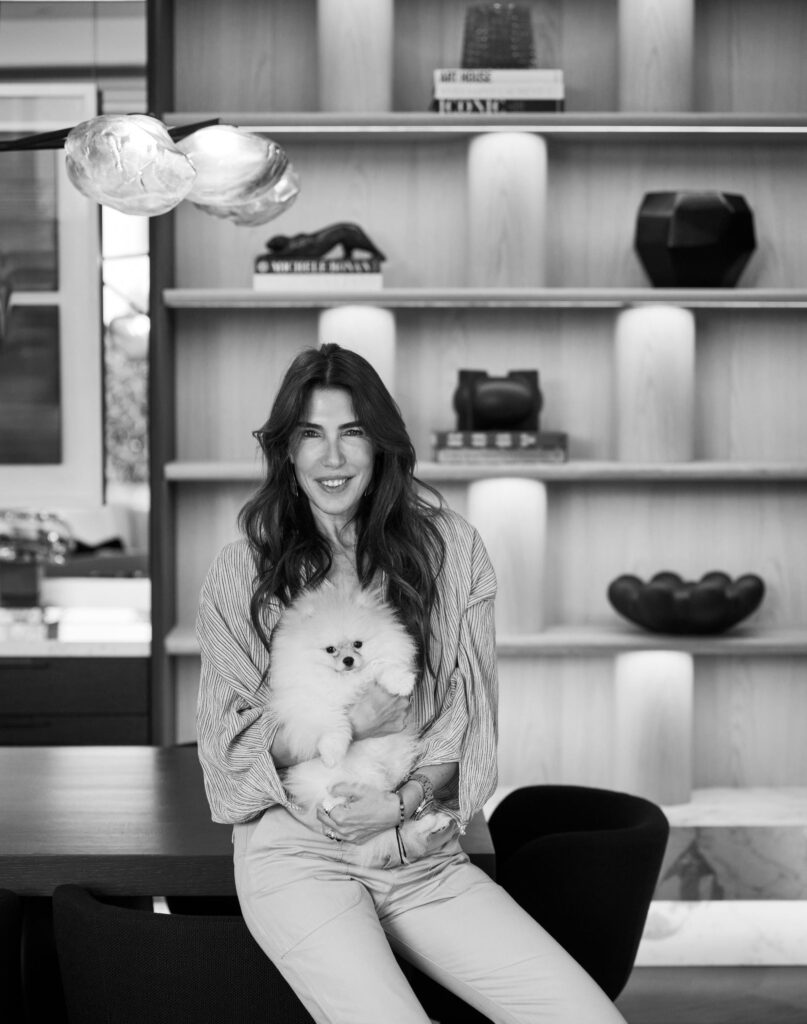
“People don’t just remember how a space looked; they remember how it made them feel.”
INTERVIEW
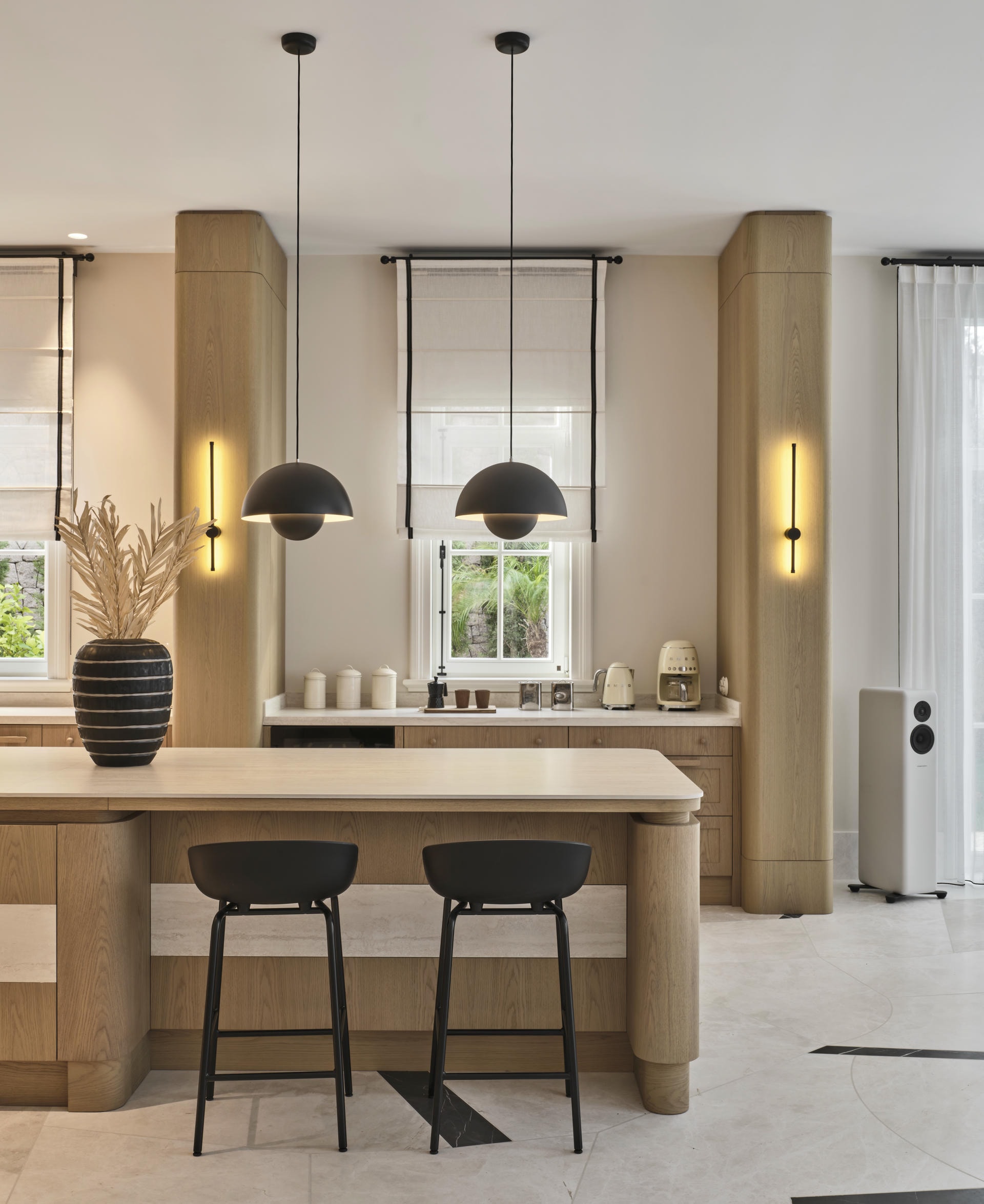
For me, success in interior design is not only about how a space looks, but it’s also about how it feels and how it lives over time. A successful space should reflect the person living in it, but also gently elevate their everyday experience. It should feel natural, effortless, and personal, rather than overly designed.
I believe balance is key. There has to be a harmony between aesthetics, functionality, and emotion. A space can be visually beautiful, but if it doesn’t function well or doesn’t resonate emotionally, it doesn’t truly work. Material choices are also very important to me. I tend to use materials that age well and develop character over time. I’m not interested in spaces that look perfect on day one but lose their appeal quickly. I prefer spaces that become richer as they are lived in.
In terms of business, consistency and clarity of vision are essential. You need to know what you stand for and communicate that clearly. Clients don’t just come for a service, they come for a perspective and a certain way of seeing. Trust is another key element. Building a strong relationship with the client allows the process to flow more naturally and creates better results. It’s important to listen carefully, but also to guide when needed.
And finally, I think longevity is a true measure of success. If a space still feels relevant, comfortable, and meaningful years later, then it has truly succeeded…
My journey into interior design didn’t begin in a straight line, it evolved over time. I worked across different fields, from event design to textiles, journalism, and PR. Each of these experiences quietly shaped my eye and sensitivity to materials, composition, and storytelling.
Interestingly, at the very beginning, I had actually been accepted into a Business Administration program. However, in the same year, an Interior Architecture program opened, and since my score allowed it, I decided to take the talent exam. I was accepted, and that changed everything. So while I had secured a place in business school, I chose to pursue interior architecture instead. Looking back, that decision was instinctive rather than calculated, but it defined my entire path…
The real turning point came later, while designing my own home. I collaborated with an interior designer, and that process made something very clear to me, this was what I wanted to do. At the time, I was pregnant, and everything felt both uncertain and incredibly exciting.
Shortly after, I received my first professional opportunity, and that’s how it truly began. What started as a personal experience slowly turned into a profession, and over time, into something much deeper, a way of seeing and living…
Designing my own home was definitely the most defining moment in my career. It wasn’t just a project, it was a turning point. Until then, I had been working in different creative fields, but that experience made something very clear to me, this was where I truly belonged.
The process itself was very personal. I was deeply involved in every detail, and at the same time, I was going through a transformative period in my life. I was pregnant, and everything felt both uncertain and full of possibility. That combination made the experience even more intense and meaningful…
What I didn’t realize at the time was how much that project would shape my future. Shortly after, I received my first professional opportunity, and that gave me the confidence to take the leap and start my own journey in interior design.
Looking back, I see that defining moment not only as the beginning of my career, but also as the moment I decided to trust my instincts. It wasn’t a planned transition, it was something that unfolded naturally.
And in a way, that mindset still defines how I work today. I don’t follow a rigid path. I trust the process, and I allow things to evolve. That first step taught me that sometimes the most important decisions are not the most calculated ones, but the ones you feel ready for…
I never start with a fixed formula. Each project has its own rhythm, shaped by its location, architecture, and sometimes its history. I believe every space carries a story, and my role is to understand it before adding anything new.
The process always begins with the client… how they live, what they value, and what makes them feel at ease. At the same time, my own intuition plays a key role. From there, I develop a balanced dialogue between materials, creativity, and function, always respecting the overall integrity of the project. I don’t believe in following trends for the sake of it. I observe them closely, but I only incorporate what resonates with my own language. The goal is to create something that feels relevant yet timeless.
For me, a successful space is not only about physical comfort, but also emotional well-being. It should feel calm, natural, and personal. Balancing elegance with functionality and bringing them together in the right proportion is essential. Designing a home is about reflecting someone’s personality, but also about creating an atmosphere where they can truly feel themselves. When a space feels effortless and complete, without being overstated, then I know it works.
Each project is approached with the same passion and curiosity. Sometimes it requires taking risks, stepping outside your comfort zone, and allowing the process to evolve. Over time, this profession becomes more than a job, it becomes a way of living. You learn to stay patient, disciplined, and open. And most importantly, you never stop learning.
I would describe my style as modern, warm, and timeless. I’m not interested in following trends blindly… I’m interested in creating spaces that remain relevant and meaningful over time.
That said, I do follow trends closely, and I do use them, but only the ones that resonate with me. I select what feels aligned with my own design language and reinterpret it in a way that feels natural, rather than imposed. For me, minimalism is not about reducing everything to the minimum, but about making the right choices. It’s about knowing what to include and, more importantly, what to leave out. I try to create spaces that feel effortless, where nothing is excessive, yet everything has a purpose.
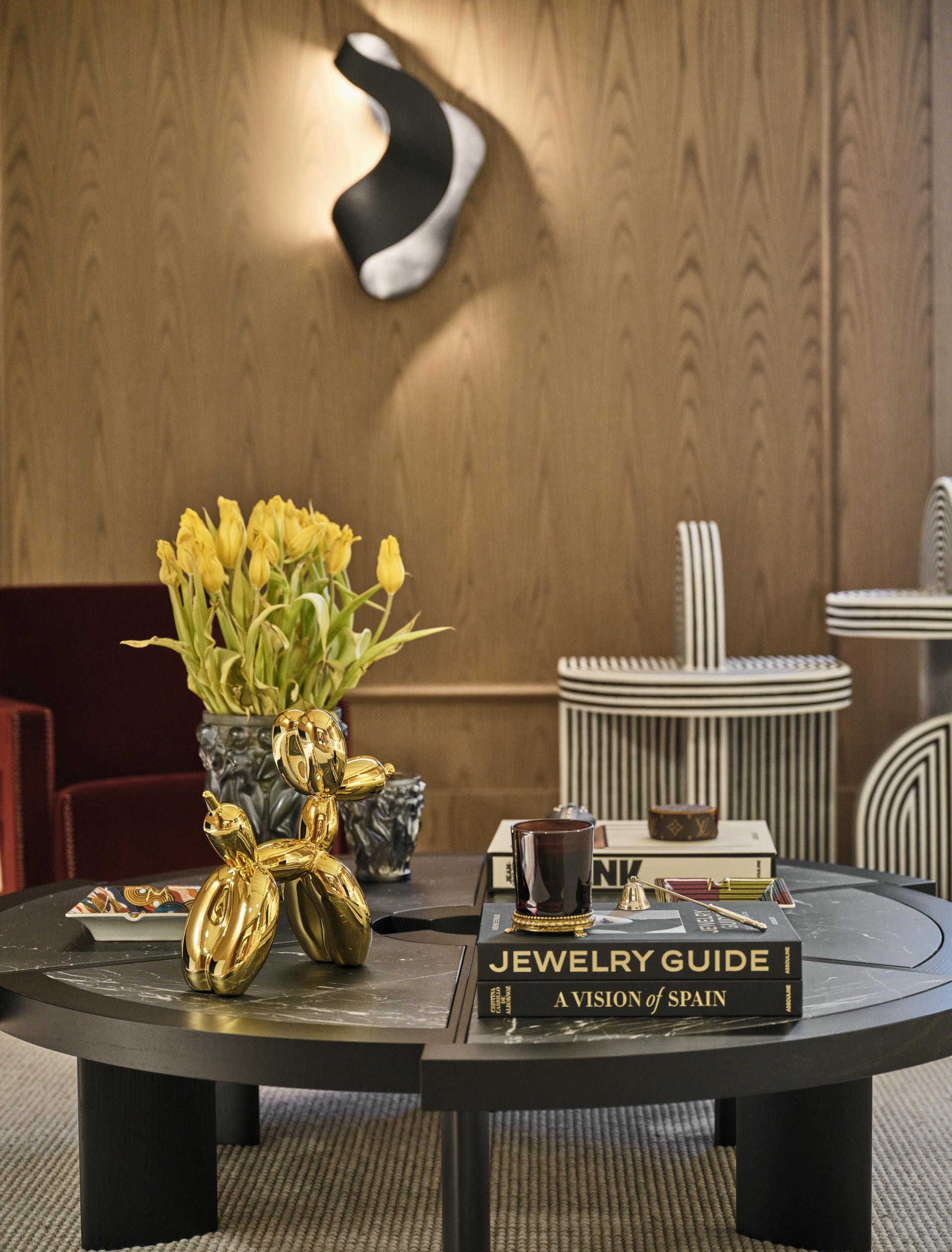
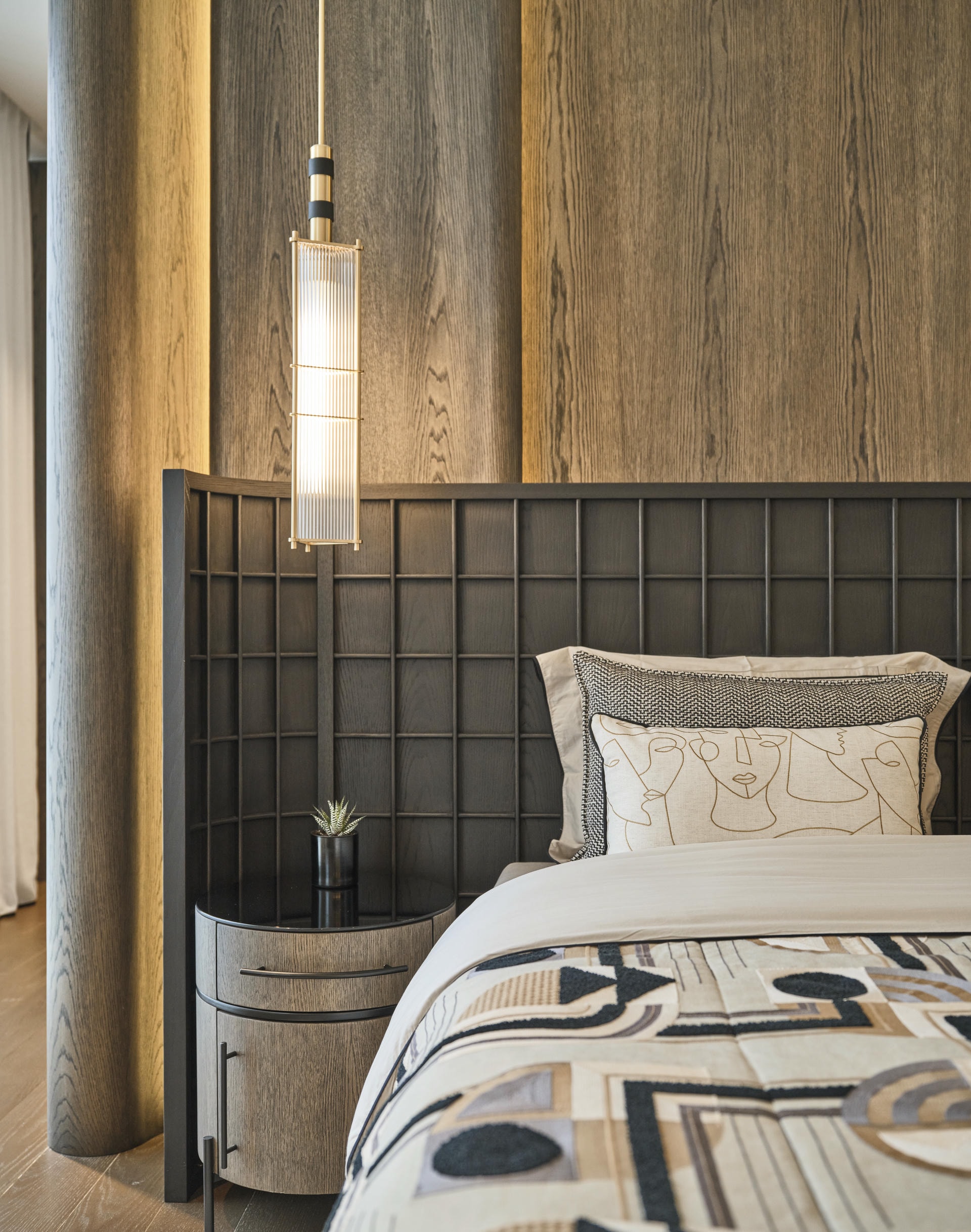
Materiality plays a central role in my work. I’m drawn to natural materials that age well and develop character: wood, stone, textiles that gain depth with time. I believe a space should not feel static or overly polished, but rather lived-in and evolving. I also pay a lot of attention to atmosphere. Light, proportions, textures, and transitions between spaces are just as important as the objects themselves. I don’t think in terms of isolated elements, but in terms of how everything comes together to create a certain feeling.
If I had to summarize it in a mantra, it would be… choose what is right, not what is more. It’s a simple idea, but it guides every decision I make. Ultimately, I’m not trying to create a signature that is immediately recognizable through repetition. I’m more interested in creating a quiet consistency in spaces that feel personal, balanced, and timeless, while still carrying a subtle identity.
One of my favorite projects is a stone house in Assos. It’s a very calm, almost meditative space, where architecture and interior design speak the same language.
There’s a six-meter-high black fireplace at the center, which anchors the entire space. Natural materials, soft tones, and light define the atmosphere. It’s simple, but emotionally very strong.
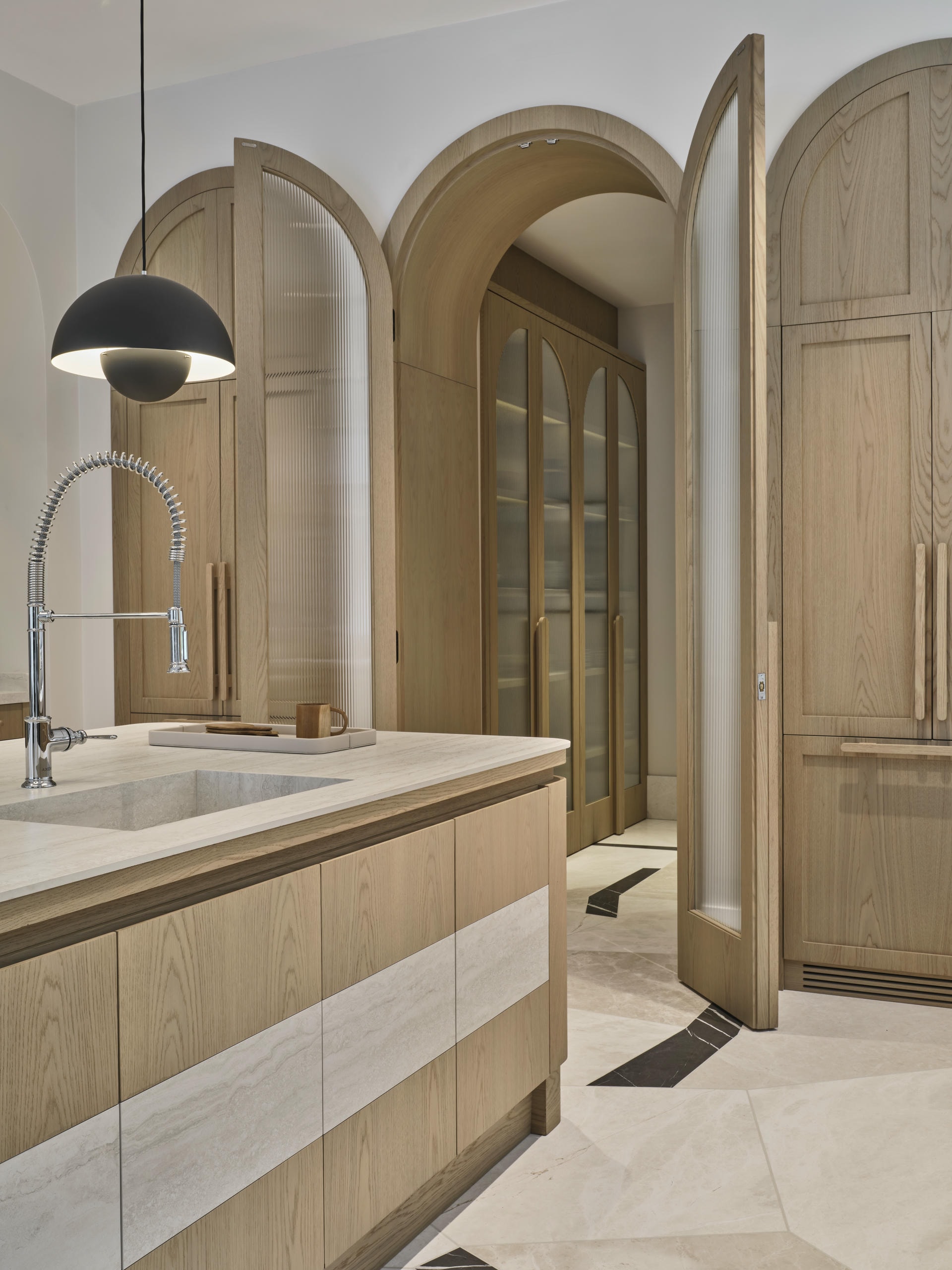
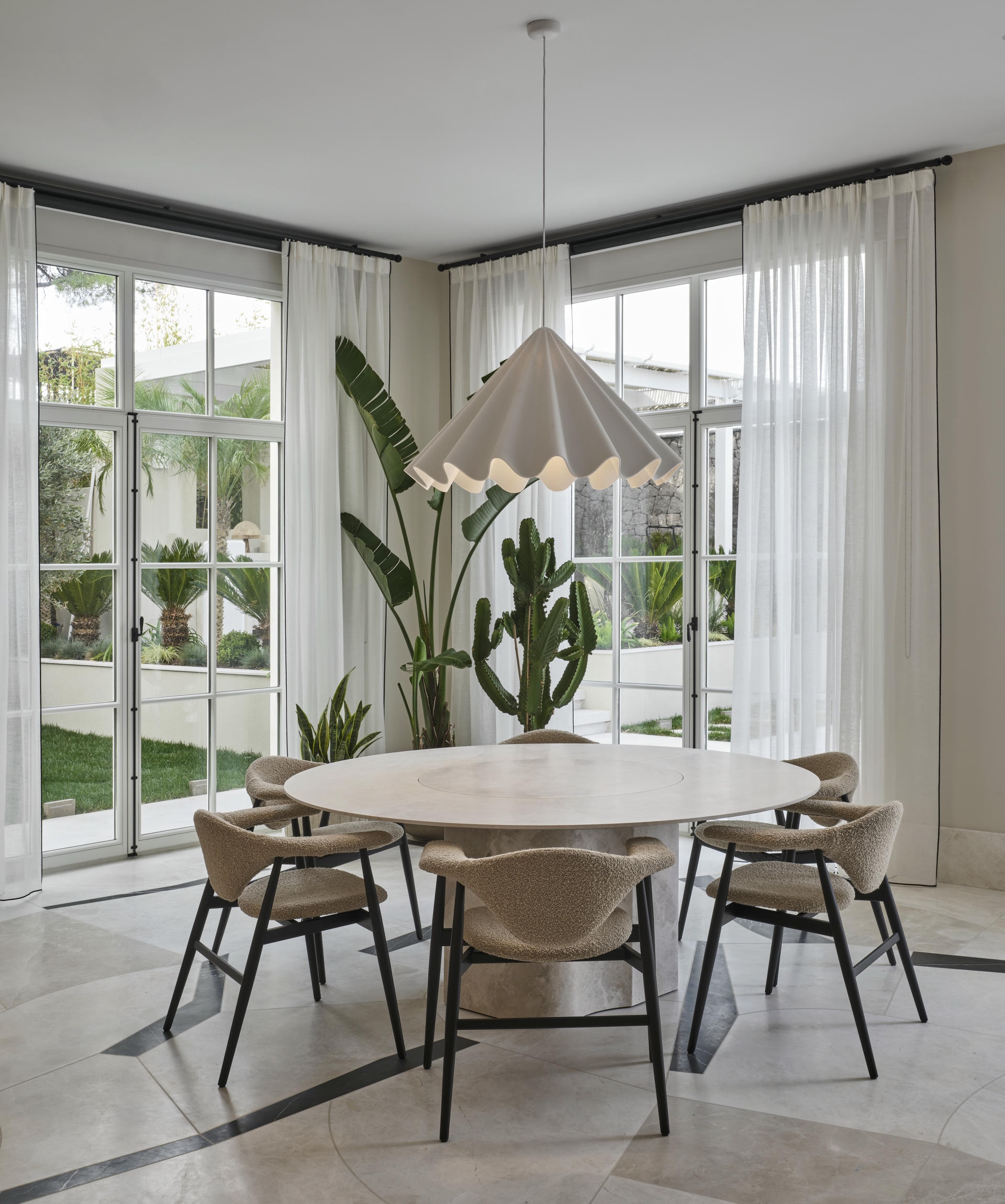
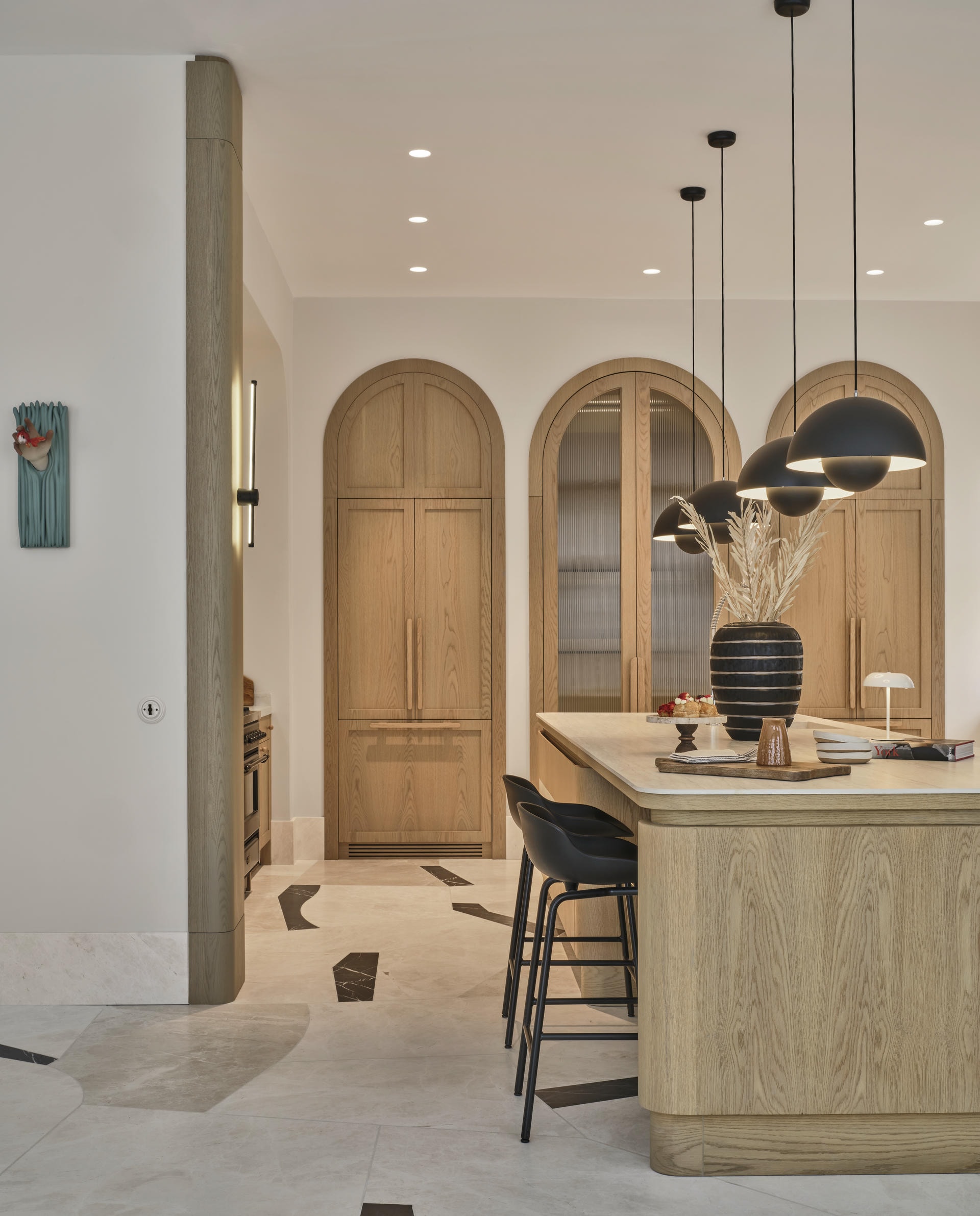
Another project that is very special to me is a house in Ayvalık. The setting itself is incredibly inspiring, there is a strong connection to nature, light, and the surrounding landscape. The architecture has a more classical language, which we chose to respect, while creating a softer and more contemporary interior.
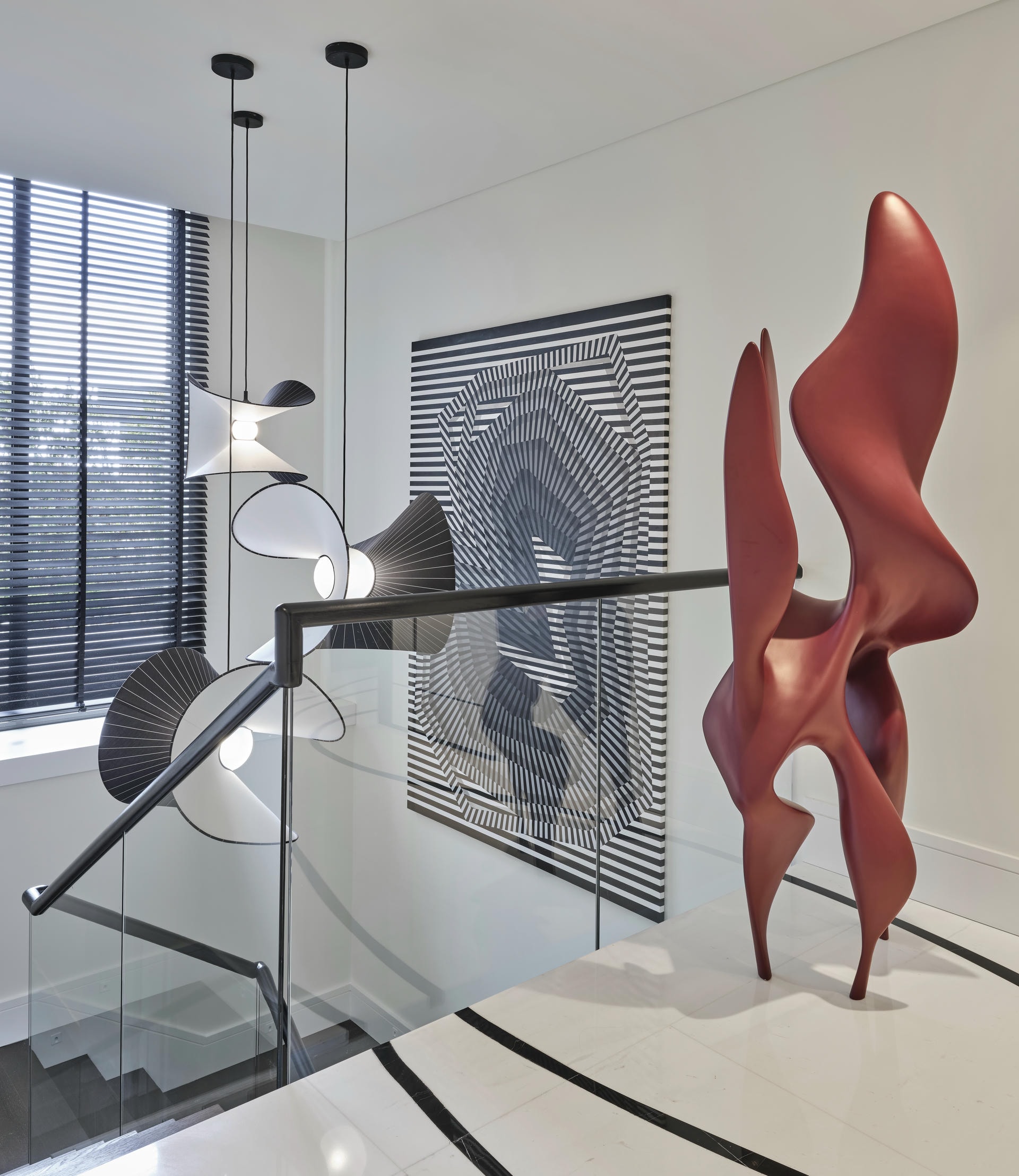
I was particularly interested in creating a sense of flow between spaces. Custom marble floor patterns in the shared areas and warmer wooden floors in the private spaces helped define different atmospheres without making them feel disconnected. The palette remains calm and restrained, allowing materials and textures to speak for themselves.
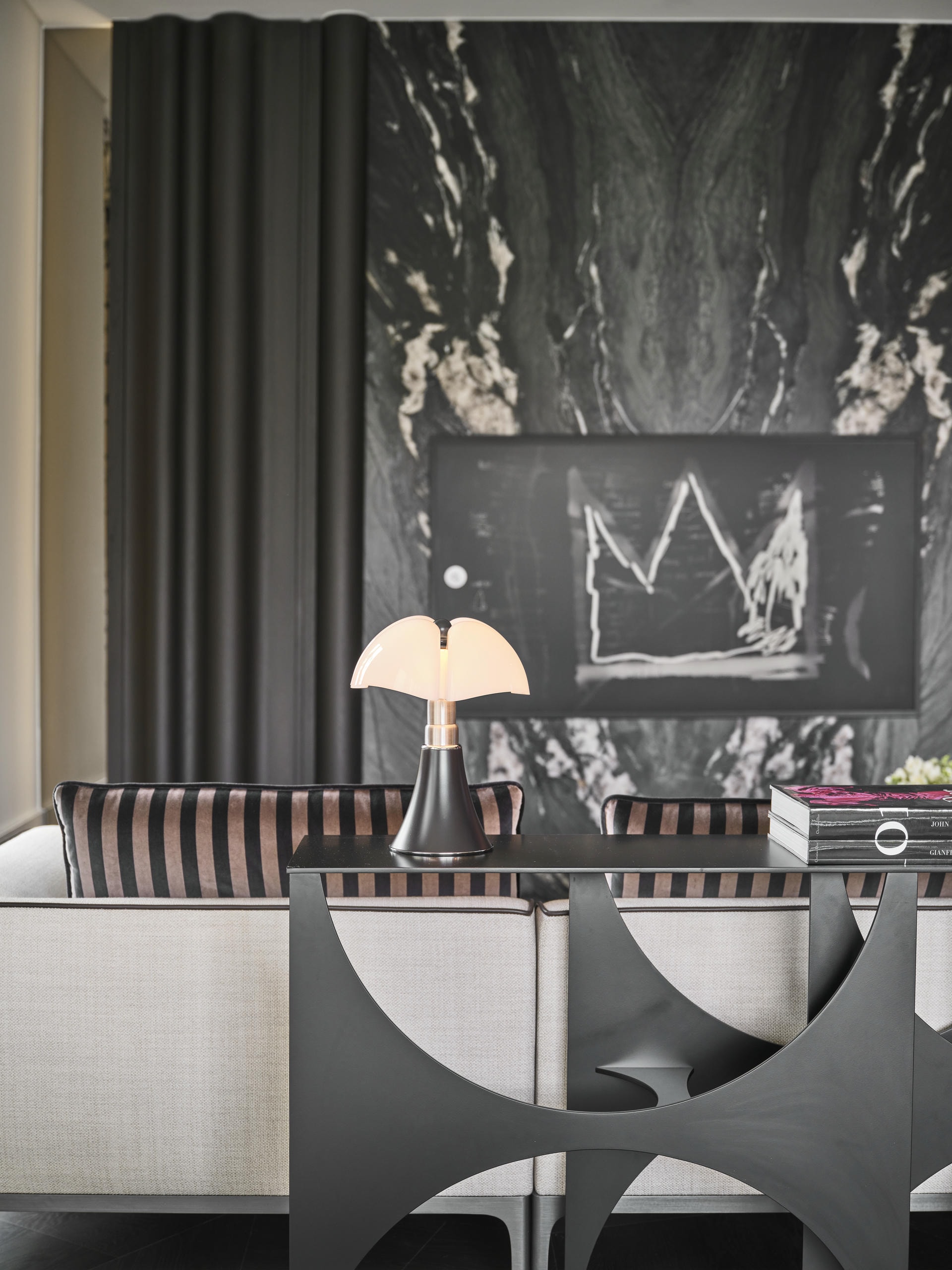
Art also plays an important role in this Project, not as decoration, but as something that brings depth and emotion into the space.
What I value most in both projects is that they are very different in character, yet they share the same intention, to create spaces that feel natural, timeless, and deeply connected to the people living in them.
favorite pieces from the Philia Collection
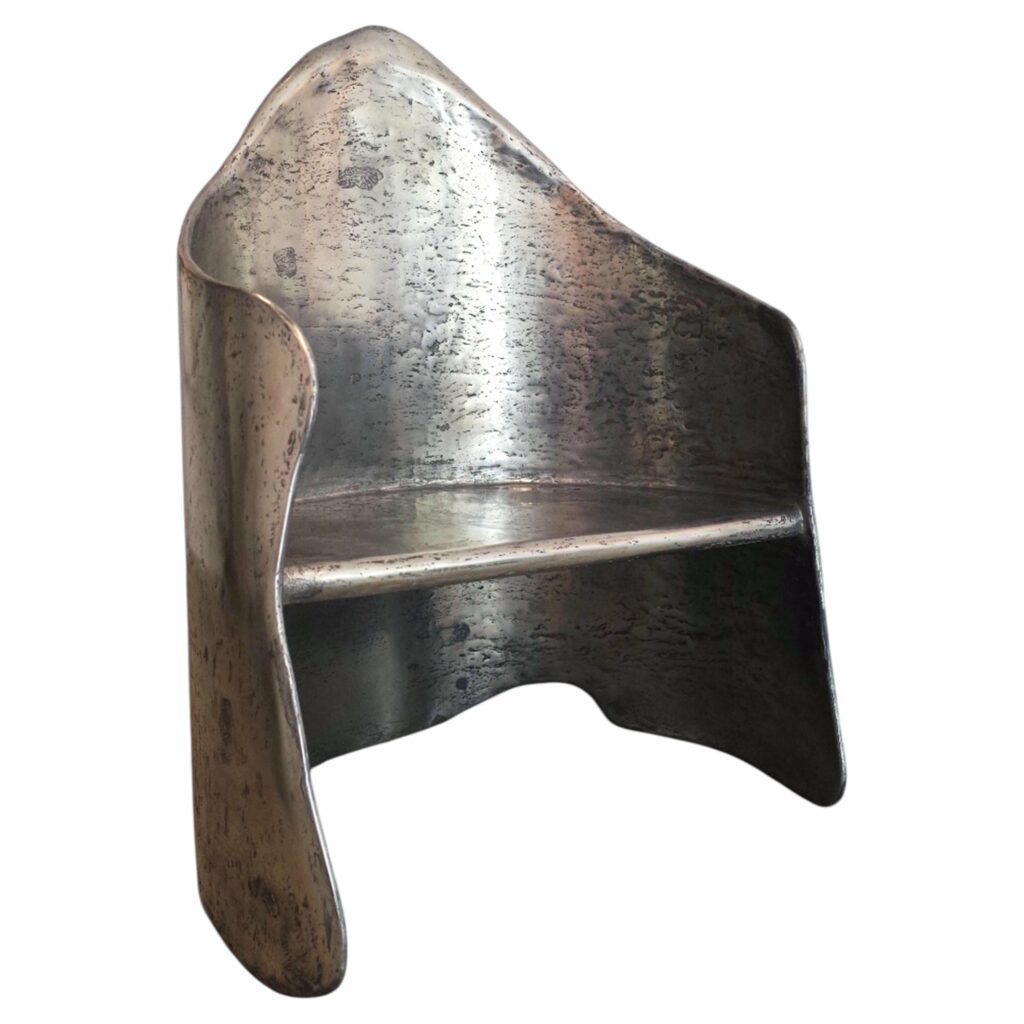
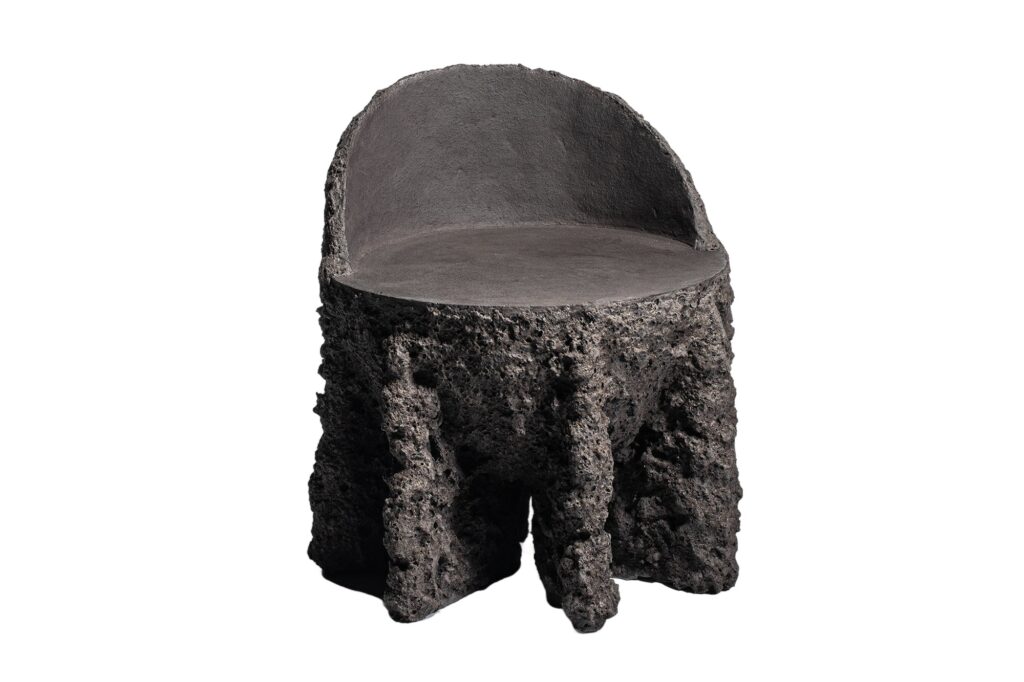
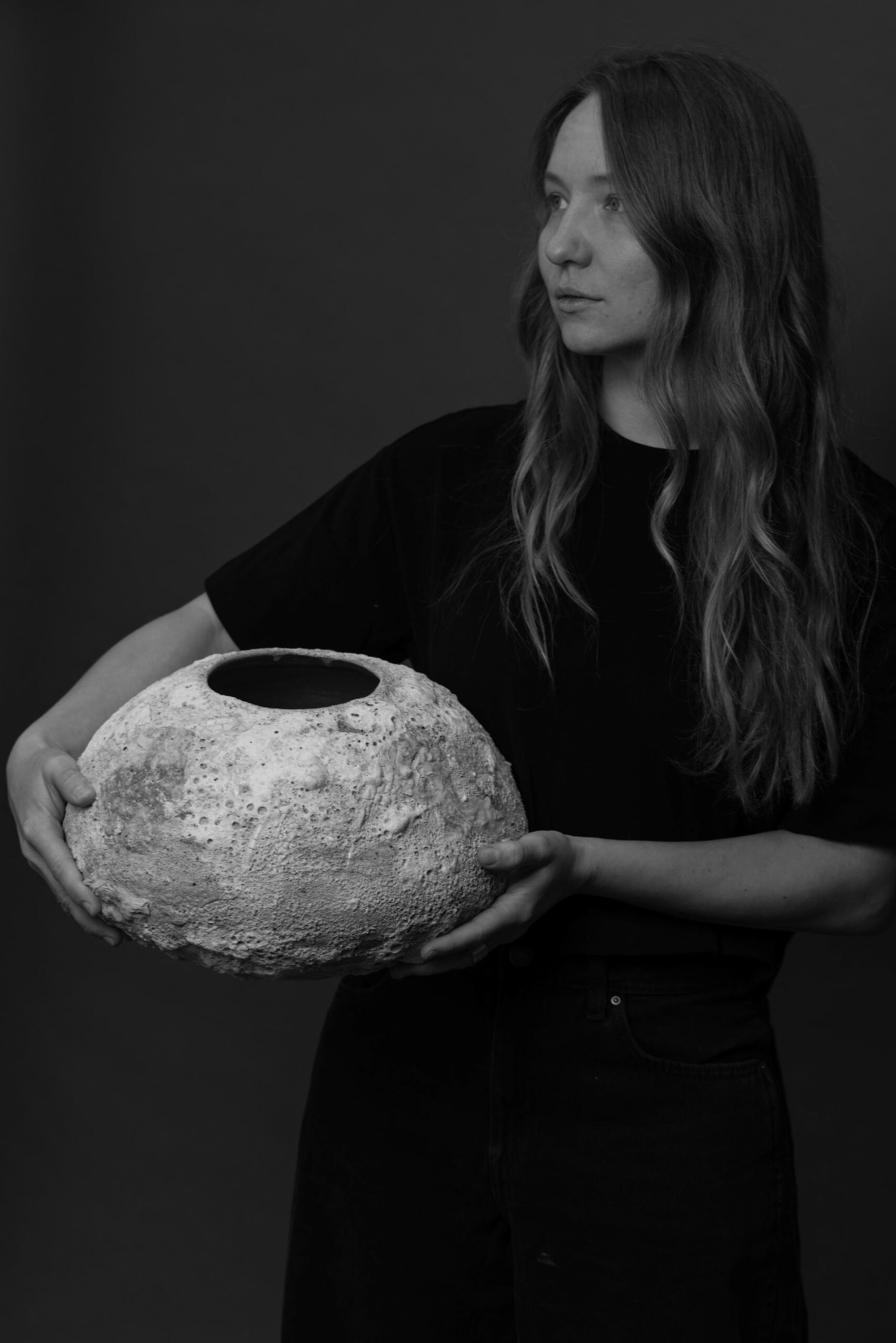
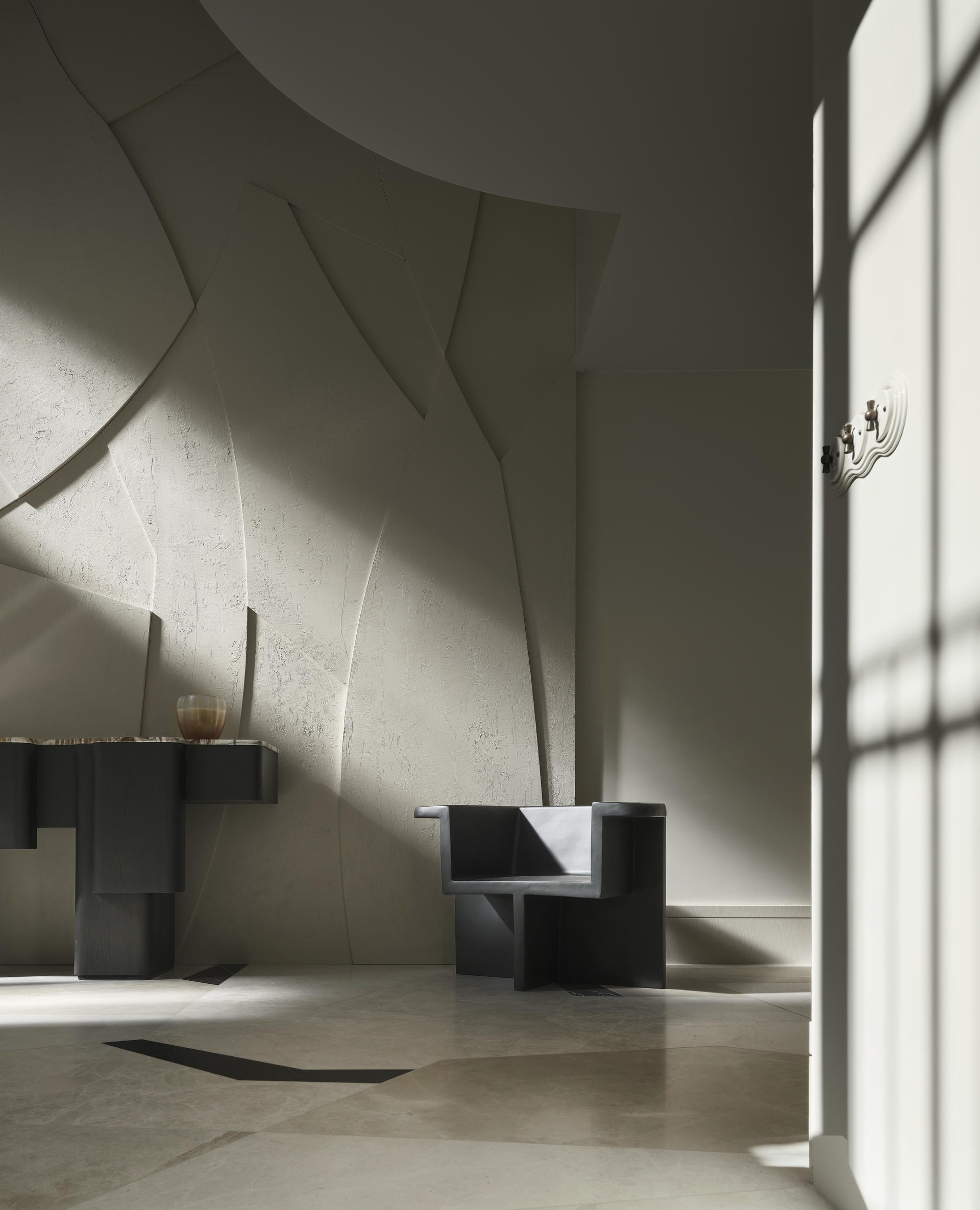
Rough Organic Form, Contemporary Dark Grey Ceramic Armchair by Niclas Wolf
Ceramic, one of a kind.
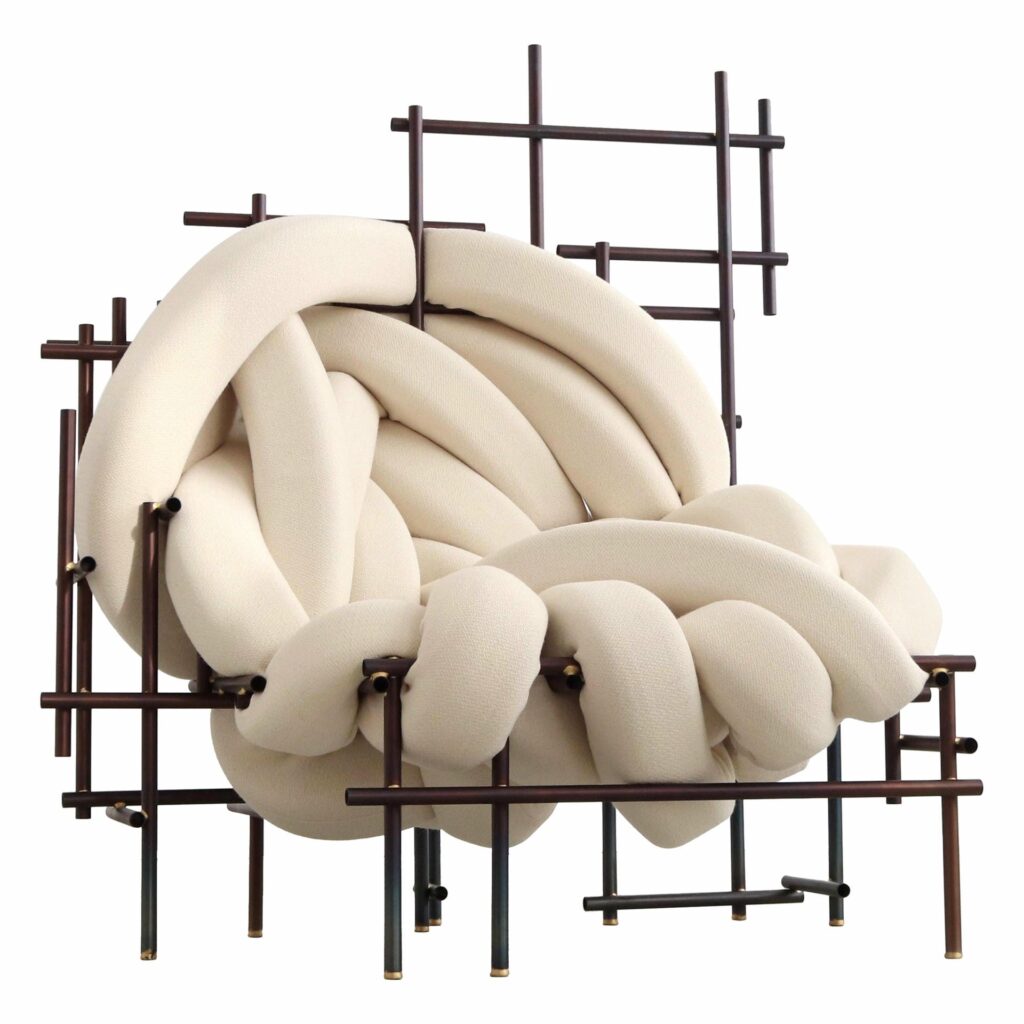
Don’t rush to define your style. It’s something that evolves naturally over time, through experience, mistakes, and observation. The more you try to force it, the less authentic it becomes.
Train your eye constantly. Observe everything… not just interiors. Travel as much as you can, pay attention to materials, light, proportions, even small details in everyday spaces. Sometimes a simple café or a quiet corner can teach you more than a perfectly curated project.
Be open to different perspectives. Working with clients will challenge you, and that’s a good thing. There are moments when a client’s point of view pushes you outside your comfort zone, and those moments often lead to more nuanced and refined results. The key is to stay flexible, but also to know where to stand your ground.
At the same time, don’t underestimate the importance of patience. This is not a profession that gives instant results. It takes years to build a language, a network, and a sense of confidence in your decisions.
And maybe most importantly, don’t just focus on creating beautiful spaces. Focus on creating spaces that feel right. Because in the end, people don’t just remember how a space looked; they remember how it made them feel.
Learning that not every project will align perfectly with your vision, and that’s okay.
In the beginning, you tend to hold on very tightly to your ideas. You want everything to be exactly as you imagined it. But over time, you realize that interior design is not a solo act… It’s a collaborative process involving clients, craftsmen, budgets, timelines, and sometimes unexpected constraints.
Understanding how to navigate that complexity without losing your identity is one of the hardest lessons. You learn when to insist, and when to let go. That balance doesn’t come immediately; it develops with experience.
At the same time, I’ve learned that not every challenge is a limitation. Sometimes, constraints actually sharpen the design. And sometimes, a client’s perspective can push you in unexpected directions, and that can be very valuable. There are moments where stepping slightly outside your comfort zone leads to a stronger, more nuanced, and more refined result.
Another important lesson was accepting that not every project needs to be a statement. Some projects are quieter, more personal, and in many ways, more meaningful. Success is not always about visibility, but about how deeply a space resonates with the person living in it.
Over time, I also learned to trust the process. Not everything reveals itself at the beginning. Some of the best decisions happen along the way, as the project evolves.
“Trust your instinct.”
It sounds simple, but it takes time to really understand what it means. In the beginning, you tend to look outward, seeking validation, comparing yourself, and questioning your decisions. But over time, you realize that your instinct is actually built from everything you’ve seen, experienced, and learned.
Another important realization for me was that you don’t have to please everyone. Trying to do so only weakens your point of view. The more honest and clear you are about your own perspective, the stronger your work becomes.
I also learned that patience is part of the process. Not everything happens at once… some projects take time to reveal their true direction, and some decisions need space.
So if I had to sum it up, it would be this: trust your instinct, stay true to your perspective, and allow things to evolve without forcing them.
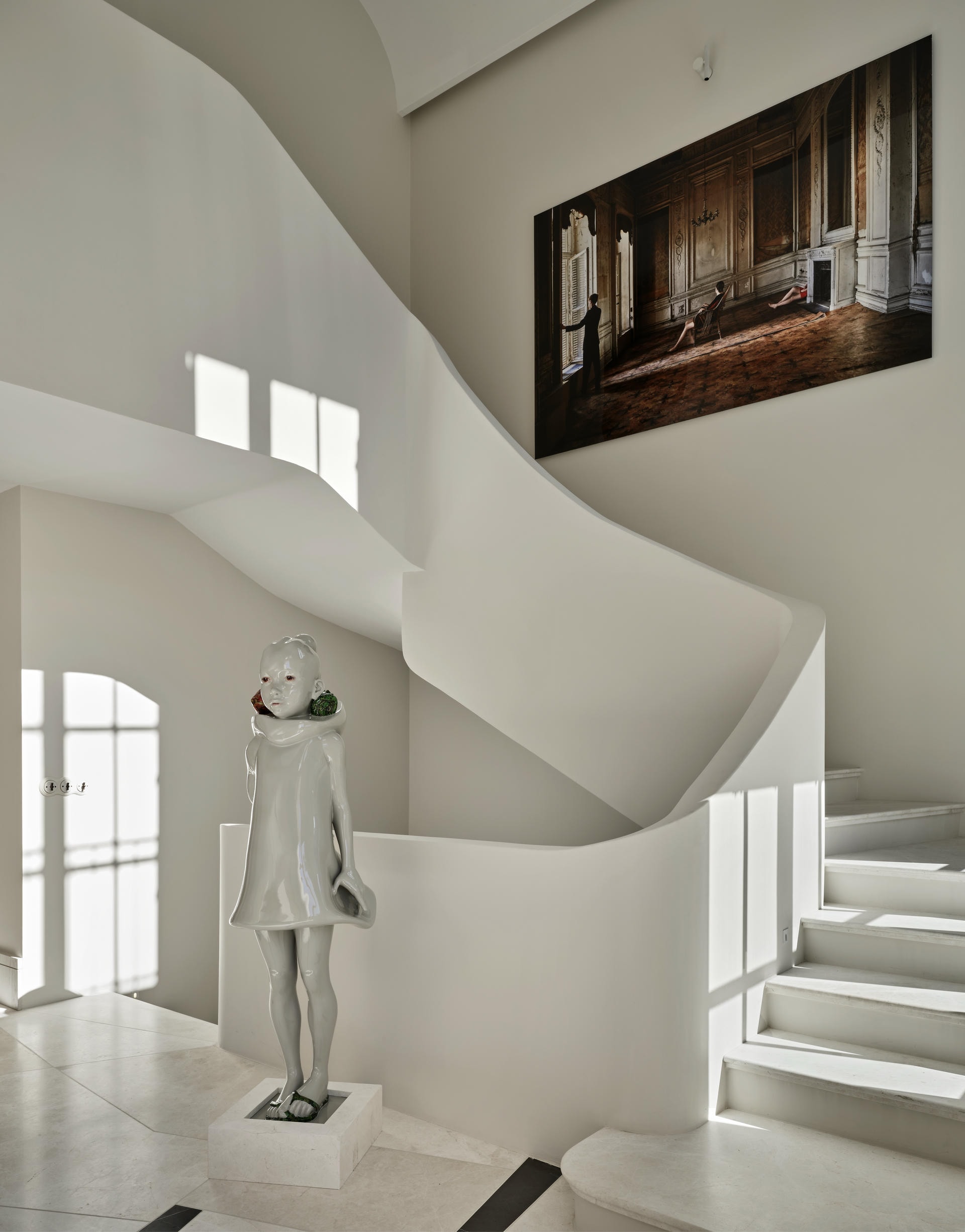
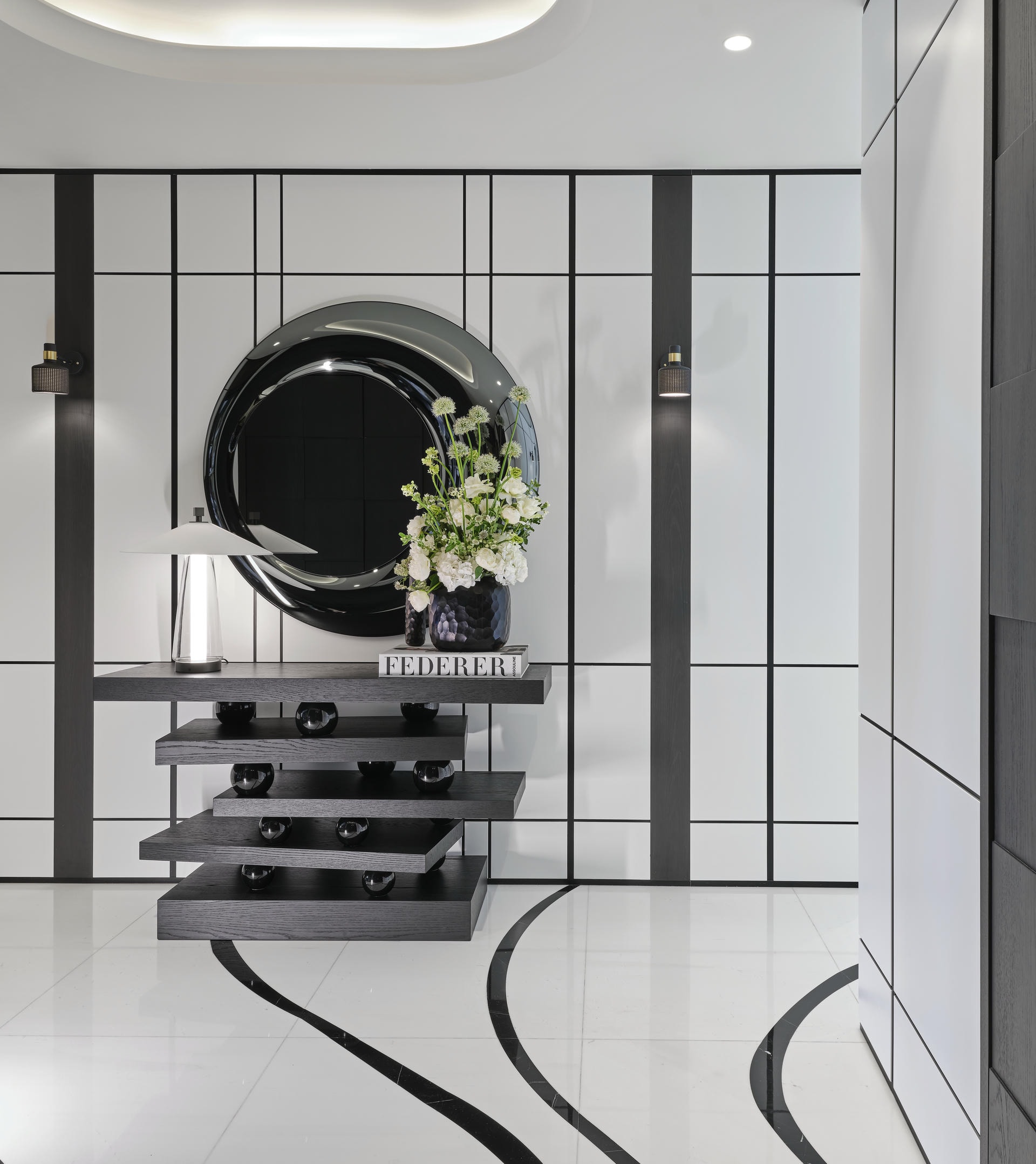
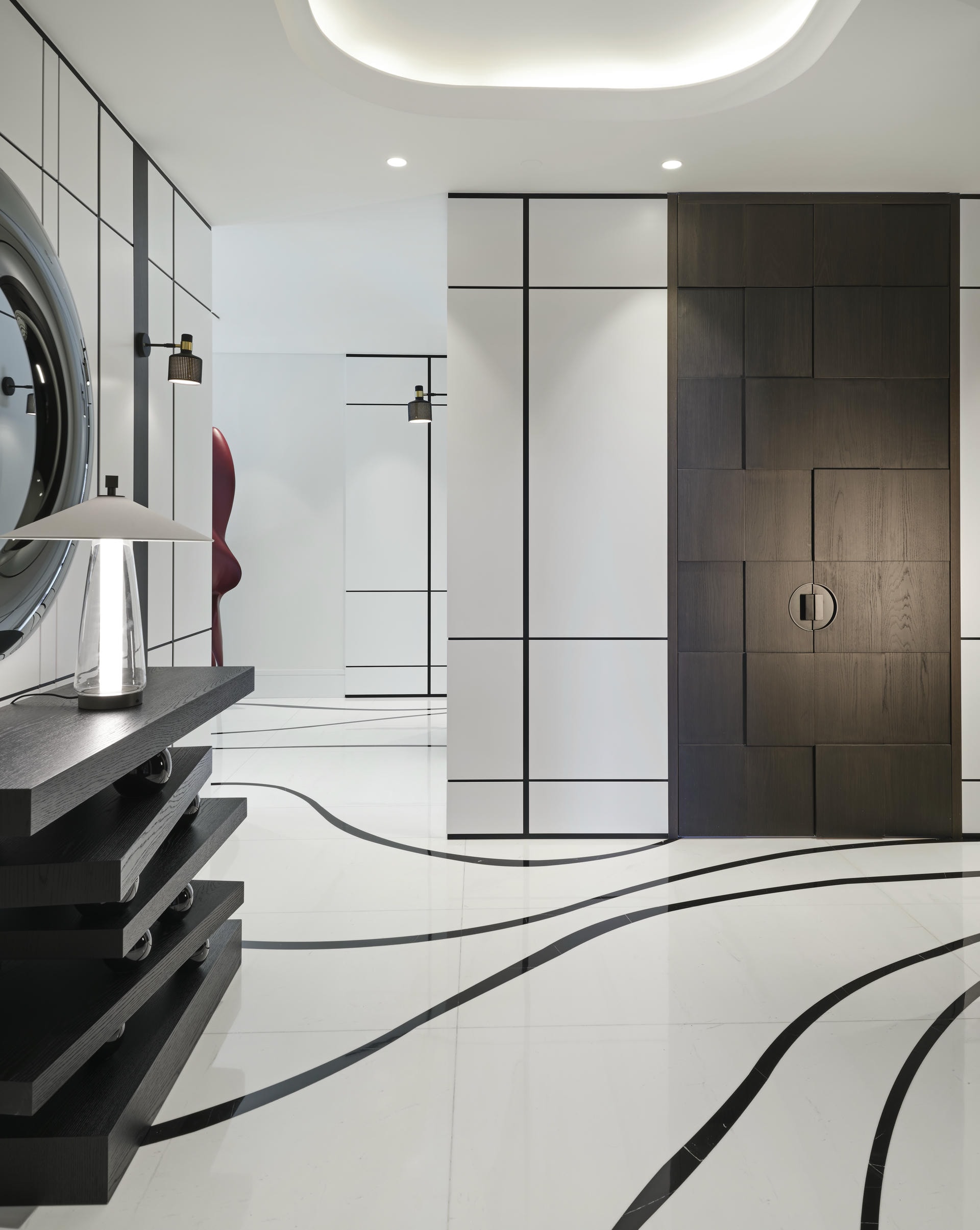
For me, the entrance is never just a transitional space, it is where the story starts to unfold.
And sometimes, that story is carried by a single piece…
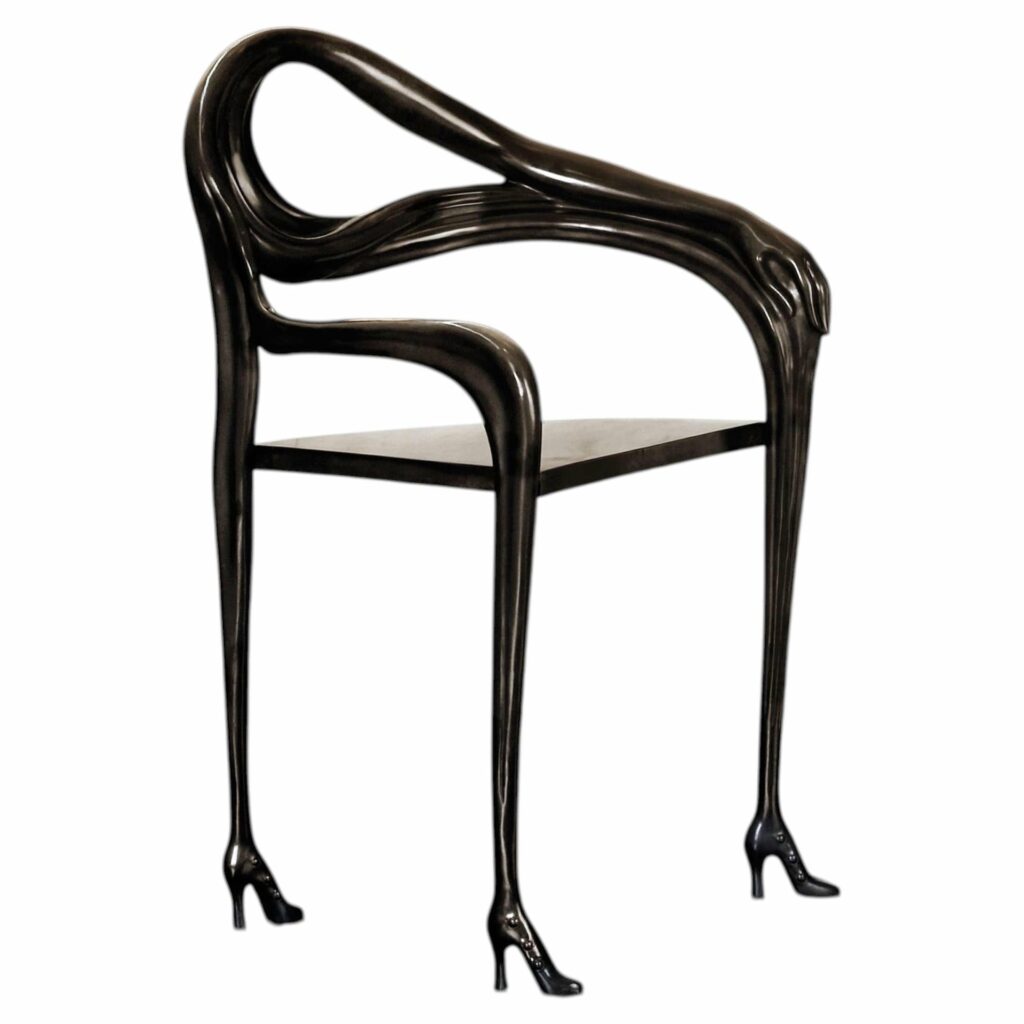
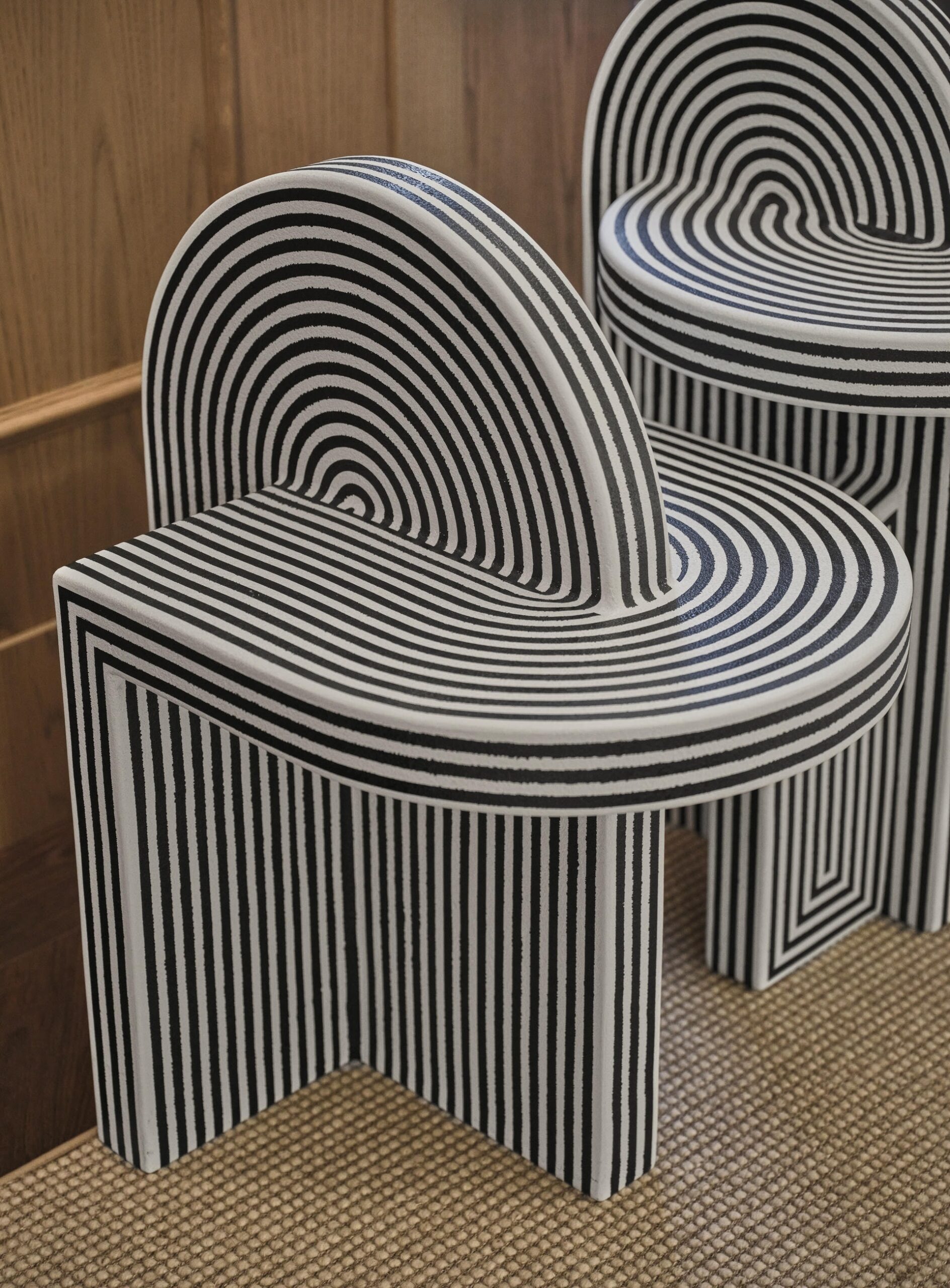
A sculptural chair in the entrance can create a subtle yet powerful impact. It doesn’t need to be loud to be noticed, its presence is enough to define the atmosphere. Not just as a place to sit, but as an object that quietly holds the space…
I often see these pieces somewhere between design and art. They serve a function, but their real value lies in how they shape the experience of a space, how they are seen, and more importantly, how they are felt.
Placement becomes essential here. A piece like this shouldn’t be hidden or discovered too late. It should be visible from different angles, from the hallway, from nearby spaces … almost like a gesture that draws you further inside…
But just as important as the piece itself is the space around it.
They become stronger when they are allowed to stand on their own. When surrounded by too many elements, they begin to lose their clarity. A more restrained environment allows their form to stand out naturally. Sometimes, the strongest design decision is not what you add, but what you choose to leave out…
Material choices also play a key role. Rather than aiming for perfect harmony, I often find more interest in subtle contrasts. A soft, fluid form within a structured interior, or a raw, textured piece placed in a calm setting… these small tensions create depth and make a space more memorable.
Lately, I’ve been drawn to pieces that carry a strong sense of craftsmanship: ceramics, cast materials, carved wood… There is an honesty in these materials that adds another layer to the space. Each piece feels individual, almost as if it holds its own story.
And perhaps that is what makes them so meaningful in an entrance…
Because before anything else is fully seen, they are already felt…
And sometimes, a single chair is enough to tell the story of an entire home…
BOOKS
Piero Portaluppi
James Brown Handbook
Nomad at Home by Hilary Robertson
PODCASTS
Clever hosted by Amy Devers
She Designed a Life She Loves, the episode featuring interior stylist Kerrie Ann Jones
The Great Indoors (Sophie Robinson & Kate Watson-Smyth)
Material Matters with Grant Gibson
We are currently working on a portfolio of 16 ongoing projects, spanning residential, hospitality, and yacht design across international locations.
In London, we are designing a townhouse in Chelsea. Our maritime projects include a Riva 102 and a Numarine 40MXP, where we continue to explore refined living at sea.
In Turkey, our work ranges from a boutique hotel and a private residence in Ayvalık, to a series of high-end residential projects in Istanbul. These include a garden duplex at Four Seasons, a residence at Mandarin Etiler, a duplex apartment in Etiler Mesa, an apartment at Four Winds Residence in Göztepe, two garden-level apartments in İstinye Nida Park, a garden duplex in İstinye Park, a penthouse duplex in Savoy, and a duplex apartment in Nişantaşı Koru.
Among these, the boutique hotel project in Ayvalık is particularly exciting for me. It involves the transformation of a former soap factory into a 14-room seaside hotel, preserving its character while giving it a new life.
Our current portfolio also includes two office projects at Zorlu Center, reflecting our ongoing engagement with both residential and commercial spaces.
Thank you so much Esra, for this lovely interview!
Share article :
The Amaia Chair continues the formal language introduced in Ellery’s Toi et Moi Loveseat, bringing the same sense of curved enclosure and sculptural clarity into a singular seat.