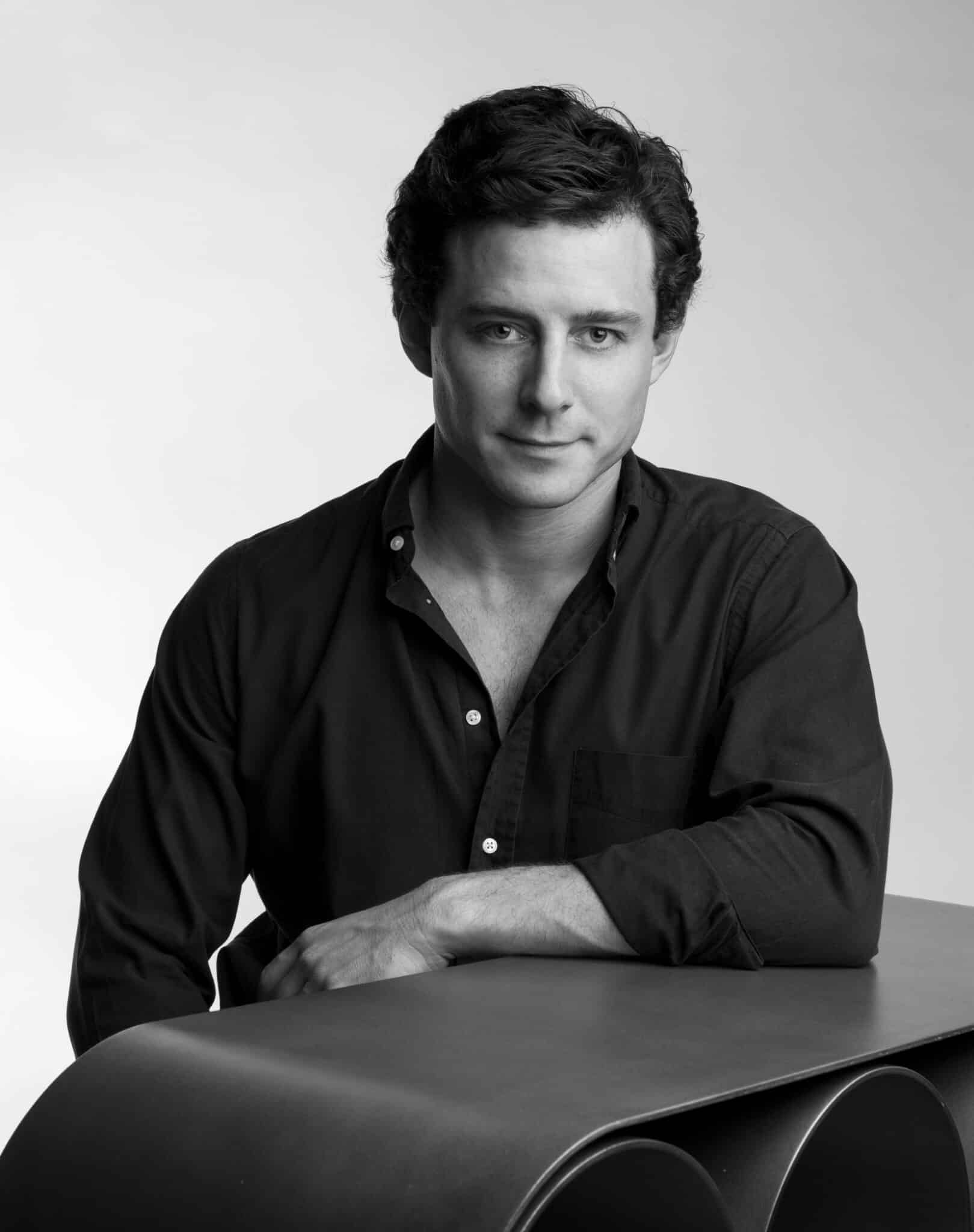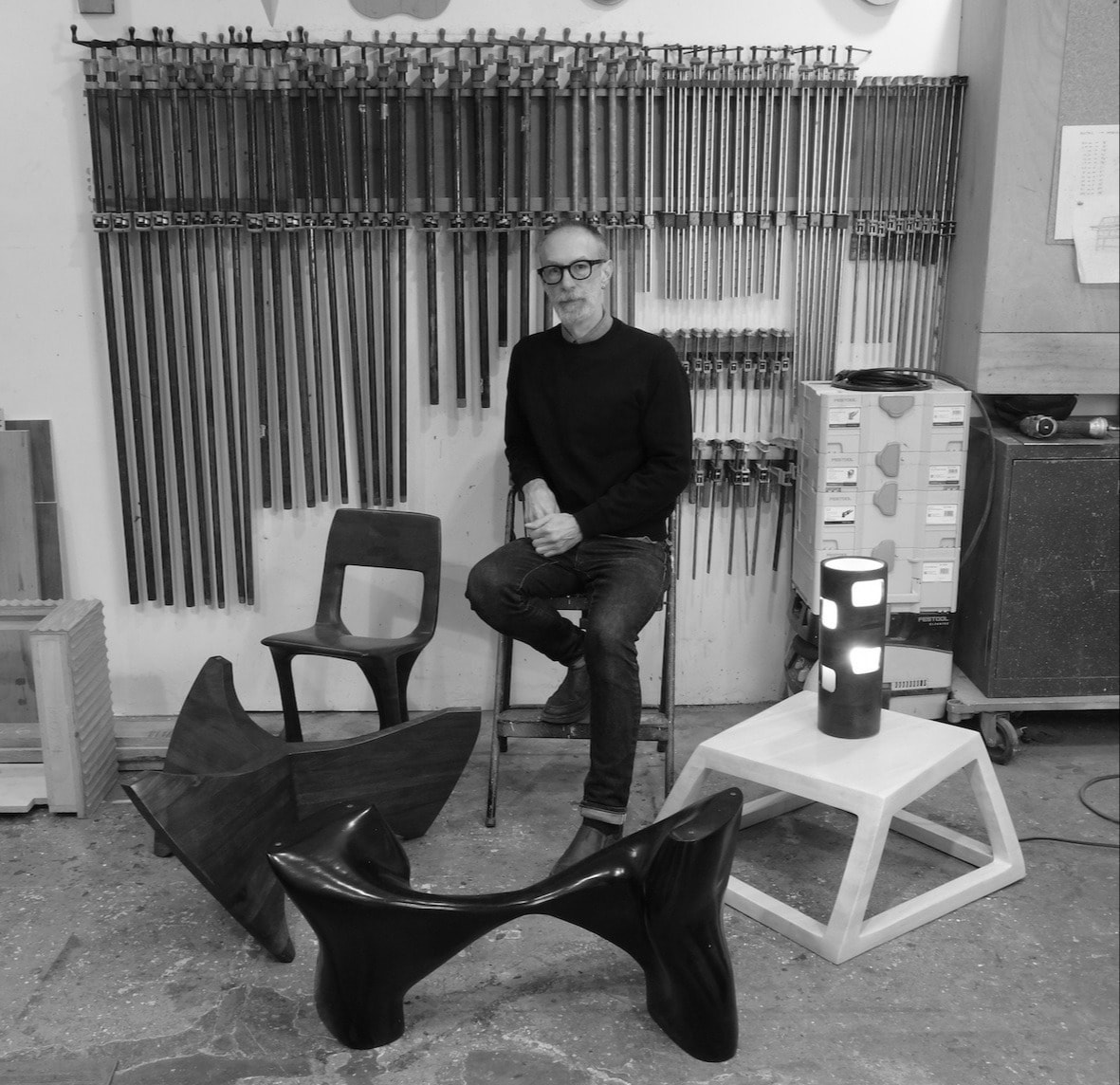
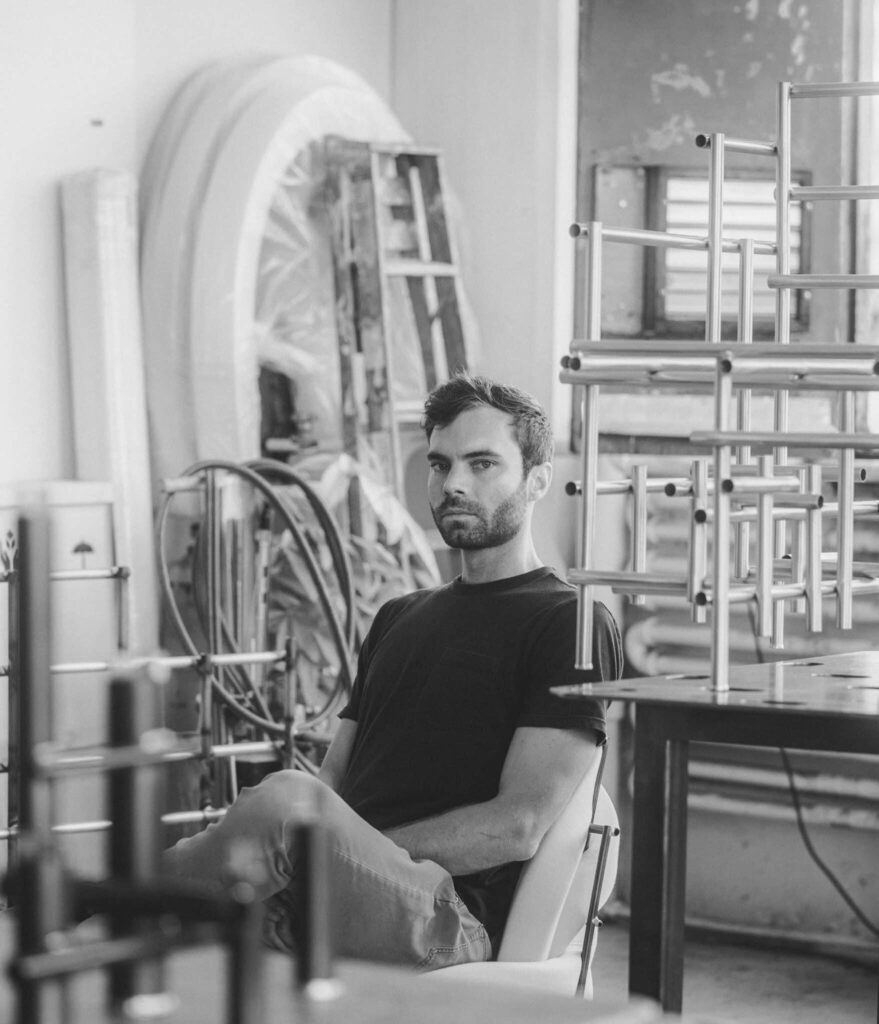
Evan Fay
Evan Fay is an American designer and maker whose work explores the intersection of sculpture, furniture, and functional art. Working from his studio in the United States, he creates handcrafted pieces distinguished by expressive forms, tactile surfaces, and a deep respect for natural materials. Drawing inspiration from the landscape, craft traditions, and the emotional qualities of objects, Fay’s work blurs the boundary between utility and artistic expression.
Through a process rooted in experimentation and craftsmanship, he develops furniture that is both sculptural and highly functional. His creations reflect a contemporary approach to collectible design, combining material honesty, technical precision, and a distinctive visual language that celebrates individuality and the handmade.
Interview
Traverse City, Michigan, USA.
Hearing music.
Yes.
In hindsight, it was most likely when I started making things at a young age. Finger paints, carnival masks, stick forts, sand castles, they were a part of my everyday ideal. I think everyone has the inherent ability to design; we all do it to help make sense of and navigate our surroundings, but I have a passion for it.
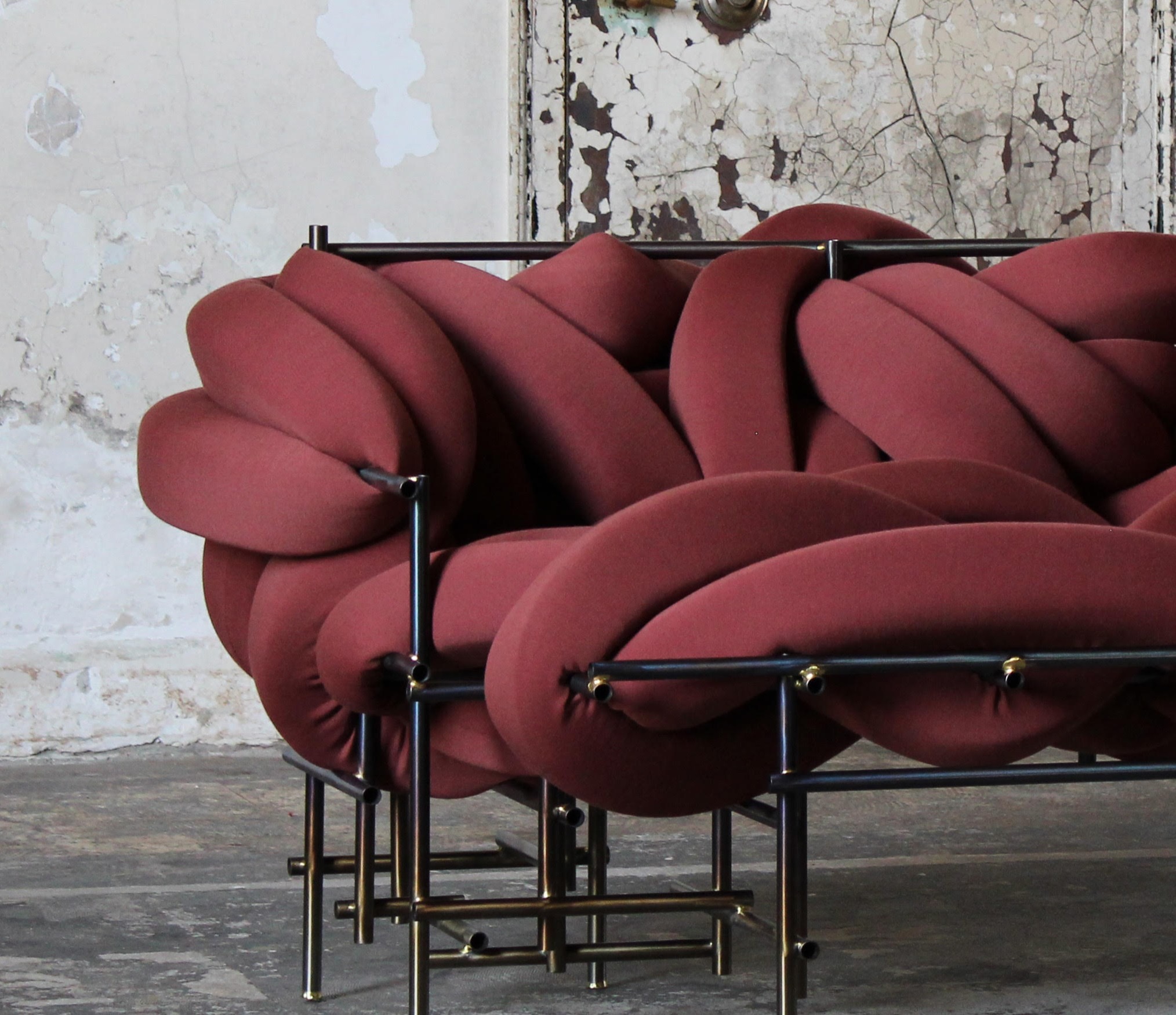
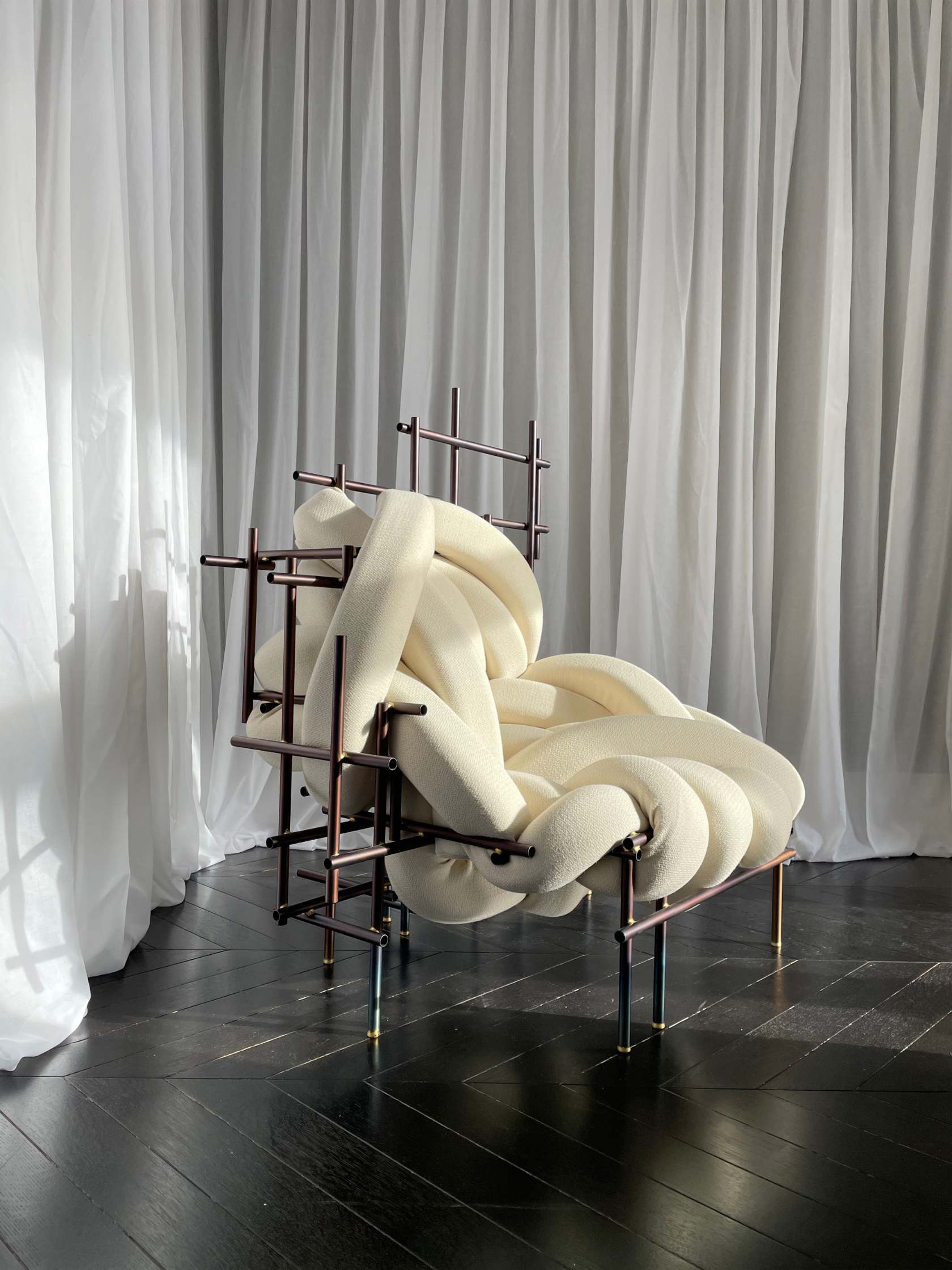
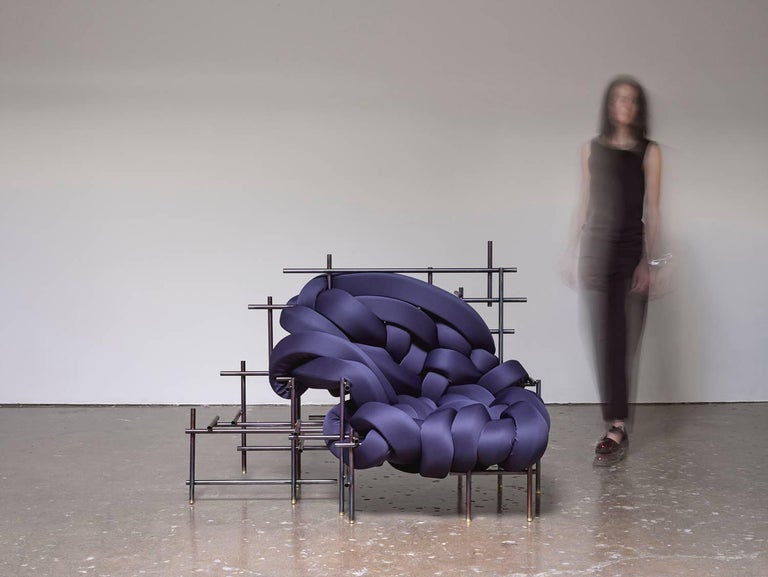
In my creative process, I aim to focus on intuitive construction methods and spontaneous form building. Finding rhythms that connect and grow each object to realize a balance in the spectrum of metaphor vs. utility.
A typical workday begins with coffee and commuting to the studio along with our dog, Ren. I prefer to start every day by working physically with my hands or drawing. I’ve found that the computer is not the best place for me to start the day, so I usually put that work off until the afternoon unless it’s time sensitive. The studio has great natural light in the afternoon, so some activities in the studio revolve around that. Music is a part of my entire day and is often used as a tool to motivate or distract me during repetitive tasks.
It didn’t happen all at once. A relationship and understanding are built with the materials and techniques I choose to use. In doing so, I’ve observed nuances and made discoveries in the material that reveal deeper layers of its mysterious character. A transformation of matter develops into sculptural design form through my hands to create something expressively unique and of myself.
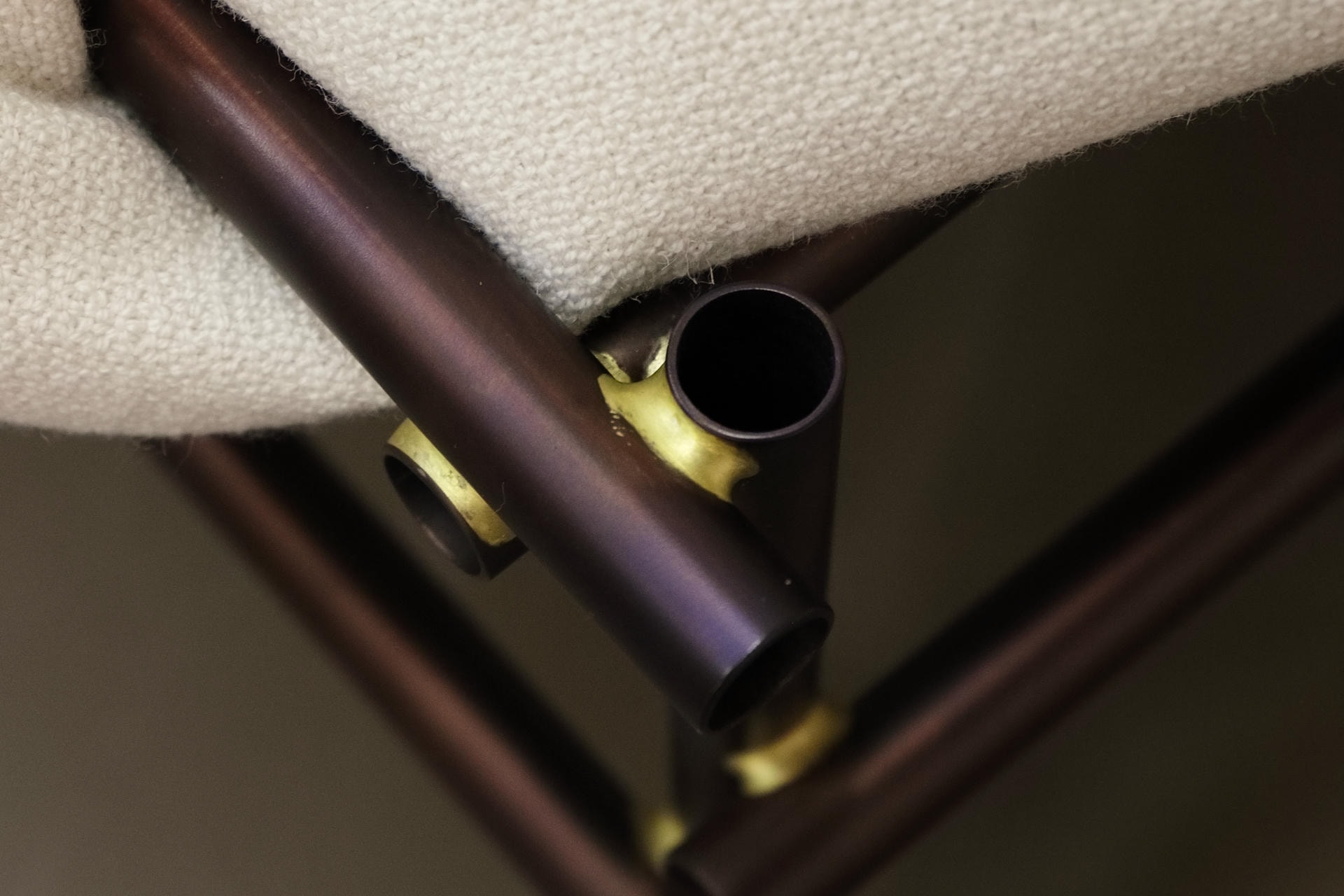
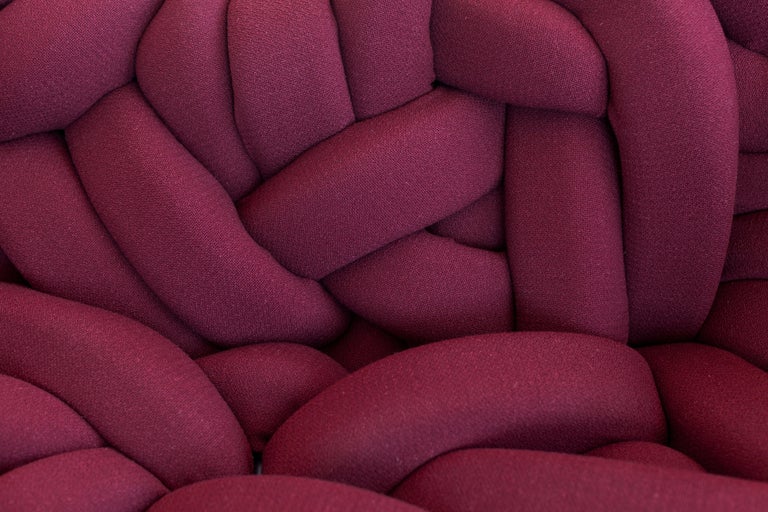
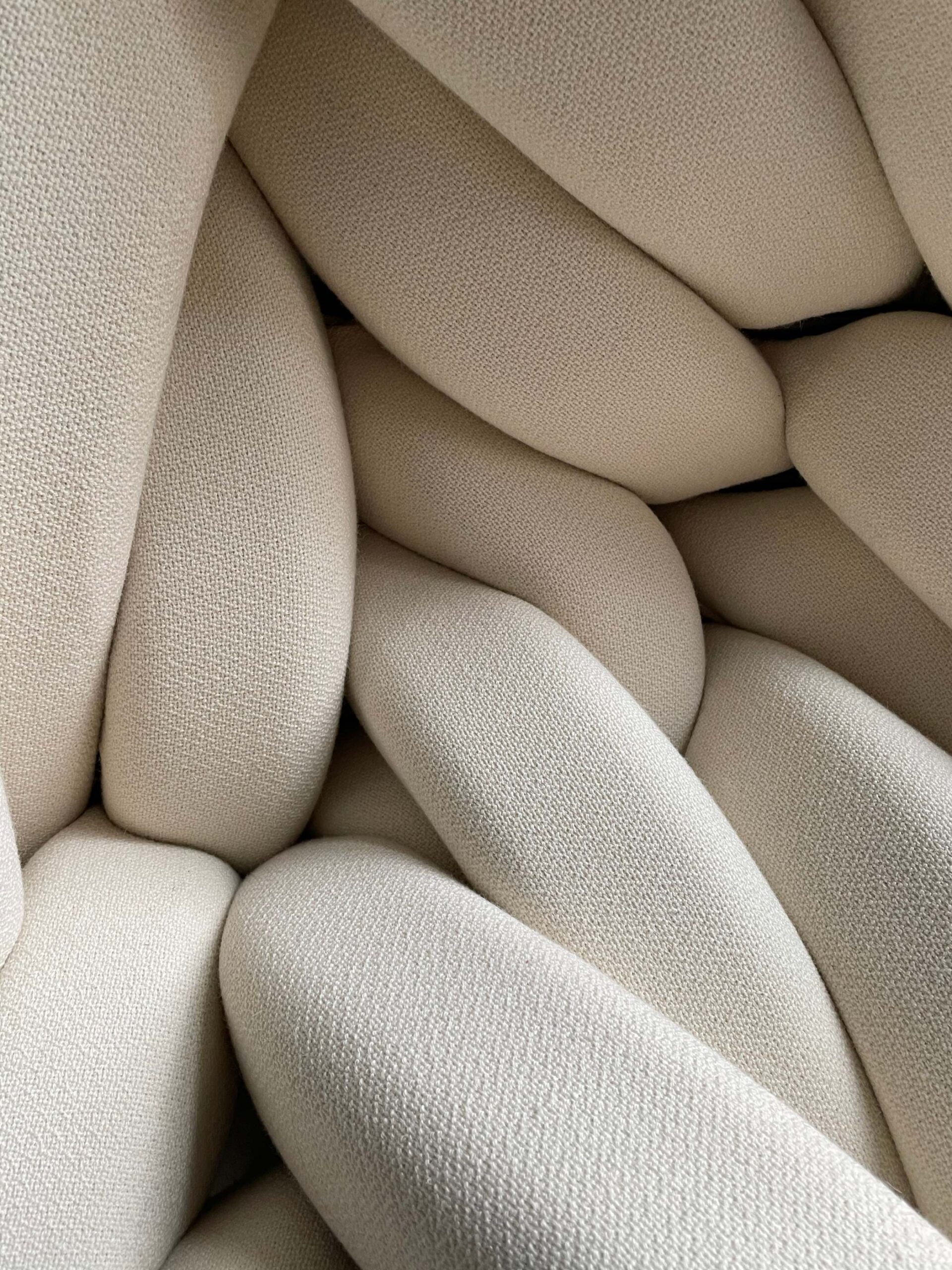
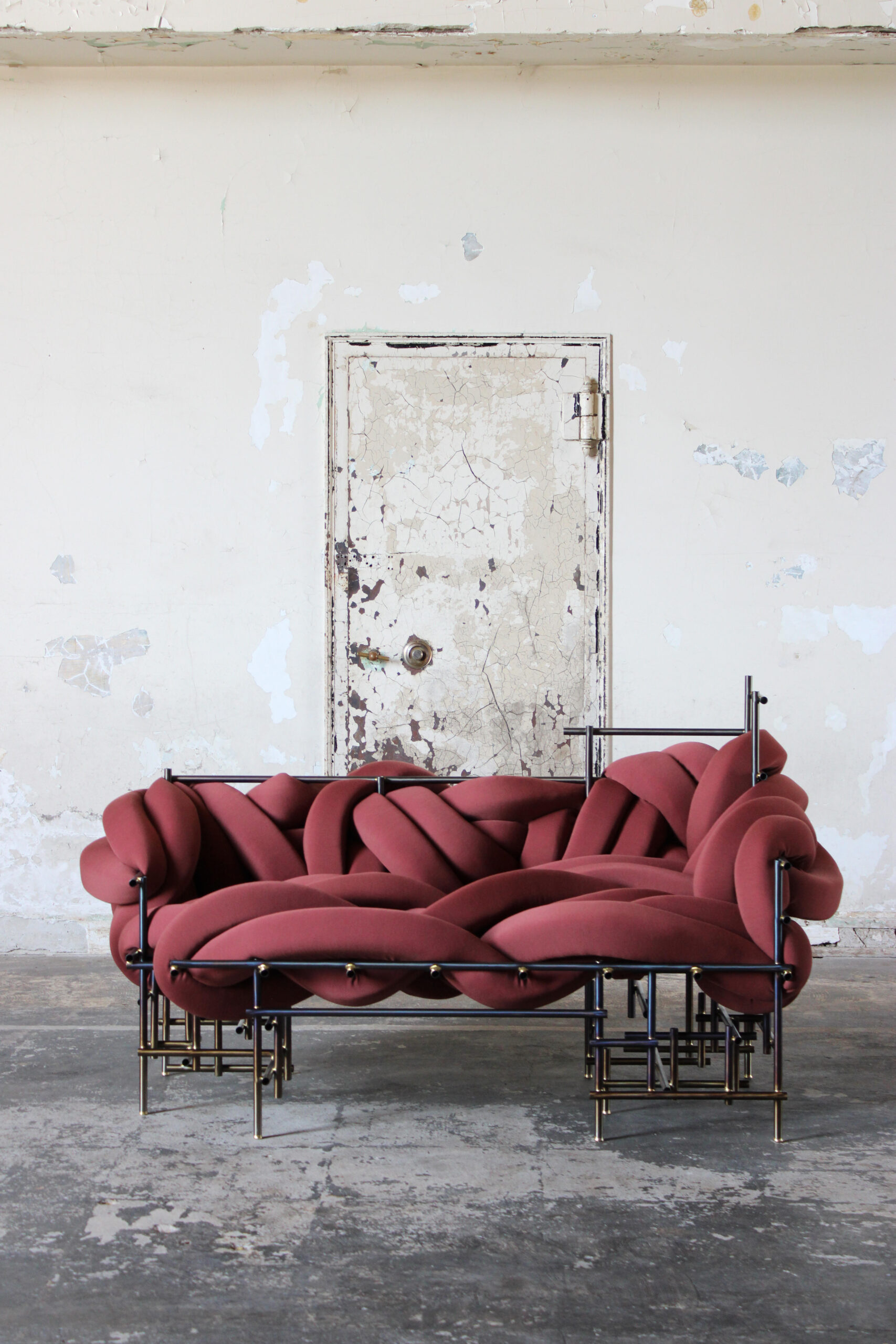
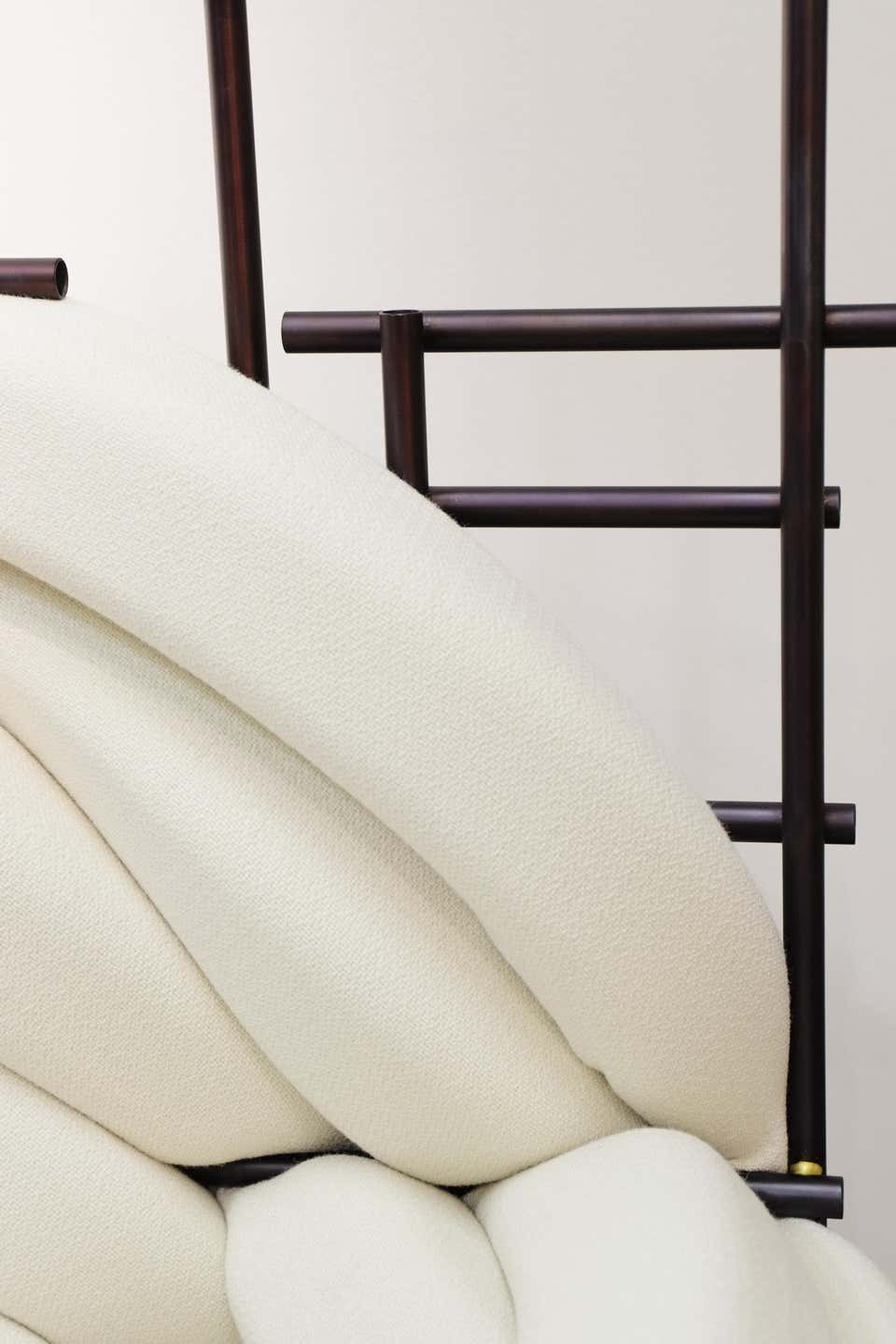
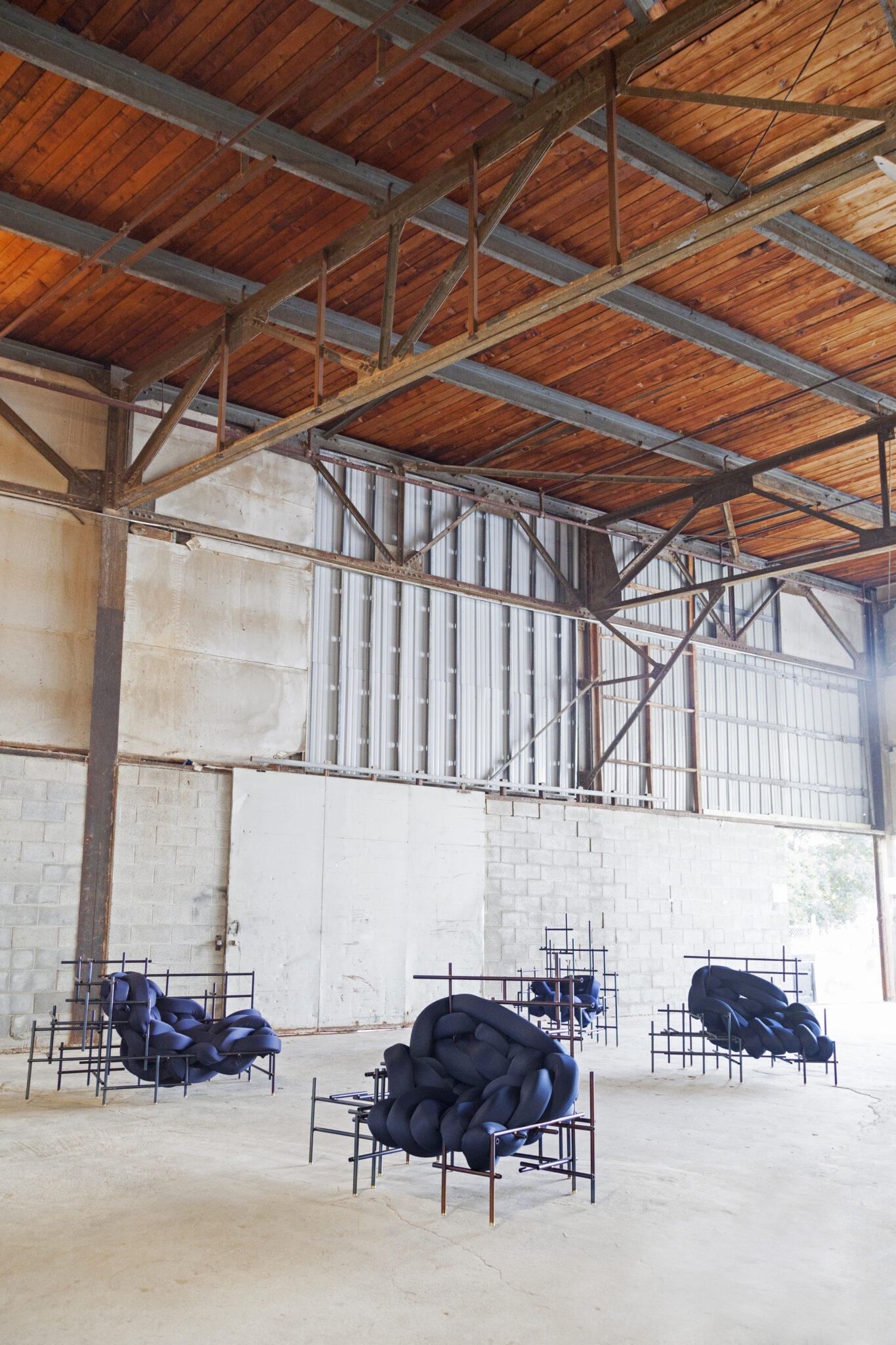
Achieving the surface finish by heat patina on the metal frames takes special techniques and equipment in the process. Coloration on the metal correlates to particular temperatures; some colors have a very small range of temperatures to get the correct color, and some have a much broader range of temperatures. Some things about this process are out of my control, which I embrace because it furthers the idea that each piece is completely unique. Also, upholstering the spontaneous foam sections has its own set of fabrication challenges.
Follow your intuition and work hard.
Post Industrial.
Kiki van Eijk and Joost van Bleiswijk.
Andrea Branzi, Campana Brothers, Martino Gamper, Bertjan Pot, Max Lamb, Formafantasma, Studio Drift, Chris Schanck, gt2P, among many others.
Nicolas Jaar, Banksy, Alice Dunseath.
Spontaneous.
“The more you do, the more you can do.”
The Questions
(The Proust Questionnaire is a set of questions answered by the French writer Marcel Proust.
Other historical figures who have answered confession albums are Oscar Wilde,
Karl Marx, Arthur Conan Doyle, Stéphane Mallarmé, Paul Cézanne…)
A nice dinner outdoors with friends and family.
Not becoming the person I dream of.
Procrastination.
Ignorance.
Ruth Adler Schnee.
Traveling.
Unclear.
Religion and politics.
Compassion.
Compassion.
“These days“
Communication.
To be more giving.
My design works.
A person in the past.
A warm sunny environment with lots of green.
Arrowheads from my grandfather.
Self-pity.
Artist.
Perfectionist.
Timelessness.
Jim Harison.
Totoro.
Harry Bertoia.
People who dance like no one is watching.
Old-timey hyphenated names like Marry-Loo.
Lack of awareness for one another.
Not making effort to understand.
Quietly.
The more you do, the more you can do.
“Meaning is much more important than design trends.”
SHARE :