Felipe Caboclo
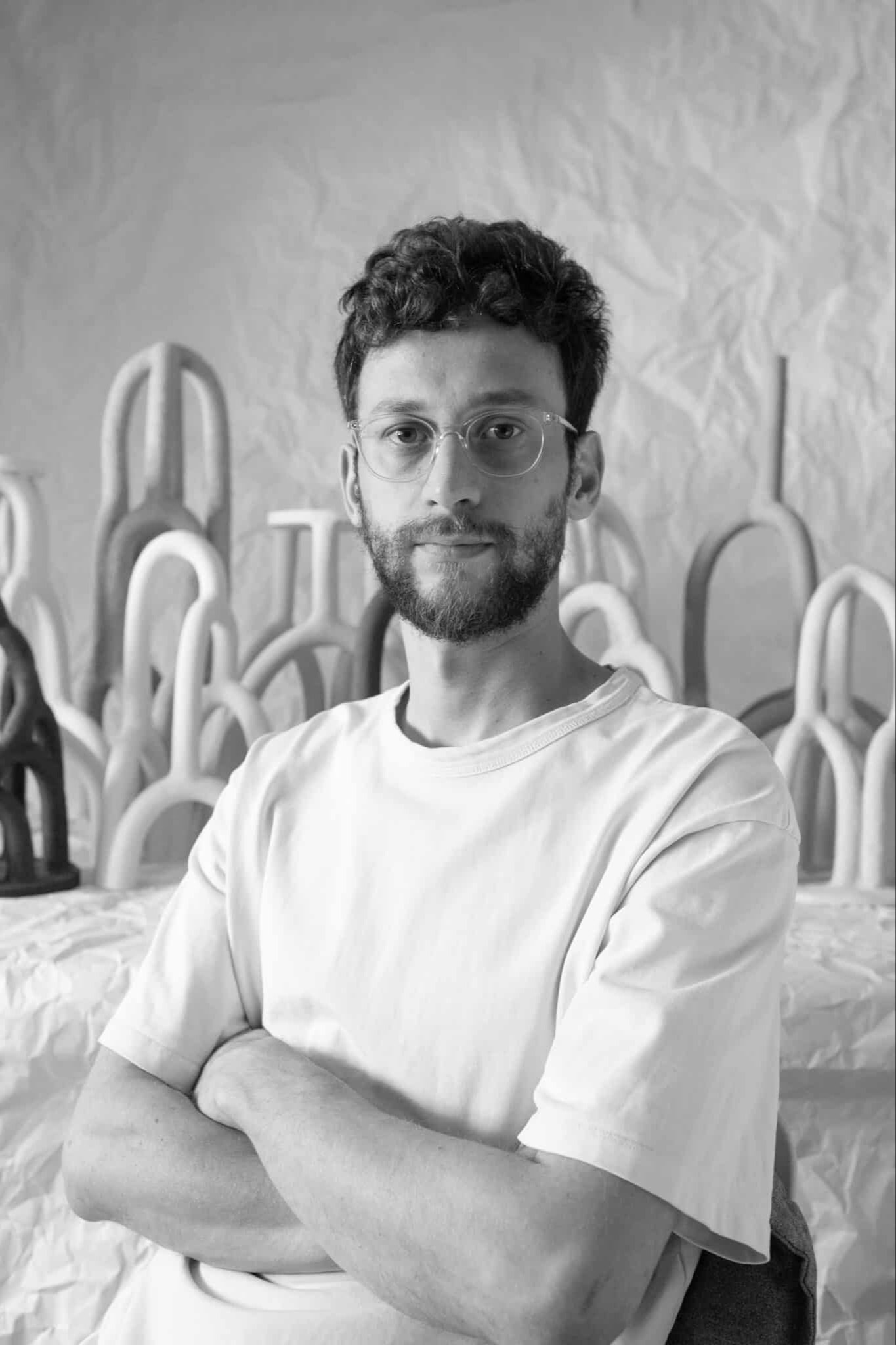
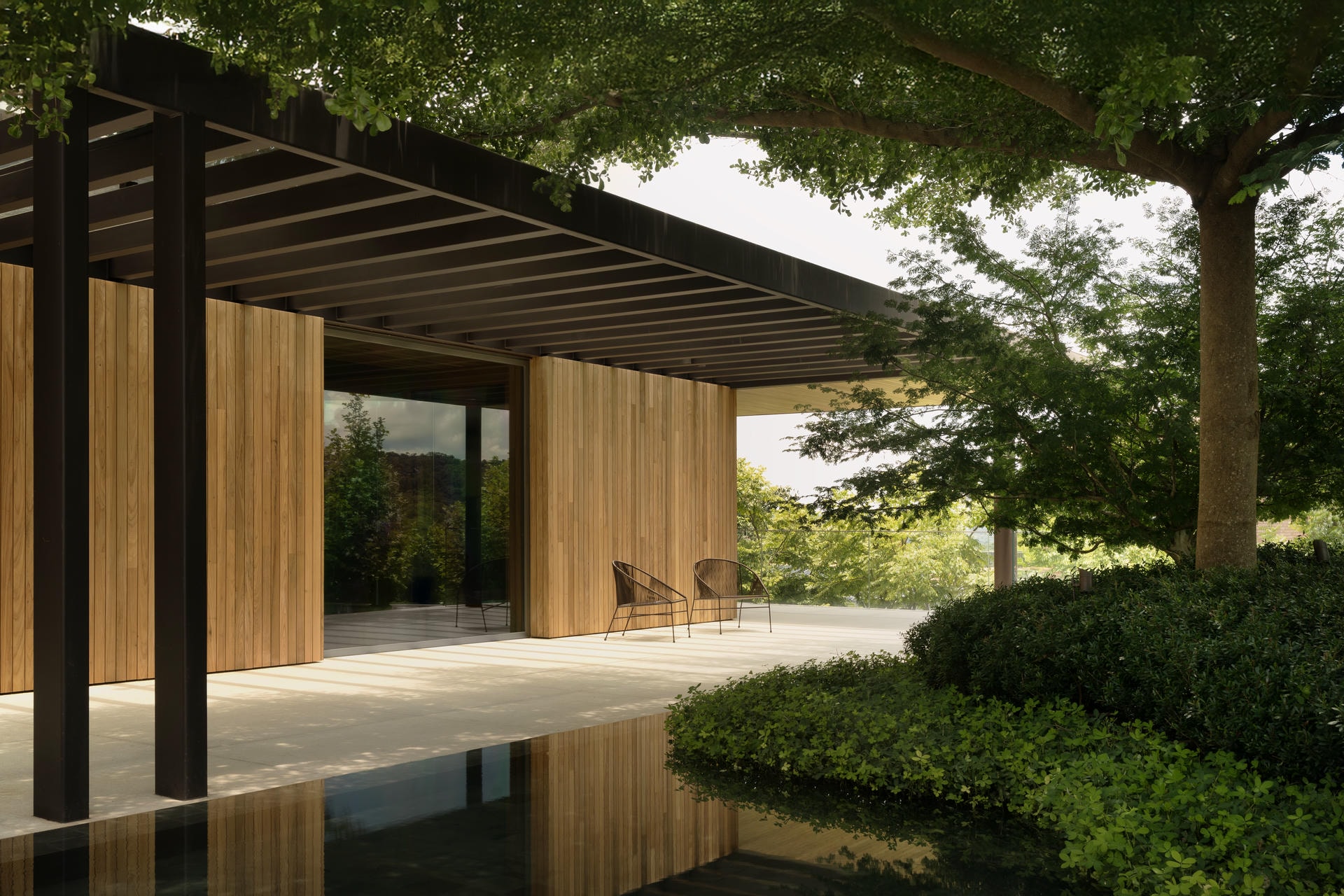
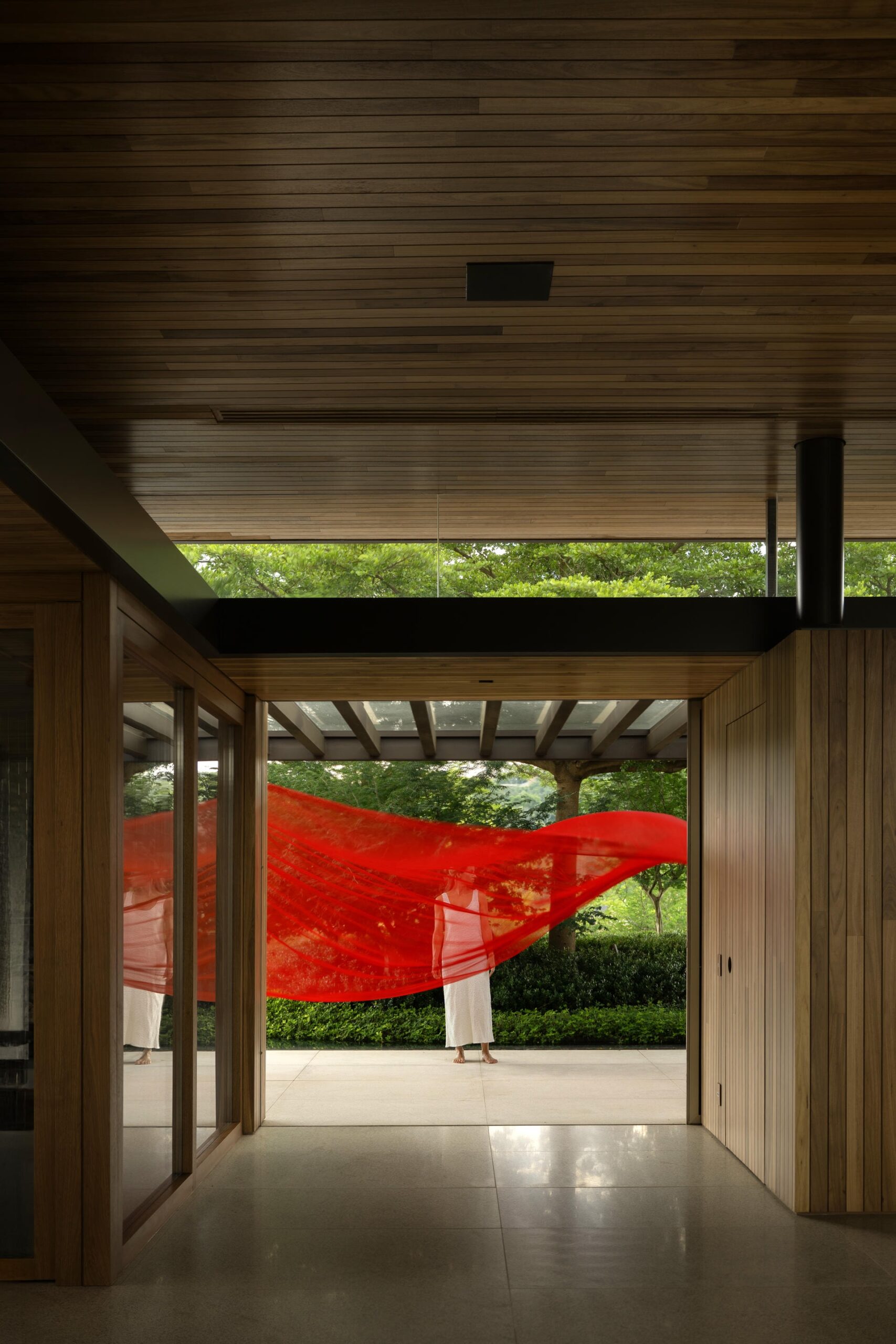
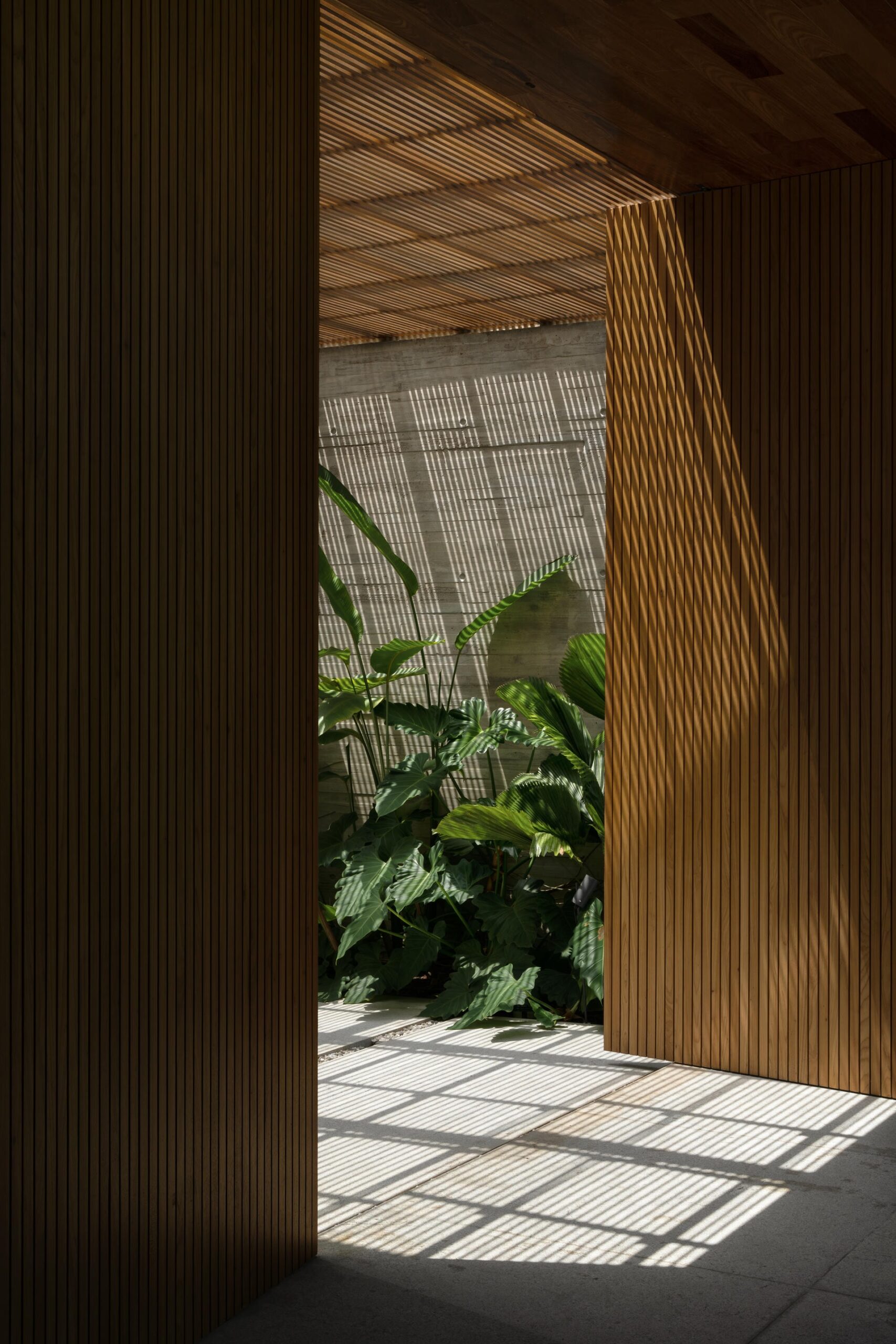
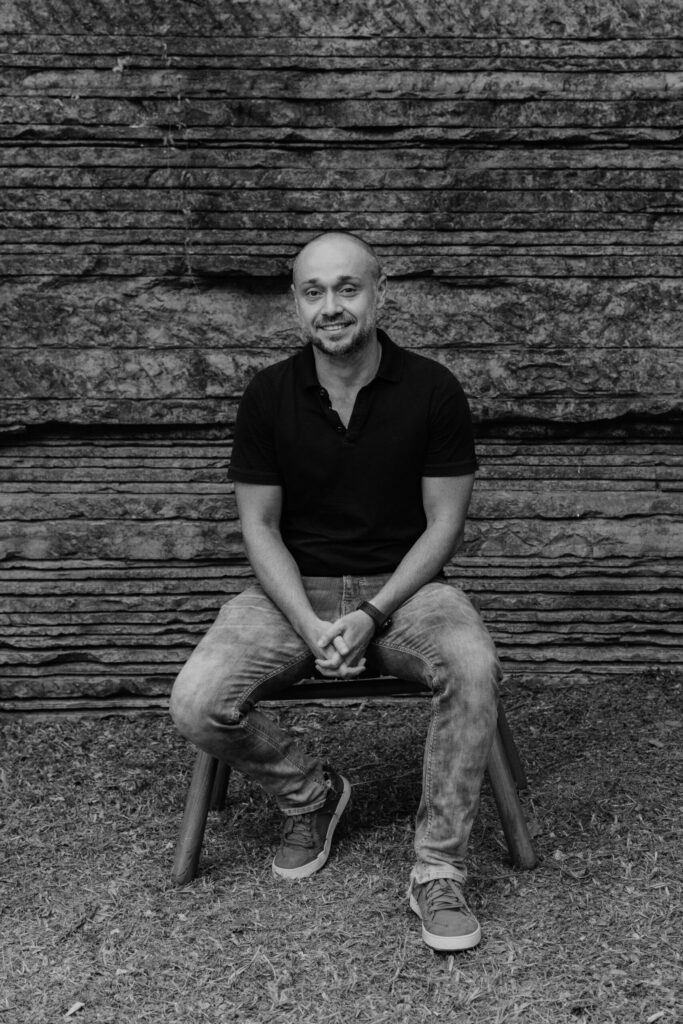
Felipe Caboclo is a Brazilian architect whose practice, Felipe Caboclo Arquitetura, focuses primarily on residential projects. His work explores the relationship between space, materiality, light, and human experience, approaching each project as a response to a particular place and way of living. Attention to proportion, detail, and the qualities of materials shapes an architecture closely connected to everyday life.
For Caboclo, architecture is also a means of understanding how people inhabit time and form lasting relationships with their surroundings. Beyond visual beauty, his practice seeks to give spaces a distinct personality that can be rediscovered over decades, creating homes whose significance develops through the experiences and memories of those who inhabit them.
“Architecture should never compete with life. It should elevate it.”
INTERVIEW

© Estudio NY18
I cannot say that architecture was a childhood dream. What I knew very early was that I was fascinated by places. I was always trying to understand why certain spaces made us feel calm, protected, inspired, or even transformed. Over time, I realized that architecture was much more than designing buildings. It was about shaping human experience.
Today, after designing hundreds of houses, I still see architecture as an act of listening before drawing. Every project begins with understanding how a family lives, what they value, what memories they hope to create, and how a place can become part of their identity.
For me, architecture is not about constructing objects. It is about creating meaningful settings for life.
The first thing I search for is not the form of the building. I search for its reason to exist. Every project has a personality waiting to be discovered. My role is not to impose my own style, but to reveal the intersection between three identities: the client, the landscape, and the architecture itself.
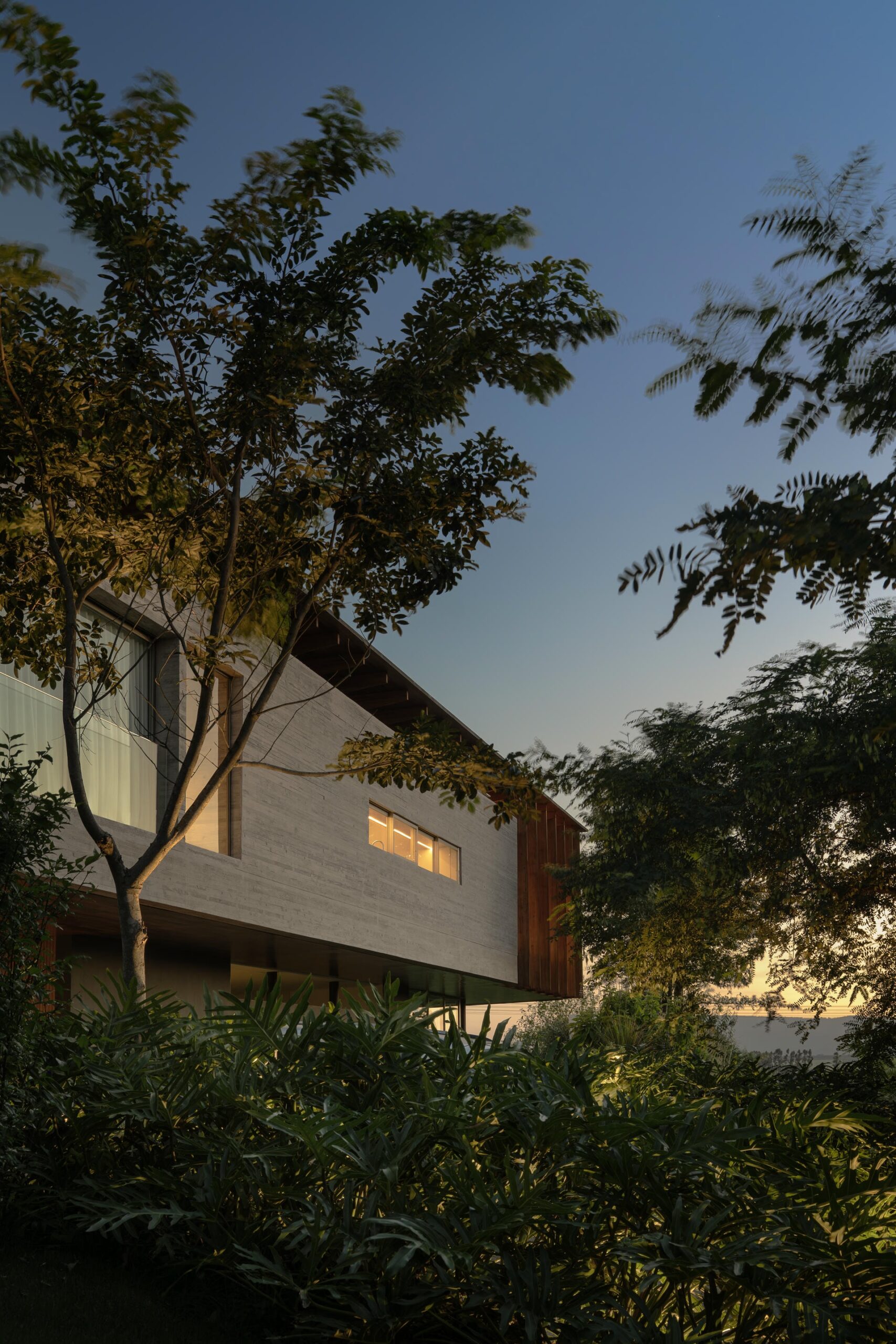
I spend a great deal of time observing the site before drawing. Sunlight, prevailing winds, vegetation, topography, distant views, silence, even the way people naturally move across the land. Only after understanding those invisible forces do I begin designing. When architecture respects those relationships, it feels inevitable, as though it always belonged there.
I would describe it as quiet architecture. Architecture that does not need to shout to be powerful.
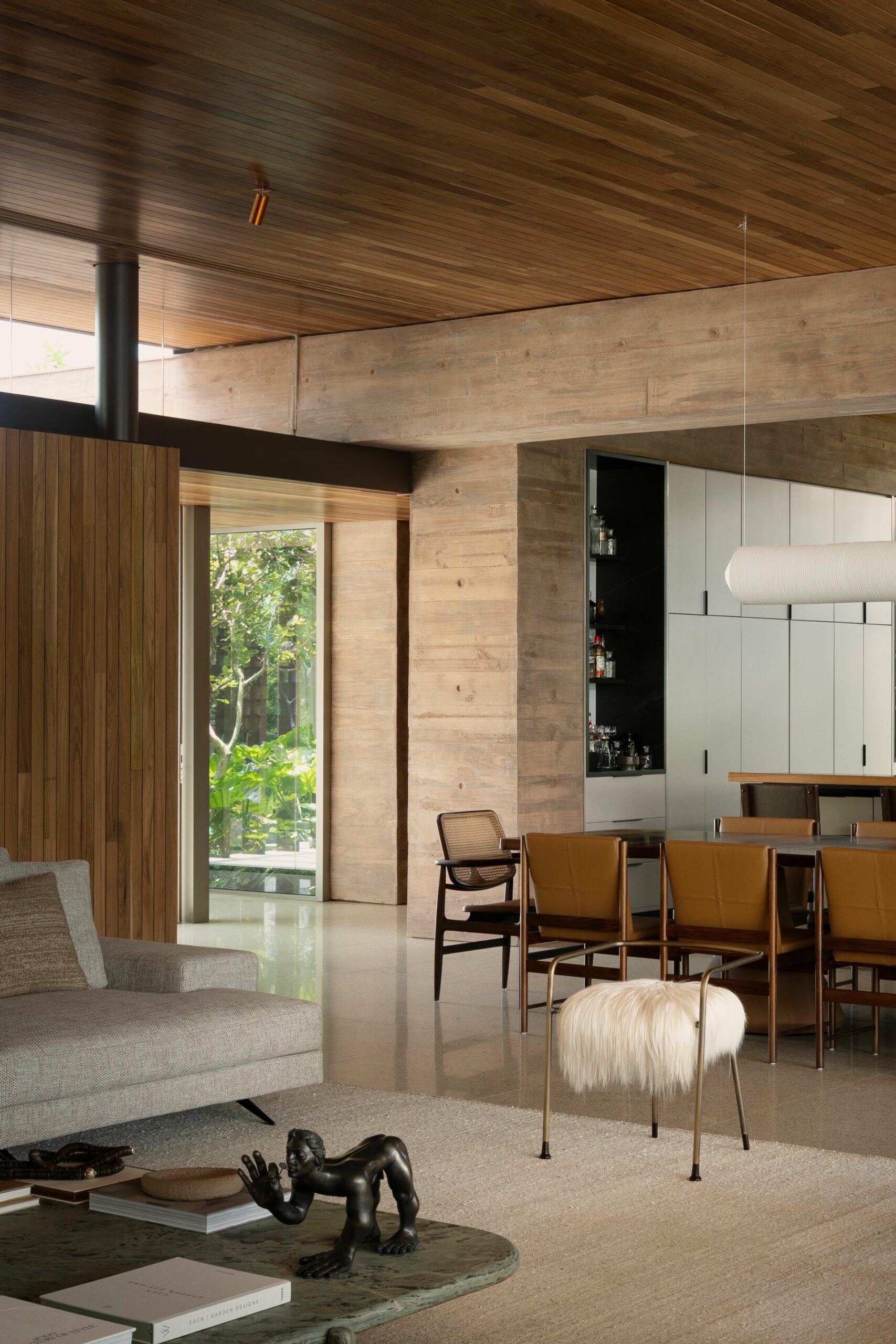
I seek structural honesty, timeless proportions, natural materials, and spaces that age with dignity. Minimalism interests me, but not as an aesthetic exercise. Simplicity only has value when it reveals what truly matters.
My projects often balance opposing forces: order and spontaneity, openness and intimacy, precision and nature. Perhaps that search for balance defines my work more than any formal language.
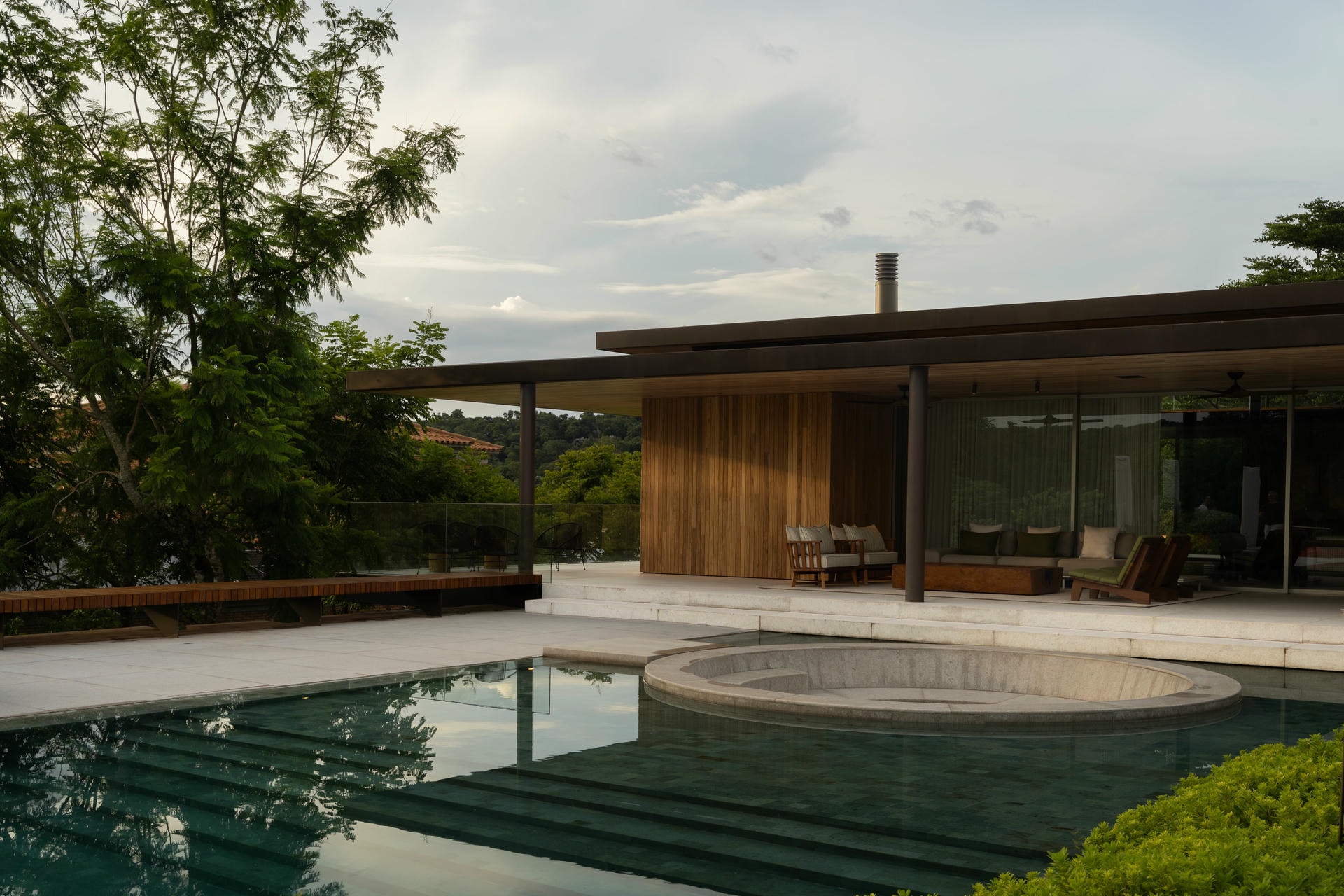
Brazil offers extraordinary landscapes. The greatest mistake an architect can make is believing the building should become the protagonist.
I prefer architecture that amplifies what already exists. The land, the native vegetation, the changing light, the sounds after rain—these elements should remain the true luxury of a place.
Rather than occupying the landscape, architecture should reveal it. If someone remembers the feeling of the forest, the breeze, or the afternoon light more vividly than the walls themselves, I believe the project succeeded.

© Manuel Sá

Interiors by Nildo José © Estudio NY18
Human beings need both refuge and connection. A home should never force us to choose between one and the other.
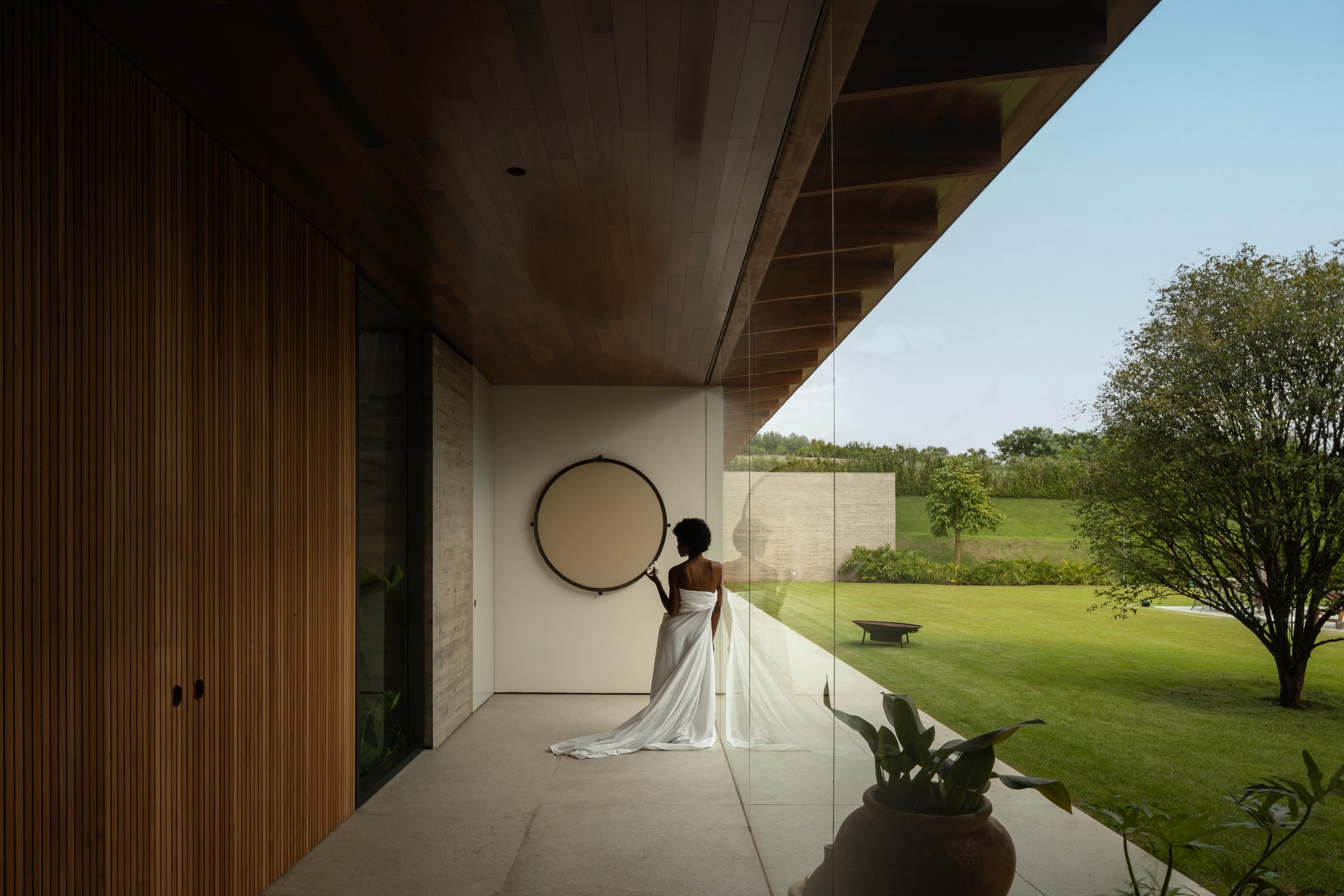
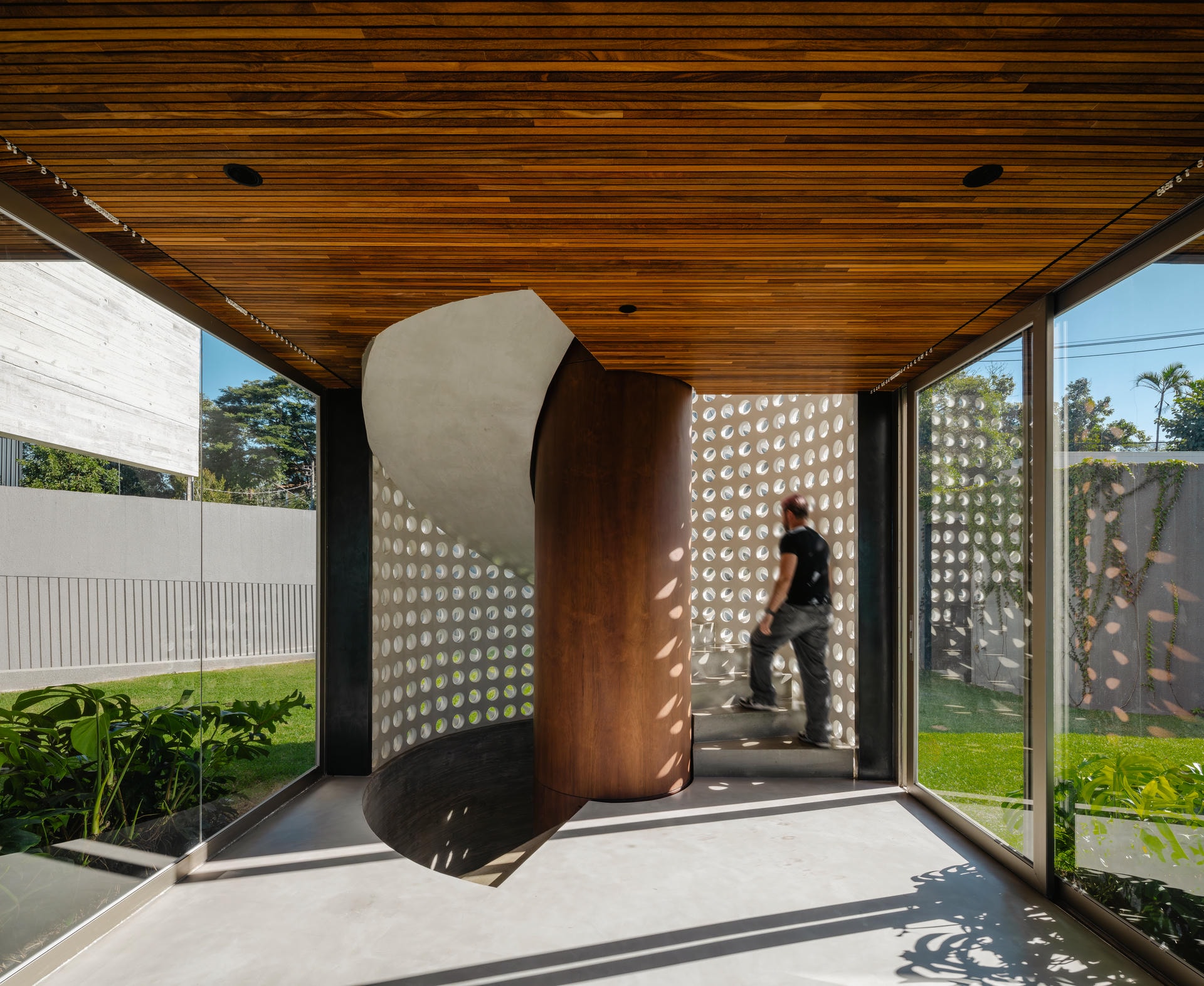
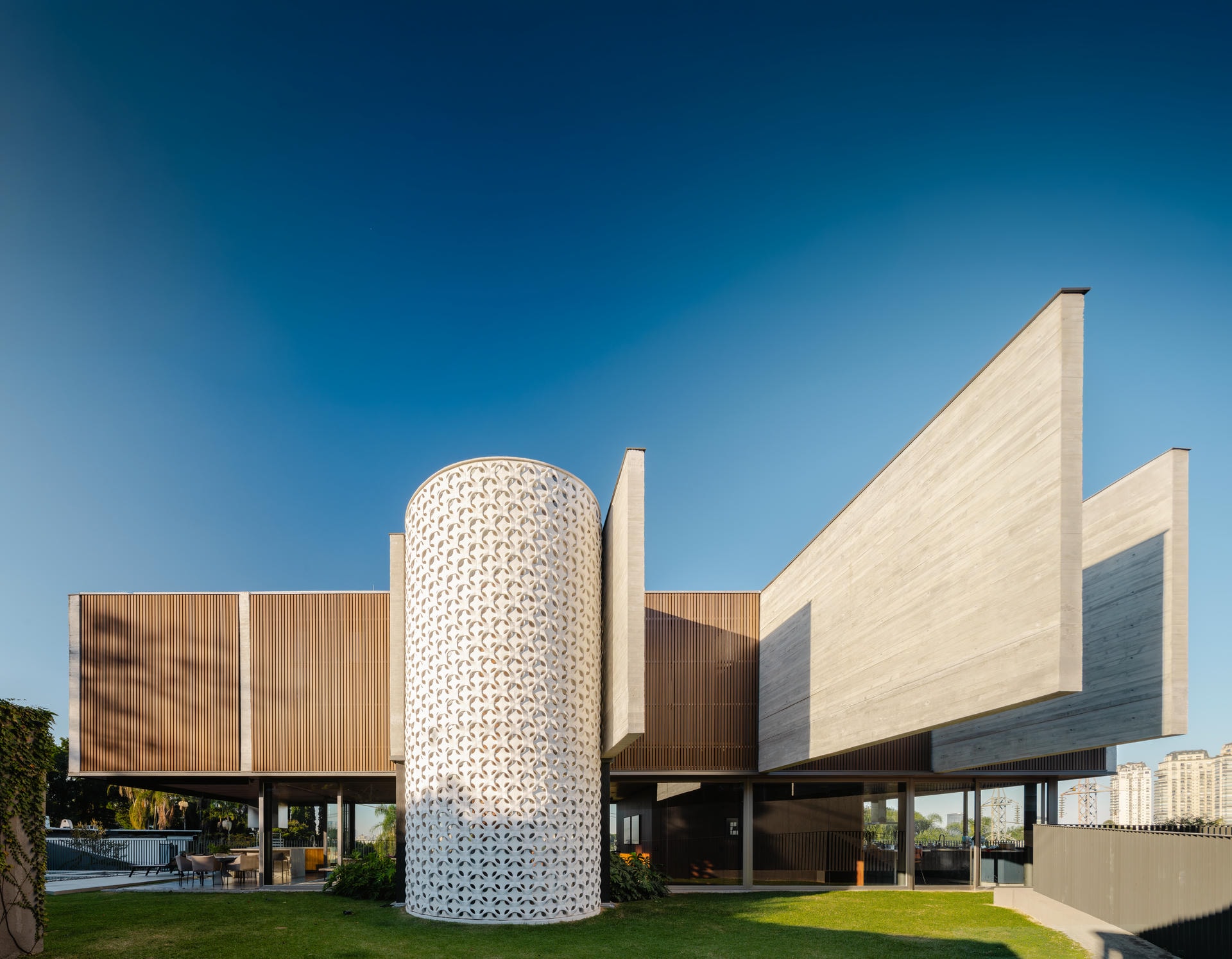
Instead of relying on walls to create privacy, I often use transitions: gardens, courtyards, vegetation, changes in level, filtered light, screens, generous eaves. Privacy becomes gradual rather than absolute.
This creates spaces that remain visually open while emotionally protected. I believe the best architecture never isolates people from nature—it simply allows them to choose how deeply they wish to engage with it.
One project that represents my thinking particularly well is the Chapel Nest. Its ambition was never monumentality. It sought silence.
The project explores light, shadow, proportion, and material with very few gestures. Everything unnecessary was removed so that the experience itself could become the architecture.
I am proud of it because it reflects something I increasingly pursue in my work: reducing complexity until only what is essential remains.
Louis Kahn’s Salk Institute remains one of the greatest architectural lessons ever built. Its power comes from clarity rather than excess. Tadao Ando’s Church of the Light demonstrates how a single beam of light can become architecture. Renzo Piano has always been one of my greatest references because of his extraordinary sensitivity toward landscape, construction, and human scale.
I also deeply admire Mies van der Rohe. His famous idea that “less is more” is often misunderstood. True simplicity is incredibly difficult because it leaves no place to hide mistakes.
The growing speed of the contemporary world. Architecture requires time.
Clients often expect immediate answers, while meaningful projects emerge from observation, revision, and patience. Design should mature like a conversation, not like a deadline.
I often repeat one idea to myself: Architecture should never compete with life. It should elevate it.
Beauty alone is not enough. A project should generate meaning. If people feel more present, more connected, more peaceful because of a space, then architecture has fulfilled its purpose.

© Manuel Sá
© Estudio NY18
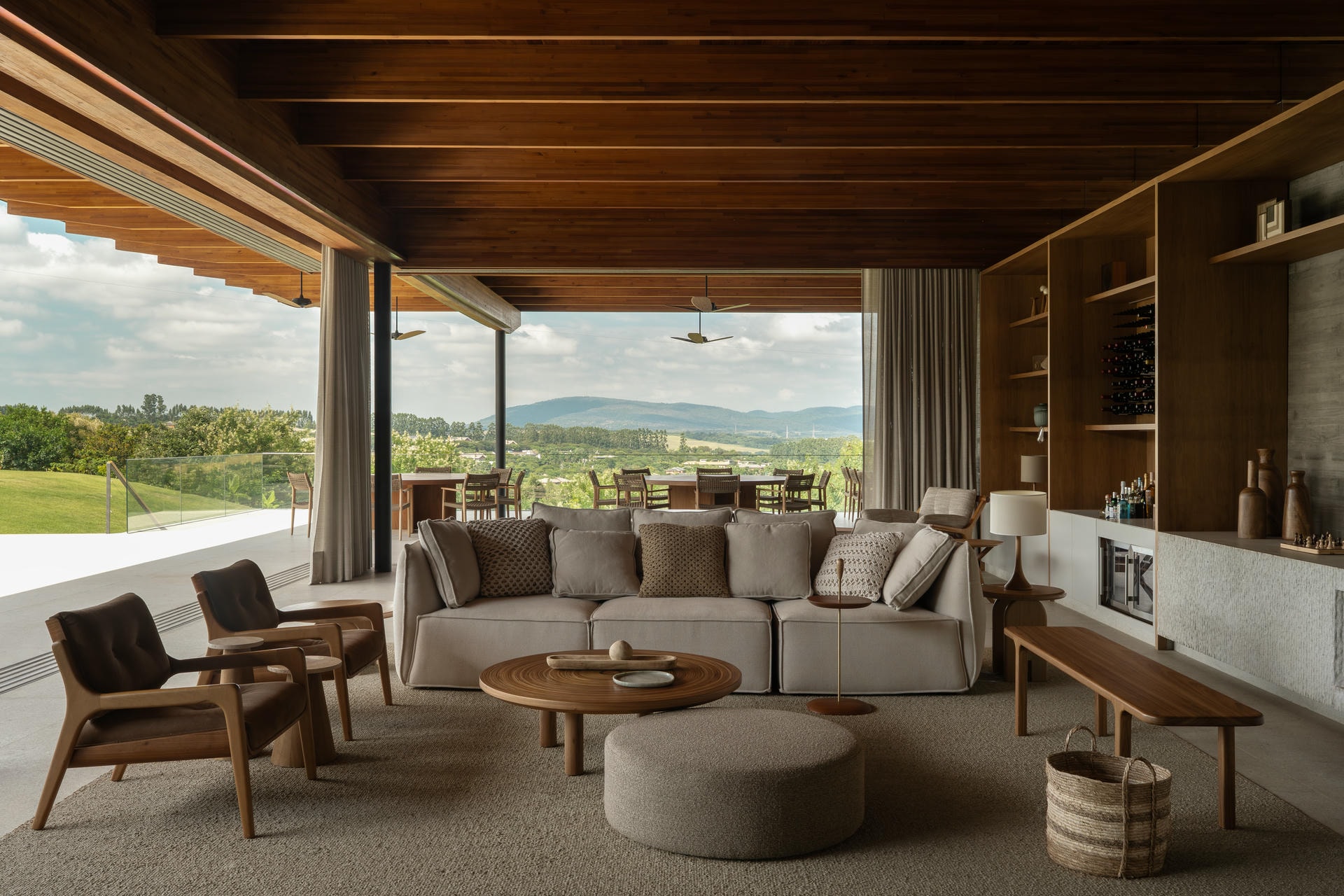
Nature remains my greatest teacher. Walking through forests often teaches me more about proportion, rhythm, hierarchy, and beauty than many buildings.
Outside architecture, philosophy has profoundly influenced my work. Authors such as Nietzsche, Confucius, Plato, Dostoevsky, Camus, and Spinoza have shaped the way I think about human nature, ethics, and meaning. Architecture is ultimately built for people. The deeper we understand humanity, the better we can design spaces for it.
Meaning. Technology has advanced enormously. Construction techniques have improved. Yet many buildings still feel interchangeable. Architecture has become increasingly concerned with image.
I believe we should return to asking a simpler question: “Why does this building deserve to exist?” If we cannot answer that honestly, no aesthetic solution will compensate.
Do not chase originality. Chase truth. Originality appears naturally when you stop trying to impress and begin trying to understand.
Study philosophy. Study literature. Study history. Travel. Observe nature. Everything eventually becomes architecture.


Thank you so much Felipe, for this lovely interview!
Share article :