Fernando Mendes
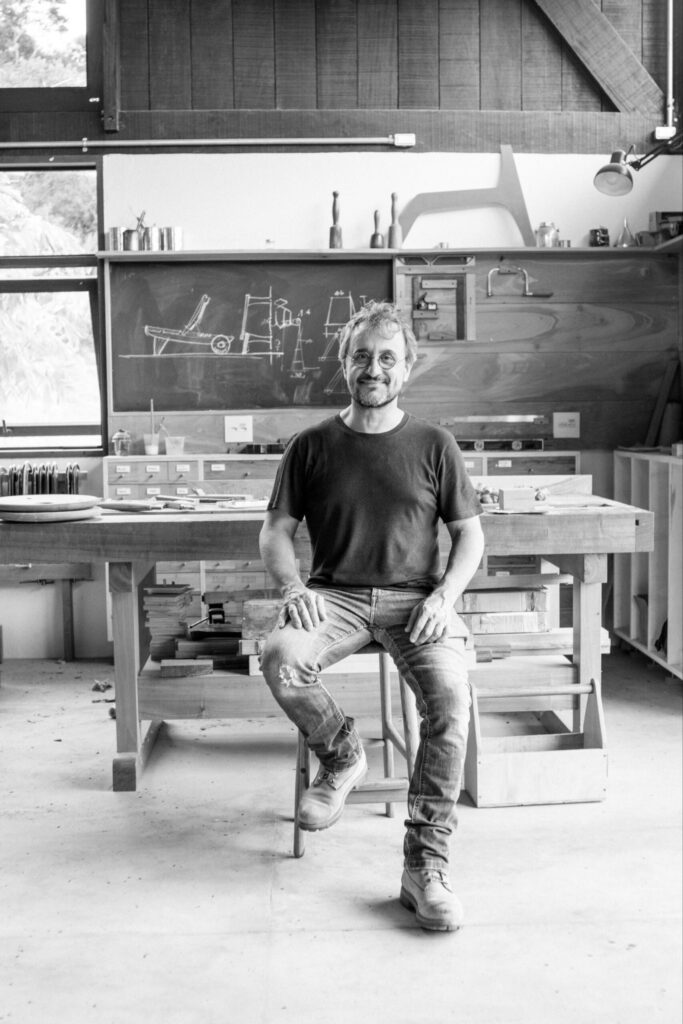
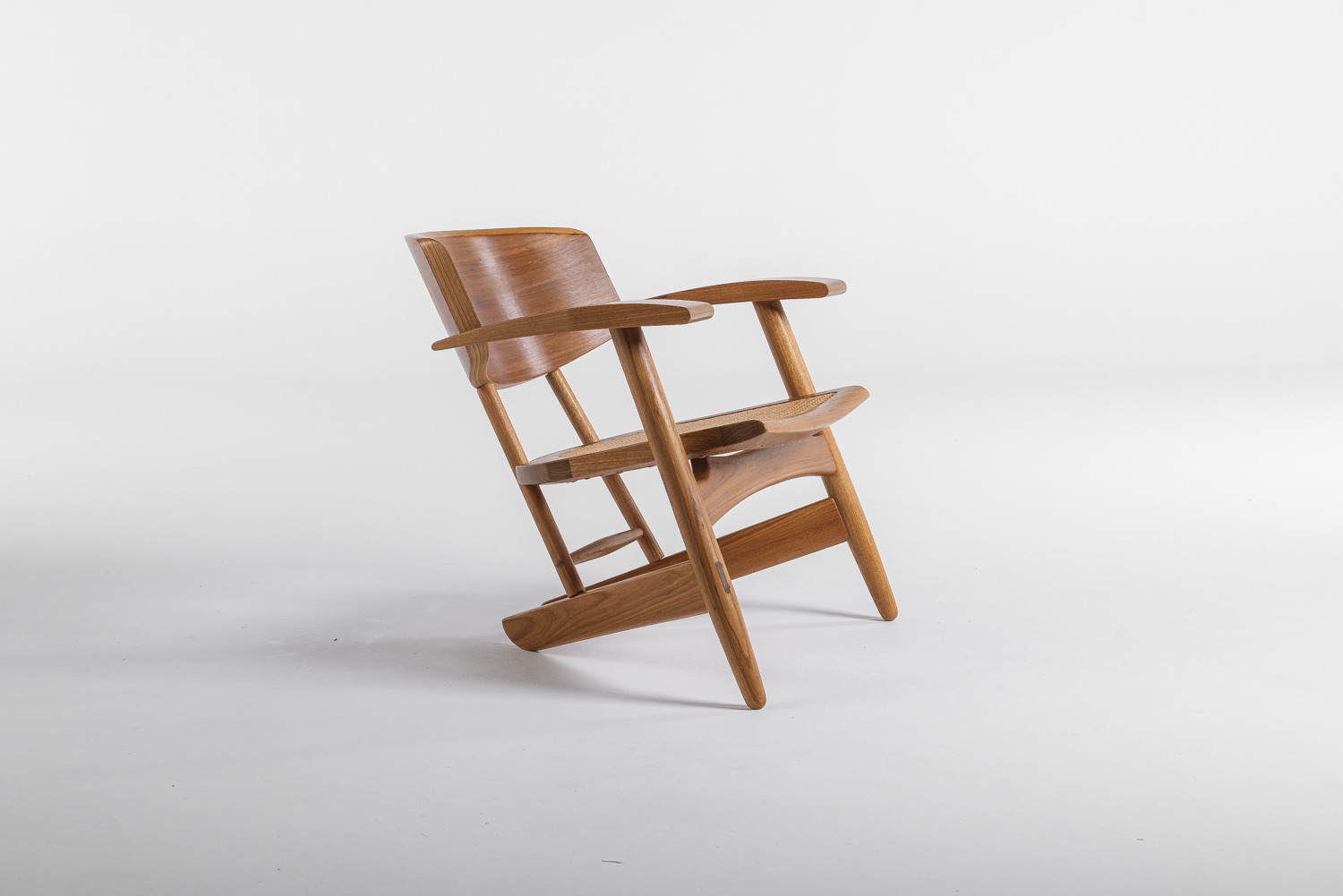
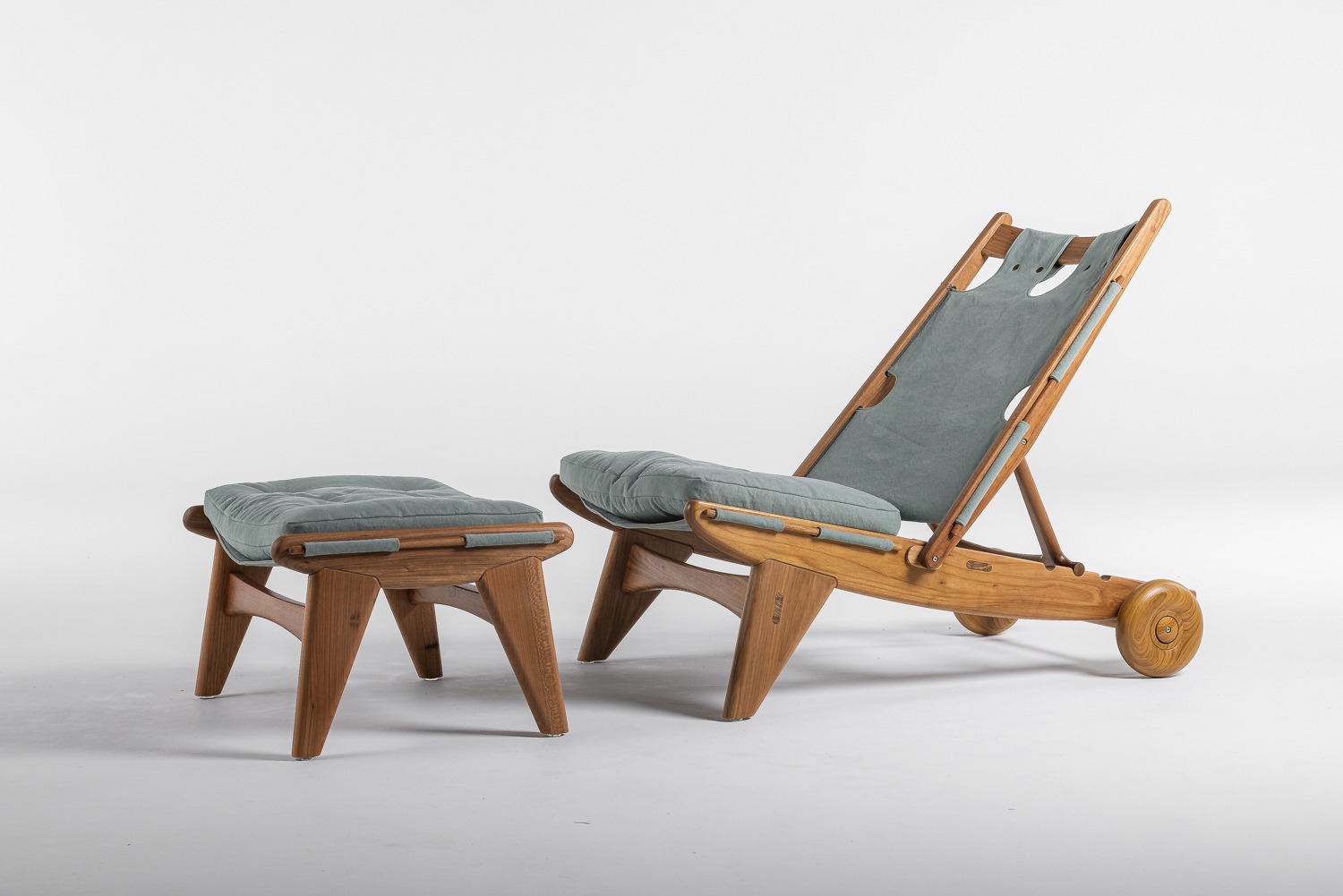
Fernando Mendes is a Brazilian architect, designer, and woodworker born in São Paulo and based in Rio de Janeiro. Working primarily from his atelier in Vale das Videiras, he creates furniture and objects that combine traditional craftsmanship with a contemporary design sensibility. Having spent more than two decades in the field of fine woodworking, Mendes uses wood as his principal medium, balancing artisanal techniques with innovative processes.
Characterized by a deep respect for materiality, his work embraces the natural imperfections, textures, and unique qualities of wood, resulting in pieces that are both timeless and authentic. Alongside directing his atelier, Mendes serves as president of the Sergio Rodrigues Institute, continuing the legacy of the renowned Brazilian designer with whom he collaborated closely for over thirty years. His work has received numerous international accolades, including the iF Design Award, Designpreis Deutschland, and the Museu da Casa Brasileira Award.
Interview
I am Brazilian, I was born in the city of São Paulo, and I have lived in Rio de Janeiro for 40 years.
My very first memory with art must have been connected with music, listening to Bach, Vivaldi, Chico Buarque, etc. But with visual arts, it was in MoMA, when I was dragged into Van Gohg ́s The Starry Night painting. When entering the room where the painting was displayed, I couldn’t see it at first glance, but somehow I was pulled by some force that had put me in front of the painting, and it was amazing. I got deeply emotional, and I cried.
Yes, from the beginning, and always with a connection to doing things on my own.
Beautiful objects, the magic of imagining something, turning an idea into a drawing, and then the drawing into an object. At first, I wanted to create automotive design. I had a pile of these car drawings from my teenage years. They never became concrete objects. But later, this experience inspired me to create some details in my furniture design.
I’ve been a doodler since I was little, so creating has always been about drawing. Everything I do in design or architecture involves sketching. I always keep a sketchbook nearby.
I wake up early wherever I am. When I’m in Rio, I go to the Atelier, the larger shop, and work on the computer or walk around the shop supervising and explaining the work to be done. There’s also the upholstery workshop, where I usually develop the patterns and templates for the sewing workshop. When I’m in Vale das Videiras (inland Rio de Janeiro), where I have a small but fully equipped carpentry shop, I usually go straight to the bench after breakfast and work all day with wood. This is my favorite place to be.
With a hammer, some nails, and scraps, you can make something out of wood. If you’re a skilled woodworker, you can make beautiful, sophisticated objects out of wood. You can use high-tech machines, but you can also do wonderful work using hand tools. Whether you’re a beginner or a master craftsman, wood is a profoundly generous material to work with.
Drawing and a solid knowledge of geometry are the starting points. Since I am also a woodworker, every idea printed on paper has an immediate and direct connection to the prototype that will be built later. For me, design and fine woodworking are inseparable parts of a larger knowledge.
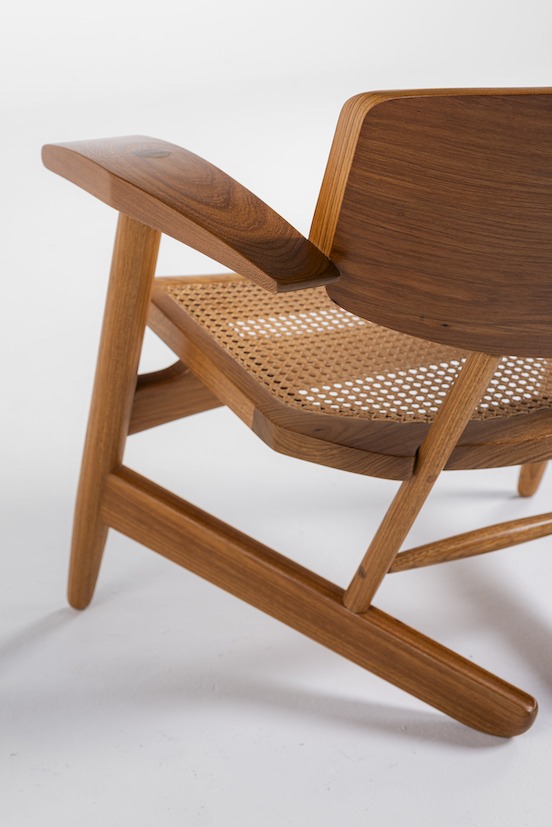
Use a sheet of paper to explore what your imagination can come up with in any kind of design, and use your hands to transform those initial ideas into three-dimensional objects. With card paper and a few wooden rods, you can explore model shapes before trying to use computer devices. You don’t have to be a craftsman to be a designer, but any experience with materials and your hands can enhance and expand your imagination.
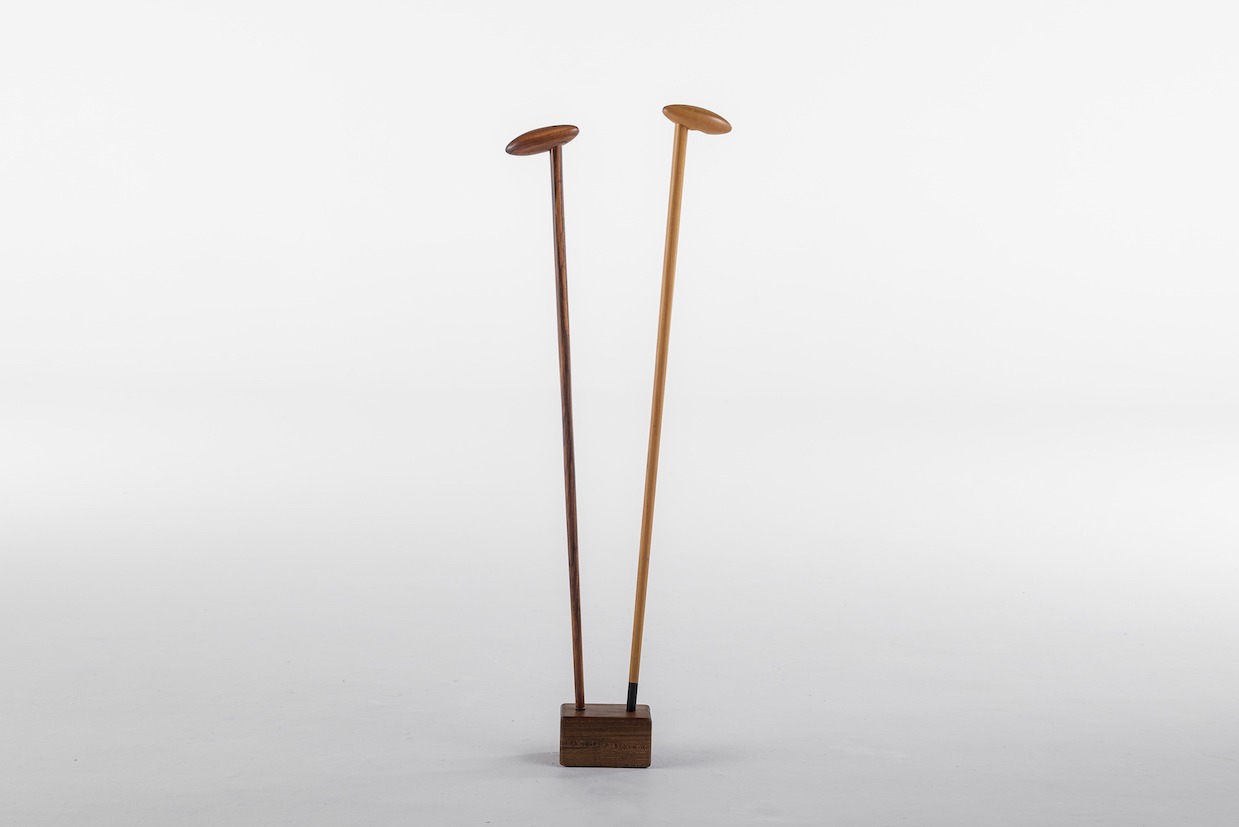
Arts and Crafts.
Santos Dumont, Sergio Rodrigues, Giorgetto Giugiaro, Hans Wegner.
My fellow designers and woodworkers: Morito Ebine, Ricardo Graham, and Julia Krantz.
Music: Lalo Schifrin, Henrik Schwarz, Chico Buarque, Gilberto Gil, Caetano Veloso, Aaron Parks, Zaz, Namika, Céline Dessberg.
Photographer: Walter Carvalho.
Visual Artist: Daniel Senise.
From sketch to varnish.
Look for anything that makes you feel in awe, full of desire to do something, and go for it.
“Look for anything that makes you feel in awe, full of desire to do something, and go for it.”
The Questions
(The Proust Questionnaire is a set of questions answered by the French writer Marcel Proust.
Other historical figures who have answered confession albums are Oscar Wilde,
Karl Marx, Arthur Conan Doyle, Stéphane Mallarmé, Paul Cézanne…)
Being satisfied, it’s enough.
Turn blind.
Unfocused sometimes.
Vanity.
Noam Chomsky, Aylton Krenak.
Have my own tiny house built by myself.
Unquiet.
Kindness.
Temperance.
Intuition.
Breathe.
Play piano.
I would learn to fly.
Have fun with my work.
An octopus.
In my country house in the mountains.
My hand tool chest.
Feeling hungry, homeless.
Woodworking.
Loyalty.
Open mind.
André Comte-Sponville, Ayton Krenak, José Angelo Gaiarsa, Amyr Klink.
Batman.
Santos Dumont.
My mother and my aunt.
Pedro, my son’s name; Maria Thereza, my aunt’s name.
Dishonesty.
Not telling my mother how much I admired her.
Sleeping.
Trust in your hands.
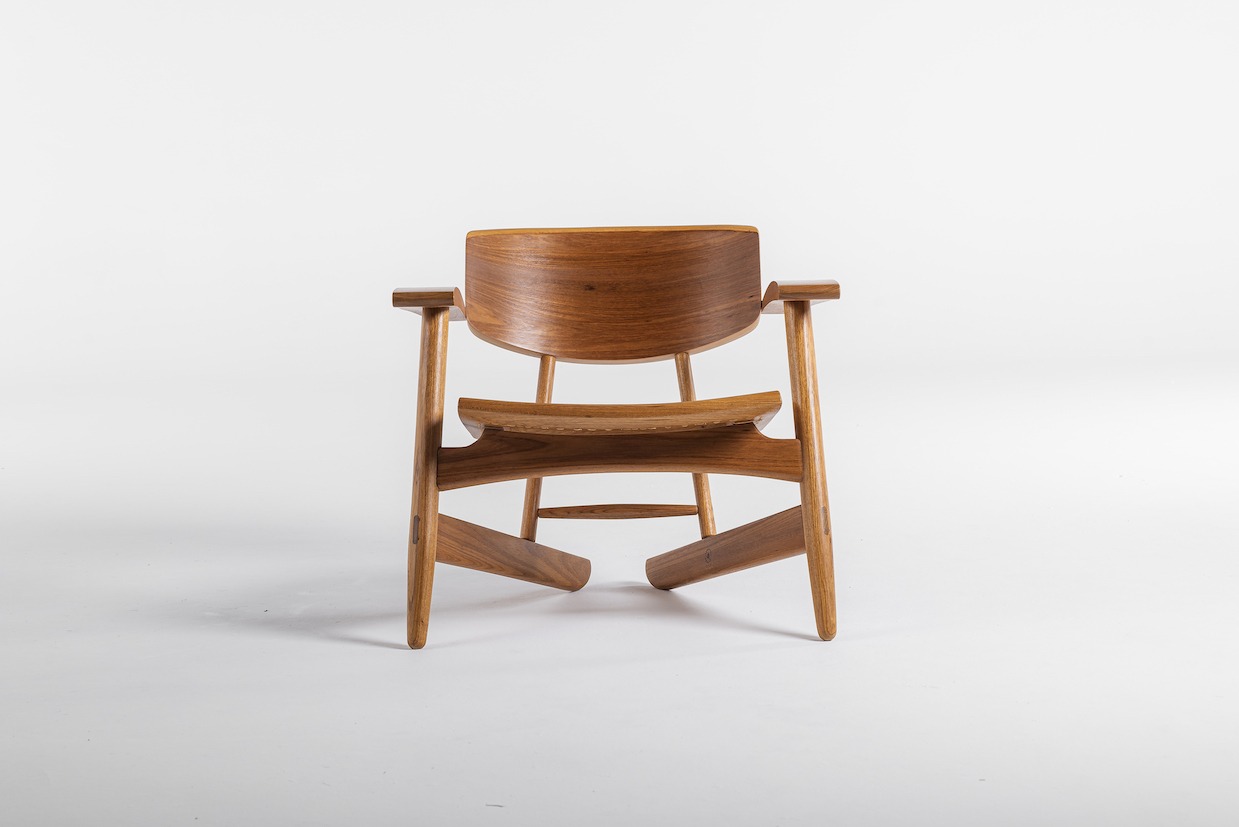
“For me, design and fine woodworking are inseparable parts of a larger knowledge.”
SHARE :