Greg Natale
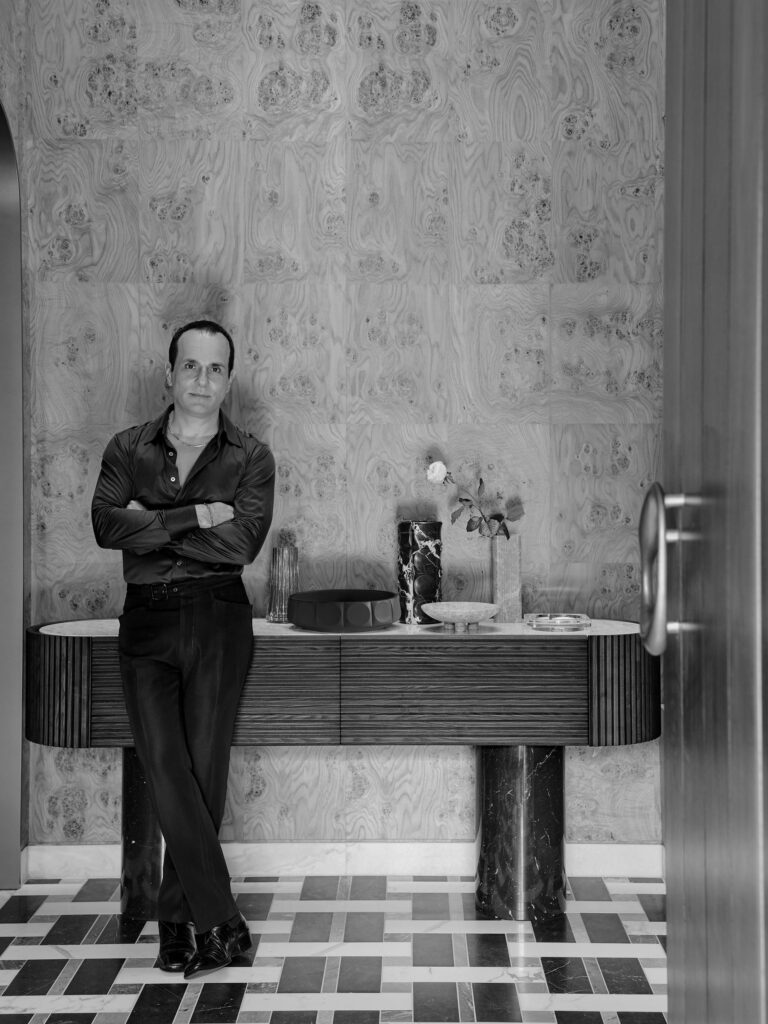
“It’s important to get the canvas right first by understanding the concept and then studying the details of the interior architecture.”
INTERVIEW

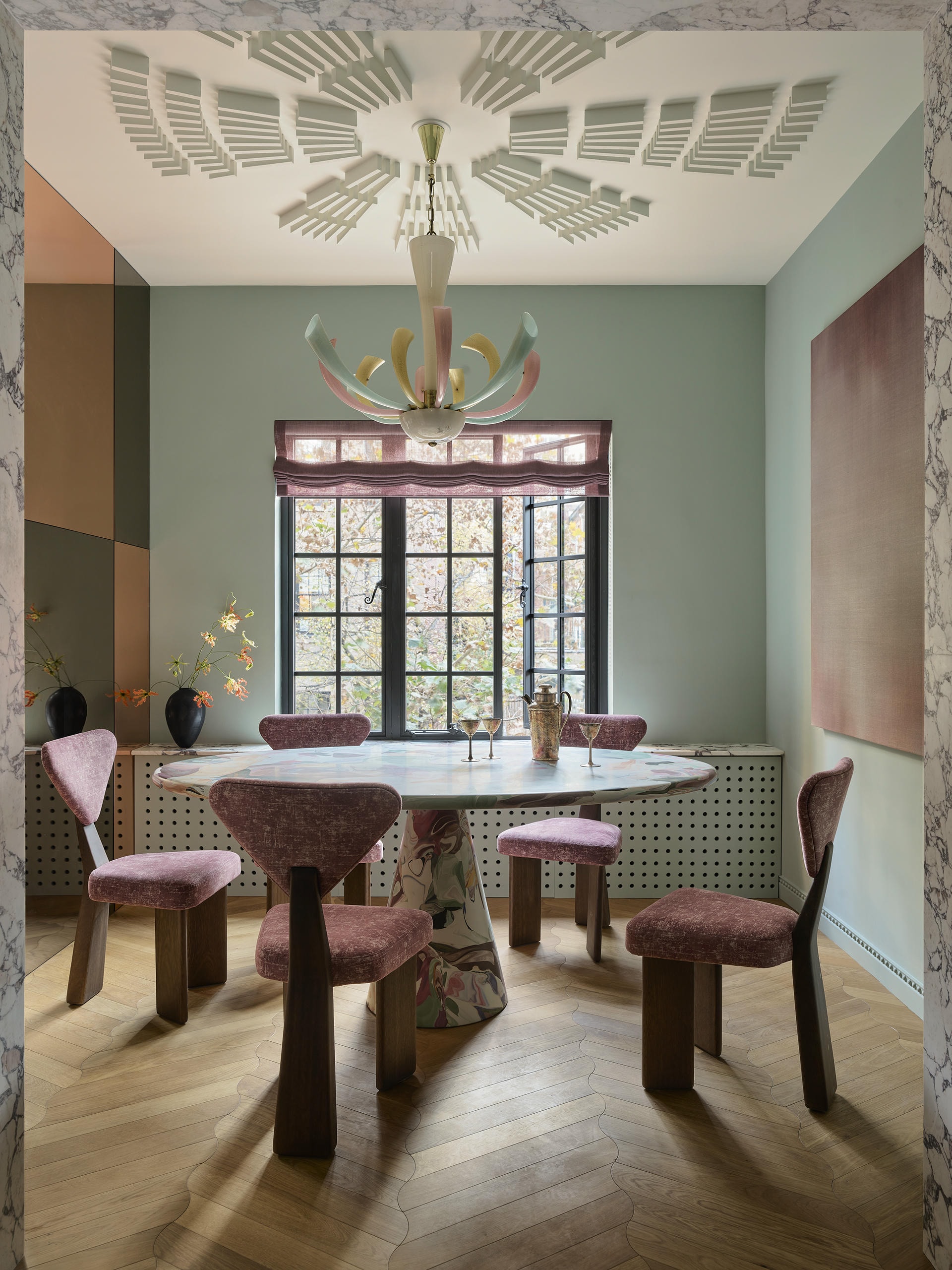
New York House © Anson Smart
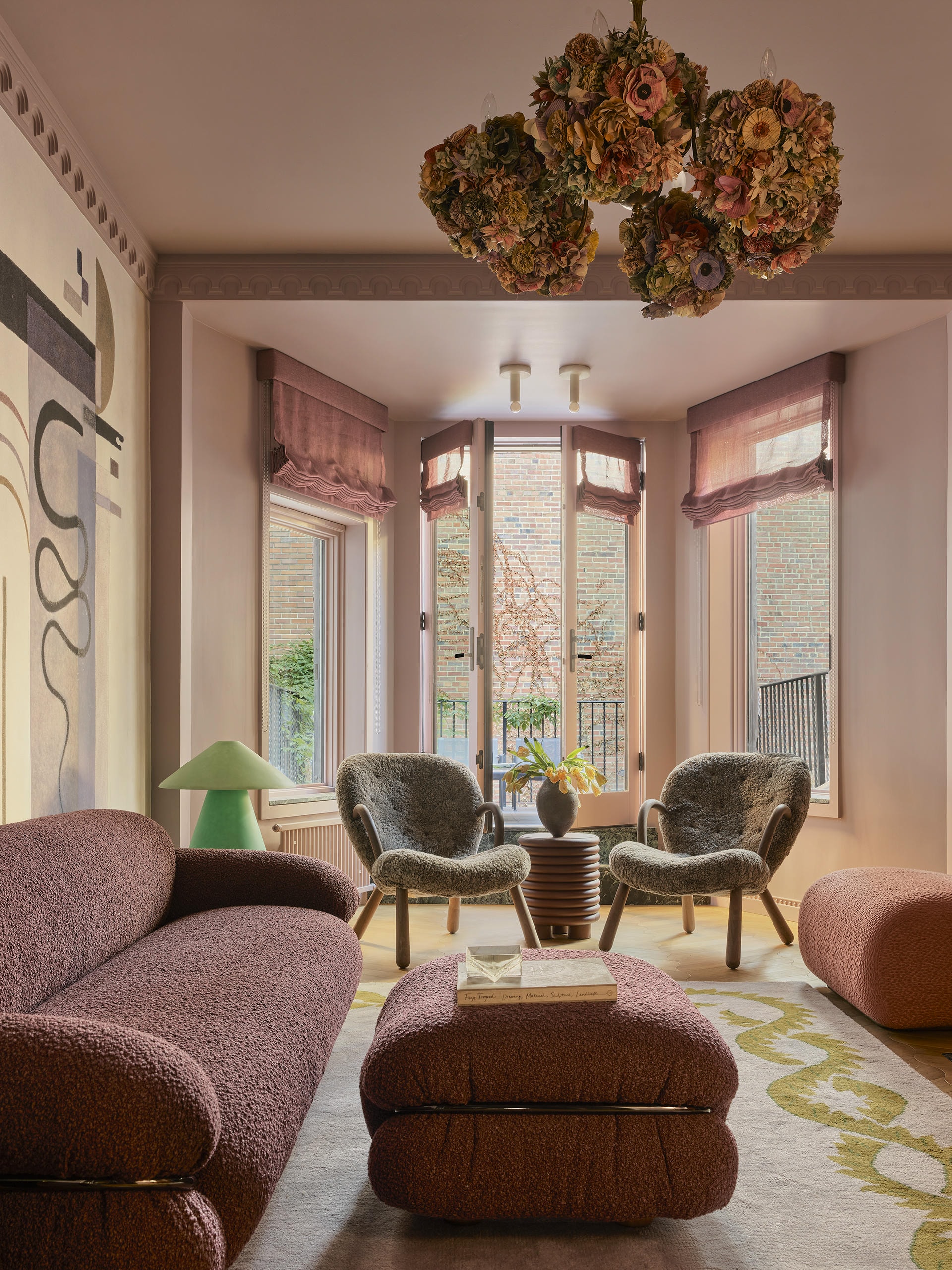
From a young age, I was immersed in a creative world and knew I wanted to pursue a creative career. Many factors steered me along this path, grounded in my love of film and set design. My parents had also built their dream house in the late 70s, and my father owned his own business as a form worker. I watched as they unpacked imported furniture from Italy that had been shipped in a large container, which was exciting for my family.
Growing up, my older sister was also studying fashion design, so she was always creating things, which got me involved in making things from a young age. From a very formative age, I began developing my knowledge of the fundamentals of design.
Starting my own interior design business at 27, after only five years in the field, was one of the defining moments of my career and set me on this incredible path that I am grateful for.
From the very beginning, I knew I wanted to lead my own studio, with a clear vision for how I wanted to design interiors, particularly residential projects.
It’s important to get the canvas right first by understanding the concept and then studying the details of the interior architecture, including the floors, walls, and ceilings. From this macro level, you can then start to work towards the micro level of the hierarchy by looking, in sequential order, at proportions, layering, creating contrasts, balance, and working with colour, pattern, and objects.
As an interior designer, if you want to lead a successful business, you need persistence and tenacity, either by possessing them or by developing them. It usually takes up to 10 years for a business to get off the ground, and you need these qualities to keep it afloat in a volatile industry. It’s important to work as both a designer and a businessperson, which involves learning to evolve, be agile, and listen to clients while delivering amazing work.
I always start with a reference point that serves as a muse for my design, helping to inform my concept. This involves looking at a solid piece, whether it is an artwork, a piece of furniture, or the architecture itself.
I never start with colour to steer the creative direction, as this can risk the project becoming dated very quickly and being trivial in design.

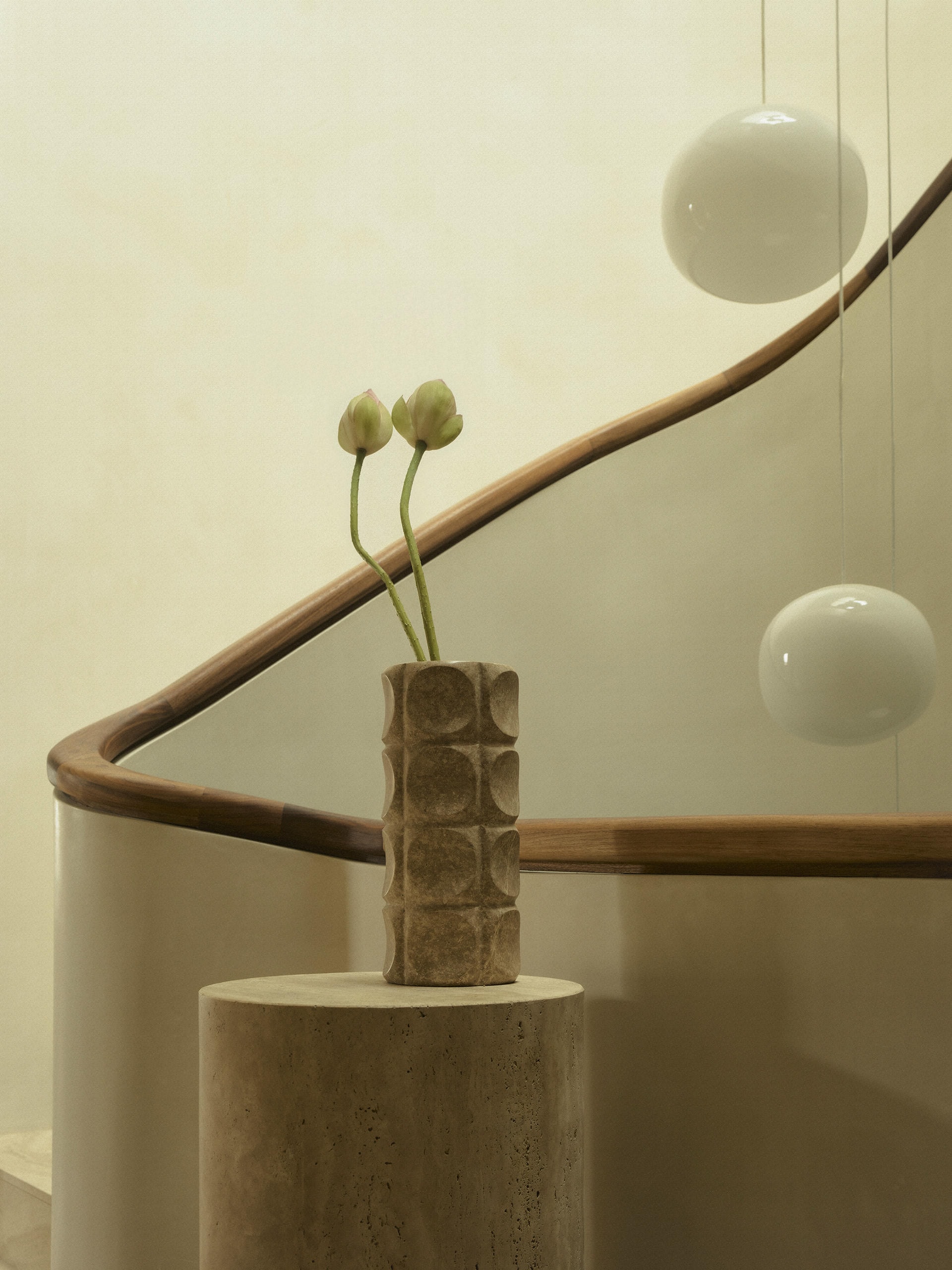
Terreno by Greg Natale © Anson Smart
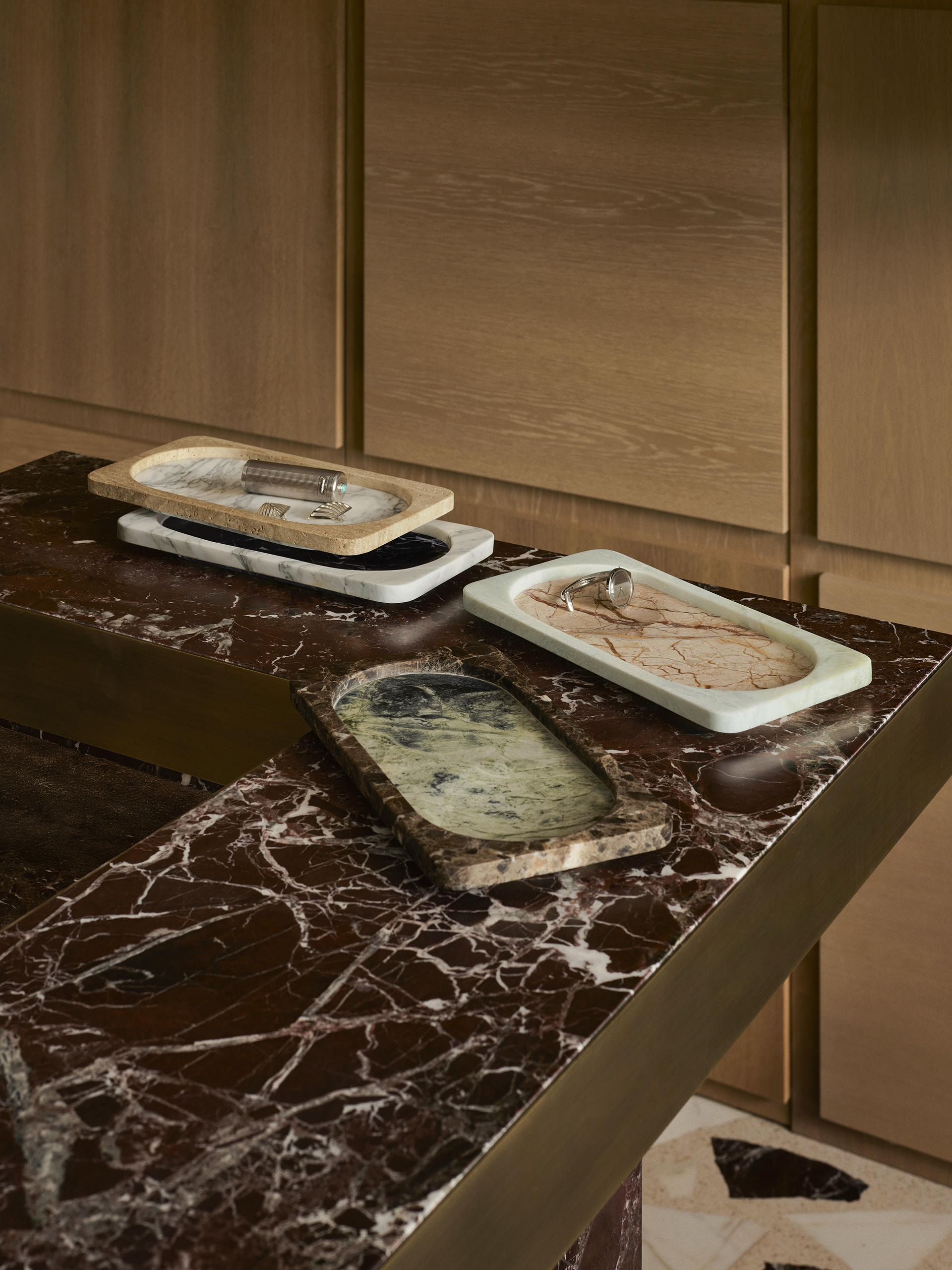
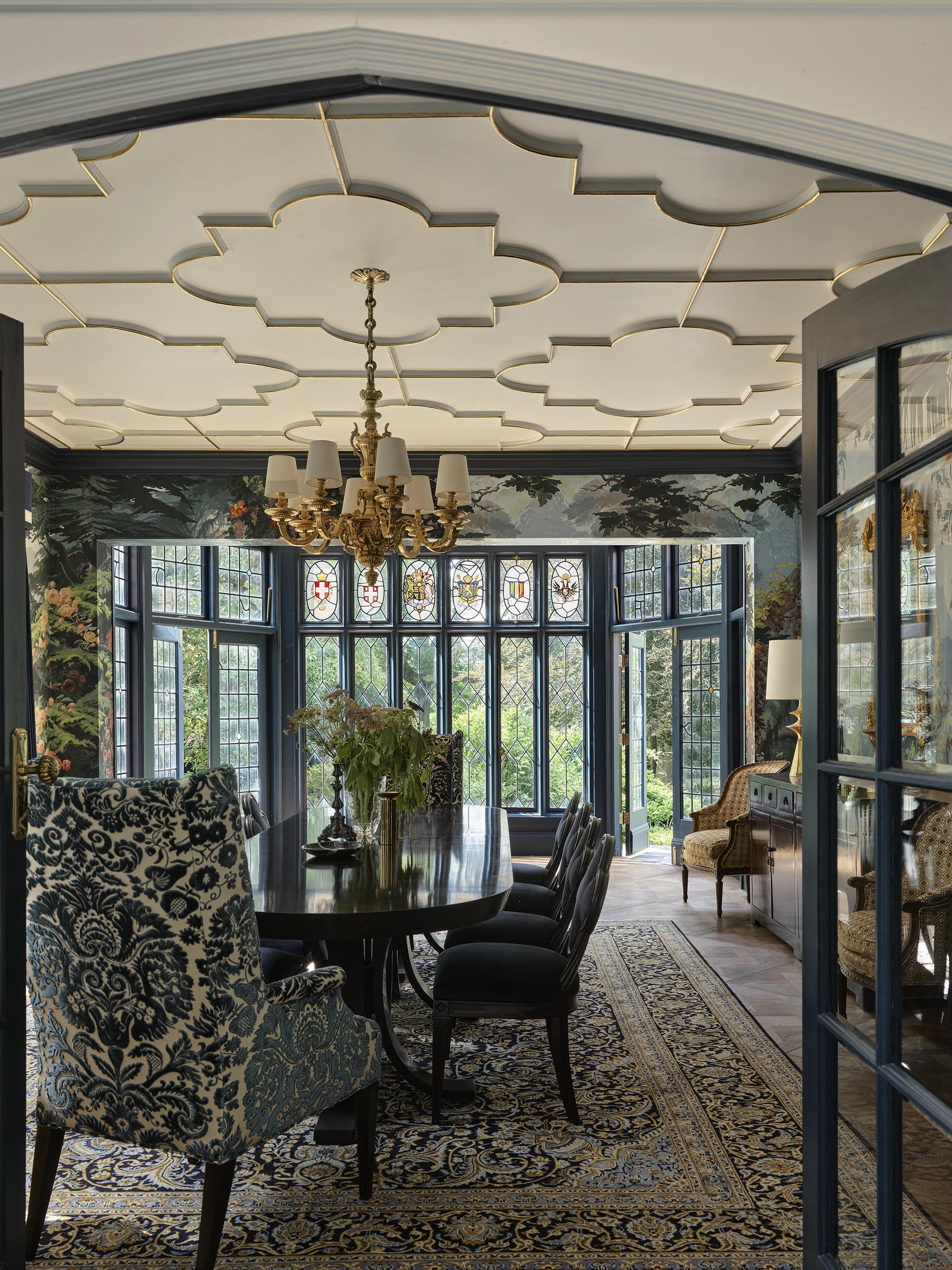
Gordon House © Anson Smart
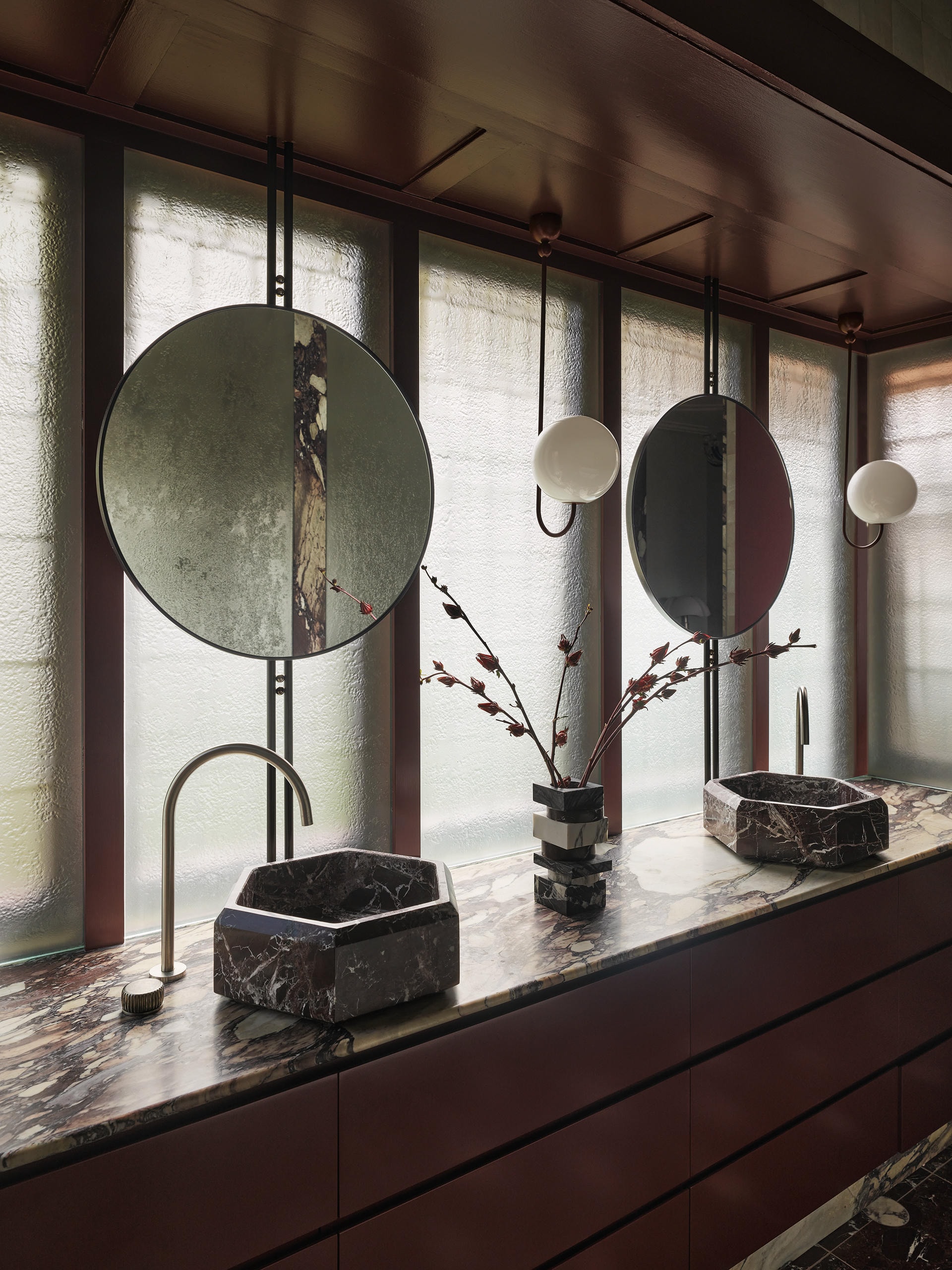
My design philosophy was shaped from a very young age, dating back to the home my parents built, which still reflects a strong Italian heritage today. The geometric tiles in their home have informed my love of patterning, which I continually explore and experiment with, and this has essentially become part of my studio’s DNA.
This is a key element, as my signature style is based on a tailored, layered approach infused with 70s design.
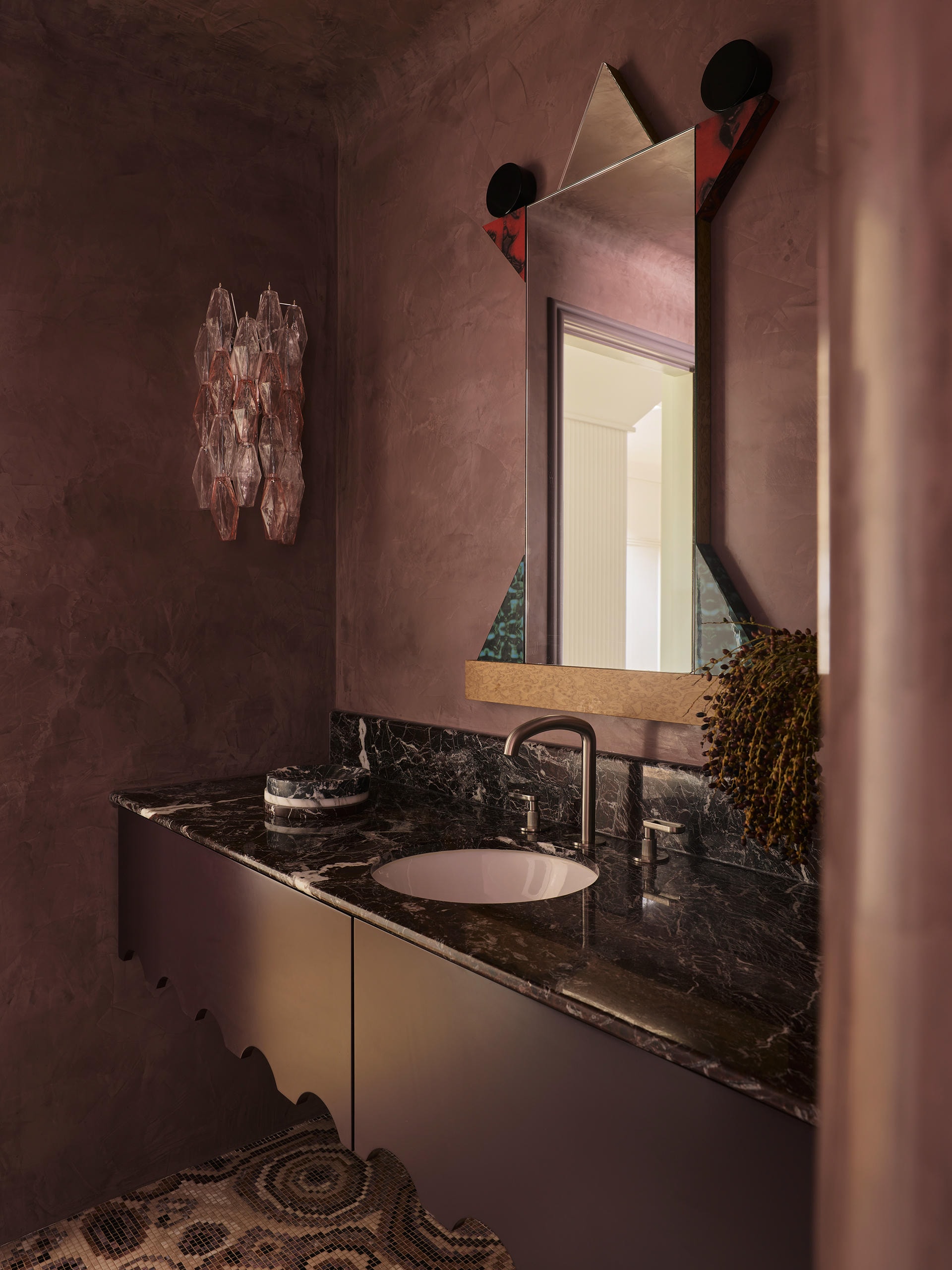
Mosman House was an opportunity to return to my European roots and explore my Italian heritage through a design lens. For this project, we explored a mix of marbles to furnish the spaces, as we not only dressed the floors with stone but also extended this to the walls and ceiling frames.
Working on this project also gave me the chance to travel to Paris, Milan, Rome, and Southern Italy to research and procure unique pieces for the residence, which was the perfect dream project.
In the fourth year of operating my business, I realised I needed to further develop my financial management skills. I hired a business mentor who helped me understand the financial aspects of a business, such as billing and setting up the right structure.
As creatives, we are not naturally geared to think this way, and it was important for me to learn this early in the business.
Many years ago, I was travelling on a flight back with my close friend Anna Viniero, who is also the Art Director at my studio. She said, “Create your own style. Use that window when everyone is following a trend to do something completely different.”
Since then, this piece of advice has always been with me, helping me pivot my studio’s designs in a unique direction from the industry.
This is the only chance you get to be disruptive and carve your own path. It’s important to be technically skilled in various software programmes and know how to produce a complete documentation package.
Also, I would say, be prepared to be persistent in putting in the hard work and making those sacrifices.
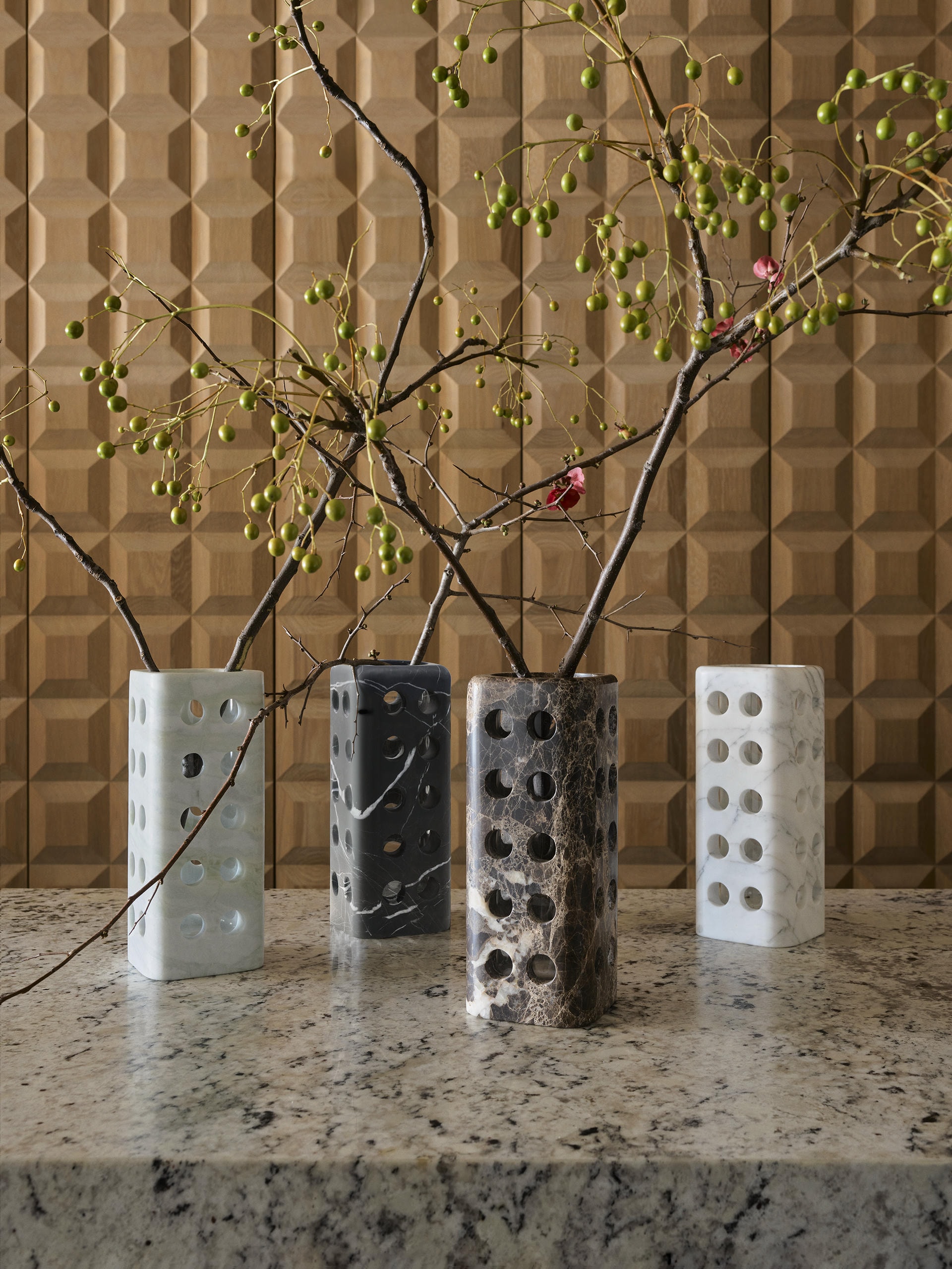
Operetta by Greg Natale
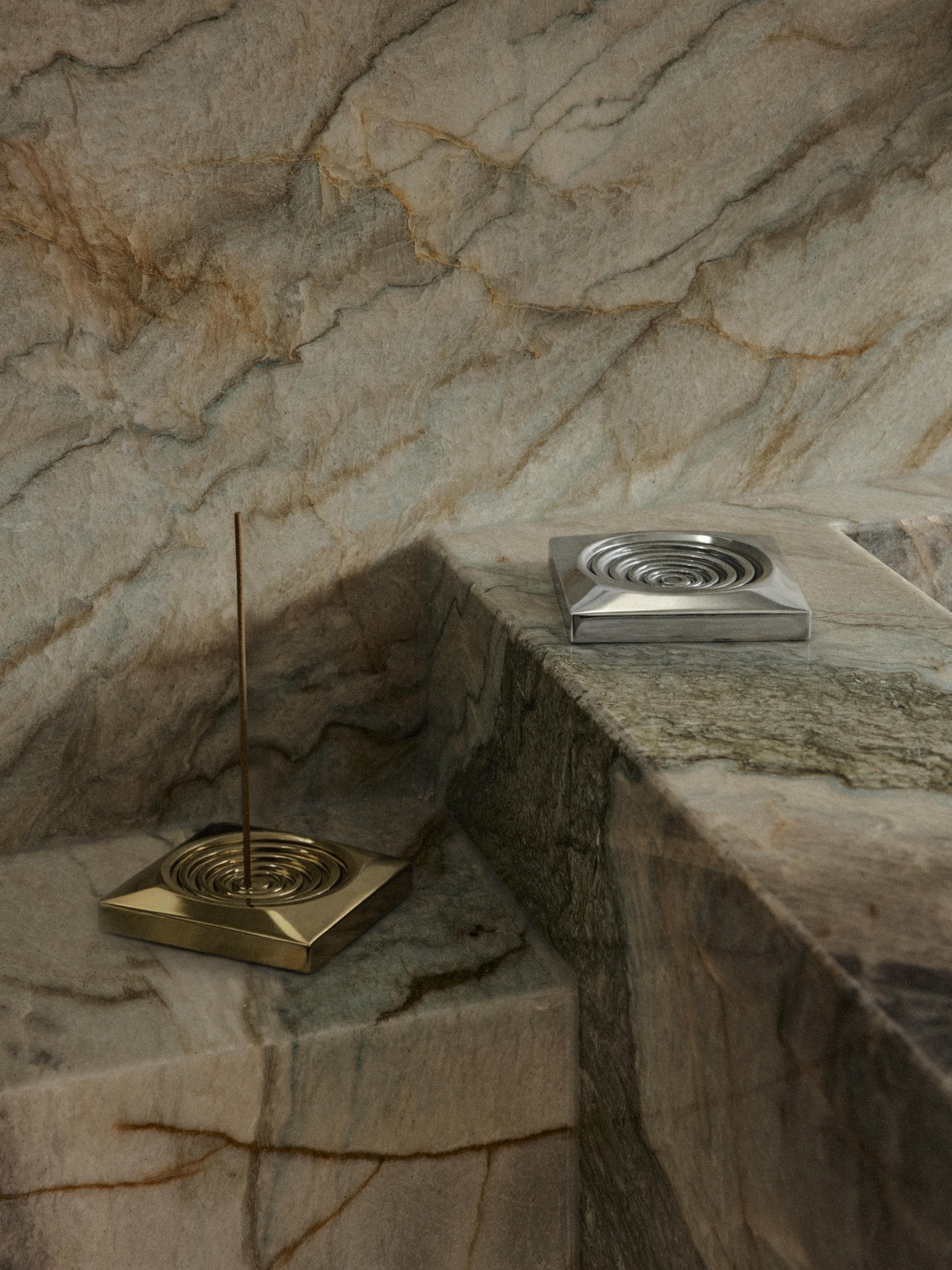
New York House © Anson Smart
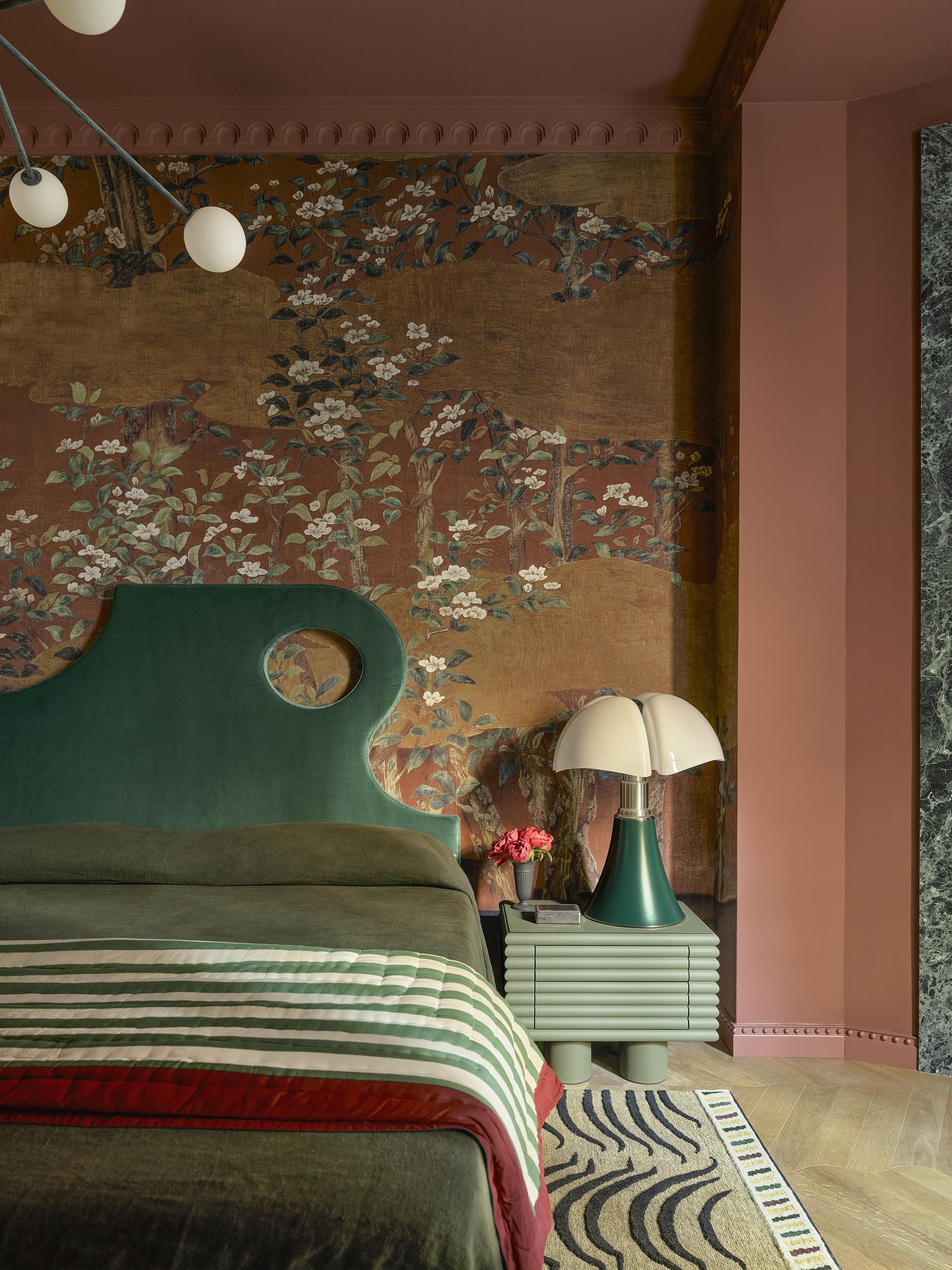
At the beginning of my career, I began collecting many books on the work of the late British designer David Nightingale Hicks. I was fascinated by his work, and he remains a point of reference for me to this day. I would highly recommend that anyone who loves interiors that are bold, layered with pattern, full of contrast, and richly furnished read to study his work.
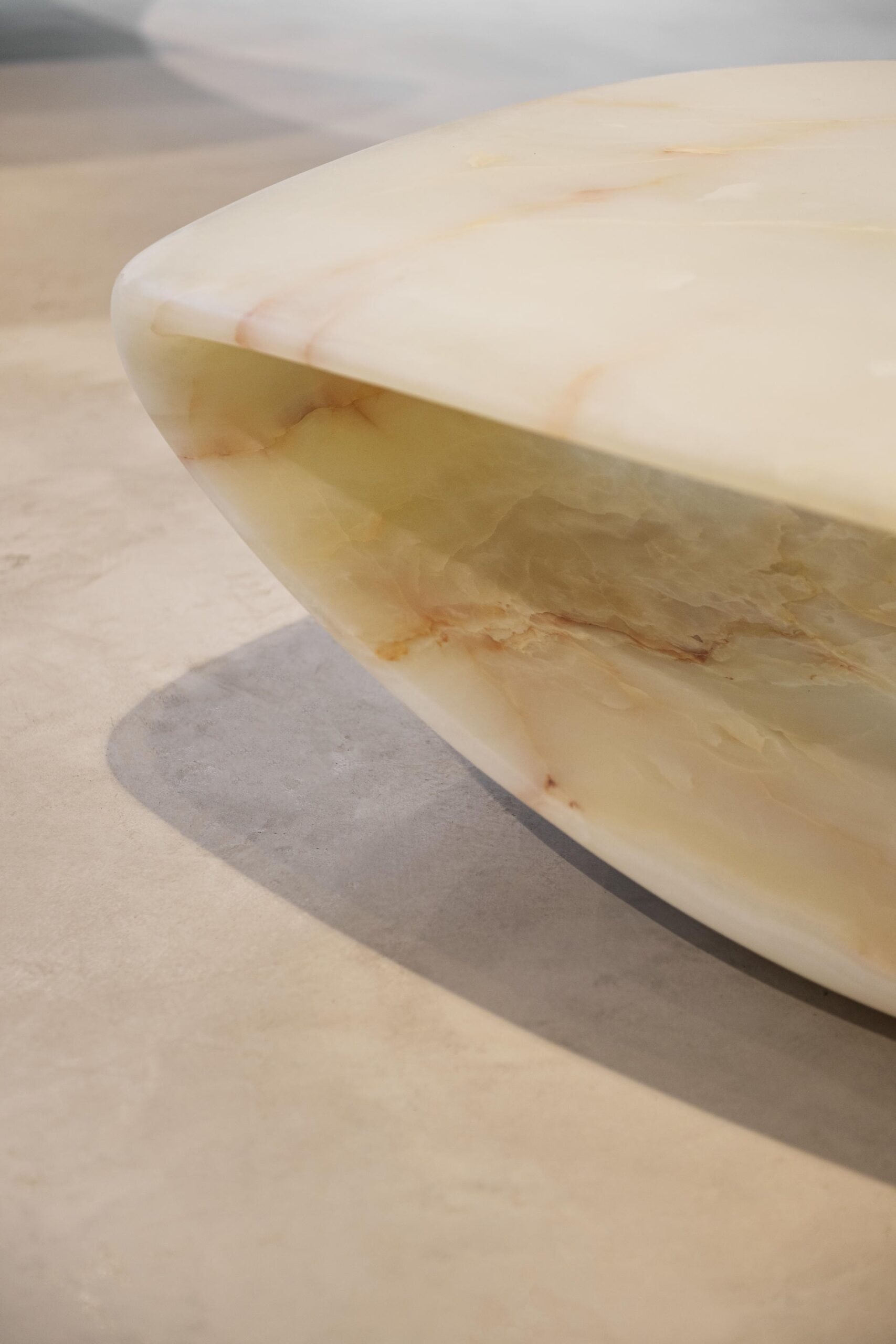
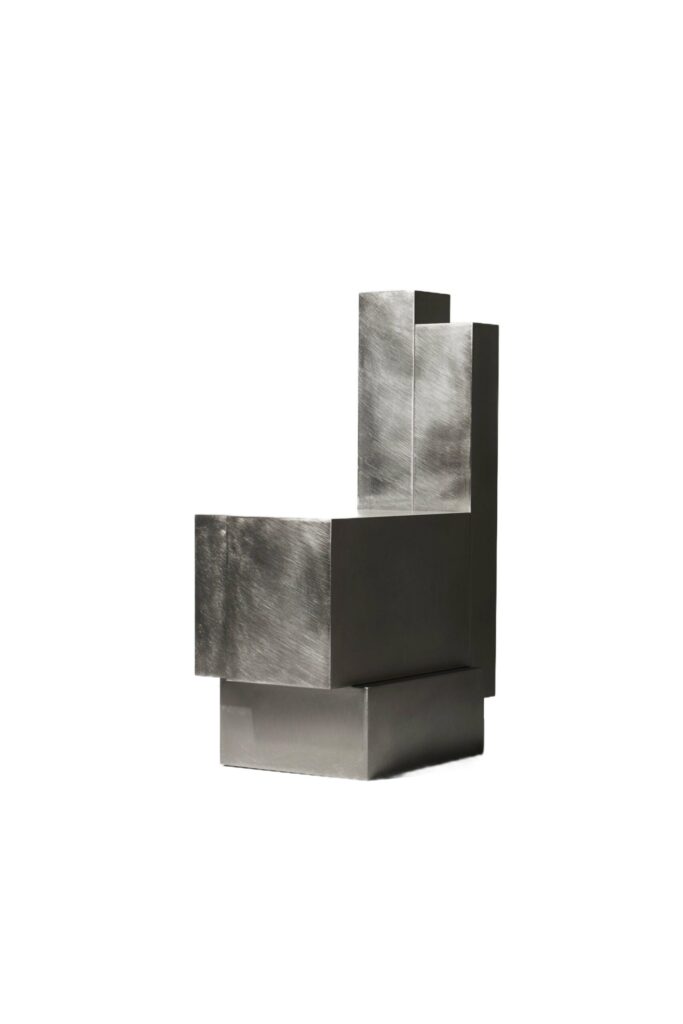
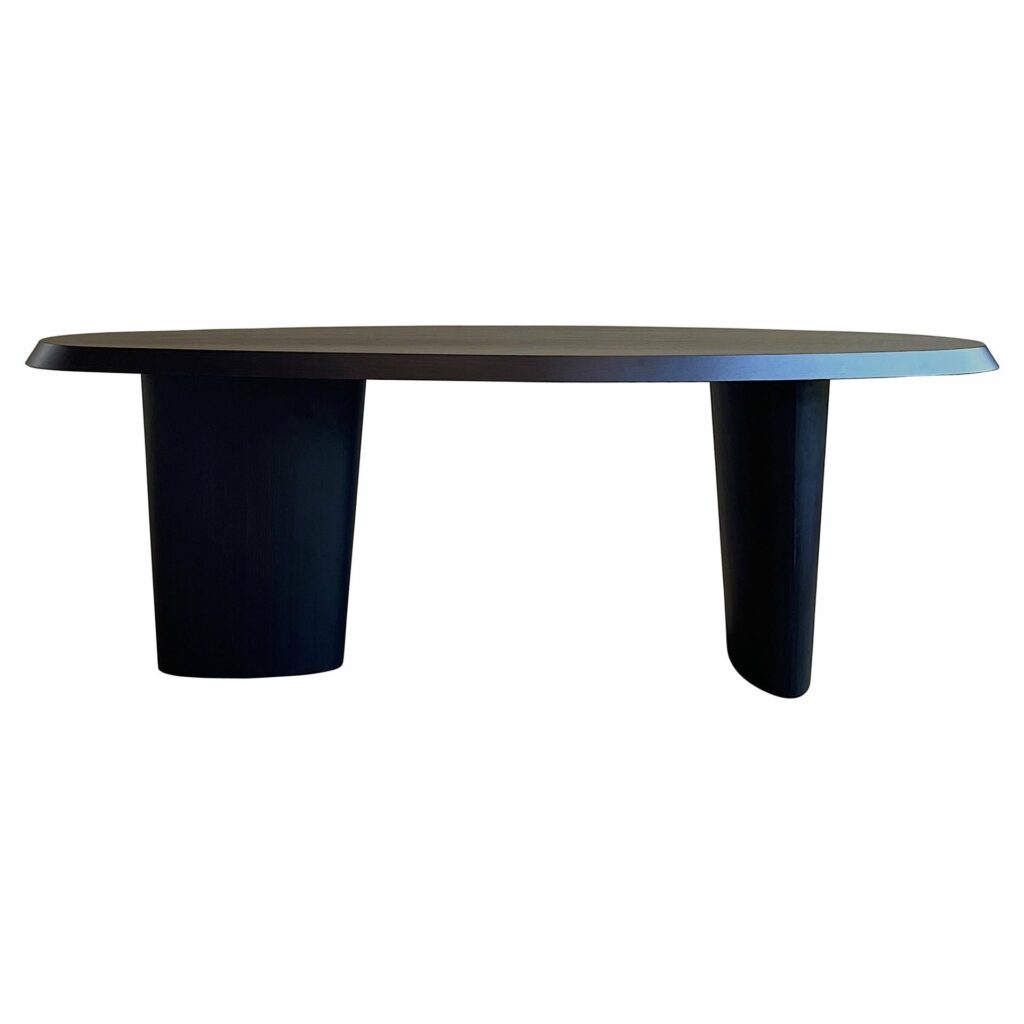
Choose one statement piece of furniture and work the room around it to layer the interiors. For example, in our London House project, we used the Veermakers Cloud coffee table as a reference point for our design concept. This informed the selection of the furnishings in the living room.
Thank you so much Greg, for this lovely interview!
Share article :