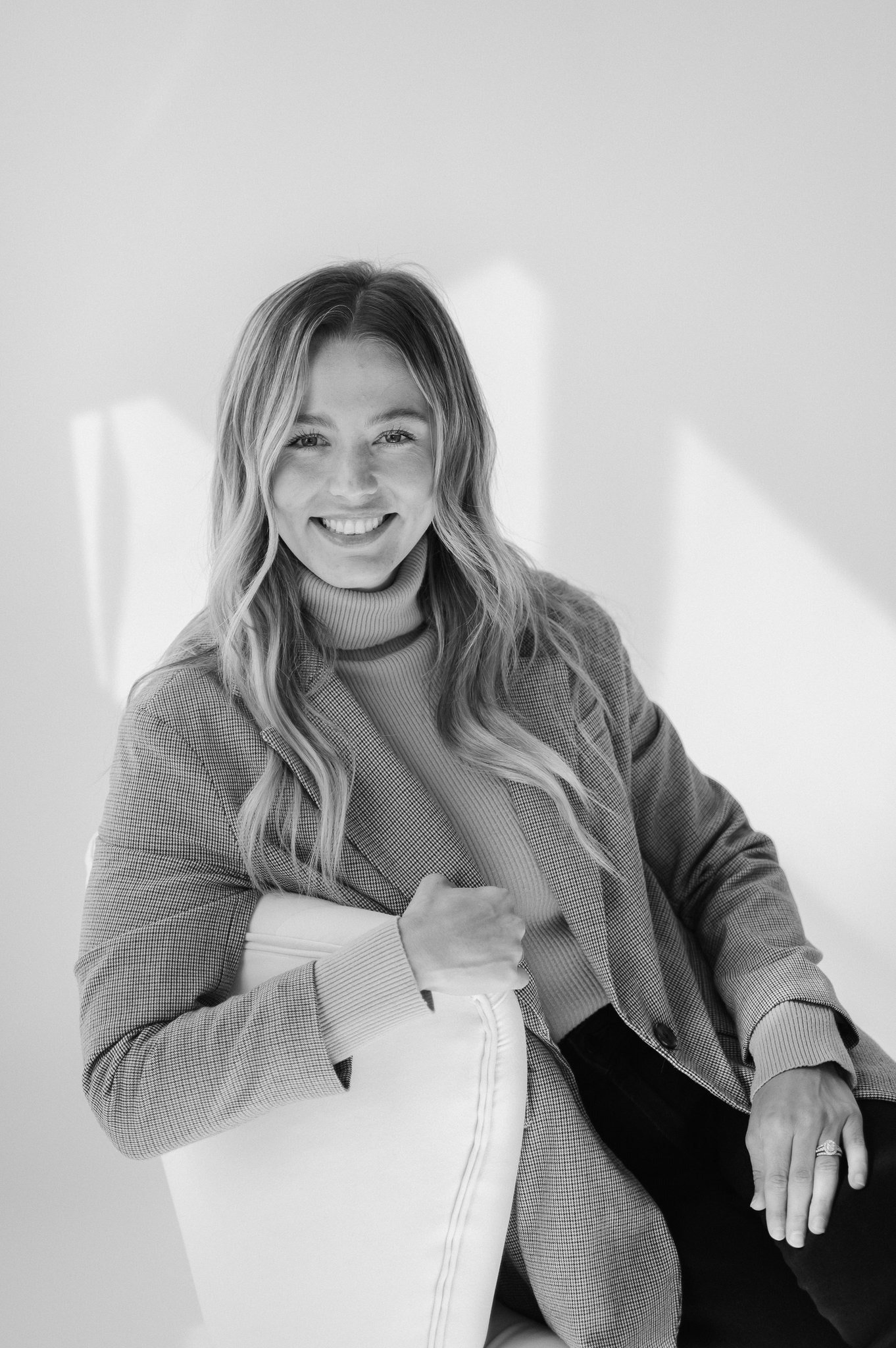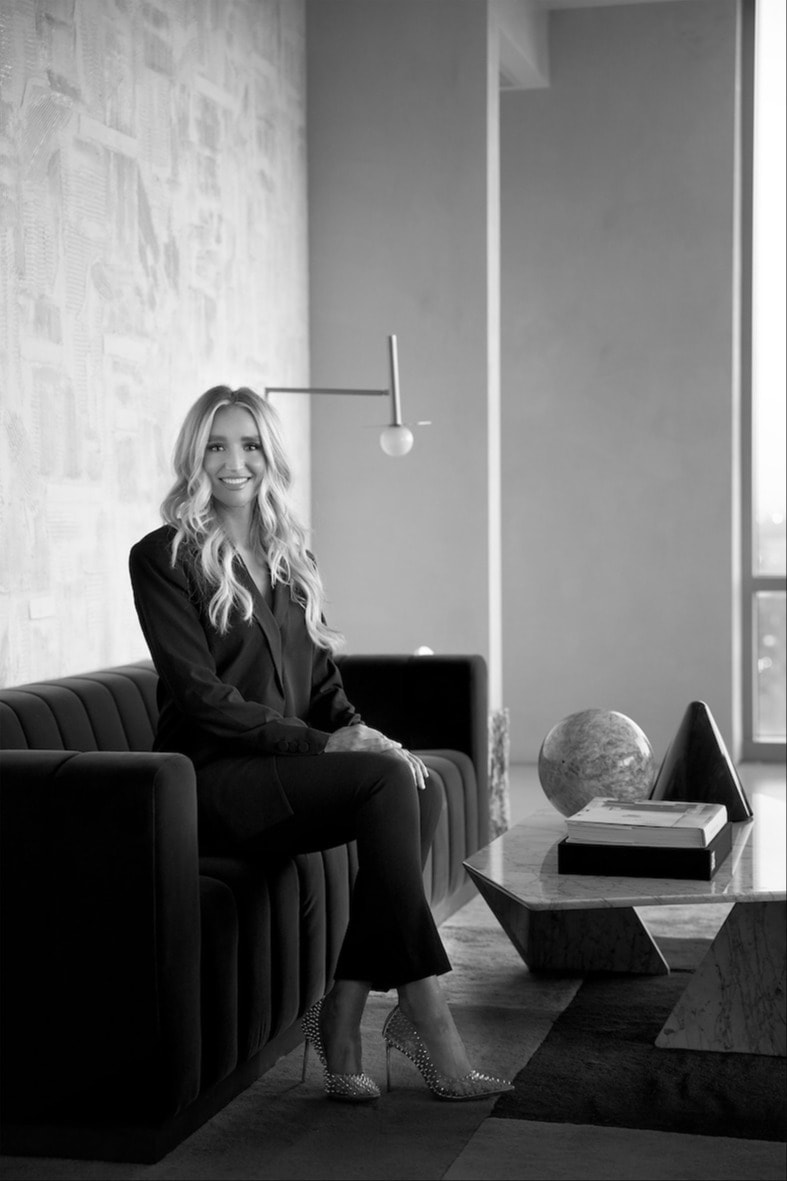
Hanne Gathe
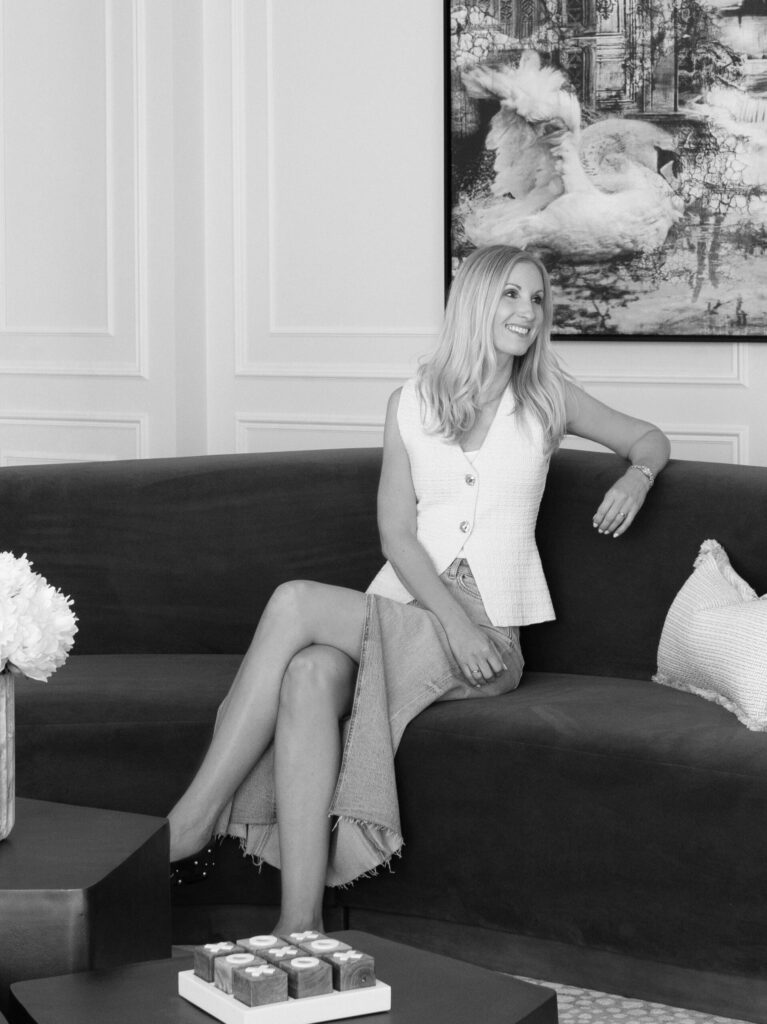
Hanne Gathe is a Norwegian interior designer and creative director whose work is defined by a refined balance of Scandinavian restraint, material richness, and understated elegance. As co-founder and creative lead of Gathe + Gram, she has developed a multidisciplinary practice spanning luxury residential, boutique hospitality, and lifestyle projects, creating interiors that are deeply personal, atmospheric, and timeless.
Guided by a strong sense of narrative, Gathe approaches each project as an opportunity to shape emotional experiences through space. Combining bespoke elements, carefully curated vintage pieces, natural materials, and a restrained palette, she creates environments that celebrate craftsmanship while fostering a lasting connection between people and place. Her work has been featured in international publications including Vogue Living, Homes & Gardens, Livingetc, and Travel + Leisure, reflecting an approach where architecture, interiors, and storytelling converge to create spaces of enduring character.
“I believe design should last.”
INTERVIEW
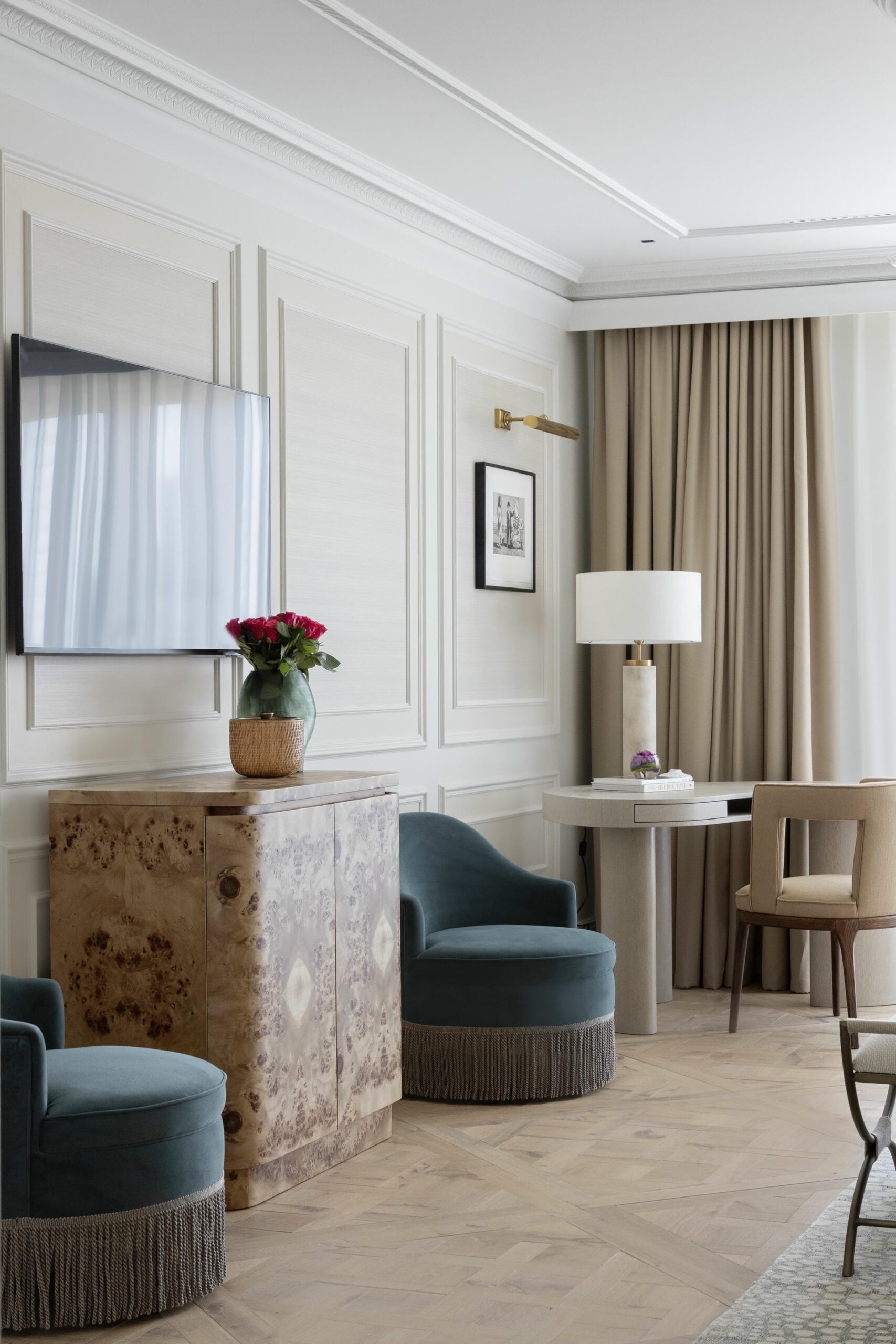
I always wanted to become an interior designer, and I did a bachelor’s in Interior and Spatial Design at the University of the Arts London. From there, I got a job straight after graduation with Foster + Partners, and things progressed from there.
I think there have been two defining moments in my career. My first job at Norman Foster really propelled me into several high-end interior design projects.
Designing the Britannia Hotel in Trondheim with my now-business partner also led to my first solo commission: designing the Nobel Suite at the Grand Hotel Oslo.
The key is to listen to your clients, understand them, and deliver on time and within budget. We really found a niche in the Norwegian market, and that has given us an edge that separates us from the rest.
We have five girls, including myself, who are all former London interior designers, and that experience is worth gold.
We normally start with the concept, creating mood boards for the project and a new floor plan. After the client’s approval of the concept, we continue developing the design with visuals and detailing. Materials and specifications follow this second step.
Once everything is approved, we deliver the technical drawing package and continue with the purchasing and production of bespoke items.
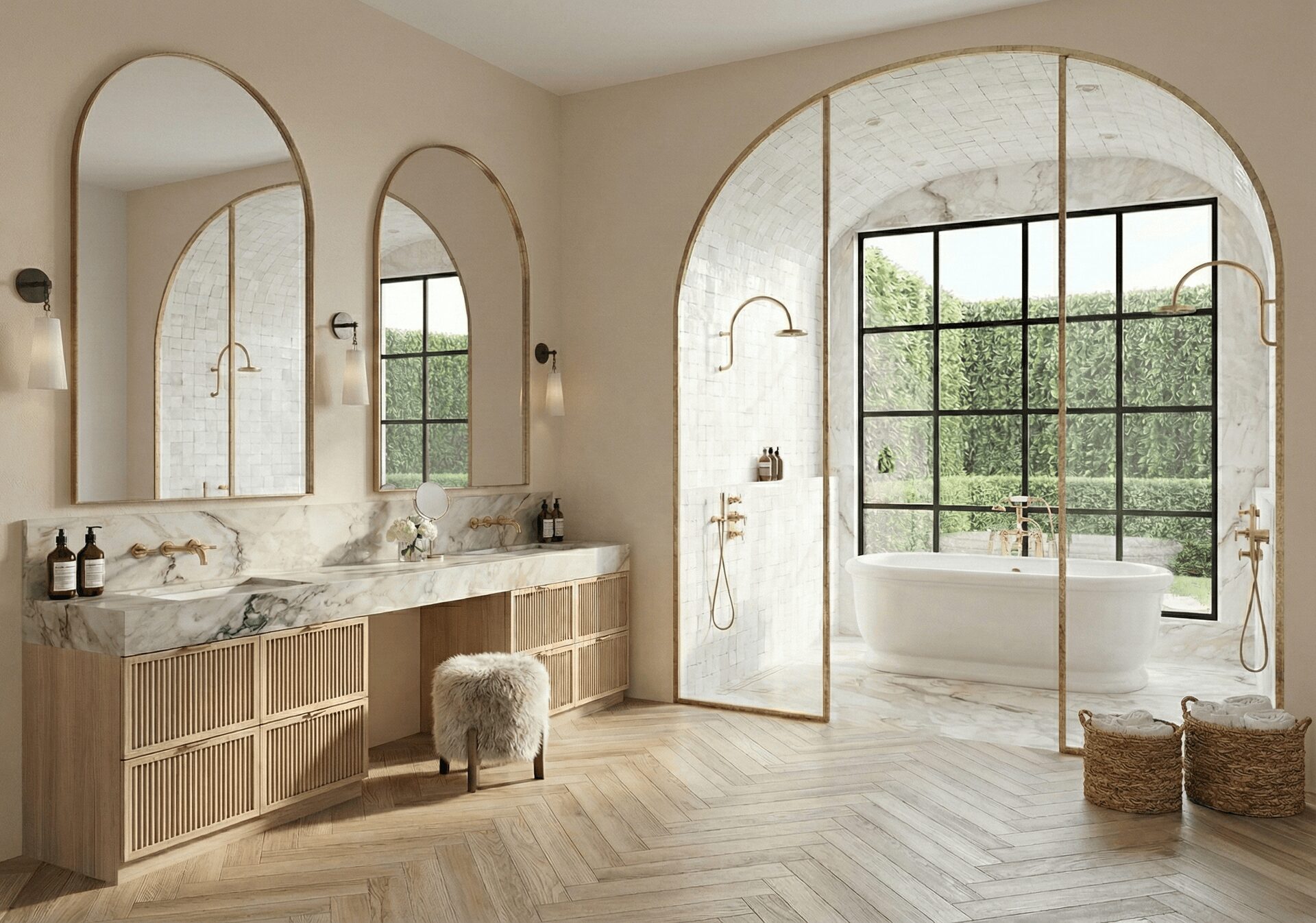
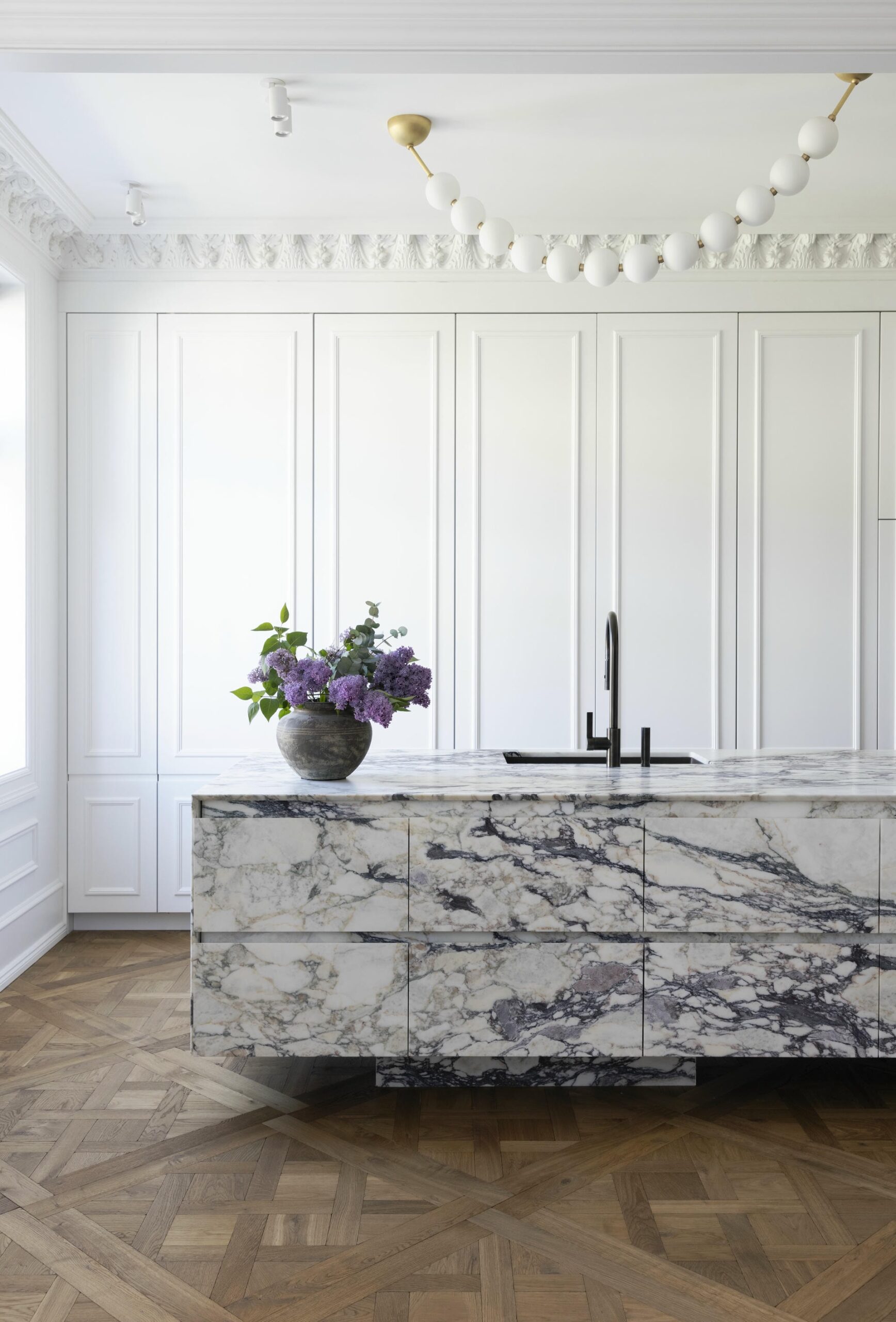
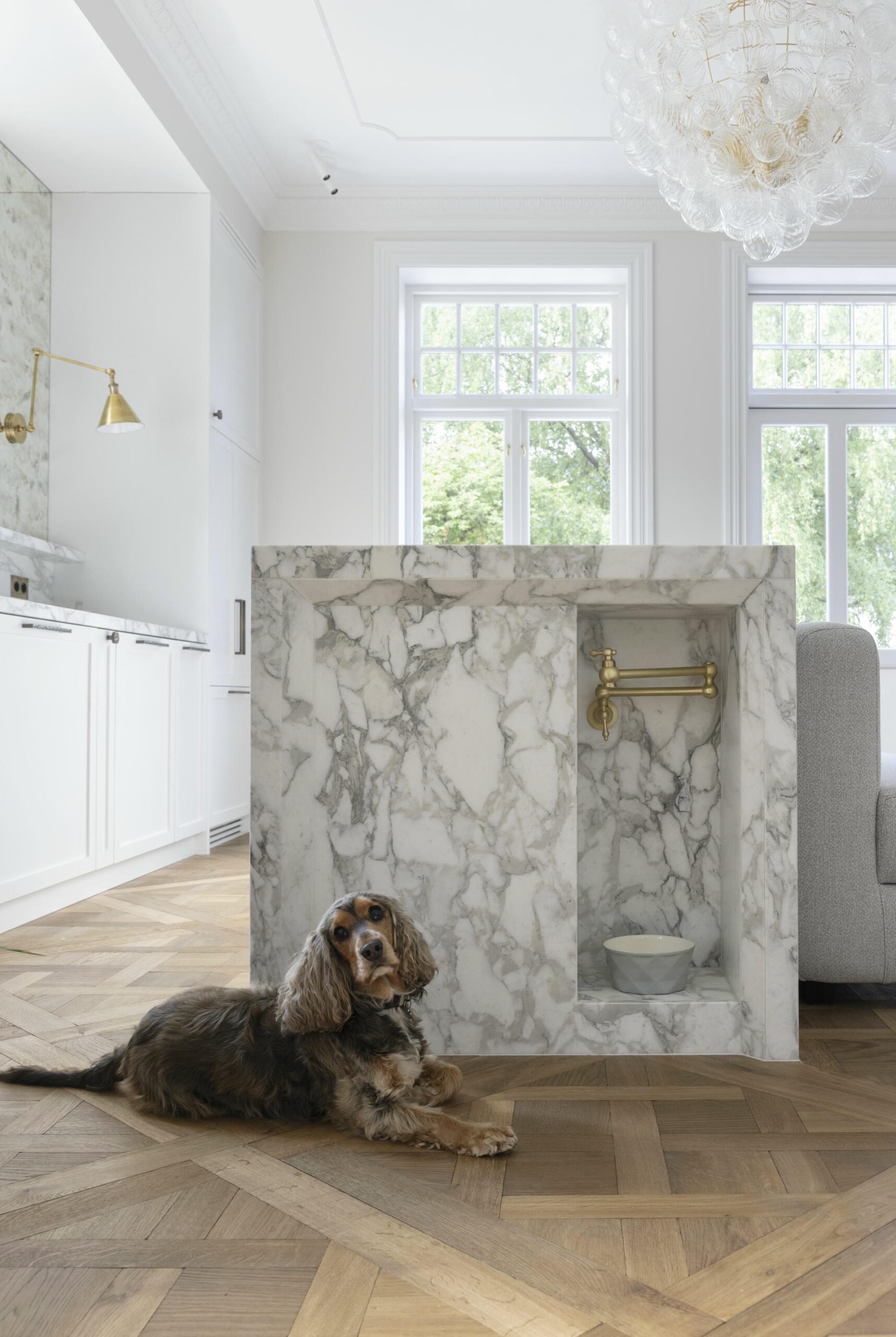
We try to do different designs for different clients, but we keep getting hired for timeless design. But I do think we have become known for our extended use of marble. I believe design should last and to avoid items and colours that are too trend-based.
I do like a “less is more” approach. I know the trend now is to mix all types of patterns and colours, but I believe that is a passing trend and that it will look dated in a few years.
One of the hardest lessons has been to manage client expectations, sticking to budgets, and realising that the job is 80% business and 20% design.
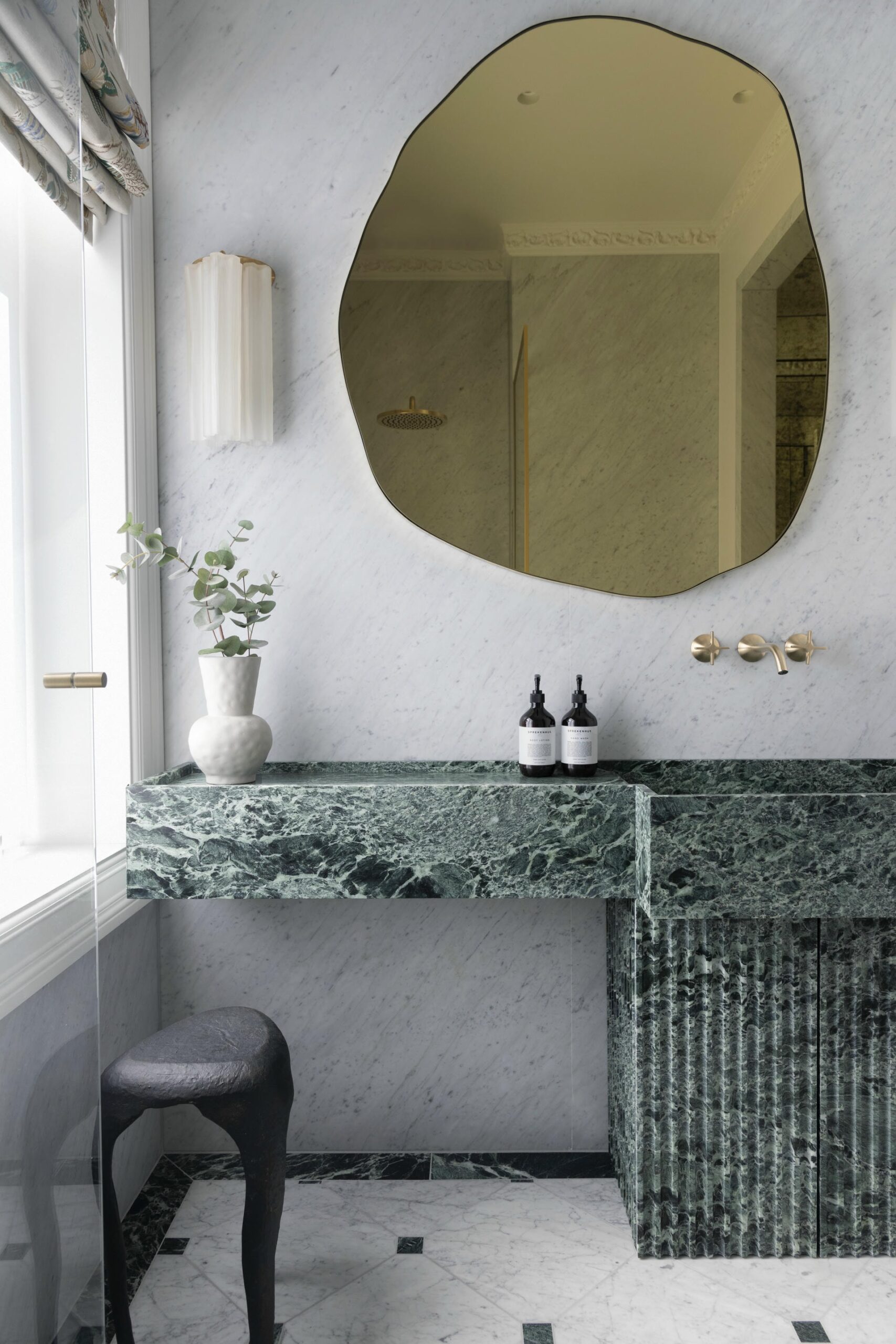
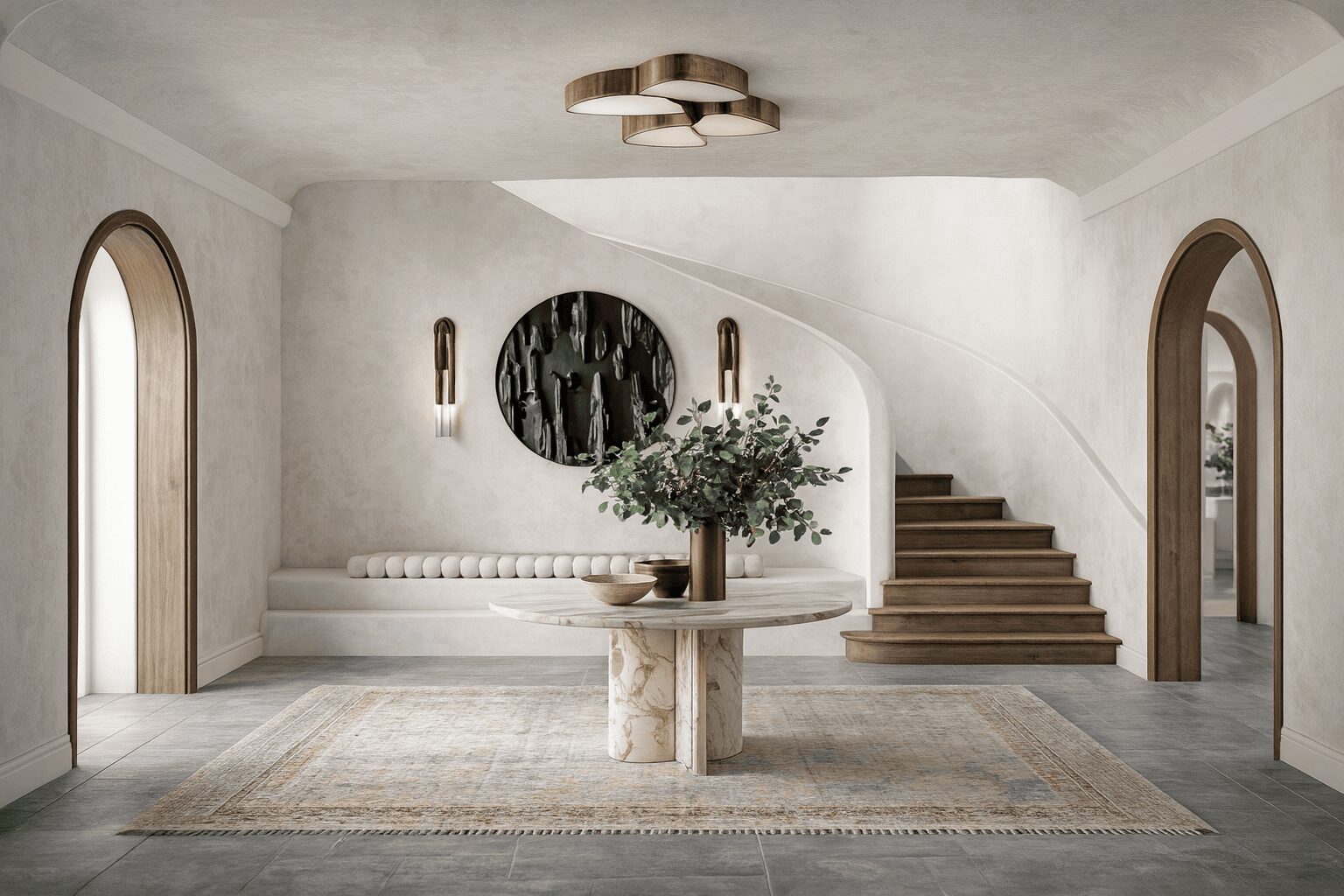
I don’t really have a specific favourite; I feel each project becomes a new favourite as I work on it. With each project, I learn something new and try something new. I like pushing myself to create new designs and make complicated ideas happen.
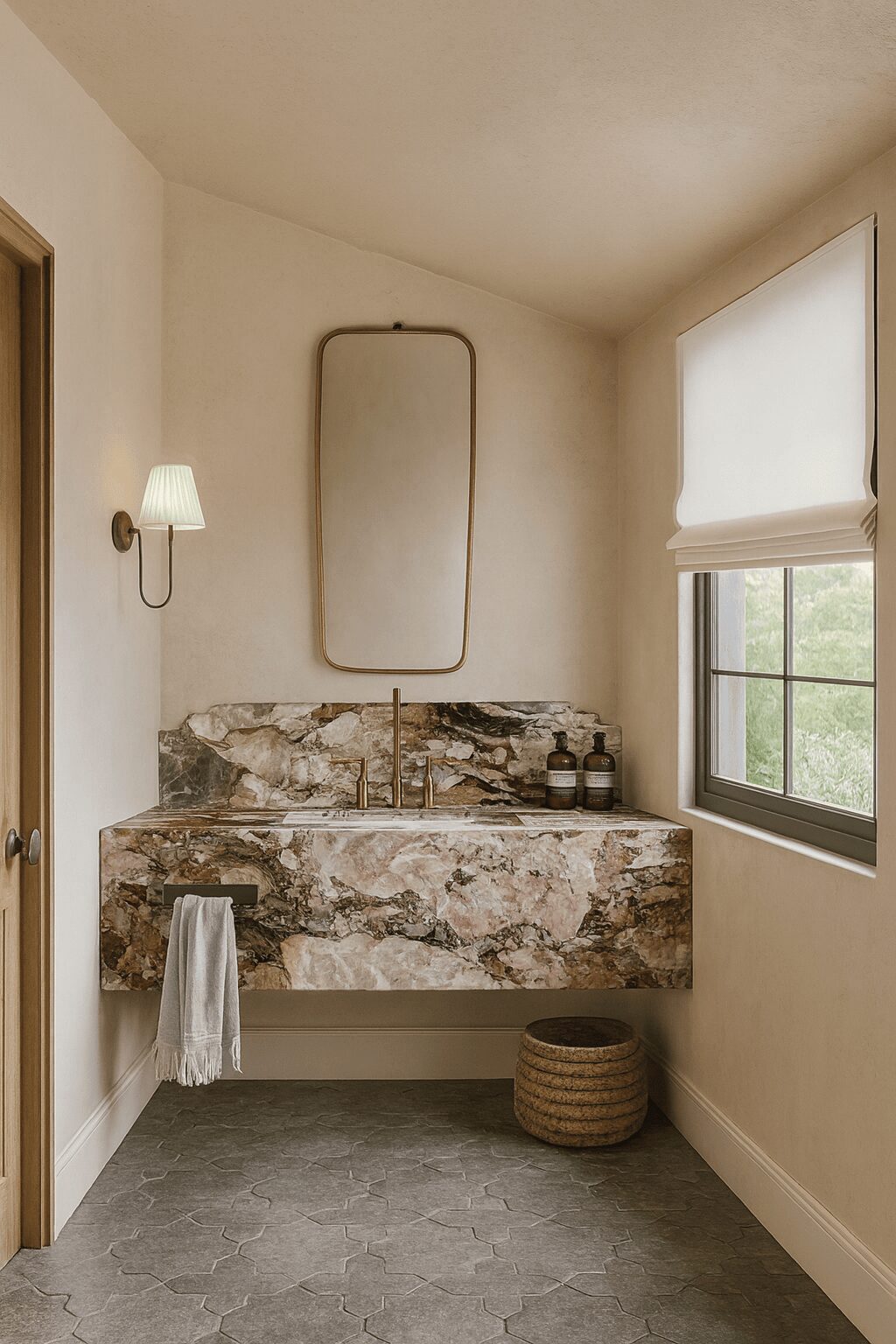
I have created floating marble kitchen islands that had to be secured with custom steel structures, and most recently, a 10 cm-thick rounded travertine island top that took eight men to get into the house. I love working with marble and natural stone, so I always try to incorporate them into each project.
The best advice I have received is to never take client feedback personally. At the end of the day, it’s their home or hotel, and you are there to design the best project for them. Leave the ego at the door.
Best advice to beginners is to work for others and learn as much as you possibly can before trying to start your own business. It is a lot harder than you think, and it is a lot harder to make mistakes when you are the one paying for them.
I listen to a lot of business podcasts, such as The Diary of a CEO and various hospitality podcasts. I recently read and loved The Almanack of Naval Ravikant. It’s about wisdom on wealth, health, and happiness.
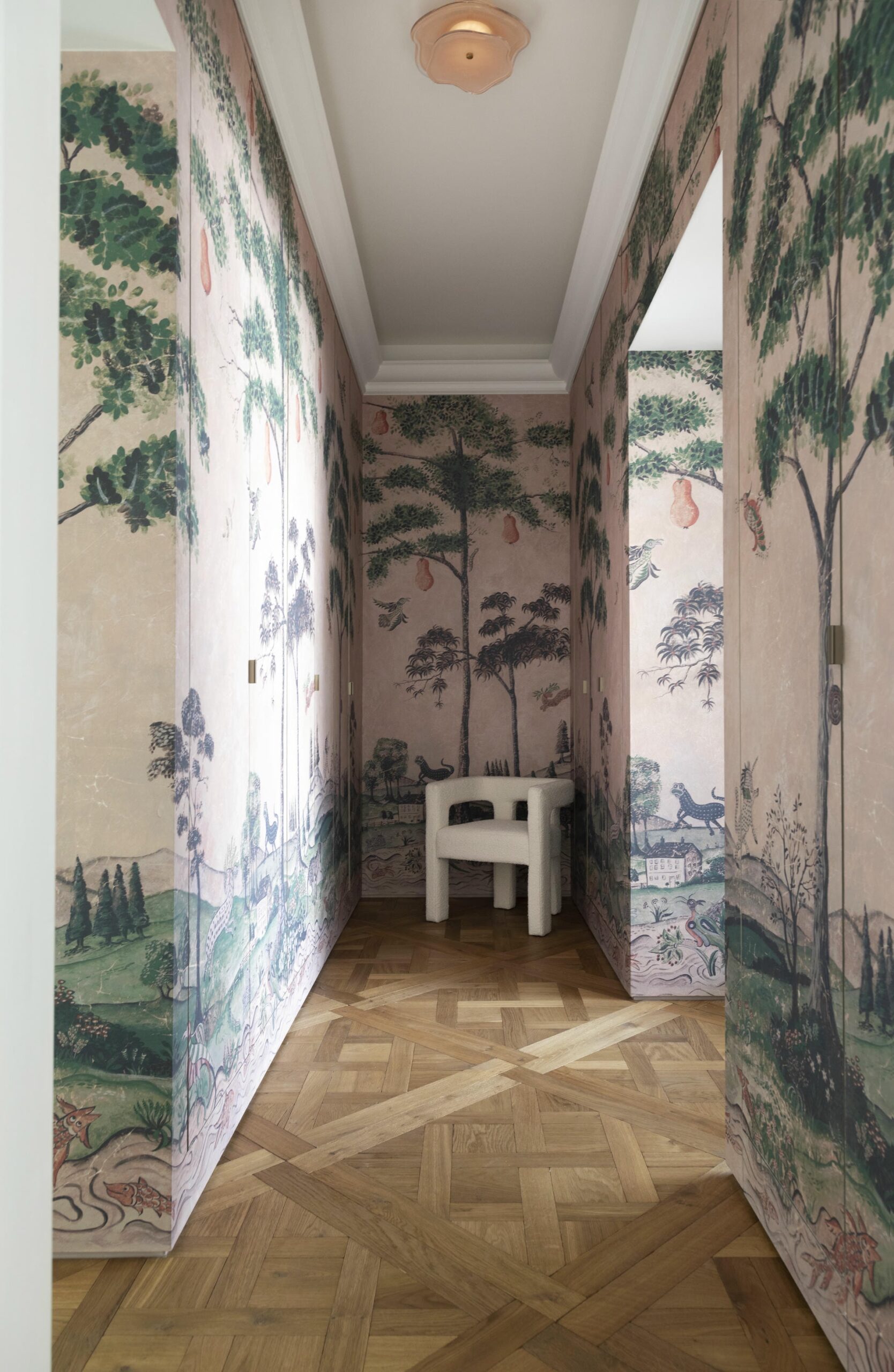
If I were to give one interior design advice, it would be to spend money on flooring. The floor really transforms a space and creates the backdrop for everything else that you do. You can always change the furniture, but the floor is the first thing that goes in and the most complicated thing to replace once you have moved in.
We are currently working on the spa at the Grand Hotel Oslo and a five-star mountain resort from the ground up, with 100 rooms, three restaurants, and a large spa area. We also have several private homes underway, including one in San Francisco, California, which is our second project in the US.
In addition, we have several restaurants due for completion over the coming year. We would love to do more work overseas and have established a production line in the EU to make this possible.
Thank you so much Hanne, for this lovely interview!
Share article :