Harshita Jhamtani
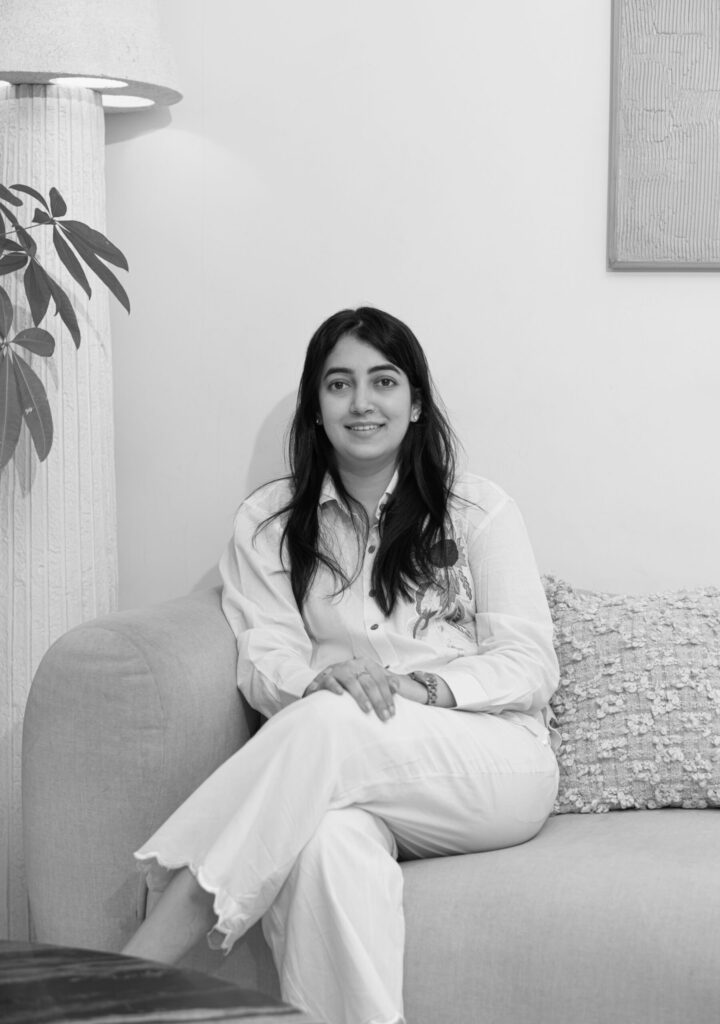
Harshita Jhamtani is an Indian designer and the founder of Harshita Jhamtani Designs, a Mumbai-based studio established in 2019. Her practice is rooted in a thoughtful balance between material innovation and environmental responsibility, with a focus on creating objects that are both visually striking and enduring in function.
Trained in architecture at the University of Mumbai and in furniture design at the Florence Institute of Design International (FIDI), Jhamtani approaches design through a multidisciplinary lens. Her work reflects a sensitivity to form, material, and process, often exploring sustainable techniques and conscious production methods.
At the core of her studio is a commitment to longevity — designing pieces that transcend trends and are intended to be lived with over time. Through a refined, minimalist language, her work engages with a broader dialogue on sustainability, craftsmanship, and the evolving role of design in shaping a more responsible future.
Interview
Yes. I’m fairly young, but I’ve spent the last ten years entirely within the design field. Before starting my studio six years ago, I worked with three different studios over four years. Each experience helped shape how I see design today.
Design creation came naturally through architecture, but what truly pulled me in was the desire to create objects that people live with every day. I realised I was more interested in how a single object could hold emotion, presence, and meaning rather than just solving spatial problems. Creating pieces that sit between function and art felt instinctive to me.
It’s quite instinctive and unpredictable. I don’t follow a fixed process, and honestly, I admire people who can. For me, every piece begins differently.
Sometimes we start with a clear intention, and something completely unexpected, and often better, emerges. That’s the beauty of working with handmade materials; they guide you as much as you guide them.
I usually reach the studio around 11 a.m., after handling things at home. We start with discussions, weekly reviews of ongoing orders, new enquiries, and pieces in development.
The rest of the day moves between design conversations, production checks, and problem-solving. No two days are the same, and that unpredictability keeps it exciting.
Sometimes I feel like the materials chose me. I worked in mass-manufactured furniture for nearly two years and realised it wasn’t what I wanted to do. Every home has a personality, and handmade pieces are the only way to reflect that individuality. Perfect, identical objects lack soul and character.
Clay was the first material I had access to. I trained under an artist and learned its properties deeply so I could understand its limits and possibilities. From there, other materials naturally followed.
A large part of our work is in clay, and clay has a personality of its own. As versatile and beautiful as it is, there are days when the material doesn’t cooperate—and that’s completely normal.
Even experienced potters around the world acknowledge this. Accepting loss is part of the process, and that unpredictability is also what makes the material special.
Stay true to who you are. Avoid referencing other artists too early in the creative process—it can block original thought. Everyone has a unique voice, and it takes time to uncover it. Even if your work doesn’t make sense today, trust it. There is an audience for everyone; finding them takes patience.
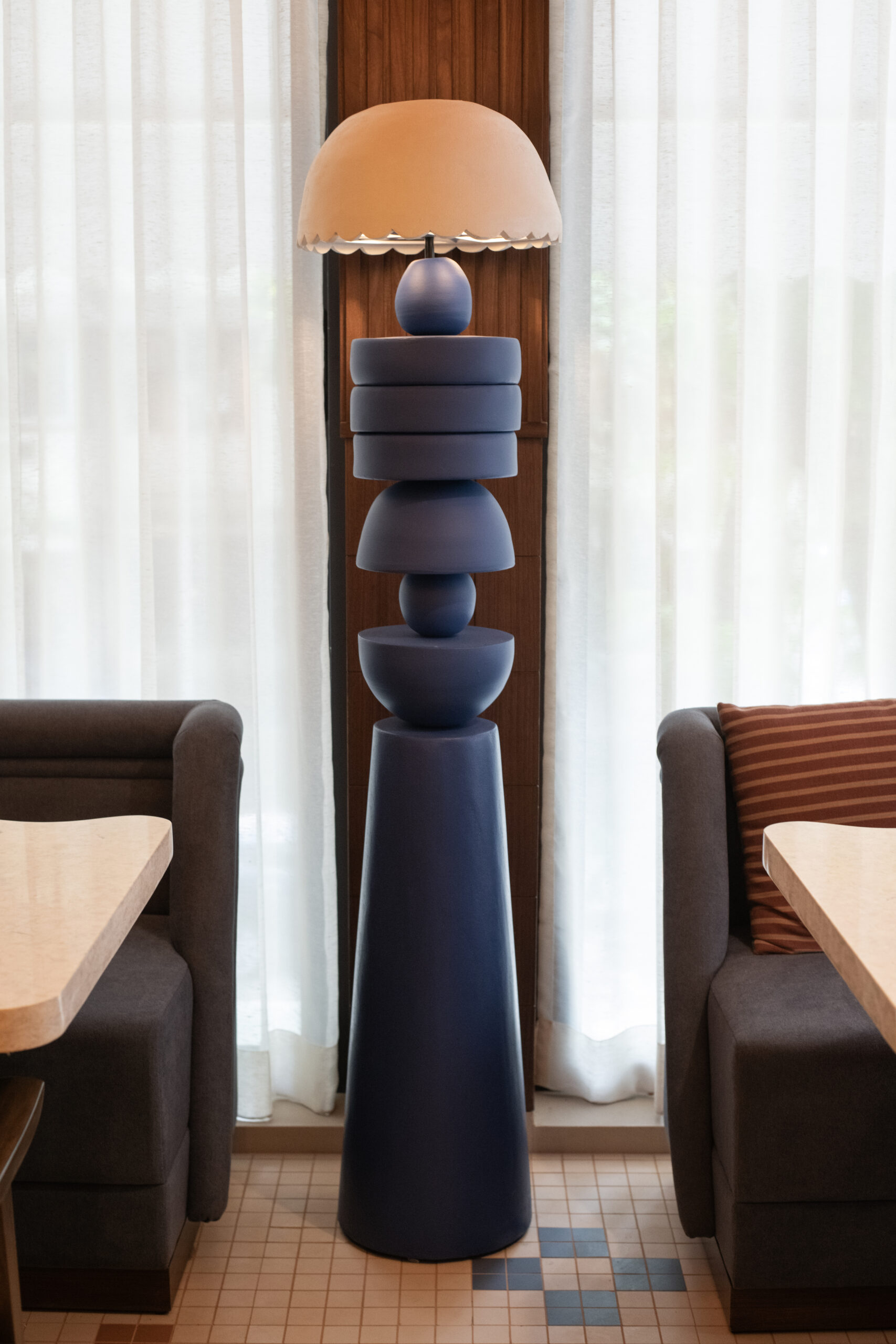
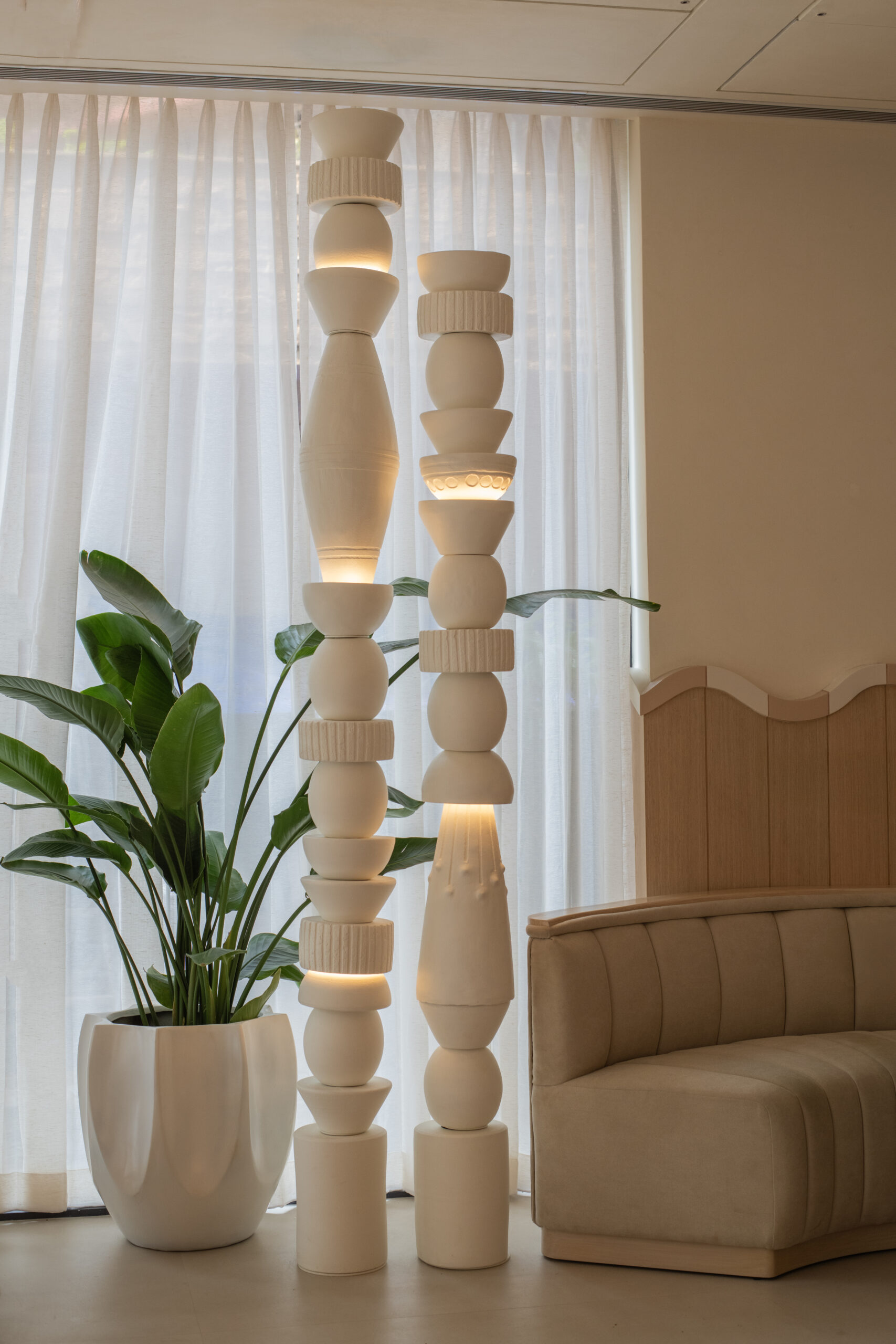
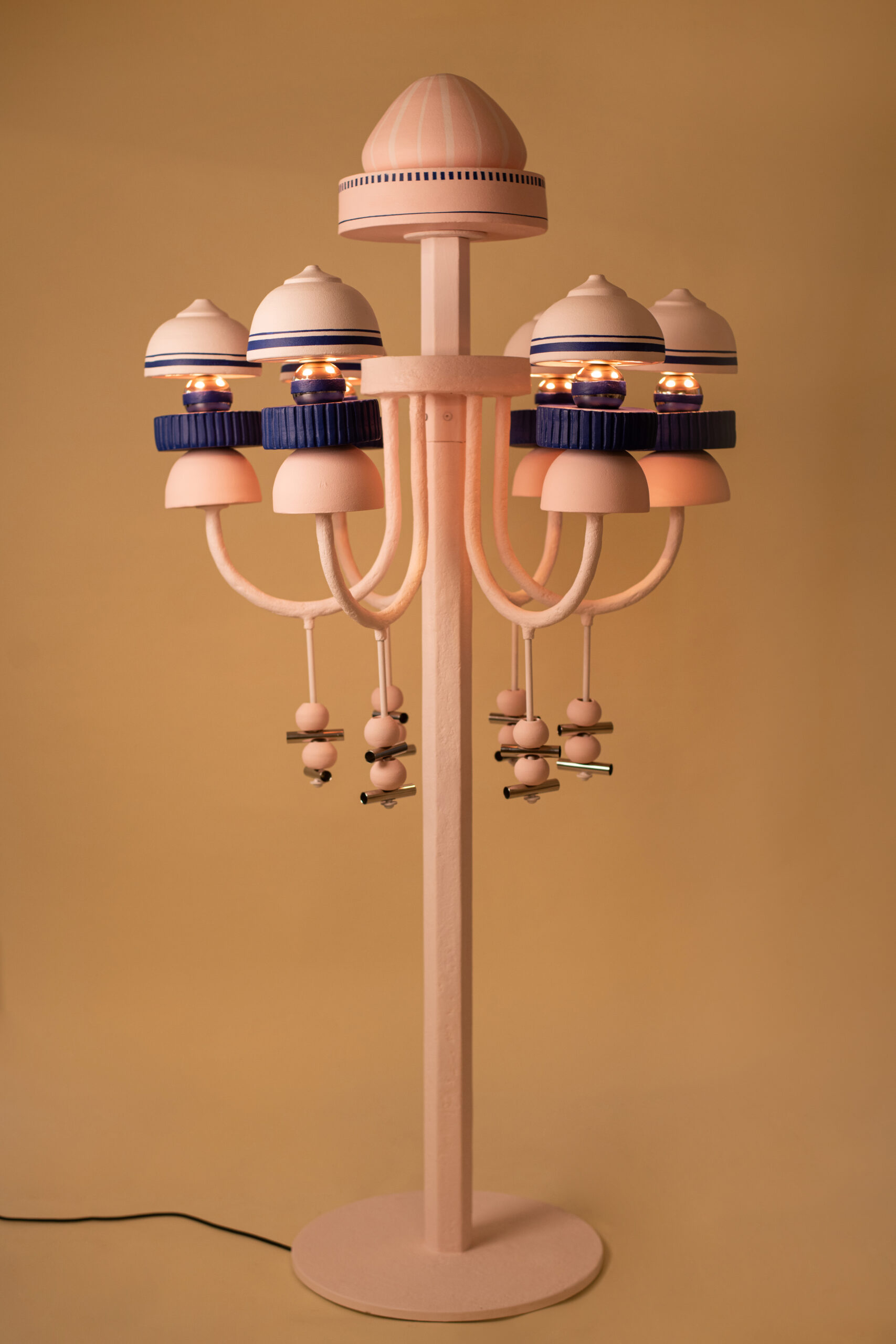
I don’t think my work fits neatly into a single movement. If I had to place it somewhere, it would sit between sculptural functional art and contemporary craft—where material honesty, form, and emotion matter more than trends.
Early on, I was deeply inspired by Antoni Gaudí. I was also influenced by Fernando Mastrangelo—his forms appear simple, but they come from years of refining technique. I still listen to his podcasts. There’s an honesty in his work that feels closely tied to who he is as a person.
I admire Campana Brothers, Anna Karlin, and Eny Lee Parker.
It’s less about one individual and more about collective inspiration. I’m influenced by people, spaces, textures, conversations—everything I observe around me feeds into my work.
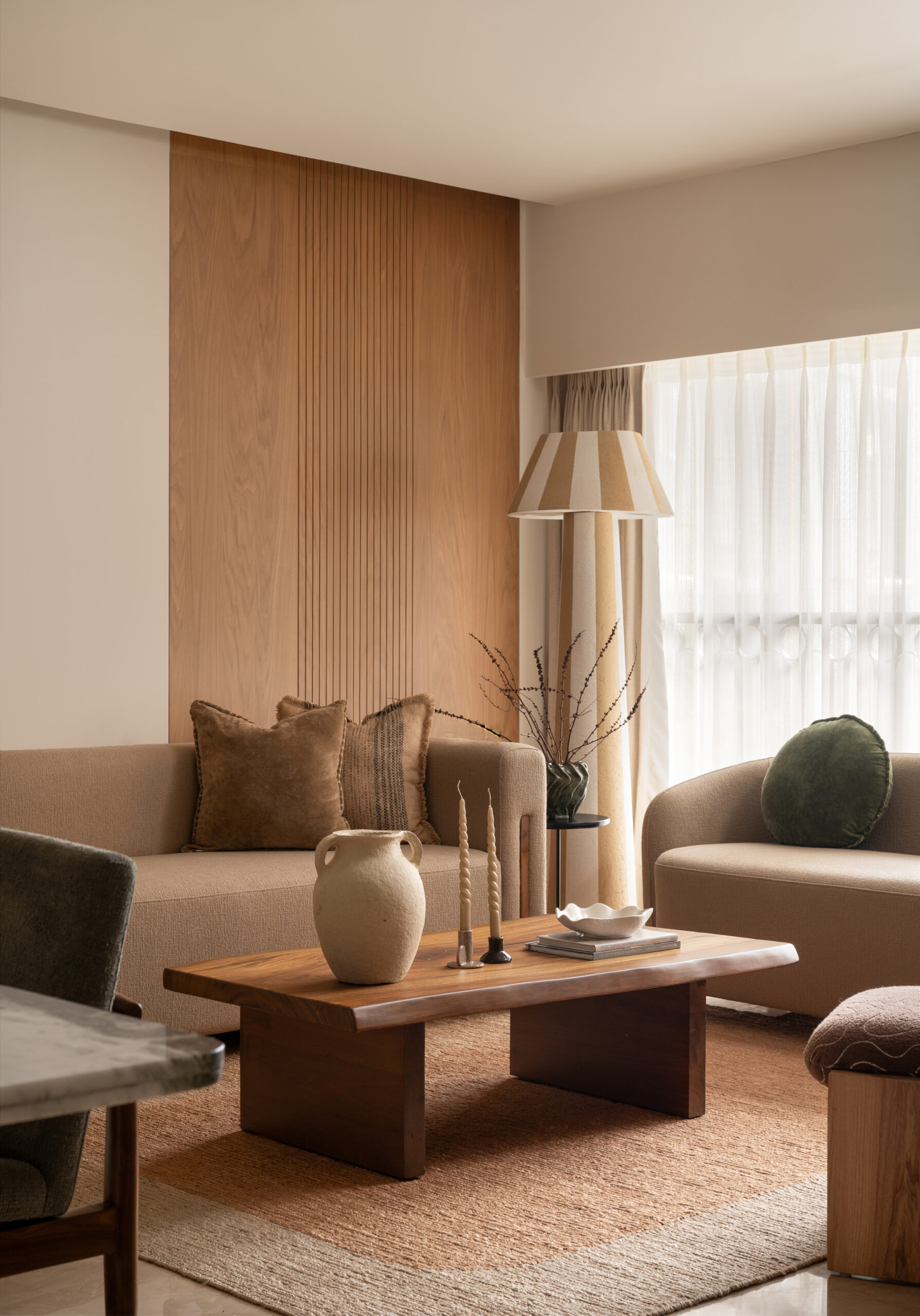
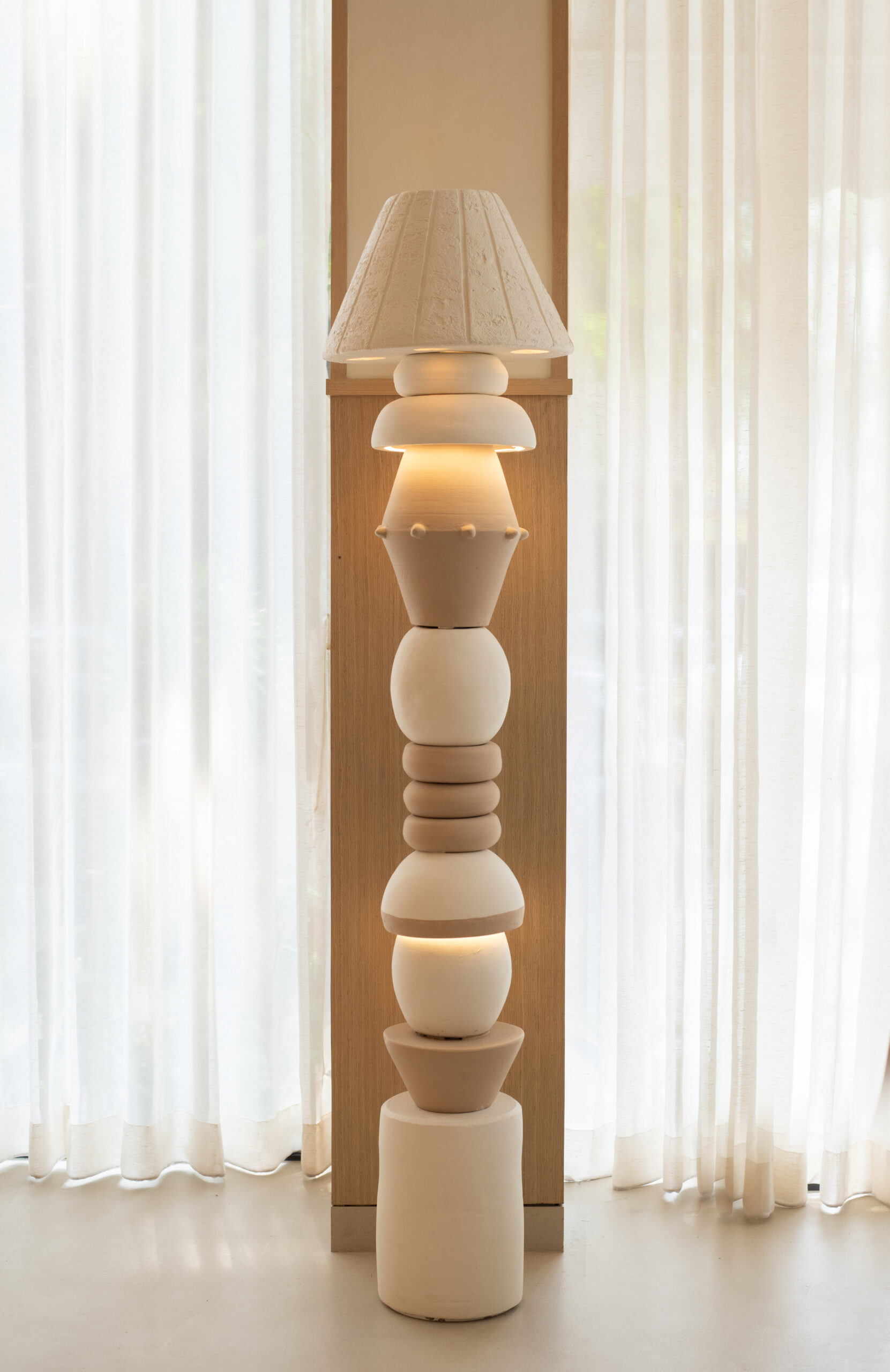
Functional objects that exist as quiet sculptures, shaped by material, emotion, and human touch.
I believe good design takes time—time to experiment, fail, and evolve. In a world that wants everything fast, choosing to slow down and create with intention feels more important than ever.
“I believe good design takes time—time to experiment, fail, and evolve.”
The Questions
(The Proust Questionnaire is a set of questions answered by the French writer Marcel Proust.
Other historical figures who have answered confession albums are Oscar Wilde,
Karl Marx, Arthur Conan Doyle, Stéphane Mallarmé, Paul Cézanne…)
Family.
Dying too young.
Laziness.
Ignorance and greed.
People who live with integrity and kindness.
Jewellery and good food.
Gratitude.
Obedience.
Chivalry and respect.
Ability to lift other women.
Basically.
Ability to read more books.
Less fearful, take more chances.
Buying a house.
The moon.
Bali.
A letter my husband gave me.
Confinement and Loneliness.
Diving.
Honesty.
Loyalty.
Currently, Pico Iyer and Rick Rubin.
Black Panther, T’Challa.
Mirabai – Radically strong in conviction, peaceful in spirit, and unafraid to stand alone for what she believed in.
My dad.
Dua, Aarav.
Bullies.
Not being kinder to myself when I got a drop year in college.
Peacefully, around loved ones.
Trust the process.
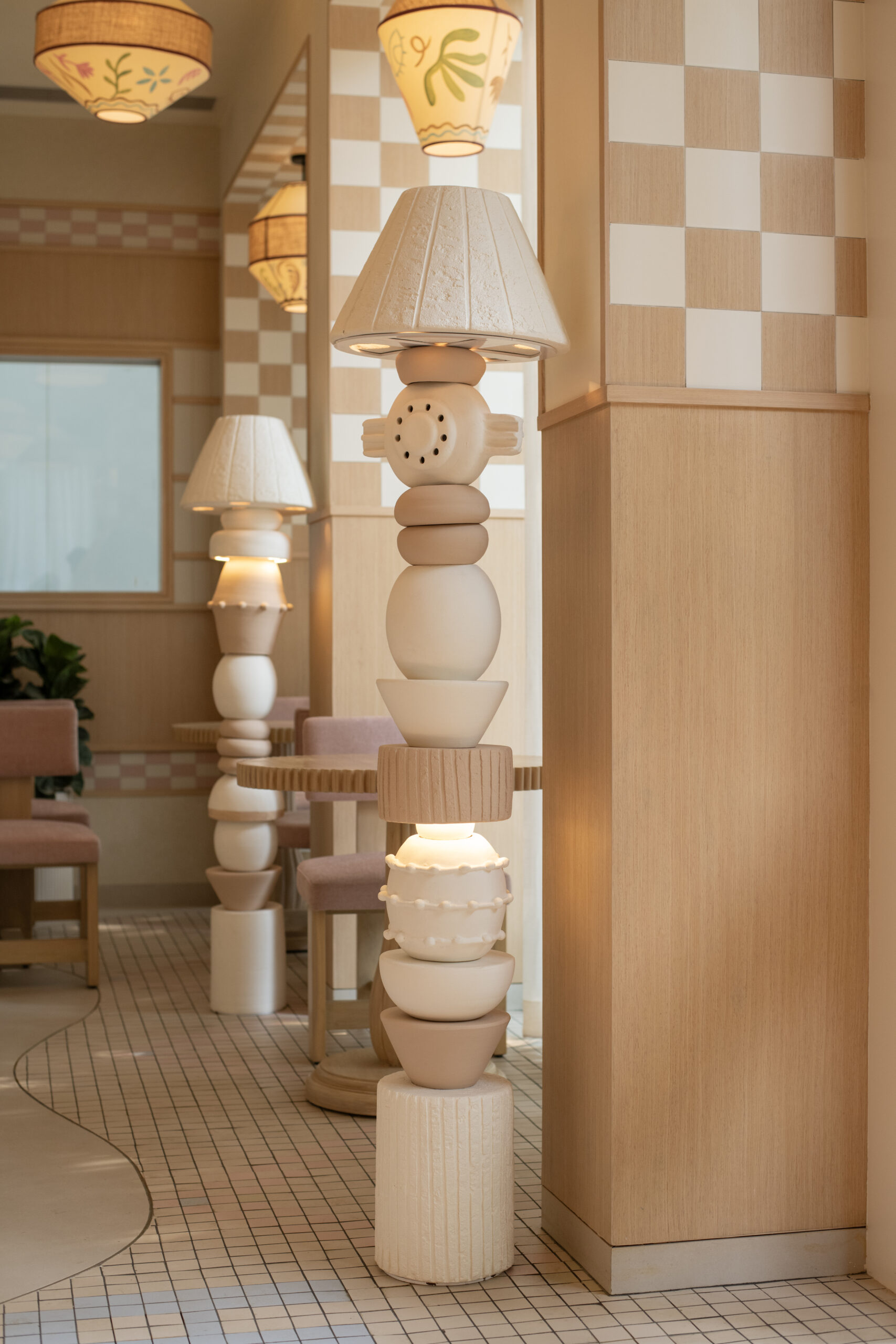
“Functional objects that exist as quiet sculptures, shaped by material, emotion, and human touch.”
SHARE :