
House of Rolison
House of Rolison is a Los Angeles–based design and development studio founded by Amanda Leigh and Taylor Hahn. Working across architecture, interiors, and real estate, the studio develops a cohesive design language that bridges past and present, creating homes that feel both grounded and contemporary.
Their work is defined by a quiet sensitivity to context and material, where each project begins with a narrative—whether restoring the character of a historic residence or introducing warmth and depth to a contemporary space. Through a careful balance of proportion, texture, and tone, House of Rolison creates environments that feel collected rather than composed.
Overseeing each stage from concept to completion, Amanda Leigh and Taylor Hahn approach design as an evolving process. Their work reflects a deep attention to craftsmanship, atmosphere, and lived experience, resulting in spaces that reveal themselves gradually and endure over time.
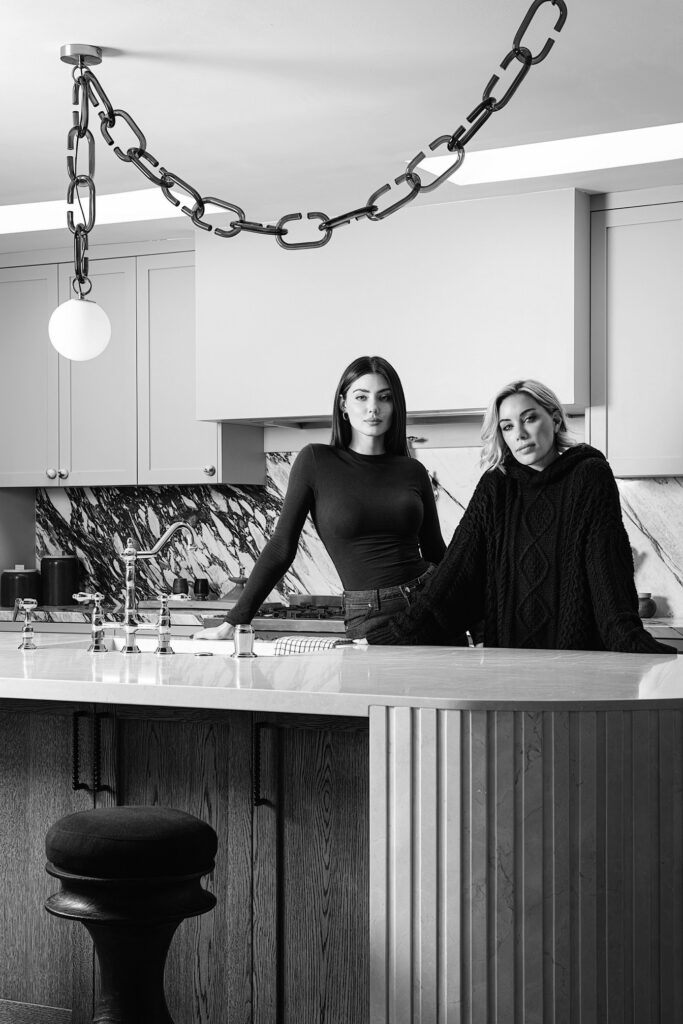
“The goal is never to erase history, but to edit it thoughtfully so the essence of the home can come forward again.”
INTERVIEW
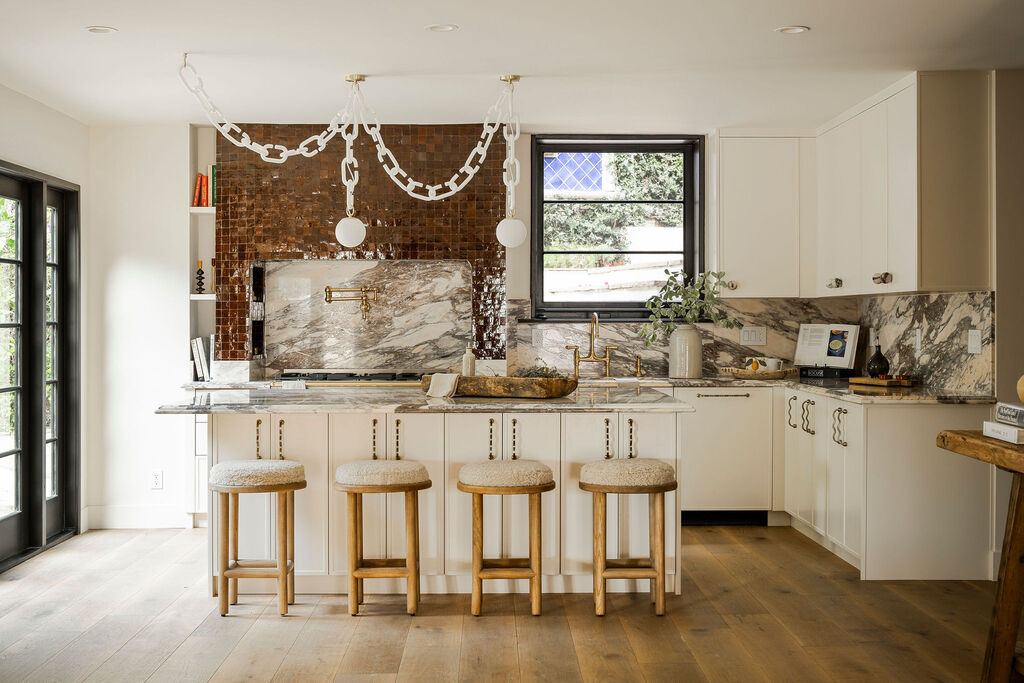
Respecting the soul of the home. Every house was built with an intention, whether that intention has been preserved or lost over time. Successful design starts with understanding the original point of view and resisting the urge to erase it. People are deeply emotional about spaces, even if they don’t always articulate it. They want to feel part of something larger than themselves, and naturally gravitate toward history and meaning.
In our business, that respect is critical. We’re not interested in wiping the slate clean or overwriting character for the sake of convenience. Our role as developers is to strengthen what already exists—to make homes livable, sound, and functional without stripping away their identity. When architecture, function, and emotion are aligned, the result feels authentic, and that authenticity is what people connect to most.
We didn’t start with the intention of building a business or becoming interior designers. It began as a belief we wanted to test. We believed that if you put more money, care, and a higher level of finish into a home—not just cosmetically but holistically—it would ultimately sell for more. So we started doing that. The first few projects were experiments. After about five homes, it became clear it wasn’t a fluke. Buyers were responding consistently.
What we kept seeing was a real gap in the market. There were beautiful, character-rich homes that were a nightmare behind the walls, and new homes that worked well mechanically but felt soulless. There wasn’t much in between. House of Rolison was born out of that need. Taylor comes from an architectural background, and my background is in construction, so we naturally approached projects from both sides. The interior work grew out of that process—not as decoration, but as a necessary part of making the whole home work.
There wasn’t a single defining moment, but there was a shift once we realized the results were repeatable. When multiple projects proved that this approach consistently resonated, it stopped feeling experimental. We understood that what we were doing wasn’t about taste alone—it was about process, discipline, and respect for the architecture. That’s when the work became more intentional and the vision more focused.
We start by assessing what’s already there and being very honest about it. What still serves the house, what no longer does, and what has lost relevance over time. Some elements deserve to stay because they carry the original intent of the architecture. Others need to go because they were added later without thought, or because they compromise how the home actually functions today.
That evaluation comes before any aesthetic decisions. We look at layout, circulation, light, structure, and systems first. From there, we refine rather than reinvent. Materials, finishes, and details are chosen to support that clarity. The goal is never to erase history, but to edit it thoughtfully so the essence of the home can come forward again.
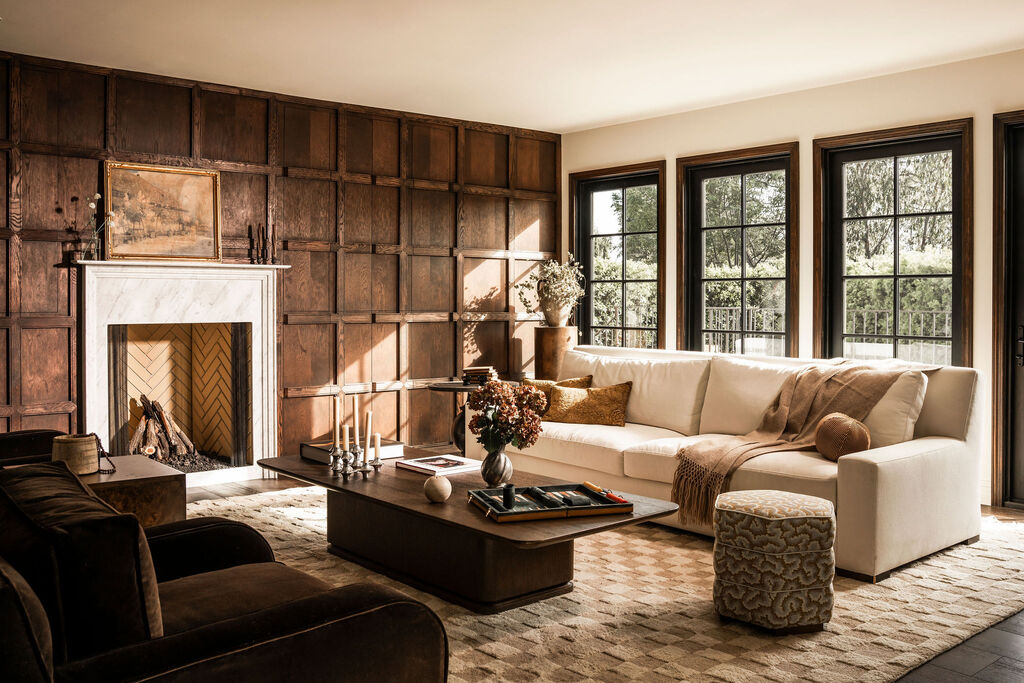
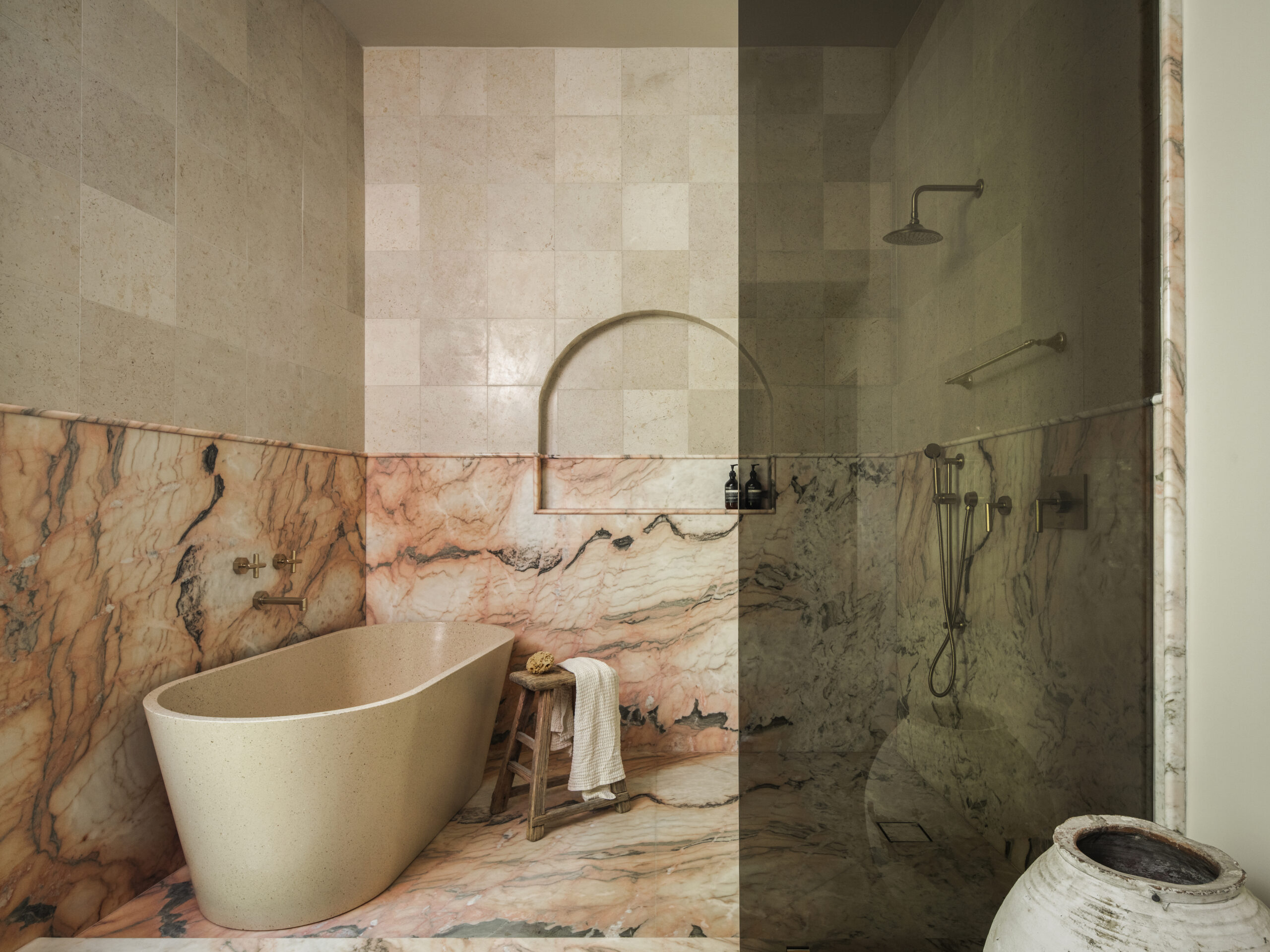
We don’t think in terms of a fixed style. It’s more about sensibility. Our work is character-driven, material-focused, and restrained. If we had to point to one element we return to often, it would be wood and custom carpentry. Wood ceilings, warm tones, and thoughtful built-ins are central to how we create atmosphere.
We’re drawn to spaces that feel enveloping but not heavy, restrained but warm—quiet rooms that invite you in rather than perform. If there’s a guiding principle, it’s that everything should feel intentional and earned. Nothing exists just to fill space.
The projects we’re working on right now feel like a real inflection point for House of Rolison. They’re larger in scale, more stripped down, and more all-encompassing than anything we’ve done before. Each one pushes our approach further, both architecturally and emotionally.
Our next three homes will be coming to market this year, and they’re true showstoppers. We’re being very intentional about not selling them off-market. We want people to experience them, to walk through them, and to understand the level of care and restraint behind every decision. These projects feel like a clear signal of where the work is headed.
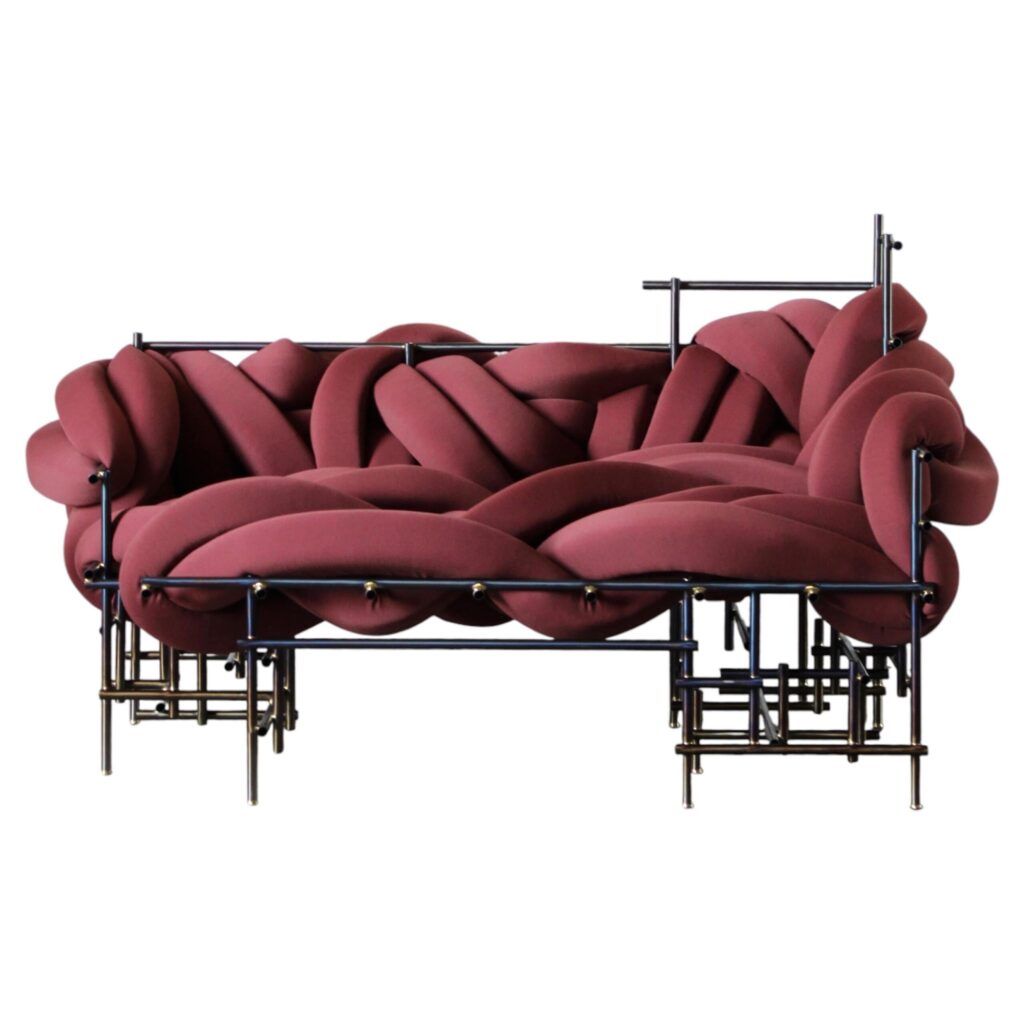
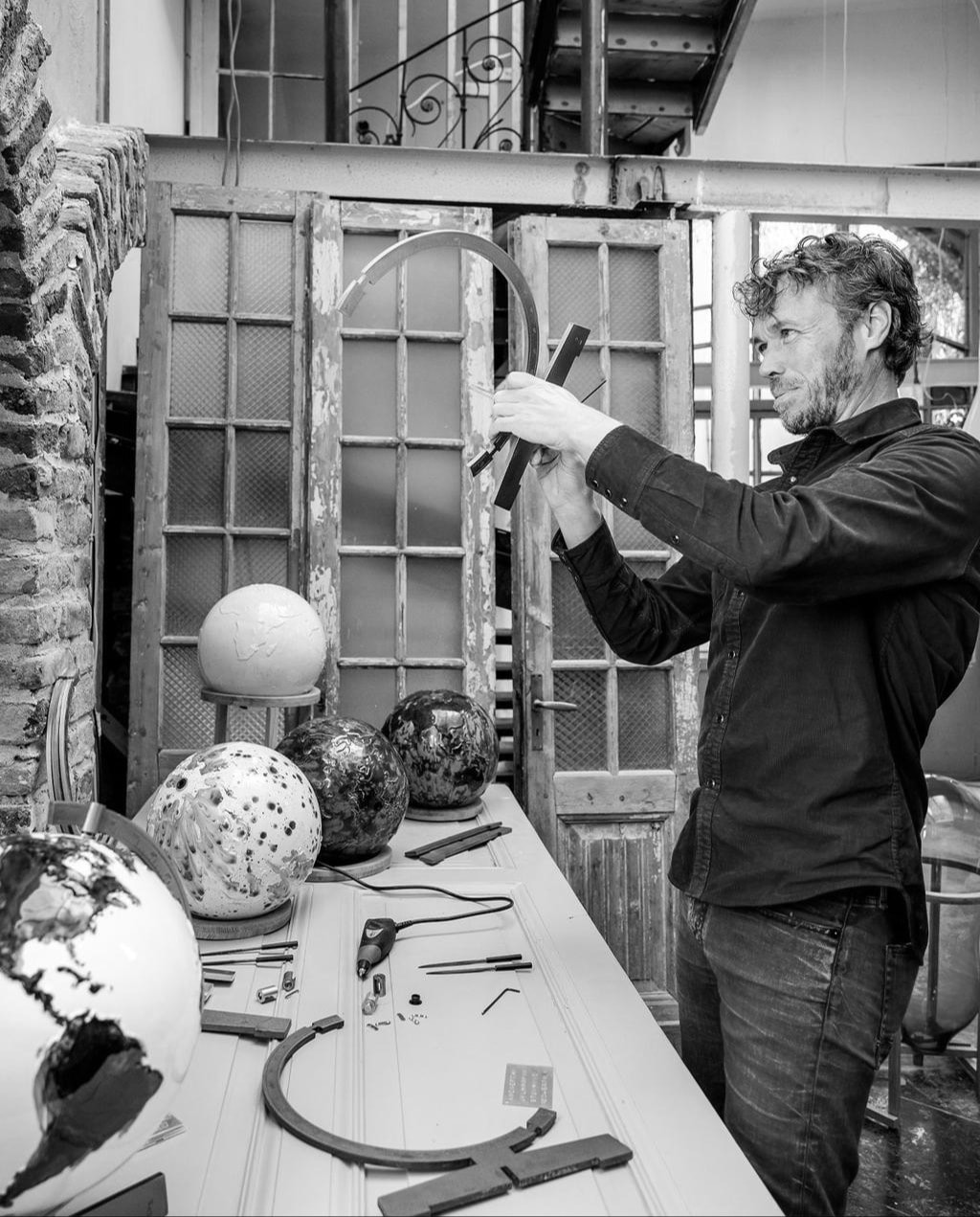
favorite pieces from the Philia Collection
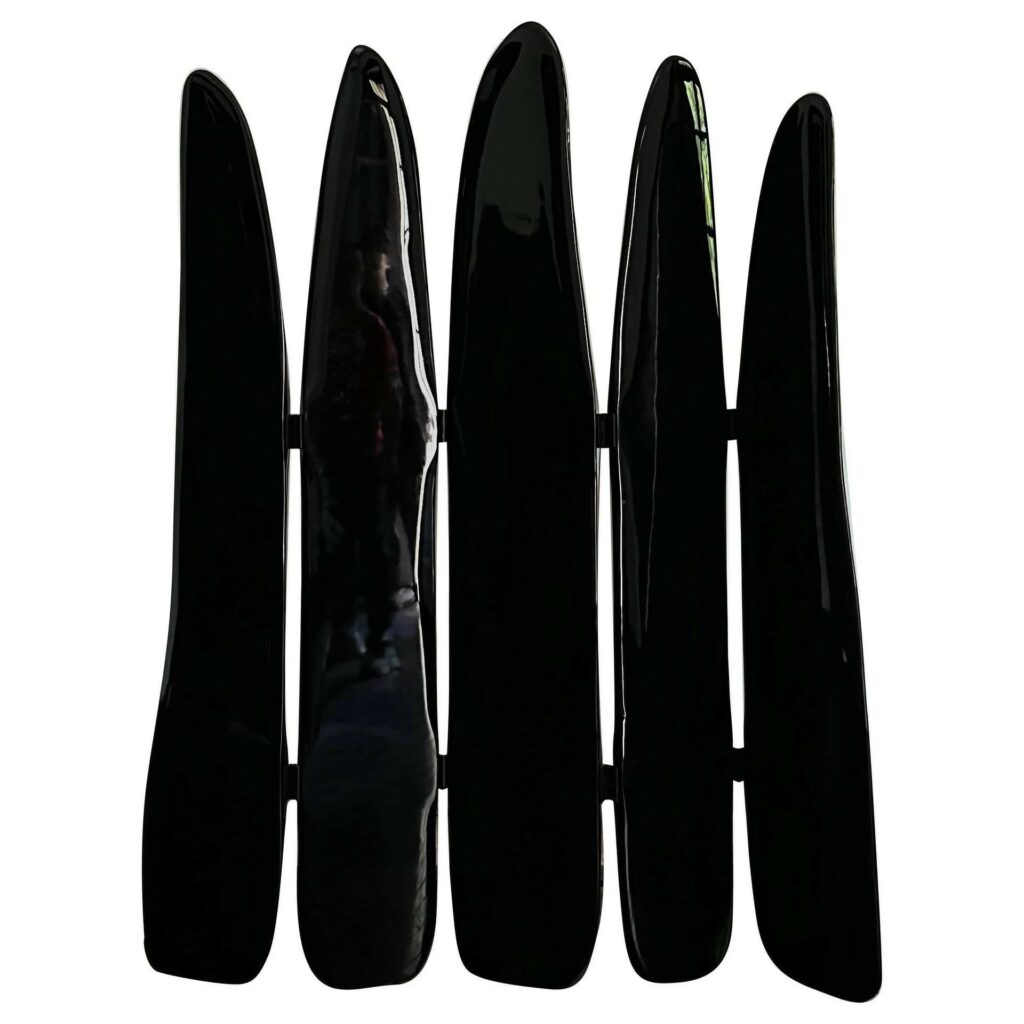
Fence-Like Structure, Contemporary High Lacquered Black Ash Wood Screen by kar
Quiet, architectural, and restrained.

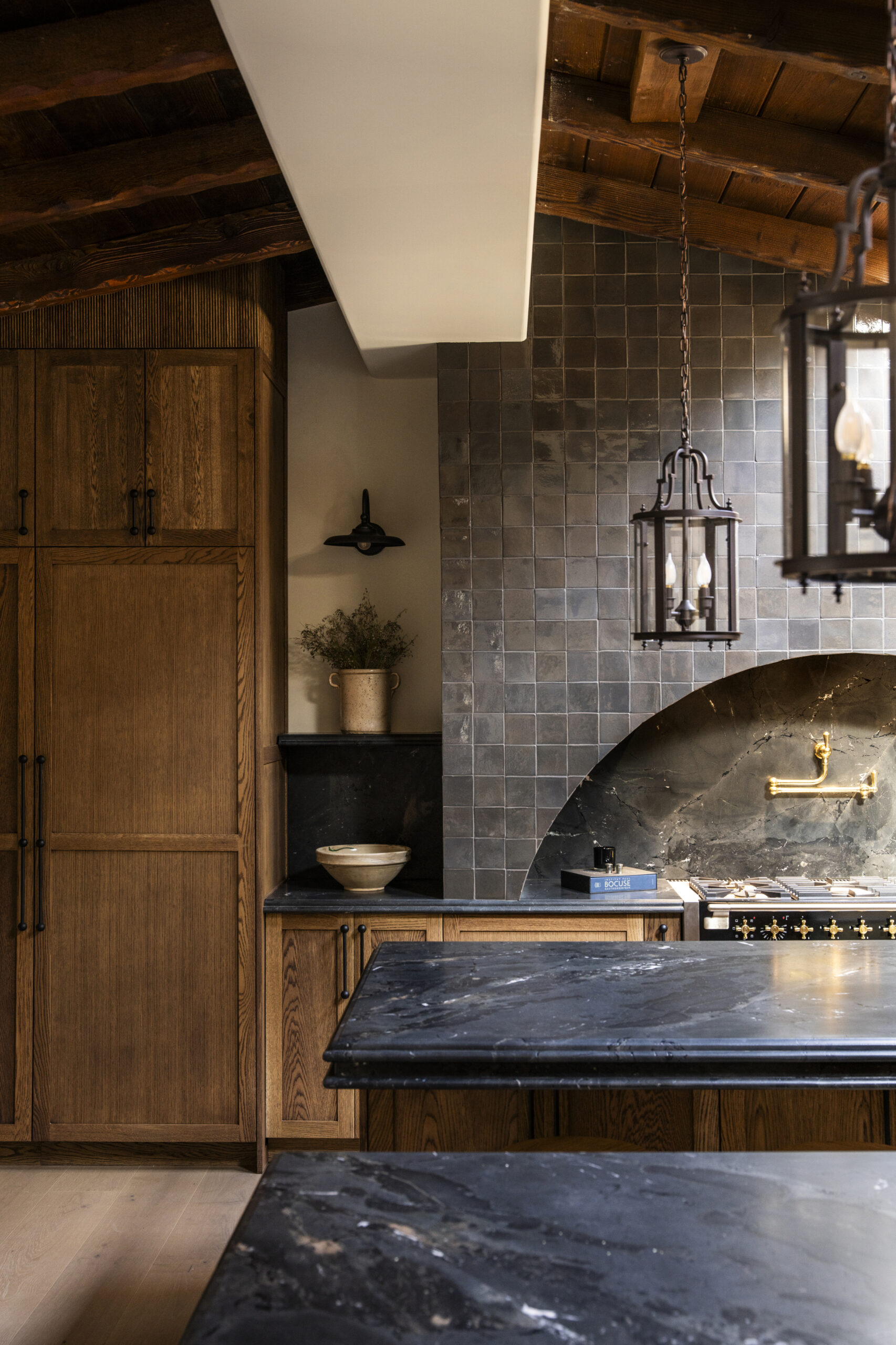
Prioritize what you can’t easily change. Layout, light, proportion, and material quality matter far more than surface finishes. If those fundamentals are right, everything else can evolve naturally.
To stay focused on the long view. Trends and outside opinions change quickly. Building something you’re proud of years later matters far more than chasing what feels relevant in the moment.
Learn how homes are actually built. Spend time on job sites, understand structure, systems, and how materials age over time. A strong point of view is important, but it only holds value when it’s supported by real knowledge and execution.
Learning that more doesn’t always mean better. Early on, it’s easy to assume that added layers or added cost automatically improve a project. Over time, we learned that restraint often leads to the strongest outcome. Knowing when to stop, simplify, and trust the original architecture has been a critical lesson.
The Chronology of Water is incredible. It’s raw, emotional, and beautifully written. The Let Them Theory is also a favorite, and her podcast is just as impactful. It’s grounding and cuts through a lot of noise in a very honest way.
We’re big book collectors in general. We collect limited editions, small press books, and unique prints. There’s something meaningful about living with objects that were made with care and intention. We also love Hidden Brain, and you can never go wrong with a great TED Talk. We’re always drawn to ideas that explore how people think, feel, and interact with the world around them.
We have three major projects underway right now, and they really represent the next chapter of our work.
One is a Bel Air estate with multiple structures that we’ve nicknamed the “Museum House.” It’s full of wow and show in the best way. The volume is extraordinary, and the ceilings are unlike anything we’ve ever seen. It feels rare and special.
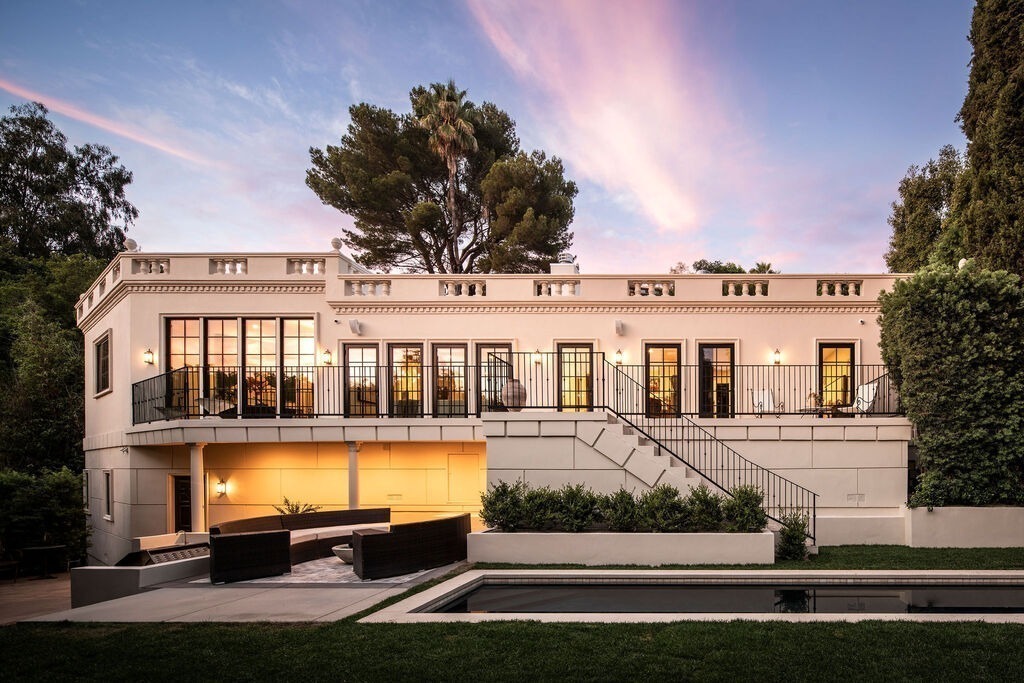
Another is in the Beverly Hills Post Office, our favorite neighborhood in Los Angeles. It has strong East Coast energy and very traditional bones, and we’re giving it a washed Mediterranean flair. It’s classic and timeless, softened and layered, and sits on a large estate.
The third is in Mandeville Canyon, where we’re essentially rebuilding the home entirely. It’s our take on a Spanish farmhouse—architectural and restrained, but still warm.
Across all three, we’re very focused on ceilings and volume right now. The next chapter is about space, proportion, and how volume makes you feel when you walk into a room. That exploration is really driving where the work is headed.
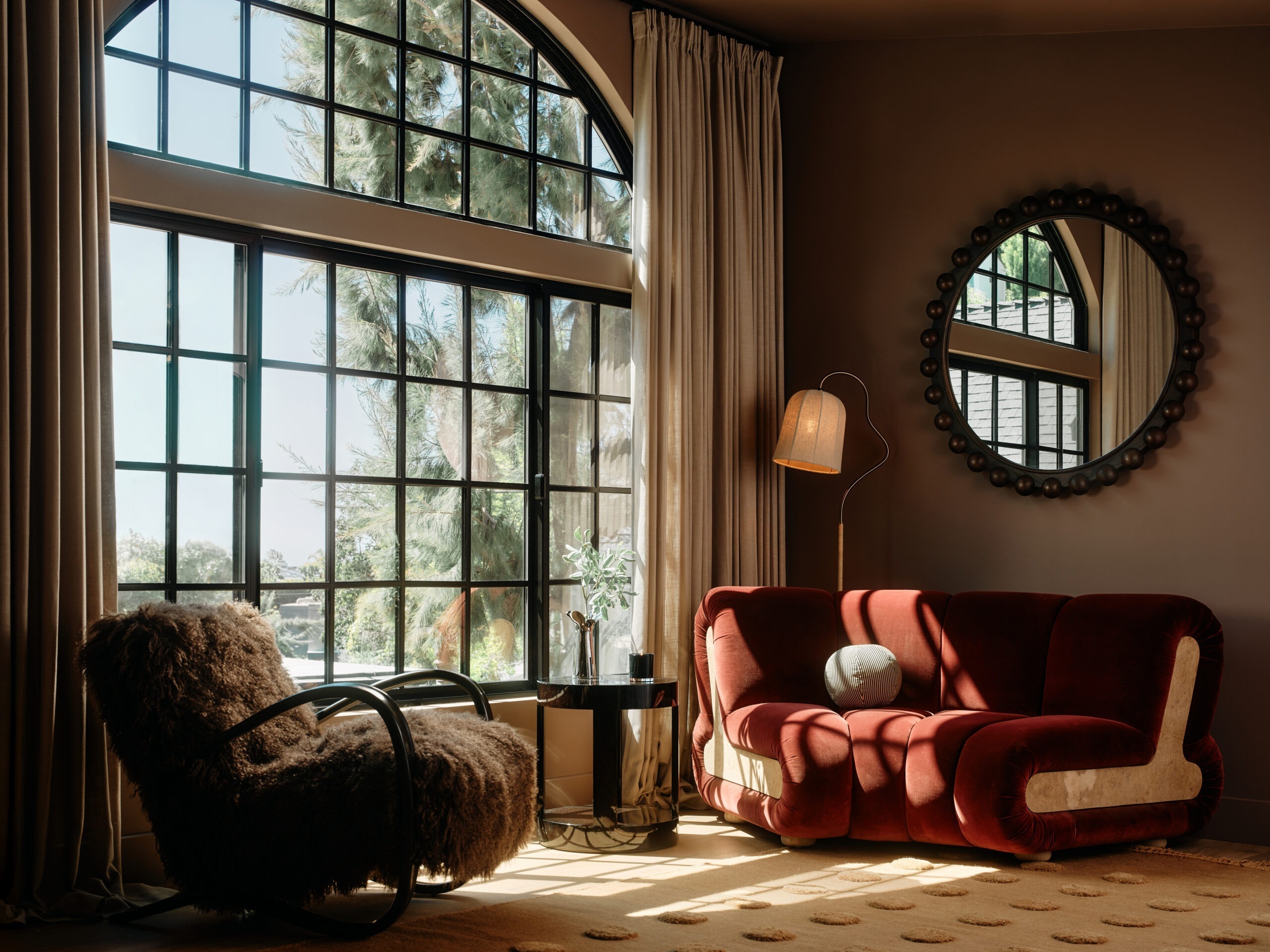
Thank you so much Amanda and Taylor, for this lovely interview!
Share article :

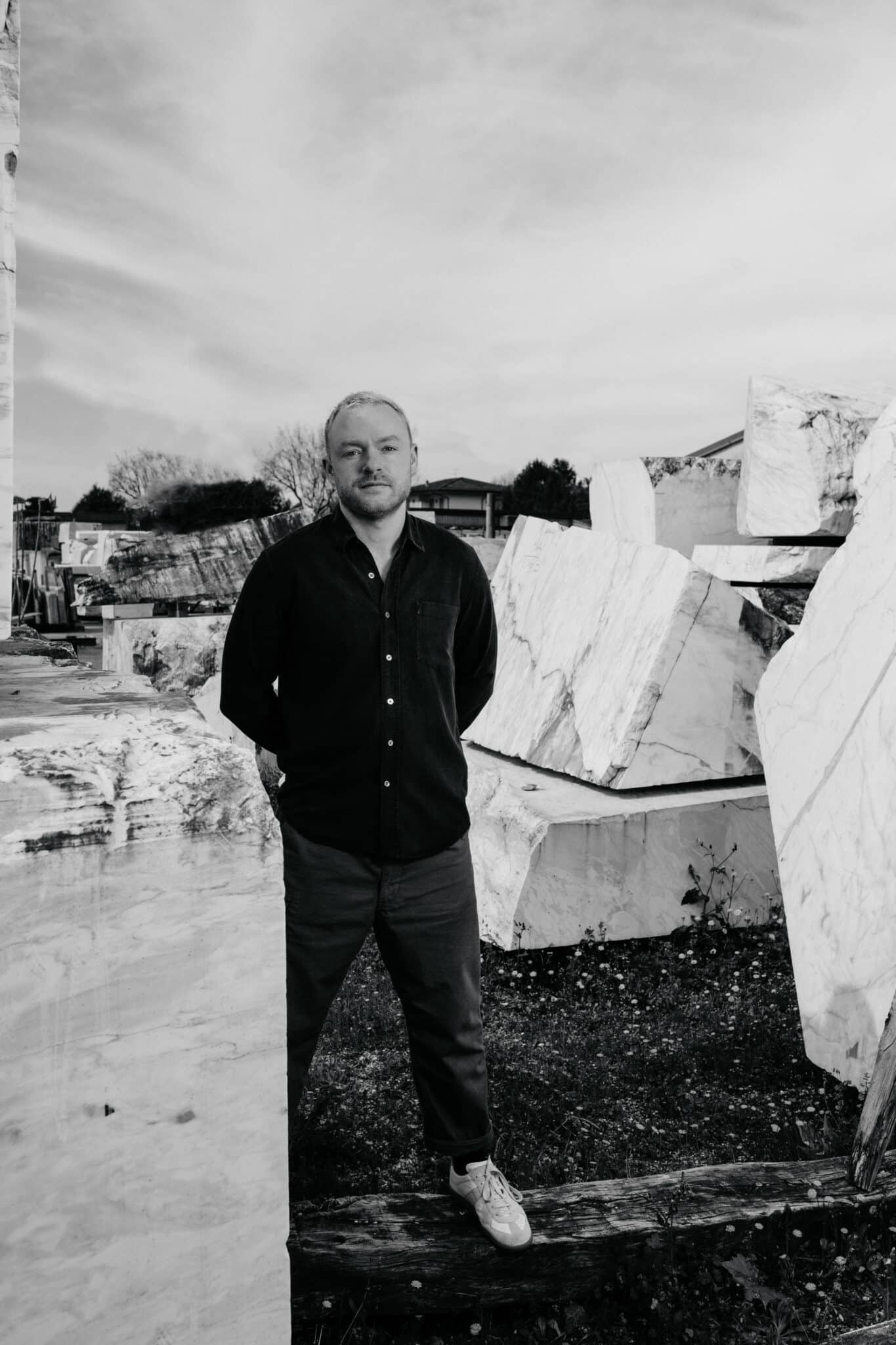
Sculptural, grounded, and expressive.