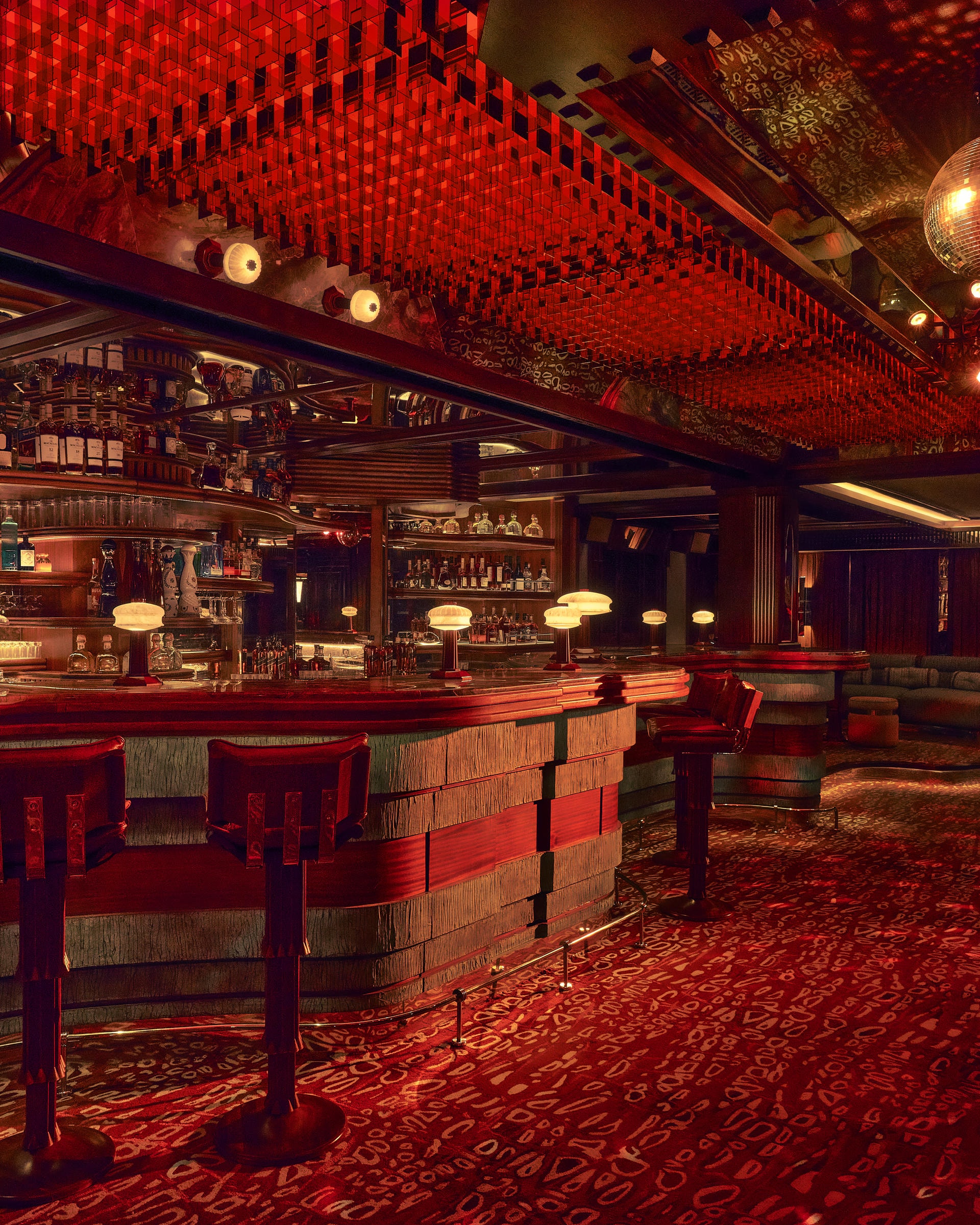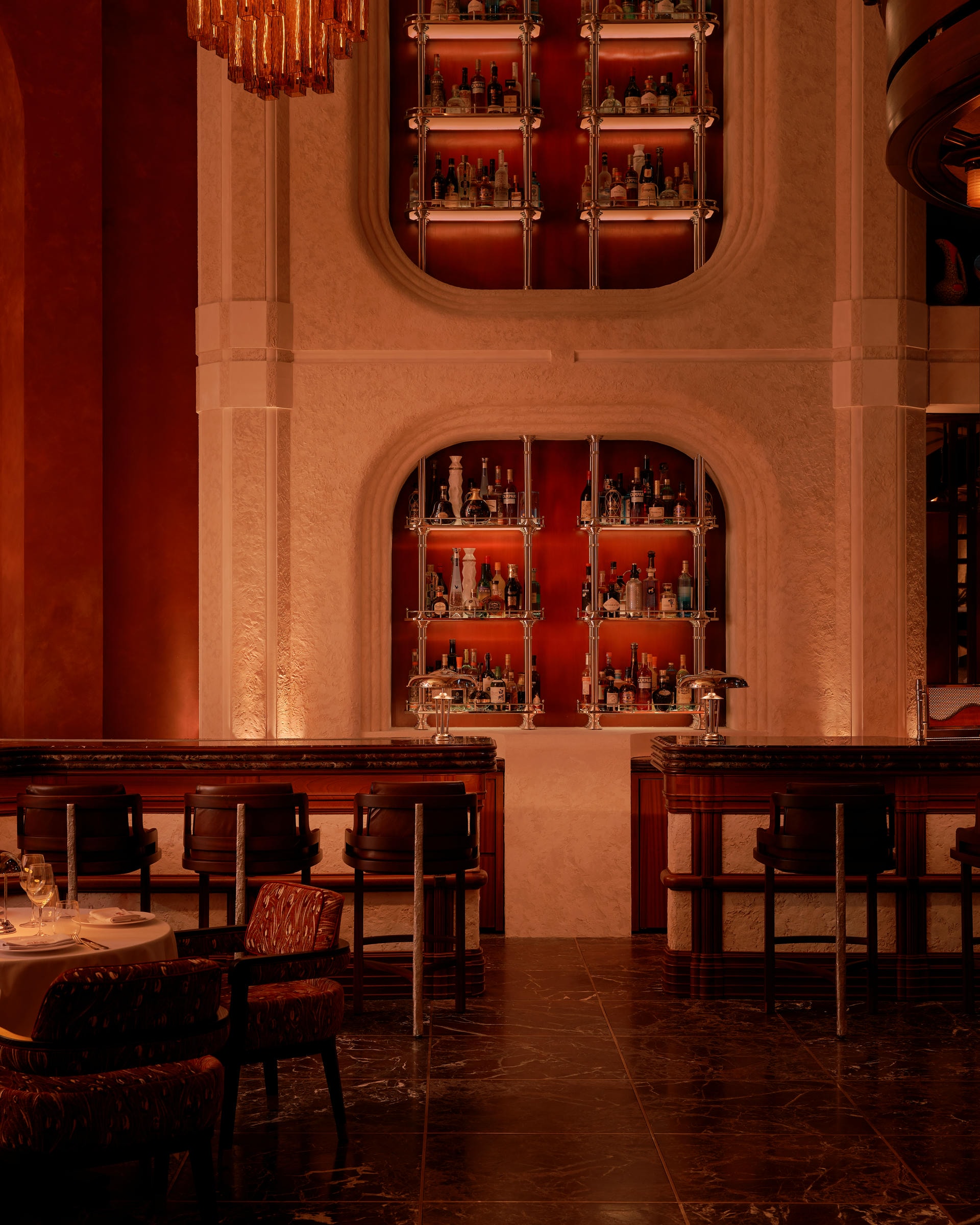
Hugo Toro
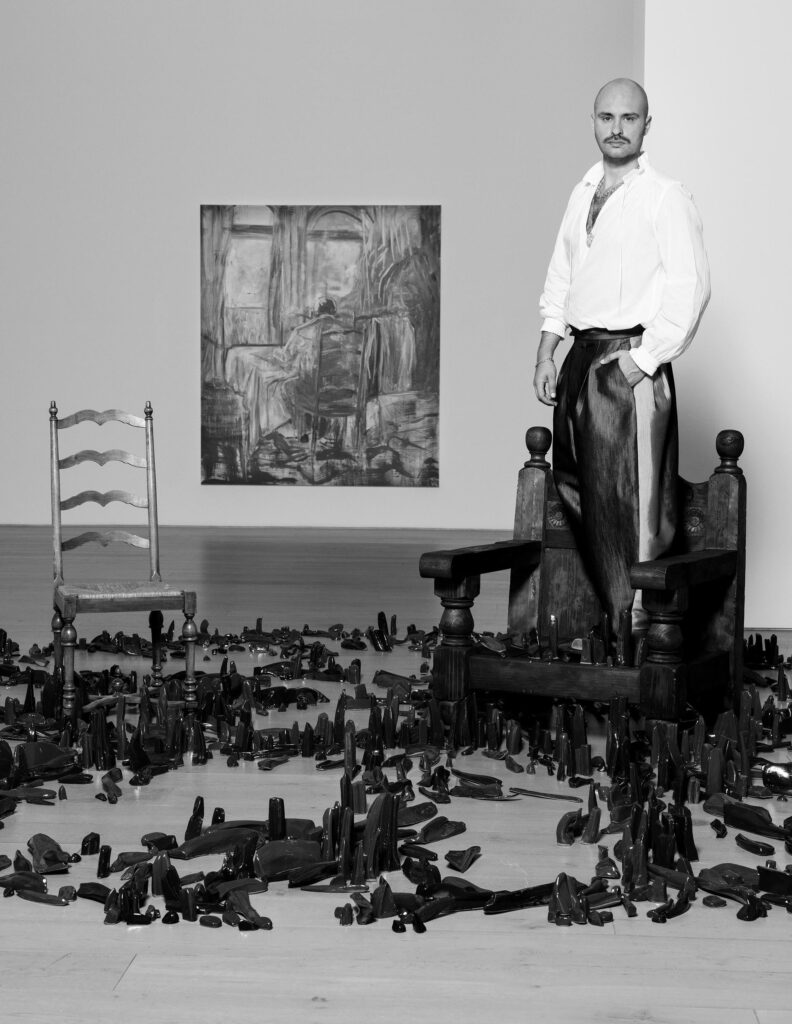
Hugo Toro is a French-Mexican architect and multidisciplinary creative whose practice spans architecture, interiors, design, and art. Originally from eastern France, he graduated with a Master’s degree in Interior Architecture from Penninghen in Paris before completing a second Master’s degree in Architecture between Vienna and Los Angeles. From his Paris-based studio, Toro has built an international portfolio including the atelier of Villa Albertine in New York, the Michelin-starred restaurant PUR’ on Place Vendôme, JP at Louis Vuitton in Seoul, and the Orient Express La Minerva in Rome. His work is distinguished by a strong attention to atmosphere, materials, and craftsmanship.
Alongside his architectural practice, Toro works across furniture, drawing, painting, and sculpture. He unveiled his first furniture collection at Christie’s in 2022 and presented Aguas que murmuran at the Institut Culturel du Mexique in Paris in 2025. In 2026, his first solo exhibition in the United States, Ojo de Agua, was presented at Perrotin in New York, bringing together paintings, bronze sculptures, ceramics, and installation. Today, his architectural and artistic practices continue to explore the relationships between space, material, memory, and emotion.
“An ancient know-how can become very current if it is looked at differently.”
INTERVIEW

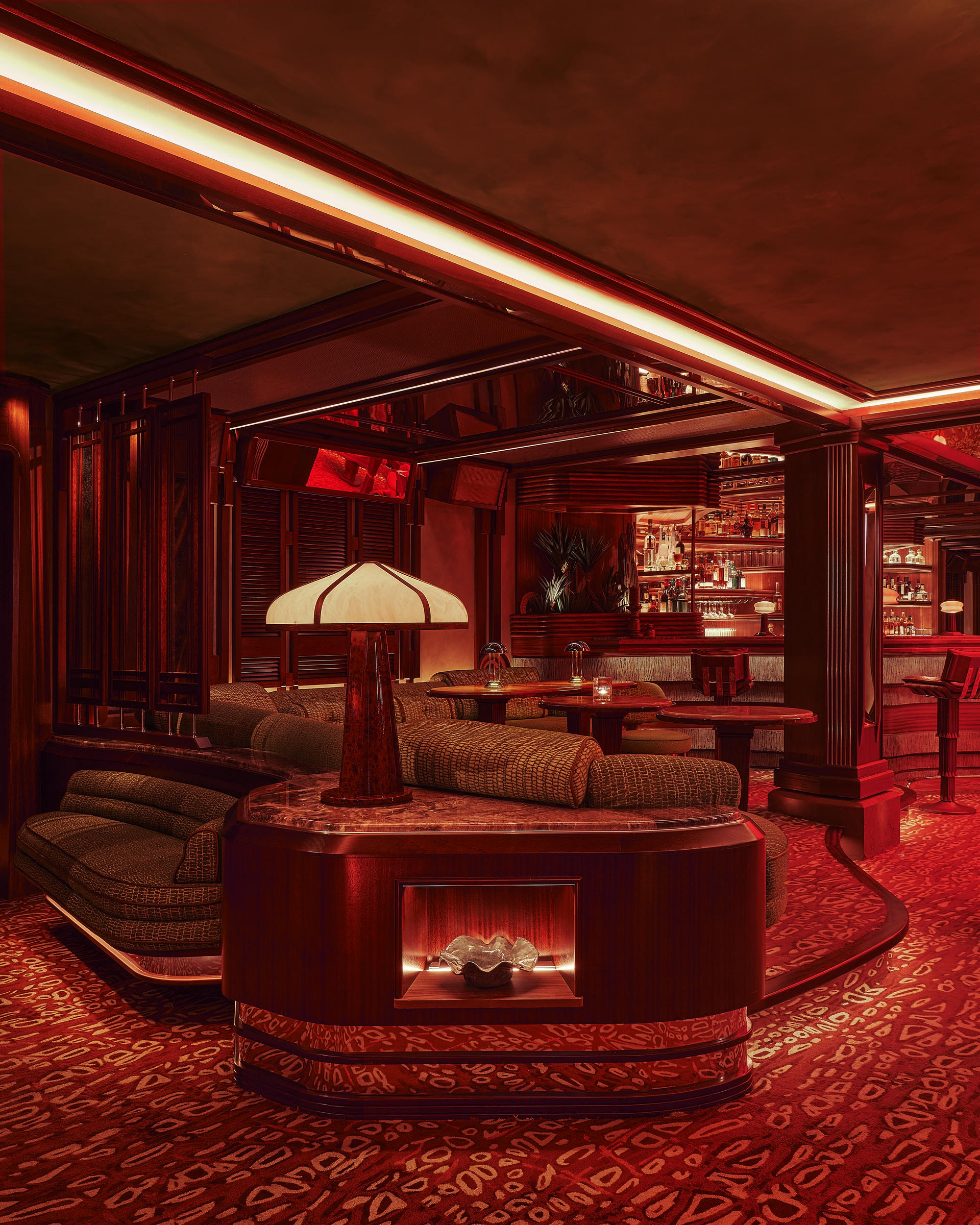
Flash, Palm Beach © Philippe Garcia
I have never really considered these disciplines to be distinct. For me, they are the different expressions of the same language. Whether it’s designing a hotel, drawing an armchair, creating a sculpture, or painting, I always pursue the same intention: to create places capable of arousing an emotion. I don’t think in terms of objects or buildings, but in terms of experiences. What interests me above all is the way in which a space can be felt, how it can awaken a memory, slow down time or provoke a feeling that is difficult to name.
Today, I would define my work as that of a creator of universes. Architecture, design, art, and objects interact to compose a unique narrative. What counts is not the discipline, but the coherence of the whole and the atmosphere that emanates from it.
In hindsight, I think that desire has always existed. Even as a child, I never looked at an object in isolation. I was more interested in how several elements could interact to create an atmosphere.
Painting taught me composition, light, and rhythm. Architecture gave me scale and permanence. Design brought me closer to gesture, touch, and intimacy. Gradually, these disciplines have ceased to be separated to form a single way of thinking. Today, I never approach a project as an addition of elements. I seek to build an ecosystem where every detail, even the most discreet, participates in a common emotion.
Each project begins with an observation phase. Before drawing, I try to understand a place: its history, its geography, its light, the know-how that has shaped it, but also what is more invisible, almost sensitive. Travel is definitely one of my biggest sources of inspiration. Having grown up between France and Mexico, I have always had the feeling that identity is built in movement and in encounters. This duality naturally feeds my gaze.
Then comes the drawing. I make a lot of sketches, very spontaneous, almost instinctive. It’s a way of letting ideas emerge without trying to control them immediately. Then comes a much more rigorous work, where every proportion, every material, every detail is refined. I always look for a balance between intuition and precision. Between the memory of a place and a resolutely contemporary writing.
I am convinced that an emotion is never born from a single object. It appears in the relationships between the elements: proportions, light, materials, furniture, works, perspectives, sometimes silence. Designing an environment allows me to compose this score as a whole. Each element finds its place in the service of a common intention, as in an orchestra where no instrument seeks to dominate the others.
In the end, I am less attracted by the iconic object than by the memory that a place leaves for those who pass through it. The spaces that touch me the most are those that we continue to inhabit internally long after we have left them.

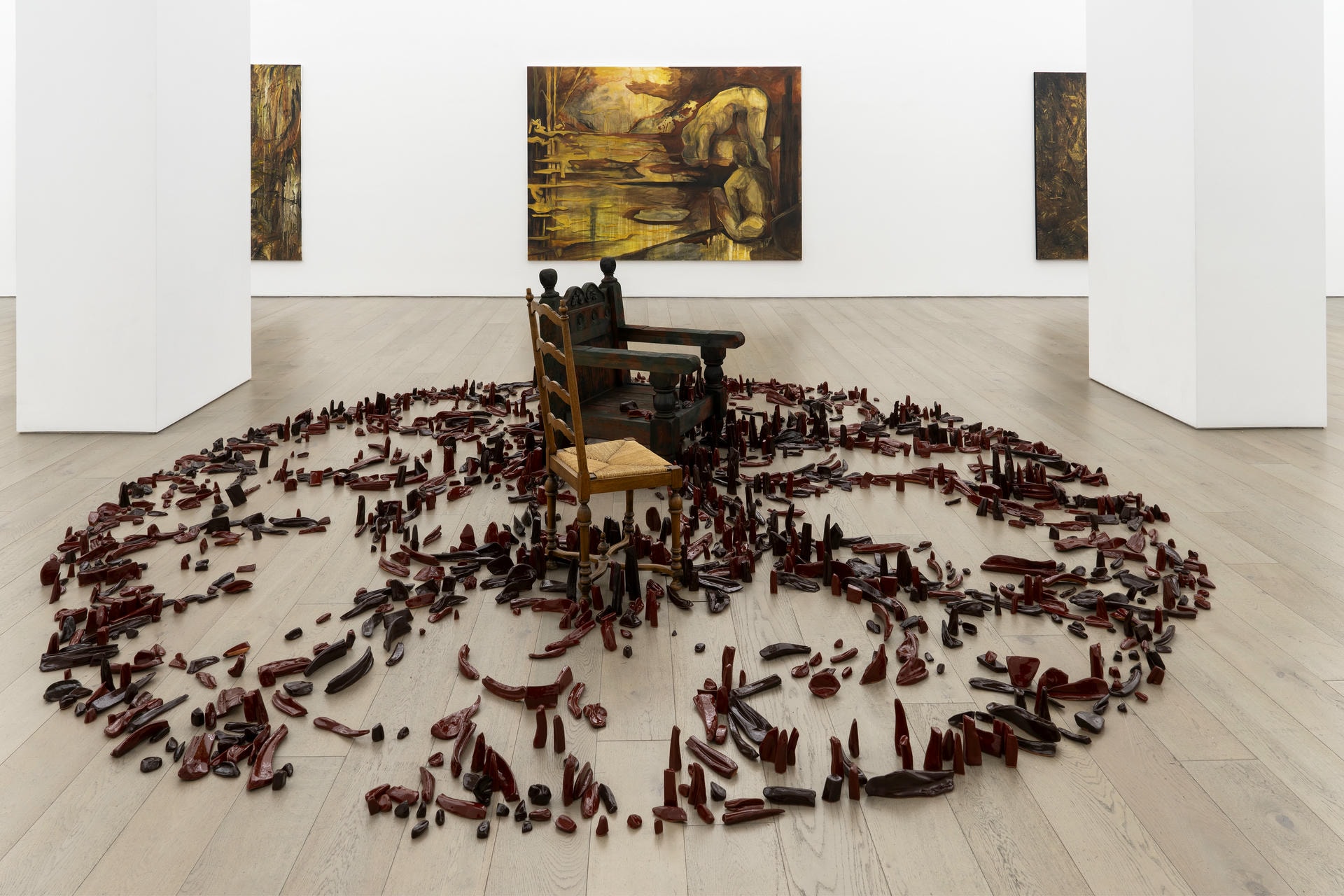
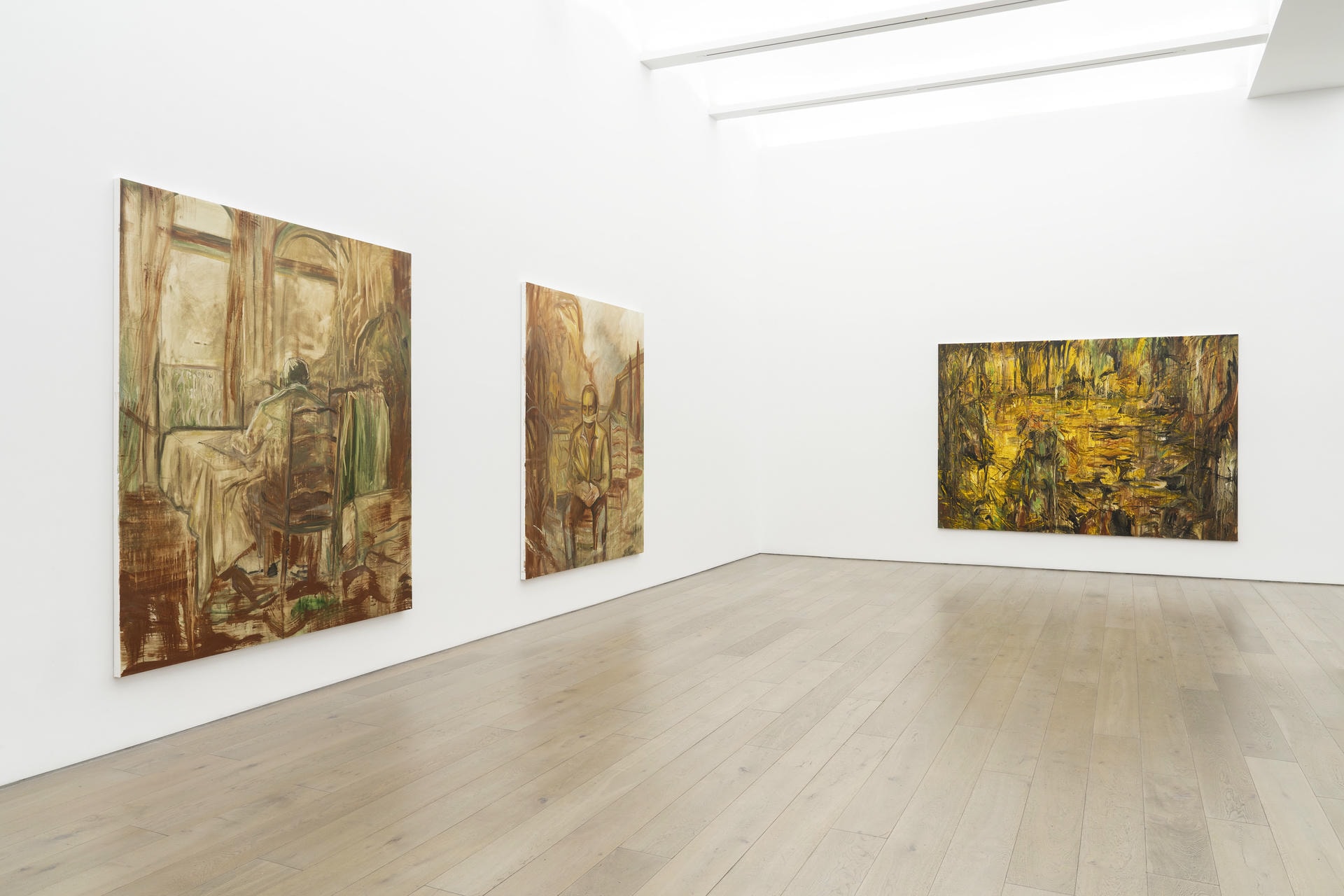
Ojo de Agua, New York © Perrotin / Guillaume Ziccarelli

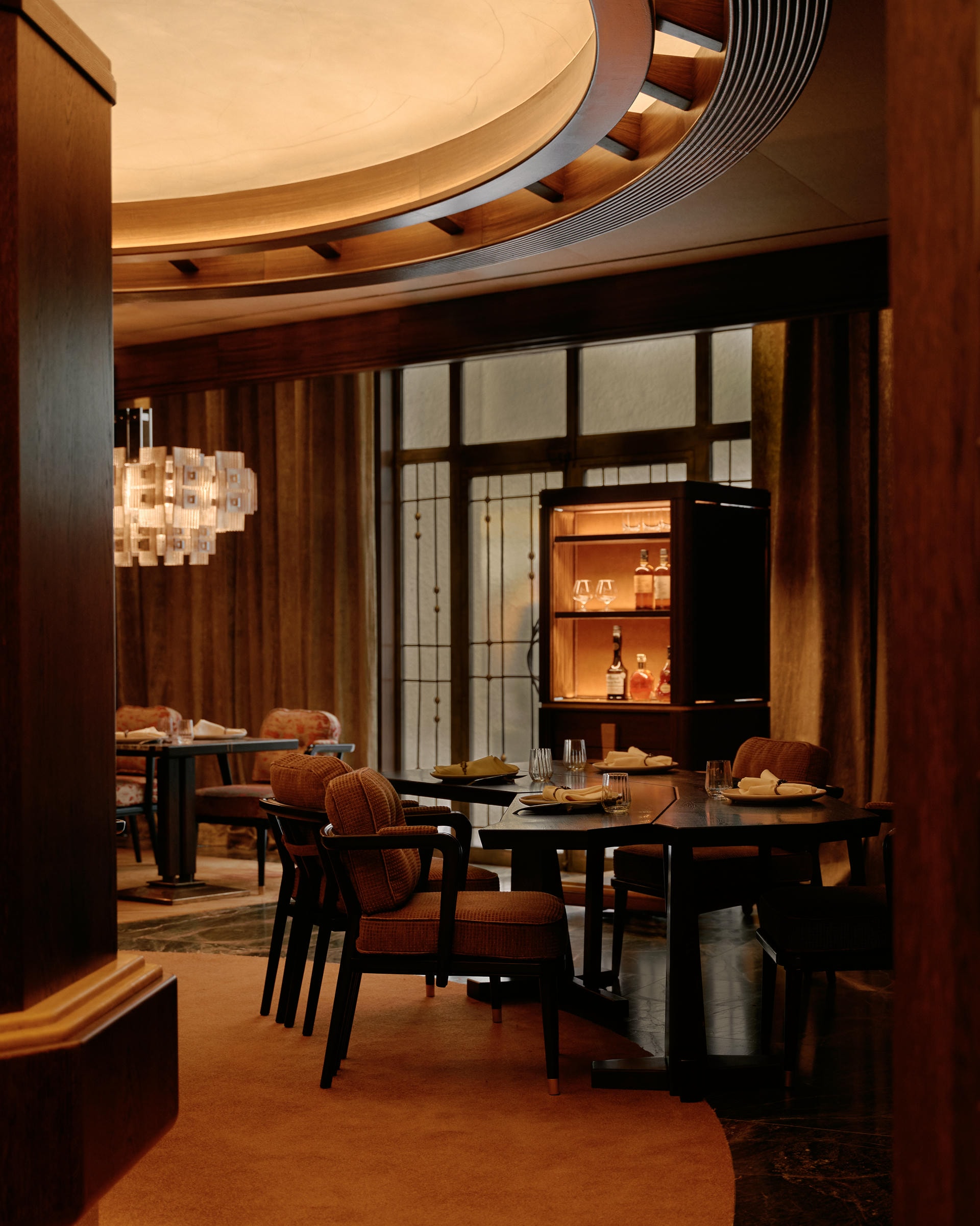
Orient Express La Minerva © Alexandre Tabaste
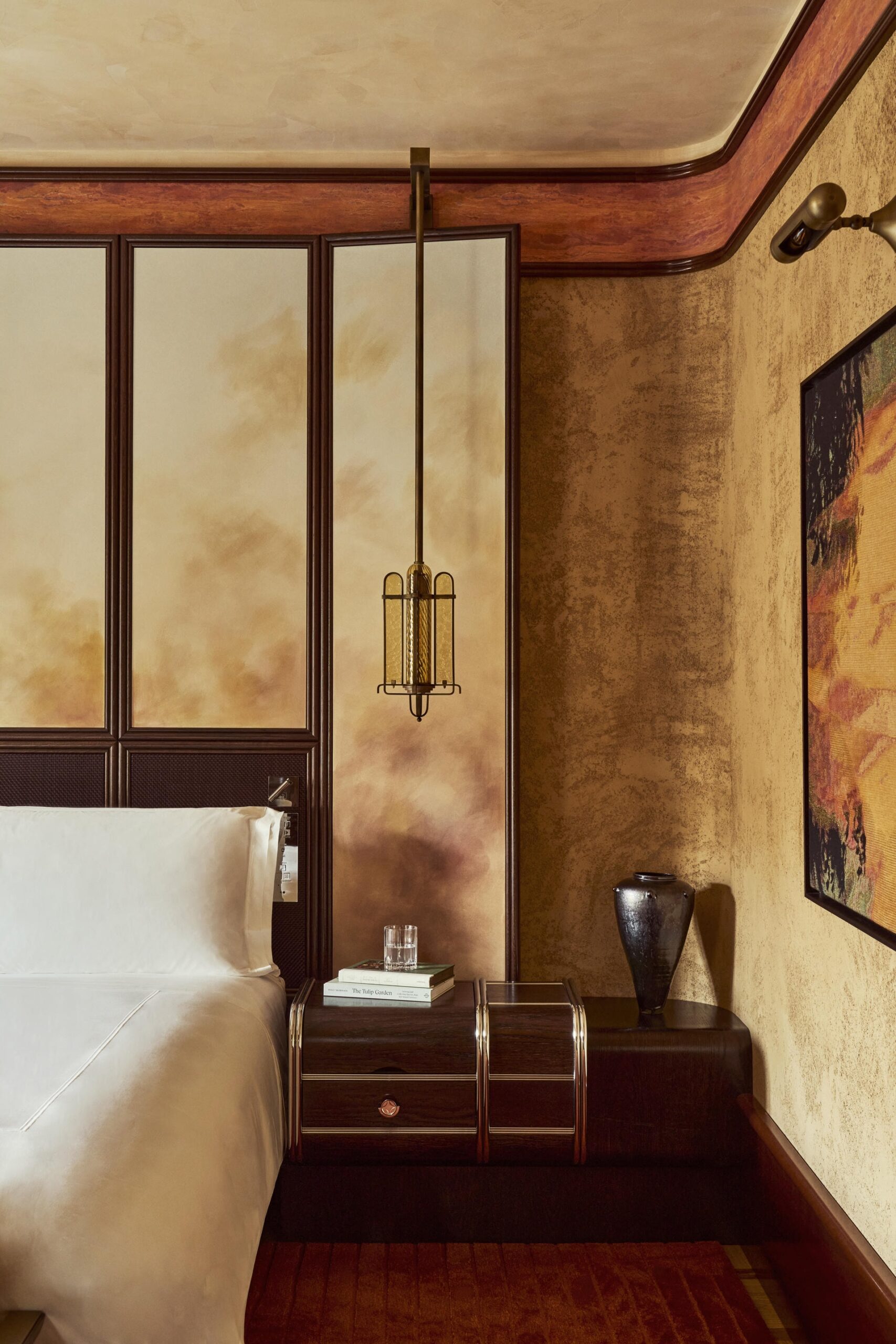
The atmosphere is probably the real material of my work. Wood, stone, bronze, or glass are only means of making it perceptible. I think we often forget the exact dimensions of a room or the name of a material, but we always remember how we felt. The quality of a light, the silence of a space, the softness of a wall, the smell of wood, or the way shadows evolve throughout the day remain engraved in the memory.
Creating an atmosphere is looking for the right emotion rather than a spectacular image. It is about finding the balance between the material, the light, the proportions, the time, and the know-how of the craftsmen. I like to imagine that my projects offer a form of breathing. In a world where everything is accelerating, I want to create places that invite us to slow down, to observe, to feel, and, perhaps, to reconnect with a certain form of contemplation.
I don’t see objects as elements added to the architecture, but as a natural extension of the place. An armchair, a lamp, a handle, or a sculpture can sometimes tell as much as a wall or a ceiling. In my work, the object is never only functional. It carries an intention, a more intimate, almost corporeal scale. It brings architecture closer to the hand, gesture, touch.
I like it when objects seem to belong to the place, as if they had always been there. They must dialogue with the space without simply decorating it. For me, decoration starts to be just when it stops being decorative.
What I like about the dialogue with the craftsmen is that it introduces a part of reality into the idea. Drawing can be very free, almost dreamy, but the craftsman confronts it with the material, the gesture, the fire, the weight, the resistance. This dialogue forces us to be fairer. There is always a moment when the initial idea is transformed thanks to the intelligence of the hand. This is often where the project becomes more lively.
I believe very much in this tension between intention and controlled accident. A patina, a weld, an irregularity, a trace of manufacture can give an object or a place a depth that no perfectly controlled drawing could produce.
I’m attracted to encounters because they create displacement. When a material, tradition, or reference changes context, something new appears. I don’t like fixed references. I prefer to have them in dialogue, sometimes confronting them, so that they produce a contemporary emotion. An ancient know-how can become very current if it is looked at differently.
In my work, crossovers are never decorative. They talk about memory, travel, identity, but also transformation. It is in this friction that projects often find their uniqueness.

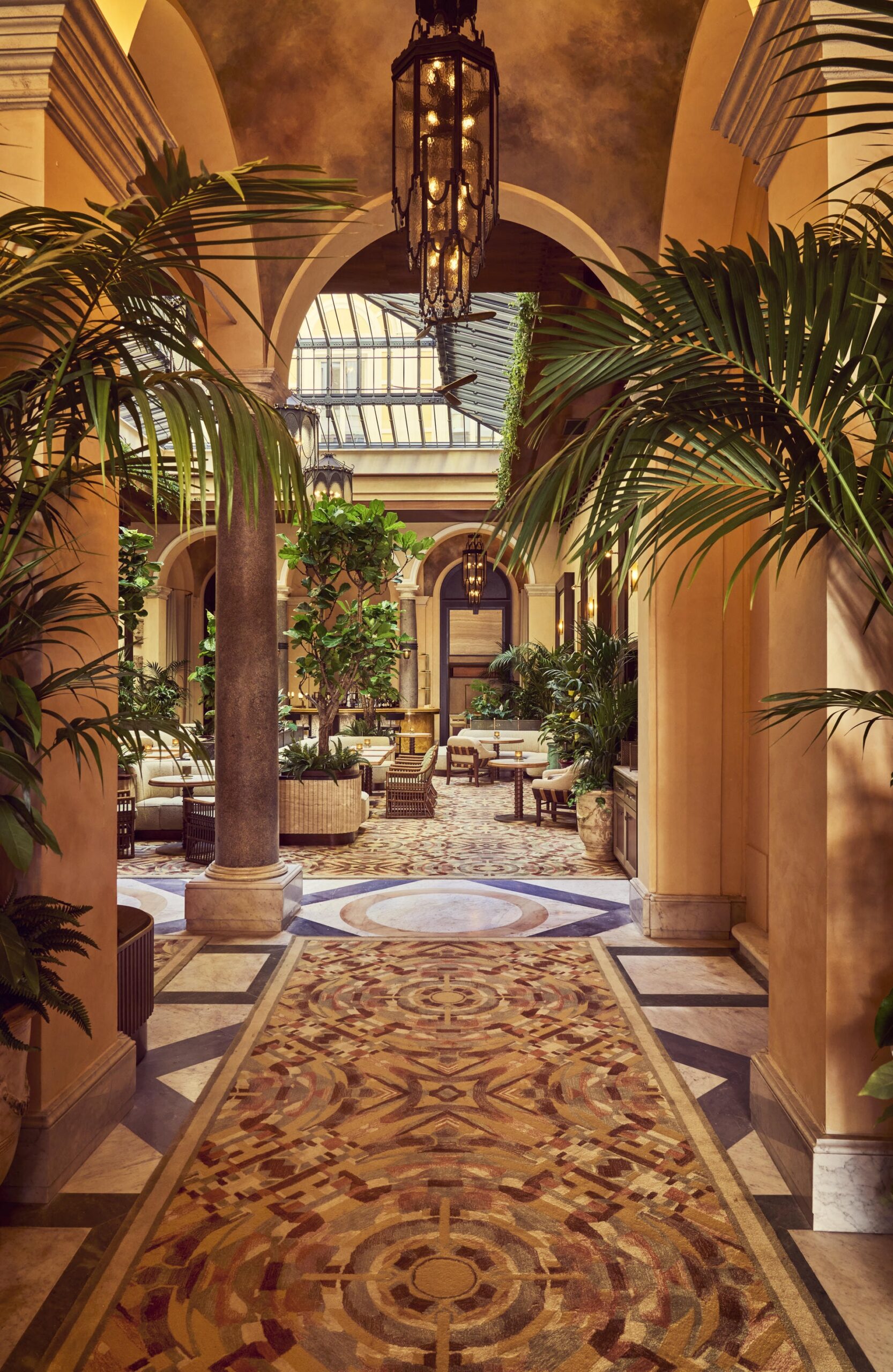
Orient Express La Minerva © Alexandre Tabaste
PUR’, Park Hyatt Paris-Vendôme © William Jess Laird
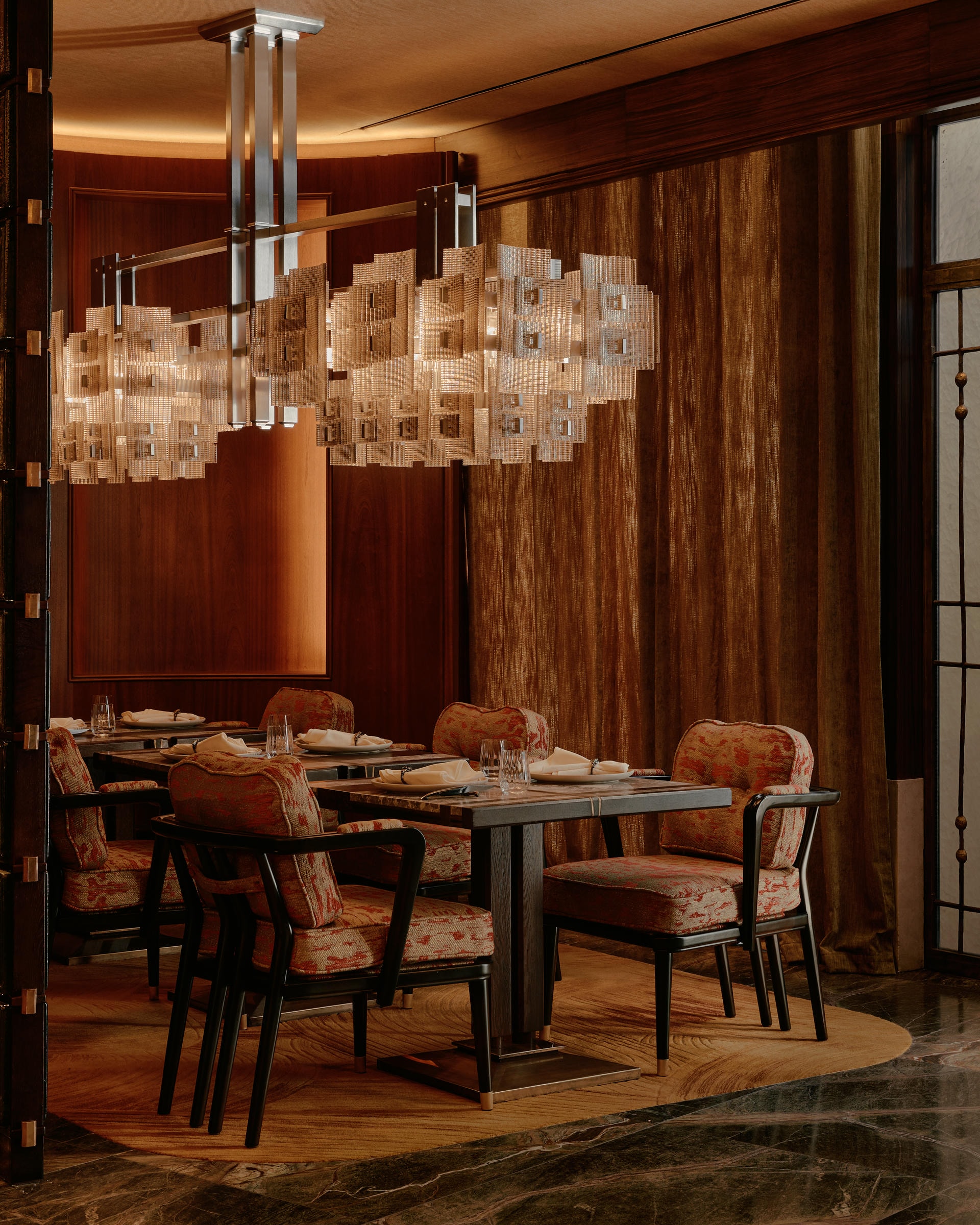
Materials carry memory. Stone, wood, bronze, or ceramic are never neutral. They have a temperature, a weight, a smell, a way of capturing light and aging. I rarely choose a material just for how it looks. I’m interested in what it provokes physically and emotionally. Travertine, for example, can evoke permanence, warmth, and a form of fragility at the same time. Bronze can be noble, almost archaic, but also very sensual. Lacquer, on the other hand, can bring an almost liquid depth. The right material allows a project to have a presence. It gives the place a density, an immediate memory, as if the space had already begun to live even before it was inhabited.
If there is one project that occupies a special place in my career, it is undoubtedly my exhibition of Ojo de Agua paintings, presented at the Perrotin Gallery in New York. It was my first solo exhibition in the United States, but above all a deeply intimate project, which allowed me to return to my origins and to what has always nourished my practice. The title, Ojo de Agua, evokes a spring, a place where water gushes out naturally. I saw it as a metaphor for memory: something buried that reappears, that irrigates our identity without us always being aware of it.
Through the paintings, bronze sculptures, ceramics and the central installation, I wanted to create an emotional landscape. A work that does not tell a story in a literal way, but invites everyone to rediscover their own memories, their own roots and their own inner geography. This exhibition ultimately sums up what drives me in all my projects, whether artistic or architectural: to create places where emotion is born from matter, light, and memory. For me, a space or a work of art only really comes to life when it allows everyone to project their own story onto it.
I believe that my biggest influences are not only architects or artists. They are also places, journeys, encounters, and know-how. Of course, I admire the work of designers who have been able to design complete universes rather than isolated objects. But I am just as inspired by vernacular architecture, a ceramics workshop in Mexico, an Italian church bathed in light or a landscape shaped by time.
I try never to collect references to reproduce them. What interests me is to understand why a place touches us. Is it the light, the silence, the material, the proportions, the time that seems to have stopped there? It is these emotions that I seek to reinterpret rather than forms. Basically, my influences are multiple, but they all converge on the same quest: that of a sincere and timeless emotion.
I think we live in a world where everything has become extremely fast, very visual, and often ephemeral. Spaces have sometimes followed this rhythm, seeking more to impress than to be experienced. Today, I have the feeling that people are looking for something else. They need places that give them a sense of peace, depth, and authenticity. Places where you immediately feel good, without necessarily knowing why.
We are all looking for spaces that can create lasting emotion. Places where you want to stay, to come back, to share a meal, a conversation, or simply a moment of silence. I believe that true luxury today is no longer just the rarity of a material or the sophistication of a detail. It is the ability of a space to create time. To invite us to slow down, to observe, and to feel.
Ojo de Agua, New York © Perrotin / Guillaume Ziccarelli
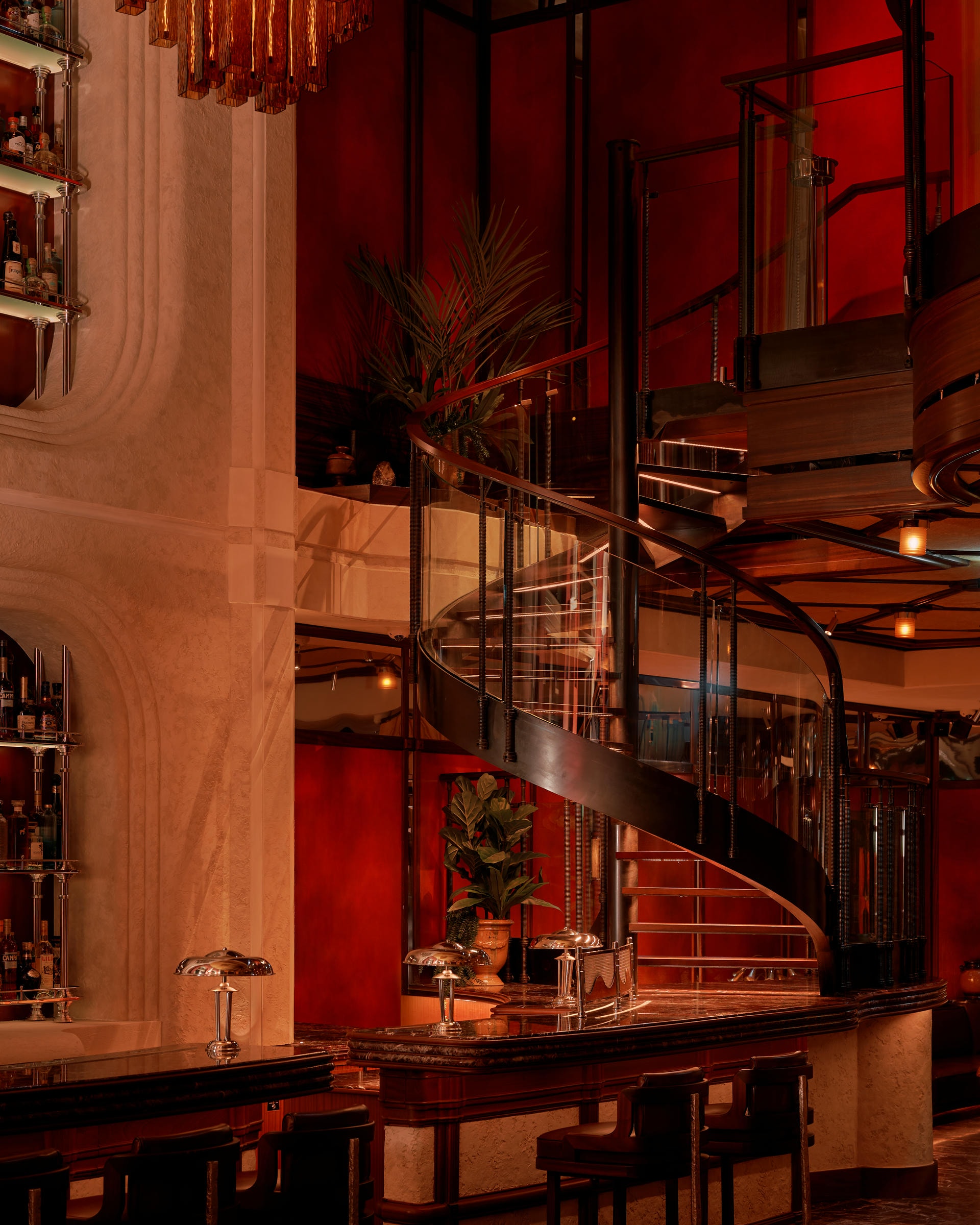
Il Grande, Palm Beach © William Jess Laird
Curiosity is born, for me, from never considering that we already know.
I love discovering a craftsman who has mastered a centuries-old technique as much as experimenting with new materials or exploring other forms of artistic expression. Each trip is an opportunity to learn a different way of working with stone, wood, metal, textiles, or light.
I am also fascinated by places that have a very strong identity. I can spend hours observing a city, a garden, a hotel or a museum to understand what creates this particular emotion.
In the end, what feeds my curiosity is everything that reveals a sensitive relationship between man, matter and time.
The biggest challenge is undoubtedly to continue to renew itself without losing its identity.
I am constantly trying to avoid repetition. Each project must be a new research, a new conversation with a place, a new story to tell. I never want to apply a recipe, even if some of the writing becomes recognizable.
I often wonder how to create places that seem timeless without being nostalgic. How to inscribe a project in its time while giving it a depth that will allow it to stand the test of time.
This tension between innovation and permanence is probably what excites me the most today.
I would like to continue to develop this vision where architecture, design, art, and craftsmanship naturally dialogue. But I also want to devote more time to a more personal expression, through painting and sculpture.
These two practices occupy an increasingly important place in my work. They offer me a different, more instinctive, more introspective freedom, and in return nourish my way of conceiving architecture. I don’t see them as parallel disciplines, but as complementary languages that enrich each other.
I would also like to explore cultural places more. Designing a museum, a foundation, an exhibition space, or a place dedicated to crafts would be a great opportunity to continue this reflection on memory, transmission, and emotion.
Basically, what interests me is not so much the typology of a project as its ability to become a place that people appropriate. I hope to continue to create spaces that resist fashions, become more beautiful over time, and feel like they’ve always existed, while being deeply rooted in their time.

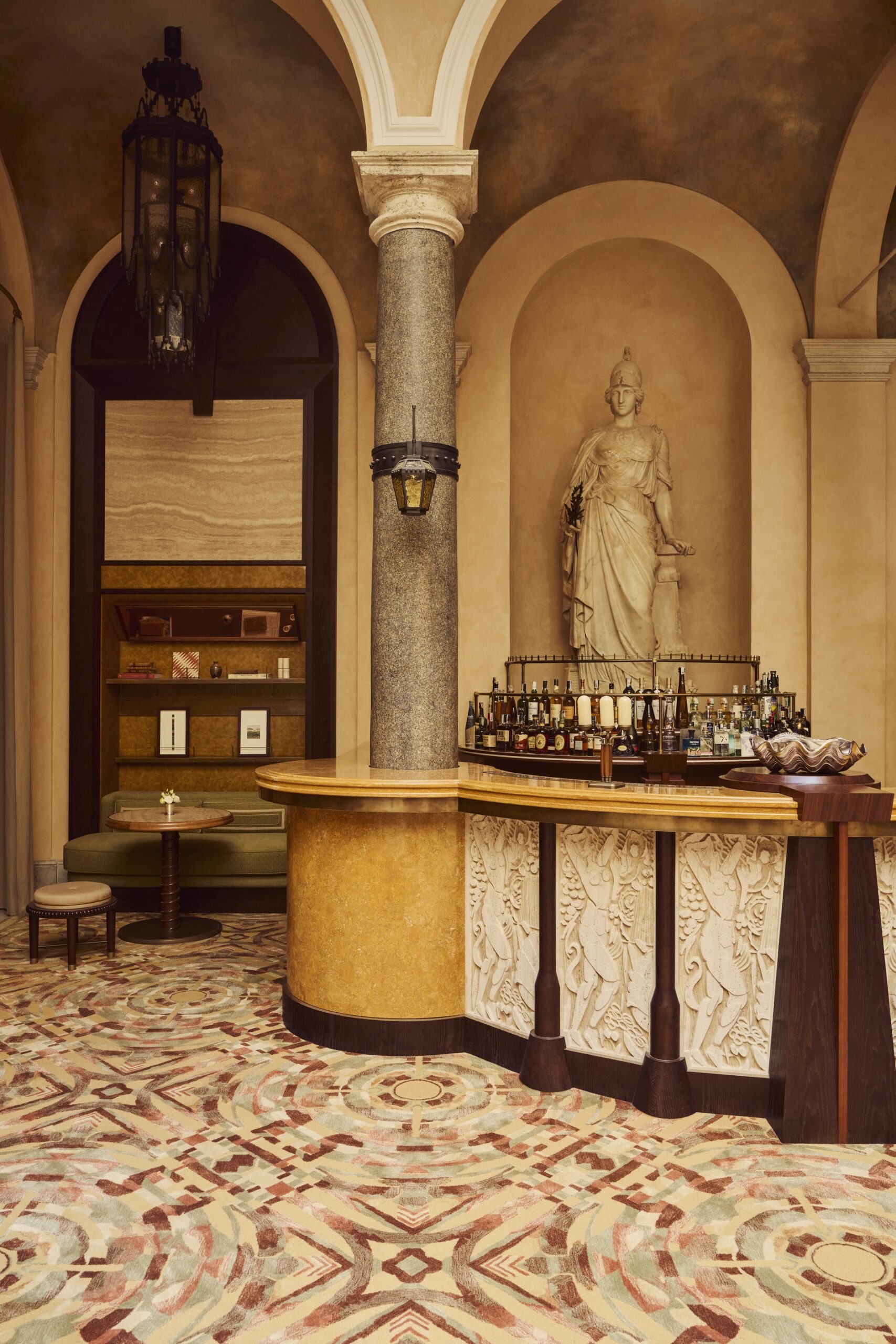
Orient Express La Minerva © Alexandre Tabaste
Thank you so much Hugo, for this lovely interview!
Share article :