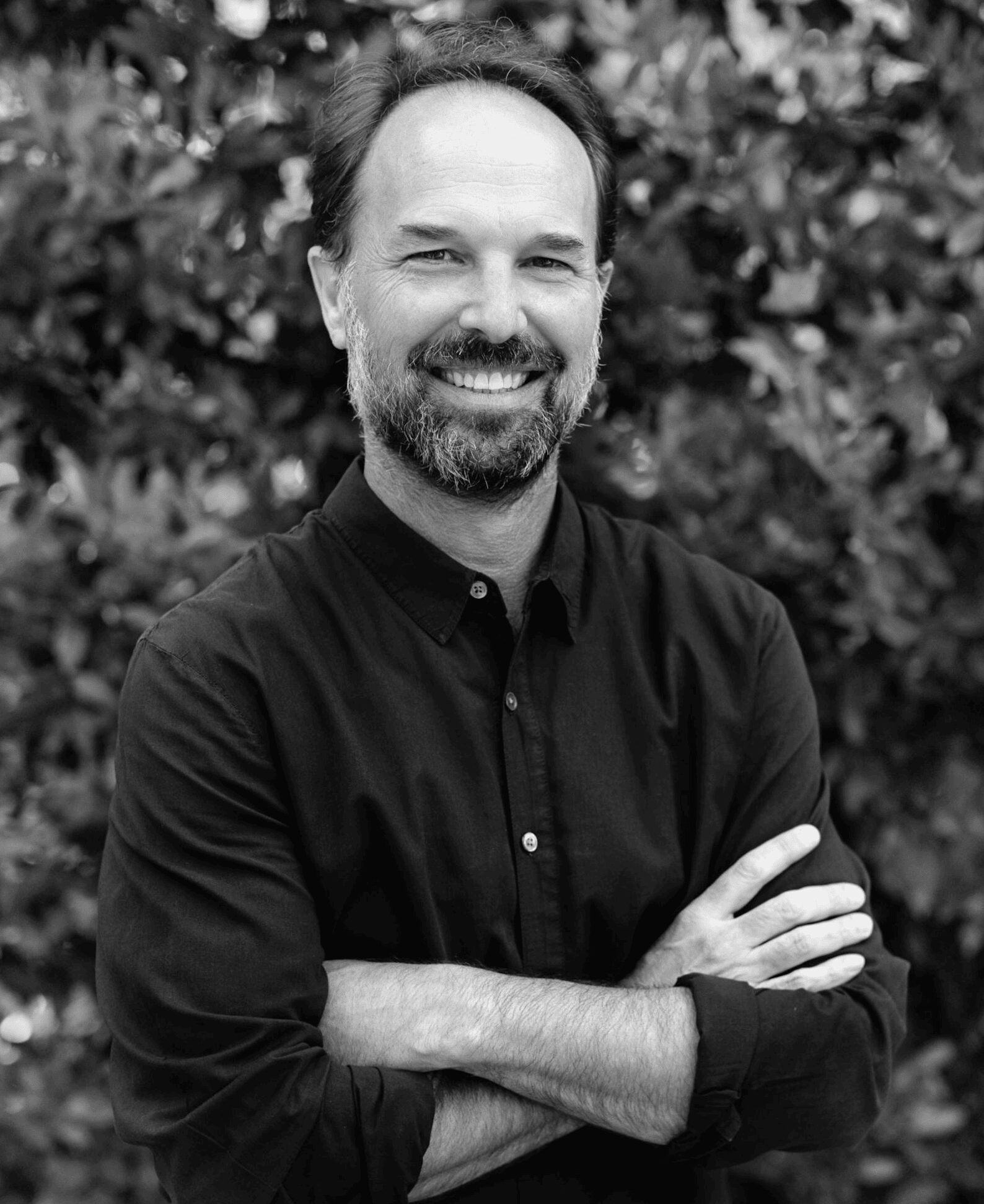
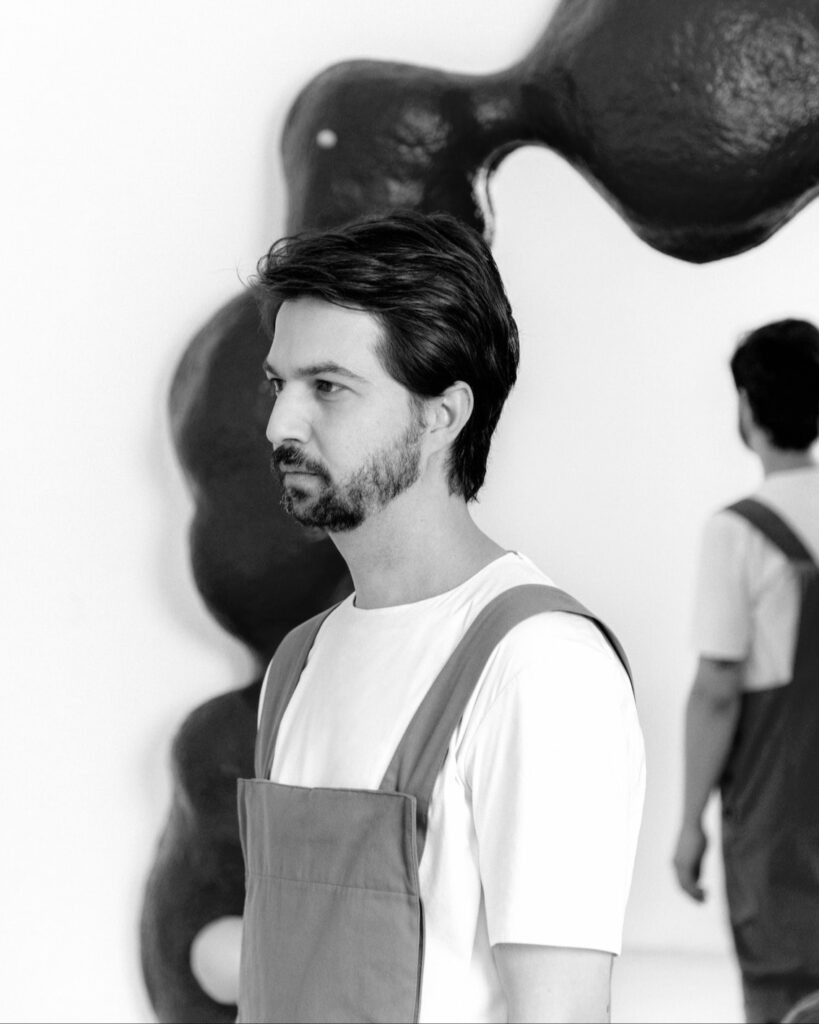
Humberto da Mata
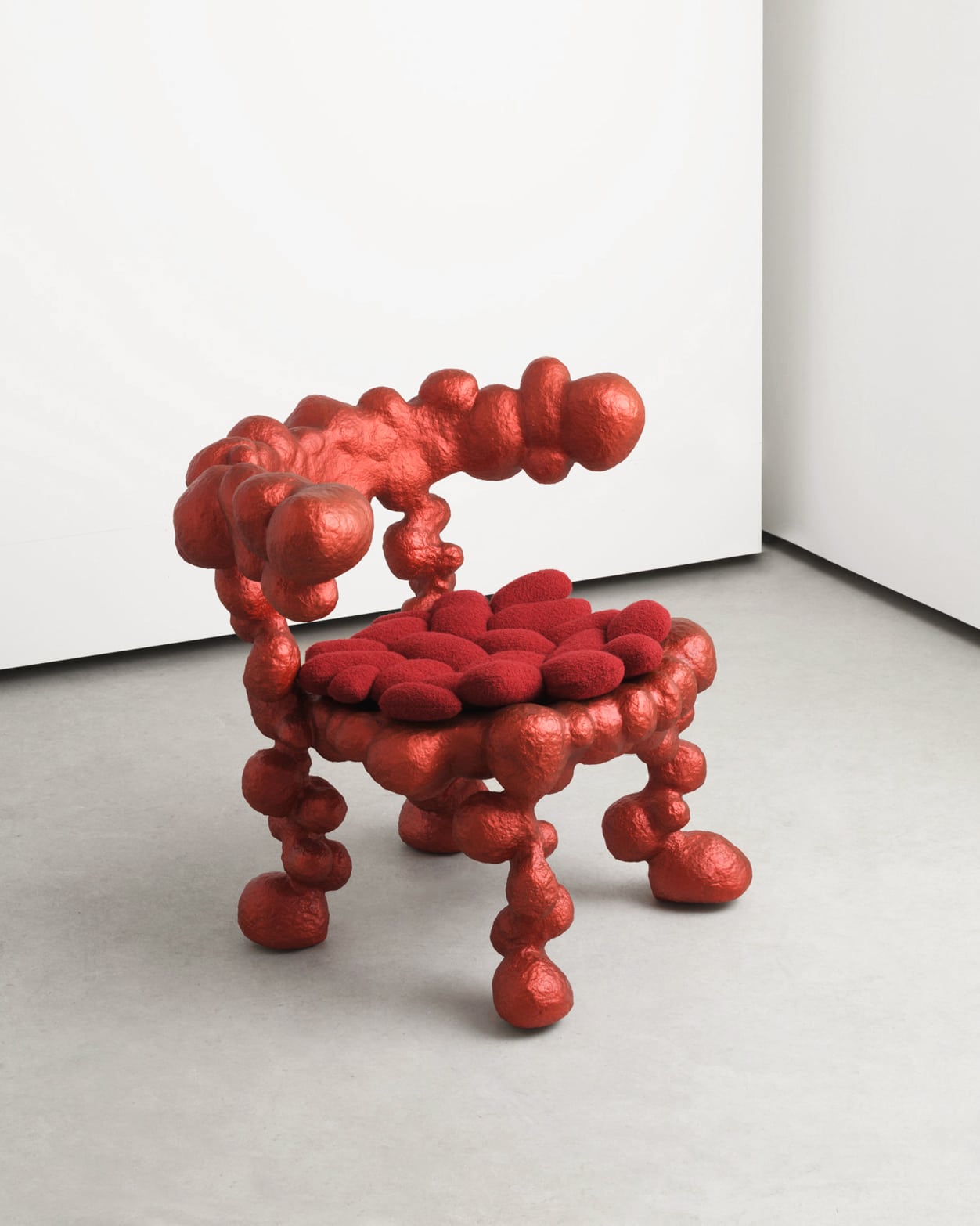
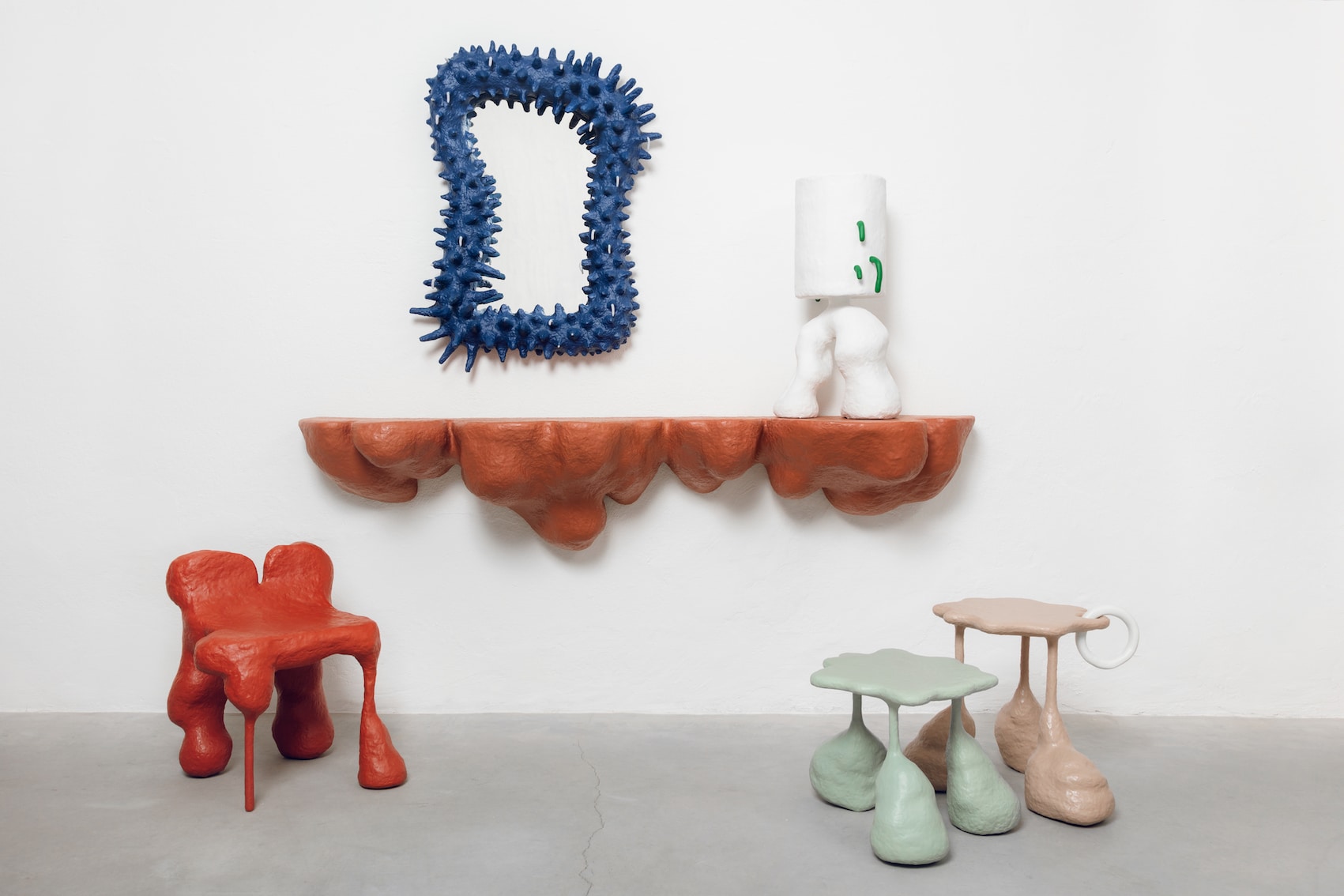
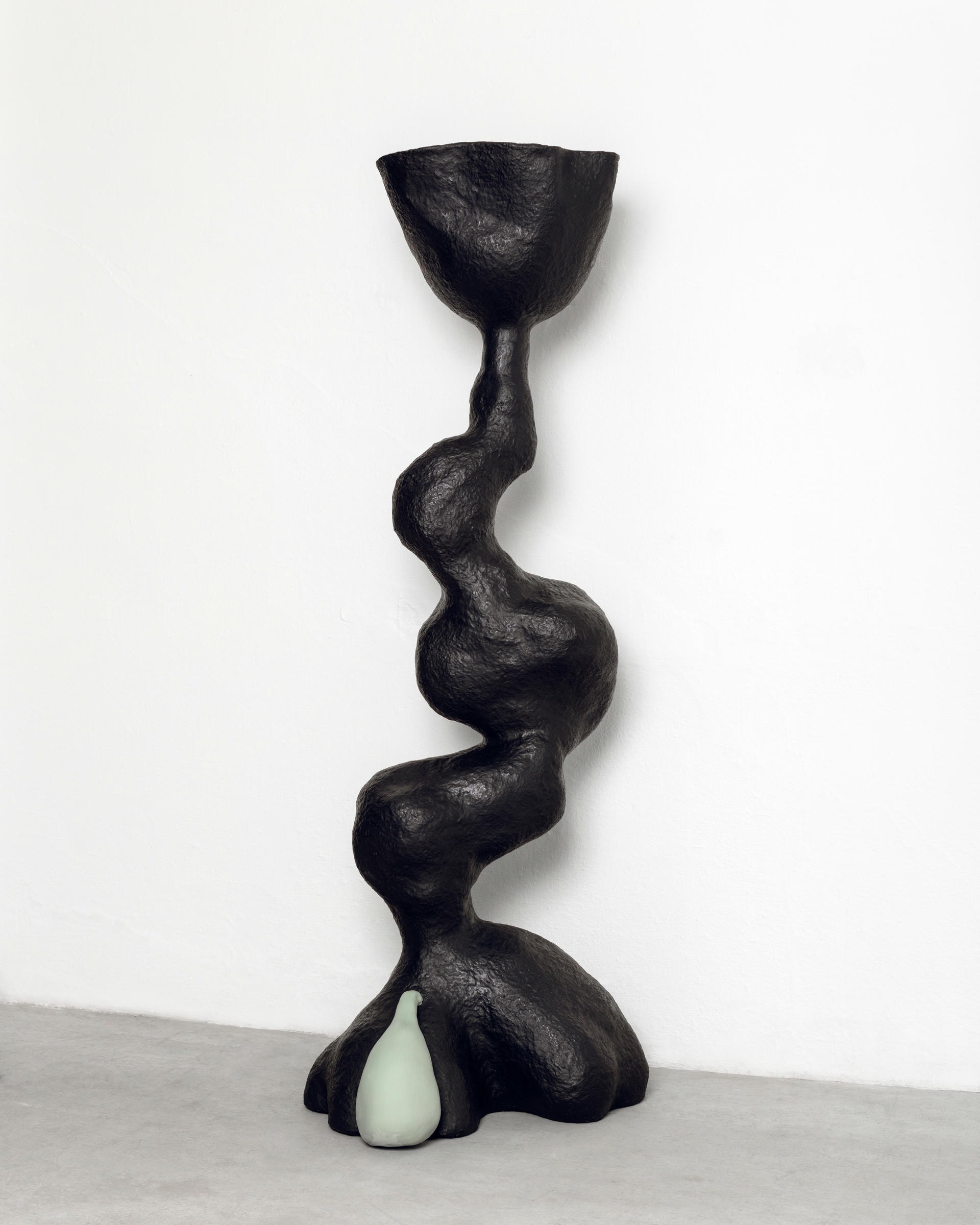
Humberto da Mata is a Brazilian designer based in São Paulo, where he founded his studio in 2012. Trained in architecture and urbanism, his practice is dedicated to the exploration of contemporary furniture, objects, papier-mâché, and ceramics through a process deeply rooted in material research and manual craftsmanship. Working closely with local artisans and small-scale industries, he develops pieces that balance experimentation with a strong sense of tactility and construction.
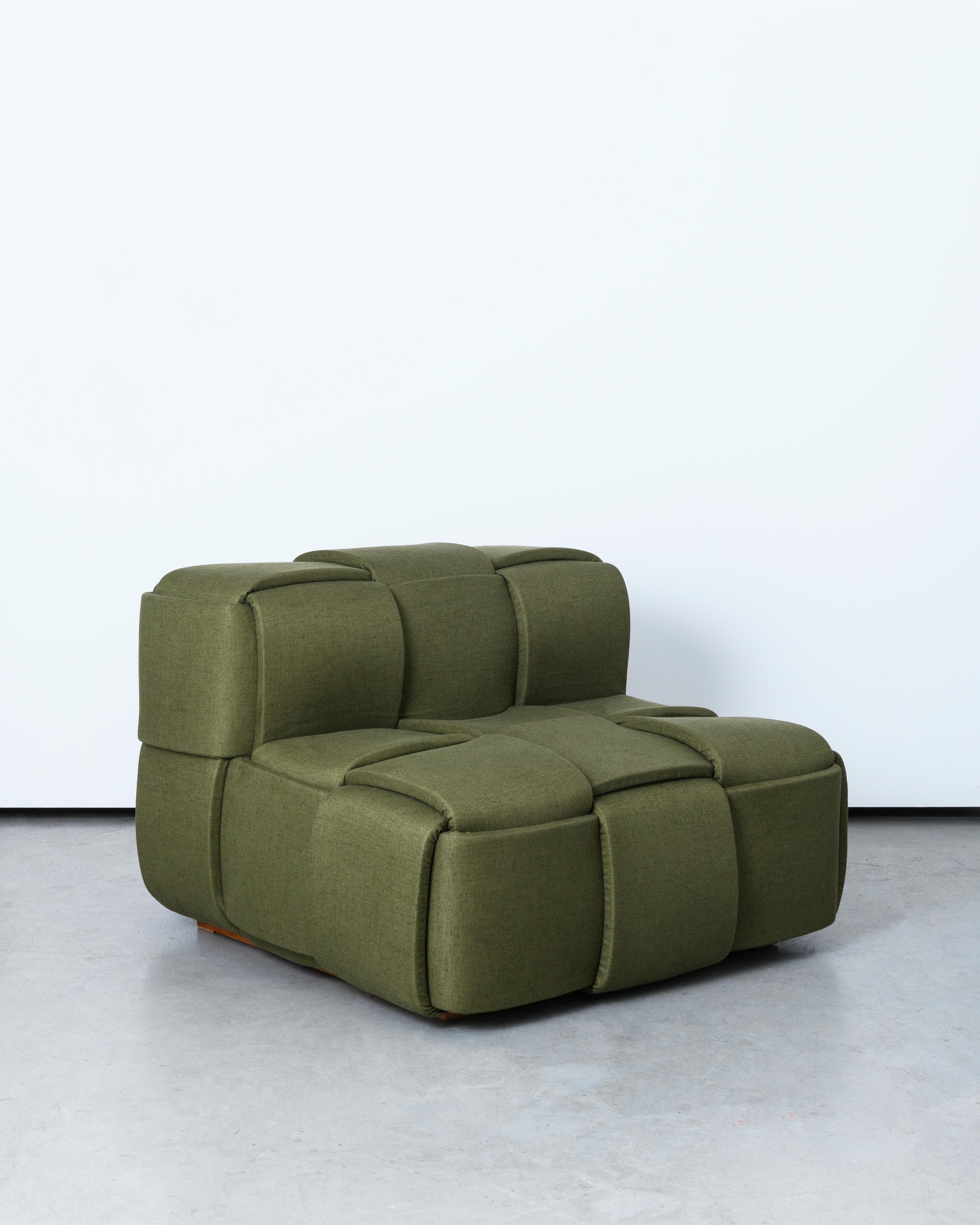
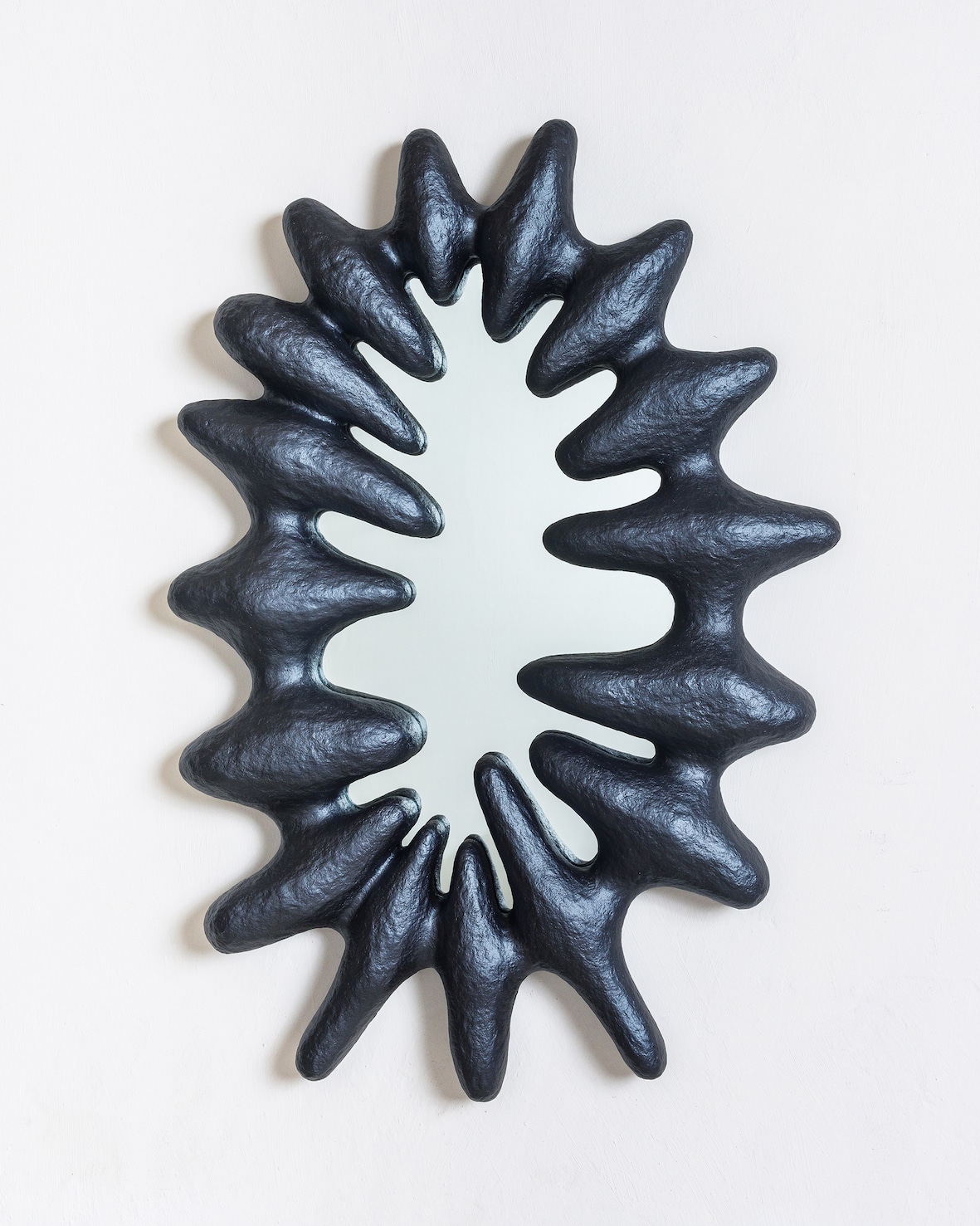
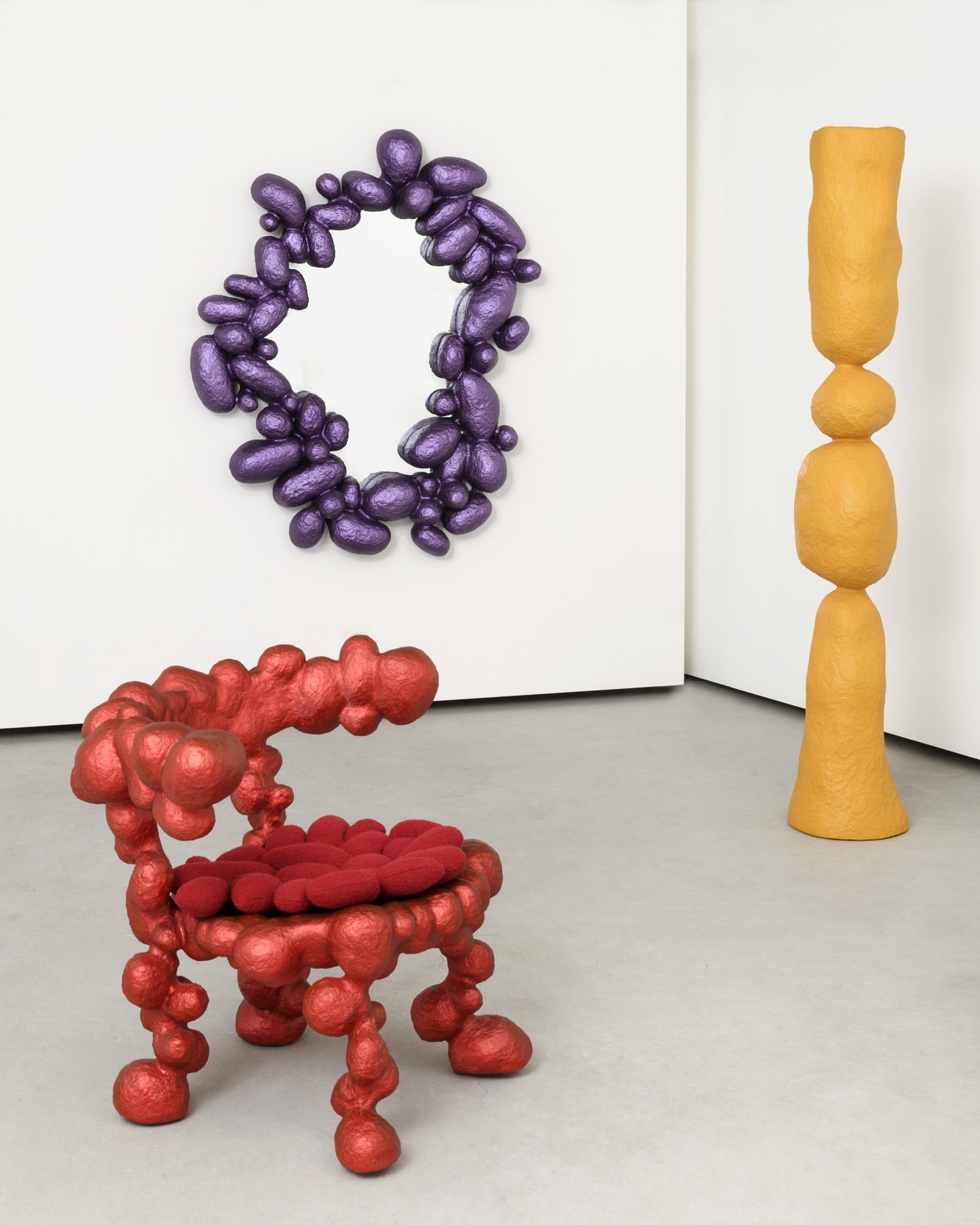
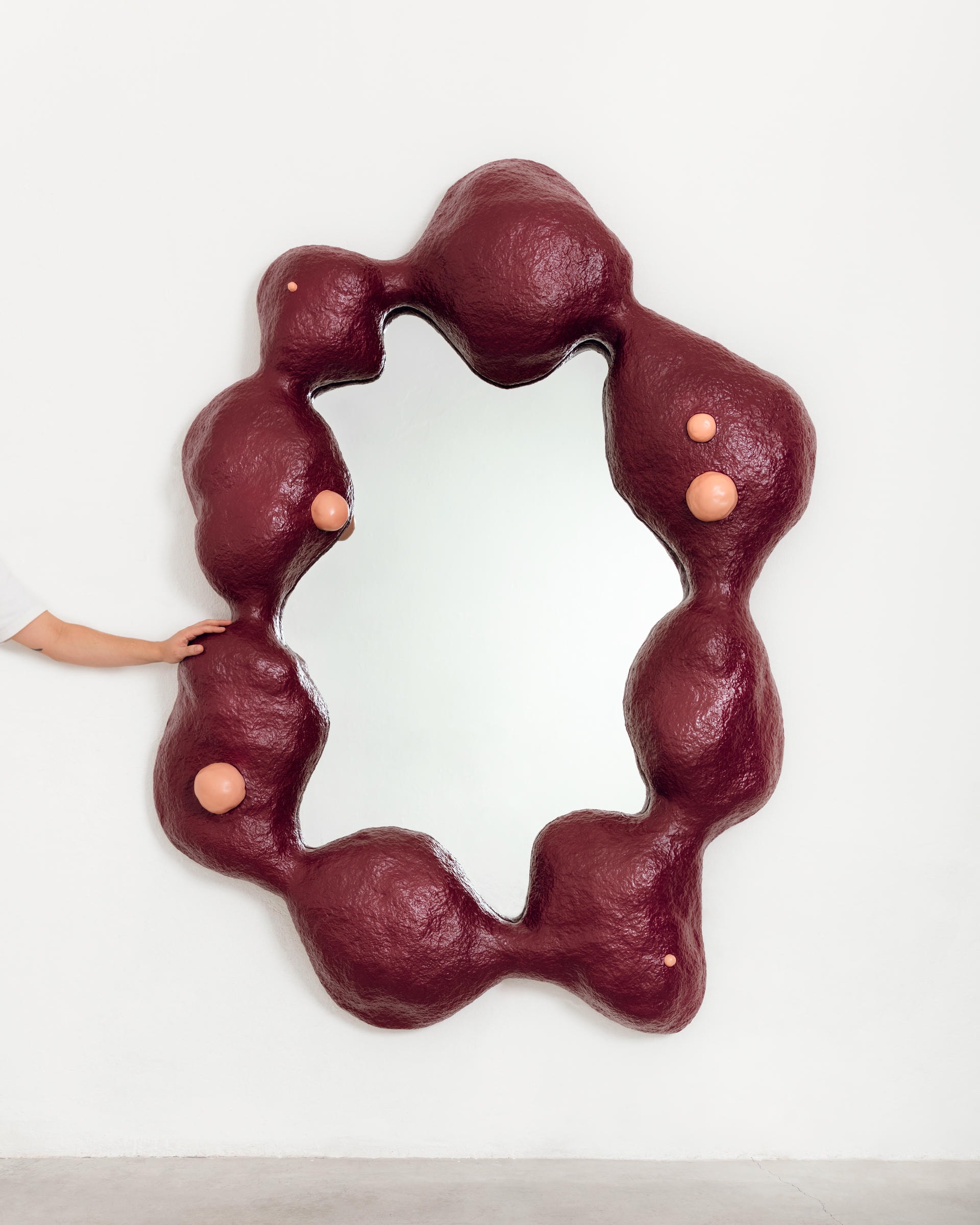
Driven by an ongoing investigation into materials and making techniques, da Mata creates works that blur the boundaries between design, sculpture, and craft. His collections often combine traditional handwork with contemporary forms, transforming materials such as fabric, paper pulp, ceramic, wood, and metal into expressive objects distinguished by their texture, organic presence, and playful character. Through this multidisciplinary approach, he continues to expand the possibilities of Brazilian collectible design.
Interview
I was born in Brasilia, Brazil, in 1987. I’ve been living in São Paulo for the past 11 years.
I’ve been interested in manual activities since I was quite young. As a child, I really liked painting, paper pulp experiments, origami, and cutting shapes in colored paper. I have always been aesthetically stimulated, and studying in a Waldorf school when I was a child presented me with the possibility of artistic creation at an early age.
I graduated in architecture and worked for a few years in the field, but the day-to-day of architecture didn’t please me; in the experiences I had, there wasn’t much creative freedom. I still do some isolated work in architecture; It is a field I’m still interested in today.
After going to a workshop held by Humberto and Fernando Campana, I got in contact with a very free way of thinking about design. This experience showed me that small-scale objects are more dynamic for my creative expression. After that, I moved to São Paulo, worked with them for a short period, and then started to create and produce my own pieces.
I prototype a lot. My process is very manual, so the making is central to learning how my ideas can exist physically. I do some sketches sometimes, but often the pieces are born in the atelier, especially the ones in paper pulp and ceramics.
The inspiration comes from various sources: the work itself (the day-to-day in the studio, learning to manipulate the materials in different ways) and the will to develop a more powerful work. I am also researching a lot of sculptural artists and how they deal with materiality in their work.
In the mornings, I work a little from home, mainly on emails and phone messages. In the afternoon, I go to my studio and work with office tasks and the atelier; this distribution varies a lot from period to period. Often, I work at night – this period is, for me, the best for creation and the quietest when I need total focus.
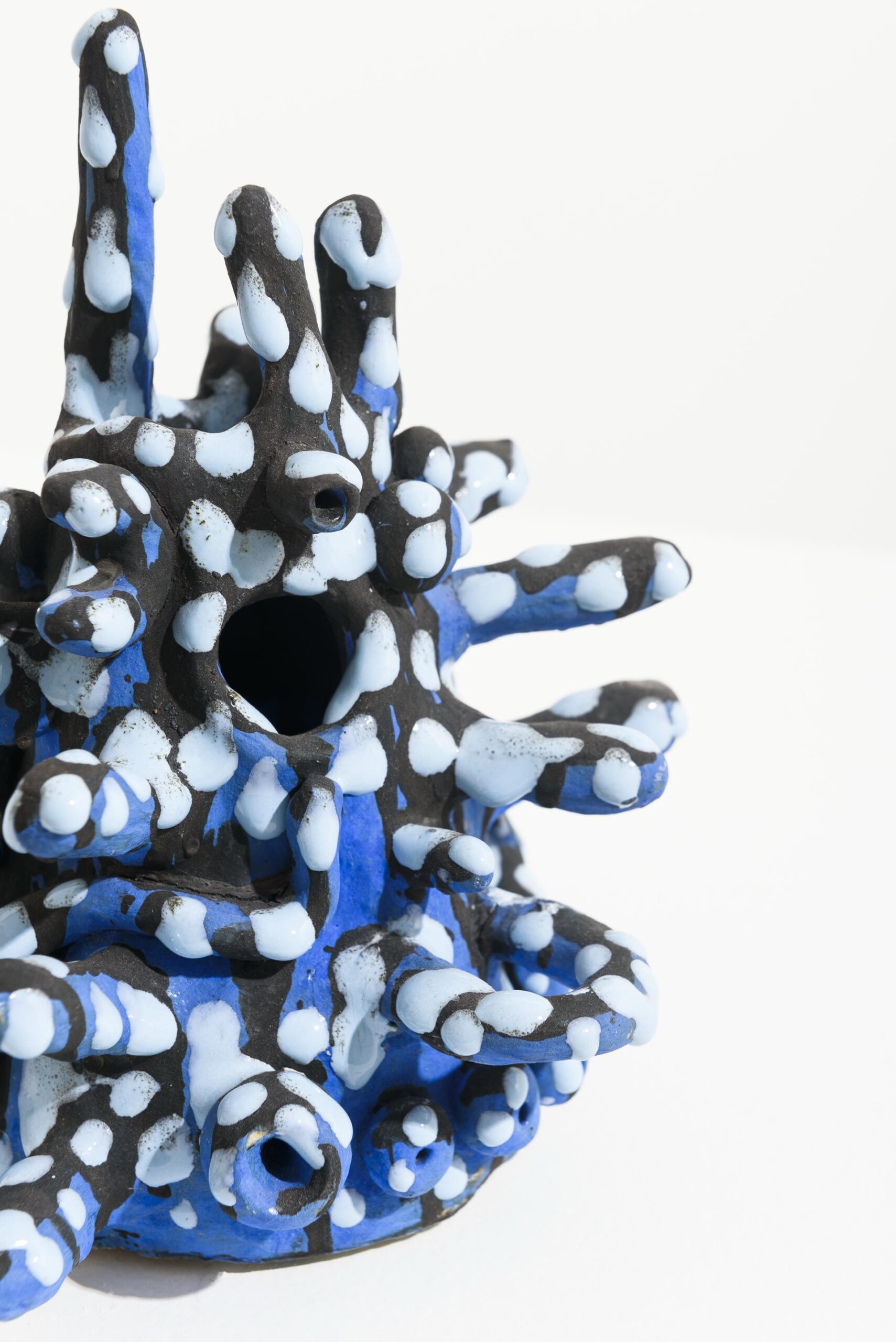
Fabric, ceramics, and paper pulp are the main materials I work with. They appeared in my production at different periods, but they are materials that allow me to do this handmade work. I also have suppliers of materials that I use in conjunction with those mentioned. They are local suppliers of carpentry, steelwork, painting, and upholstery structures.
I have started with hand-woven and stitched pieces, some of them still in production after 10 years in the studio. After some years, I also started to work with ceramics and paper pulp; these moldable materials give me a lot of formal freedom and new possibilities of typologies.
Don’t be afraid to experiment and try new ideas. Study what has been produced and seek inspiration from various sources.
Italian Radical Design movement. (I wish)
Humberto and Fernando Campana, Ettore Sottsass, Gaetano Pesce, Alessandro Mendini, Wendell Castle.
Arlene Schechet, Lucas Simões, Erica Verzuti, Kenneth Price, and Maria Martins.
Studio process.
“Create to exist.”
The Questions
(The Proust Questionnaire is a set of questions answered by the French writer Marcel Proust.
Other historical figures who have answered confession albums are Oscar Wilde,
Karl Marx, Arthur Conan Doyle, Stéphane Mallarmé, Paul Cézanne…)
Nature
Apathy
Overthinking
Lack of empathy
My friends
A horse
Reflective
Perfectionism
To be an authentic person
To be an authentic person
Enfim
Singing
–
A design career in Brazil
A bird
Brazil
My friends and family
Lack of empathy
To be
Inventiveness
The way we support each other
Julio Cortazar, Vinicius de Moraes and Sartre
Don’t have any
–
People that don’t lose the capacity to see beauty in the day-to-day life
Maria
Lack of respect
Not getting rid of some fears earlier
Sleeping
Create to exist
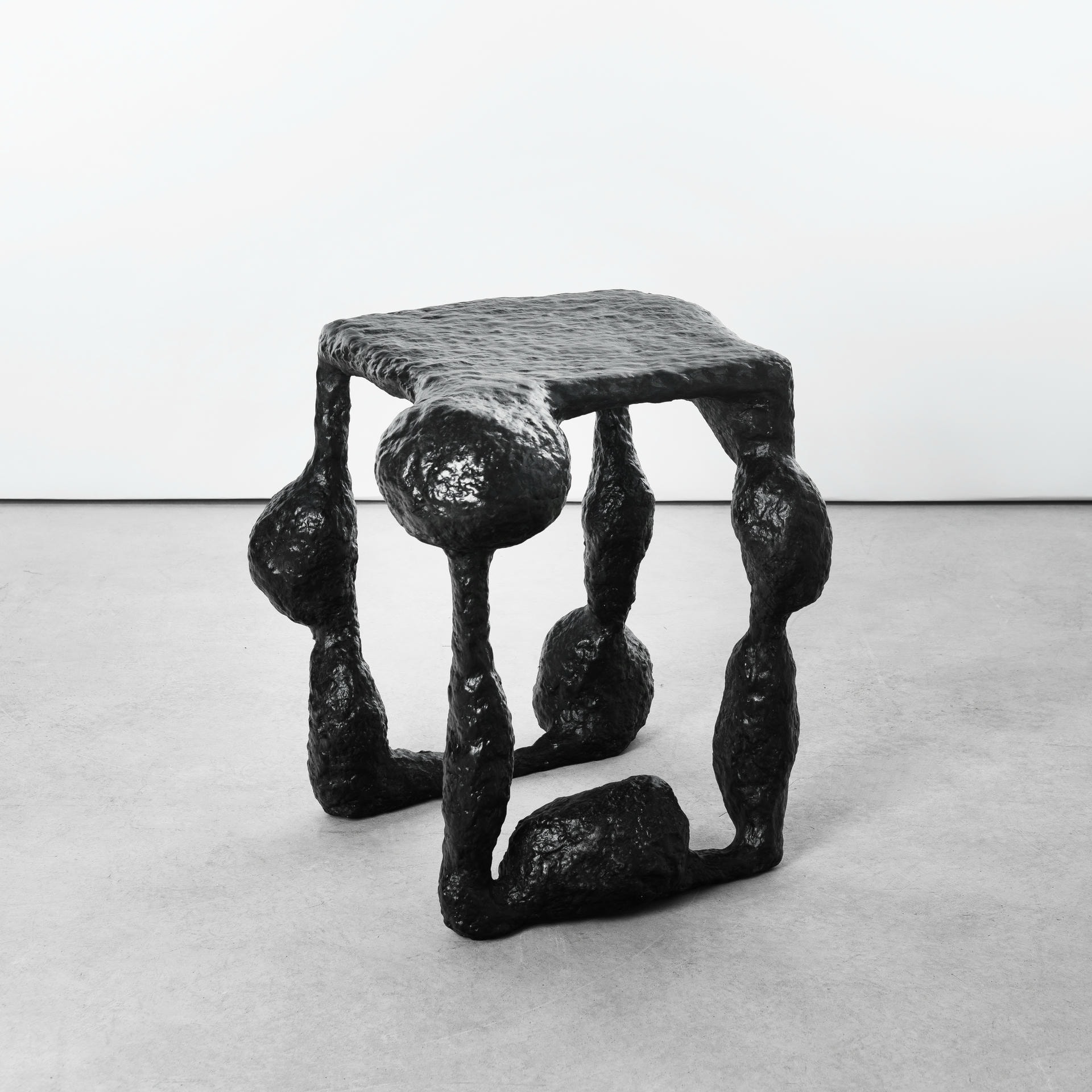
“The making is central to learning how my ideas can exist physically.”
SHARE :