
Increments Studio
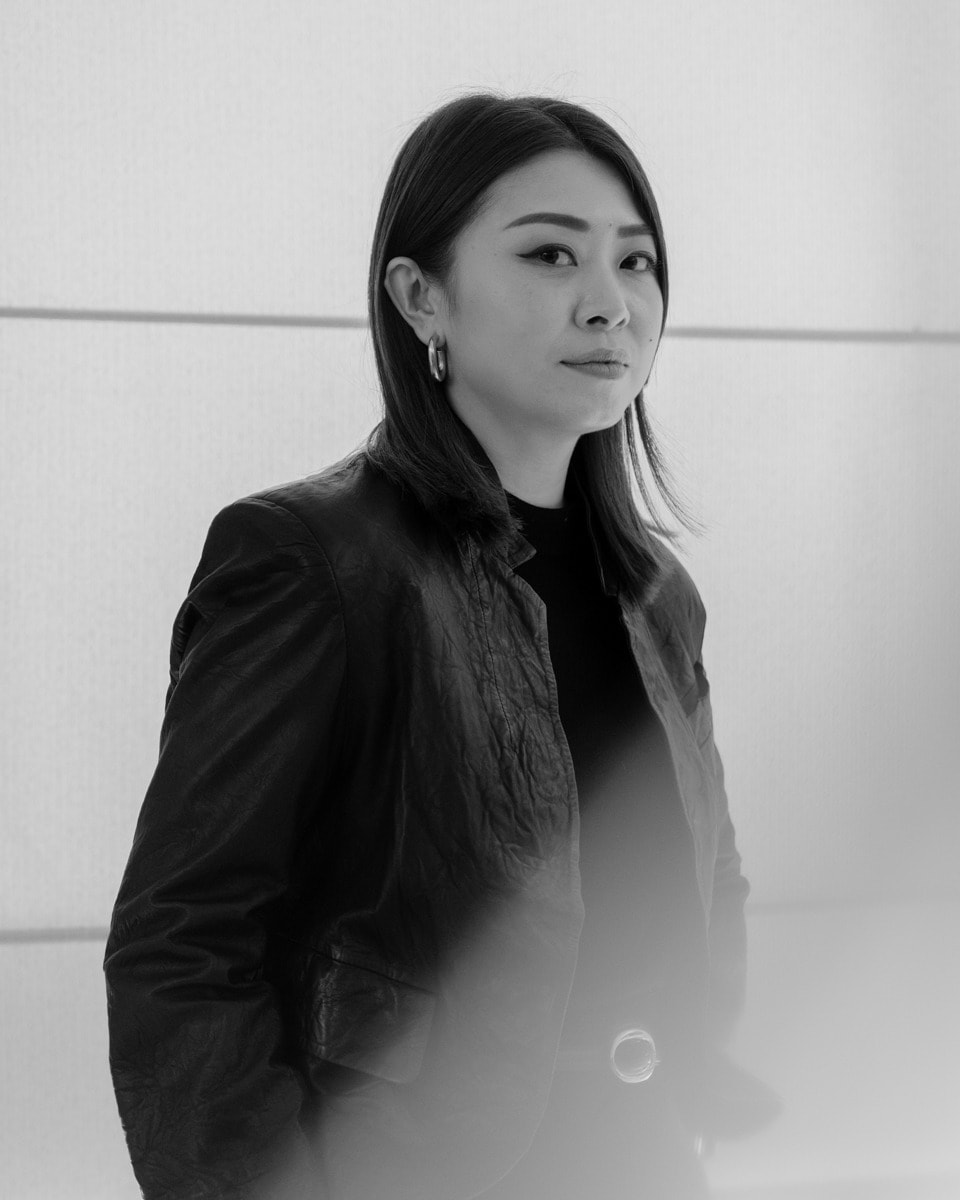
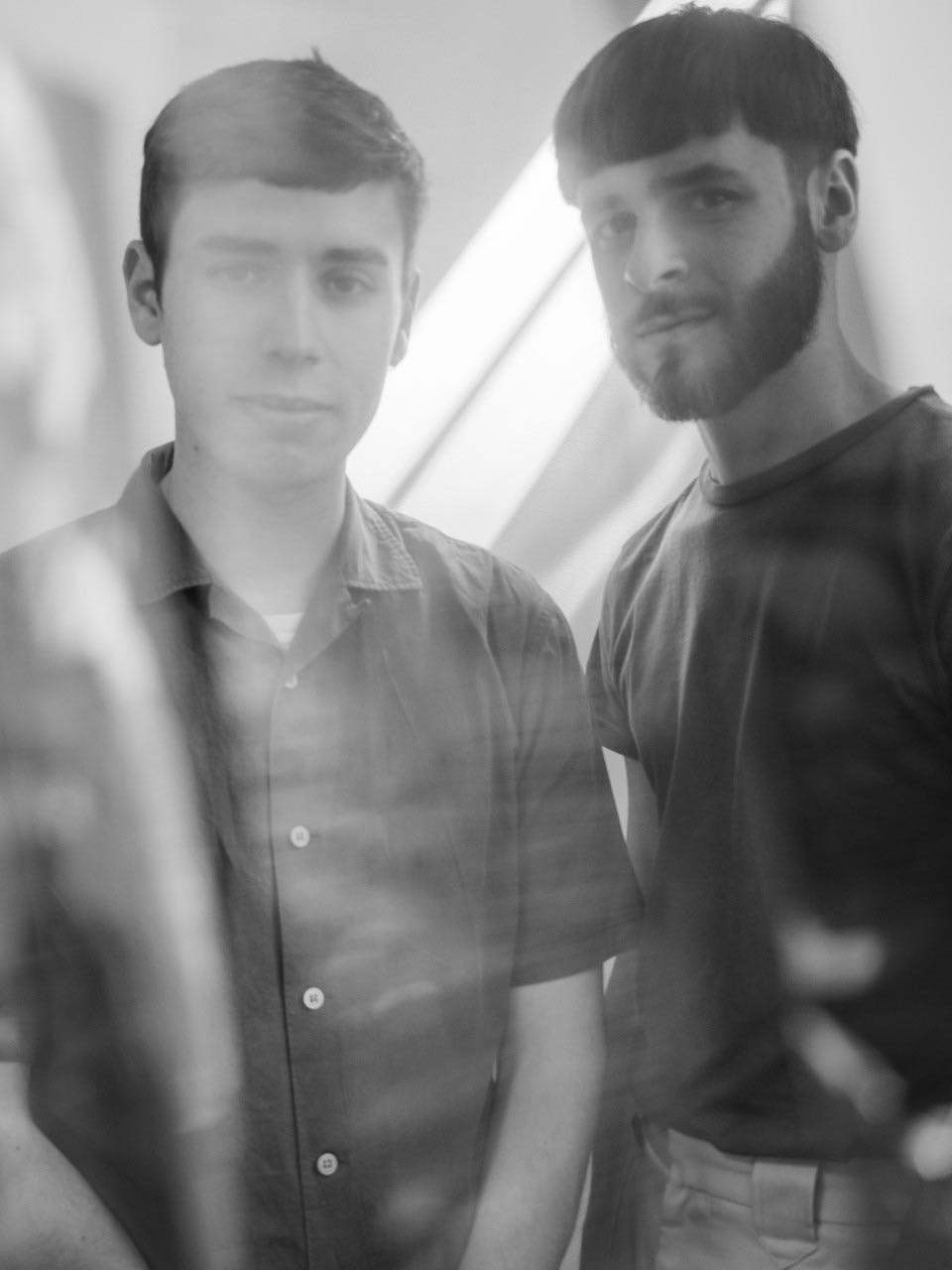
Increments Studio is a Melbourne-based architecture practice founded by Naomi Ng and Liang Hu, whose work explores the intersection of architecture, interiors, and spatial experience. Guided by a philosophy that architecture should resonate rather than demand attention, the studio creates spaces defined by quiet restraint, material sensitivity, and a profound connection to their surroundings.
Approaching each project as a unique response to its context and users, Increments Studio places particular emphasis on light, materiality, proportion, and atmosphere, crafting environments that are both grounded and poetic. Their practice spans residential, hospitality, cultural, and installation projects, united by a commitment to resource-conscious design and meaningful human experience. Recognised internationally, the studio’s work has received accolades including the Dezeen Awards and Architizer A+Awards, reflecting an approach where architecture becomes a vehicle for reflection, belonging, and enduring emotional resonance.
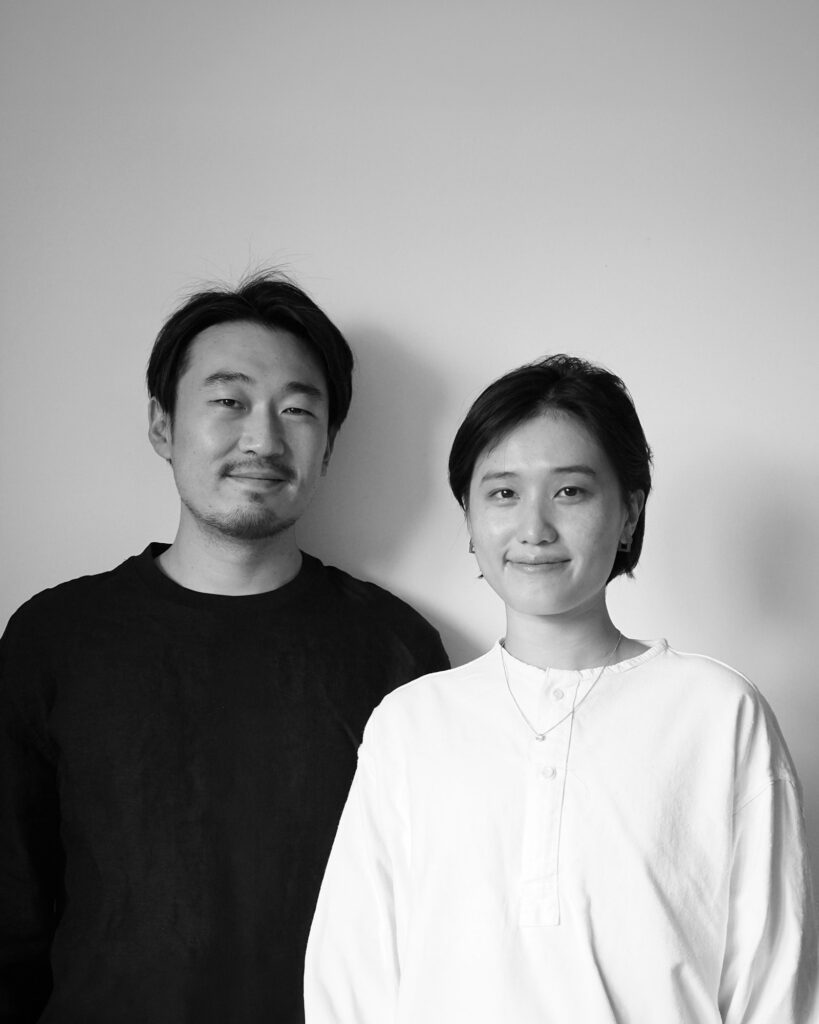
“No one can experience the ideas inside your mind if you keep them locked away.”
INTERVIEW
Neither of us actually started out intending to be architects; Naomi originally set out to be a designer in film and theater, realizing later that there was so much overlap with how spaces can tell a story. Meanwhile, Liang was pursuing engineering but ultimately leaned more toward the more creative side of problem-solving. Architecture became the perfect convergence point for both of us—a space where logic, narrative, and cinematic atmosphere could meet.
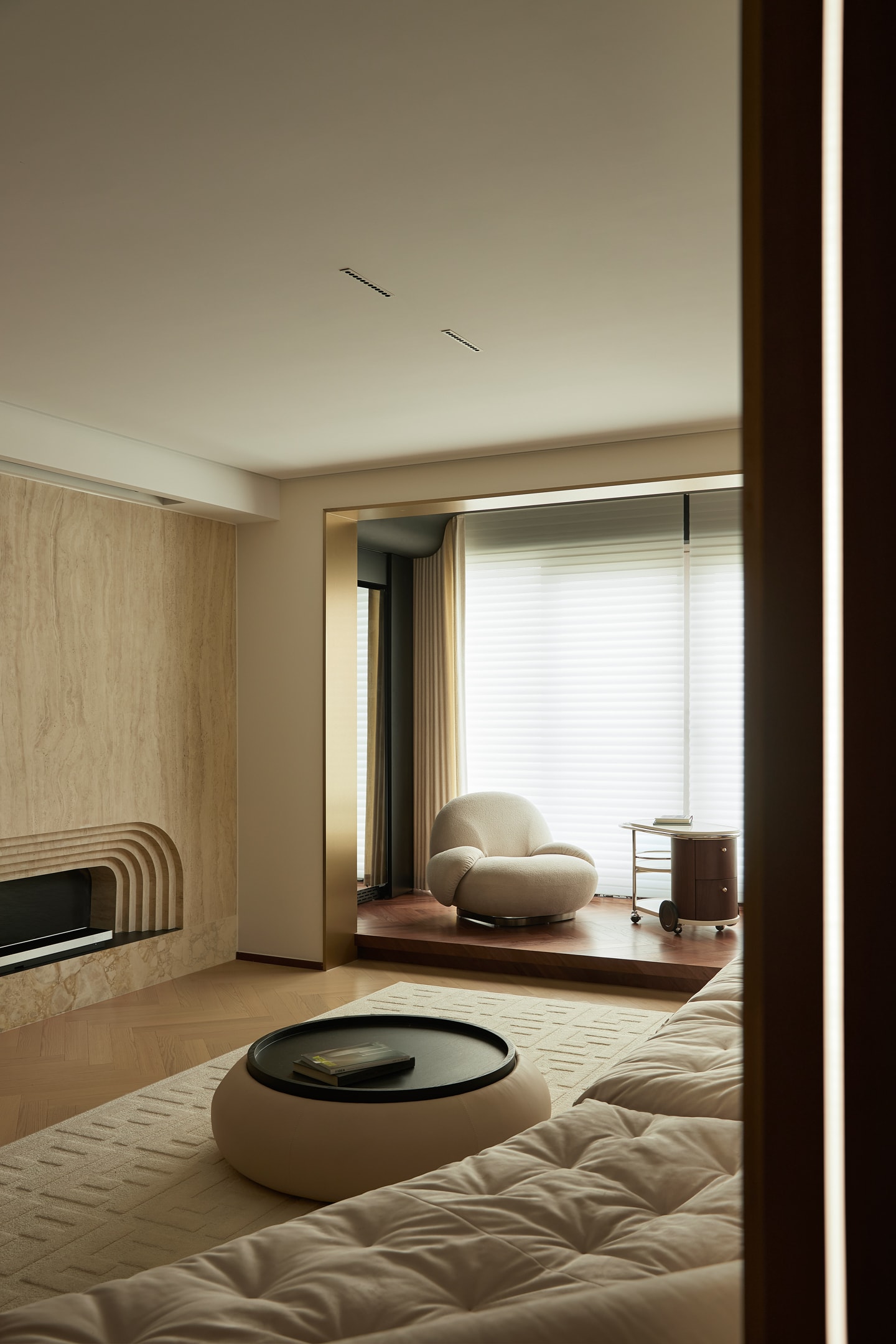
We believe architecture should fundamentally respond to its local context and conditions. Our approach always starts with deeply understanding the site and its environment, letting those native factors organically guide the design so the resulting project feels intrinsically tied to its location. Once we understand the site’s physical parameters, we shift our focus to the atmosphere and emotion of the spaces. We ask ourselves: How do we accentuate the inherent characteristics of this land? How do we want people to experience it? What does the procession feel like?
It is a bit of a bottom-up approach where we prioritize the emotional journey and the immediate sensory experience of a room. The overall plans, spatial programming, and macro-level logistics usually string together afterward, meeting our atmospheric concepts right in the middle.
We describe our practice as thoughtful, bespoke, and quietly powerful. Today, we are constantly surrounded by buildings that are incredibly loud in their presence, demanding attention and positioning themselves as grand spectacles. For us, good architecture works differently—it resonates rather than shouts.
We focus on creating places that support a sense of presence, reflection, and a deeper connection between people and their environments. This guiding philosophy drives us to focus less on visual acrobatics and more on how spaces actually feel, the atmosphere of specific moments, and the quiet sequence of experiences as someone moves through a building. It grounds people and encourages an awareness of their immediate surroundings.
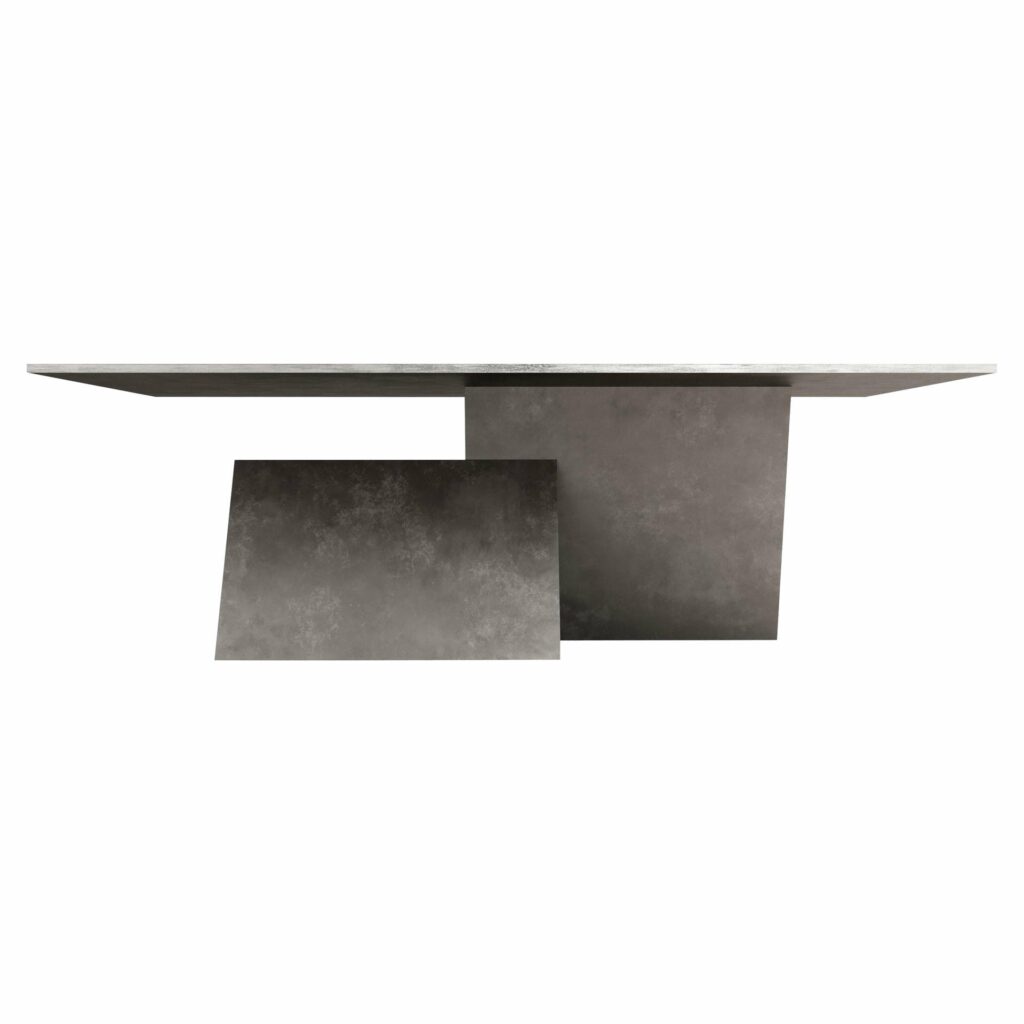
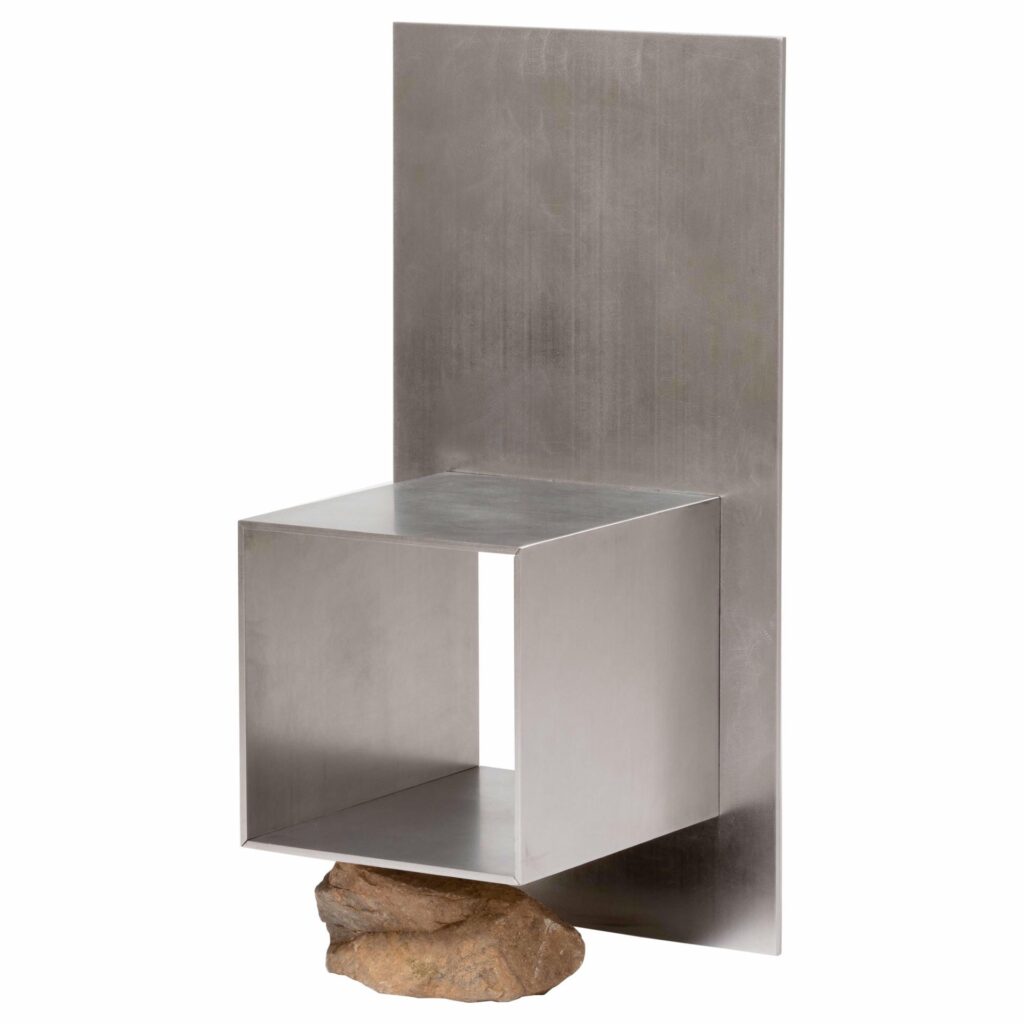
To be completely honest, that fluid relationship across scales is something we are still exploring ourselves. We try very hard not to enforce a rigid “signature style” or limit the spatial language we use. Instead, we find that coherence comes quite naturally. It derives from our shared values, our approach to design problems, and the instinctive weight we place on the things that matter most to us—regardless of whether we are designing a building facade, an interior room, or a functional object. I think what matters to us will somehow shine through our work.
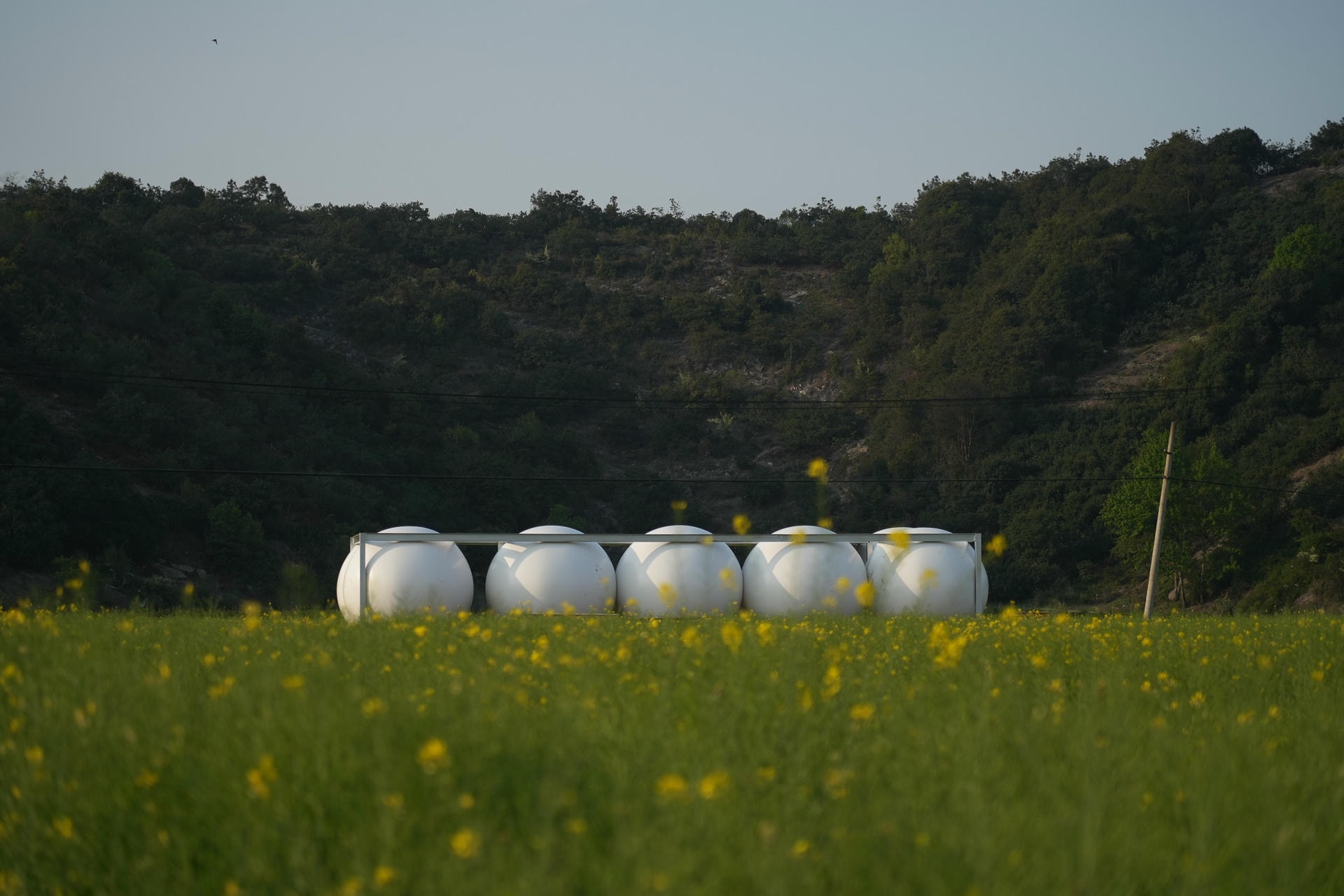
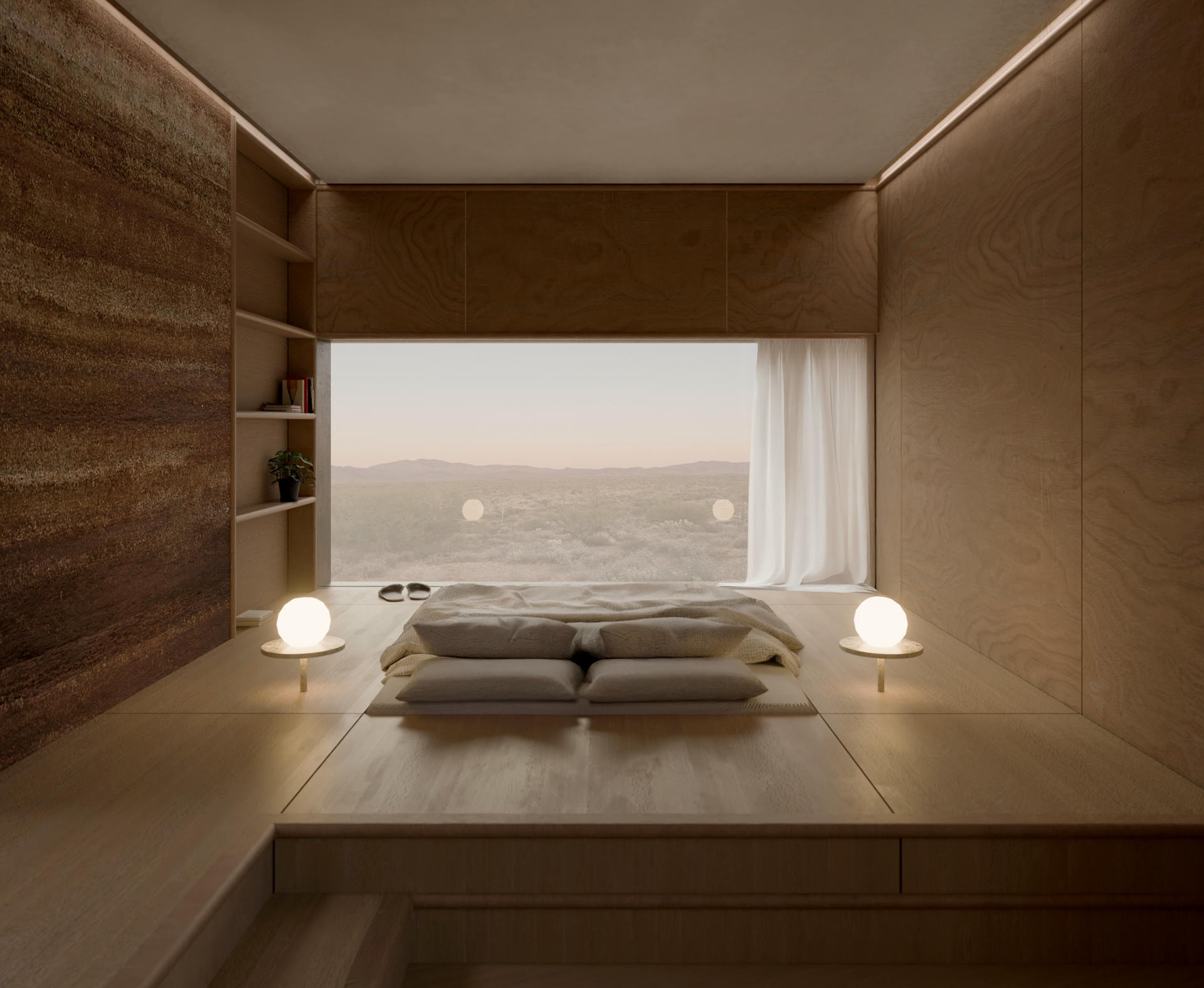
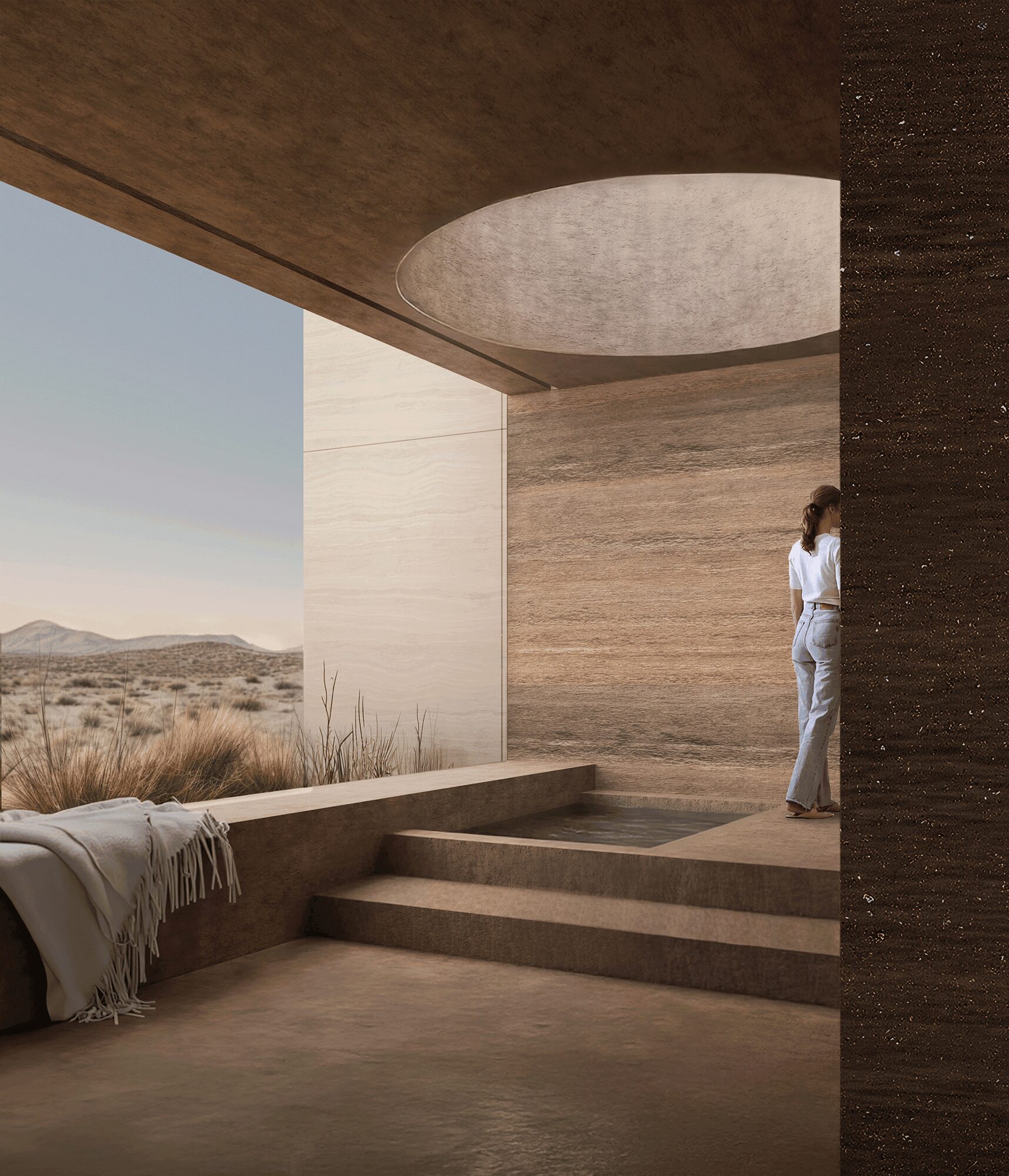
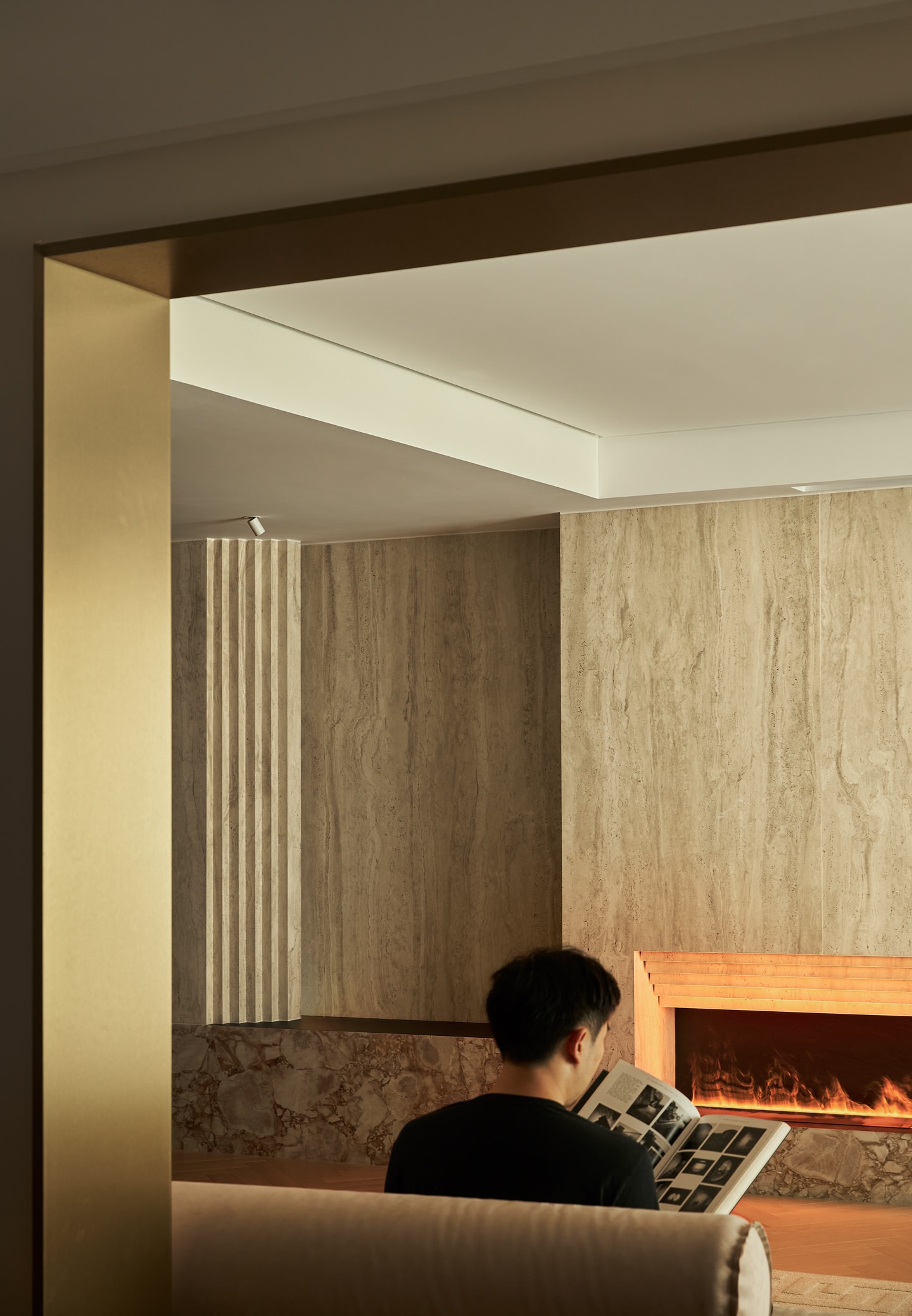
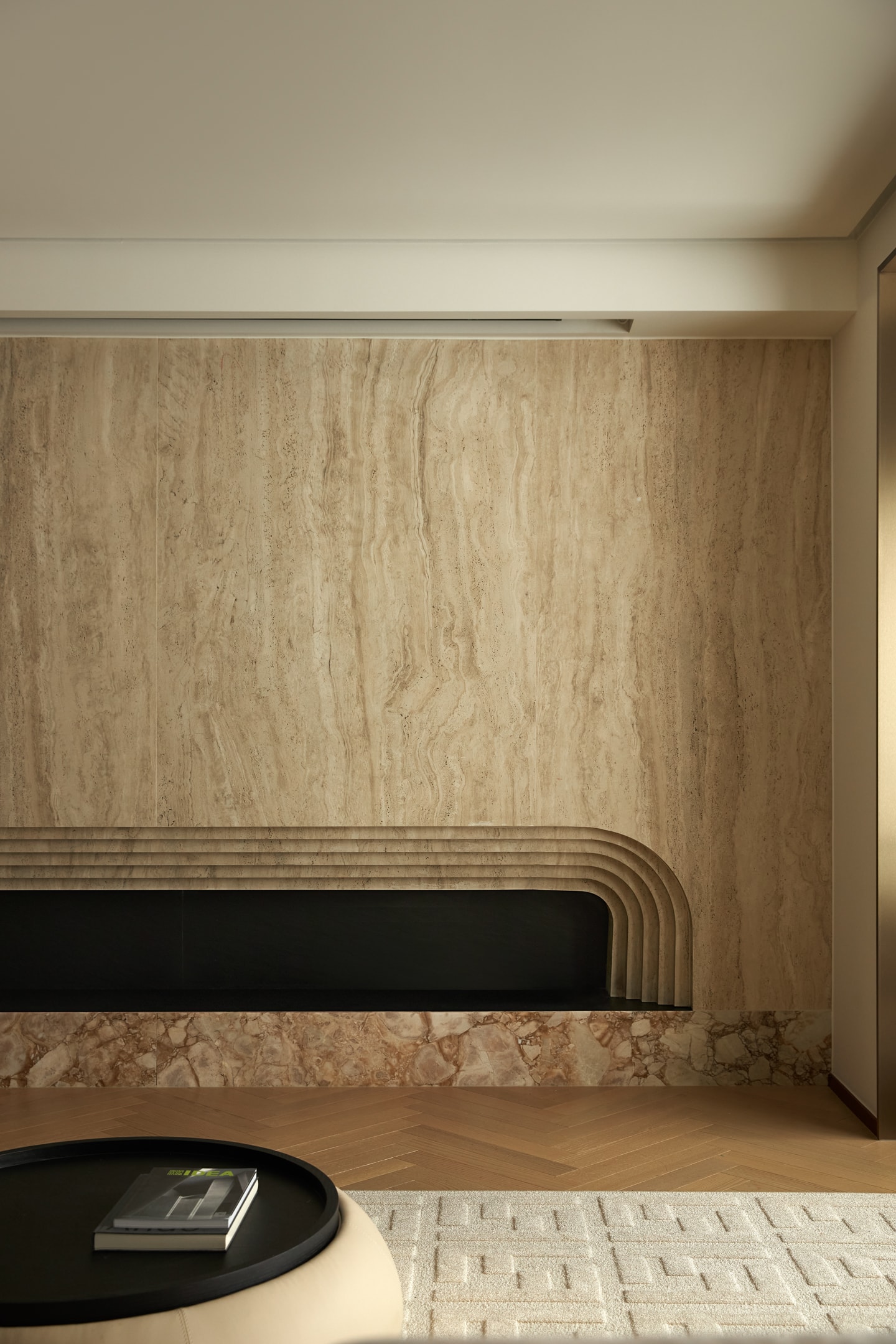
We find immense beauty in rawness, so we always look for ways to honor and enhance material truths. Material selection is intimately tied to locality and is really important in establishing a project’s atmosphere. For example, if a space needs to evoke the visceral sensation of squeezing through a narrow canyon, we instinctively lean toward fluid yet heavily striated materials like rammed earth.
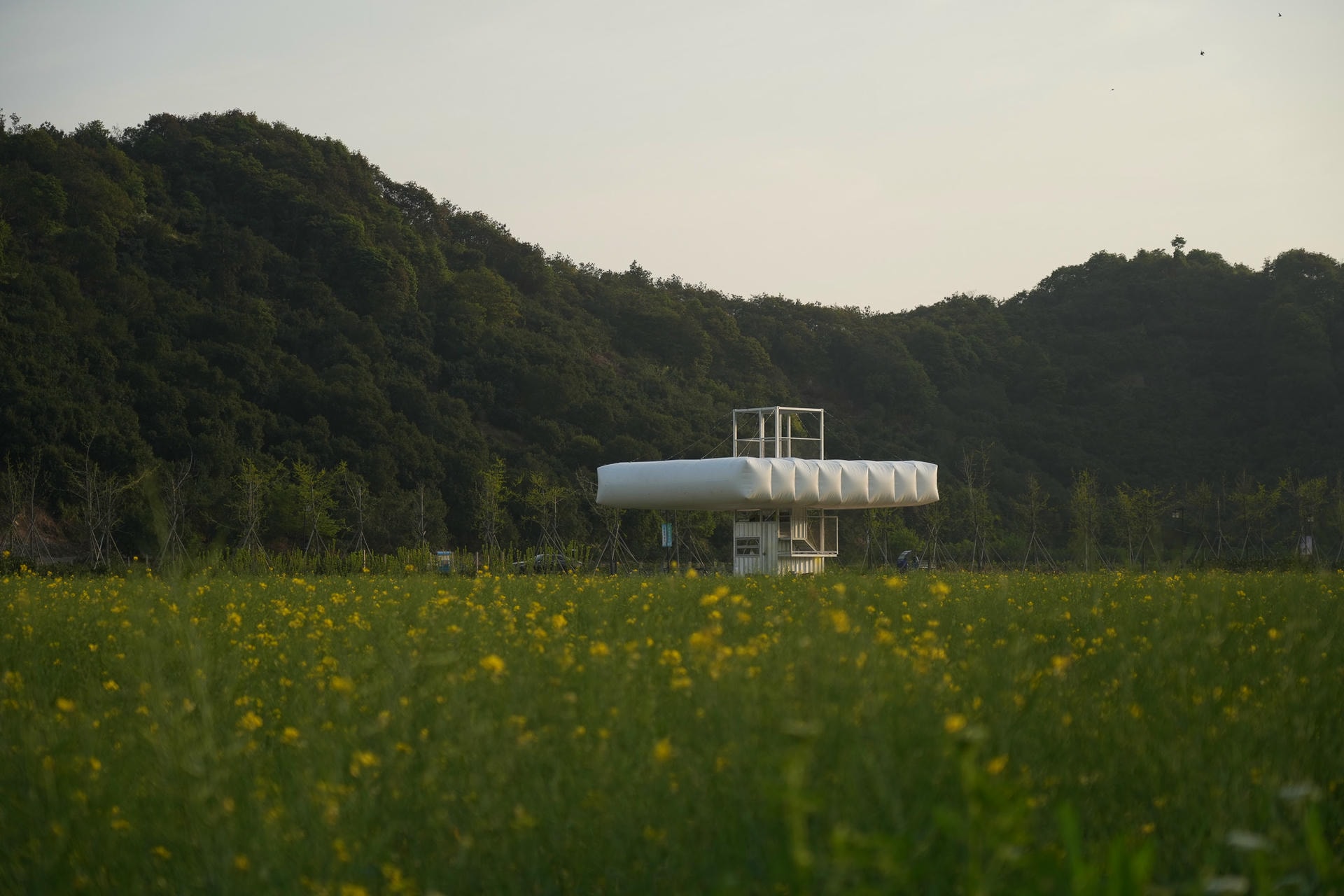
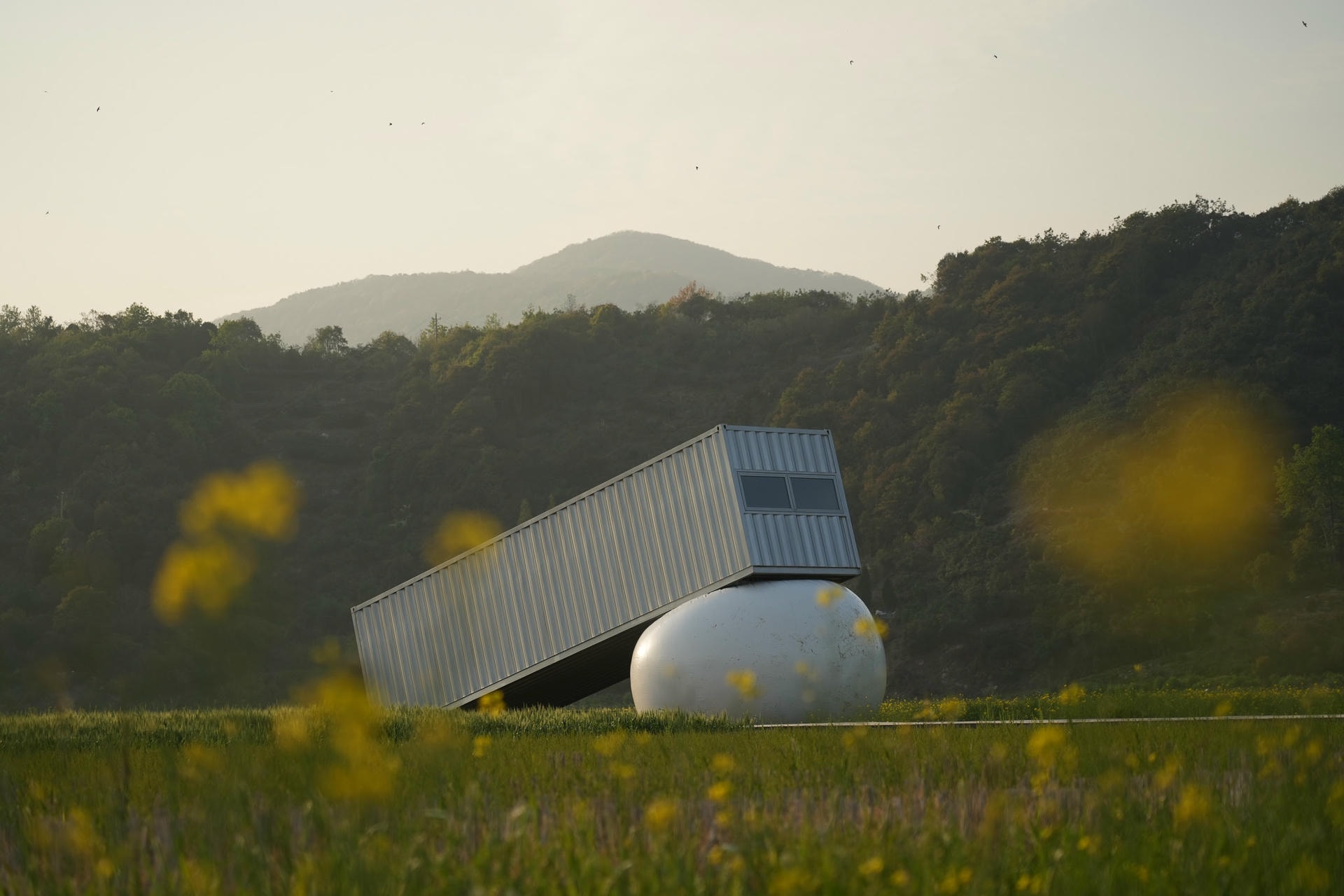
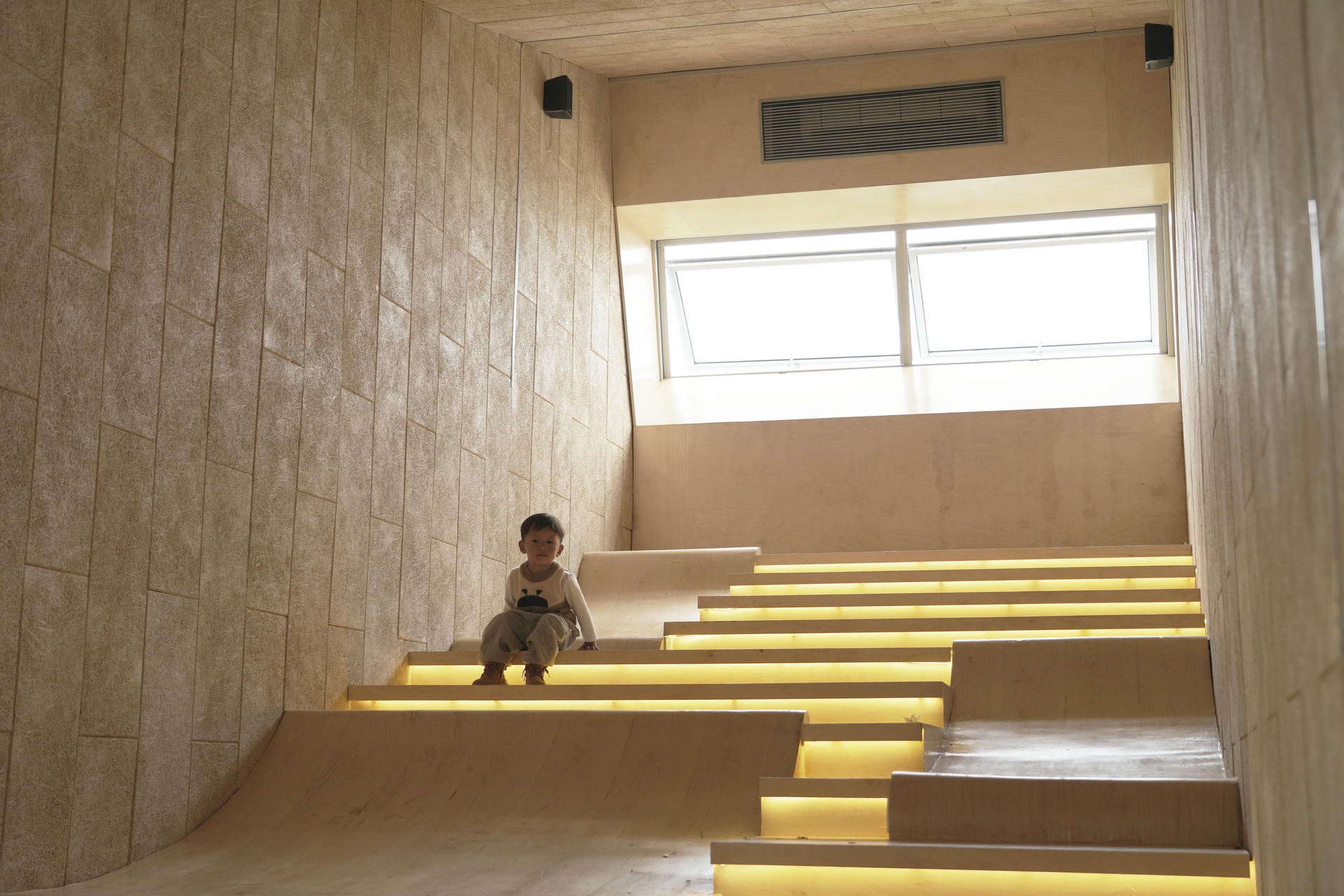
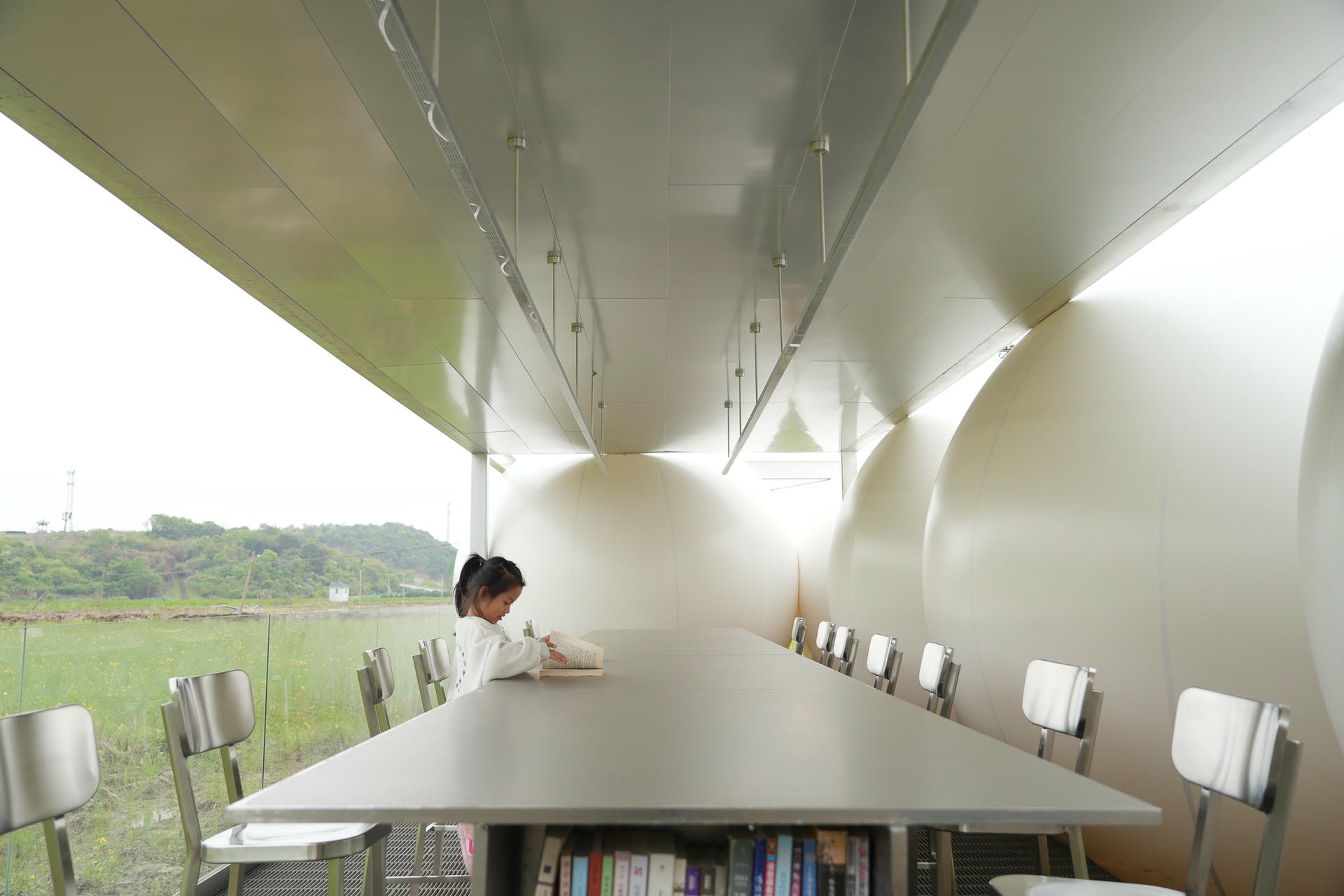
Conversely, for our project Down in the Clouds, we deliberately wanted to contrast the site rather than mimic it. We used PVC and metal to create a sense of unfamiliarity with scale and material, creating an intervention that feels somewhat alien to its environment.
Among our built works, Down in the Clouds holds a special place for us. It was one of our very first projects built as a young practice, and collaborating on it with our friends at Practice on Earth infused the entire process with an experimental spirit, particularly in the unfamiliarity of scale and material. But beyond the design itself, what really sticks with us is the visceral, real-world impact it had on the local village community. We can plan and design for a specific impact, but the unexpected ways a community actually lives in and embraces a space is often far more meaningful.
If we’re including ongoing work – we also have a project in Tibet that we are incredibly proud of – it’s brewing in the background, but we’ll have to wait for this one.
Naomi: If I had to pick just one, it would be the Water Temple by Tadao Ando. To me, it is a perfect representation of an East Asian understanding of space, which offers a beautiful counterpoint to the Western canon we grew up studying. Within an incredibly small footprint, it masterfully orchestrates anticipation, emotion, and atmosphere through a carefully crafted journey and procession. It simultaneously forces you to feel intimately present with nature while becoming deeply aware of your own consciousness. It is such a tight, conceptually pure project that you couldn’t remove a single wall without entirely altering its effect.
Liang: For me, it is the Brion Tomb by Carlos Scarpa…Because… why not?
The most challenging part of the profession is trying to communicate and justify the value of beauty to clients, visitors, and non-architects. Beauty is easy to criticize for its vanity, notoriously difficult to quantify, and doesn’t translate on the pro forma. But it is also impossible to pretend that it’s not critical in the way spaces are created and consumed. Like in Fine Art, beauty is part of the profession’s history and legacy. Beauty creates value. Convincing stakeholders that a deeply felt, atmospheric space fundamentally impacts human well-being is difficult when there are very real practical, budget, and schedule limitations that set the norms in our industry.
We always find our ultimate inspiration in nature. Whenever we need to re-center our practice or our minds, we simply find a way to be in natural environments—absorbing the textures and the light, along with their messiness in the landscape.
The architectural landscape has shifted so dramatically over the last few decades that it sometimes feels as if it has turned over a new leaf. Today, there is a much higher cost for taking risks. Risk aversion isn’t just an economic issue; it is deeply systemic. We are operating within an environment bound by heavy legal liabilities, hyper-standardized industry norms, and procurement models that prioritize predictability over innovation. This is often instilled early on—genuine experimentation is frequently reframed as a compliance liability rather than a vital creative pursuit.
I don’t think a paradigm-shifting project like the Centre Pompidou would get built in today’s climate. While much of this caution is understandably a reflection of our current times, we still romanticize a period when there was a broader appetite for daring ideas. We hope more projects can carve out space where architects and builders can collaborate on-site and actively challenge conventions.
While we haven’t tied ourselves to a specific motto just yet—we’re letting that naturally take shape as we continue to grow and evolve—we do strongly believe that architecture is something to be felt, not just seen.
When you are starting out, there will be a vast number of experienced professionals giving you advice that worked specifically for them. It is easy to fall into self-doubt, but it’s vital to remember that what worked for their journey might not align with yours. Learn to listen to the people who can gently remind you of who you are, and become a true student of your own craft and intuition.
Secondly, I see so many young talents who are ambitious but don’t know where to start. Just start creating things, put them into the world no matter how small or scrappy. Don’t fear judgement.
The world is reactive; opportunities might show up in the most unexpected places. No one can experience the ideas inside your mind if you keep them locked away. Bring them out into the real world, and the rest will follow.
Thank you so much Naomi and Liang, for this lovely interview!
Share article :

Naomi’s pick