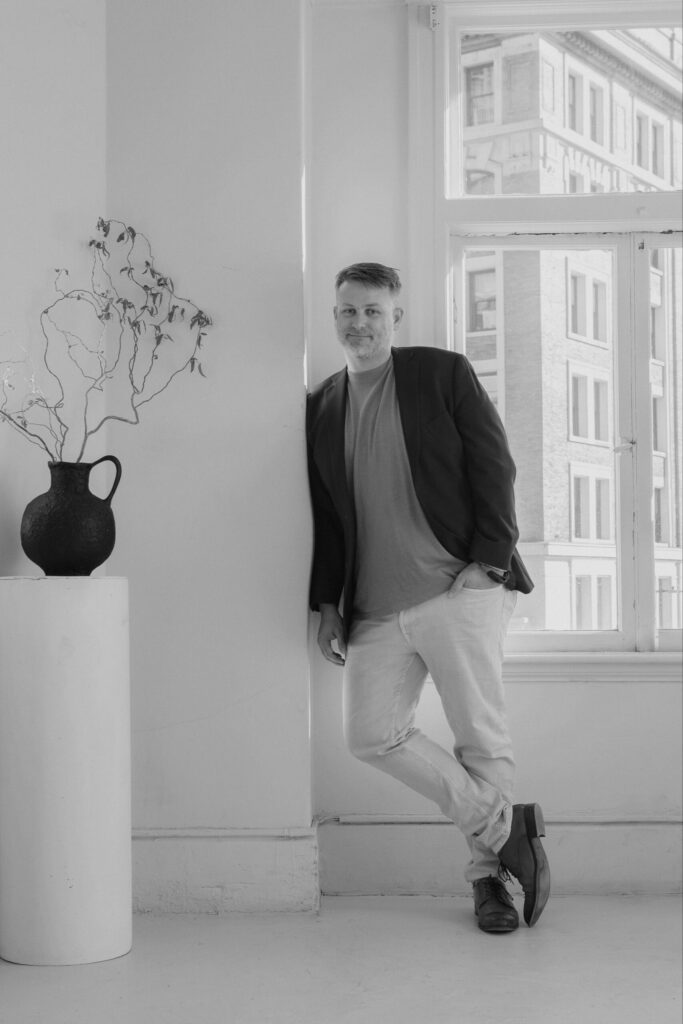
Jamie Banfield
Jamie Banfield is the principal designer of Jamie Banfield Design Inc., based in Port Moody, British Columbia. Originally from Wales and later settling in the Pacific Northwest, Jamie developed an early interest in architecture and design, influenced by his father’s work in construction and his own penchant for DIY and creative exploration. His style is often described as relaxed yet sophisticated West Coast, with an emphasis on natural materials, layered textures, and thoughtful functionality. Over the years, Jamie and his team have been recognized for their work in Canadian residential design, and he frequently shares insights at home and design shows across the country.
“Understanding how people live rather than just how they want things to look.”
INTERVIEW
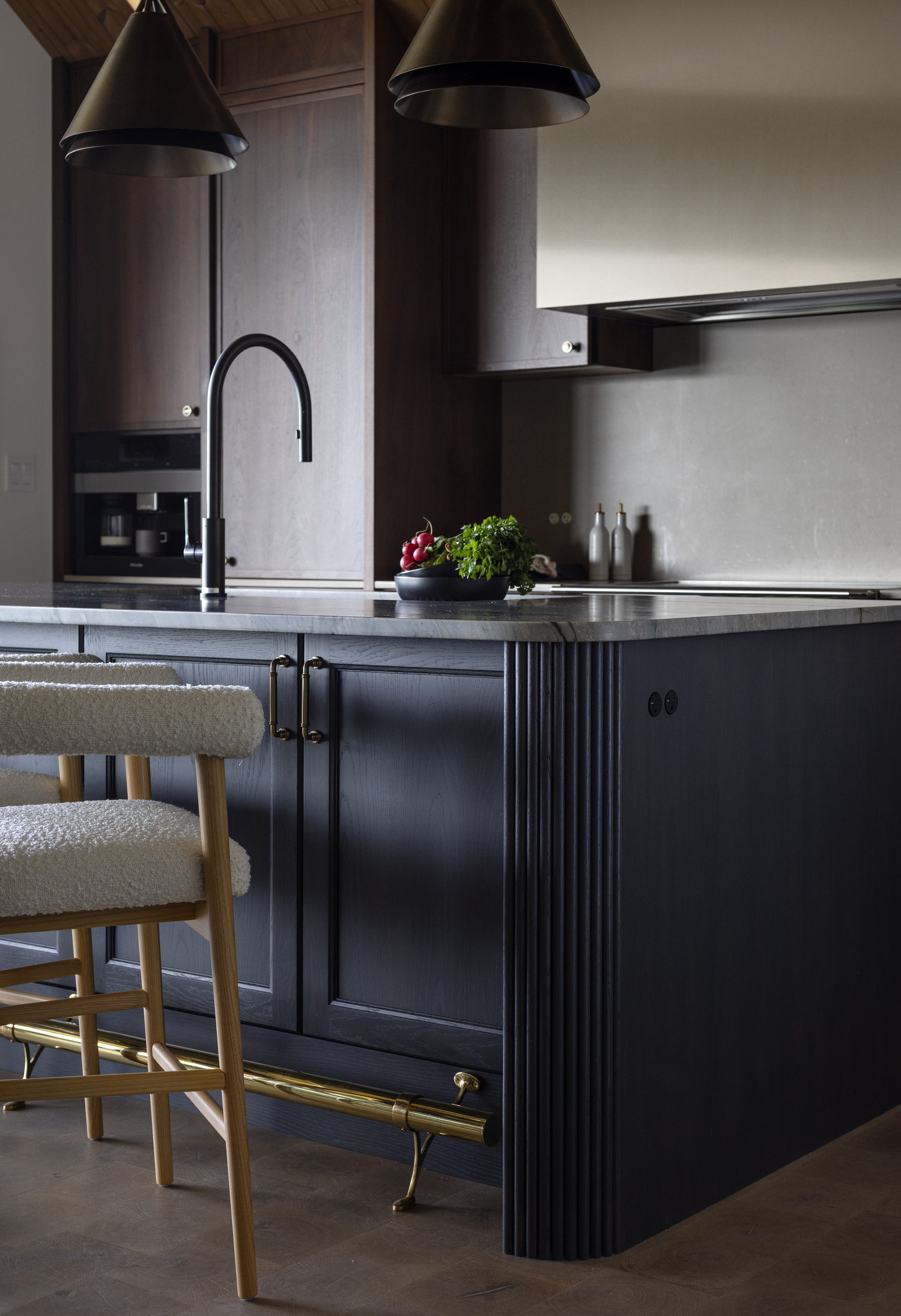
My signature style is relaxed, sophisticated, and West Coast-inspired. Natural wood tones, stone, texture, and well-balanced light and space are key. My mantra would be: Thoughtful design for real life. I always say: don’t pick a label like “modern” or “traditional,” pick the feeling you want.
My interest in design started very early. Growing up in Wales, I was always sketching houses and playing with spaces. My dad’s work in construction exposed me to building and trade skills, and my mother encouraged creativity. Over time, I realized that transforming spaces was a passion I wanted to turn into a career.
Yes, one pivotal moment was being recognized by the National Kitchen & Bath Association as one of the Top 30 Under 30 in North America. But perhaps more personally, deciding to move from designing alone to founding a full-service studio in Port Moody and scaling the work to custom homes was a true turning point.
For me, the key is understanding how people live rather than just how they want things to look. Layout, flow, and function matter as much as aesthetics. For the business, it’s about maintaining a strong process: clear briefs, consistent communication, attention to detail, and continuity from concept through execution.
We often begin with a conversation about how the clients live, what habits they have, how they like to entertain, and how the space should feel. Then we might identify a “keyword” or feeling like a quiet coastal retreat or a lively family hub. From there, we evolve into materials, textures, and spatial planning. Texture and touch elements are big for us; layering them creates depth.
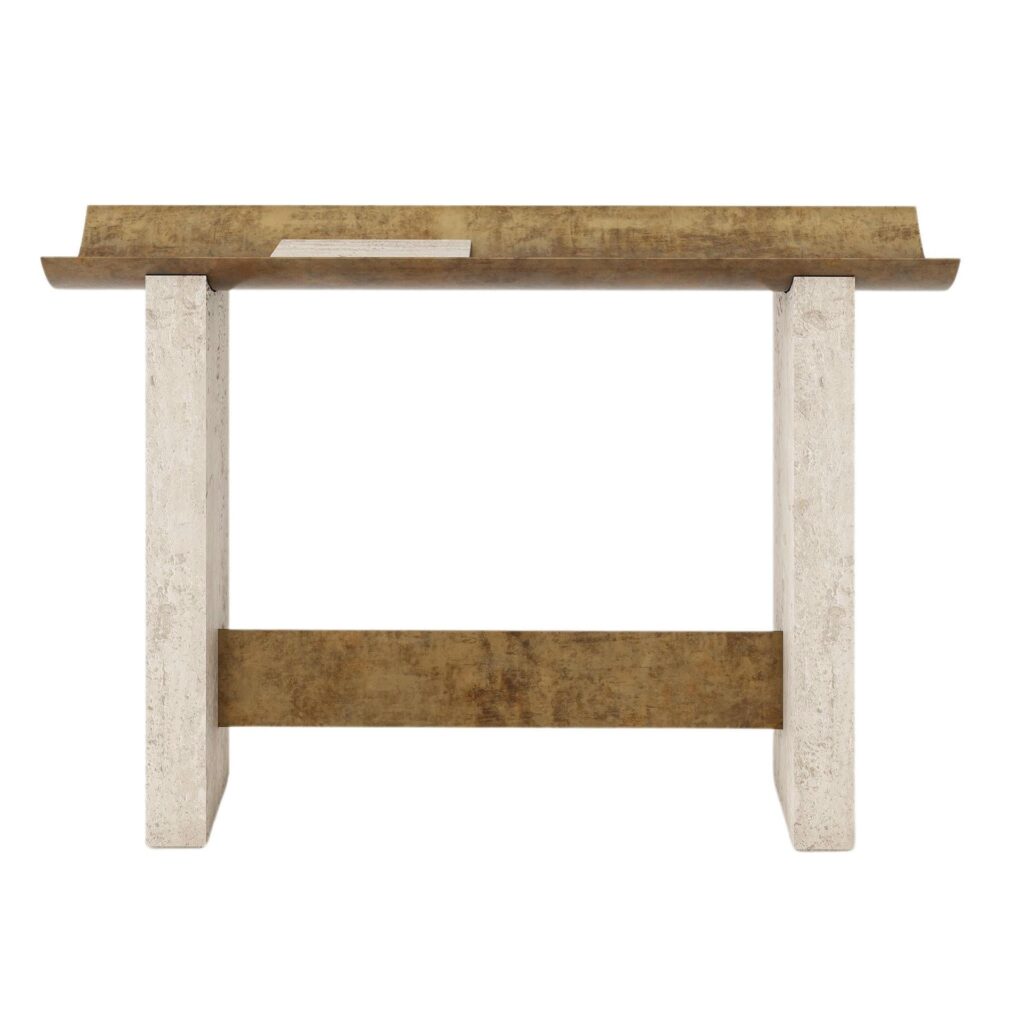
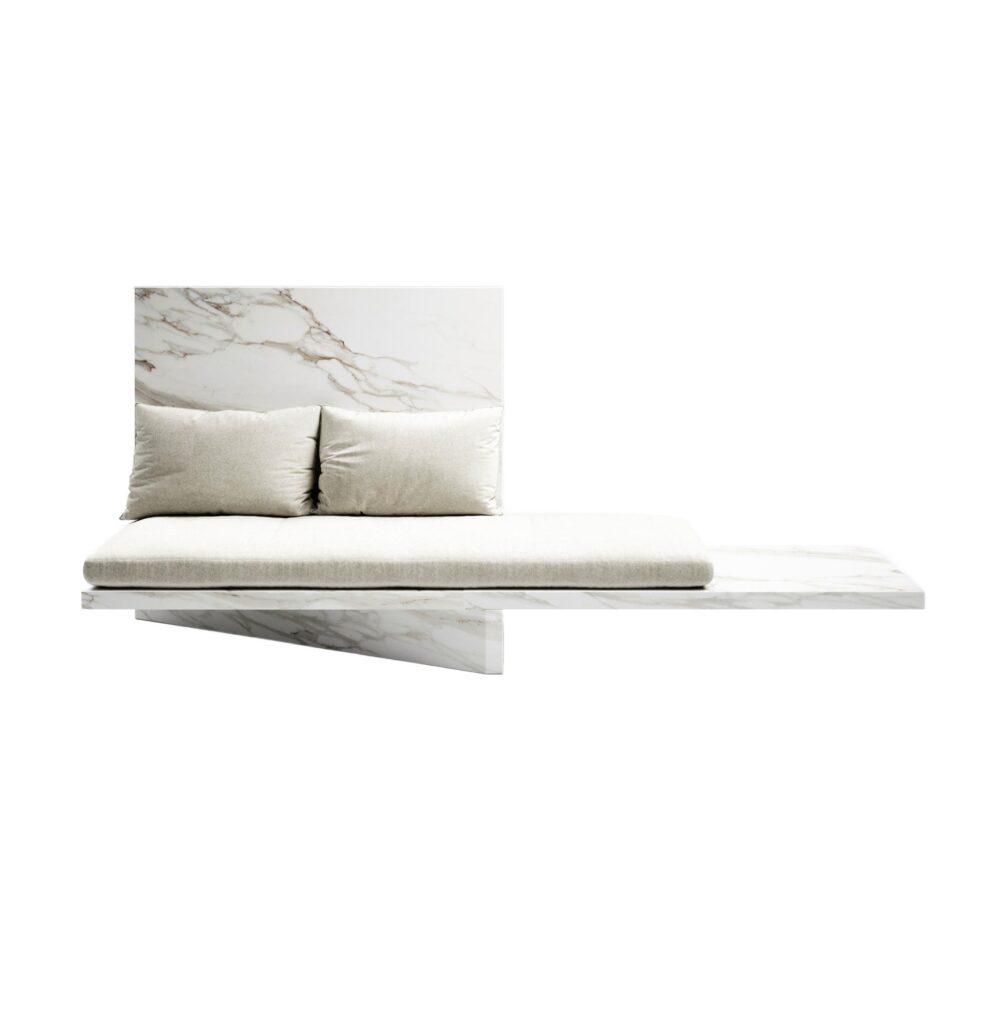
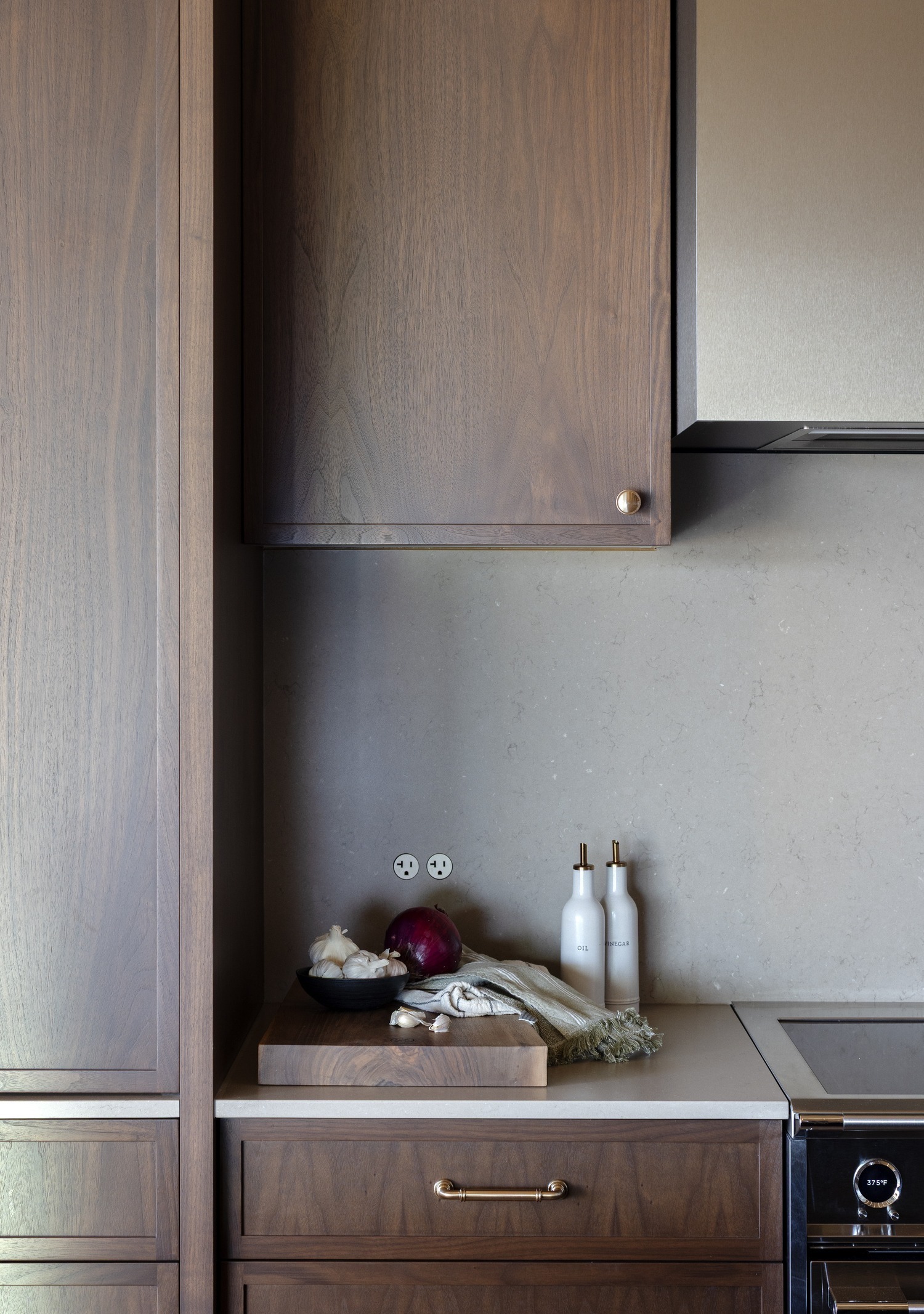
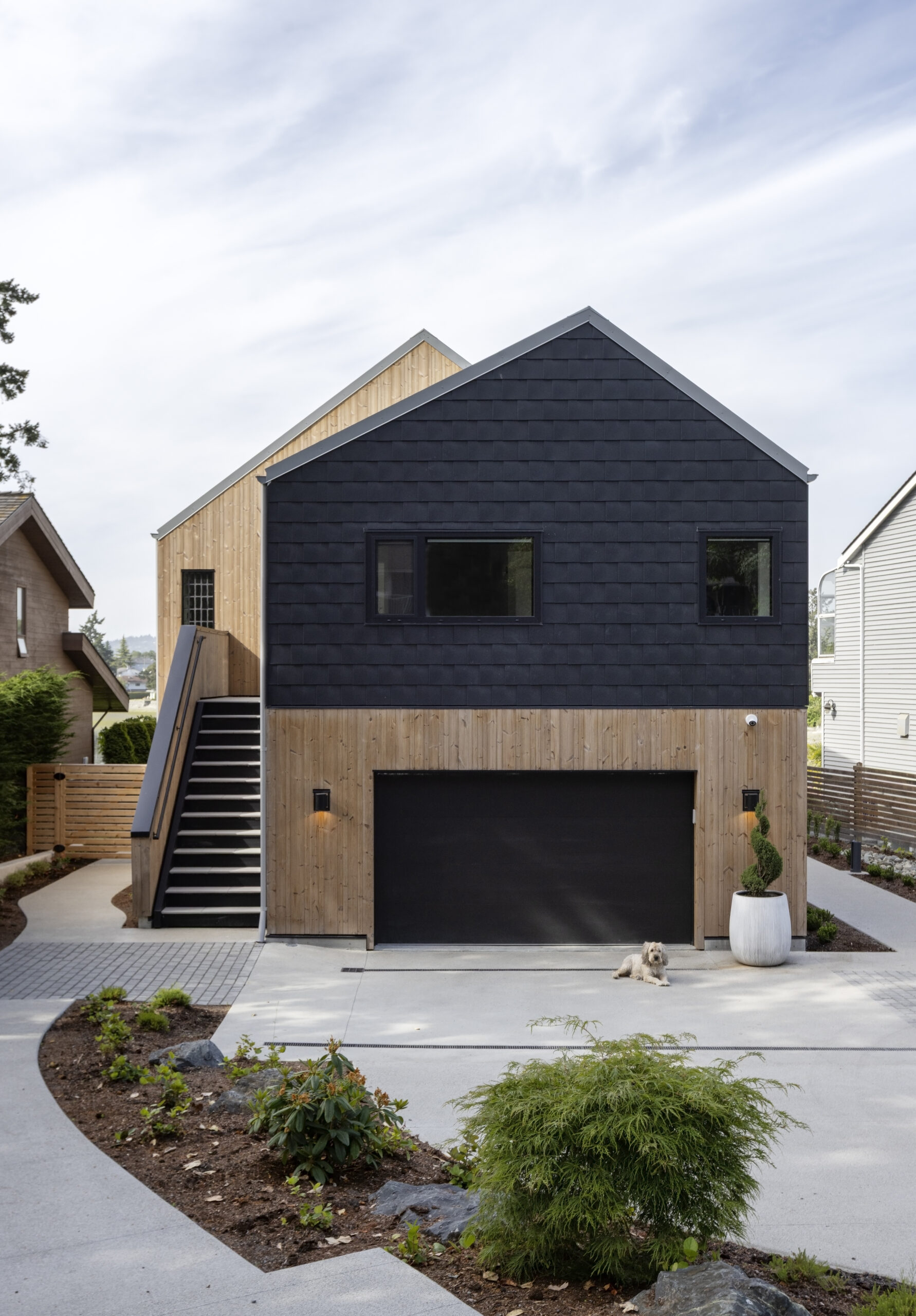
One of my favourite projects is The Sidney, a custom home on Vancouver Island that really captures our studio’s design philosophy. The homeowners wanted something timeless yet fresh, a space that would feel both grounded in nature and beautifully refined. We worked with layered neutrals, natural wood tones, and subtle coastal influences to create a home that feels relaxed but sophisticated.
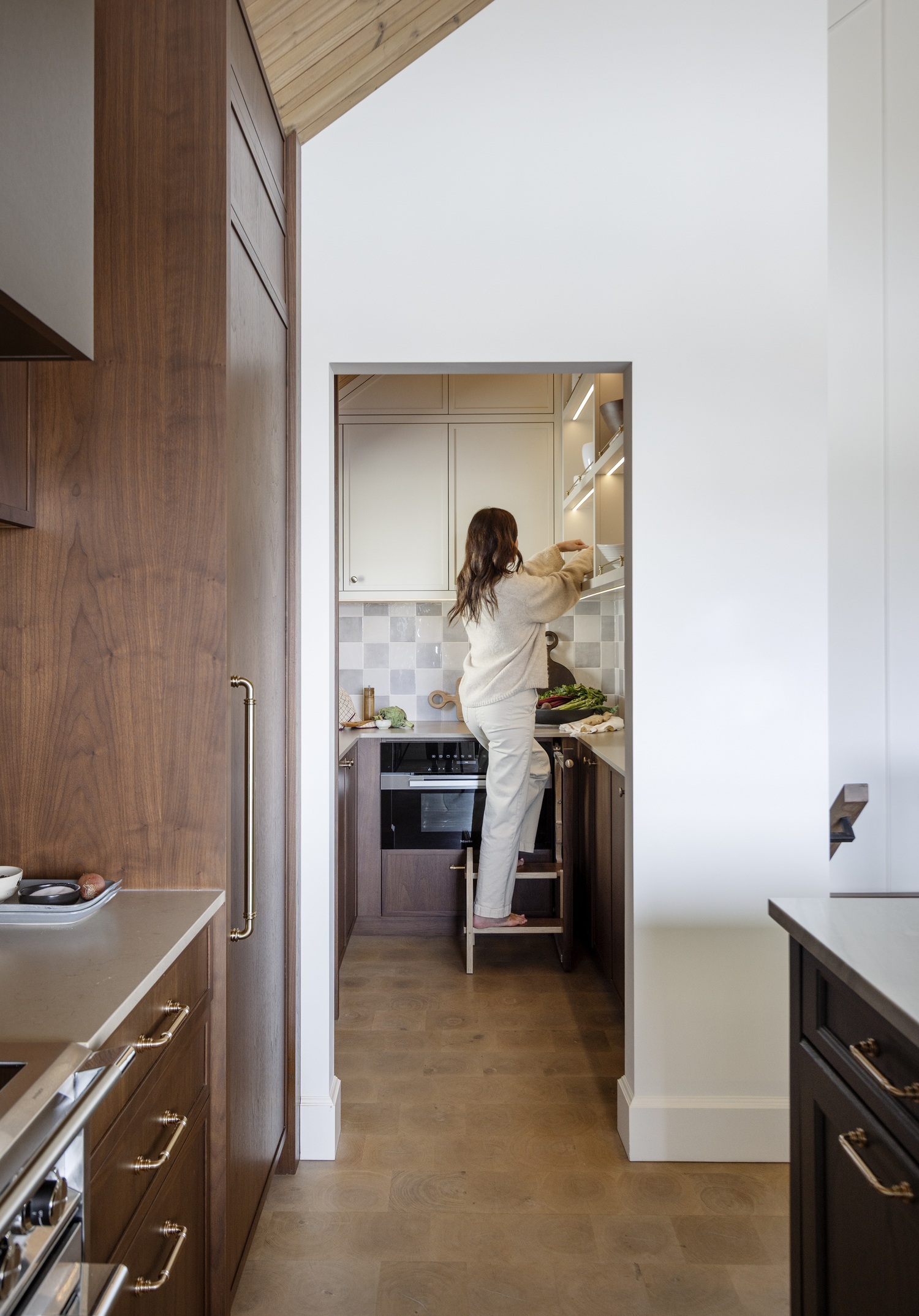
Every space was designed with purpose, from the kitchen and scullery that encourage easy entertaining, to the seamless indoor-outdoor connection that brings the surrounding landscape in. What makes The Sidney so special is how it reflects the homeowners’ lifestyle: it’s elegant and functional, but also deeply personal, a true example of “Thoughtful Design for Real Life.”
Listen to the function of a space before you focus on its aesthetics. In practical terms, ask “How will this room be used? Who will be in it? What is the mood?” Then select materials, lighting, and layout to support that.
The best advice: Start with how people use the space, not just how it should look. This helped shift my approach from decoration to design. Also, trust your process and communicate it clearly, which builds client confidence.
- Learn construction and trade basics; knowing how things go together builds credibility.
- Develop your listening skills; design is as much about understanding people as materials.
- Define your process and style early, but stay open and adaptable.
- Document your work, build a portfolio, and don’t shy from modest projects to build experience.
- Stay curious; materials, sustainability, and technology are evolving quickly.
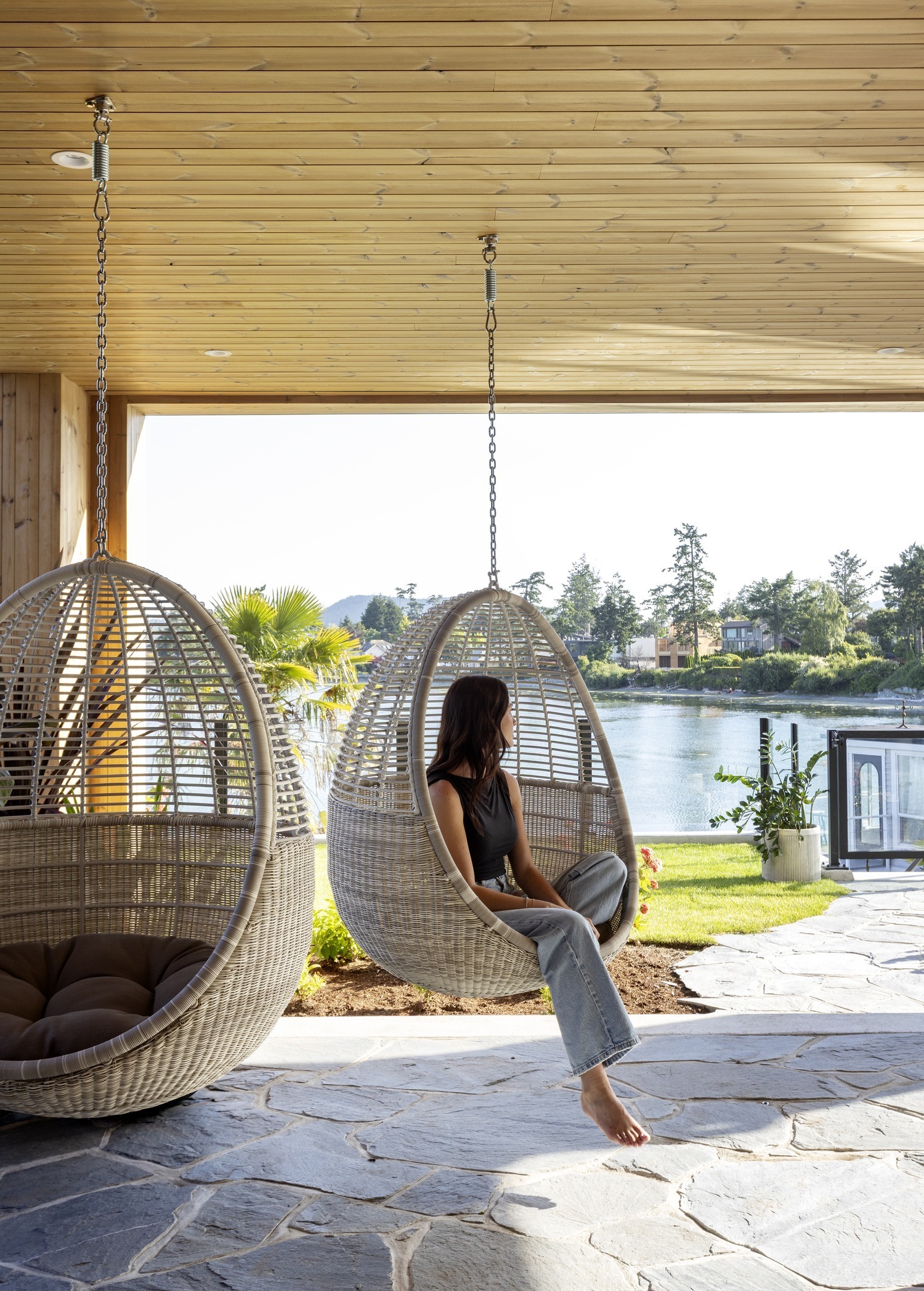
A big lesson: outcomes matter more than perfection in every detail. Early on, I focused on making everything look perfect and forgot about the lived experience. Over time, I learned that a home must function, evolve, and accommodate life; if it can’t, even the most beautiful space becomes frustrating.
I’m a fan of design-focused storytelling podcasts like 99% Invisible that explore how design shapes our world. I also recommend The Creative Act: A Way of Being by Rick Rubin and The Artist’s Way by Julia Cameron. They’re great books to turn to when you need inspiration or are feeling a bit creatively stuck. I also suggest keeping up with trade publications and attending home shows or talks; they’re great ways to stay inspired and connected.
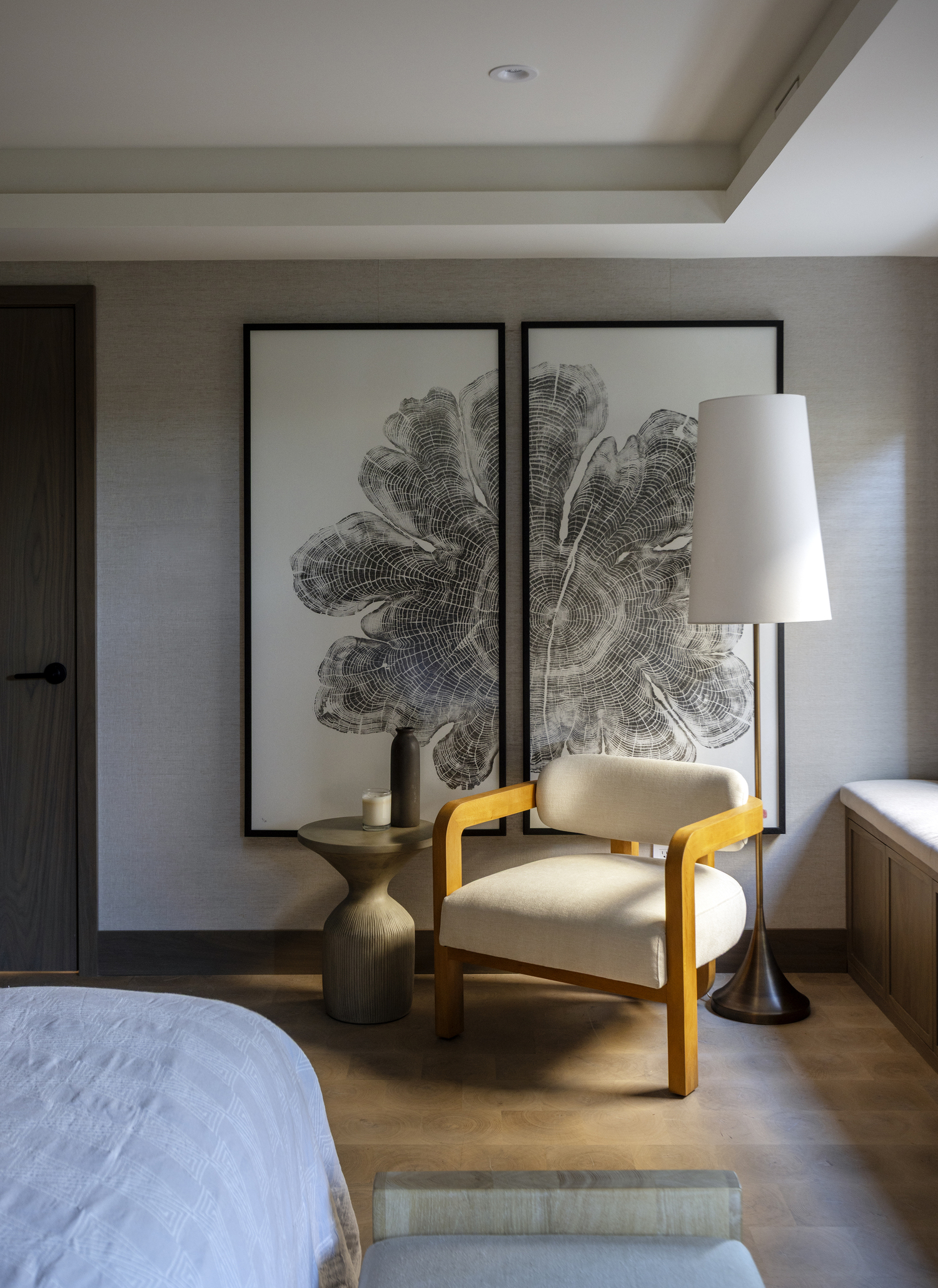
The laneway structure will serve multiple functions, including a steam room, sauna, gym, and home office, and is designed for flexibility to transition into a self-contained one-bedroom home in the future.
And yes, all of this is being achieved on a typical Vancouver lot!
We’re incredibly excited to bring this Japandi Coastal family home to life, with a thoughtful, forward-thinking design built not for trends, but for the family who will truly call it home.
Upcoming Project Spotlight: A Family-Centric “Japandi Coastal” Home in Vancouver
We’re thrilled to share an exciting new project underway at Jamie Banfield Design Inc., a full architectural, exterior, interior, and furnishing scope for a repeat client and their young family.
This collaboration feels especially rewarding, as we previously helped this family find their ideal property and lot in Vancouver, a rare opportunity to design a home truly tailored to how they live.
Unlike many homes designed with resale or entertaining in mind, this one is intentionally centered around family, connection, and everyday life. The design will feature a “team room” for creative collaboration, a library-style family room, and a dedicated Lego storage and learning space crafted to help their son live, learn, and thrive within the home.
The house itself will be a “healthy home”, built with innovative methods to meet future Step Code requirements and achieve net-zero performance, ensuring comfort, sustainability, and resilience for years to come.
Architecturally, the design embraces a Japandi Coastal aesthetic, balancing simplicity, warmth, and natural textures. One of the most distinctive features will be a quince-last roof transformed into a private zen garden and rejuvenation space, a quiet retreat exclusively for the family.
In the principal ensuite, rejuvenation takes center stage with an open-air lounge and soaker tub overlooking a courtyard anchored by an Arbutus tree, creating a seamless connection between nature and restoration.
Thank you so much Jamie, for this lovely interview!
Share article :