Jan Ernst
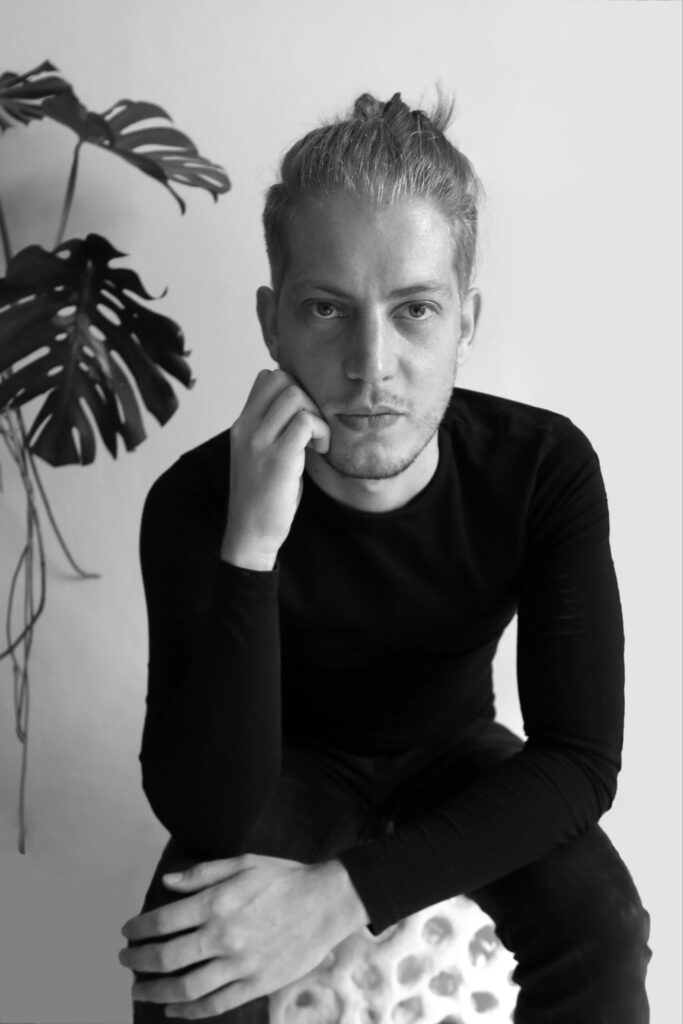
Jan Ernst is a South African designer and ceramic artist based in Cape Town whose work blurs the boundaries between sculpture and function. Trained as an architect, he transitioned from architectural practice to collectible design, developing a body of work that explores organic form, materiality, and the expressive potential of clay. His pieces range from furniture and lighting to sculptural objects, each shaped by a deep connection to nature and the landscapes of South Africa.
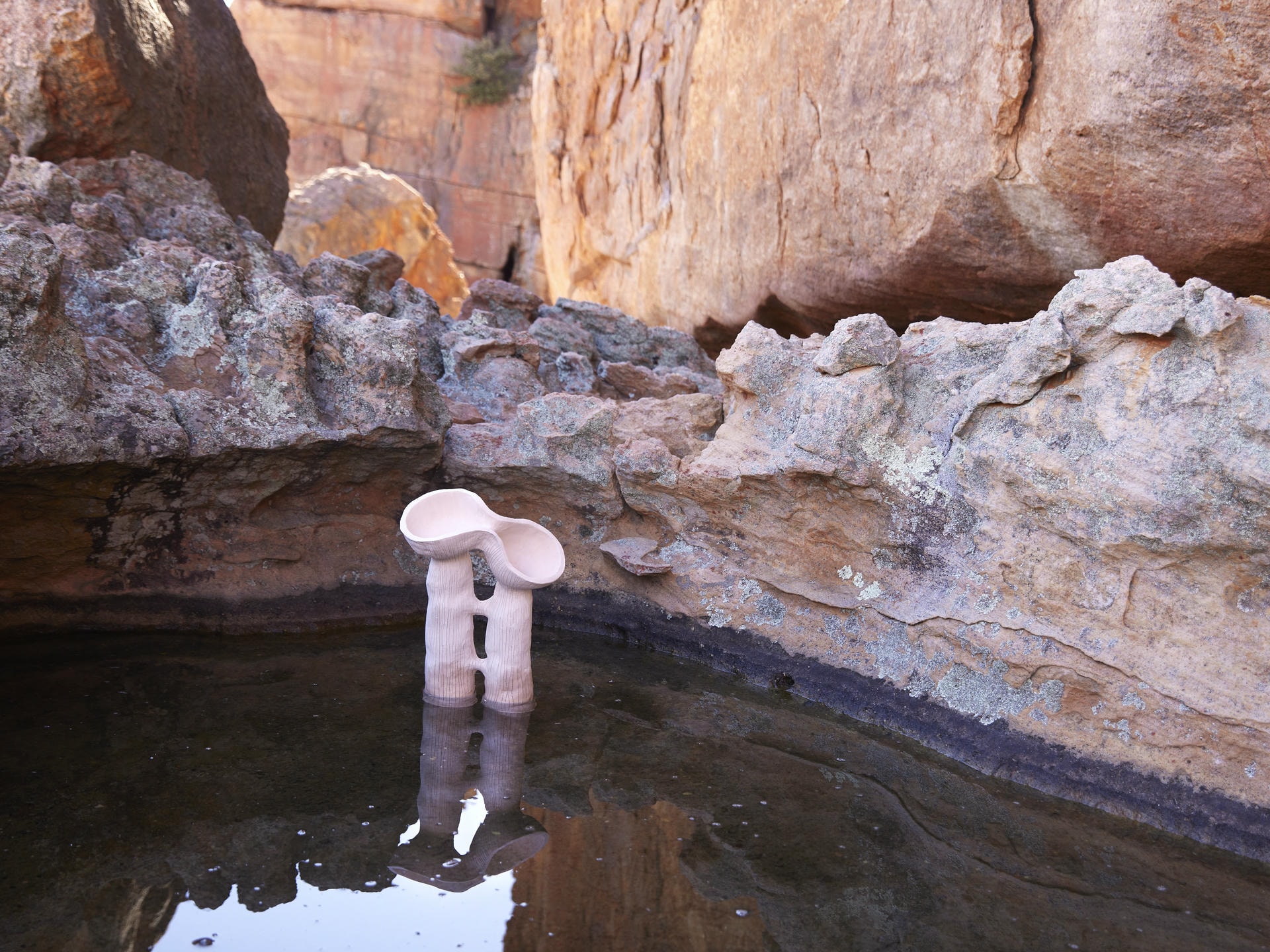
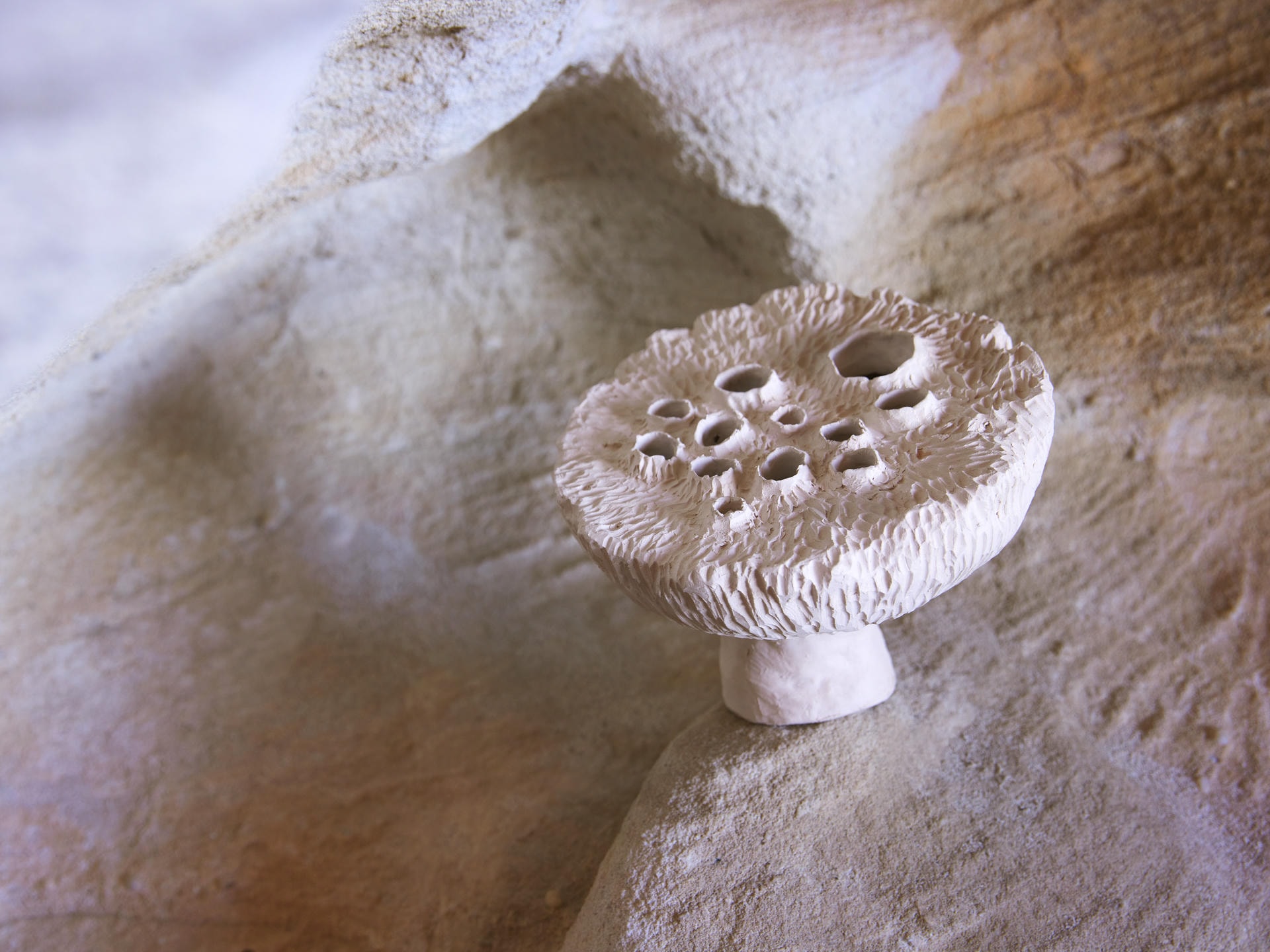
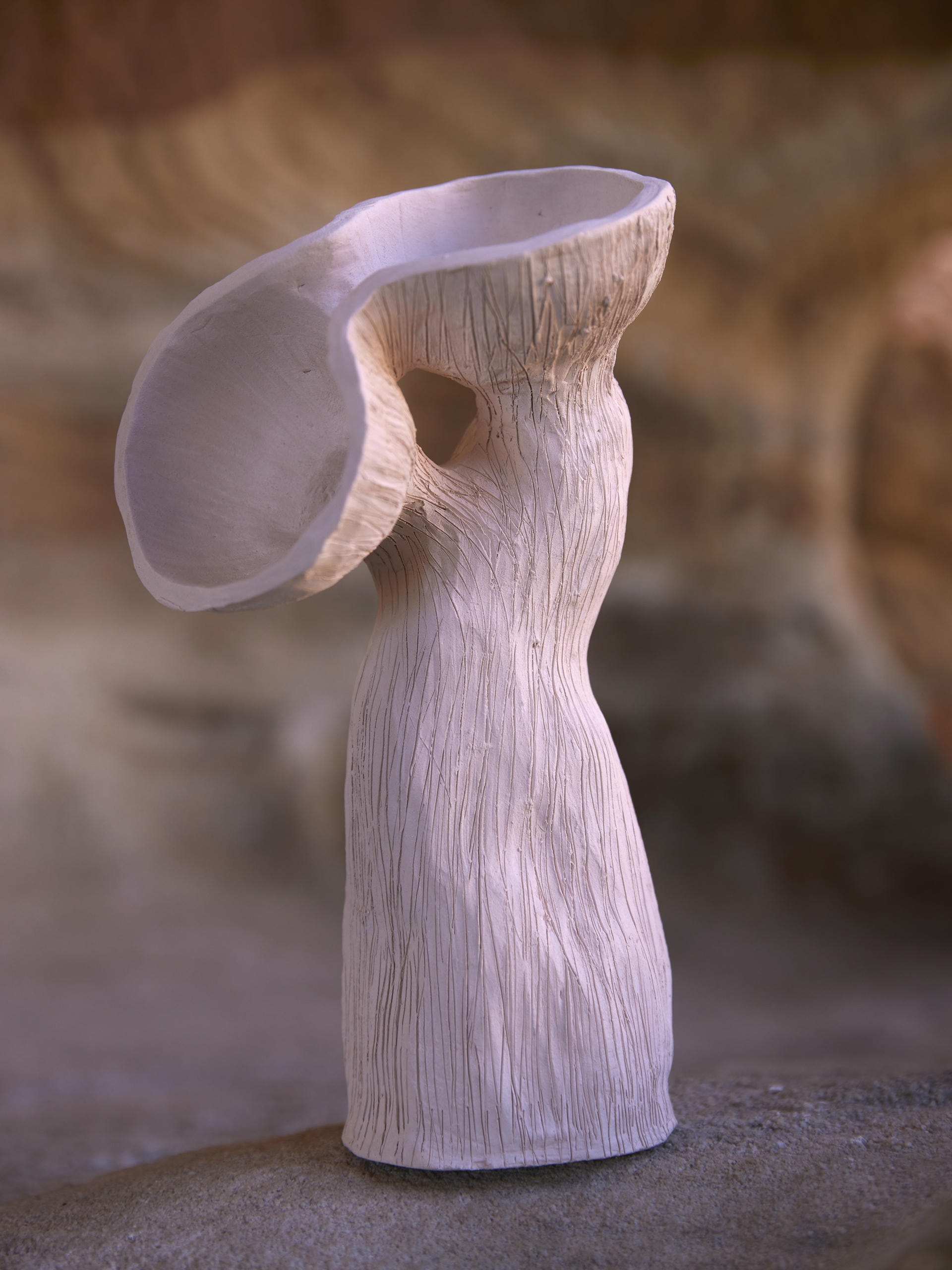
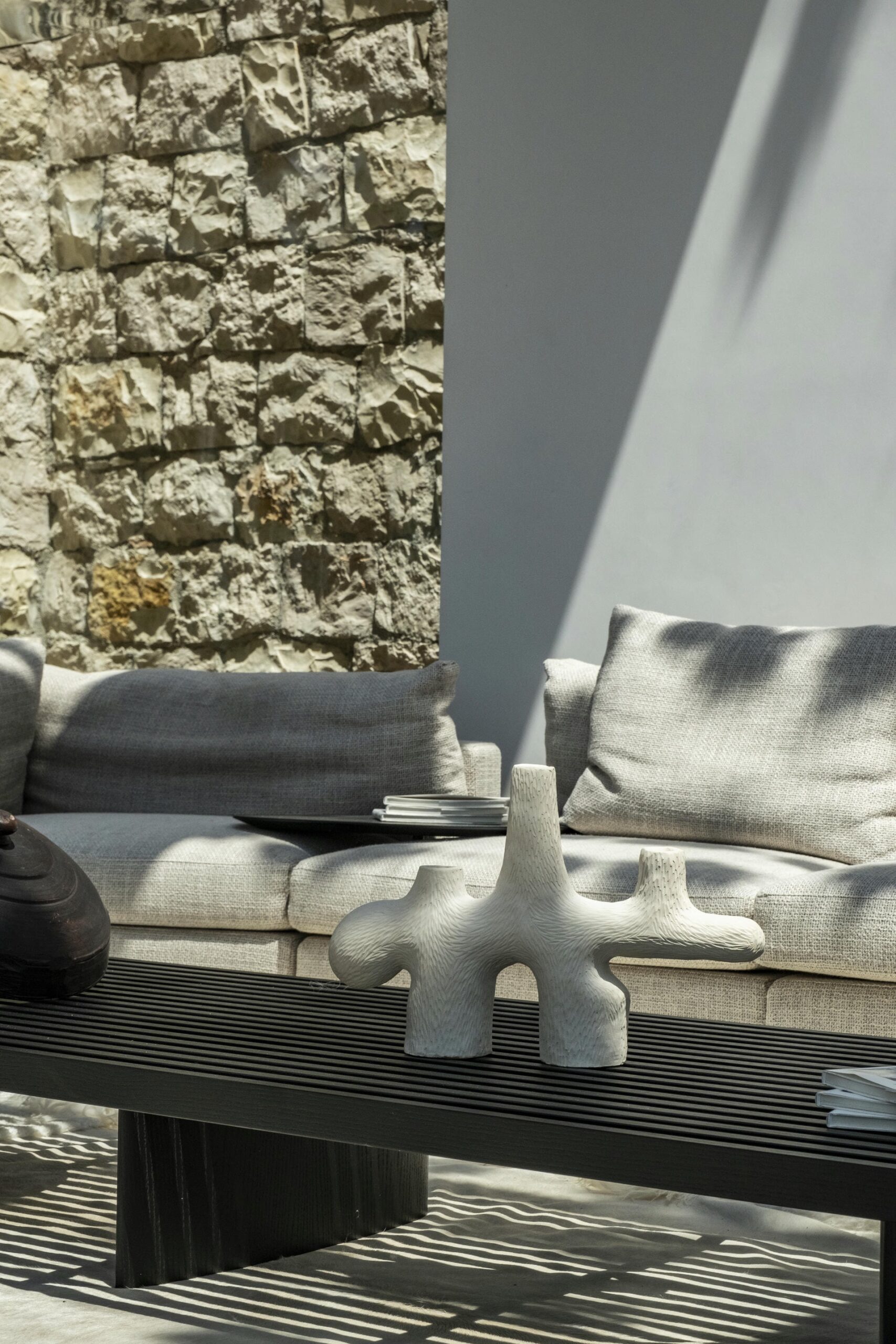
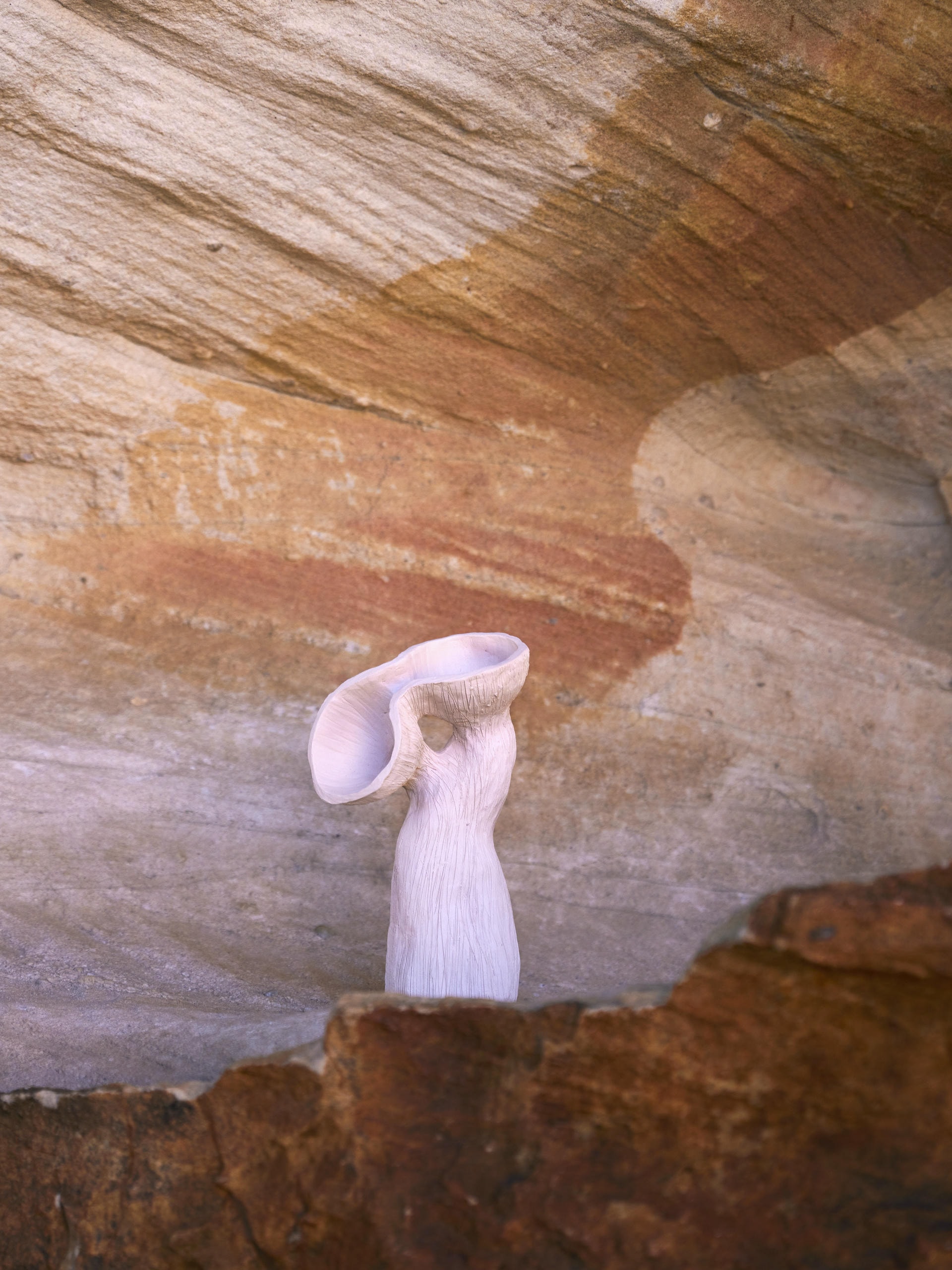
Drawing inspiration from natural structures such as rock formations, corals, and fungi, Ernst creates biomorphic works distinguished by their fluid silhouettes, tactile surfaces, and architectural sensibility. Through an experimental approach to ceramics and other materials, he develops collectible pieces that balance emotional resonance with functionality, creating objects that exist between art, design, and storytelling.
Interview
I was born in Kroonstad, a town in central South Africa.
I grew up on a farm and my first interaction with art and design go back to building mud villages and clay figures next to the river.
Yes, I started my career as an architect. After 5 years of practicing I realized that I missed the making process, using my hands and shifted to collectible design with clay as the main medium.
With an architectural background, most forms of design come naturally to me; it is just about shifting the scale and adjusting spatial relationships. Architecture is a very slow profession in that it takes a long time to respond to social, economic, and environmental changes, but also in its ability to adopt new technologies. Working within the collectible design realm allows for personal interpretation, an opportunity to create something that still has a use, but also has a message from the creator.
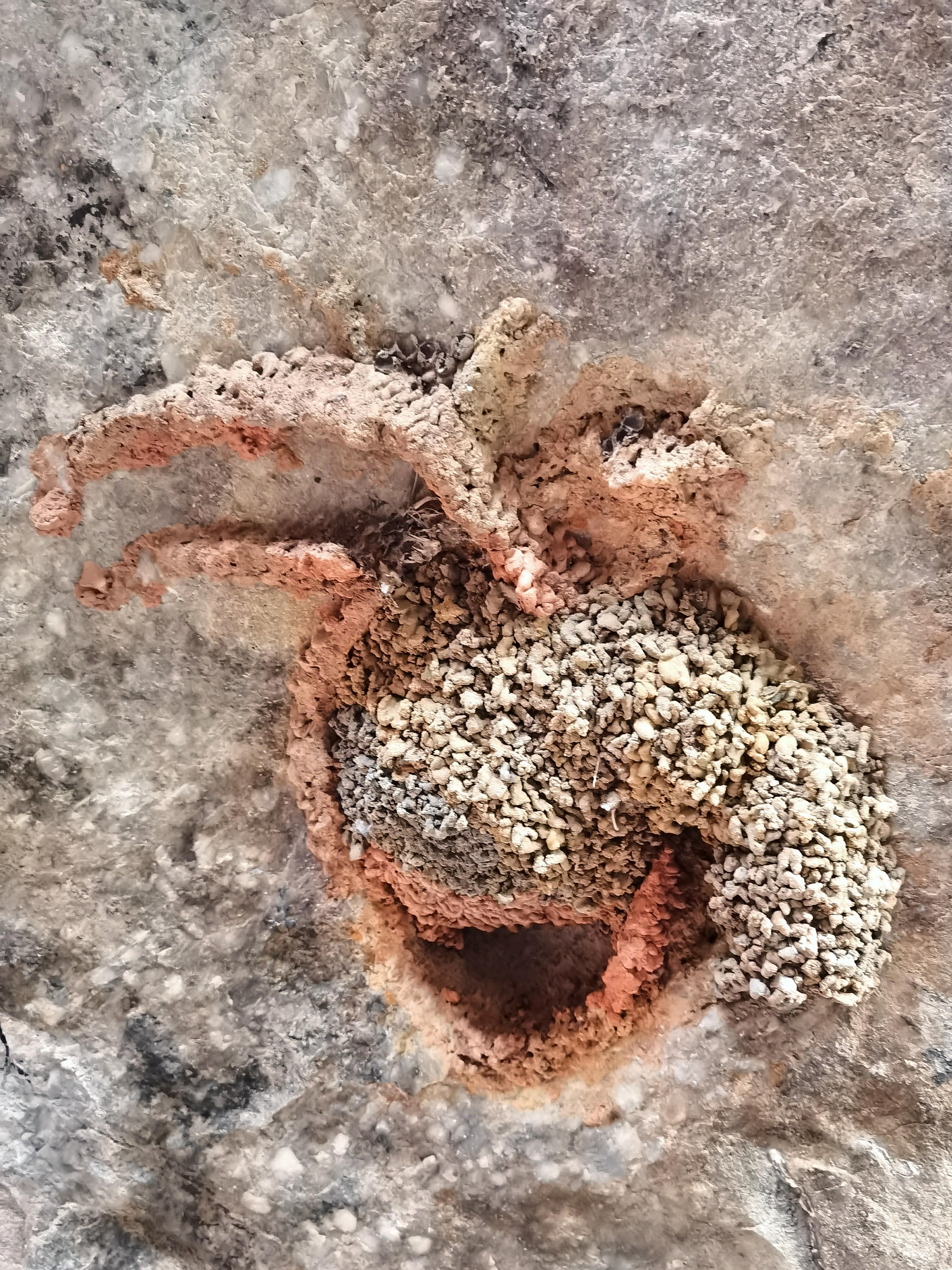
My creative process is very organic. I spend a lot of time outdoors to find inspiration and often collect found objects that I study to understand form, structure, and surface texture. From that point, the rational part of my brain kicks in, and I start drawing what is in my mind’s eye, or I create maquettes that capture the essence of what I am planning. When I am happy with where the design is going, I will start the final piece, but I will not be limited by the original drawings or ideas. Clay has a way of guiding you in the direction it wishes to go.
I get up at around 5 am and go to the gym or for a run on the promenade. I have some of my biggest ‘a-ha’ moments early in the day. When I get home, I will spend some time putting ideas on paper or making models.
The day is then split in two, attending to admin and making time to create.
A day in the ceramic studio starts with planning the day ahead. Things on my agenda would be attending to client emails, driving around for supplies, in-person client meetings, and then prioritizing the ‘making part.’
Time set aside for making includes the forming and building of a new piece. I check every item before it goes into the kiln and again when they come out. Sometimes I glaze it, and then a second firing will take place. Time gets spent packing and unpacking the kiln.
Because most of the pieces are functional, it is important to make sure they fulfil their purpose. If it is a lamp, I need to do the wiring and make sure everything fits, switches on, and is safe to use.
I usually work in the studio until 6 or 7 pm.
Clay has been the focus because I believe it is a material that has not been explored to its full potential in contemporary design. I am drawn to the organic nature of clay, its ability to connect the maker with nature, and how it can be shaped and manipulated.
Using clay to create large-scale organic functional art pieces comes with a lot of challenges. Working at the right pace to ensure the old and new pieces of clay join properly is perhaps one of the biggest challenges. Very often, sections of a piece will be suspended, which is not a structural property of clay, so adequate propping is vital. It is important to control even drying to prevent shrinkage that will result in cracks.
The world is a very confused and confusing place right now – we see this reflected in all forms of art and design. The work being produced by a well-known artist either expresses this sense of being lost or digs in the past for cultural references to give a sense of belonging. If ever there was a time to create something unusual, conceptually mind-blowing, and dare I say, ‘aesthetically challenging,’ the time would be now…
I think my work has traces of various design movements. It references the interest to derive form from nature craft associated with Art Nouveau, but also emphasizes function characterized by Modernism. There are traces of Post Modernism when looking at the complexity and meaning of time, place, and people, and it touches on Biomimicry that drives a lot of our design decisions today.
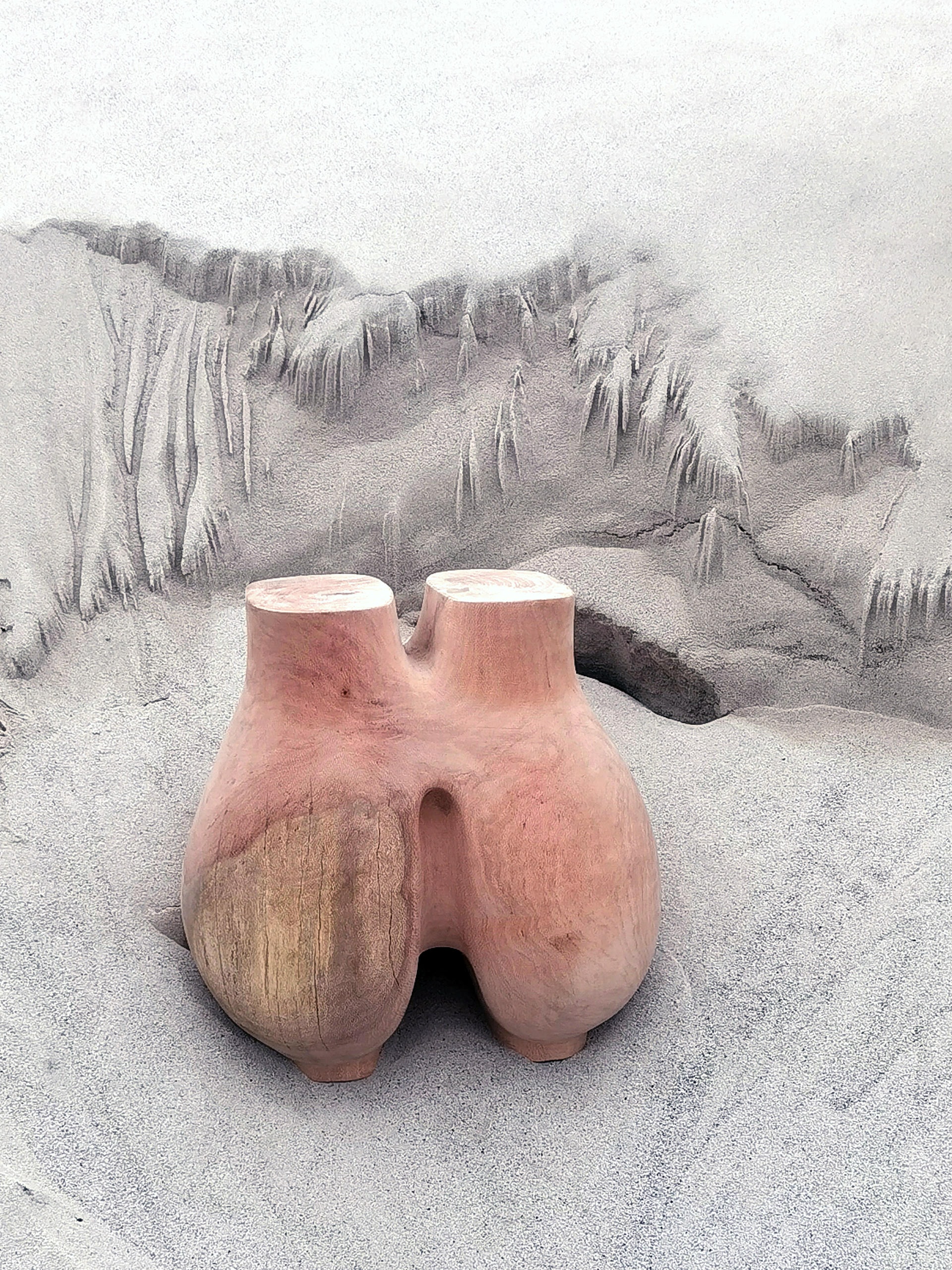
Designers that influence me include Nicolas Wolf, Rogan Gregory, Casey McCafferty, and Abel Carcamo.
Greek studio – Voukenas Petrides. Their work is something otherworldly. It is beautifully organic with curves and junctions handled skilfully. There is something archaic and primal about it, as if it were dug up from a cave, but finished in refined materials that give it a contemporary feeling.
Rogan Gregory – a functional artist who creates designs inspired by biomorphic forms. His approach to design is unique and innovative, and blurs the boundaries between sculpture and furniture design. I find his ability to switch between different materials fascinating because he manages to explore different creative avenues but stays true to his design philosophy.
Biomorphic.
“Clay has a way of guiding you in the direction it wishes to go.”
The Questions
(The Proust Questionnaire is a set of questions answered by the French writer Marcel Proust.
Other historical figures who have answered confession albums are Oscar Wilde,
Karl Marx, Arthur Conan Doyle, Stéphane Mallarmé, Paul Cézanne…)
Self-acceptance and security.
Disappointment.
Impatience.
Force.
My mother.
My daily takeaway coffee.
Contentedness.
Perfection.
Sensitivity.
Compassion.
‘Basically’, ‘Actually’.
Being able to play the piano.
Anxiousness.
Completing a masters degree in architecture cum laude.
I would like to come back as a big tree – rooted in nature, providing shelter and delight.
Somewhere in the Mediterranean Basin.
A brass jewellery stamp from Pakistan.
Being trapped in circumstances that don’t serve you.
Performance art – being able to create and explore new characters.
Passion.
Loyalty and laughter.
John Green.
John Coffey from the movie ‘The Green Mile’.
–
Oprah Winfrey.
Alexander, Sophia.
Sensory overload.
Allowing my younger self to be influenced by other peoples’ expectations.
Peacefully in my sleep.
Just keep going.
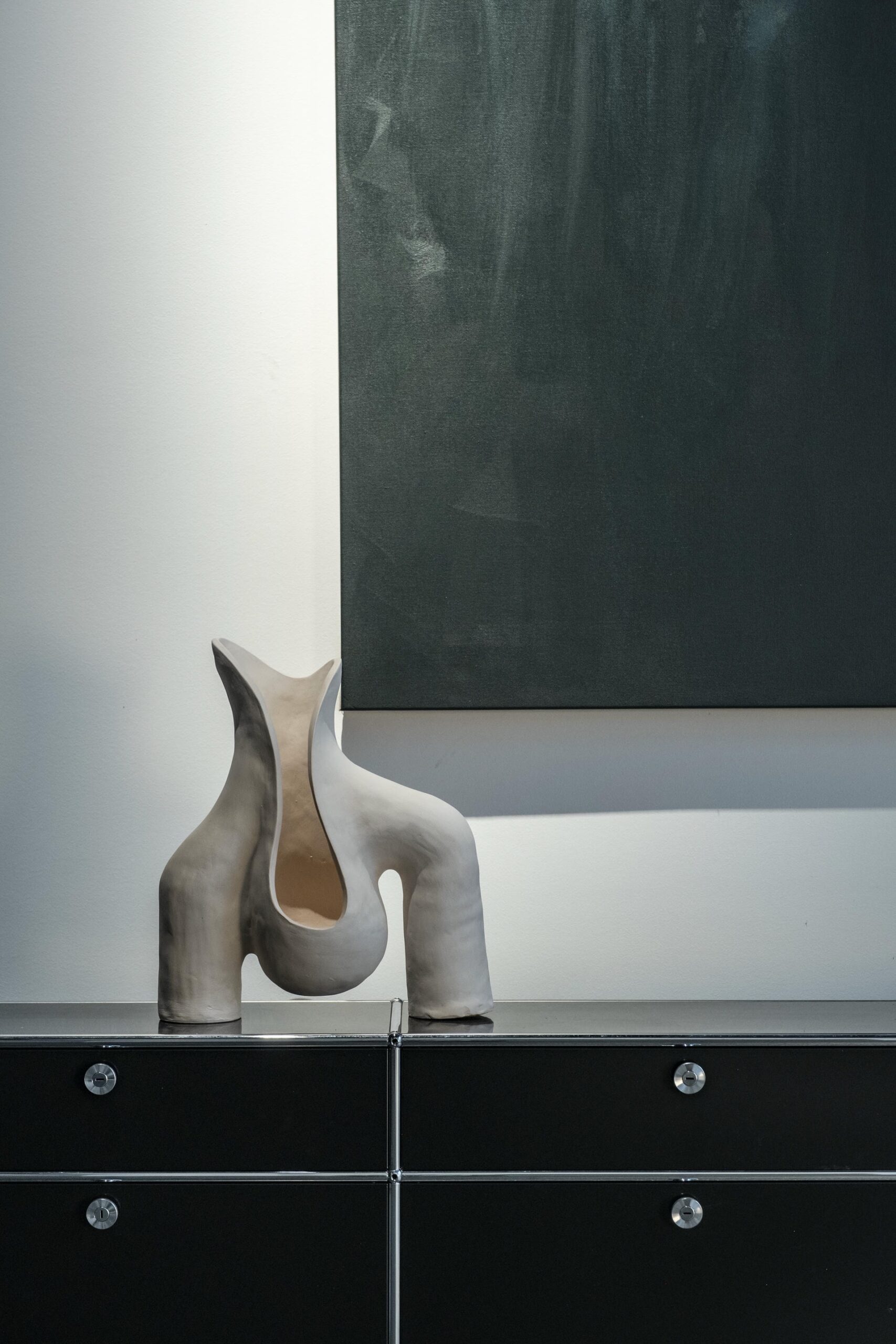
“I would like to come back as a big tree – rooted in nature, providing shelter and delight.”

SHARE :