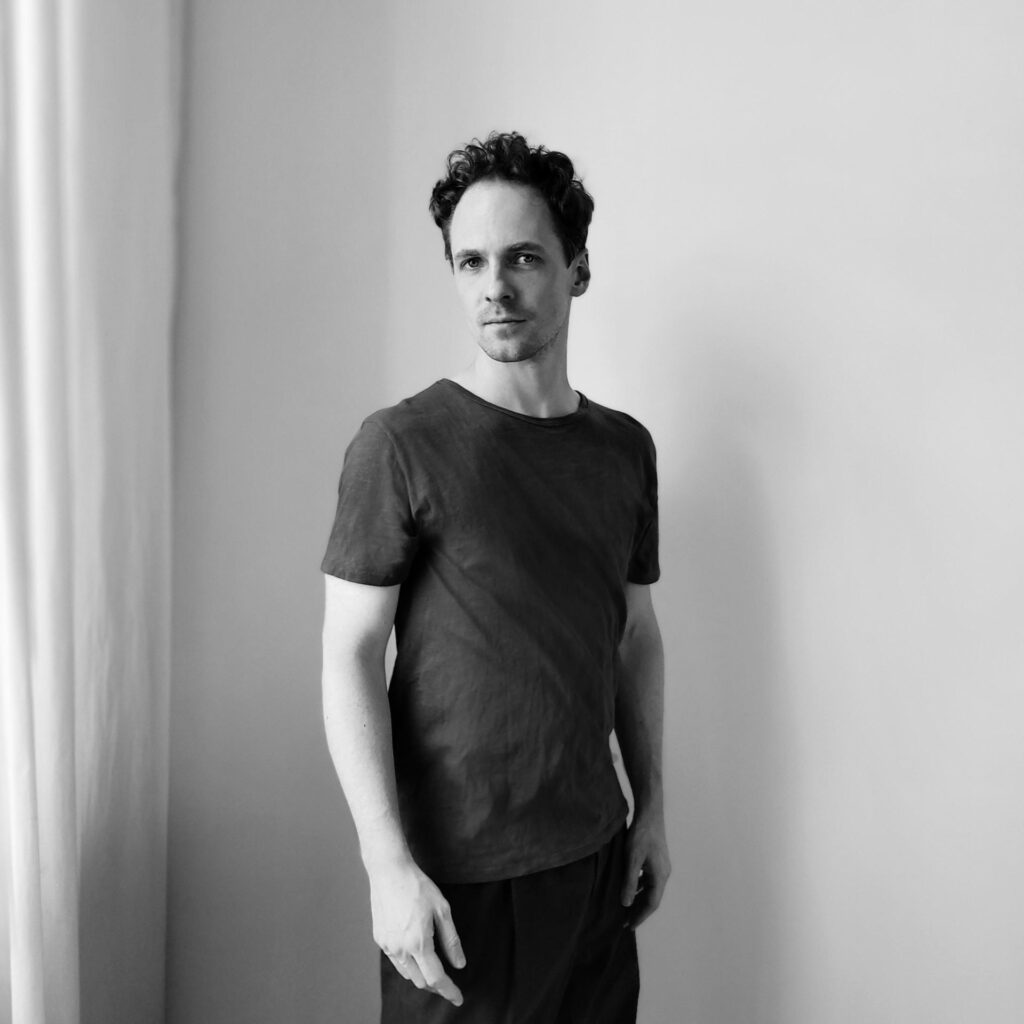
Jan Garncarek
Interview
I was born in Warsaw, Poland.
My first deeper reflection about art came to me after I visited the Zachęta Art Gallery in high school, where Krzysztof Wodiczko was exhibited. The exhibition was about war trauma. The artist displayed an interview with an older woman who experienced it. The footage showed the women’s hands and was displayed on a wall of a huge building; it was really scaled up. I noticed that the slight movements of her hands express a range of feelings and emotions. It moved me deeply, and I understood that showing a story from a different point of view can tell it in multiple ways and emphasize its various aspects. The experience taught me to perceive the world multidimensionally.
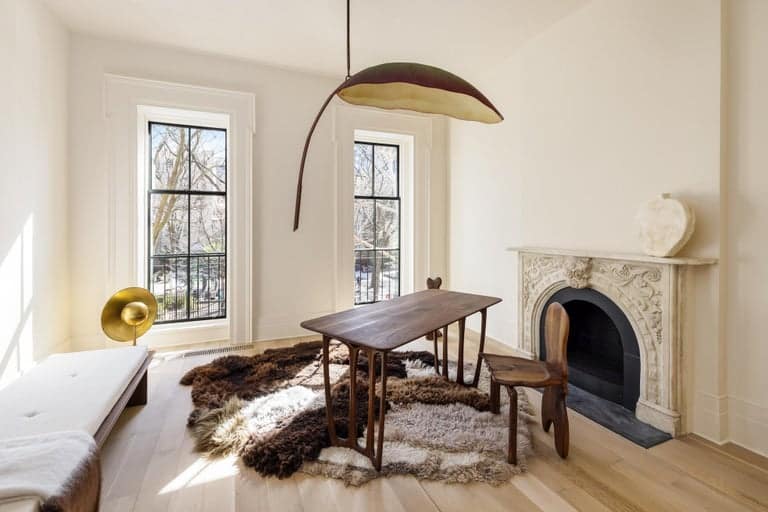
90 % of the time, I design. Very often, I carry out individual orders. Soon, however, I plan to concentrate on expanding my collection of lamps and furniture.
My family has a tradition of creating furniture and small things for fun. Becoming a designer was a natural result. To be honest, I’ve been doing this since forever, and I’m deeply thankful it’s my profession.
Objects evoke my emotions. When I start the design process, I search for an emotion I want to feel while interacting with the object. Later, I will consider which artistic means I should use to evoke the emotions. Designing is a process in which things, spaces, forms, and colors I experienced prevail. Creativity means processing these perceived experiences. As a result, I strive to travel, learn, and experience a lot.
I don’t have a typical work routine. Every day differs and depends on where I am at the moment. Some days I spend sitting in a Berlin coffeeshop and designing conceptually, on others I weld a piece of furniture I’ve been working on. There are days when I’m very disciplined, especially if I’m carrying out bigger orders. I fall into the pace of work that enables me to coordinate the production and to send everything on time. I try to take care of all aspects of my life. I go to the gym and meet my friends regularly. I also work a lot on my private projects.
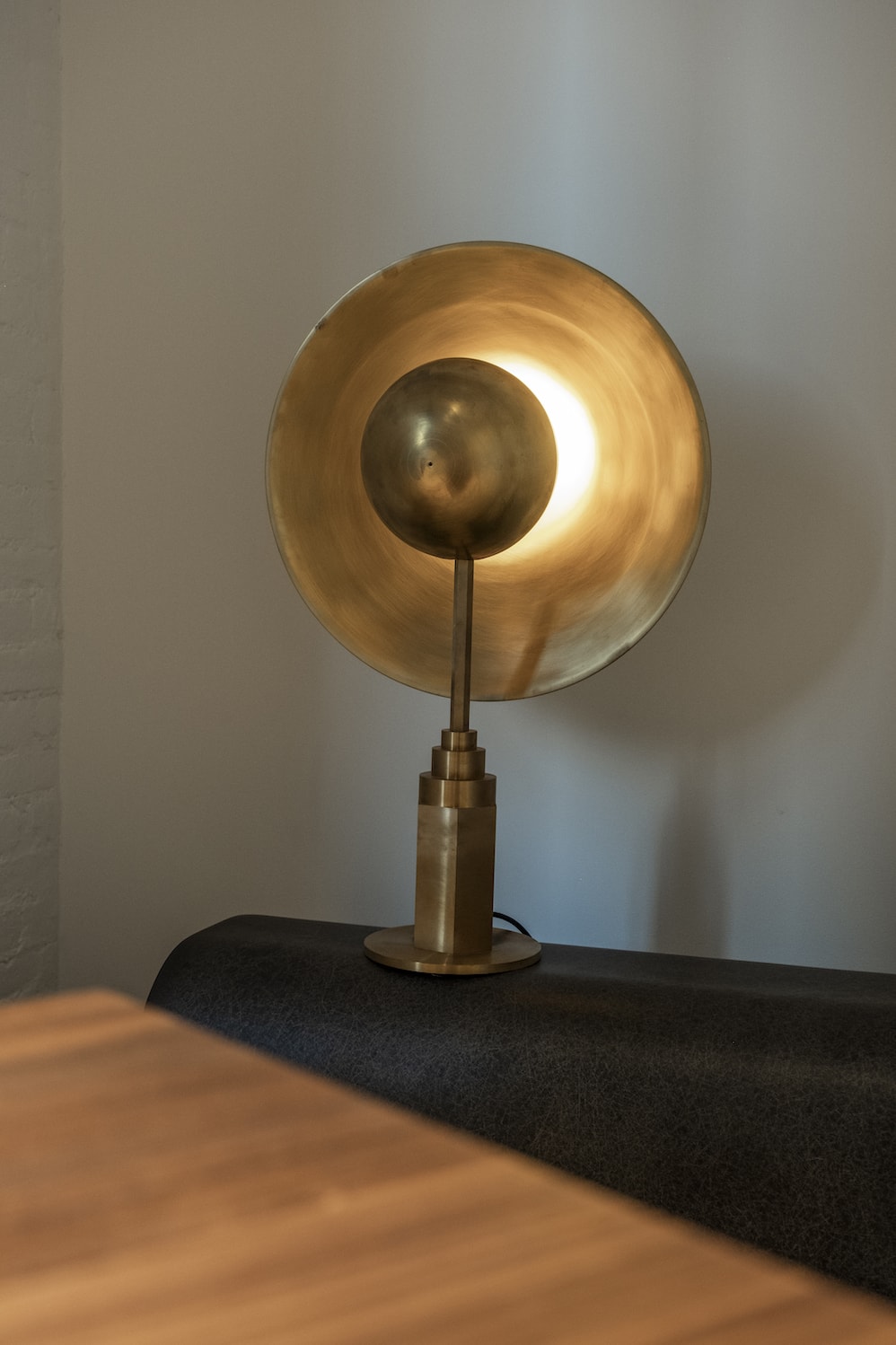
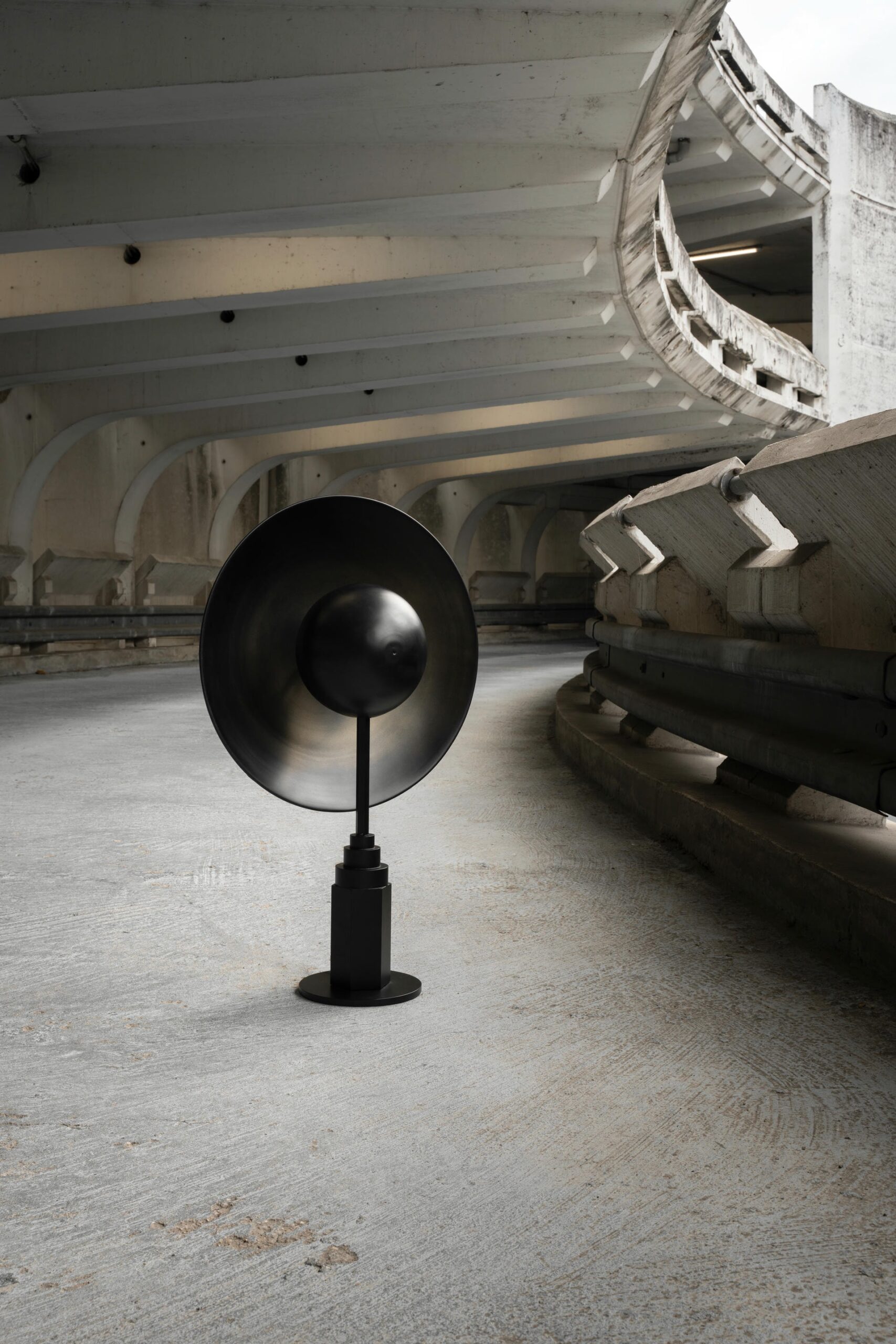
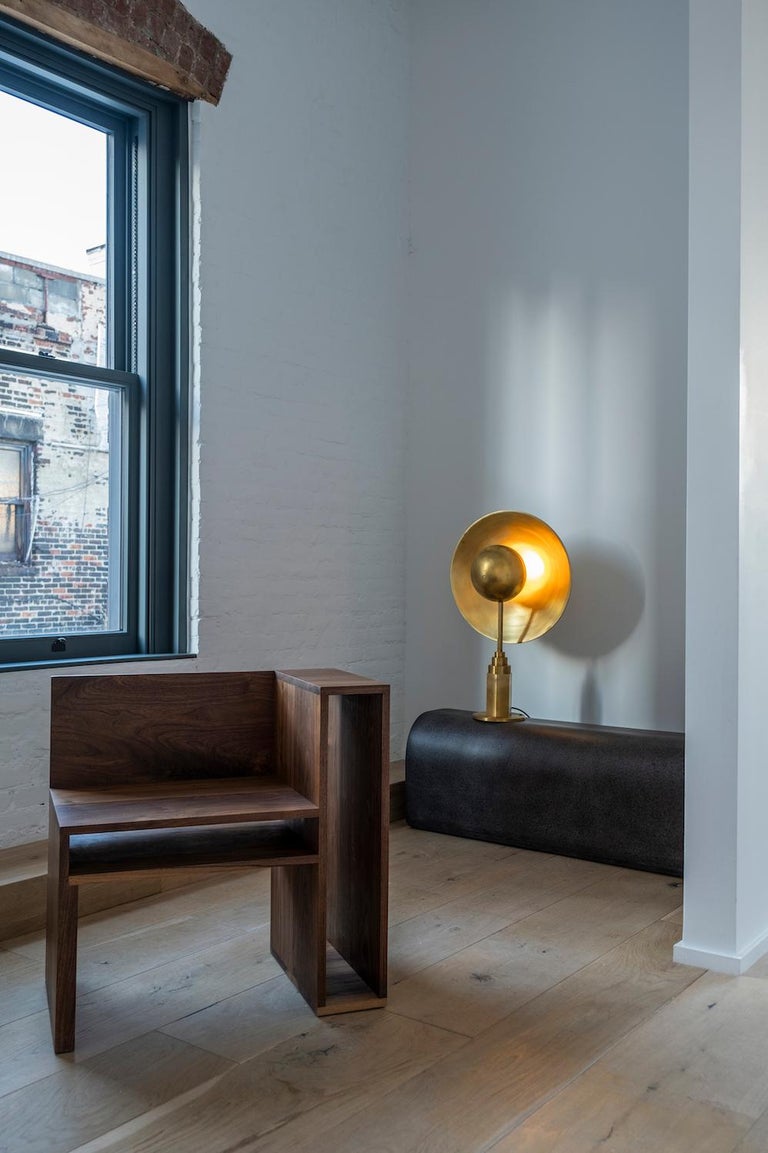
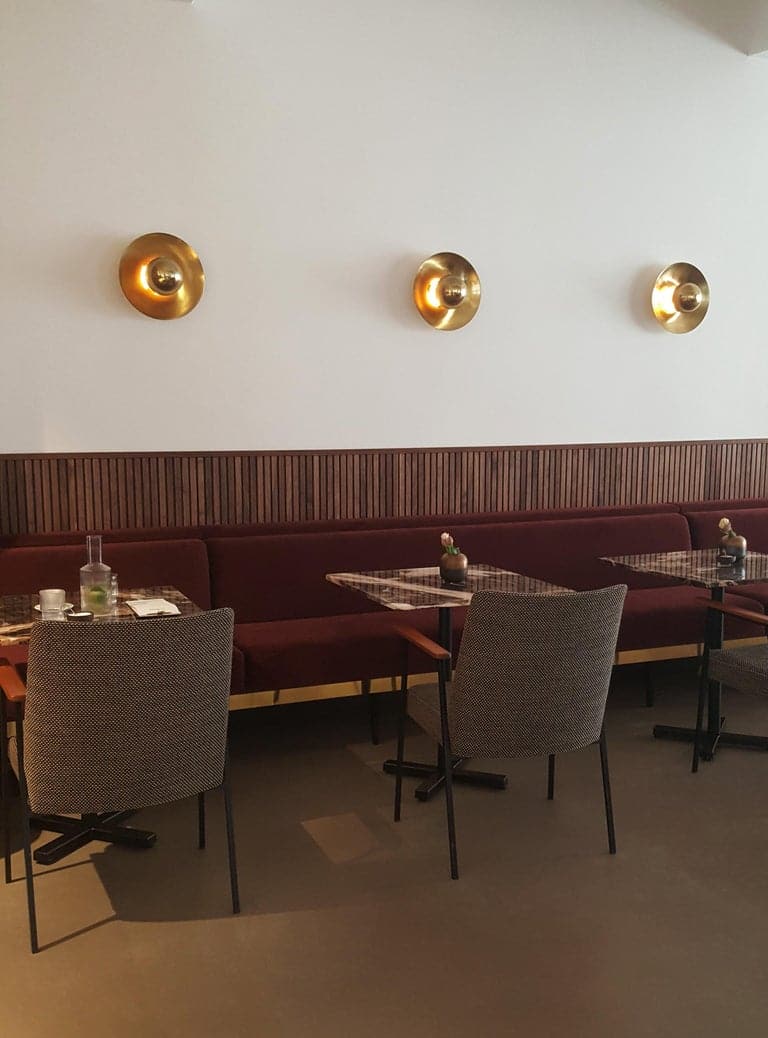
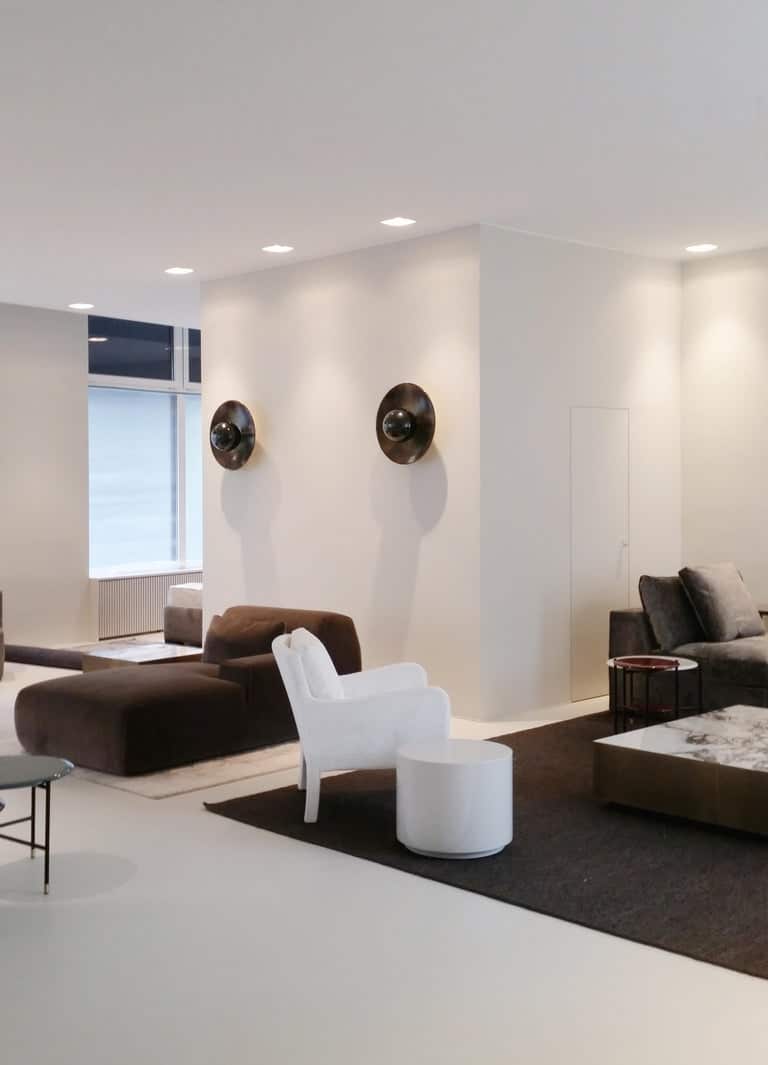
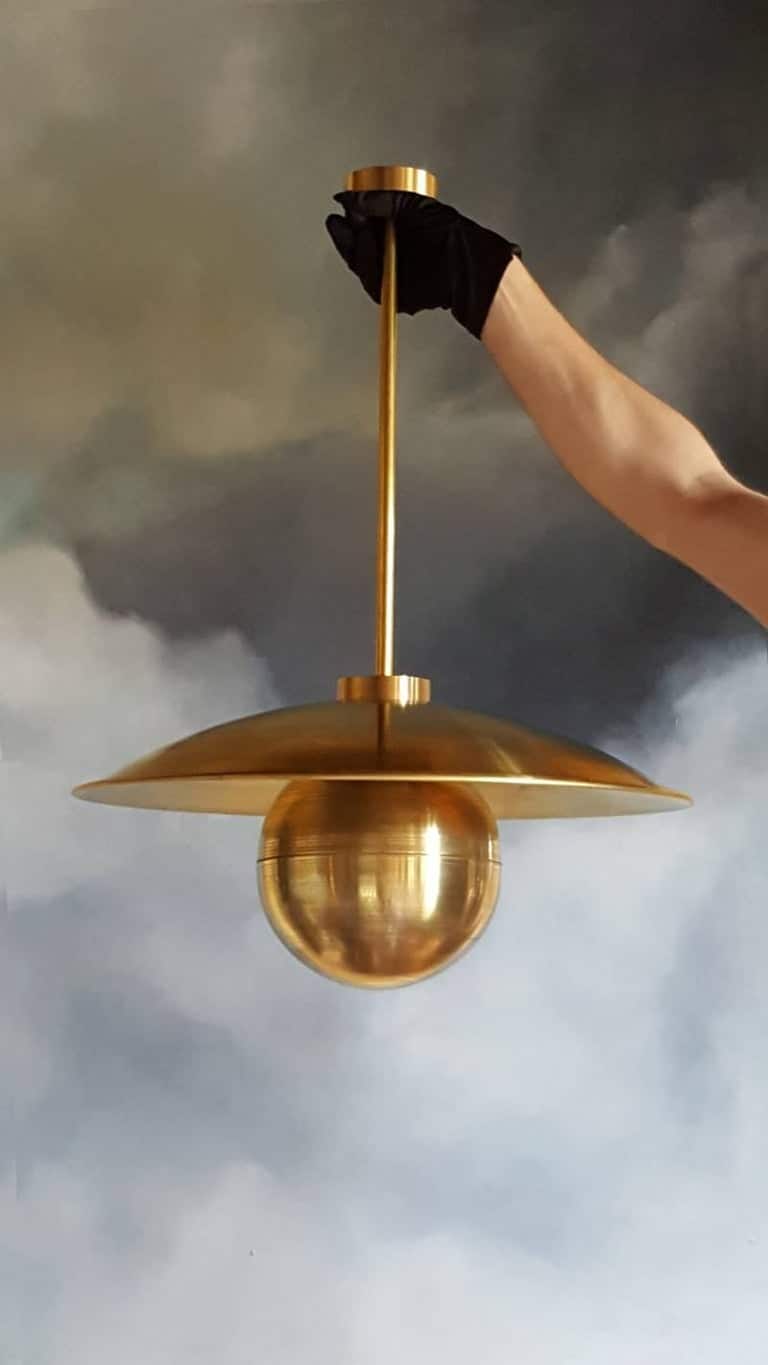
I work mostly in brass. It’s a material that works great in processing and has fascinated me since childhood. In my grandfather’s workshop, there were ammunition cartridges. He used to make various things from them. I believe it influenced my style a lot. I like the color of brass, the color of light it reflects. I find it mystical, and I want my lamps to have the exact quality.
The quality matters to me. I want the user to recognize the refinement of every detail. I use more material than necessary. Every part of the lamps I designed is machined by hand from a complete brass sheet. Since I turned 10, I’ve practiced sport shooting. It’s a family tradition. A firearm has always been a quality in itself. I’m fascinated by its perfectly tailored mechanisms. I transfer the quality into all my designs.
First, they should forget all the rules and manners they learned in art and design schools. They should do everything in their own way, follow their unique gut feeling. You must believe in yourself and derive from your individual experiences. Following this path can only result in original, maybe even disruptive creations.
In one of the previous questions, I advised young artists to start believing in themselves. I was lucky to meet a person who believed in me before I believed in myself. It was my girlfriend Ewelina Mąkosa who never fails to inspire me. I owe her so much.
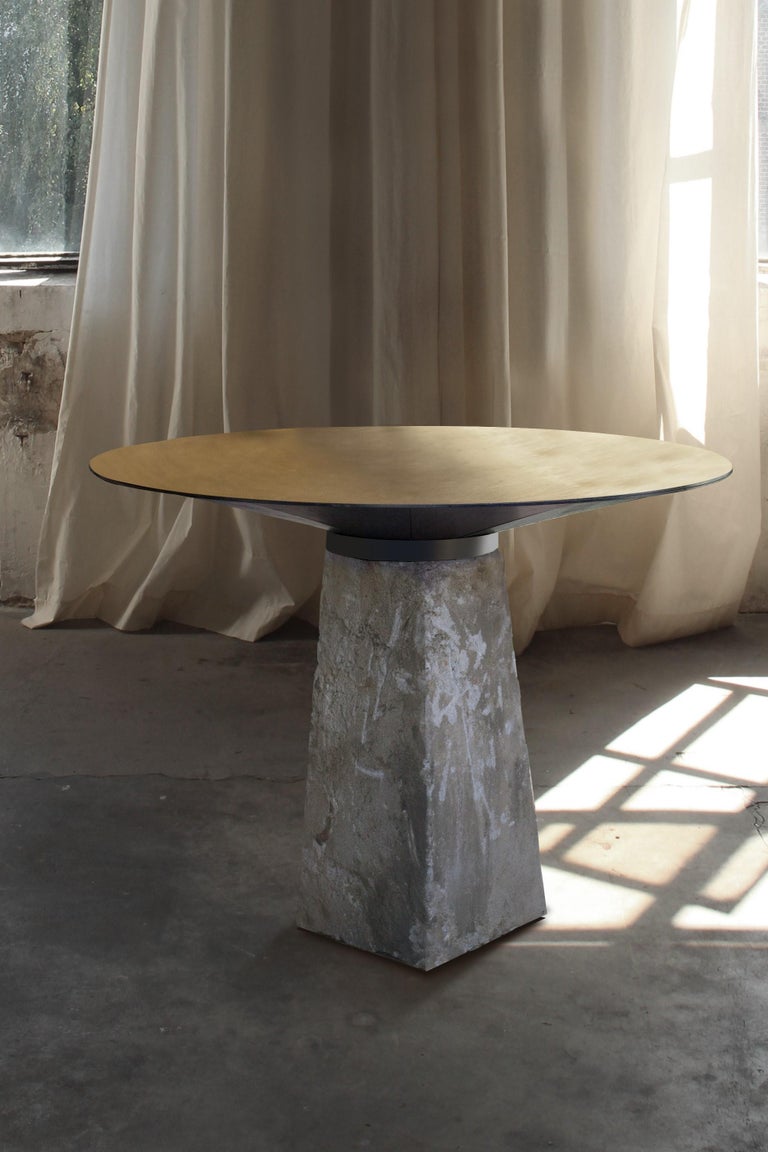
I’ve always been fascinated by brutalism. This style is very close to me. I would only soothe it a little.
Many designers influenced the way I perceive design. I studied art and design history. There was a time when I believed nothing would ever surprise me again. But then my girlfriend Ewelina Mąkosa took me to a restaurant in Barcelona. – Artte designed by Lázaro Rosa-Violán, which very artfully fuses contemporary and former European architecture. It was the first time I’ve seen an arrangement where these two styles didn’t compete but complement each other. As if they’ve always coexisted. It was the moment I understood that I don’t have to abandon my fascination with historical design, that I can create the space in my own way.
Later, after visiting Artte, I started to look for other coffee houses, restaurants, and retail spaces designed by Lázaro Rosa-Violána. Very soon, I started to value his art and craft most. I also admire Joseph Dirand and the vibe of Parisian Monsieur Bleu that she created.
One of the famous sculptors who inspires me is Anish Kapoor. His works create surrealistic spaces. Another, lesser-known artist that inspires me is Przemek Ostaszewski and his minimalistic installations.
Let’s create a world we want to look at.
“Let’s create a world we want to look at.”
The Questions
(The Proust Questionnaire is a set of questions answered by the French writer Marcel Proust.
Other historical figures who have answered confession albums are Oscar Wilde,
Karl Marx, Arthur Conan Doyle, Stéphane Mallarmé, Paul Cézanne…)
Design the world around you.
Loneliness and misunderstanding.
Difficulty in learning foreign languages.
Submission to schemes.
Anja Rubik.
I like to dress festive when I’m alone at home or when I go to the store.
I am very focused on new projects.
Maturity.
Resourcefulness.
A gentle look.
“professionalism”.
Ease of making new connections.
More patience with other people.
Running my own business in Poland.
I could be reborn as a birch, somewhere in the forests of Eastern Europe.
Venice, Brussels, or Lviv.
My grandfather gave me a brass level which he had got from his father. I’m very sentimental.
Insincerity.
Carpenter.
Straightness.
Cooperation.
Arkadija and Borys Strugacki.
The title hero from the film by Andrej Tarkovsky Stalker from 1979.
Grigory Potemkin.
Surgeon. Similarly to my profession, they struggle with manual work. My mistakes only cost me, and their mistakes have a much greater consequence. I admire them for their strong psyche.
Izabela, Cornelia, Petra.
Stupidity and competition.
I regret that I did not make a few mistakes at an earlier age.
Like my grandfather, among my family and relatives.
The future is now.
“Following this path can only result in original, maybe even disruptive creations.”
SHARE :