
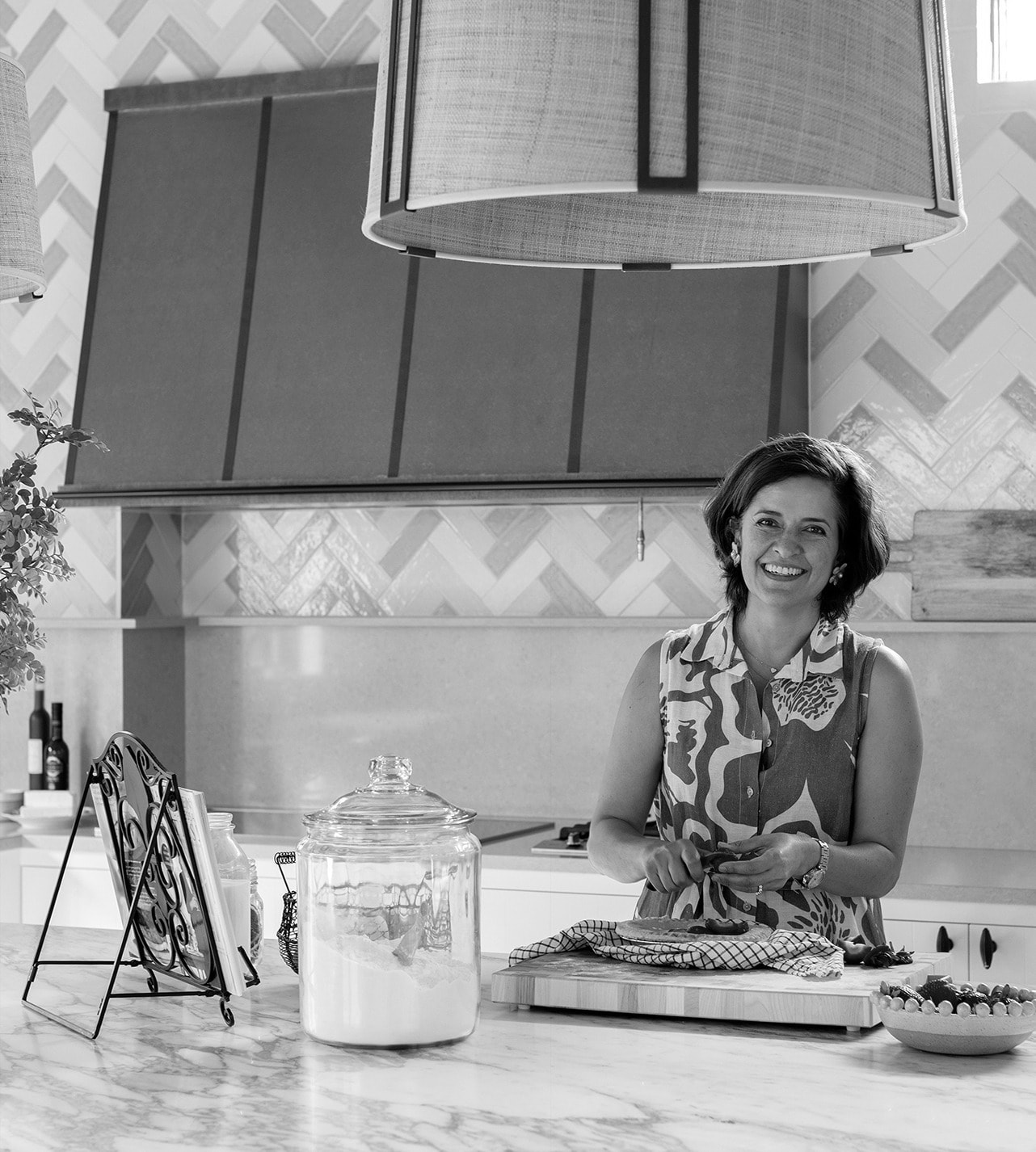
Janine Carendi MacMurray
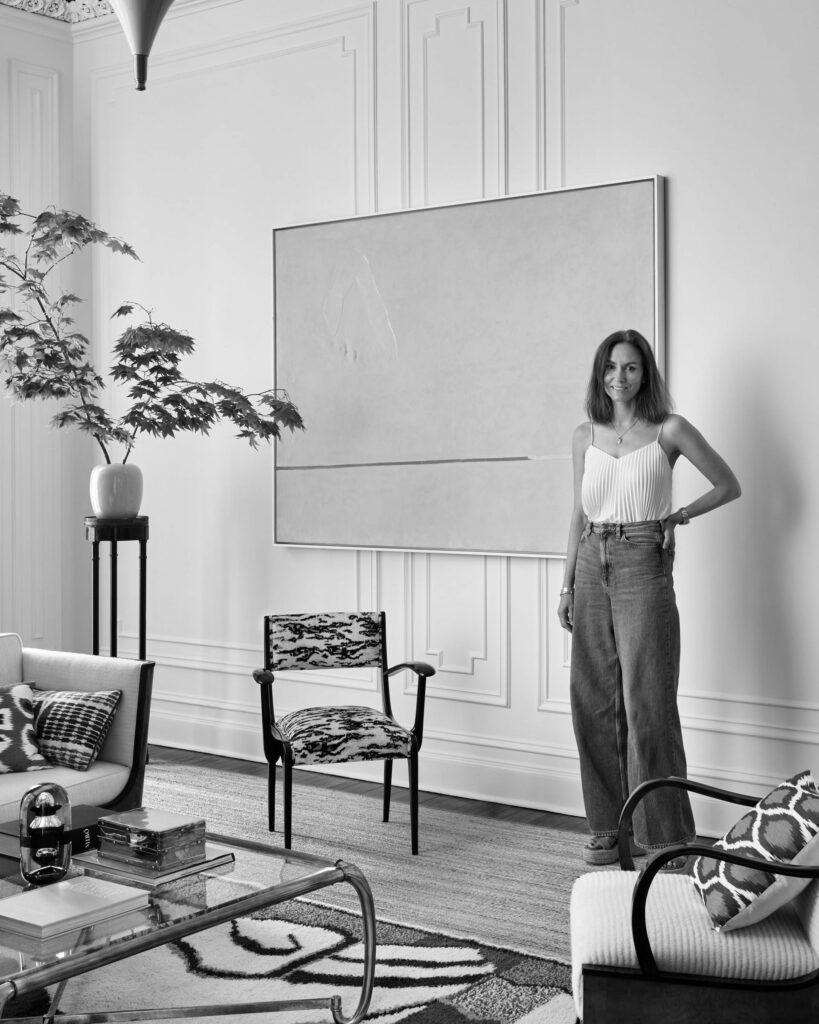
“I’m less interested in creating a signature style than in creating homes that feel inevitable: personal to the family, honest to the architecture, and collected over time.”
INTERVIEW

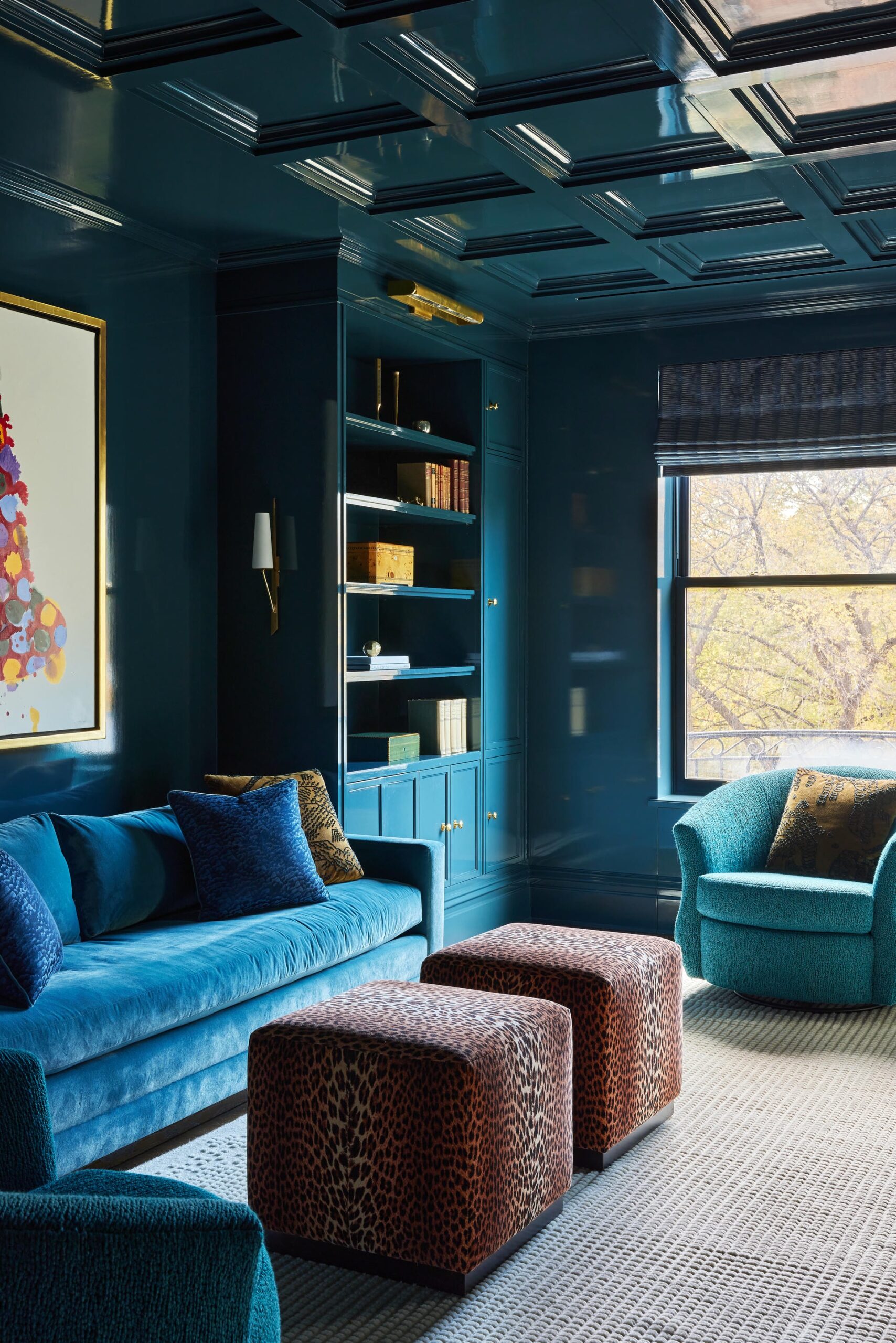
Locust Valley, Living Room © Ethan Herrington
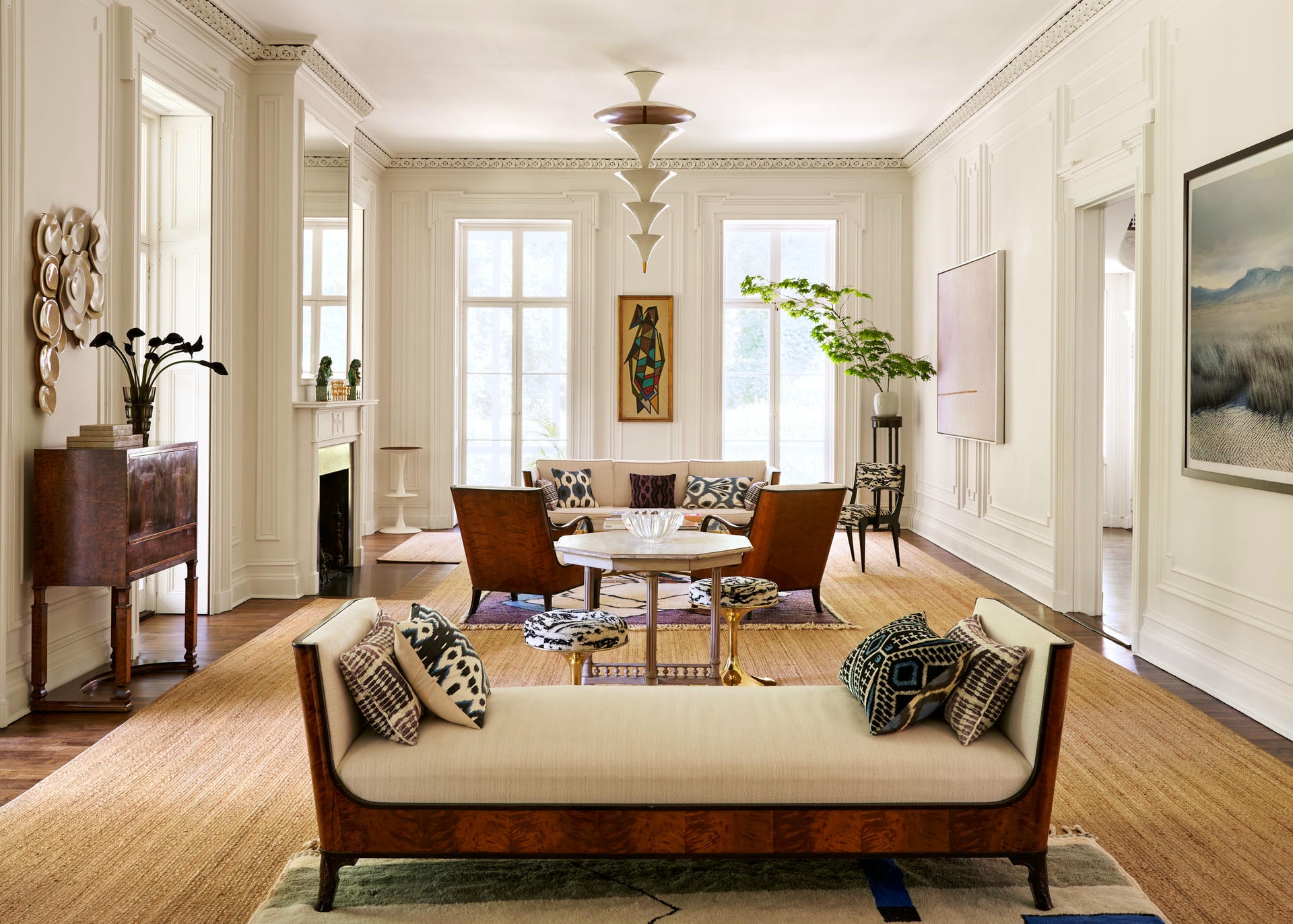
I always begin by understanding the space itself, its architecture, and its history. Before selecting a single material or piece of furniture, I want to understand what the home is asking for and what feels most honest within it.
From there, I spend time learning how my clients actually live. How do they entertain? Where do they gather as a family? What are the rituals that shape their everyday lives? Those conversations become the foundation for every decision that follows.
Only then does the design begin to reveal itself. Sometimes it starts with an extraordinary piece of stone, a work of art, or an antique with a remarkable story. Other times it begins with natural light, proportion, or a single architectural detail.
I have never believed in forcing an idea onto a project. The most rewarding interiors are the ones that evolve naturally, where every decision supports the one before it.
One of my favorite parts of the process is discovering beautiful things along the way. Whether it is an artisan, an antique, an unexpected lighting fixture, or a piece from a gallery I have never encountered before, those discoveries continue to inspire me and often become part of the story of the home.
My path into design was shaped long before I realized it would become my career. Growing up between Mexico, Colombia, Sweden, and the United States exposed me to very different ways of living. Each culture had its own relationship with architecture, craftsmanship, entertaining, and daily life, and looking back, I realize those experiences shaped the way I think about home today. Interior design felt like the natural intersection of so many things I love: architecture, art, history, craftsmanship, psychology, and problem-solving.
More than twenty years later, what I enjoy most is that no two projects are ever the same. Every family, every home, and every collaboration teaches me something new, and that continual opportunity to learn is one of the things I love most about what I do.
Rather than one defining moment, my career has been shaped by many small ones. Every client who has trusted me with their home has influenced the designer I have become. The moments that have meant the most are not public milestones but personal ones. When clients return years later to design another home, invite me to work with the next generation of their family, or tell me that a home has genuinely improved the way they live, I know we created something meaningful.
Those long-standing relationships have become the most rewarding part of my career. They remind me that great design is not simply about creating beautiful rooms. It is about earning trust and building relationships that last far beyond the completion of a project.
Successful design begins with listening, curiosity, and genuine excitement for every project. I still get excited at the beginning of each commission because every client presents the opportunity to create something entirely unique.
People often think they are hiring someone to select beautiful furniture, but what they are really asking is for someone to improve the way they live. The most successful interiors reflect, above all else, the people who live there. They should feel deeply personal while remaining honest to the architecture and their surroundings.
For me, every project begins with the belief that there is no formula. The excitement comes from discovering what makes each home and each family different.
The same philosophy applies to our business. Design is an incredibly personal process, and trust is everything. Clients are inviting us into one of the most personal parts of their lives. That trust is earned through honesty, transparency, consistency, and genuine care for every decision we make together.
I hope my work continues to evolve and is never defined by a signature style. Every project is different, and my goal is always for the home to reflect, above all else, the people who live there. It should feel authentic to them and honest to the architecture.
Having said that, I certainly have things I am consistently drawn to. I have always loved exceptional lighting, and it often becomes one of the defining elements of a project. I also enjoy mixing different eras so that an interior feels collected rather than decorated – incorporating contemporary, mid-century, and neoclassical pieces. I enjoy the unexpected and believe a home should feel as though it has evolved naturally over time rather than having been assembled all at once.
One of my favorite parts of this profession is the constant discovery. I still get excited walking through galleries and showrooms, discovering lighting and furniture designers I have never encountered before, an extraordinary object, or a beautiful antique with an incredible story. That sense of curiosity and excitement never fades.
If there is one philosophy that guides my work, it is a genuine love for beautiful objects and an appreciation for the extraordinary people who create them. I feel incredibly fortunate that I not only get to collect those pieces for myself, but also help clients discover and live with them. Over the years, I have learned that great design is not about adding more. It is about knowing what belongs, what does not, and how to edit thoughtfully. The best interiors are the ones that never feel overdesigned.

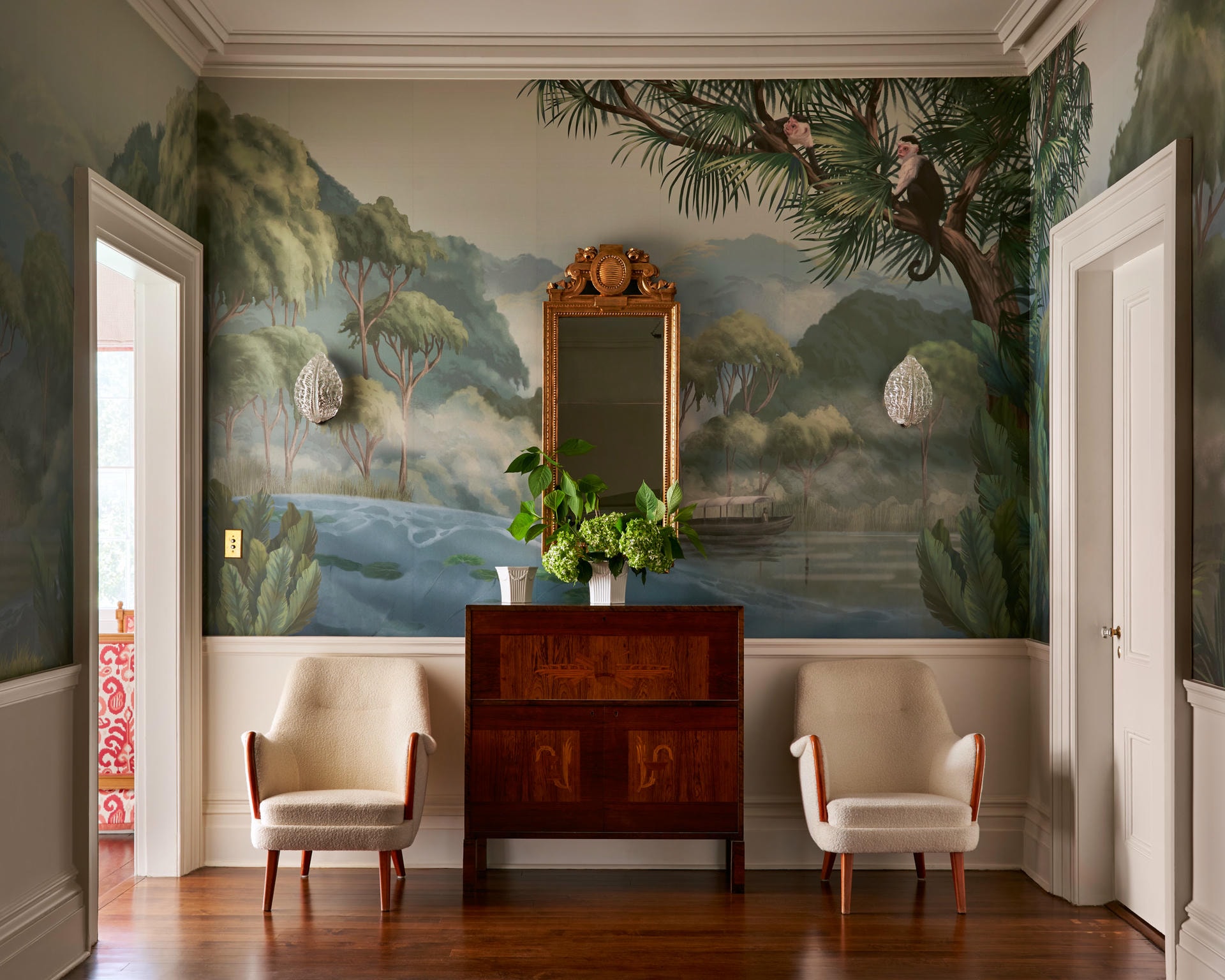
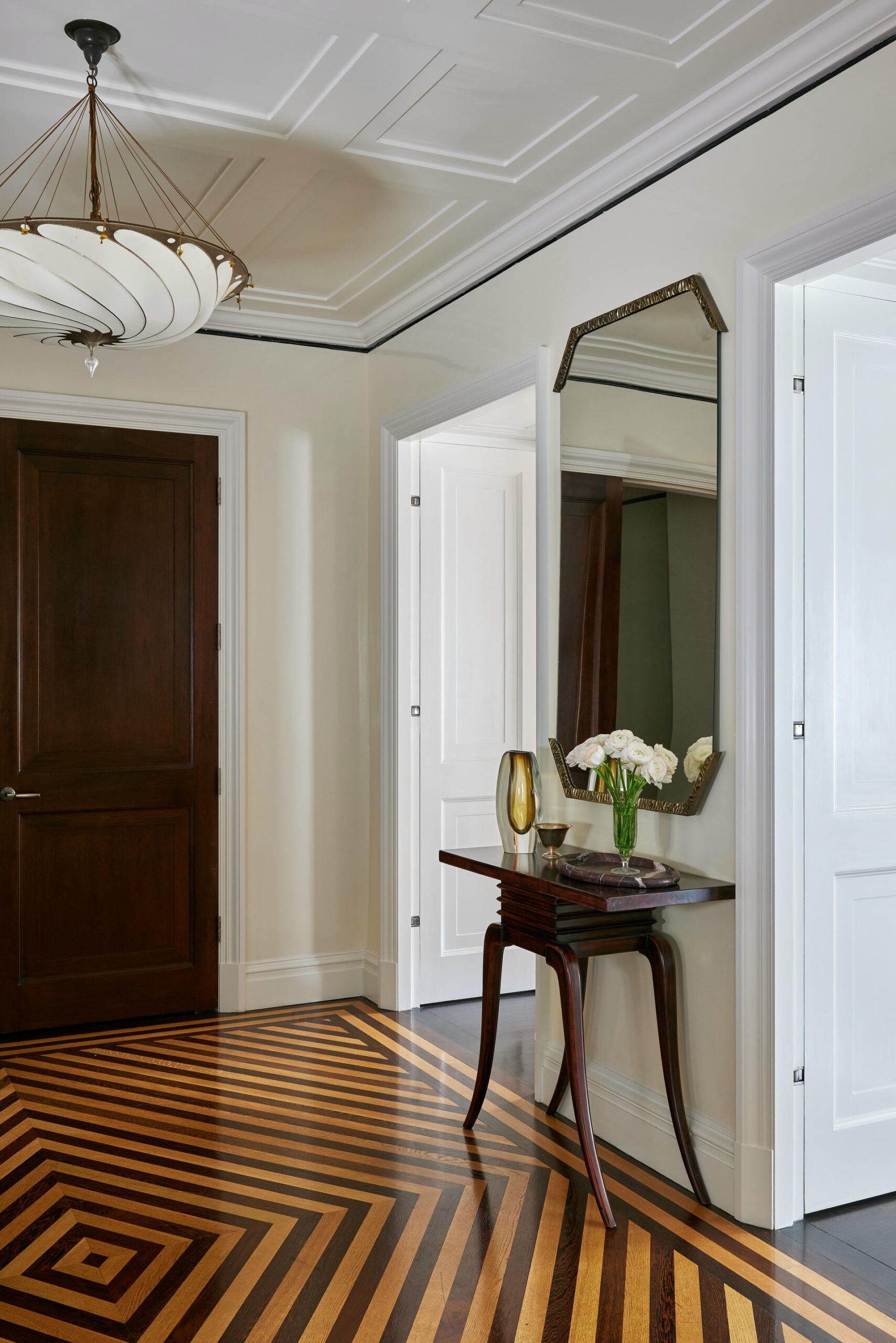
Locust Valley, Hallway © Ethan Herrington

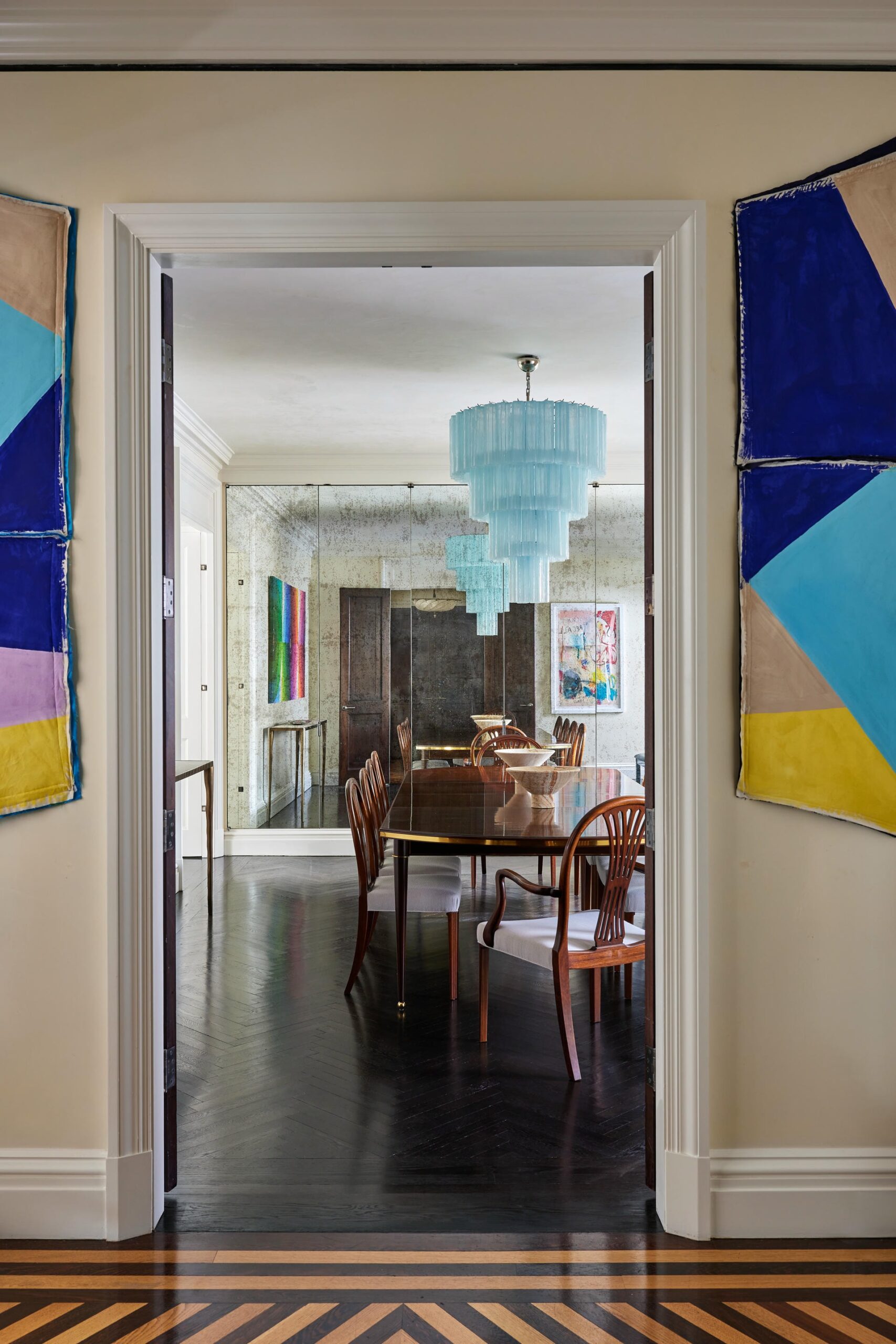
East 79th, Dining Room © Kirsten Francis
One of my favorite projects is a townhouse on 75th Street, which I have yet to photograph. I had the opportunity to work with one of my favorite families, and from beginning to end, the project was adventurous, collaborative, and just a lot of fun.
One of my favorite parts is that each floor becomes a little more colorful as you make your way up the house, with the seventh floor being the boldest. It felt right for the family, and I love that every level has its own personality while still feeling connected.
Looking back, what I enjoy most is that the design process ended up reflecting the finished project. It never felt forced. It evolved naturally, everyone was excited throughout the process, and the result feels joyful, comfortable, and perfectly suited to the way this family lives. I was thrilled to have the opportunity to work with them again, and it remains one of those projects that makes me smile whenever I think about it.
Early in my career, I believed every problem had a perfect solution. Experience has taught me that design is often about making thoughtful compromises. Budgets, construction realities, historic buildings, schedules, and unexpected discoveries all require flexibility.
I also learned that not every project or every client is the right fit. Knowing when to say no can be just as important as knowing when to say yes.
Early in my career, I noticed that the designers I admired most were the ones whose clients came back to them again and again. They had built long-standing relationships based on trust, honesty, and transparency, and they never made the process feel more mysterious than it needed to be. That observation stayed with me. Those were values I already held dear, but it became very clear that they were the foundation on which I wanted to build my business. Everything we do, from how we handle budgets, purchasing, and decision-making, is rooted in transparency.
The interior design industry can sometimes feel overwhelming or lacking in clarity for clients, and I have always wanted our firm to be the opposite of that. I want every client to know exactly where they stand with every purchase and every decision. I believe that level of trust allows the creative process to flourish and, most importantly, gives our clients the confidence to know they are in good hands.
Learn from everything around you. Study architecture, history, construction, lighting, textiles, furniture making, and art. Visit museums, travel whenever possible, and train your eye every day.
Most importantly, learn from the people around you who are creating spaces alongside you. Some of the greatest lessons I have learned have come not only from other designers, but from the extraordinary craftsmen and artisans we work with every day. I am also deeply grateful to the showrooms, galleries, and dealers who have shared their knowledge with me over the years. Their passion for beautiful objects is contagious, and their generosity in sharing what they know has shaped my eye in countless ways. Their knowledge and dedication have taught me far more than any class I have ever taken.

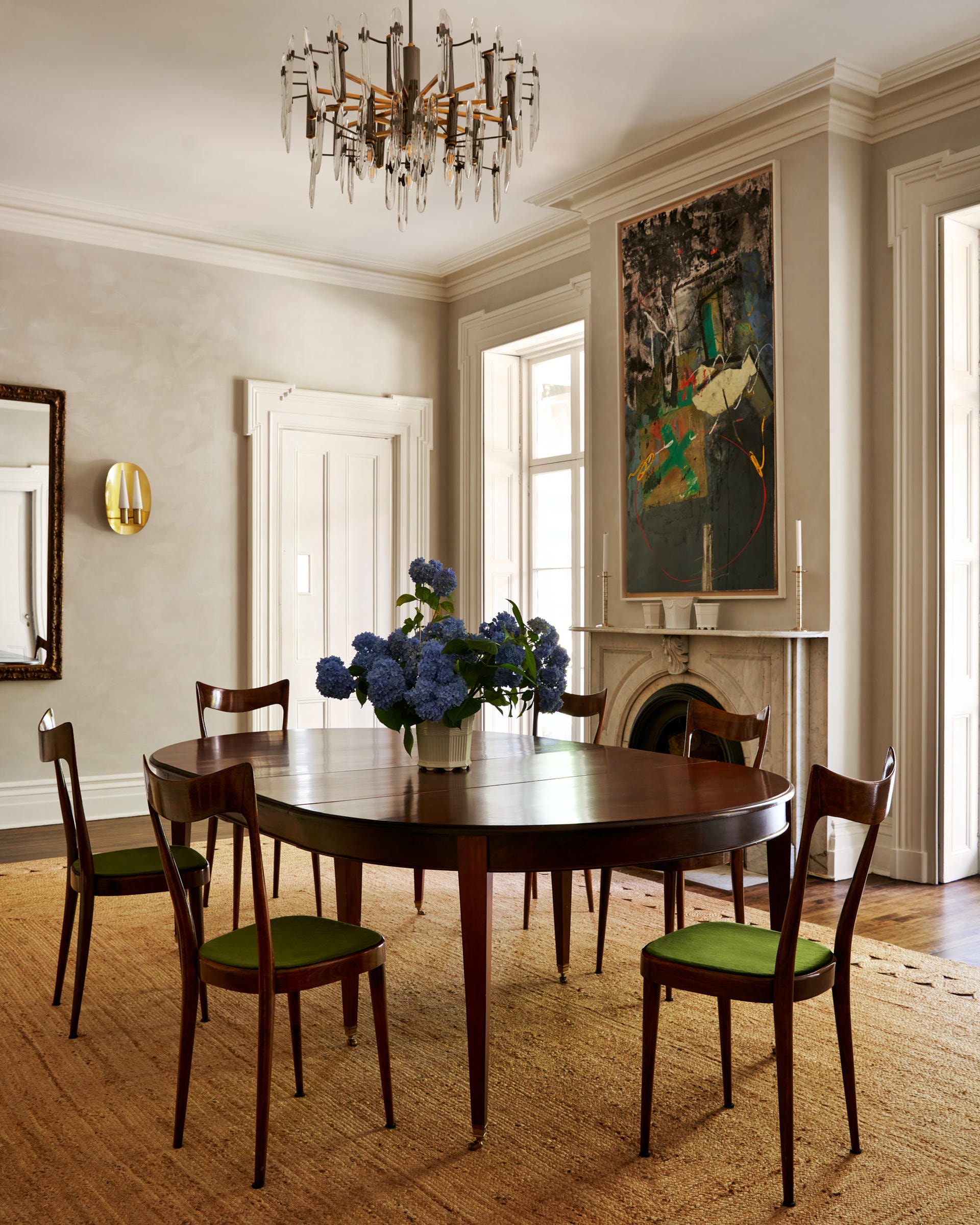
Locust Valley, Dining Room © Ethan Herrington

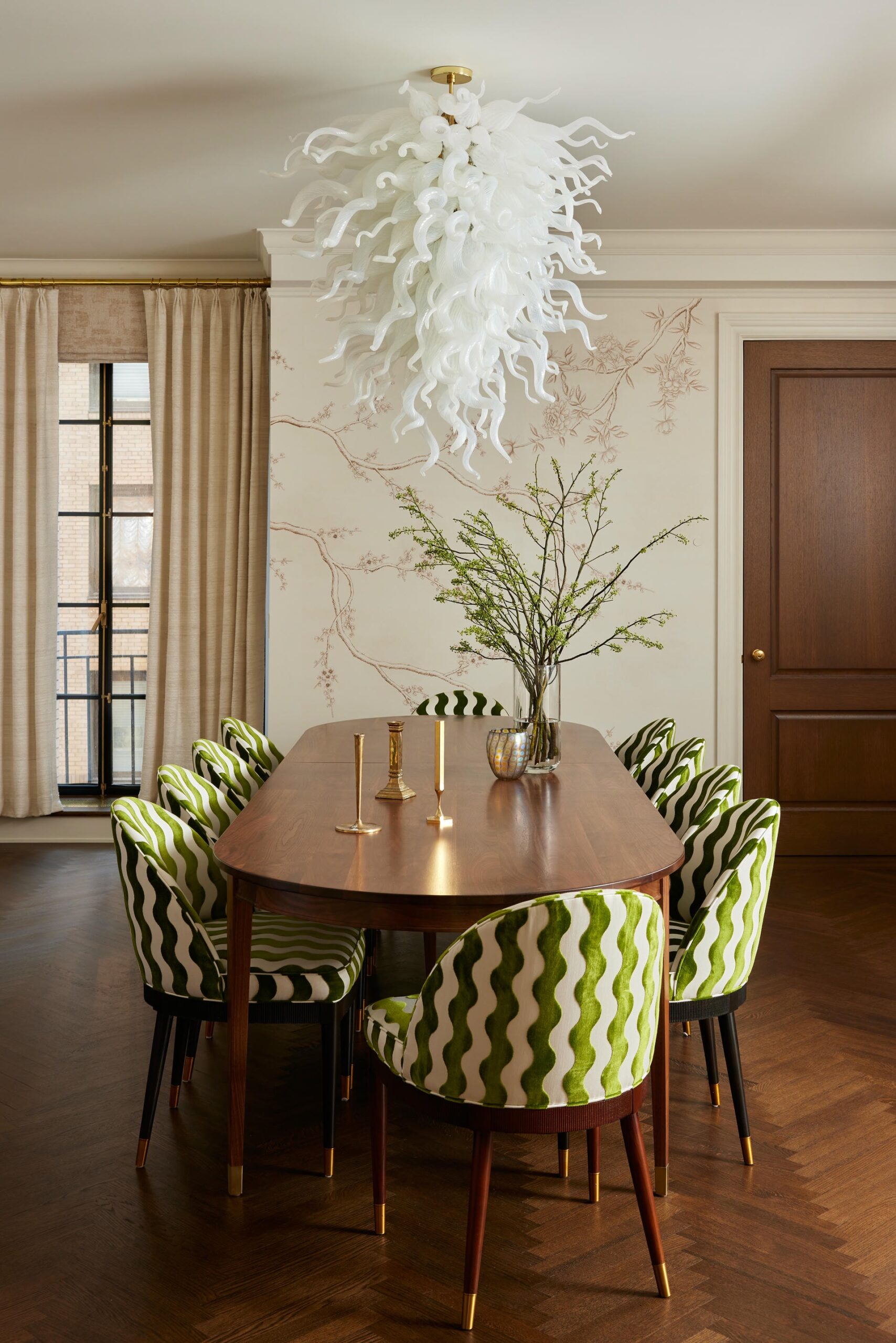
5th Avenue Co-Op, Dining Room © Kirsten Francis
I tend to gravitate toward books on architecture, art, and craftsmanship rather than design trends. In Praise of Shadows by Jun’ichirō Tanizaki has stayed with me for years because of the way it celebrates subtlety, atmosphere, and beauty. I also return often to The Decoration of Houses by Edith Wharton and Ogden Codman Jr., and A Pattern Language by Christopher Alexander. More than anything, though, I find inspiration by visiting galleries, museums, artists’ studios, and historic homes. There is something irreplaceable about seeing beautiful objects and craftsmanship in person.
Start with the architecture, not the furniture. When the proportions, circulation, natural light, and architectural details are thoughtfully resolved, decorating becomes almost effortless. Beautiful furniture cannot compensate for poor architecture, but good architecture elevates everything placed within it.
One of the things I love most about my work is the diversity of the projects we get to take on. We are currently working on several homes in New York, a home in Colorado, a couple of coastal residences, and projects overseas, each with its own unique character and challenges.
One project I am especially excited about is a beautiful Park Avenue townhouse that we are completely restoring in collaboration with RAMSA. It is always inspiring to work alongside architects whose work I admire so deeply, and I am looking forward to seeing the home come to life.
favorite pieces from the Philia Collection
It is difficult to narrow the collection down because what I appreciate most about Galerie Philia is the diversity of voices represented. There is a wonderful balance between sculpture, craftsmanship, and function.
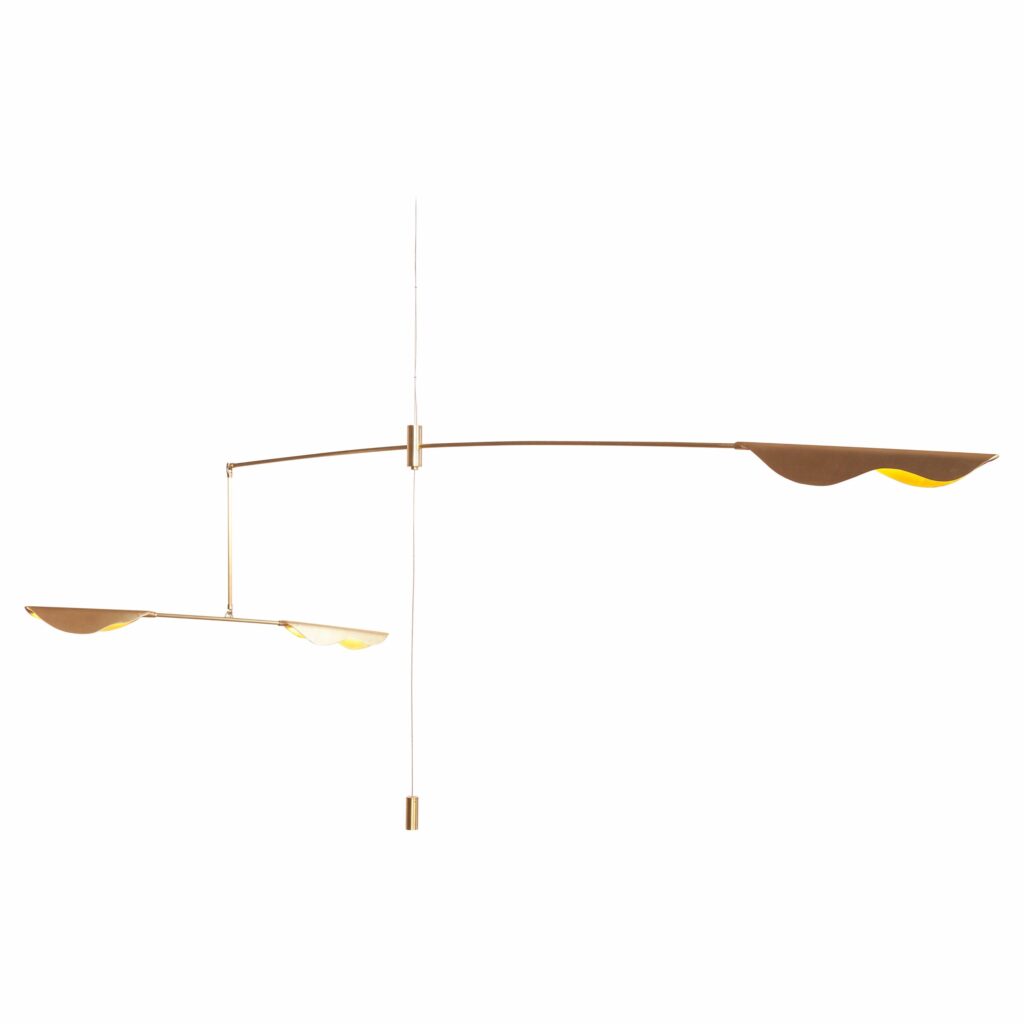
Vesper Pendant Lamp by Morghen Studio
The Vesper Pendant Lamp by Morghen Studio is another favorite. I love how it feels almost weightless. It is elegant, architectural, and beautifully balanced, bringing a sense of movement to a space without overwhelming it. It’s quietly striking.
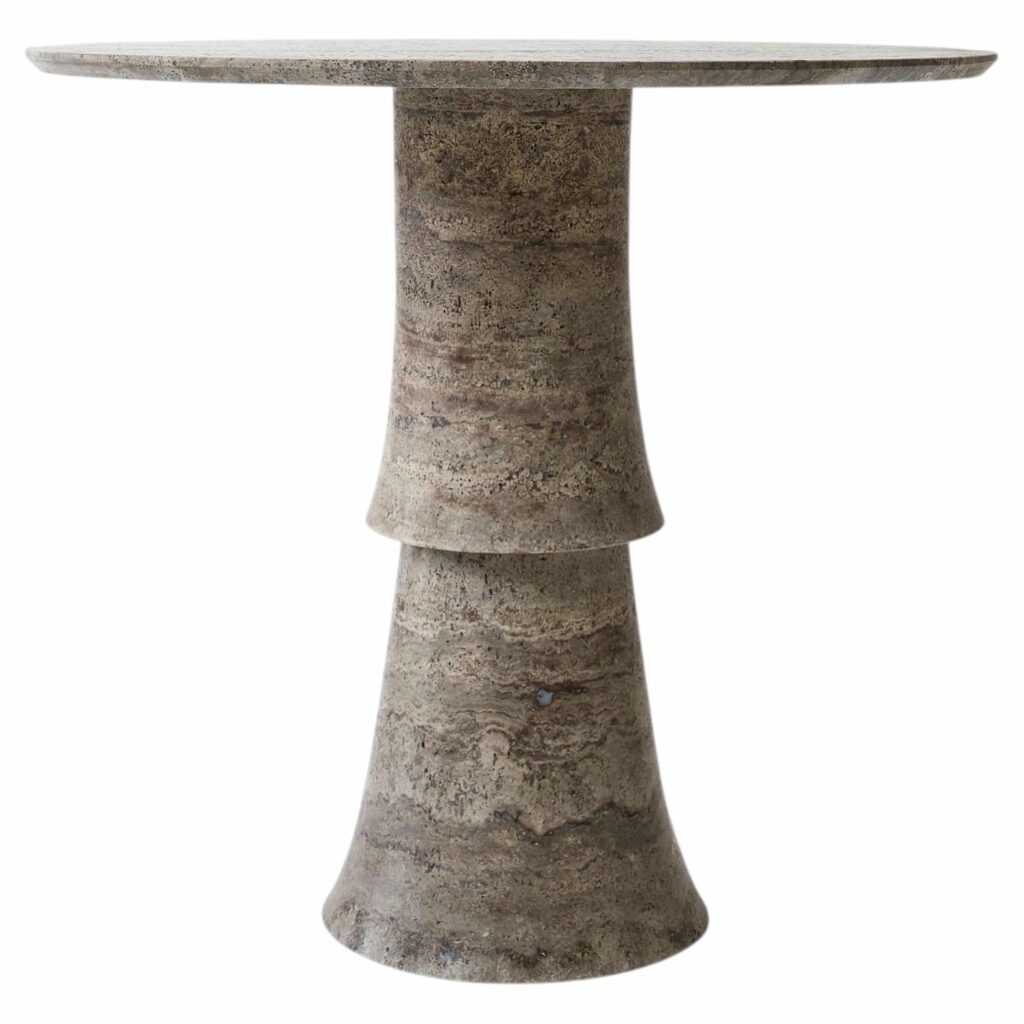
Bellissimo High Table by Pietro Franceschini
The Bellissimo High Table by Pietro Franceschini reflects something I have always been drawn to: beautiful stone. I love how its simplicity allows the craftsmanship and proportions to speak for themselves. It feels timeless without trying to.
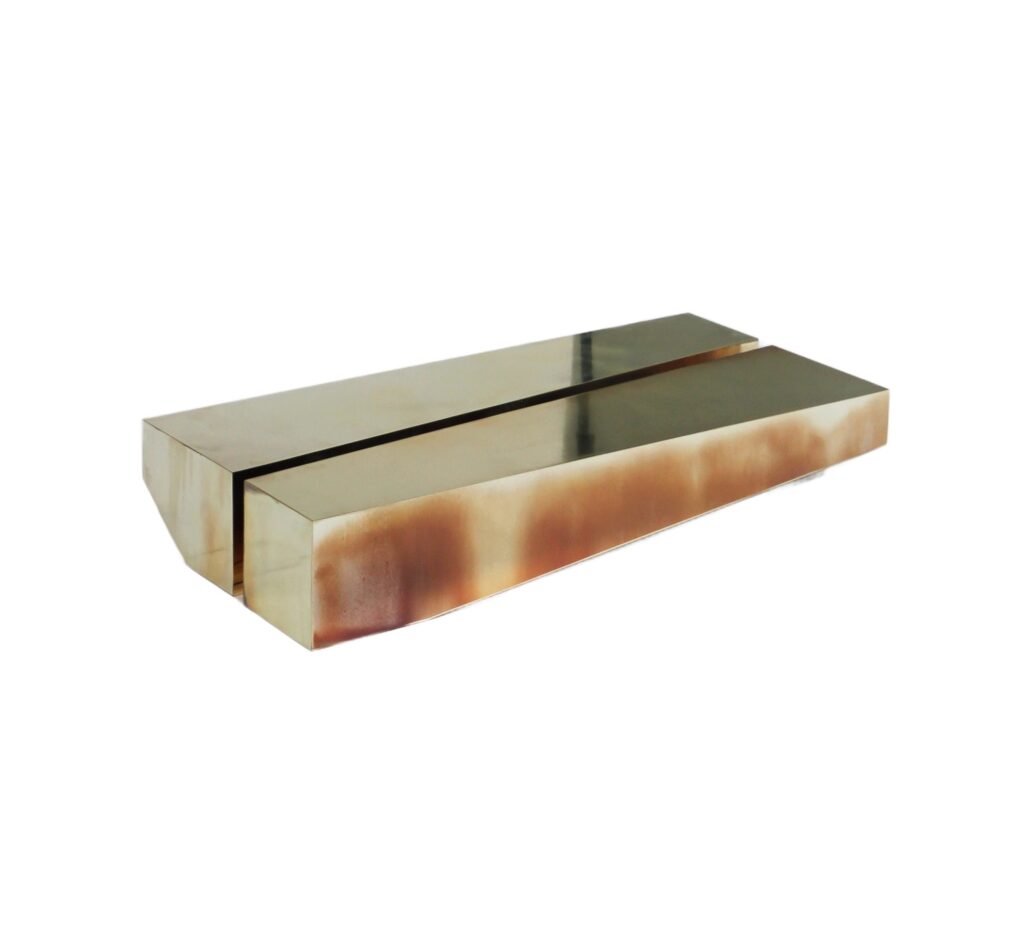
Bevel Coffee Table by HADGE
Finally, I was captivated by the Bevel Coffee Table by Hadge. It is a wonderful example of how a familiar form can be completely reimagined through materiality and precision. It feels sculptural yet incredibly livable, and those are often the pieces that have the greatest longevity in an interior.
Thank you so much Janine, for this lovely interview!
Share article :
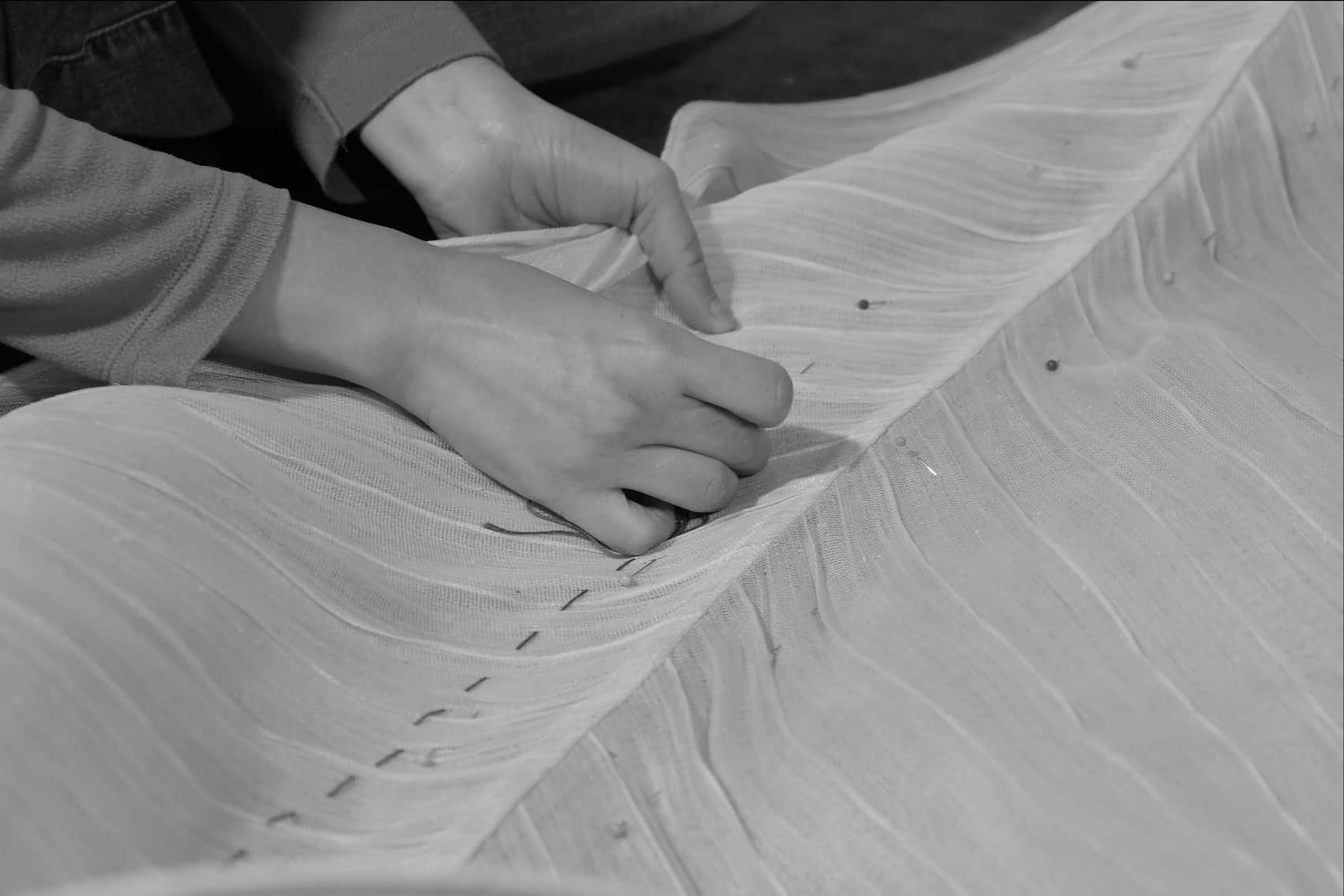
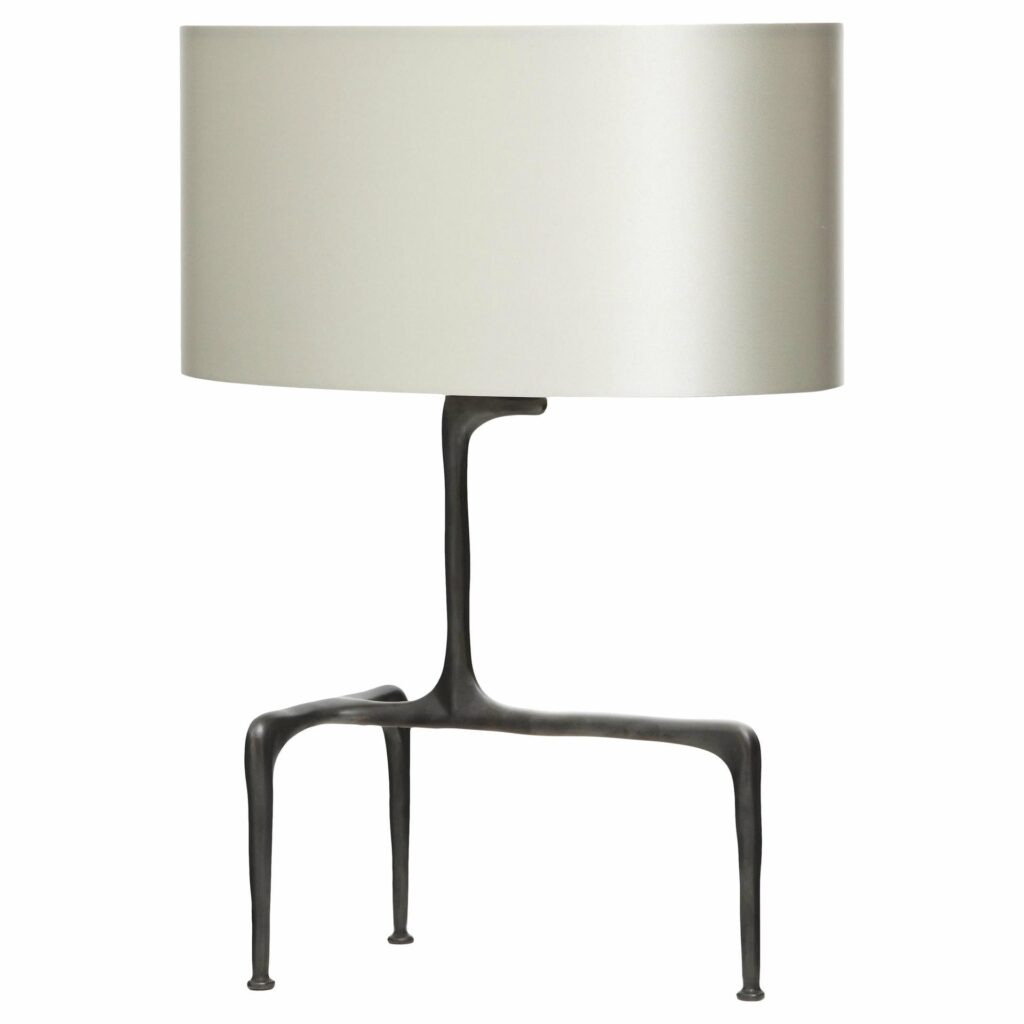
The Braque Table Lamp by CTO Lighting immediately stood out to me. Exceptional lighting has always been one of my favorite elements in an interior, and this piece demonstrates how lighting can become sculpture. It is beautifully proportioned, understated, and quietly confident.