Jay Boggo
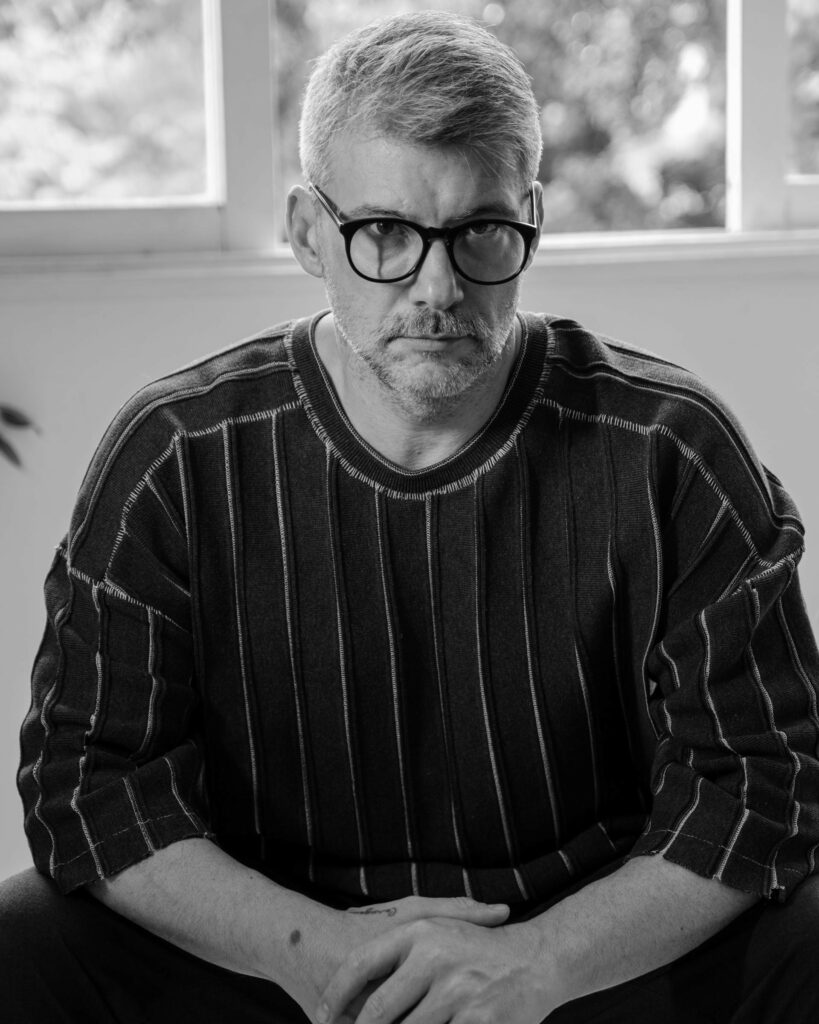
Jay Boggo is a Brazilian artist and designer whose multidisciplinary practice spans collectible design, sculpture, visual arts, and fashion. Working with reclaimed native woods, natural fibers, stone, and salvaged materials, he creates pieces that explore the relationship between nature, memory, and cultural heritage. Deeply influenced by the landscapes and communities of the Brazilian Amazon, Boggo approaches design as a dialogue between craftsmanship, sustainability, and storytelling.
Rooted in the principles of circular economy and environmental responsibility, his work reinterprets ancestral knowledge through contemporary forms, transforming raw materials into sculptural objects imbued with a strong sense of place. Through furniture, installations, and artistic projects, Boggo celebrates the connection between people and the natural world, creating works that serve as a passage between tradition and innovation, past and future.
Interview
I was born in Joinville, in the state of Santa Catarina, and I grew up in southern Brazil among mountain ranges, forests, and the sea. These origins have deeply shaped my worldview and my work, combining tradition, nature, and memory.
My first memory is drawing as a child, inspired by stories of self-overcoming, feeling different from the other boys in a small town in the 1980s. I also remember the first times I touched the wood in my childhood home, feeling its texture as something alive.
I have always been connected to creation. I started in fashion and gradually expanded my universe into furniture design, sculpture and the visual arts. For me, art and design have always walked together.
The need to transform memories and raw materials into something both functional and poetic. Design allows me to translate my Brazilian roots into works that converse with the world.
My process is intuitive and symbolic. I work largely from memories, Brazilian landscapes, spirituality, and the strength of living materials. My influences come from nature, poetry, philosophy, and Brazil’s cultural ancestry. There is an Eastern trace in all of my art that I cannot explain — I only feel it.
A typical day starts with drawing and writing, followed by time in the studio where I spend hours experimenting with materials, talking with artisans, and developing pieces. But it is never the same: each project requires its own immersion.
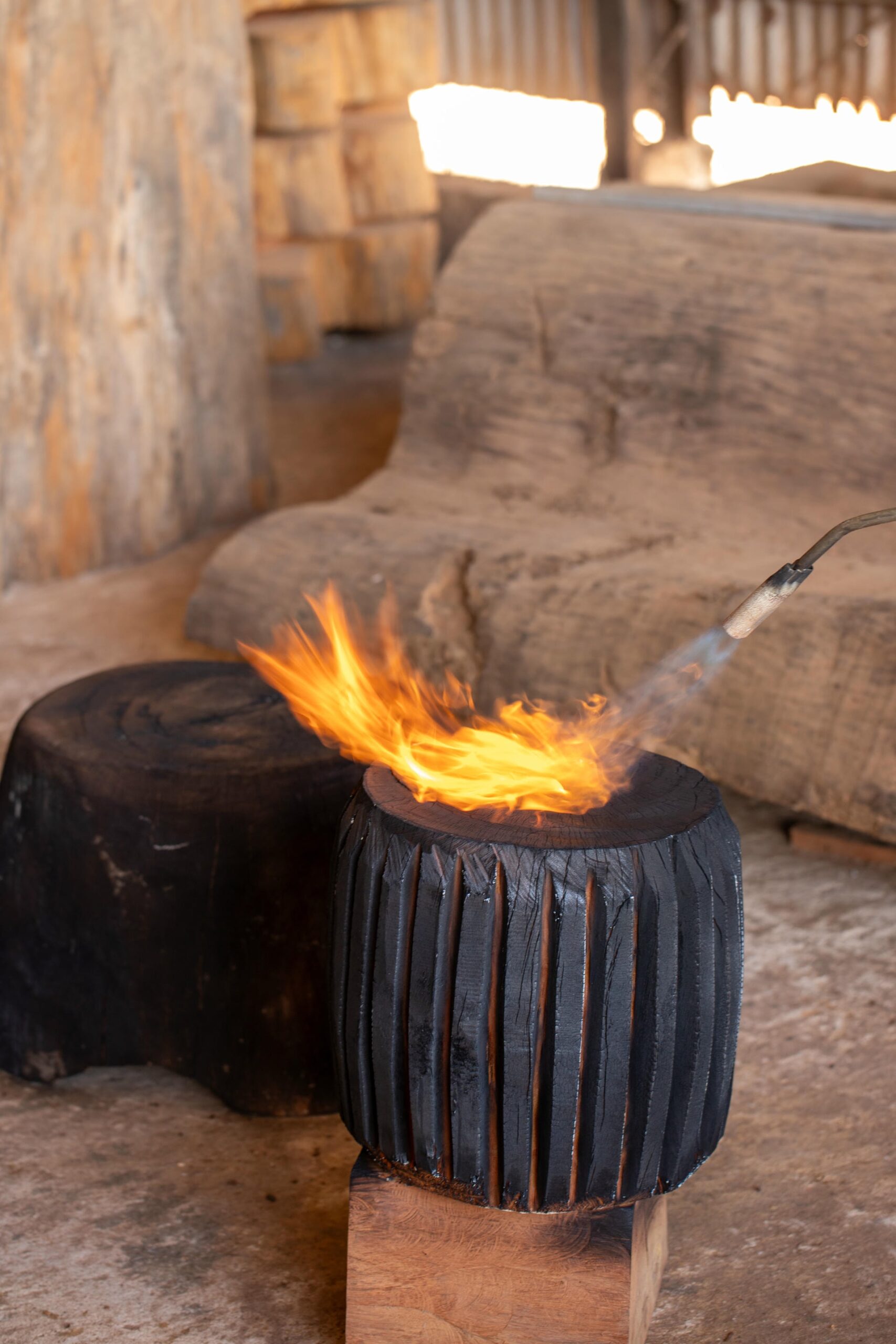
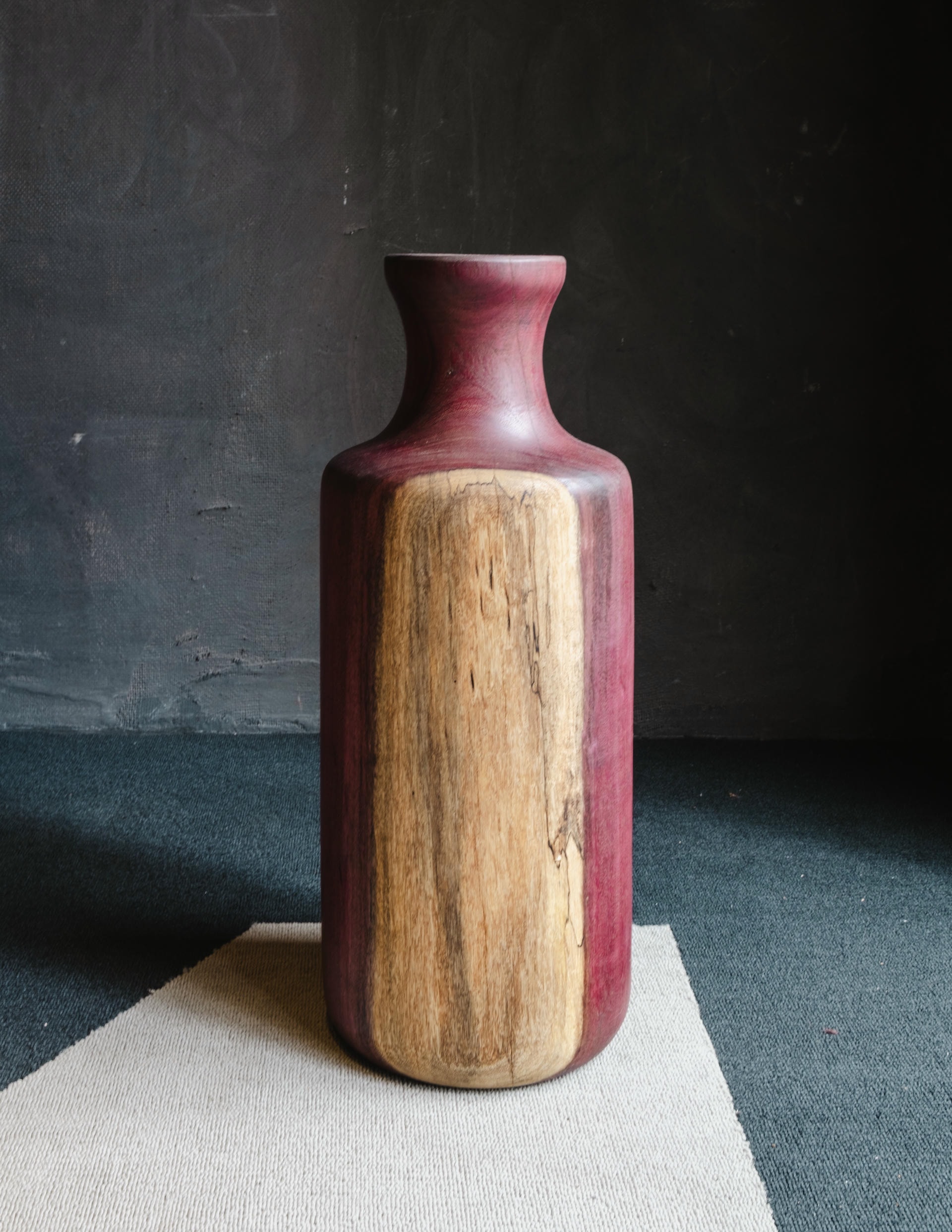
Fabrics have always been an essential raw material for me, natural fibers. But wood entered my life powerfully, absorbing my soul and heart. Especially Brazilian certified woods, reclaimed, or from sustainable management. The choice is both ethical and aesthetic: I carry with me a commitment to nature and to the beauty of imperfection. I now also include stone, marble, and granite in my creations.
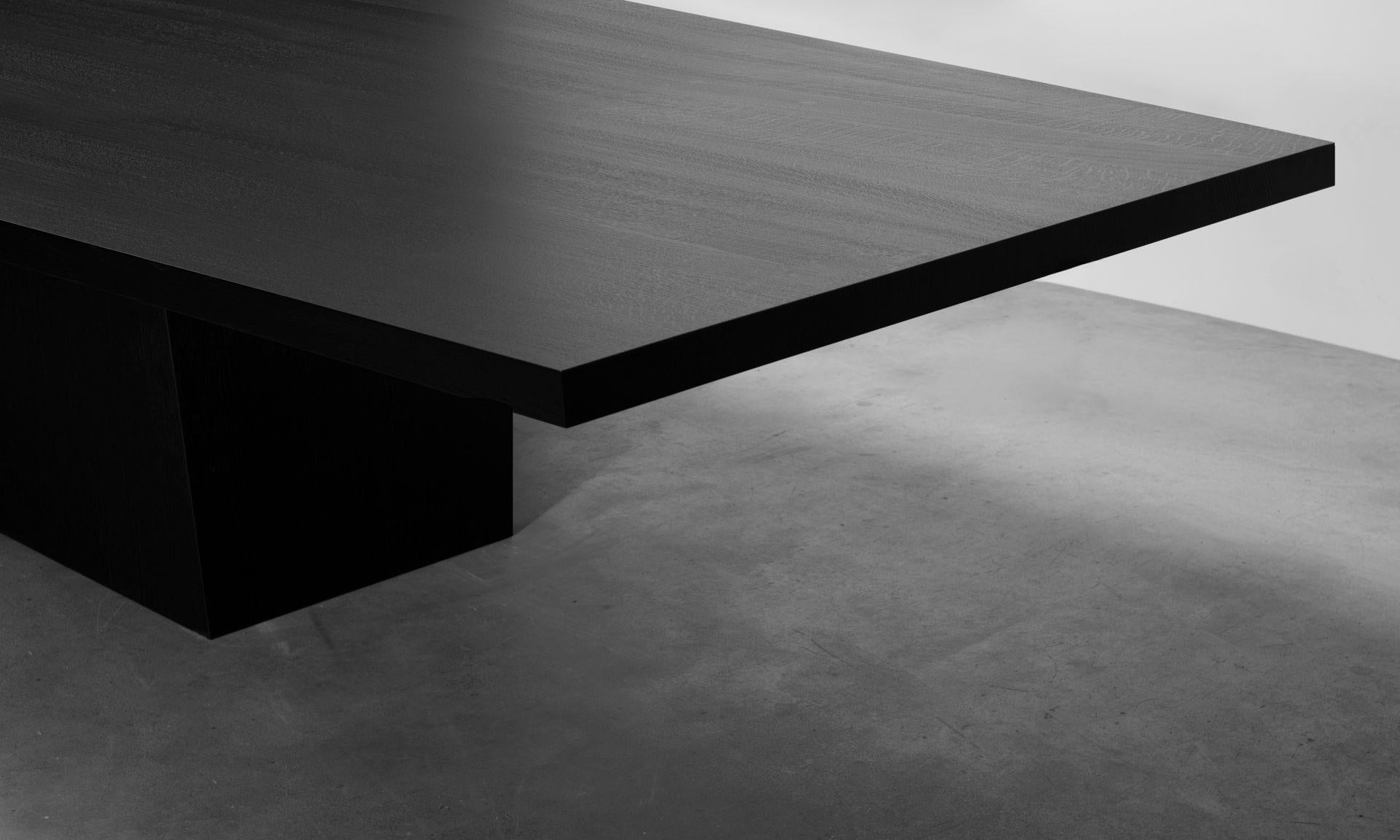
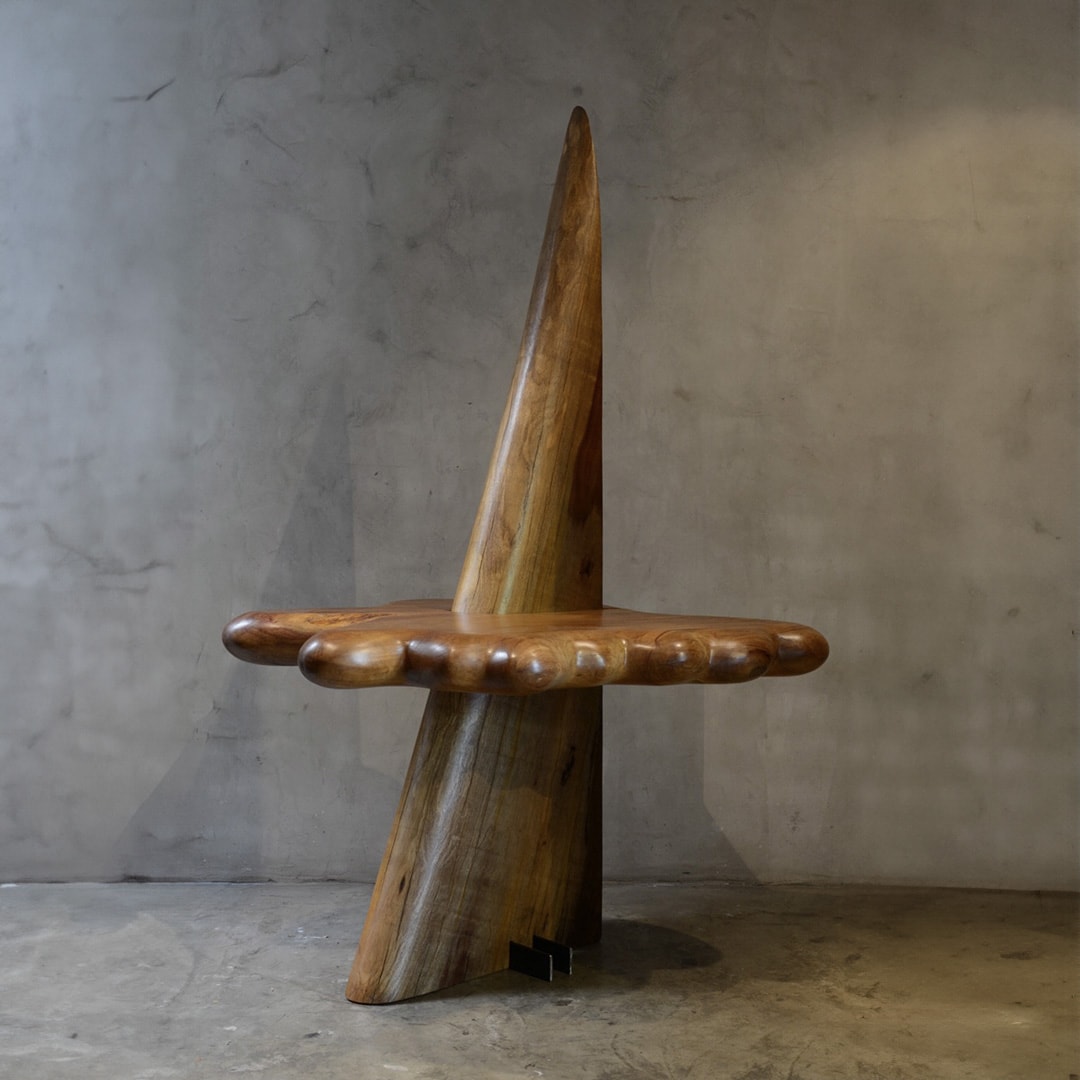
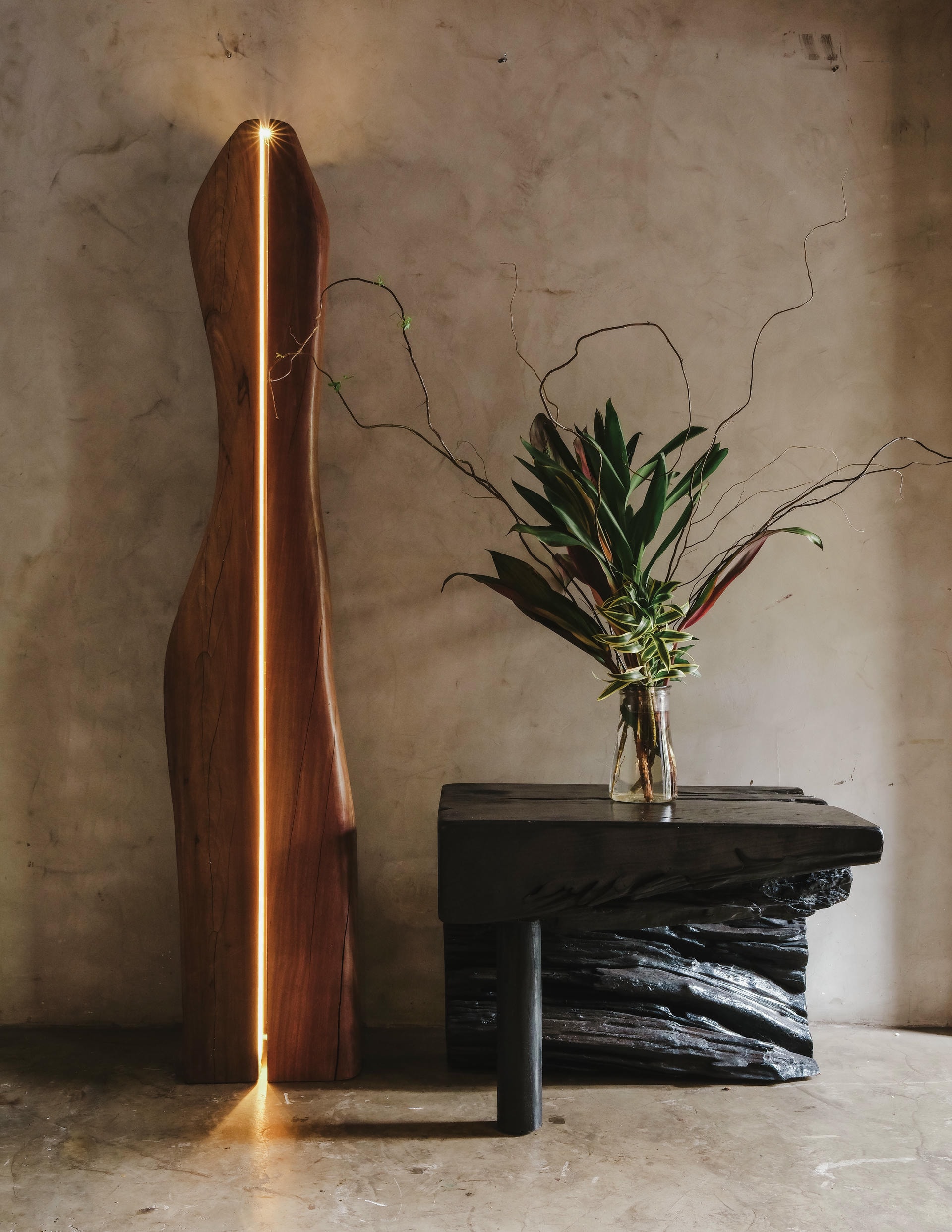
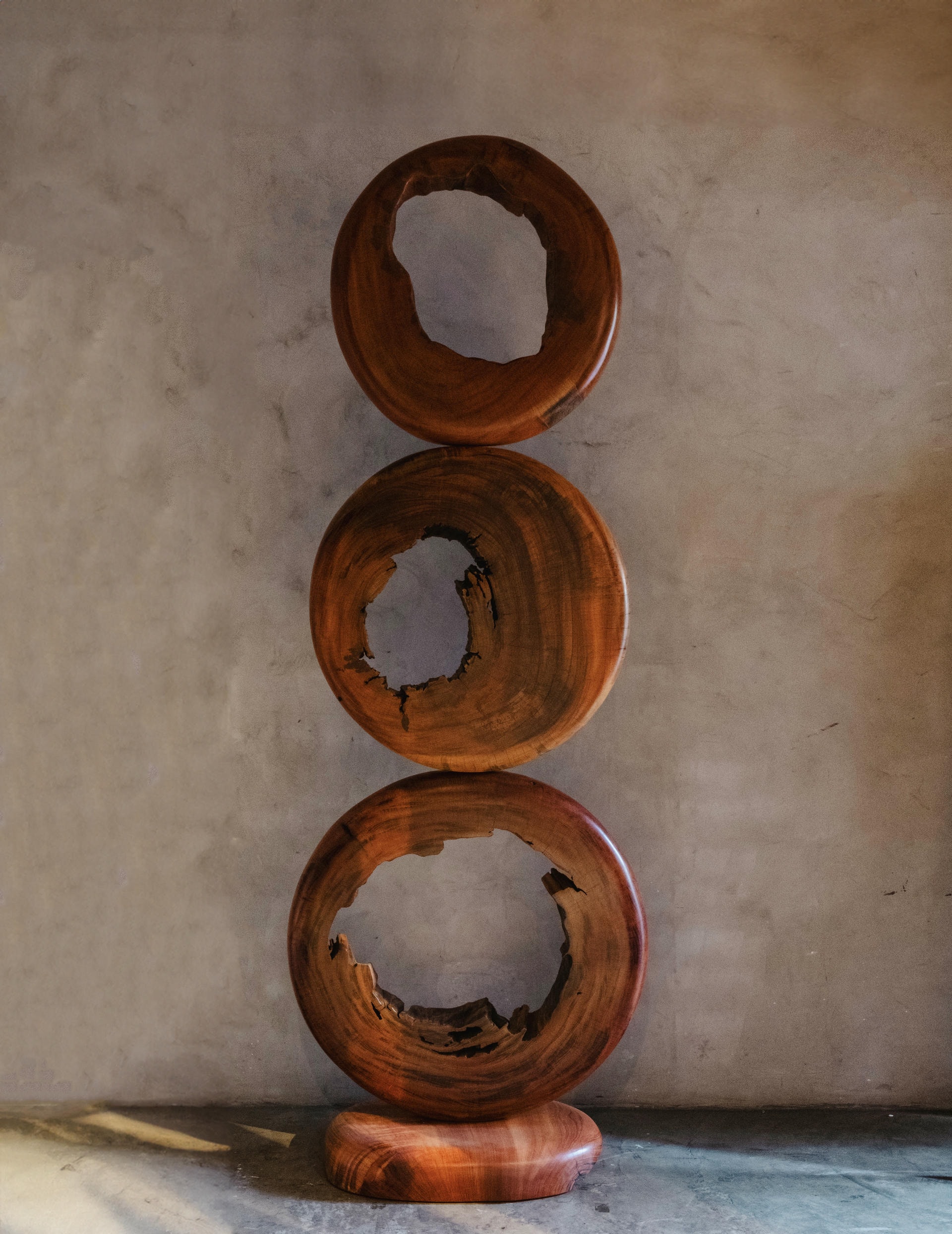
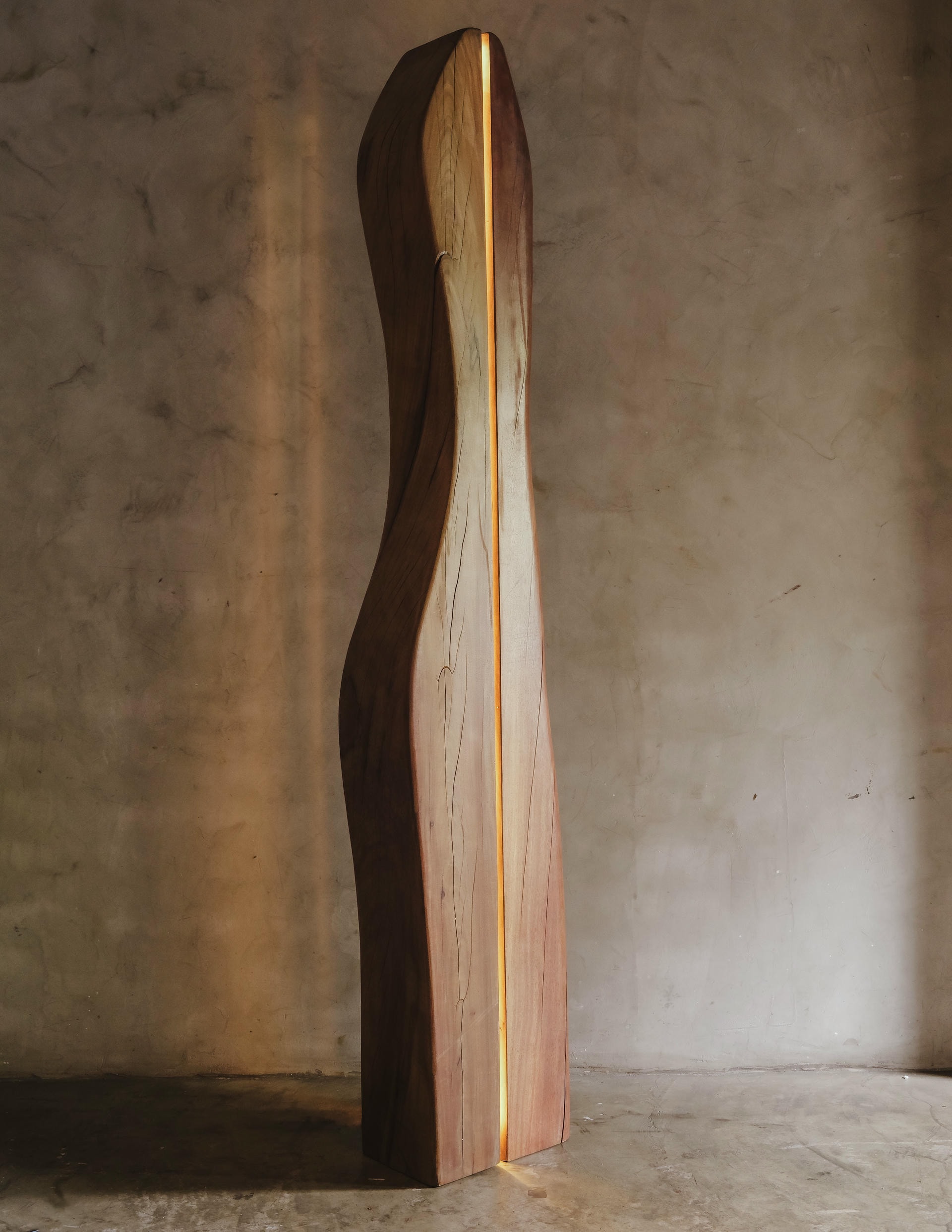
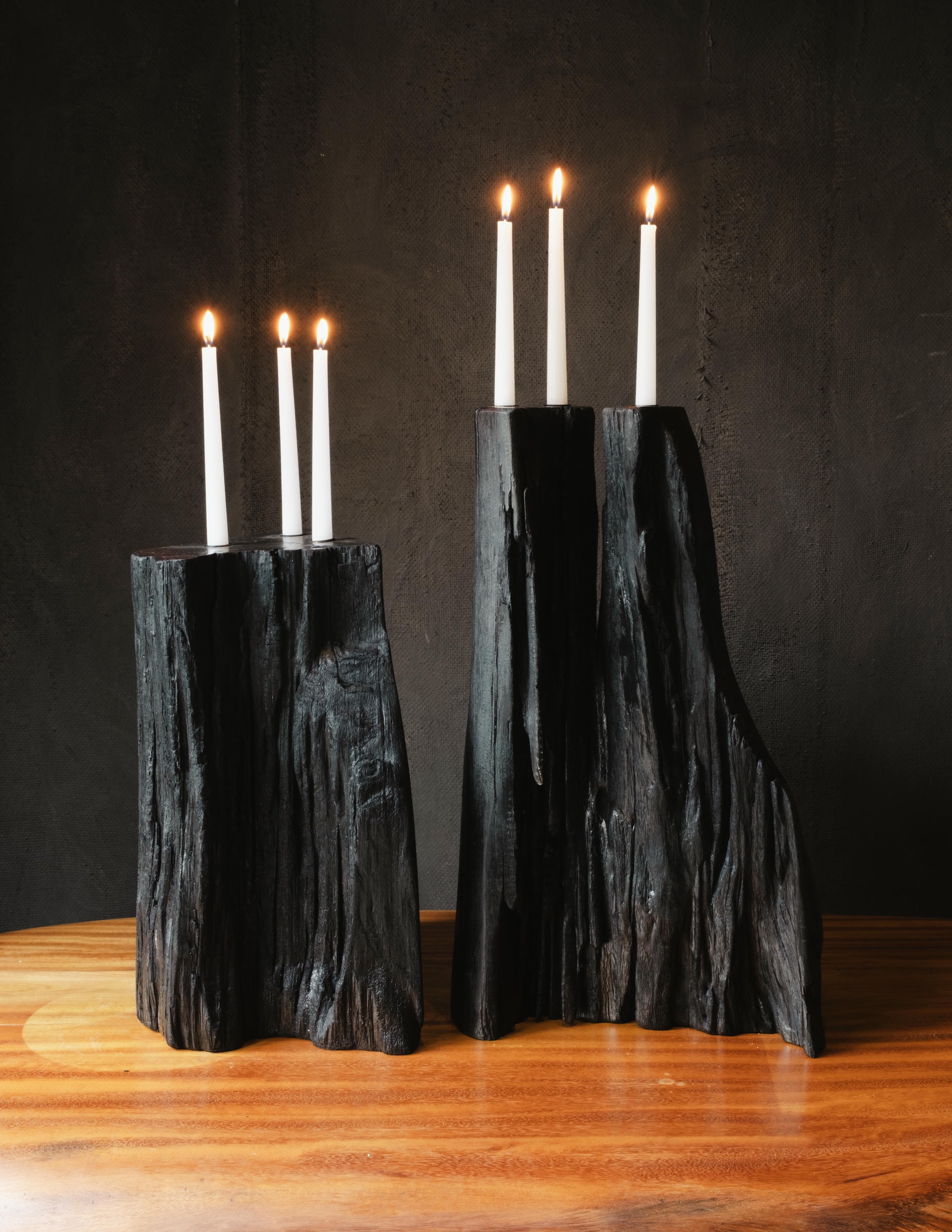
They are hybrid pieces between furniture and sculpture. They carry organic curves, demand complex manual techniques, and require constant dialogue with artisans. They are unique, often non-replicable, and bear the mark of time and memory in the material.
Be true to your own voice. Seek in your origins, personal experiences, and territory a singular path. And above all, do not be afraid to experiment.
Contemporary sculptural design, rooted deeply in Brazilian artisanal tradition.
Sérgio Rodrigues, Lina Bo Bardi, all of them managed to unite Brazilianness, technique, and poetry.
Those who challenge limits and bring art and design closer together, such as Wendell Castle and Nacho Carbonell.
Artists who deal with memory, nature, and spirituality, like Tunga, Ernesto Neto, and Joseph Beuys.
“Passage”, because each piece is a path between past and future, between nature and culture, between Brazil and the world.
My work is a way of transforming roots into movement, of telling Brazilian stories to the world, always with respect for the material and for time.
“Be true to your own voice. Seek in your origins, personal experiences, and territory a singular path.”
The Questions
(The Proust Questionnaire is a set of questions answered by the French writer Marcel Proust.
Other historical figures who have answered confession albums are Oscar Wilde,
Karl Marx, Arthur Conan Doyle, Stéphane Mallarmé, Paul Cézanne…)
Creating freely.
Losing sensitivity.
Anxiety.
Arrogance.
My children.
Traveling to create.
In passage.
Obedience.
Courage.
Sensitivity.
Origin.
I feel complete when I admire in others what I cannot do.
Impatience.
Building my body of work from nothing.
A tree.
Between Brazil, NYC, and Paris.
My Banco Cacau.
Lack of hope.
Creating.
Intensity.
Loyalty.
Carlos Drummond de Andrade, Clarice Lispector.
Don Quixote.
Leonardo da Vinci.
Anonymous artisans.
Pedro, Domenico.
Injustice.
Not trusting myself earlier.
In peace, creating.
Transform memory into the future.
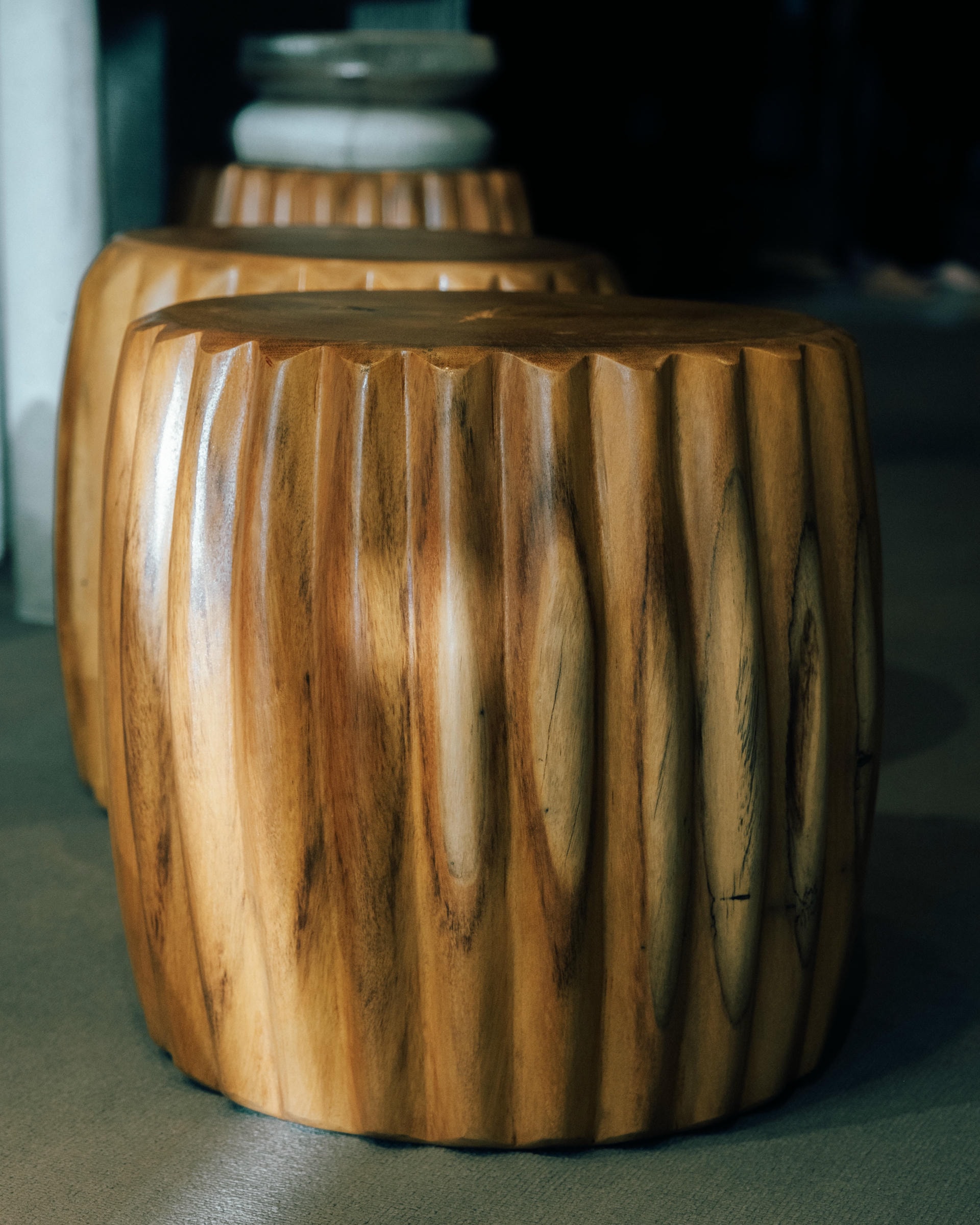
“My work is a way of transforming roots into movement, of telling Brazilian stories to the world, always with respect for the material and for time.”
SHARE :