Jeonghoon Lee
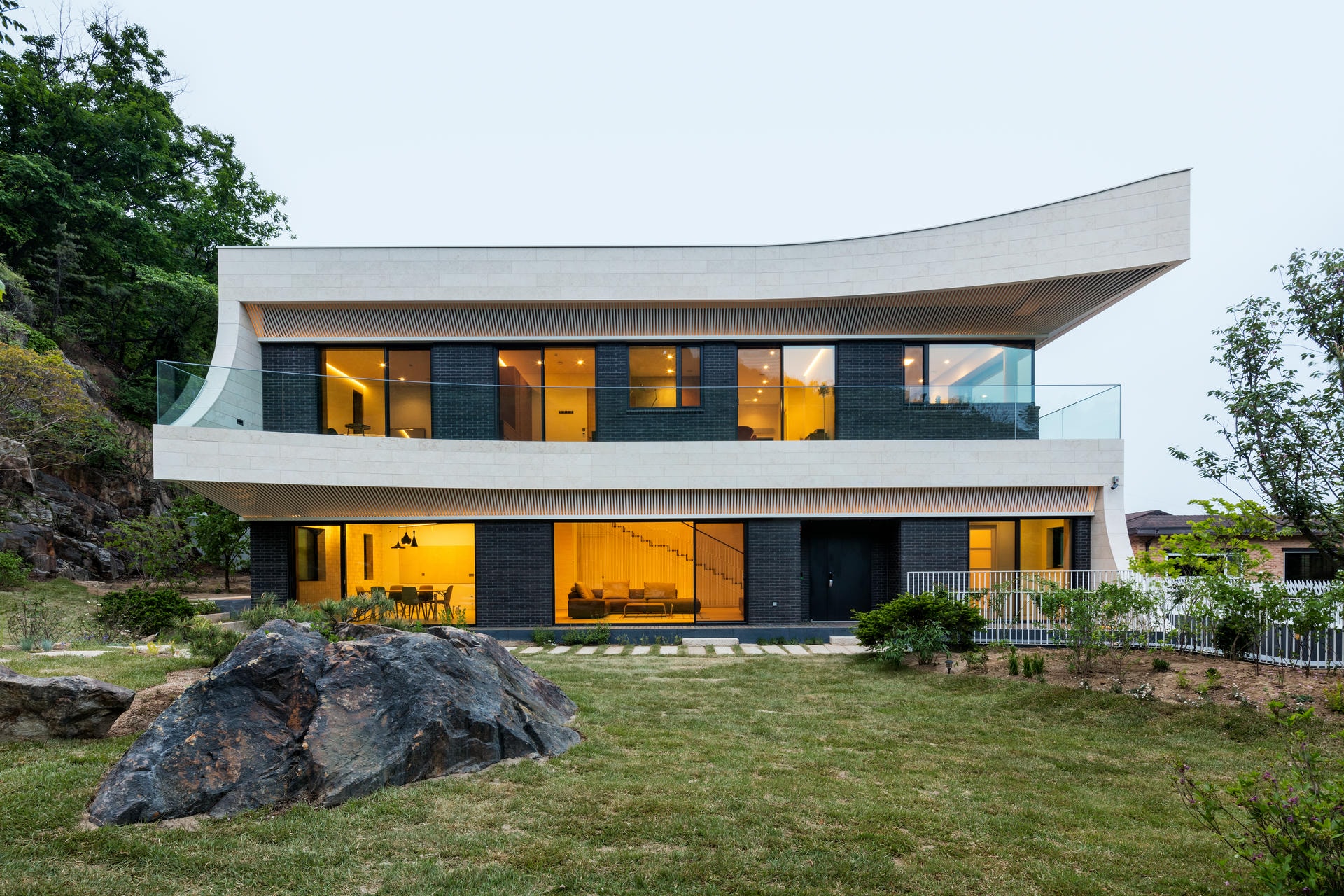
Jeonghoon Lee is one of Korea’s leading architects, who studied both architecture and philosophy. He later received a government scholarship to study in France, where he attended the École Nationale Supérieure d’Architecture de Nancy and the École d’Architecture de la Ville & des Territoires in Paris, earning a degree in French architectural history. He worked at the offices of world-renowned architects Zaha Hadid and Shigeru Ban before establishing JOHO Architects in Seoul in 2009.
Rooted in the humanities, he conceives spaces through thoughtful reflection and constructs forms through the logic of sensory experience and technical skill. Based on this unique approach, he has received numerous prestigious awards both in Korea and internationally, including the Today’s Young Artist Award (2021), the Kim Jong-Sung Architecture Award (2020), the Young Architect Award (2010), the Architectural Record Design Vanguard (2013, recognizing 10 emerging architects shaping the future of architecture), the Chicago Athenaeum Architecture Award (2017), and the German Iconic Award, among others.

“I believe architecture becomes most touching when the sense of place and its narrative are intertwined.”
INTERVIEW

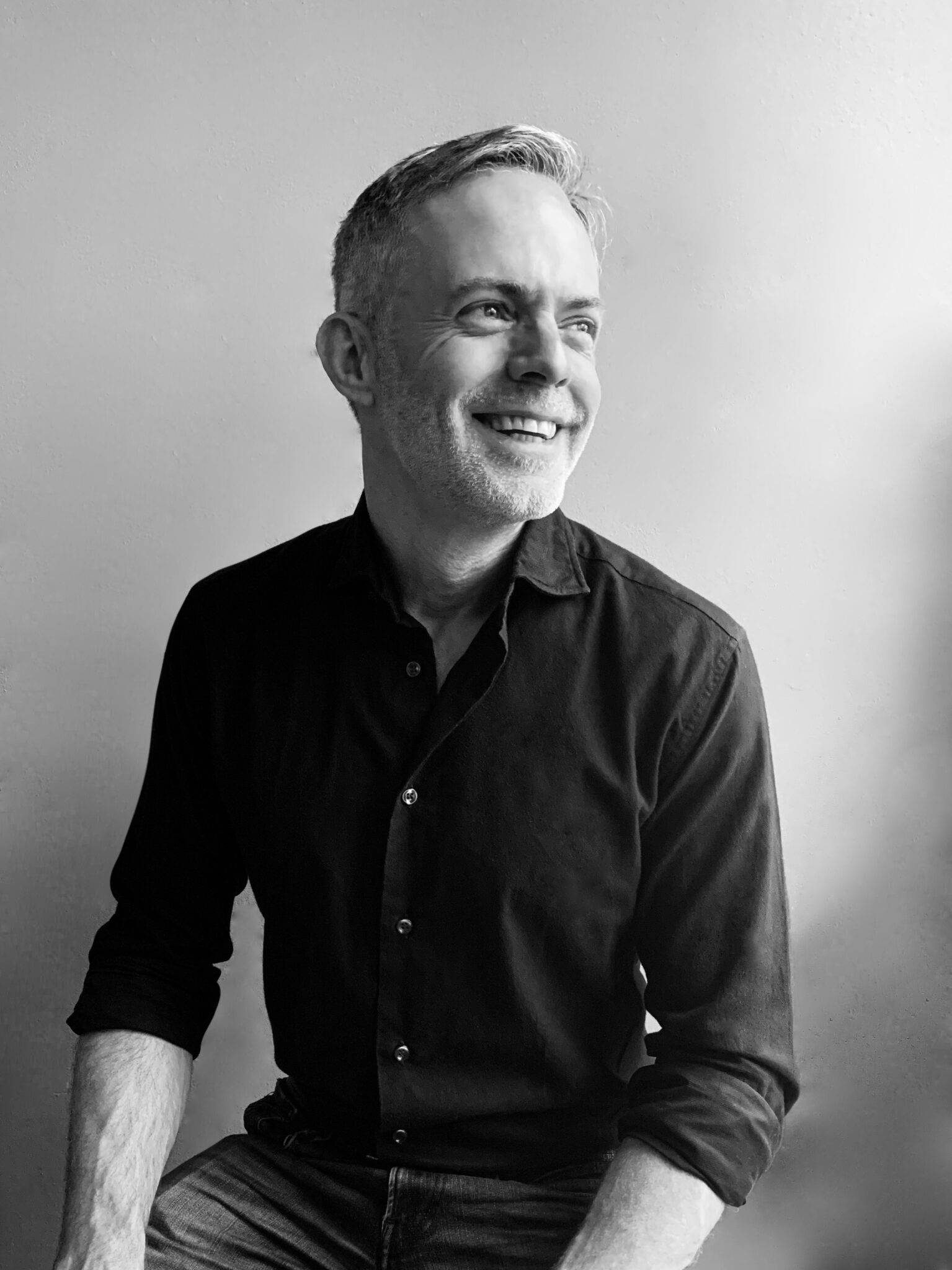
PlatformL ⓒ Goongsun Nam
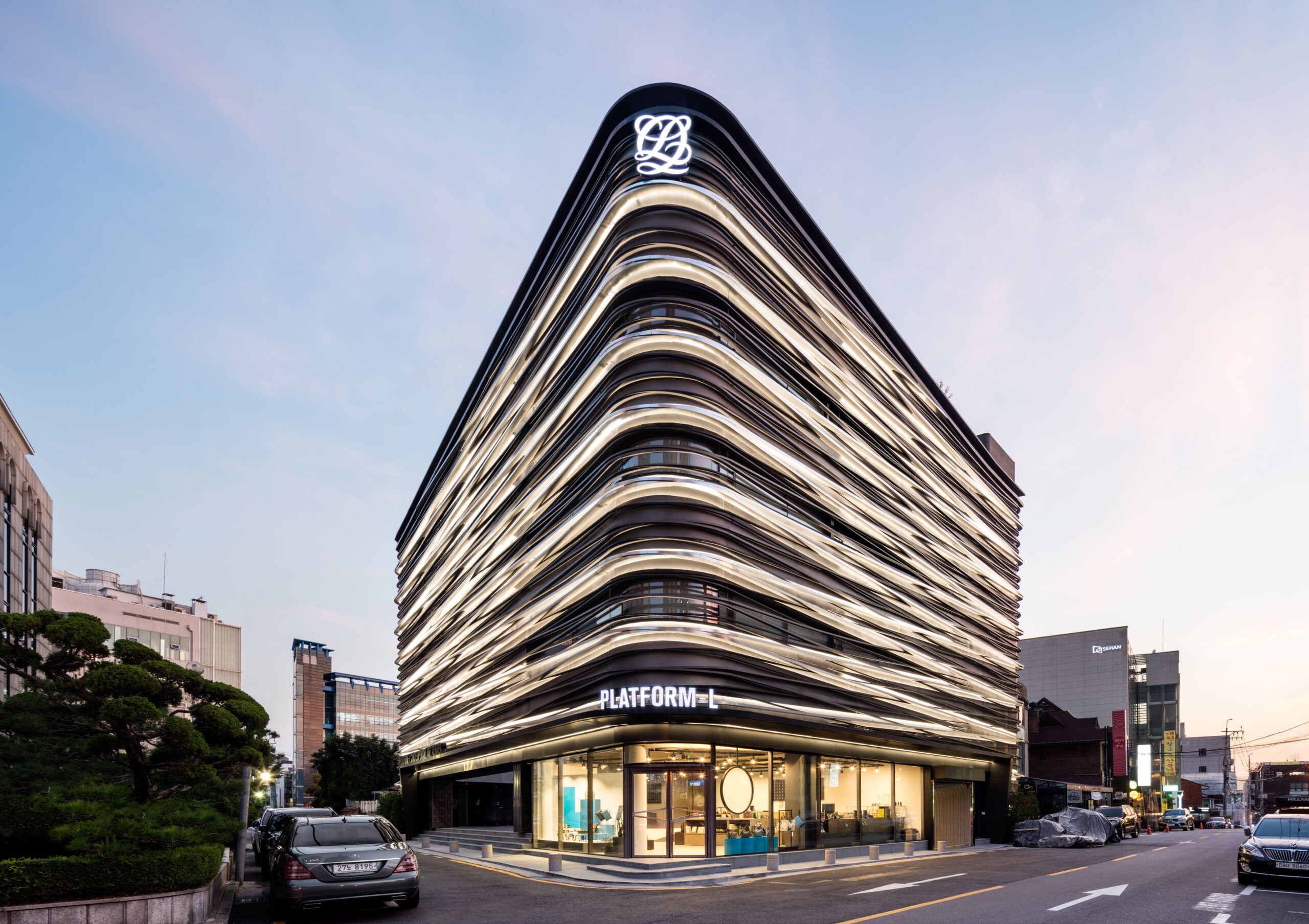
I believe the essence of architecture lies in its constructiveness. What distinguishes architecture from other forms of art is that its functional and formal transformations are grounded in structural constructiveness. From this perspective, I place great importance on the constructive nature of architecture and the material coherence it entails. Every site carries its own narrative, and within the process of interpreting it, there emerge tectonic characteristics that unfold through construction. I translate the meaningful stories embedded in a place into architecture through details based on constructive materials and craftsmanship. If I were to put it into words, I would describe my approach as a kind of “constructive craftsmanship armed with digital tools.”
Before entering university, I was a student who loved to draw. Ultimately, during my teenage years, I needed time to question myself and went through a period of wandering. It was only when the time came to choose a major that I decided to become an architect. There were landscape architects and architects in my family, and I think I was unconsciously influenced by the spaces of my grandfather’s house, where I used to spend my vacations as a child.
When I listen closely to a client’s story, I often find that the direction and the answers we seek are already there. As I begin to extract alternatives regarding the project’s most essential purpose and function, I naturally arrive at a fitting conclusion. Architecture is the result of logical thinking — a synthesis of aesthetics and engineering. Through a rational development process derived from the site’s unique characteristics and the possibilities it offers, the design gradually takes form. I value the inspiration that comes from the site, the logical alternatives that address function, and the dialogue with the client.
I place great importance on discovering new constructive solutions that differ from conventional approaches while maintaining a contemporary understanding of tradition. In other words, it is essential to reinterpret the present through tradition and, from that contemporary standpoint, to seek new interpretations. Through this logical process, the values of the past, present, and future become interconnected. Rather than pursuing what is merely trendy, I value designs that are more enduring and sustainable, seeking their essence in traditional design principles. This sequence of thought allows me to view architecture from both a diachronic and synchronic perspective.
Recently, I completed a small pavilion located in the middle of a bamboo forest. It is made of white UHPC concrete, with Korean characters engraved into its surface. The facade features a condensed version of the Heart Sutra, one of the most important scriptures in Buddhism, expressed in the Korean alphabet. The pavilion’s dimensions, angles, and letter arrangements were composed according to numbers that hold symbolic significance in Buddhism. Although modest in scale, this work embodies a personal architectural interpretation of religious meaning. Through this project, which materializes the notions of time and space into a meditative environment, I found deep inspiration.
I admire Peter Zumthor’s Bruder Klaus Field Chapel. The meaning behind the project, its construction process, and the delicate space and details were truly moving. I believe architecture becomes most touching when the sense of place and its narrative are intertwined. The landscape of the wheat field and the light within the chapel together create an astonishingly beautiful story.
Administrative procedures for obtaining permits are always challenging. Many restrictions follow from building regulations, and the bureaucratic system consumes a great deal of energy. Such administrative processes must be handled as delicately as the design process itself, as ambiguous interpretations of the law can easily hinder project progress. It requires a certain strategy and a flexible approach to achieve the desired outcome. Though it is the least enjoyable part of the work, it is also one of the most crucial. What distinguishes architecture from pure art may well be this very process of navigating building permits.

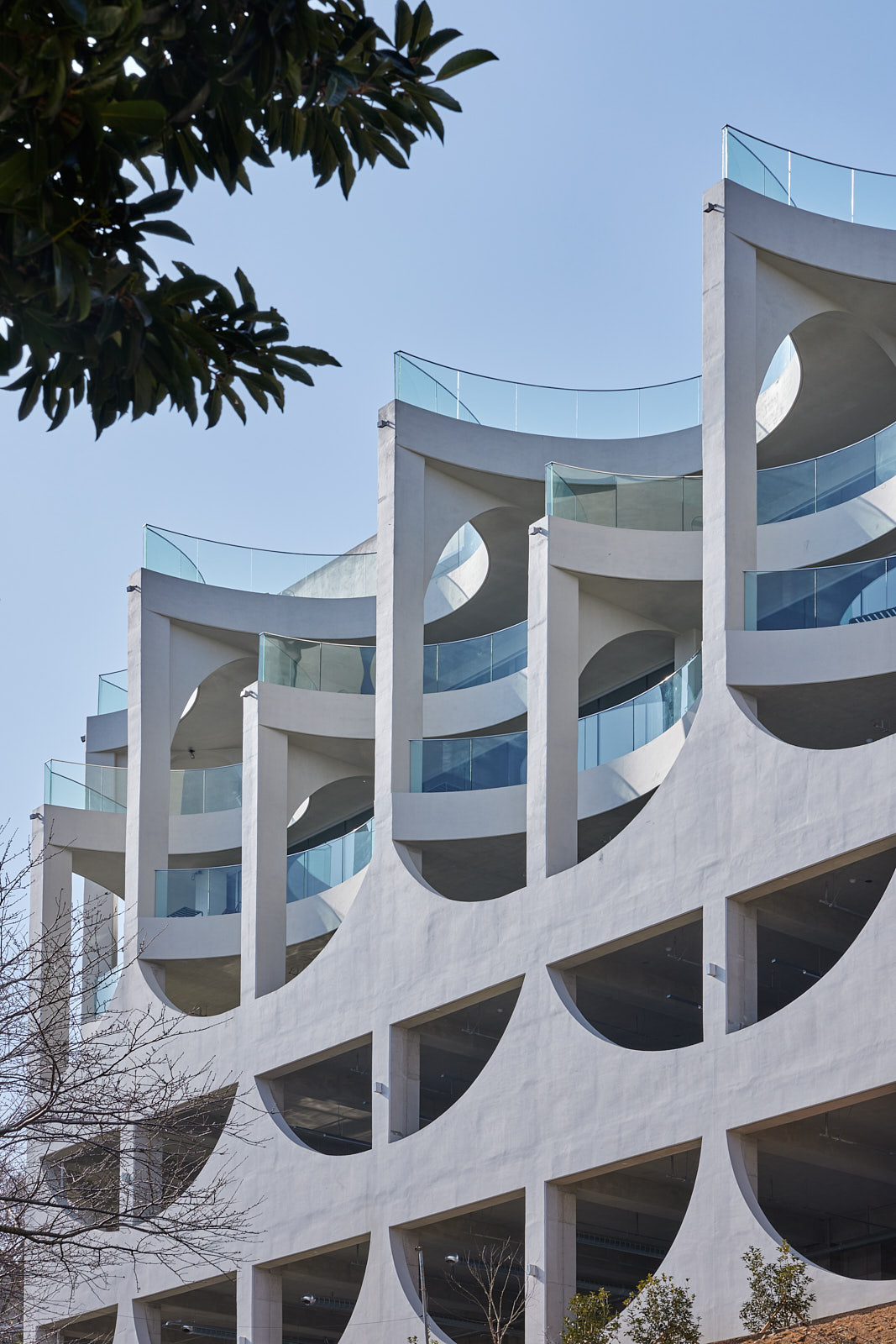
Nine bridge ⓒ Efain Mendenz
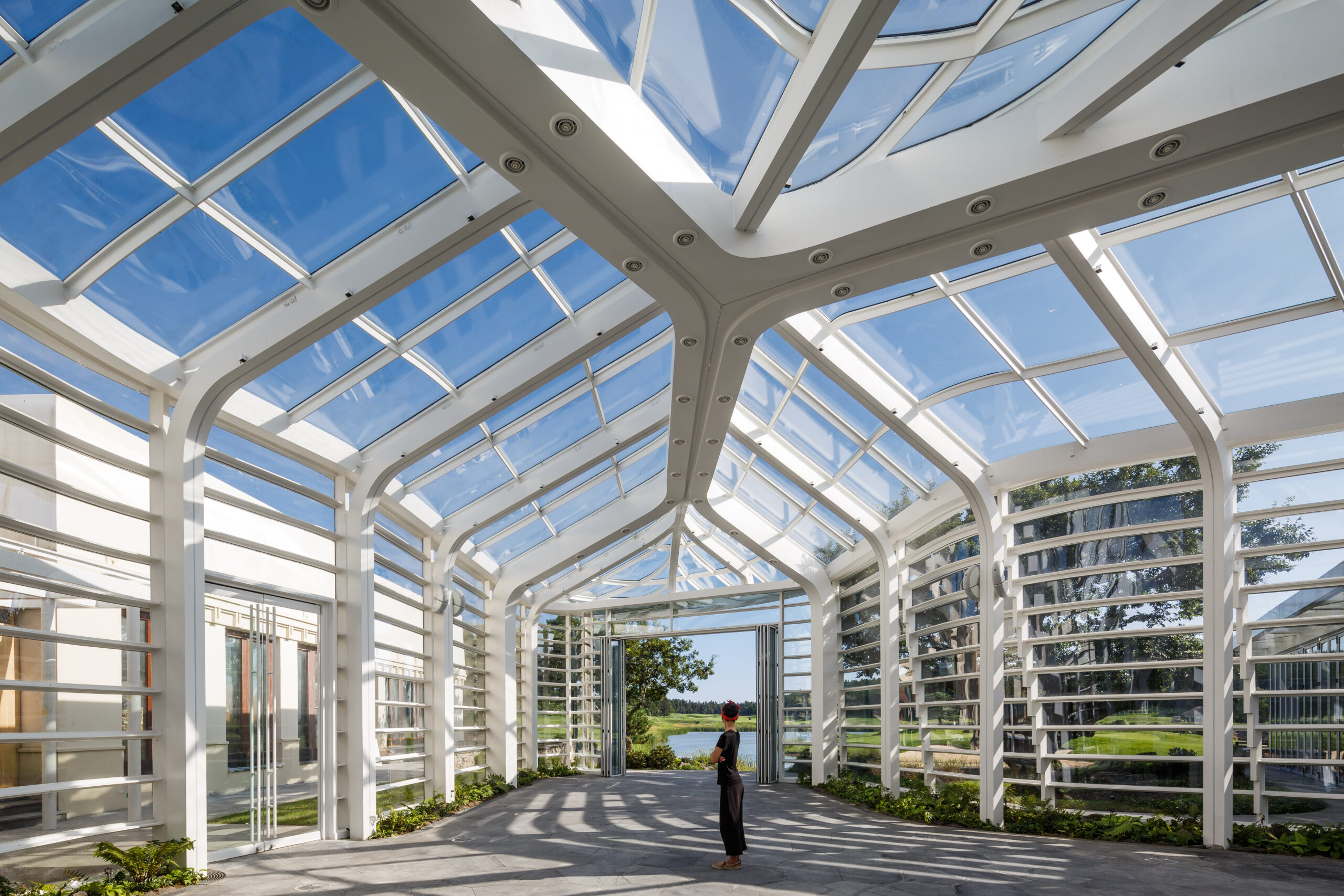
Am I approaching this project in my own way and interpreting it on my own terms?

Seolhaeone Clubhouse ⓒ Kim Yongkwan
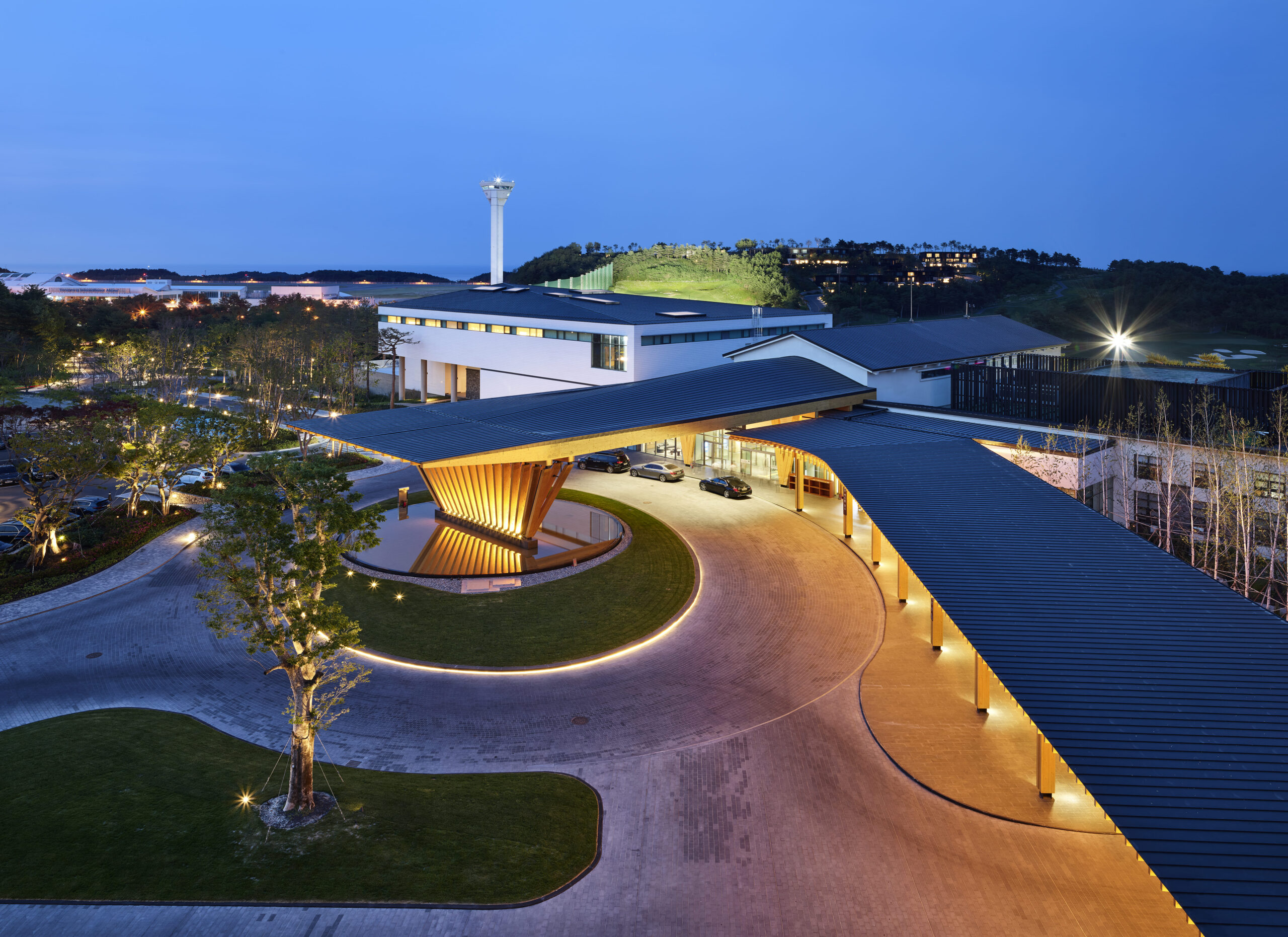
Being an architect is like running a marathon. While creating something is important, it is equally important to move forward at your own pace without rushing. To continuously grow, you must exercise patience with yourself and openness toward others. Architecture is ultimately shaped through this process of compromise and understanding.
Whenever things don’t go well, I turn to the mountains. Spending time in the forest gives me a sense of renewed energy. In the beginning, there was nature, and since we built civilization within it, I believe all the answers to life ultimately lie in nature.
Whenever I visit a site, I take time to explore the surrounding landscape. Understanding and appreciating the terrain and history of a place feels like the ultimate source of inspiration.
Recently, I have also begun studying calligraphy. Chinese characters are based on pictographs that embody forms found in nature and human life. They are structured through a geometric system that closely relates to the principles of architectural composition. In Eastern philosophy, the concept of “emptiness” or “space” holds great importance—the dynamic relationship between fullness and void is a deeply fascinating process.
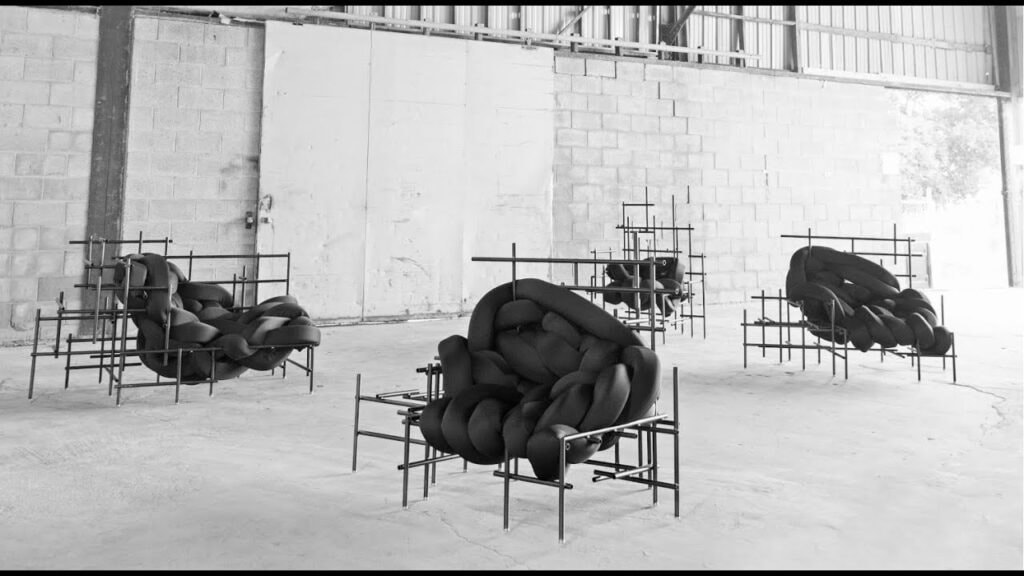
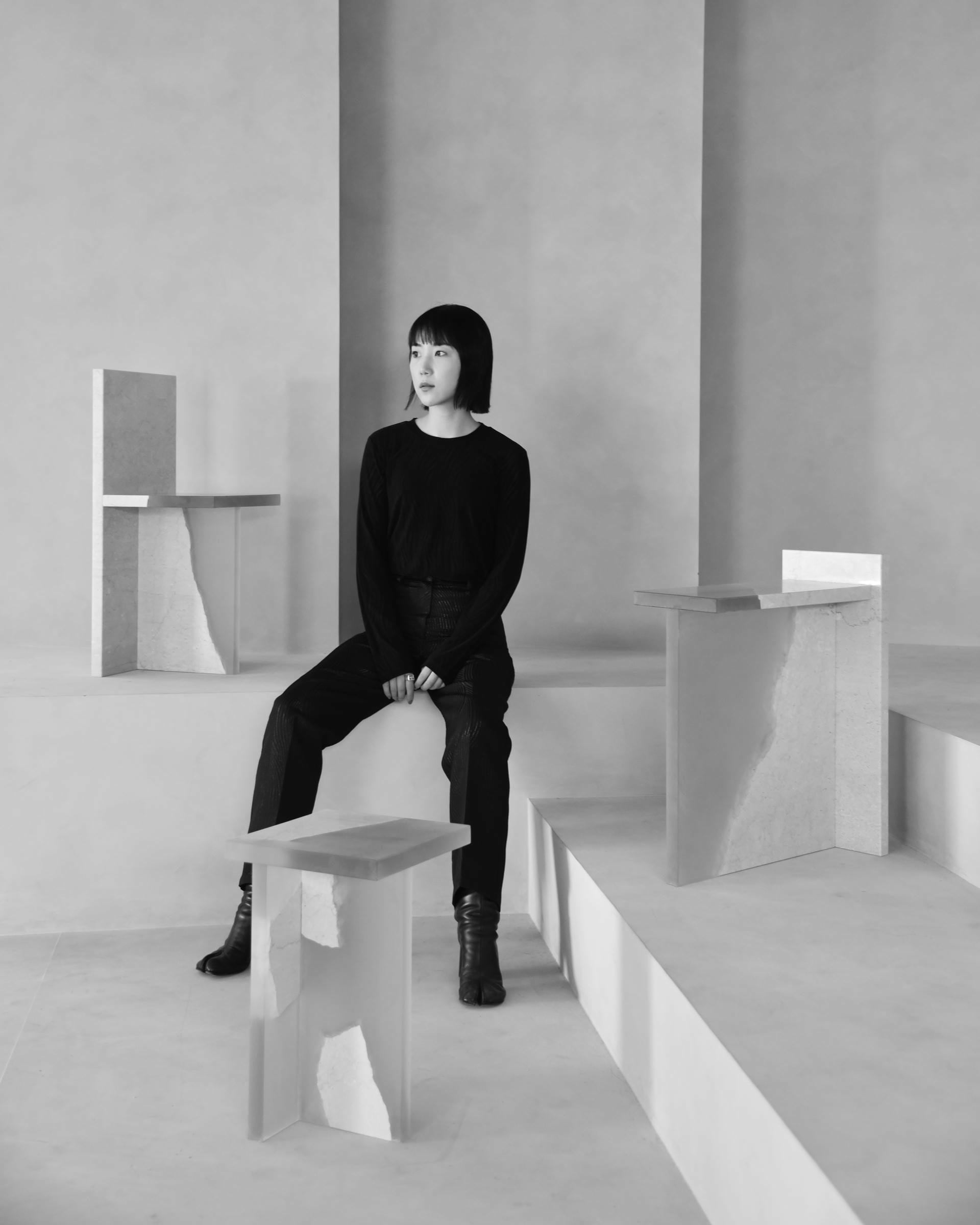
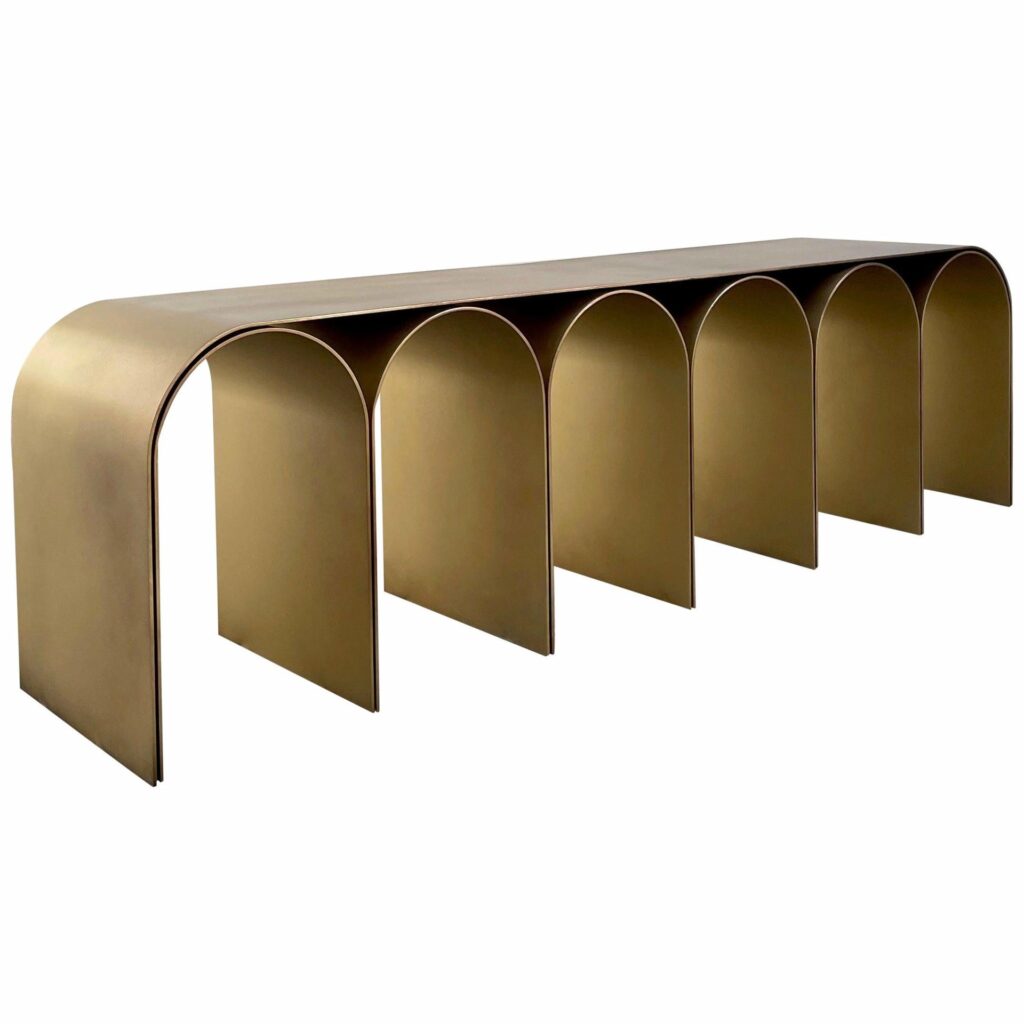
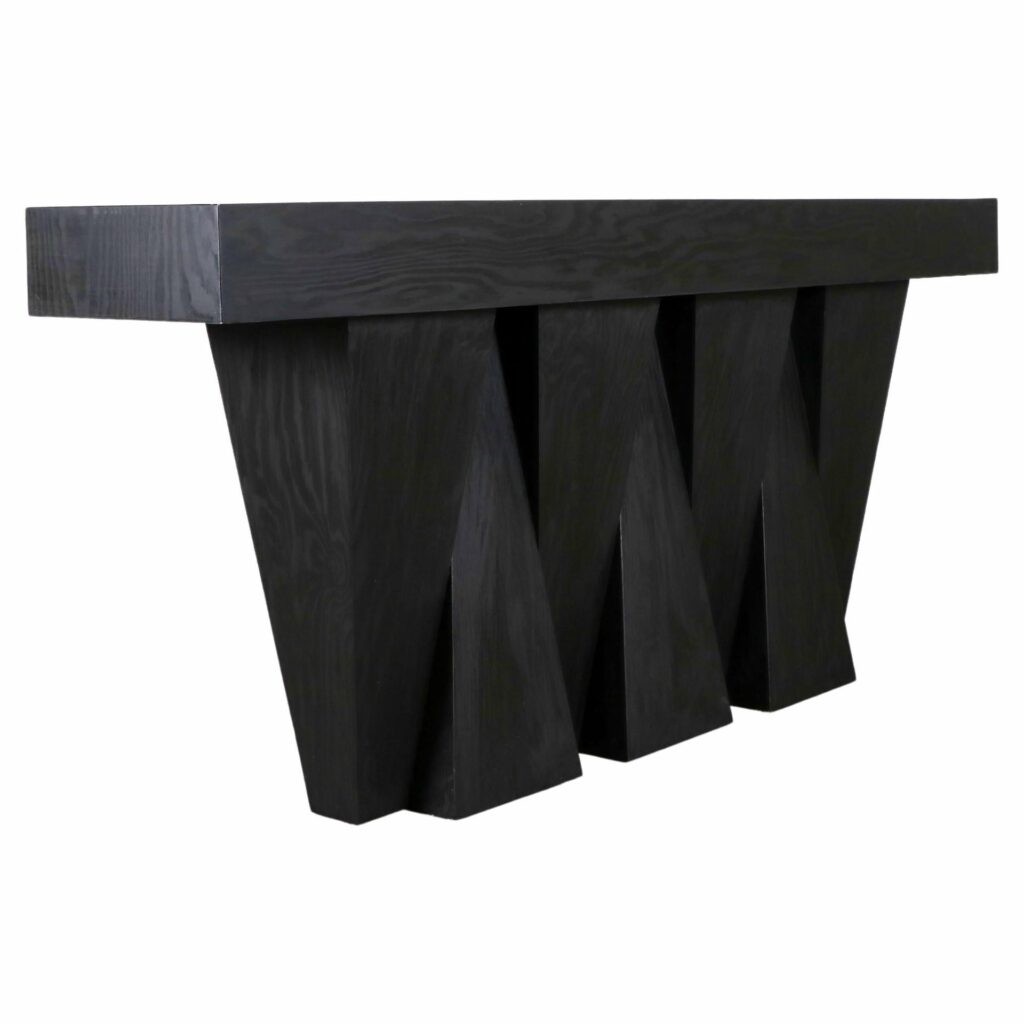
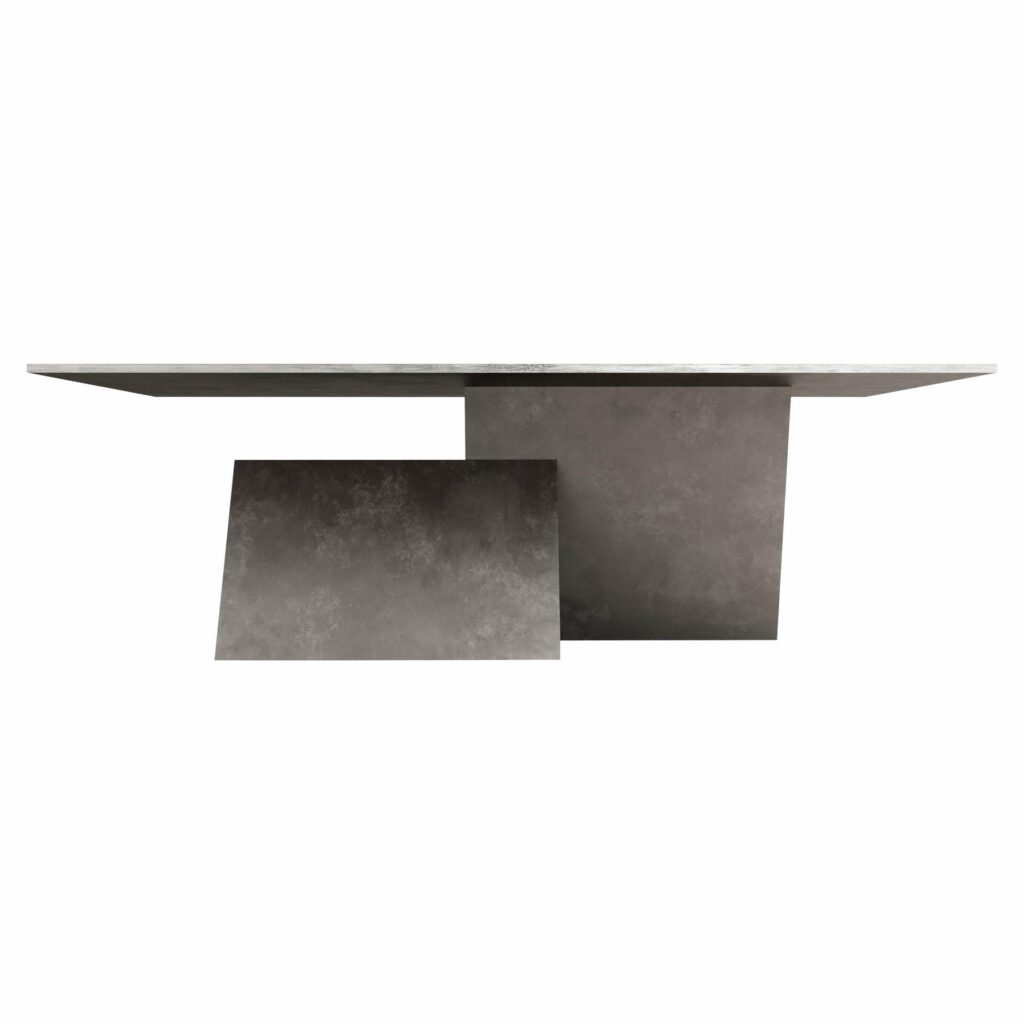
favorite pieces from the Philia Collection
All of the pieces in the PHILIA COLLECTION are wonderful, but I’ll choose three of them.
Thank you so much Jeonghoon, for this lovely interview!
Share article :