
Linda Boronkay
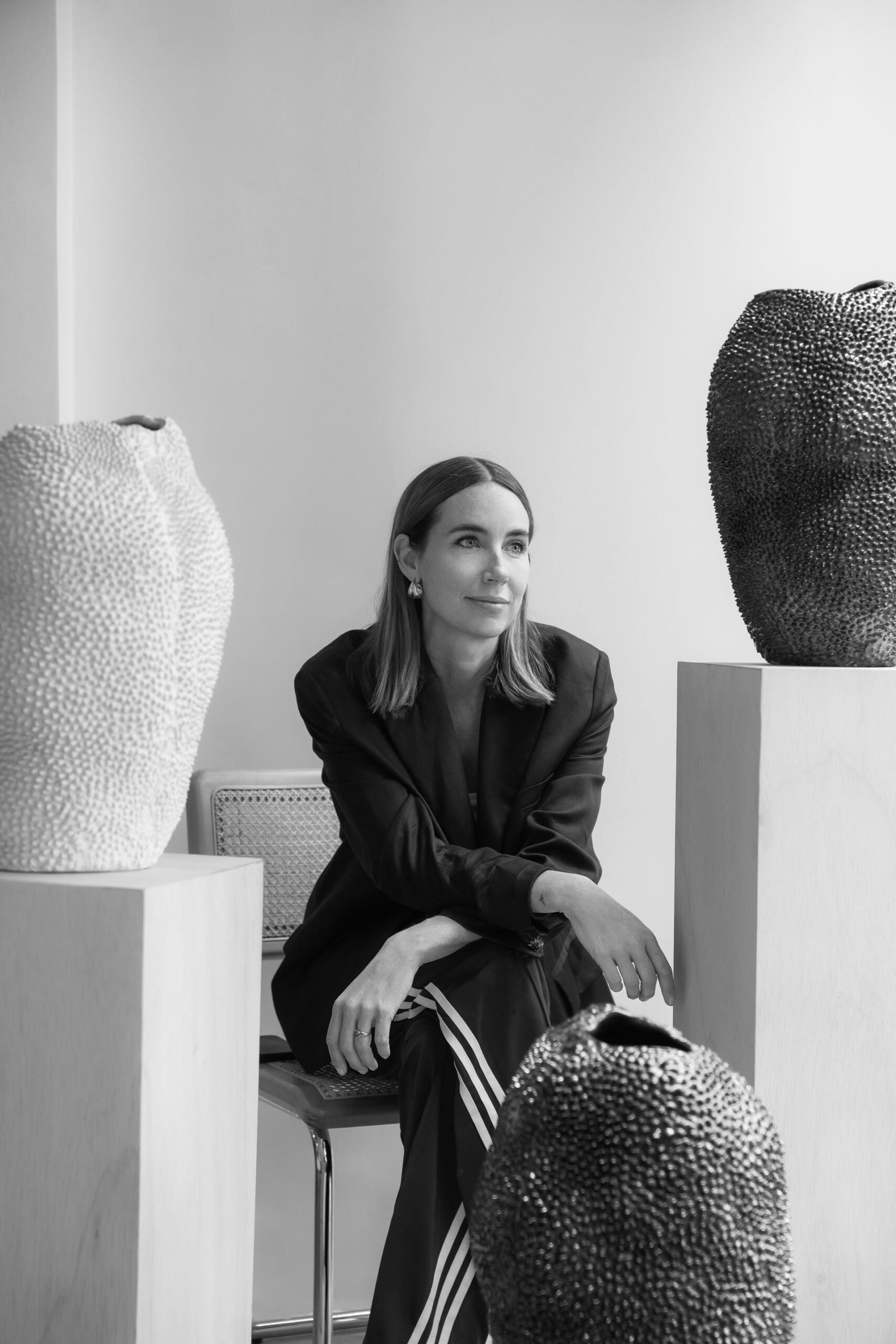
Linda Boronkay is a London-based interior designer known for her emotionally driven and richly layered interiors. Born in Budapest, she developed an early passion for design through her family background in architecture, art, and antiques before originally training in fashion design in Paris.
Having lived across Australia, Japan, Hong Kong, New York, and Paris before settling in London, Boronkay draws inspiration from travel, art, fashion, cinema, and craftsmanship. Prior to founding her own award-winning studio, she served as Design Director at Soho House, leading projects across Europe, Asia, and the UK.
Today, her studio is recognized for creating immersive and emotionally resonant spaces, and her work has been featured in House & Garden’s Design 100 and Country & Town House’s Best 50 Interior Designers.
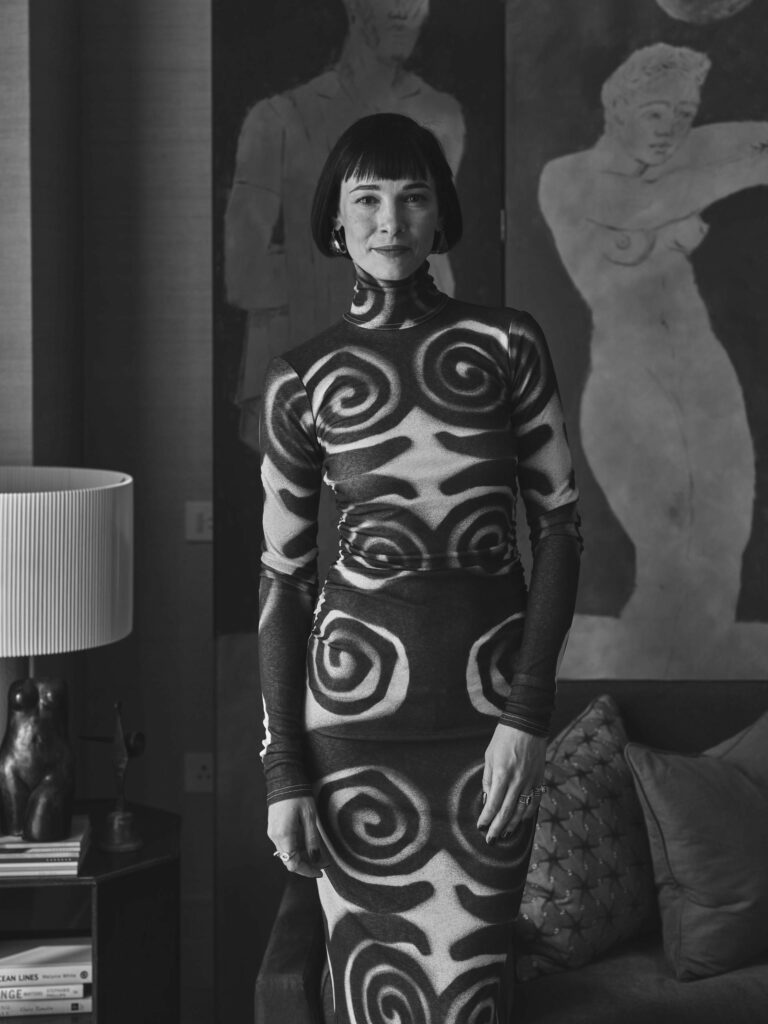
“Successful interiors aren’t just beautiful; they’re attuned to human experience.”
INTERVIEW

Photo by Martin Morrell
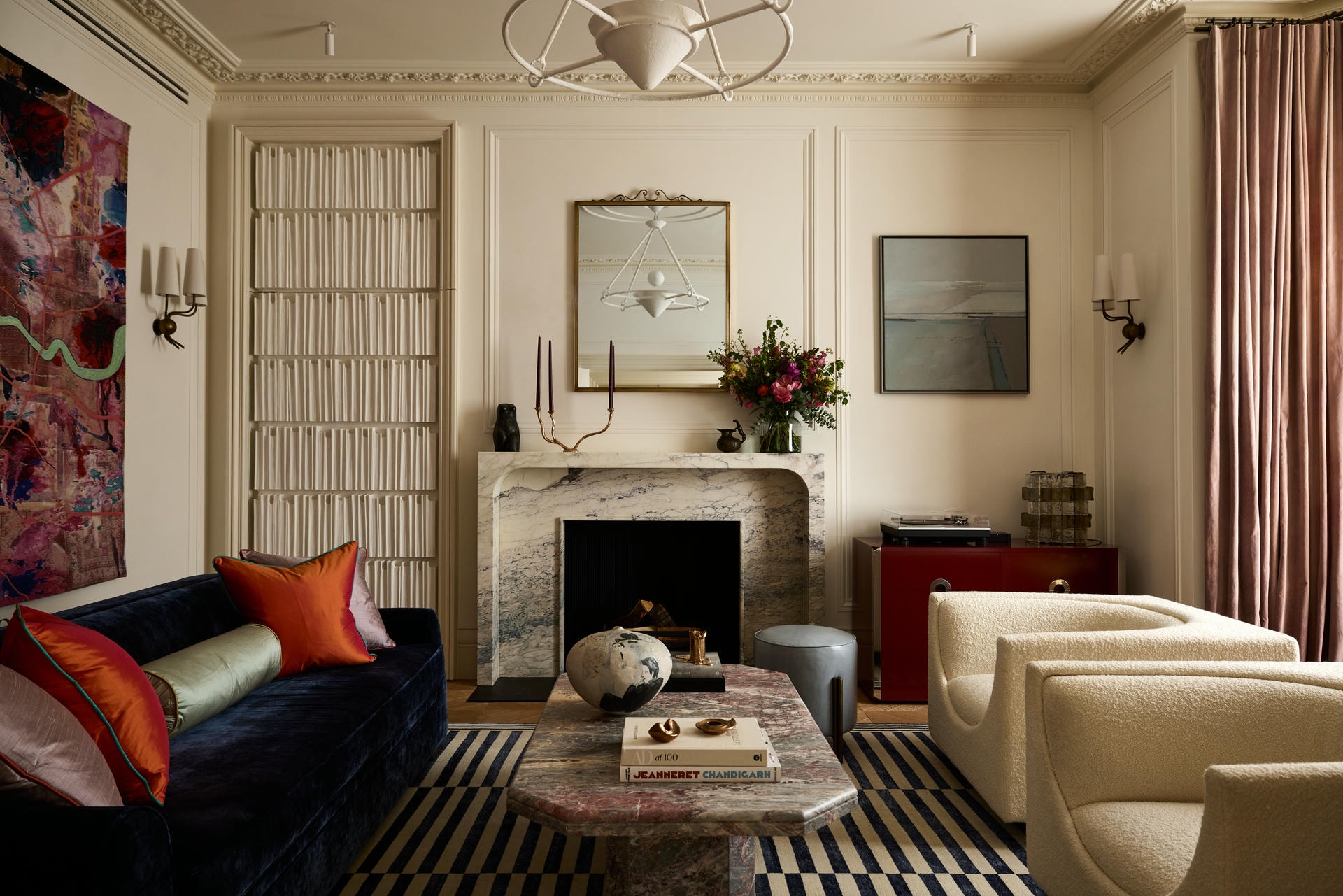
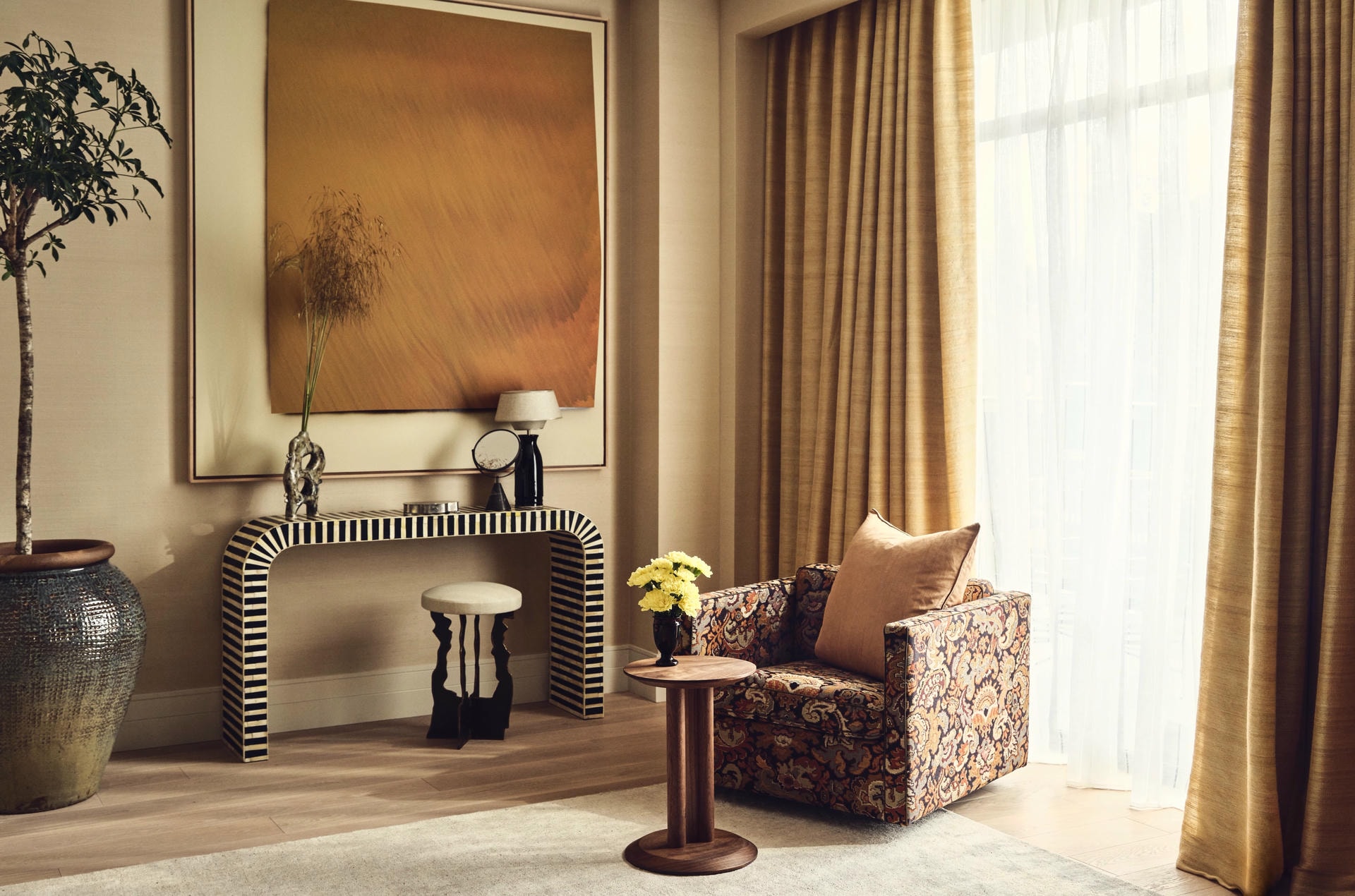
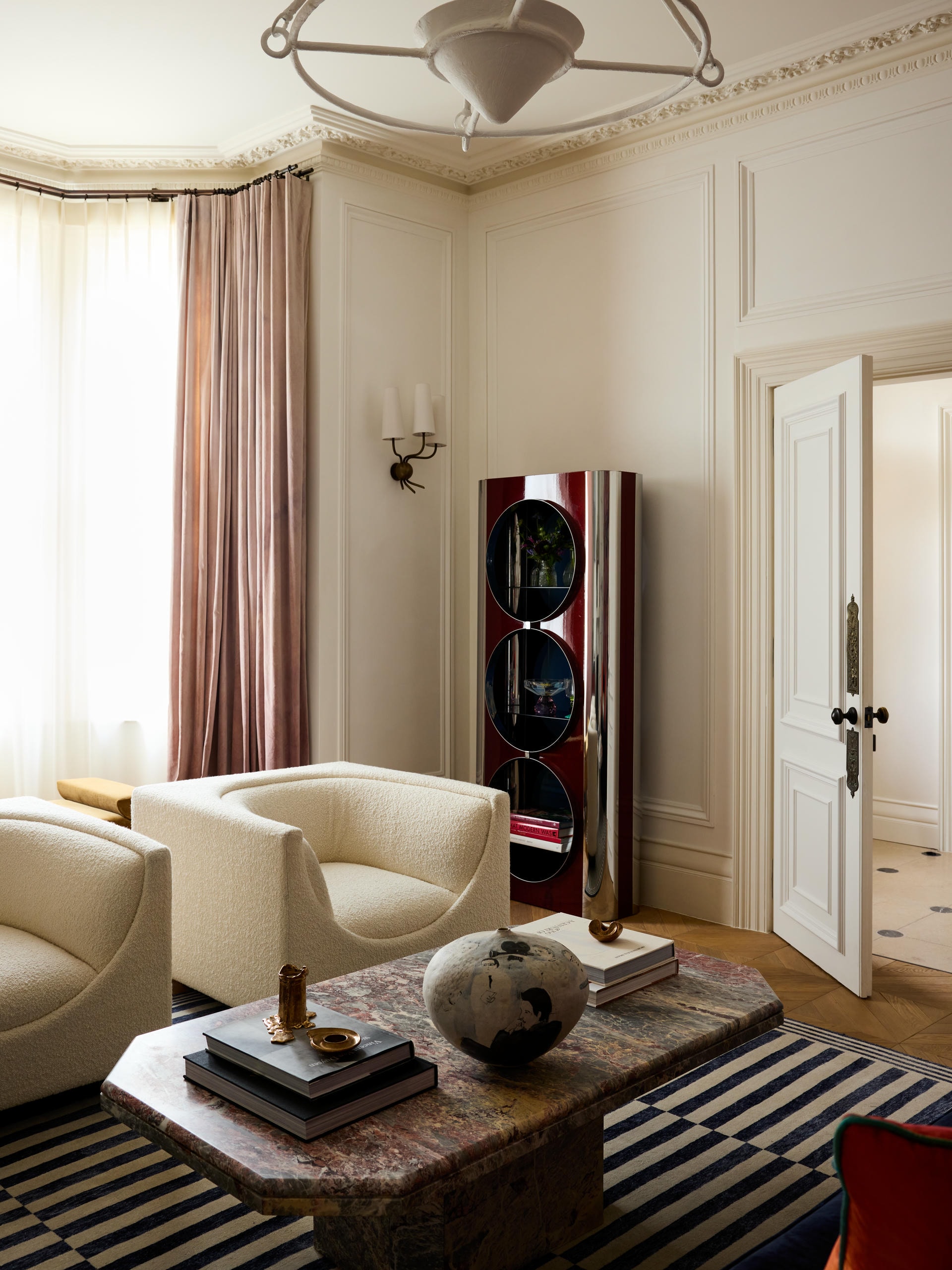
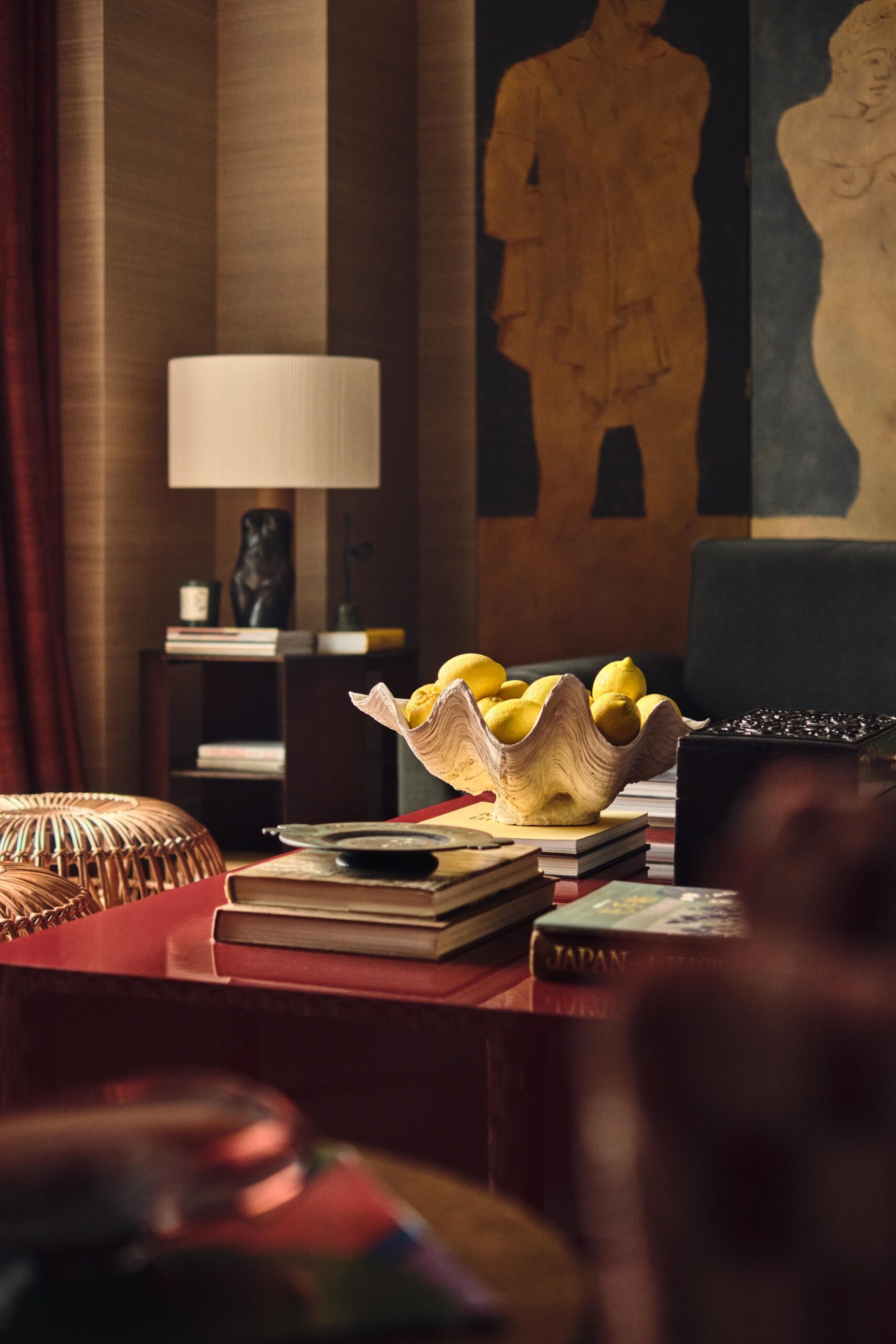
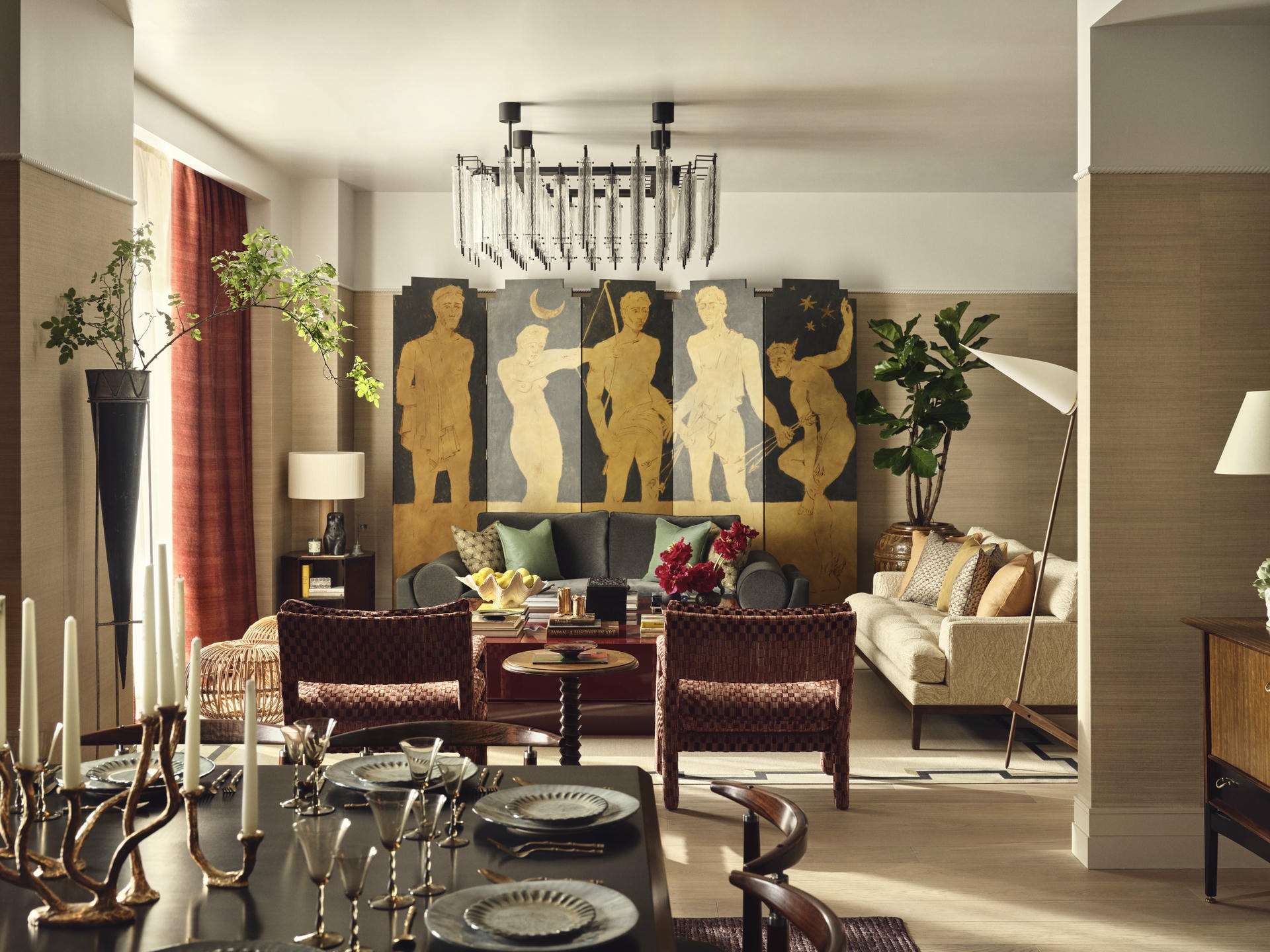
I’d say my work is expressive, tactile, and timeless without being overly nostalgic. We are seeking visceral depth that great interiors can unlock. Our design language is clean, confident, and emotionally charged. I’m drawn to contrast—elegance with grit, restraint with playfulness. I also love incorporating vintage or handmade pieces that add a sense of lived-in warmth. If I had a mantra, it would be: “Atmosphere is my style” stealing from J.M.W. Turner.
Design has been part of my life from the very beginning. My father is an architect and my mother, a design journalist and antiques collector, founded a Pulitzer-winning magazine—so creativity was our family’s shared language. I originally trained in fashion design in Paris, but after traveling the world and living across continents and working in fashion, I realised interiors allowed me to weave together my passions in a more layered, immersive way.
Becoming Design Director at Soho House was a pivotal chapter. It gave me the opportunity to work globally—across hotels, members clubs, and restaurants— to understand operations and to lead incredibly talented teams. But founding my own studio was the true turning point. It was a leap of faith that allowed me to express a more personal, emotional, and soulful vision. Having my own team and projects has been the most rewarding part of my professional career, and I’m very proud of everything we achieved in just over 4 years. Currently, we work across the US, Europe, and Australia, creating exciting hospitality concepts and couture homes for private clients.
For me, it’s about emotional intelligence—really listening, understanding how people feel in a space, and building trust with your team and your client. Successful interiors aren’t just beautiful; they’re attuned to human experience, so it’s a perfect balance between function and form. In business, it’s also about creating an environment where people feel empowered to take creative risks and thrive.
Each project starts with a narrative. Sometimes it’s sparked by a historic detail, a film, or a place’s sensory memory—like a scent or texture. We often begin by defining a few key emotional or atmospheric words. From there, we build out visual references, materials, and volumes that support that mood. The evolution is always collaborative, intuitive, and layered.
favorite pieces from the Philia Collection
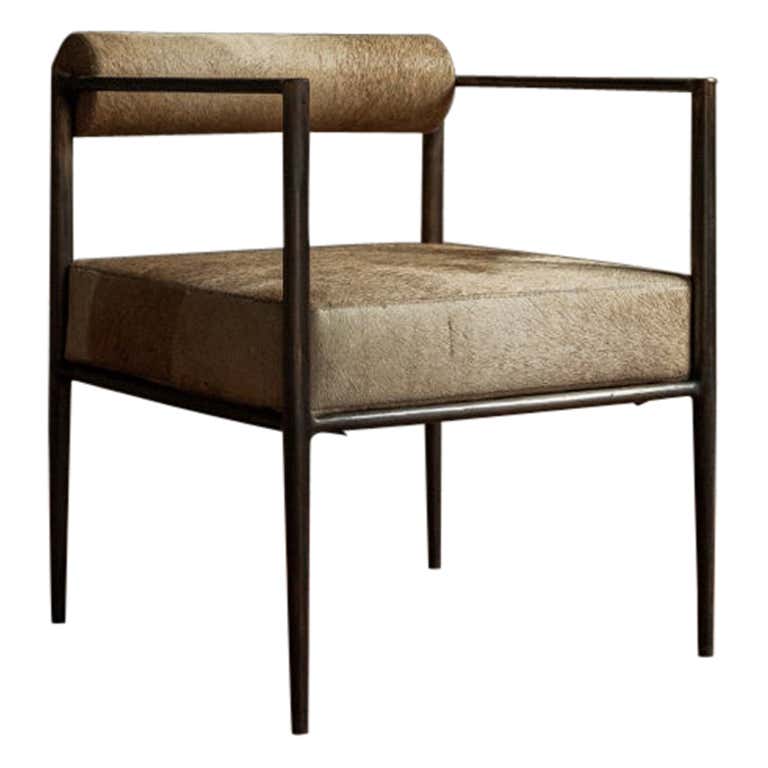
Bright Square Alchemy Chair by Rick Owens
It embodies a kind of brutal elegance. I’m fascinated by Owens’s ability to create tension between weight and minimalism. This piece feels architectural, unapologetic, and emotionally charged. It doesn’t just sit in a room—it transforms it.
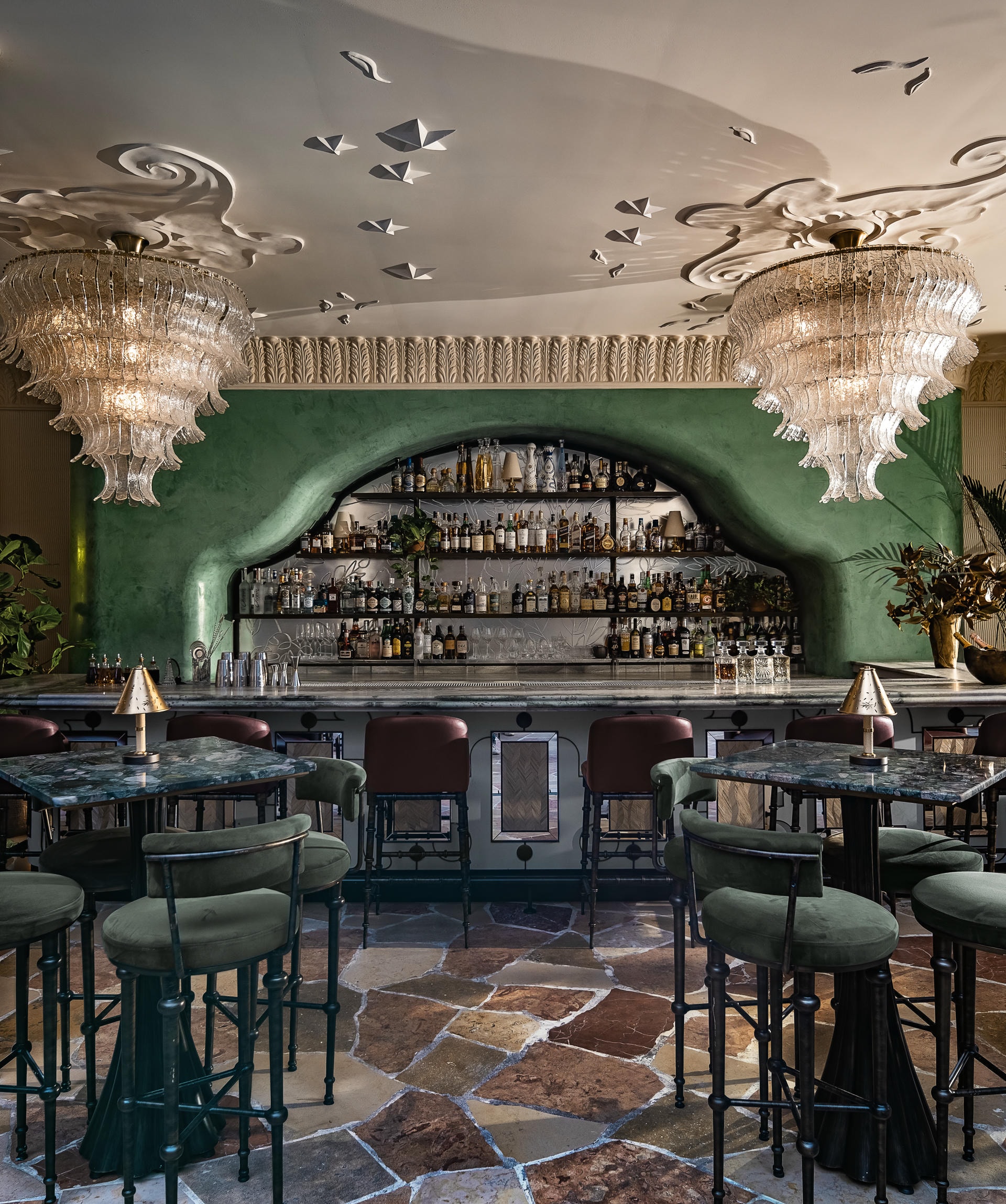
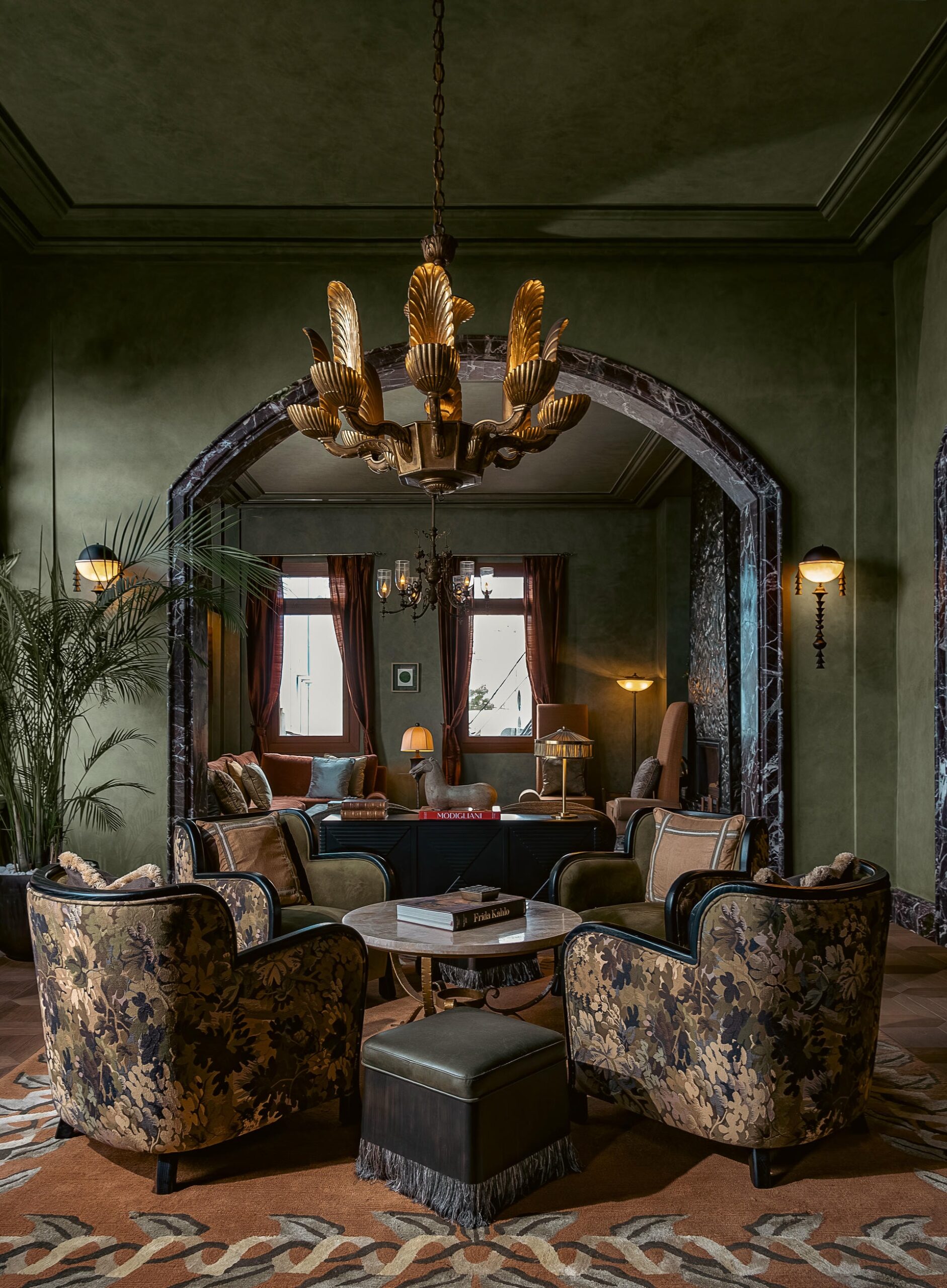
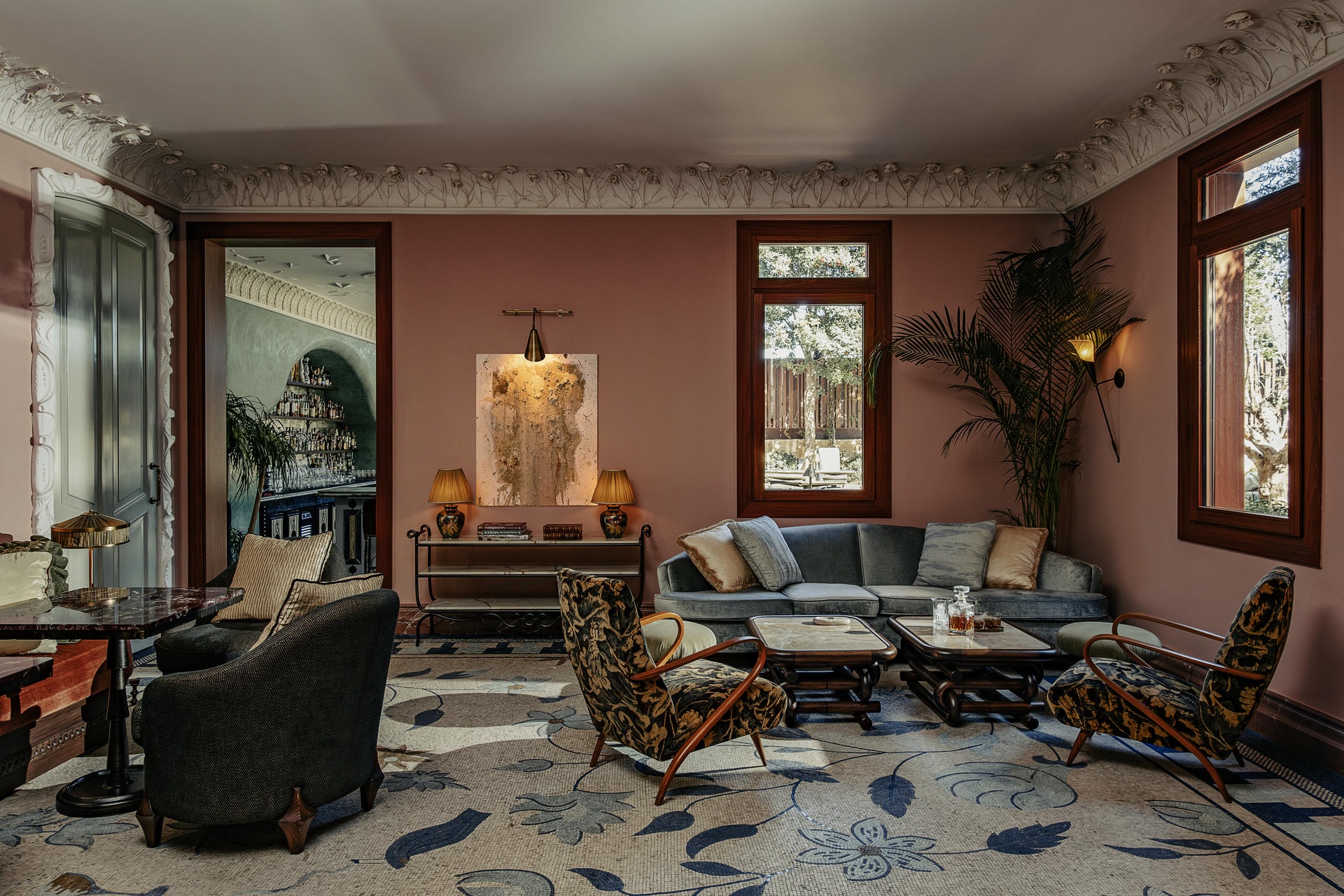
Beihouse in Beirut holds a special place in my heart. It involved reviving three historic homes damaged in the 2020 explosion and transforming them into a social club that honours Beirut’s architectural heritage and artistic resilience. We worked entirely with local artisans, creating a space that feels both deeply rooted and dreamlike.
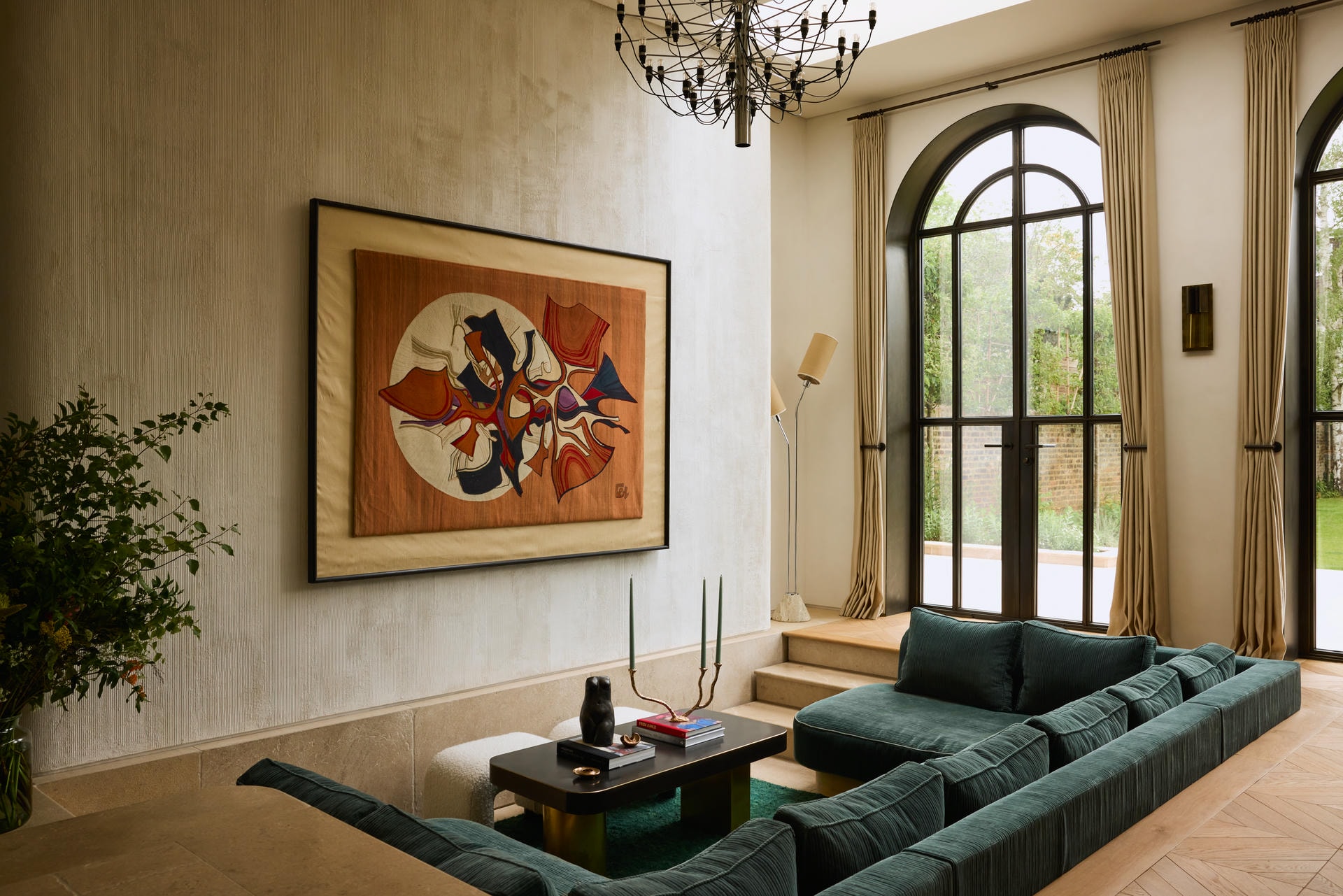
Layer with intention. A space becomes personal and powerful when it includes contrast: rough with smooth, new with old, humble with luxurious. It creates depth and character that can’t be replicated.
“Don’t design to impress—design to connect.” That simple phrase reminds me to prioritise depth over drama, and to let each space reflect something meaningful rather than just fashionable.
Stay curious. The most powerful tool you have is your point of view—so nurture it. Read widely, travel if you can, seek inspiration outside of interiors. And remember, humility and collaboration are as important as talent.

Photo by Ben Anders
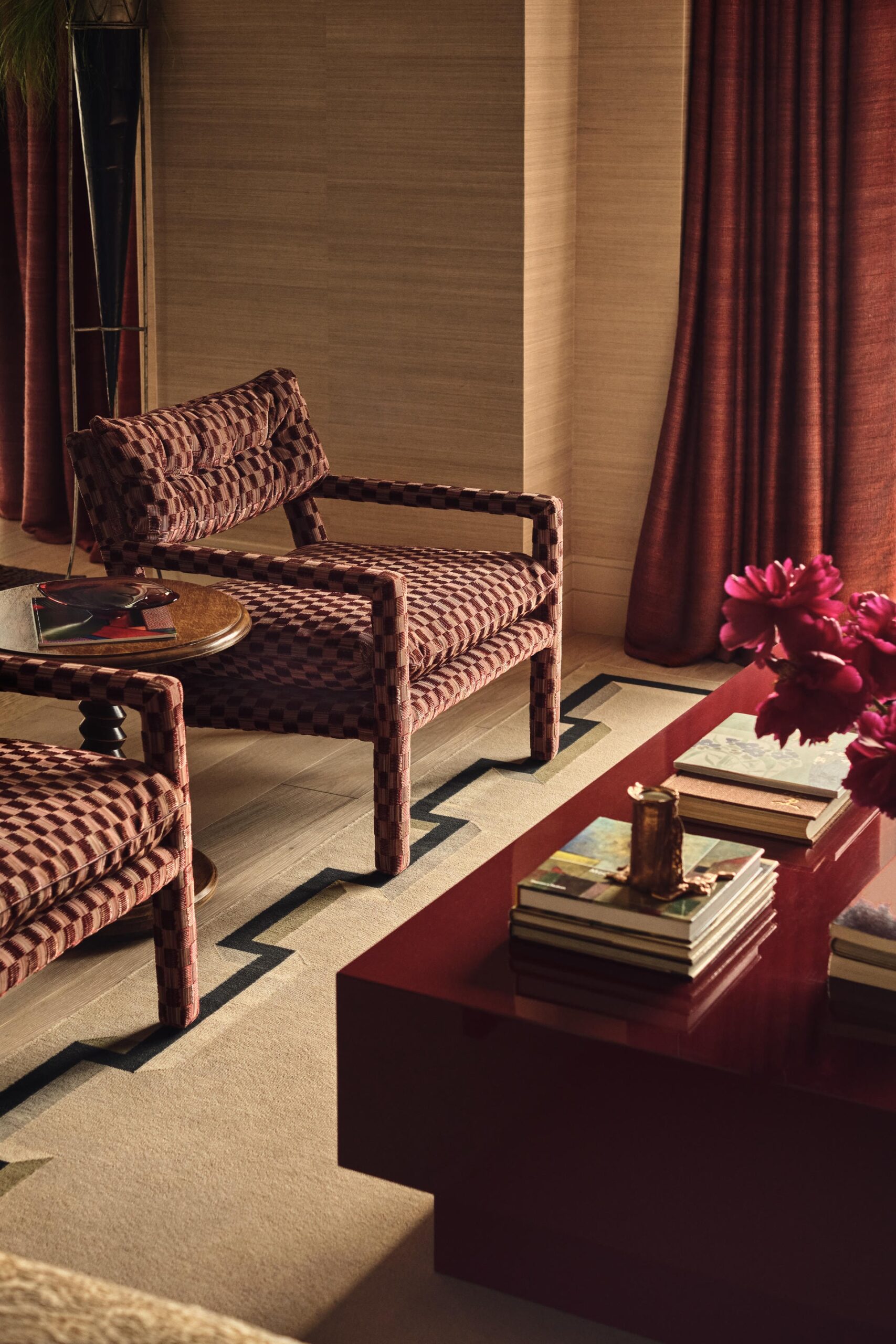

Photo by Ben Anders
That every challenge is part of the creative process. Over time, I’ve learned not to fear the unexpected—whether it’s a change in scope or an unforeseen obstacle. Instead, I see it as an opportunity to refine the design and deepen the collaboration. Remaining calm, solution-focused, and flexible has been key to building lasting relationships and successful outcomes.
– “The Eyes of the Skin” by Juhani Pallasmaa – a beautiful exploration of sensory design.
– “On Beauty” by Zadie Smith – not design-specific, but deeply inspiring.
– Podcast: “Design Matters” with Debbie Millman – a masterclass in creative storytelling.
We’re currently working on a number of exciting projects across Europe, United States and the Australia, including a five-star hotel on the French Riviera, a historic palace in Nice, a conversion in Rome for the Thompson brand, a countryside resort with bungalows and exciting hospitality program in Comporta as a few hospitality project examples and numerous private residential projects internationally. Each one offers a new cultural lens and creative challenge, which I find incredibly rewarding. What unites them is our continued focus on craftsmanship, storytelling, and designing spaces that feel both timeless and emotionally resonant.
Thank you so much Linda, for this lovely interview!
Share article :
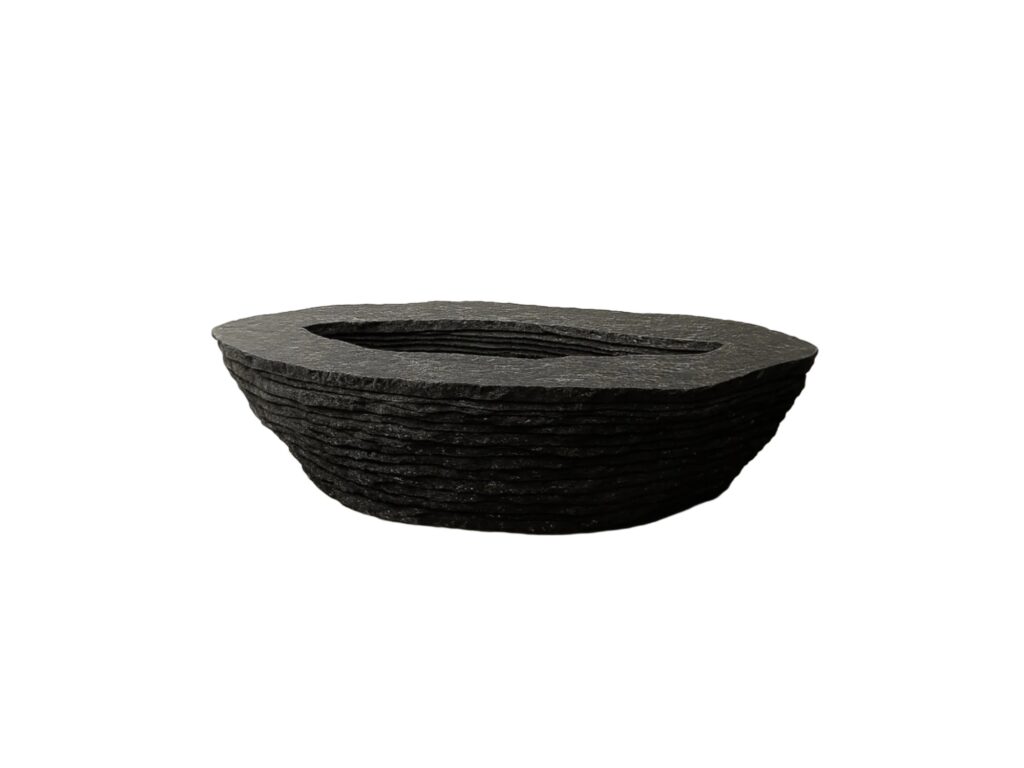
I’m drawn to its almost primal, archaeological presence. It feels like a sculptural relic unearthed from another world—simultaneously ancient and modern. There’s something meditative about its weight and form, which I find both grounding and poetic.