Lulu Hope
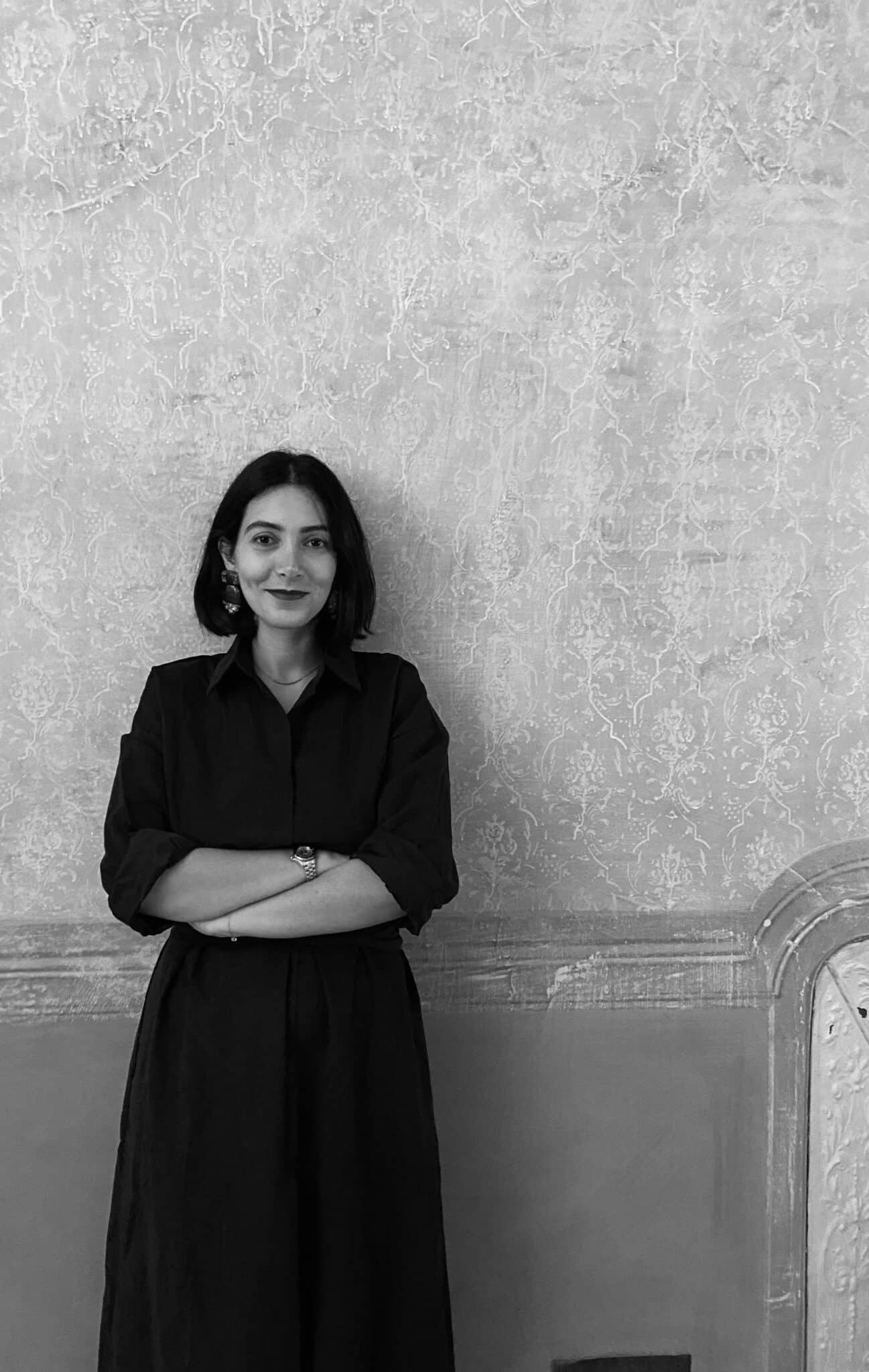
Lucy Hope is the founder and creative director of Lulu Hope Studio, a London-based practice known for creating elegant and deeply personal interiors that balance aesthetics, functionality, and well-being. With academic backgrounds in History of Art and Archaeology at SOAS University of London, Fashion at Polimoda, and Interior Design at KLC School of Design, her work is shaped by a strong sensitivity to art, craftsmanship, and cultural history.
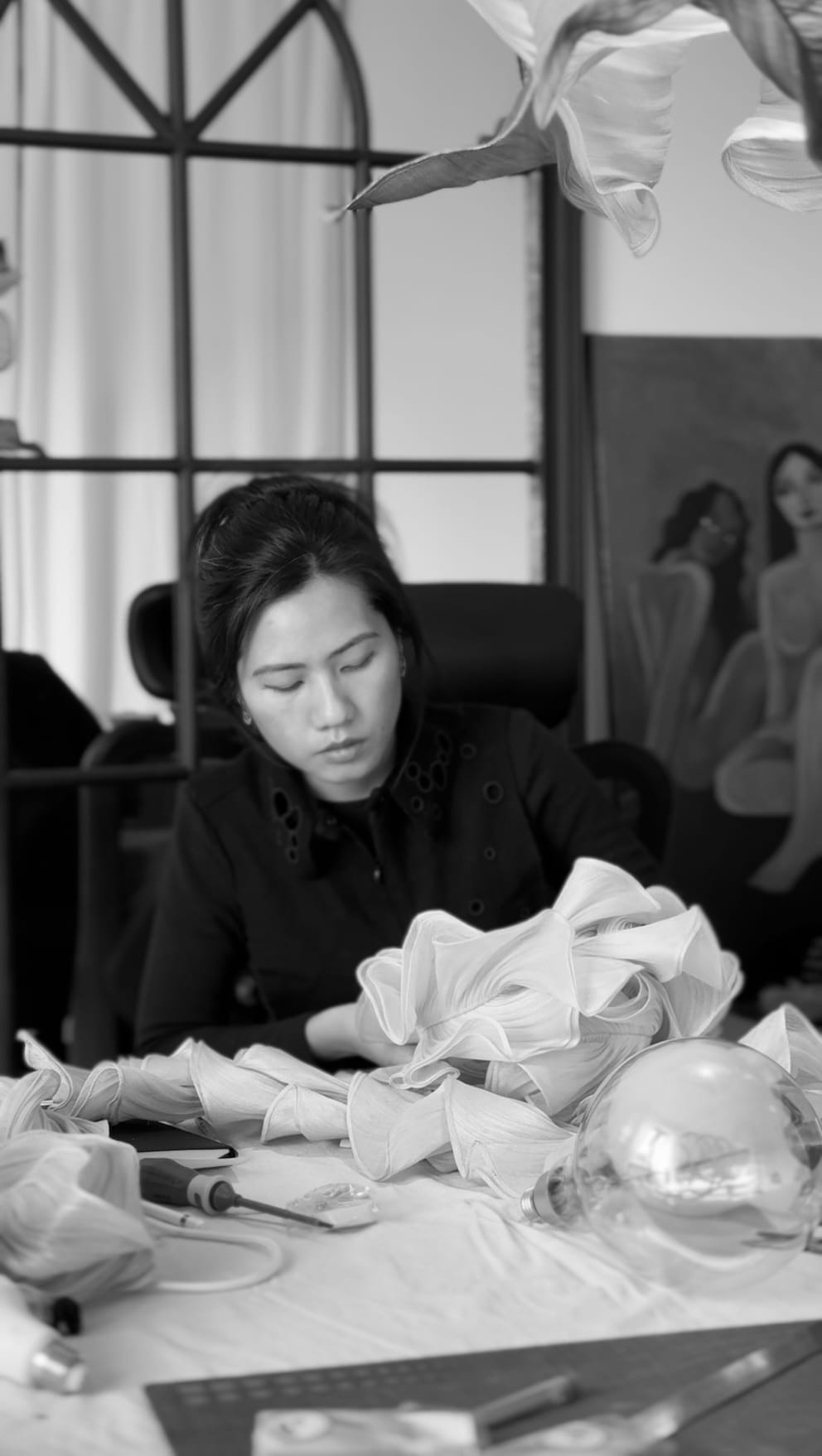
Working across private residences and boutique commercial projects, Hope approaches interiors with a timeless and wellness-focused philosophy. Through Lulu Hope Art, she also curates and sources fine art for her projects, while her close collaborations with Murano glass artisans bring bespoke handcrafted pieces into hospitality and residential spaces internationally.
An SBID-accredited designer, Lucy Hope collaborates with artisans around the world to create interiors that feel layered, refined, and deeply connected to individuality and contemporary living.
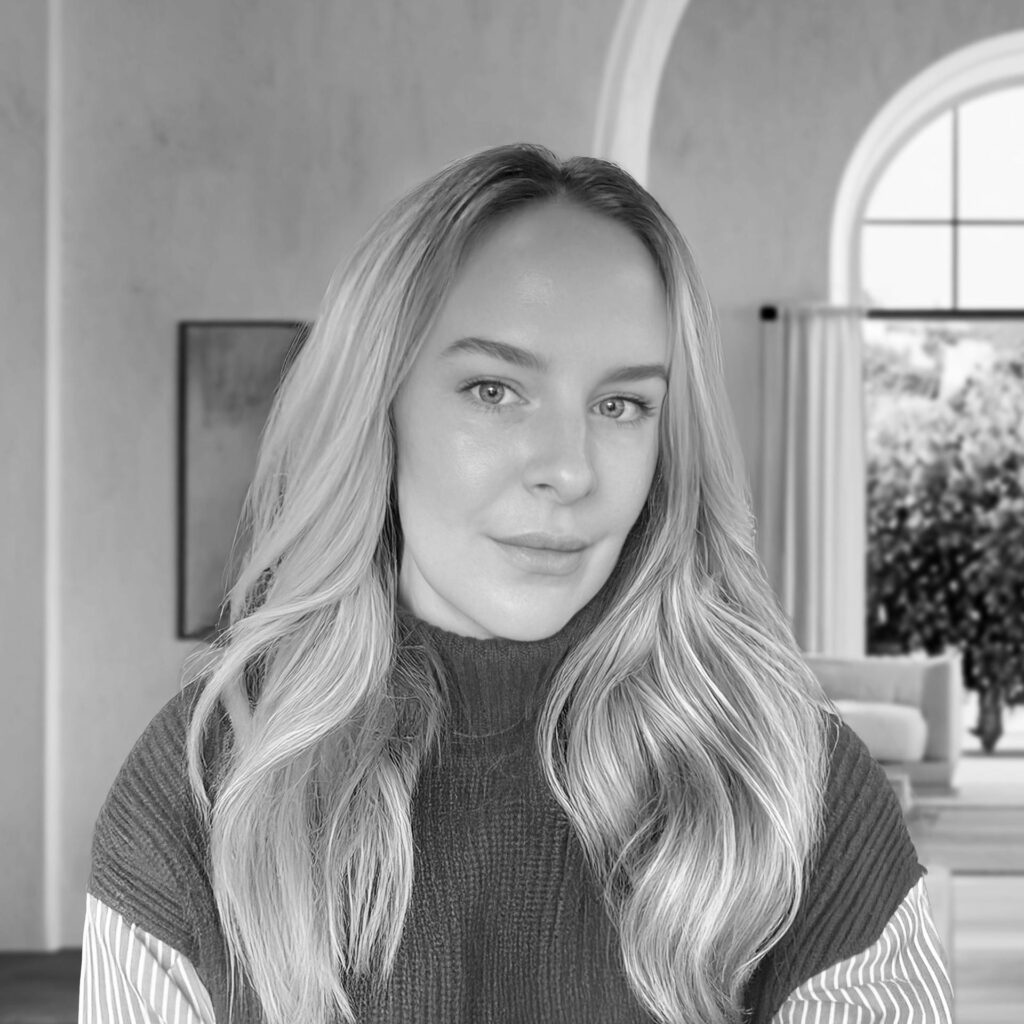
“The key to successful interior design lies in balance — between beauty and function, form and feeling, curation and spontaneity.”
INTERVIEW
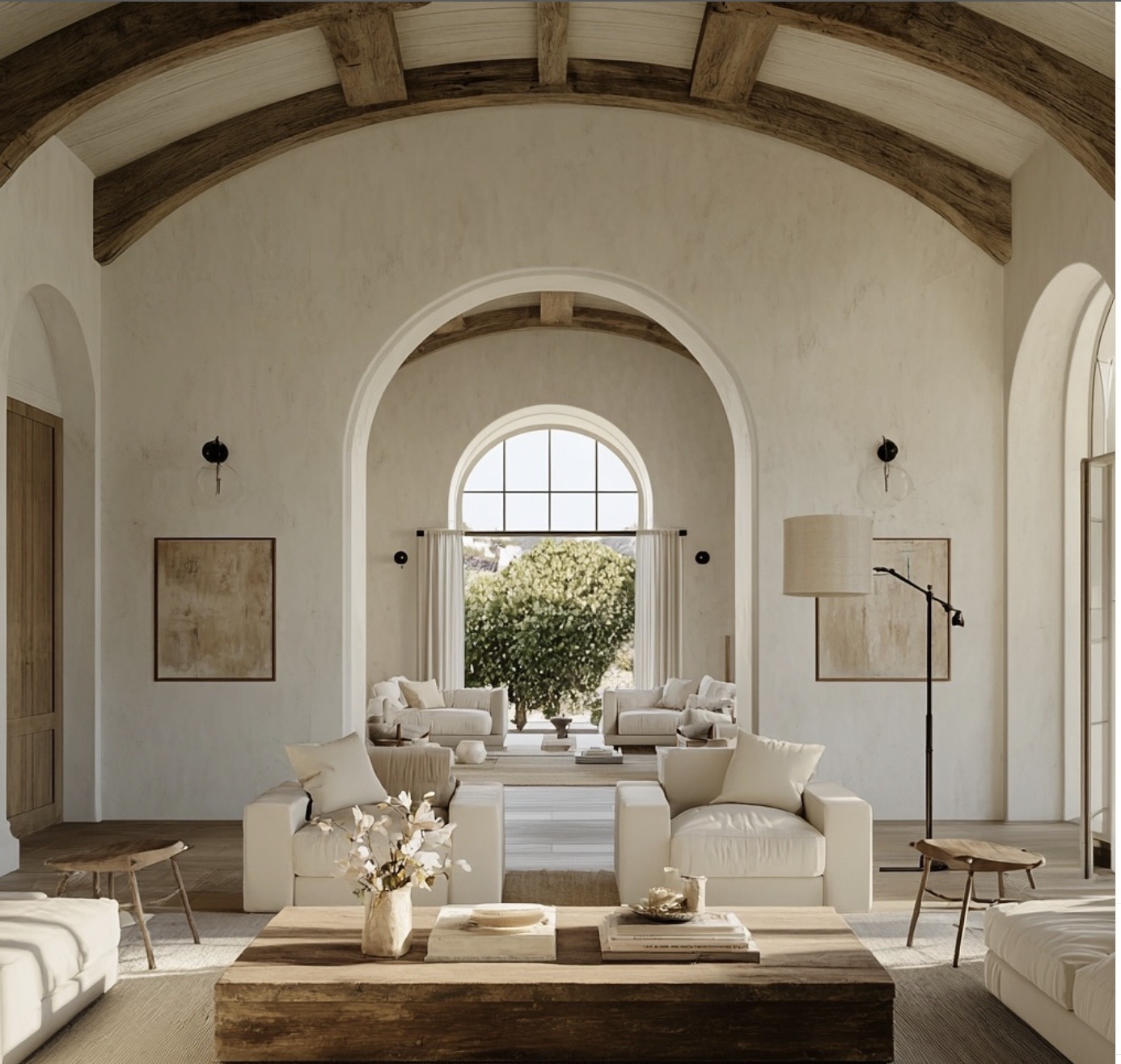
Each project is unique, and the starting point can vary. Sometimes, it begins with an emotional or conceptual anchor – whether it’s a colour palette, a texture, a piece of art, or even a single word that defines the atmosphere we want to create. Other times, a client will already have a hero piece – a treasured artwork, an heirloom, or a statement piece of furniture – that they want to keep, and we work backwards from that to build a cohesive design around it. From there, the process is about layering – playing with contrast, proportion, and materiality to craft a space that feels curated yet effortless. The goal is always to create interiors that feel personal, timeless, and deeply considered.
My journey into interior design was shaped by an early appreciation for art, architecture, and history. Studying at Stowe School, surrounded by its breathtaking Palladian architecture and landscaped gardens, deeply influenced my aesthetic sensibility and led me to pursue Art History and Archaeology at SOAS, London. After SOAS, living and studying in Florence further refined my eye, immersing me in the city’s rich artistic heritage and reinforcing my passion for craftsmanship, materiality, and historical reference in interiors. With an art history background before studying Interior Design, my approach has always been about creating spaces that feel curated, layered, and timeless, rather than trend-driven. My love for design was also shaped by extensive childhood and teenage travels, exposing me to diverse cultures, architecture, and ways of living. A major influence was Gael Boglione, founder of Petersham Nurseries and mother of my best friend, Lara. Her world – where nature, antiques, and effortless beauty coexist – became a second home to me and instilled a deep appreciation for organic, soulful, and timeless spaces.
There have been many pivotal moments, but one of the most defining was the decision to expand beyond traditional interior design services and develop Prêt-à-Portal, a global digital interiors platform launching this summer. It marks a shift in how interior design can be experienced and accessed, offering expertly curated, ready-to-go design schemes that bring high-quality interiors to a wider audience.
The key to successful interior design lies in balance – between beauty and function, form and feeling, curation and spontaneity. A well-designed space should not only look exquisite but also enhance the way we experience life. In business, success comes from maintaining integrity, valuing craftsmanship, and ensuring that creativity remains at the heart of everything we do. One of the most important lessons I’ve learned is to stay in your own lane and not worry too much about what others are doing. The design industry can be saturated with trends and external influences, but the real key is to remain true to yourself, trust your instincts, and create spaces that genuinely reflect your own design philosophy rather than trying to keep up with the noise.
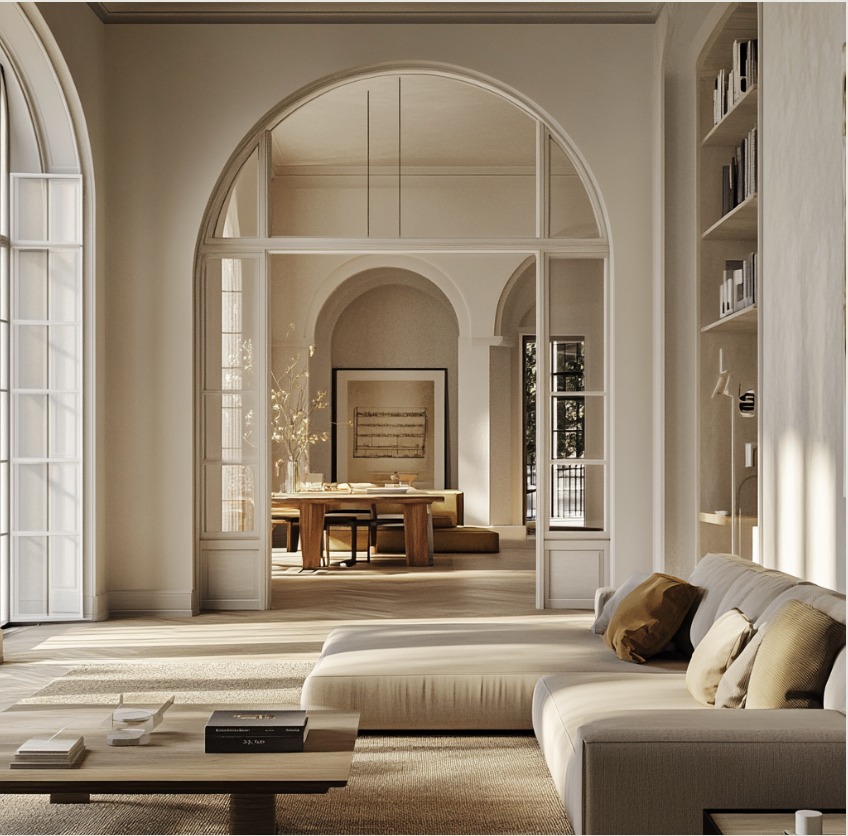
One project that stands out is a recent London townhouse where we blended historical architectural details with contemporary design elements. The result was a space that felt rooted in its past while bridging tradition with contemporary living -timeless yet entirely fresh. What made this project particularly special was that it was designed for a young family, ensuring it was both elegant and liveable, with space to grow and evolve over time. A key part of this project was curating an art collection that reflected the client’s personality and aspirations. Through Lulu Hope Studio’s art consultancy, we guided them in selecting a mix of emerging contemporary artists, statement pieces, and timeless antiques, helping them build a collection that would grow alongside their home. This layered approach added incredible depth and character, making the space feel truly unique and personal.
“Lighting is everything.” A well-lit space can transform the entire atmosphere of a room. Layering different light sources – ambient, task, and accent lighting – adds depth and warmth, creating a mood that shifts beautifully from day to night.
“Design with intuition, edit with discipline.” It reminds me that creativity should be free-flowing, but true refinement comes from thoughtful restraint.
Books
- The New Antiquarians by Michael Diaz-Griffith – A beautiful study of how historical influences can shape modern interiors, celebrating a new wave of designers who blend the past with contemporary aesthetics. Also, Michael himself is just a wonderful man with an amazing eye and vision, whom I am lucky enough to have spent time with.
- A Visible Man by Edward Enninful – An inspiring take on vision, creativity, and storytelling in design, offering valuable insights into taste-making and artistic leadership.
Podcasts
- The Design Digest (coming soon!) – Our own upcoming podcast at Prêt-à-Portal, diving deep into the world of interiors, design trends, and creative insights. It will also reveal all the black book tips and industry secrets that designers, home enthusiasts, and business owners wish they had access to – featuring exclusive conversations with top interior designers, sourcing secrets, and behind-the-scenes knowledge.
- Seen by Carrie Scott – A fascinating podcast exploring the intersection of art, culture, and visibility, celebrating underrepresented voices in the creative world.
- The Smarter Podcast – A thought-provoking podcast by Emily Austin featuring inspiring conversations with creative entrepreneurs, business leaders, and industry innovators, offering valuable insights on strategy, success, and smart decision-making.
The most beautiful interiors are not created overnight. Exceptional design requires patience, and taking the time to source, curate, and refine is what truly elevates a space. One of the biggest struggles is often conveying this to the client – helping them trust the process and see that good design evolves organically. But that’s also the fun part – embarking on a journey together, whether it’s a fast-paced transformation or a more gradual evolution. Each project unfolds in its own time, but no matter the pace, we always create the perfect space for their needs – one that feels personal, considered, and deeply connected to their way of living.
This summer marks an exciting milestone with the launch of Prêt-à-Portal, our global digital interiors platform designed to make high-quality interior design more accessible. The platform will offer curated, ready-to-go design schemes, allowing people to effortlessly bring designer-led interiors into their homes. Alongside this, our podcast, The Design Digest, will provide exclusive insights into the interiors world, featuring industry experts, sourcing secrets, and black book recommendations.
We are also expanding the Lulu Hope Studio Art Consultancy, helping clients curate meaningful collections that blend contemporary and antique pieces while supporting both emerging and established artists. Our work extends beyond private homes, offering Murano glass commissions and bespoke design consultations for private residences and hospitality projects globally, ensuring our signature aesthetic is brought to exceptional spaces worldwide.
There’s so much ahead, and we can’t wait to share more!
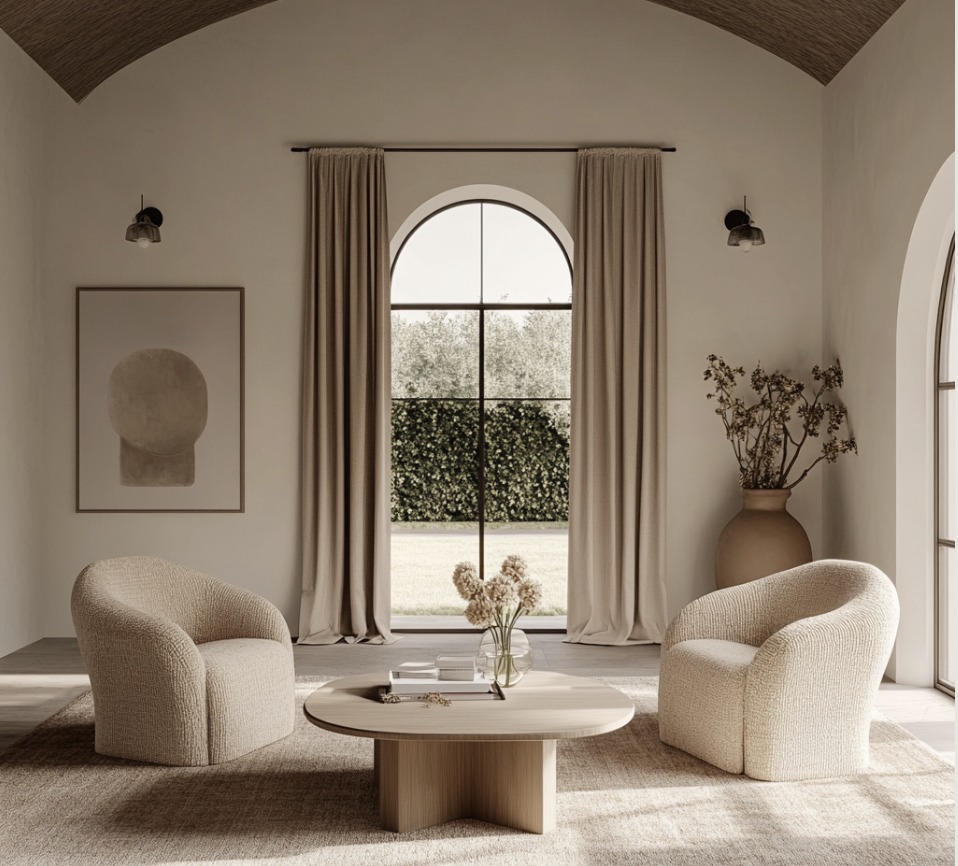
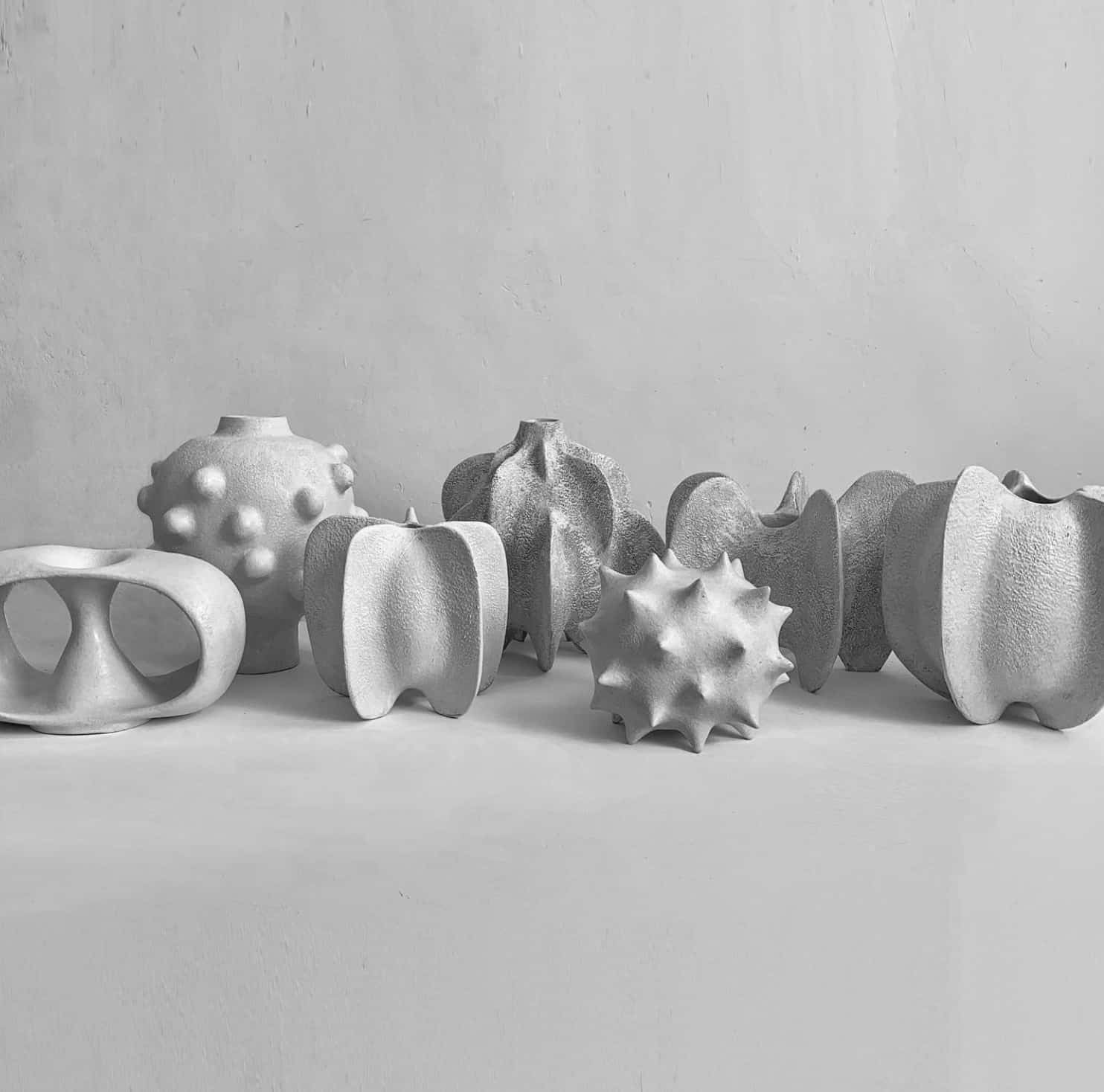
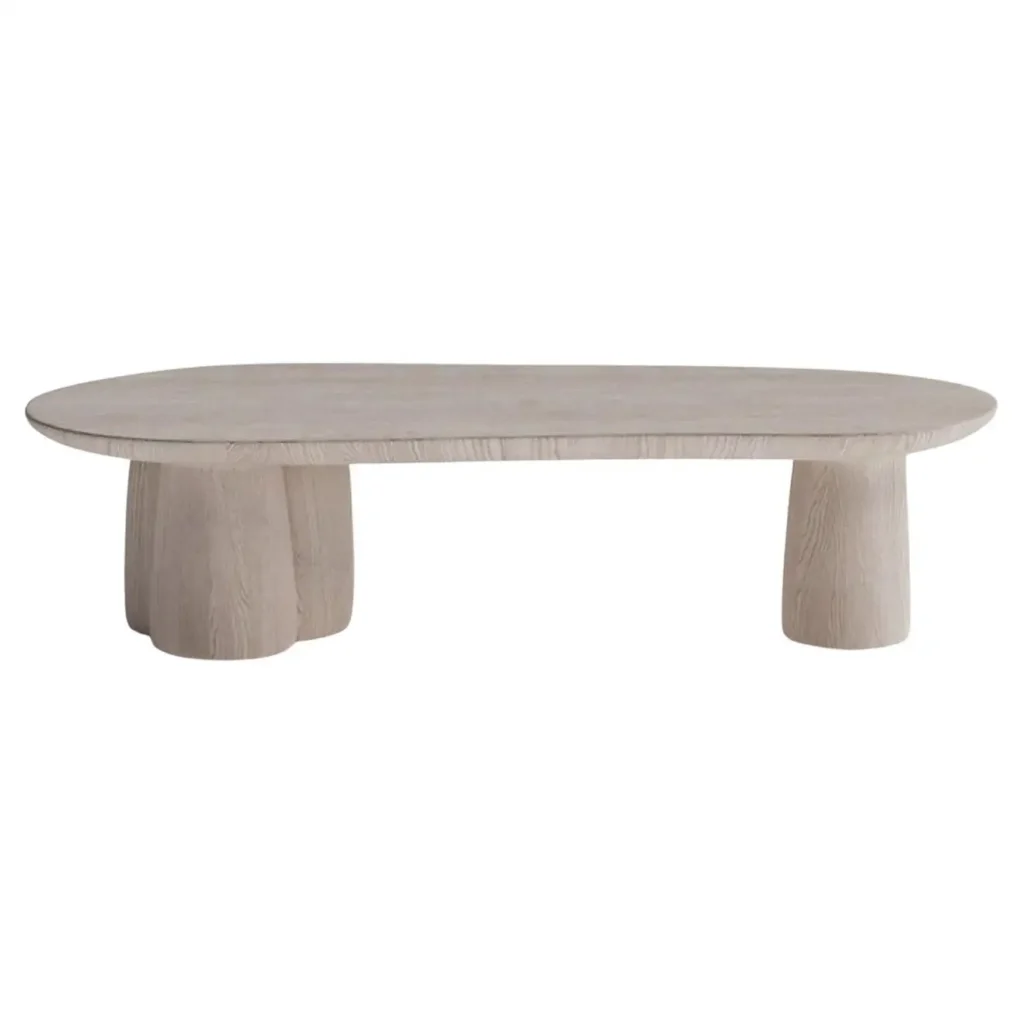
favorite pieces from the Philia Collection
The selection I have chosen harmonises with our design philosophy, integrating natural materials, timeless design, and a blend of modern and antique elements.
Thank you so much Lulu, for this lovely interview!
Share article :