Marie Coomber
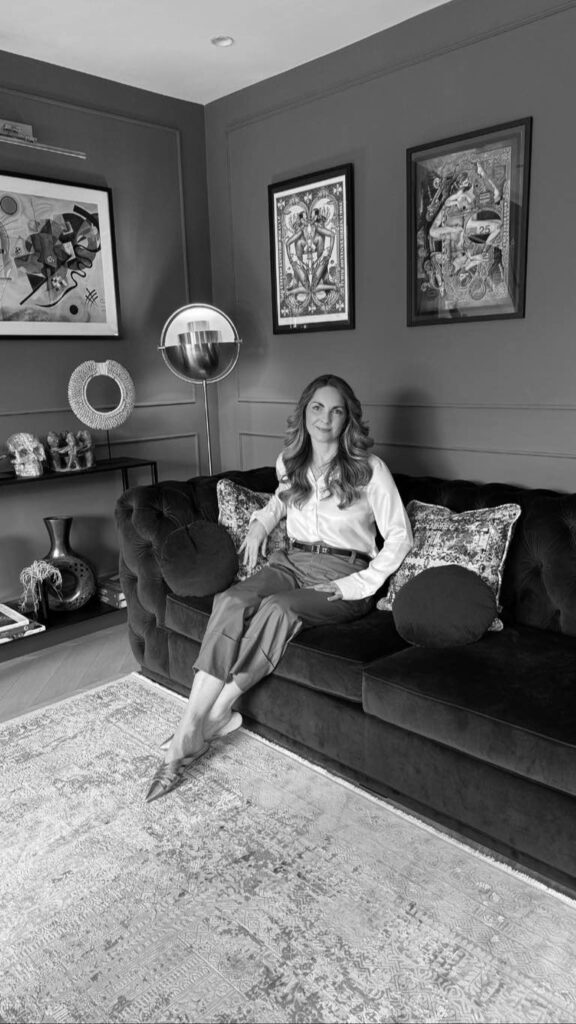
Marie Coomber is Design Director at Concept Eight Architects & Concept Eight Design, known for their design-led approach in creating bespoke homes as unique as their clients. Marie works with a team of 12 out of her Surrey-based studio, just outside of London. With an eye for sophisticated architectural interiors and a passion for crafting deeply personal spaces, we believe in our homes curating lifestyles for our clients. Switching her career 18 years ago from a dermatology lecturer to an interior designer, she joined her husband, who led the architecture business, in creating a complete design studio delivering both architecture and interior design for discerning clients. Marie has always enjoyed working with people to find solutions to improve lifestyles. She thrives off turning ideas into reality and gets a buzz from liaising with clients to understand their aspirations and vision for their dream home and how she can turn this into reality, gaining the satisfaction of working closely with clients from conception to completion.
And achievements for the company we have won and been shortlisted in various industry awards, including The British Home Awards, as well as winning best in category for the International Property Award. This is coupled with the studio work featuring in 2no. hardback coffee table books for architecture and interior design that feature up-and-coming studios around the globe.
“A successful design will immediately make the client feel at home.”
INTERVIEW
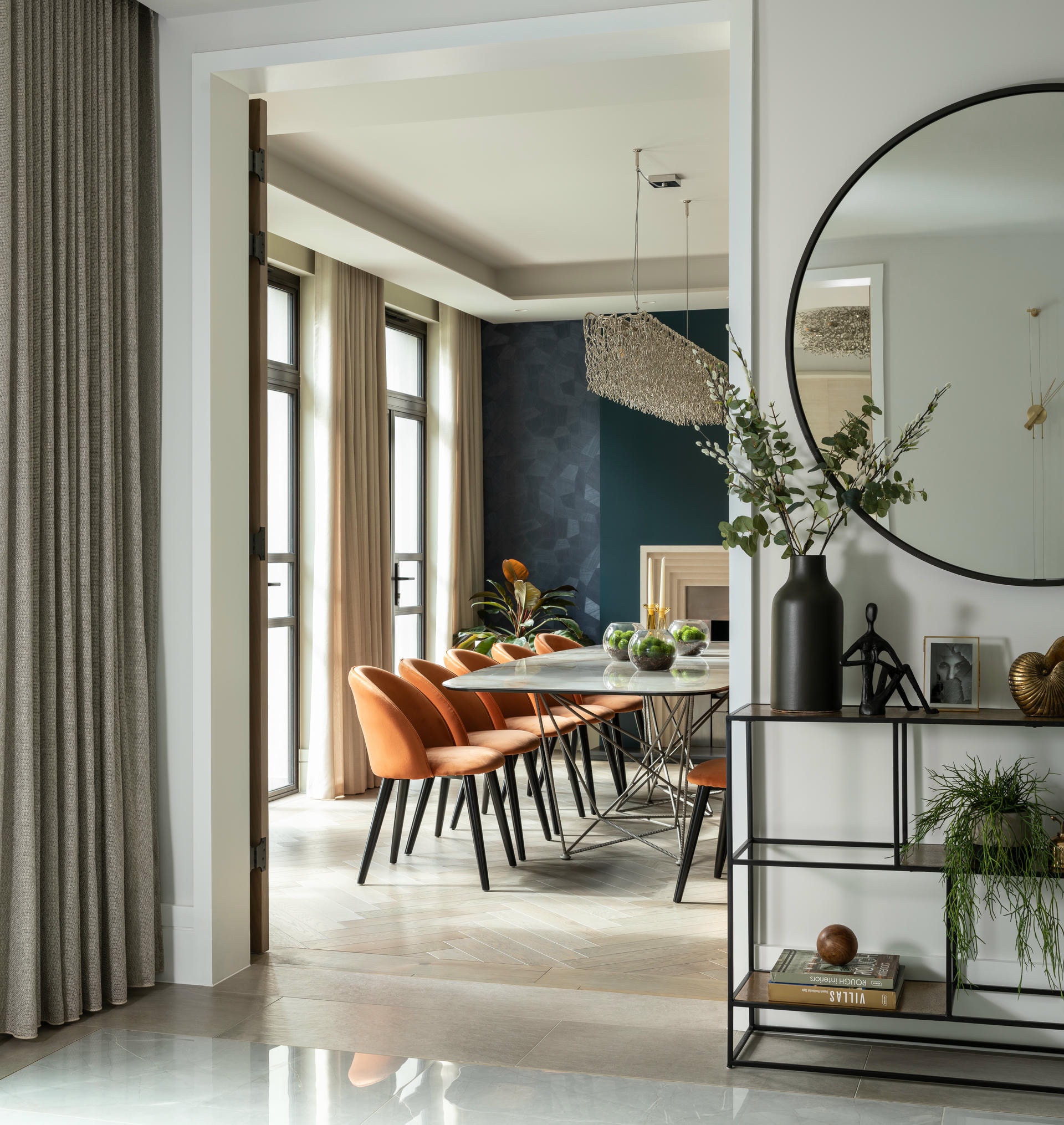
I always had an eye for interiors, helping friends with designing homes, but it was the design of my own London apartment that sparked my undeniable passion for interior design and the immense feeling of reward in helping others to achieve their dream spaces. An intense course at the Chelsea College of Arts allowed me to understand the processes of interior design and running an interior design business. I then took the radical step of quitting my previous career to embark on an exciting time of training full-time at the world-renowned design school, the KLC in London, before taking on my first interior design client.
Concept Eight Architects had been designing bespoke homes for clients, delivering architectural services; however, we knew that the clients would benefit from a full in-house architecture and interior design service, and with this in mind, I set up Concept Eight Design, which is the Interior Design wing of Concept Eight. Since its inception, we have gone from strength to strength, designing both beautiful architecture and beautiful bespoke home interiors.
My most defining moment would have to be completing my first full home renovation project. A stunning project with a contemporary, interior architectural feel, complemented with a mix of designer mid-century furniture and a few clever high street purchases. It was a fantastic journey with a lovely International, well-traveled client to create her dream family home, and a wonderful moment to stand on the patio at my client’s home reveal celebration party.
The key to a successful interior design is getting to know and being able to read the client. Investing time into finding out about the client’s past, present, and what the future may hold, how they spend their time, where they love to travel, or enjoy life. I took 7 months out of life at 30 years old and travelled to 25 countries, sending home numerous crates of home wear along the way, incredibly inspirational, but also useful when consulting with clients on the look and feel of their home. The finished design should be the correct or desired scale, harmony of colours, contrast, rhythm, ergonomics, with a strong design connection to the architecture. A successful design will immediately make the client feel at home, emulating the desired feeling for each space, uplifted, calm, cosy, social, and above all emulate a reflection of themselves.
We start our interior design projects with in-depth consultations of how our clients live their lives throughout the day in each of the spaces we are designing, going on to show various styles and looks through images and material samples, so we can plan the functionality and lighting of each space for our clients’ individual needs, and gain inspiration for the look and feel of the project. These conversations are the key for us to create concept books, layout plans of each room, and sketch up models, bespoke for each client, and with the assistance of the VR headset, clients love that they can return to our studio to walk around their home.
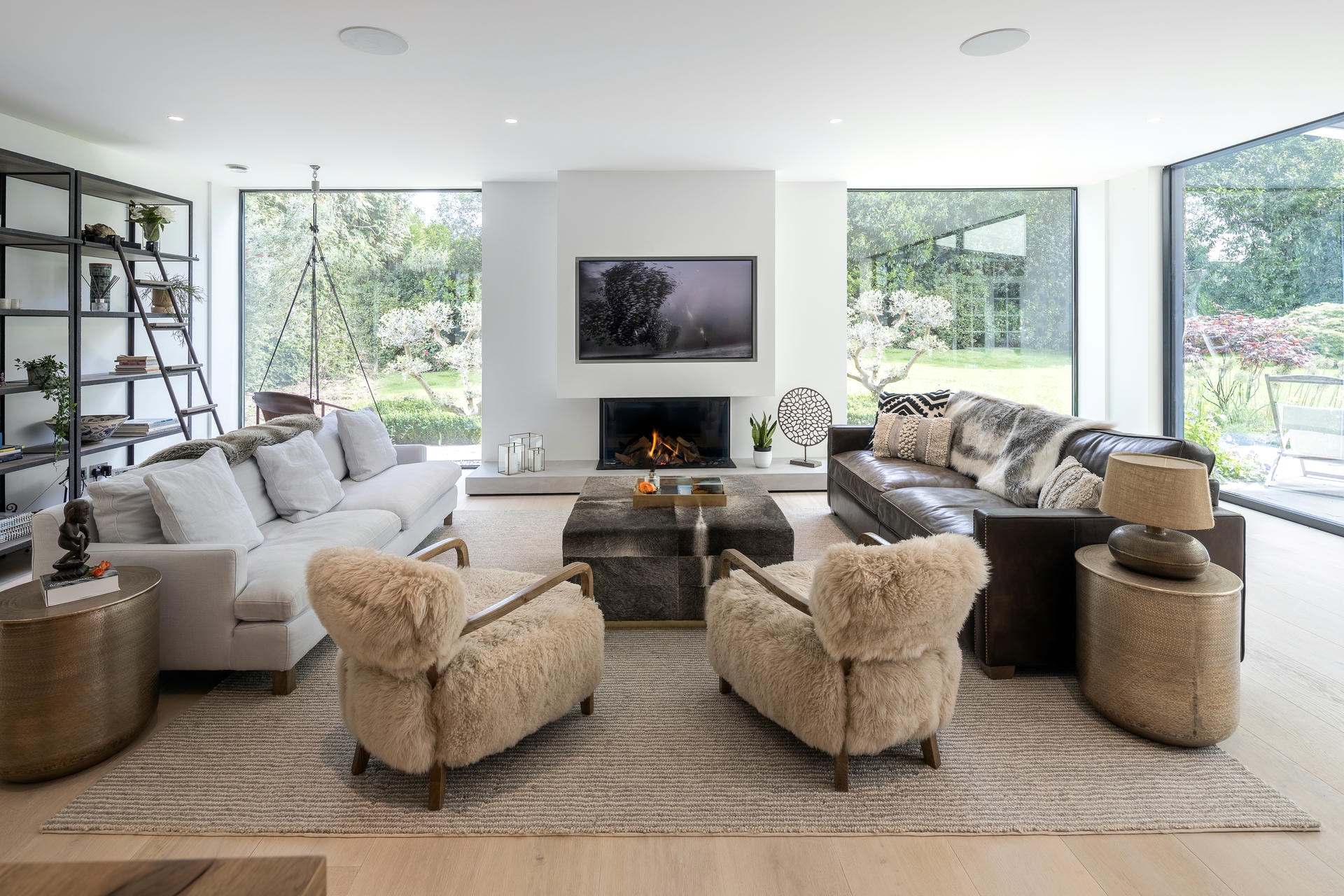
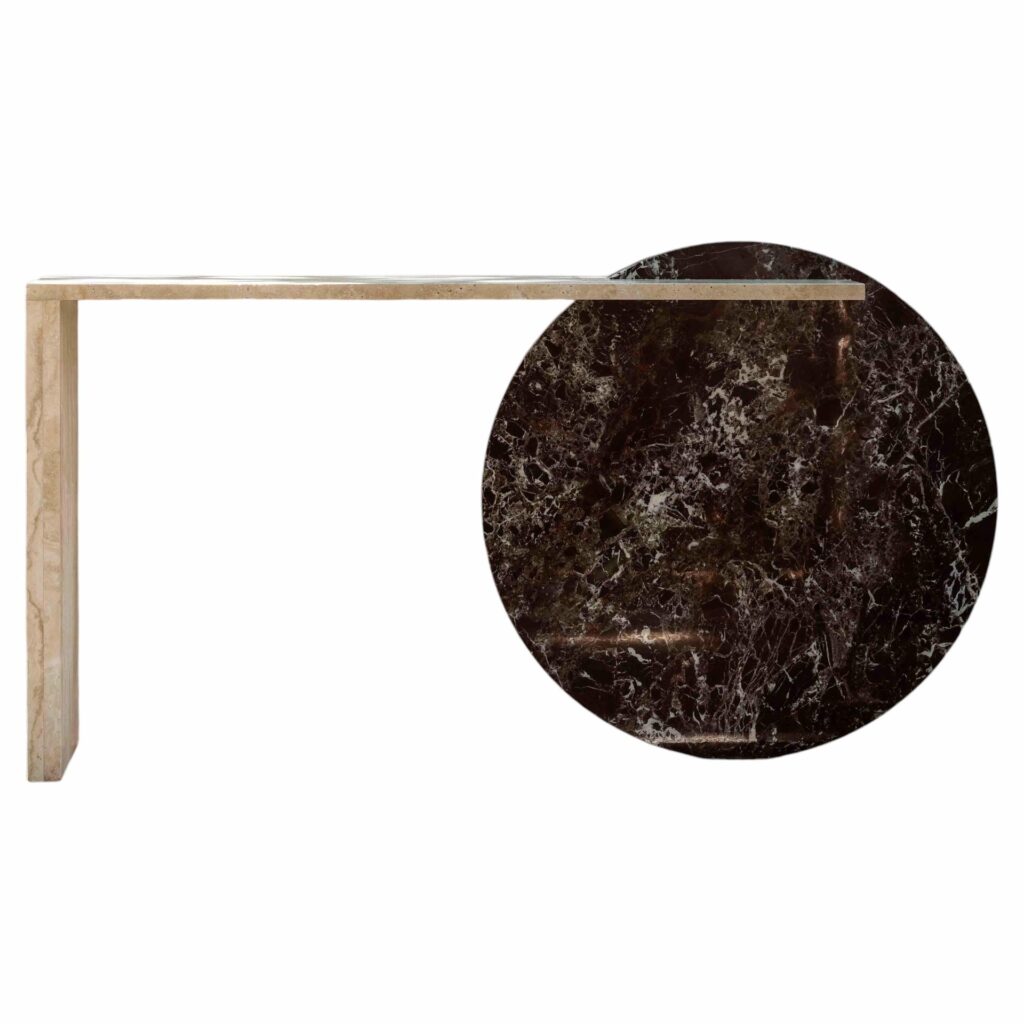
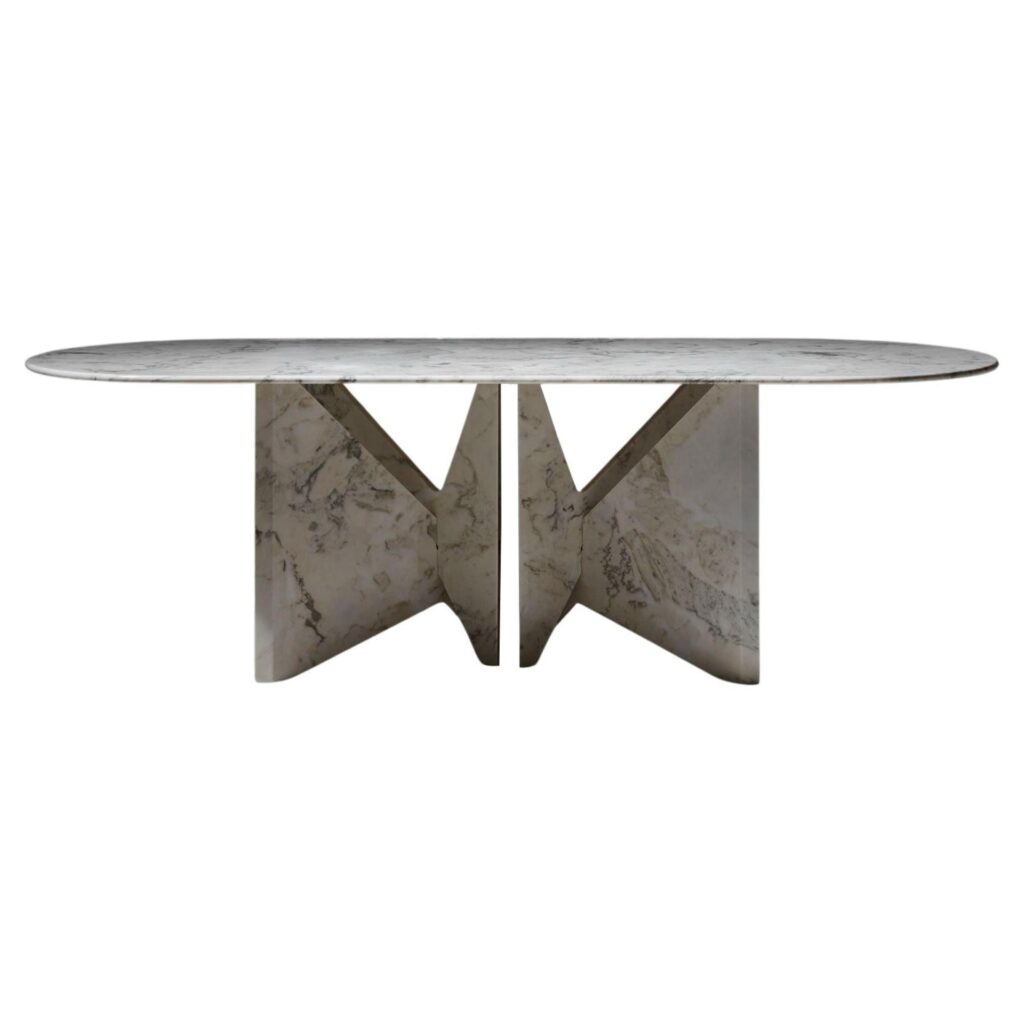
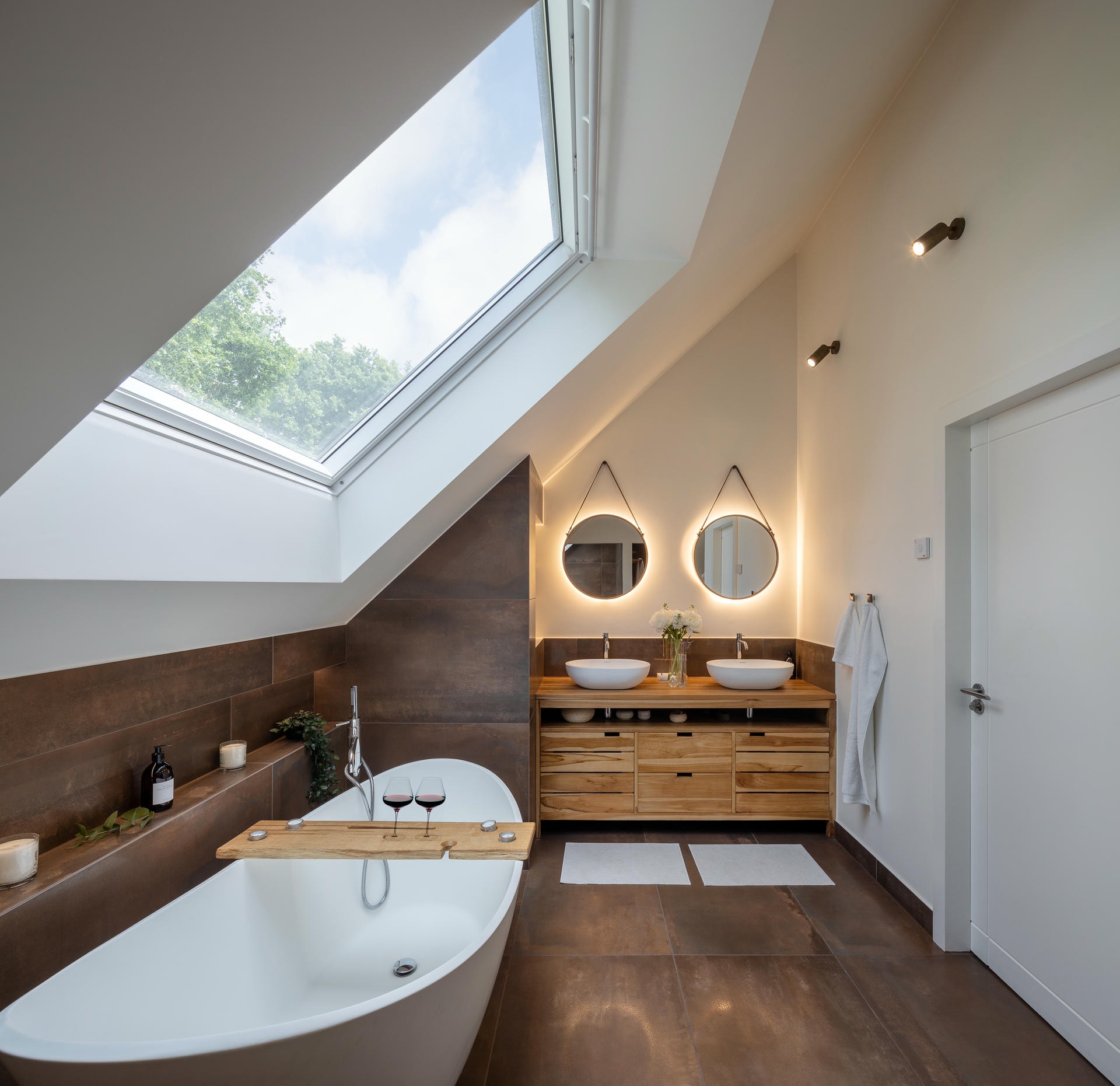
Our signature style is architecture-led, with minimal clutter, organic designs, and bespoke spaces. We believe visionary interior design should be an outward expression, creating our inner senses. Understanding how our clients wish to feel as they walk into a room, we use imaginative use of colour, form, texture, pattern, and interesting materials to create innovative, bespoke, stylistic homes.
The best advice I have received is to ensure that the client journey in designing their home is the very best it can be, so that they are fully engaged in what can be a once-in-a-lifetime experience and one that they feel very much part of the process in getting to the end result. This gives them a fold of memories of how their home came together once they are enjoying the spaces.
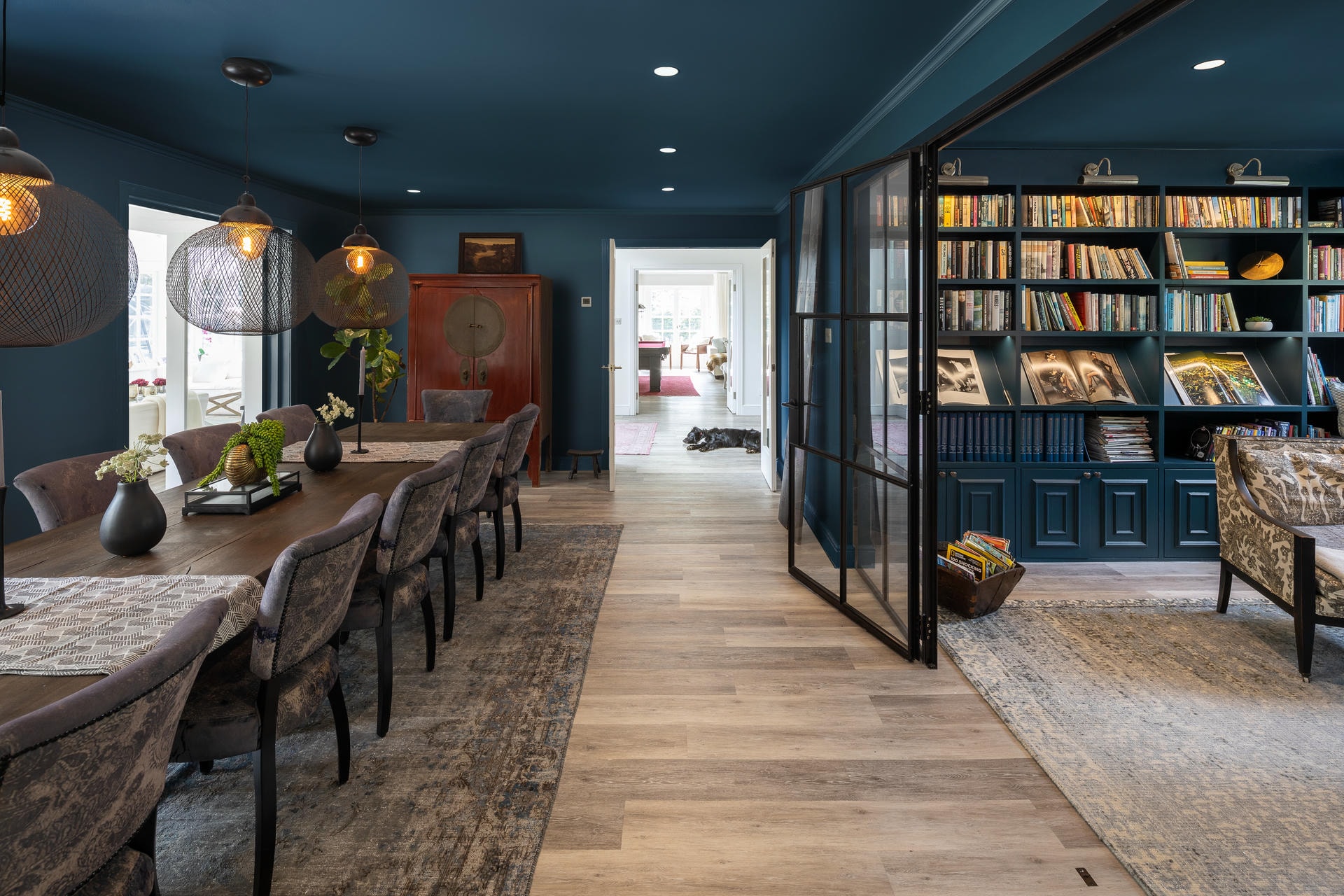
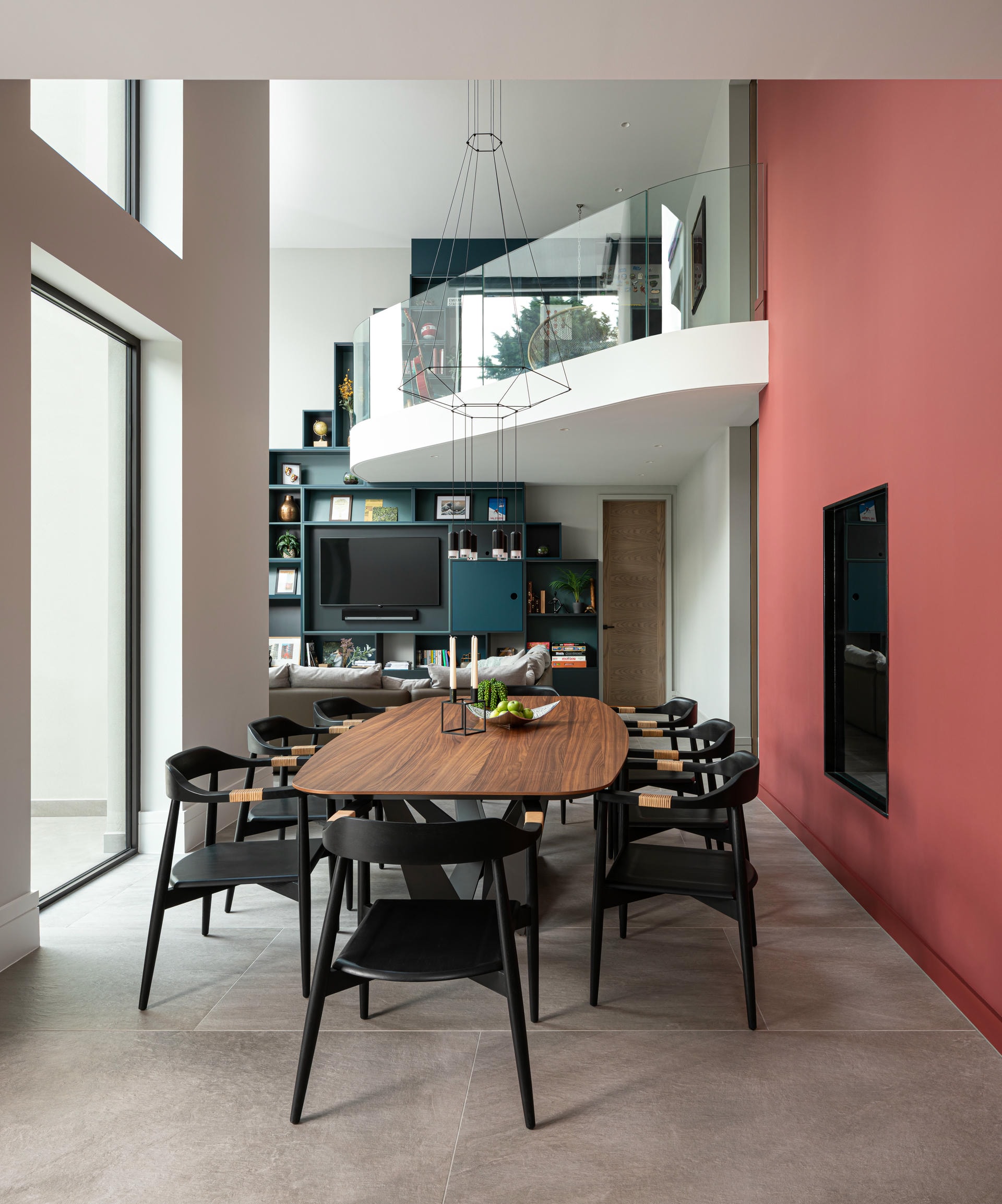
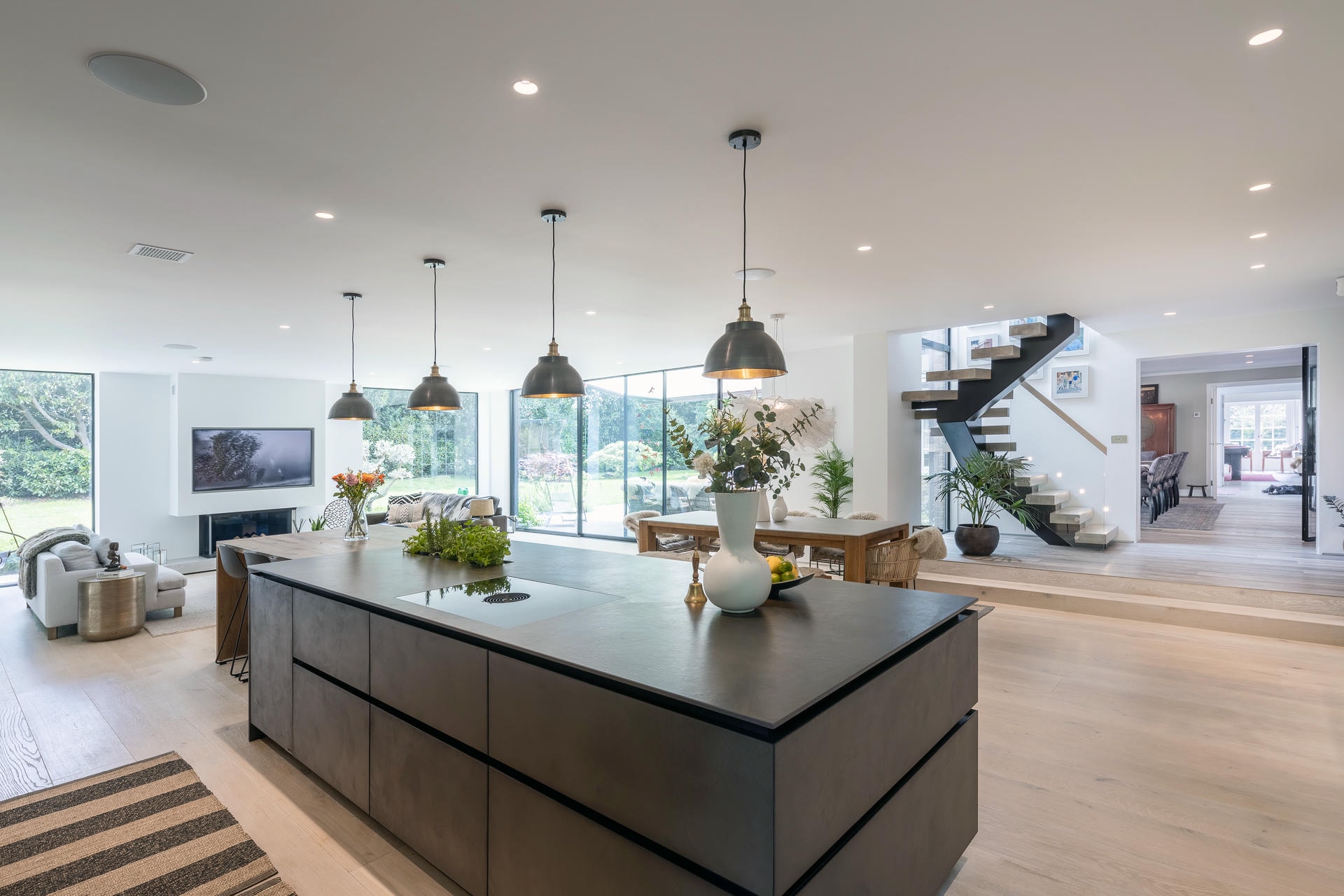
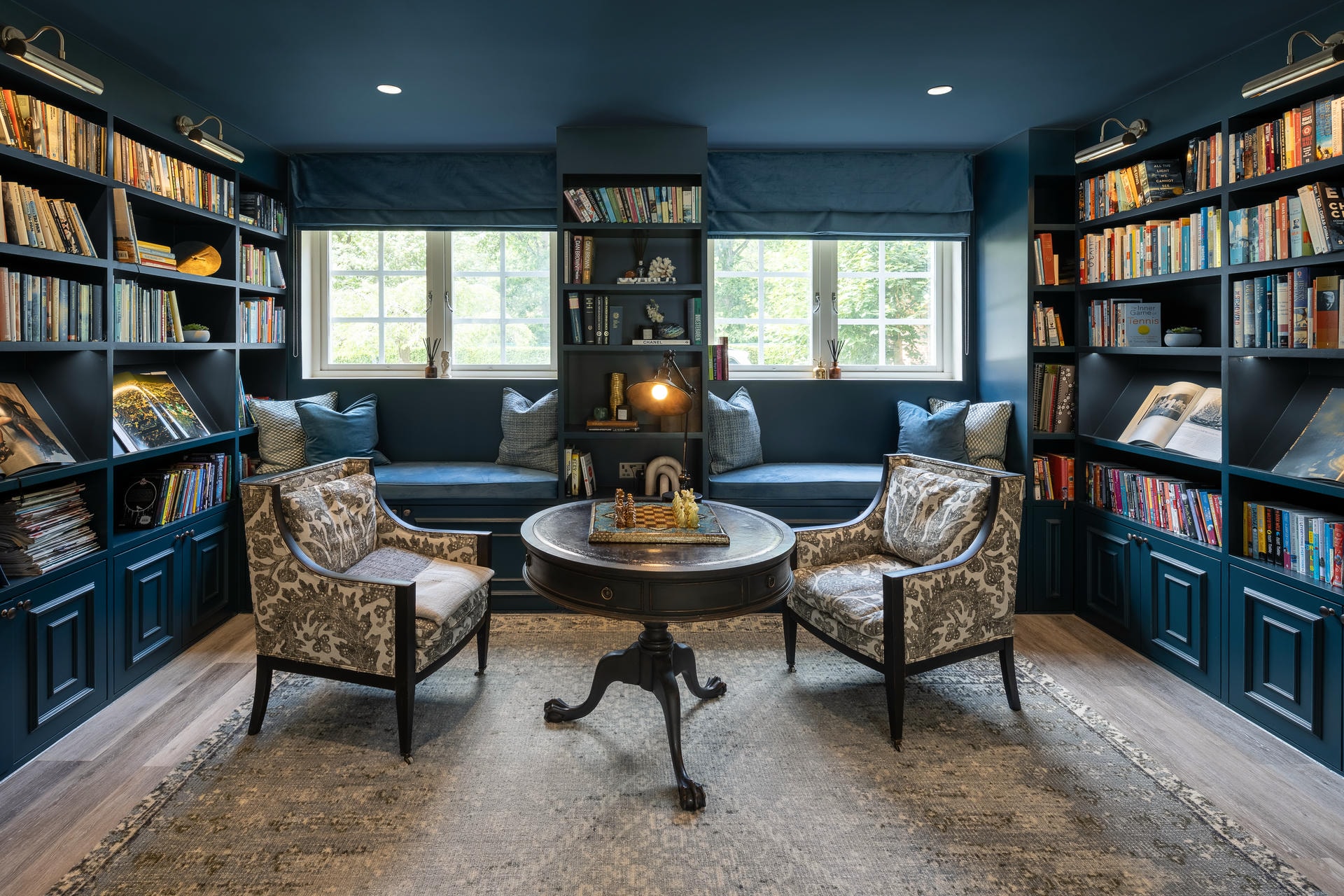
Historically, we work on many new build homes and turnkey projects. One of my favourite projects was an extensive internal refurbishment, as it was challenging to integrate new spaces with existing walls and constraints. It is very exciting to completely change a space and watch as a large, unused, and tired indoor pool becomes the new heart of the family home. At its heart was a new contemporary kitchen, dining, and relaxed seating space, and the old, small, and dark kitchen became a sophisticated library with formal dining off it. In the old space, the windows and walls were not symmetrical, with small openings, etc. It was wonderful to see the finished room, as I had visually concealed the issue with clever use of joinery and bold paint. Huge sense of satisfaction as the family now enjoys the style of their new spaces, which brings them together to spend time with each other.
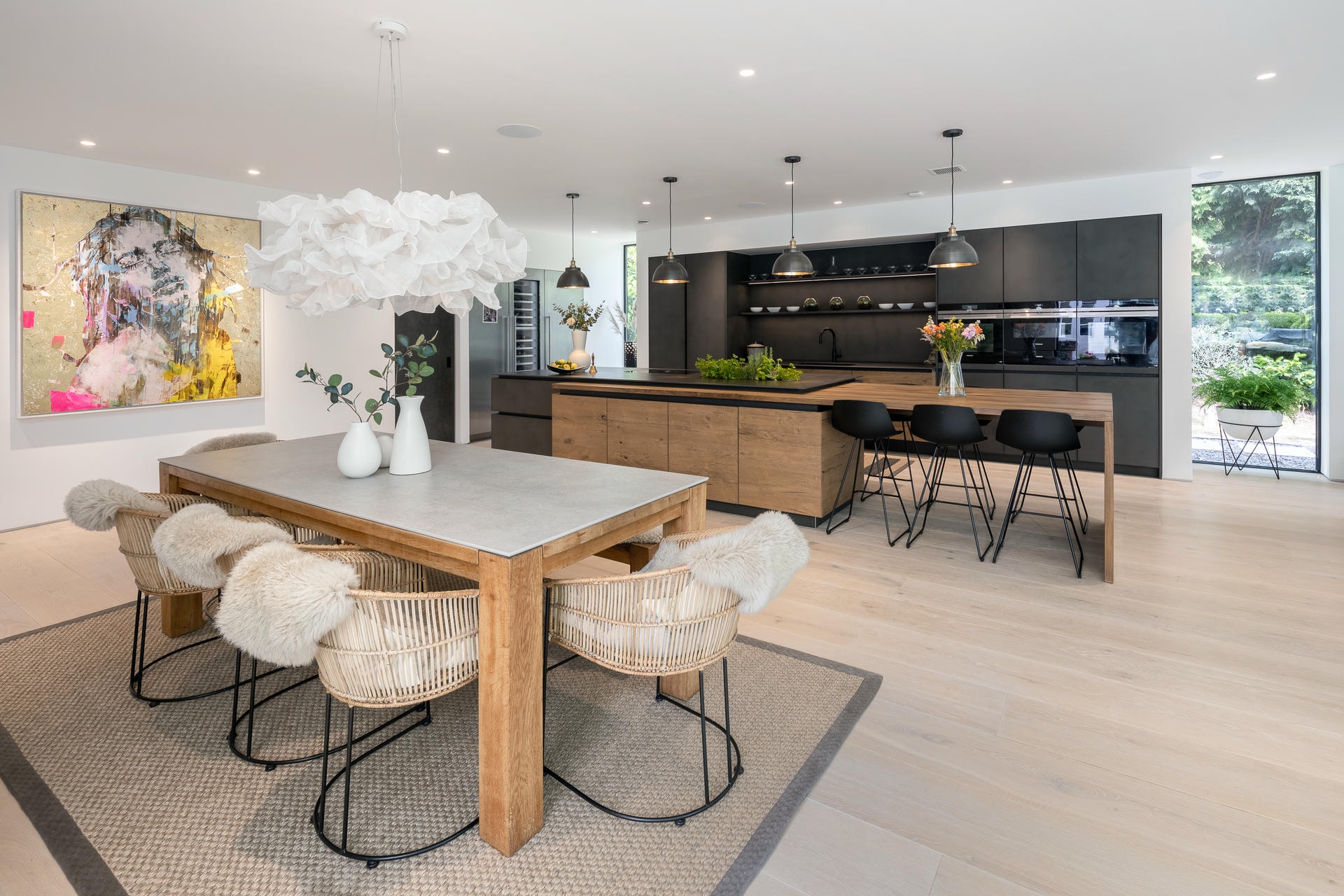
My tip would be to think carefully about the use of materials and how they enhance the scheme. The photograph shows the wood and concrete of the kitchen and kitchen pendants, this is a comfortable family room, so I juxtaposed the cool feeling of the kitchen area with the flared organic cotton fandango pendant over the dining table and warm fur throws in the seating to give a feeling of comfort.
My advice to a beginner interior designer would be to spend time understanding who their client is and their wishes before even the concept stage. This will save so much time, rather than revisiting the design to tweak and make changes, it allows for the smooth running of the business if the client signs off on the ergonomics, flow, and FF&E of the home in the first few reviews. Always include a few or a wow piece in each room that you know will speak specifically to the client. Another element is to adhere to the business protocol that you have put in place. In the past, I have tried to do favours for clients, often free of charge add Ons but this can blur the lines of professionalism when a client would like further favours, and as a design and build can often take one, plus years. It makes sense for the client to have clear communication on expectations for the designer and client from the outset.
The best lesson learnt is to work as a team, as these types of projects require input from so many stakeholders. It’s a collective and iterative process, and each team member can bring valuable input into the delivery of a successful project. In the past, we had some projects when there was a disconnect between the designer and the build team, which led to project delays. With years of experience, we have now mastered the art of putting together all the individuals needed to deliver the best homes in the most seamless and efficient manner.
Feng Shui is now backed with science to prove how using our homes as a vision board will increase our wealth and success in any areas of our lives. Why not uplevel the energy flow of the person and the home at the same time as achieving the perfect design. An informative podcast is Next Level Soul Podcast, Revealed: Secret ancient technique to manifest your dream life, Marie Dimond.
Book recommendation: The Language of Light by Rebecca Weir and Allyson Coates.
We are currently working on a full interior fitout of a 100-year-old Victorian villa, which is currently on site. The house is getting a completely new lease of life with a new interior fitout and full FF&E throughout. My favourite feature will be a bespoke wine room which will sit at the end of a long formal hallway, visible as you enter the house. This will have a blend of traditional and contemporary styling.
Alongside this, I am working on a very contemporary new build house over 3 floors, which will feature a dramatic 3-storey entrance atrium as well as bespoke spaces. The highlight for me will be the glass display wall to a car gallery for our car enthusiast client.
Thank you so much Marie, for this lovely interview!
Share article :