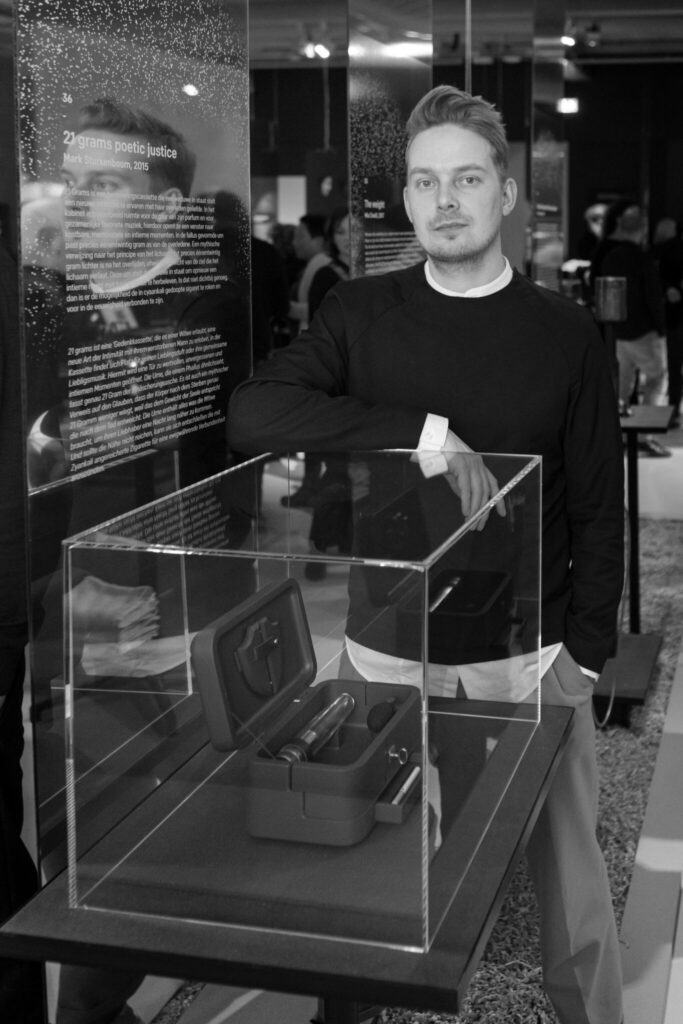
Mark Sturkenboom
Interview
I was born and raised in Driebergen, a small, boring village near Utrecht, in the Netherlands. Now I’m based in Utrecht, but I work with artisans all over the world.
I really can not remember. It came late, I guess. When I was a child, I never visited a museum or gallery. When I was applying for Art school back in 2008, everything came at me like a tsunami of impressions. Total overload.
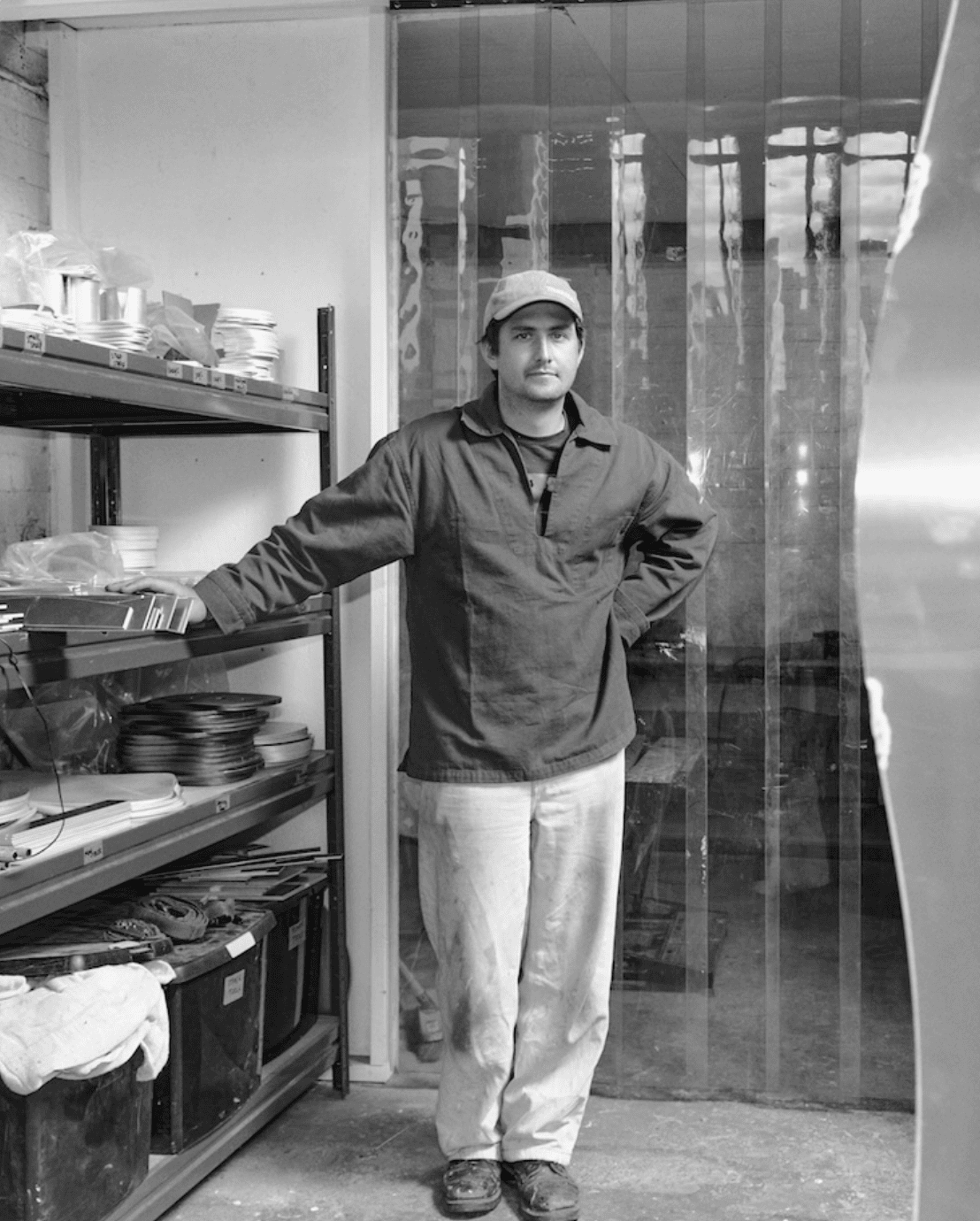
No, I was a welder and fabricator for years before I attended Art school. I would fabricate big stainless steel and aluminum machines for a variety of purposes, such as bread-making machines and such.
I was sick of working in a factory with a buzzer when you were allowed to eat, where you could stand or work. Factories where you had to clock in every day and didn’t have any freedom. At that time, I met someone (yes, it was a girl) who told me; You can draw so beautifully; what are you doing in a factory? Go apply at an Art school. And so I did; I needed a push, I guess. Funny thing is that it led me to making objects (products even), and drawing played almost no part in my Academy time. Now I’m working on drawings again, actually, hope to finish some pieces this year.
It comes from everywhere. I like playing with extreme ideas and thoughts, and by quickly materializing them, I see if they have the right to exist in the physical world. Ideas often come from discussions or arguments with friends. Also, it helps to be a highly sensitive person, I guess, which is normally a burden but not when you are a creator of something.
Wake up, sometimes at 8:00, sometimes at 11:00, and then I will drive to my studio and work on the to-do list that I have made the evening before. I stop when I feel like it, could be 16:00 or 23:00, also depending on orders and transports that are planned. I try to work one day a week on new ideas, but I don’t always make that. Producing work that you already made before is great because it makes you money, but when a project is ‘born’, I usually want to move on the week after that; it does not come in handy because some work you invest months or years in developing the idea. It needs to pay itself back. But I also make work sometimes where I don’t have the intention of selling at all.
I choose materials that are visually complementary to the concept. In that way, you can steer the eye of the beholder towards a new idea. The first impression is important, just as it is with people. You need some kind of sign language.
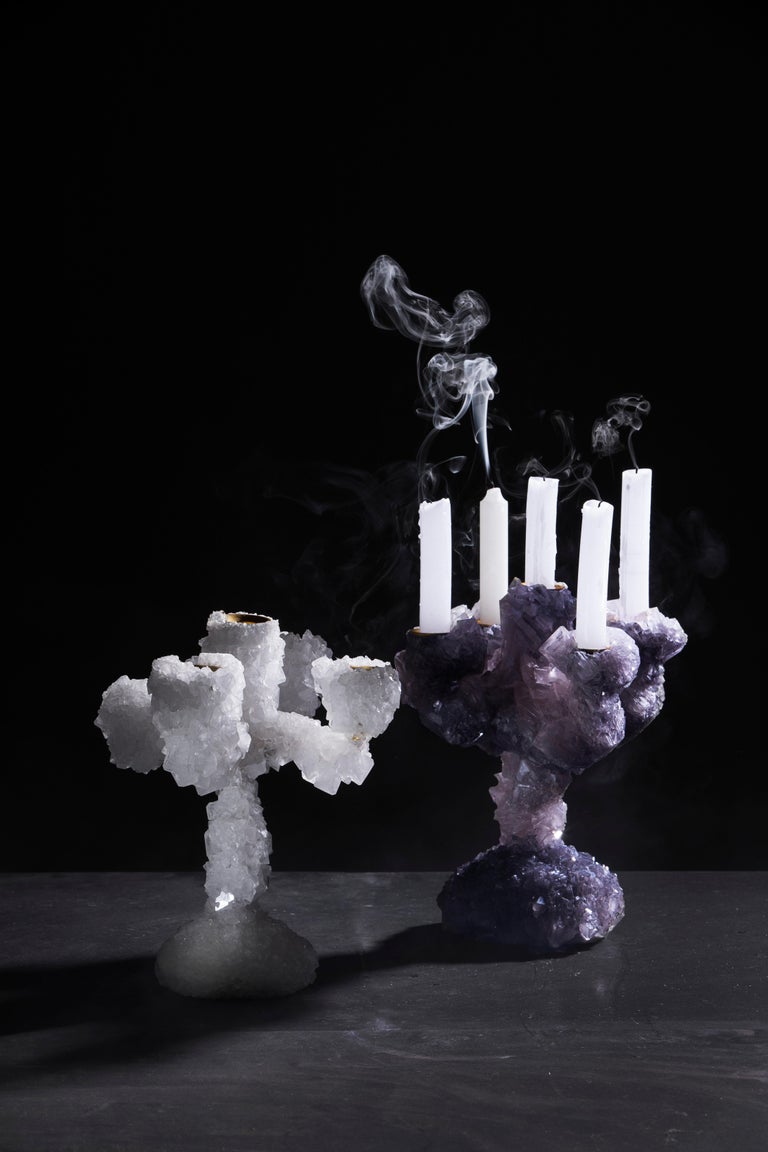
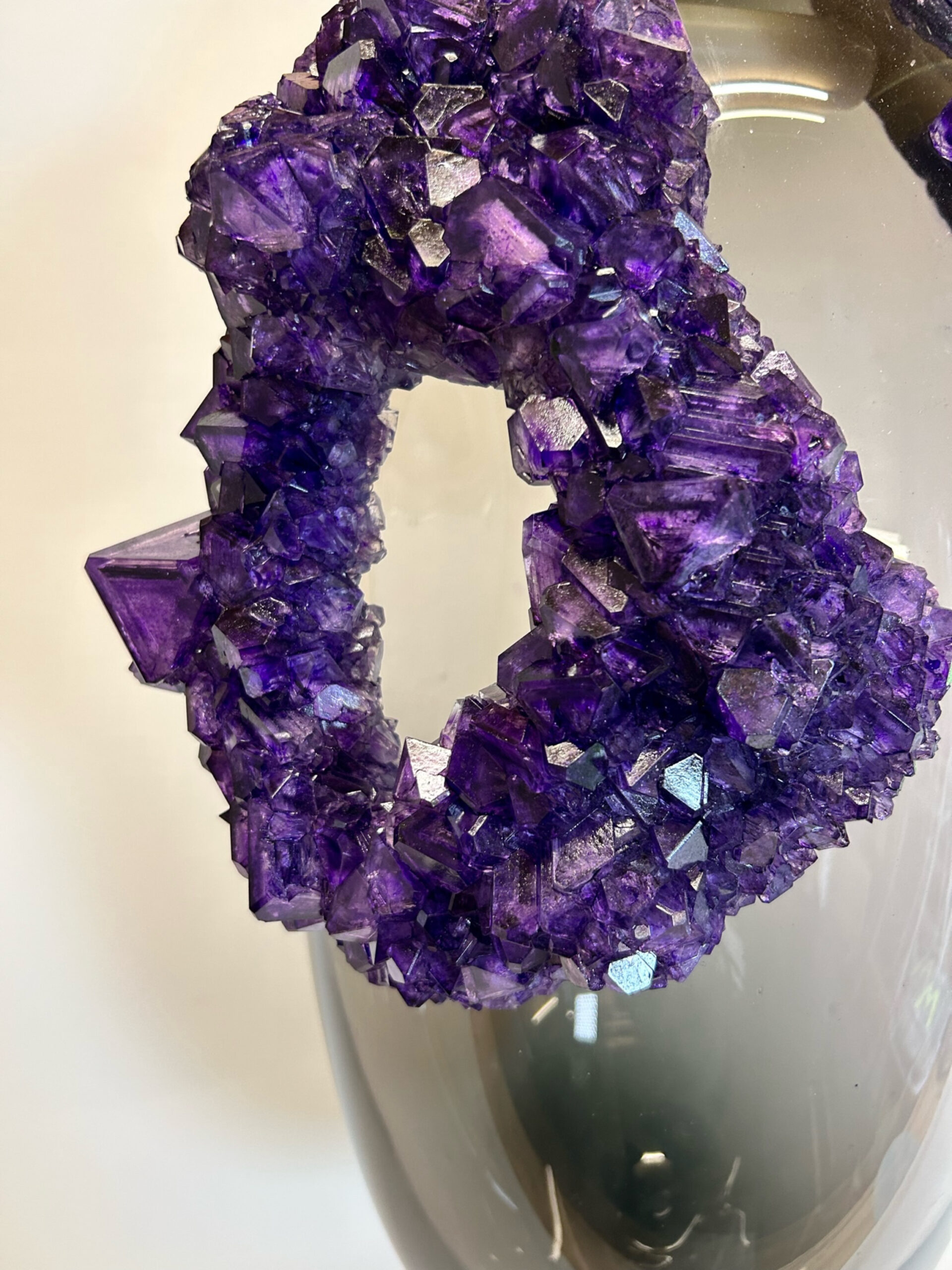
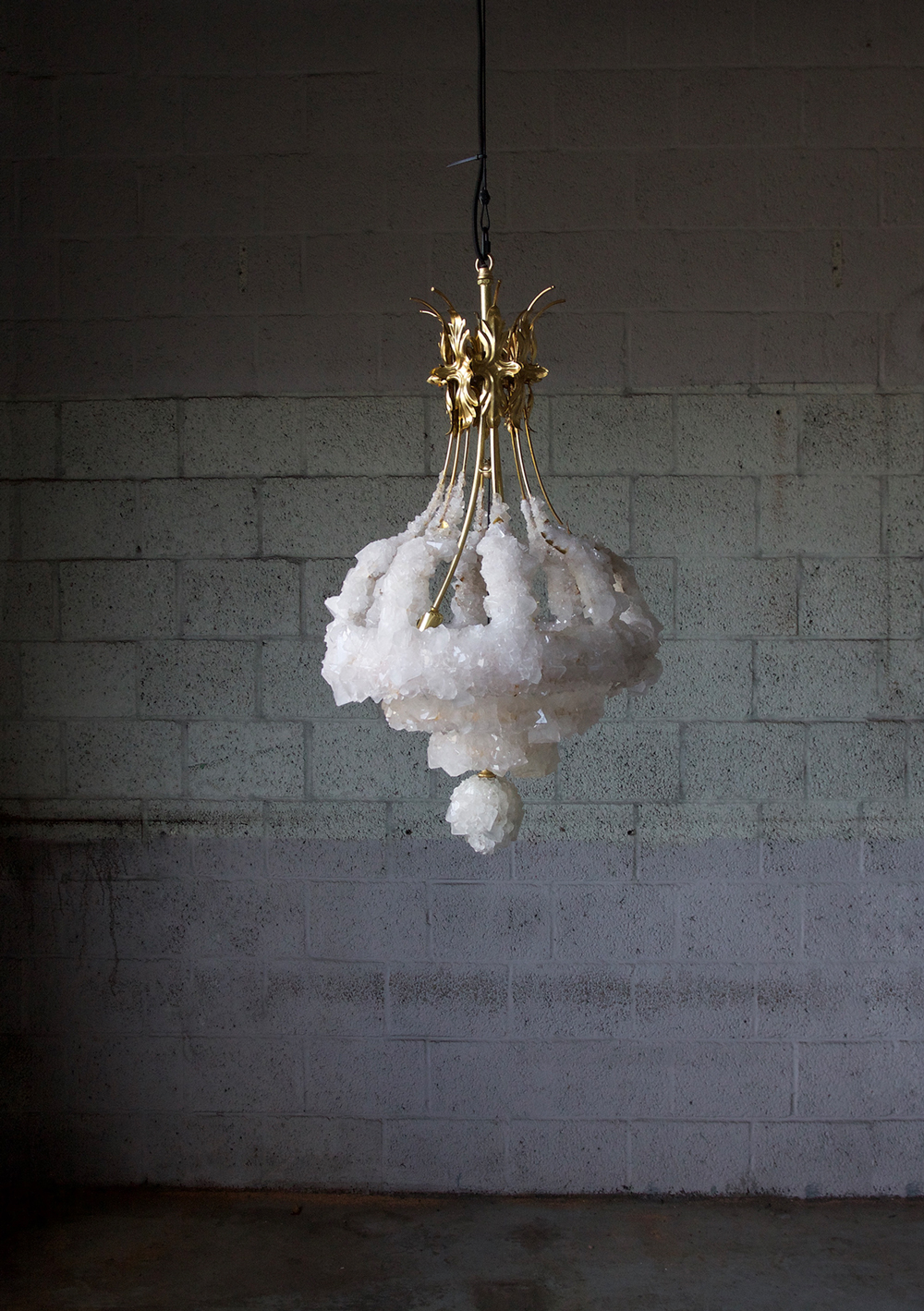
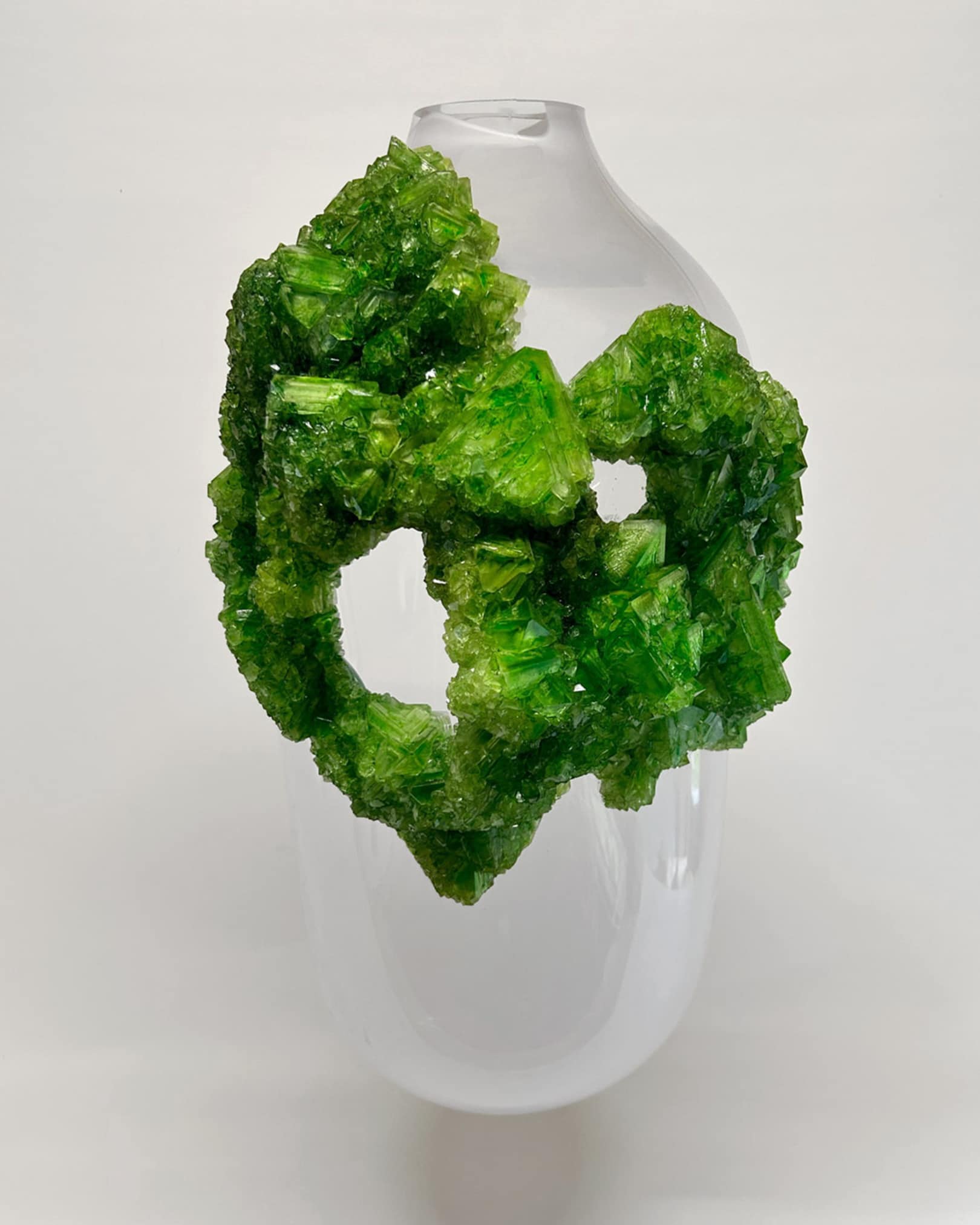
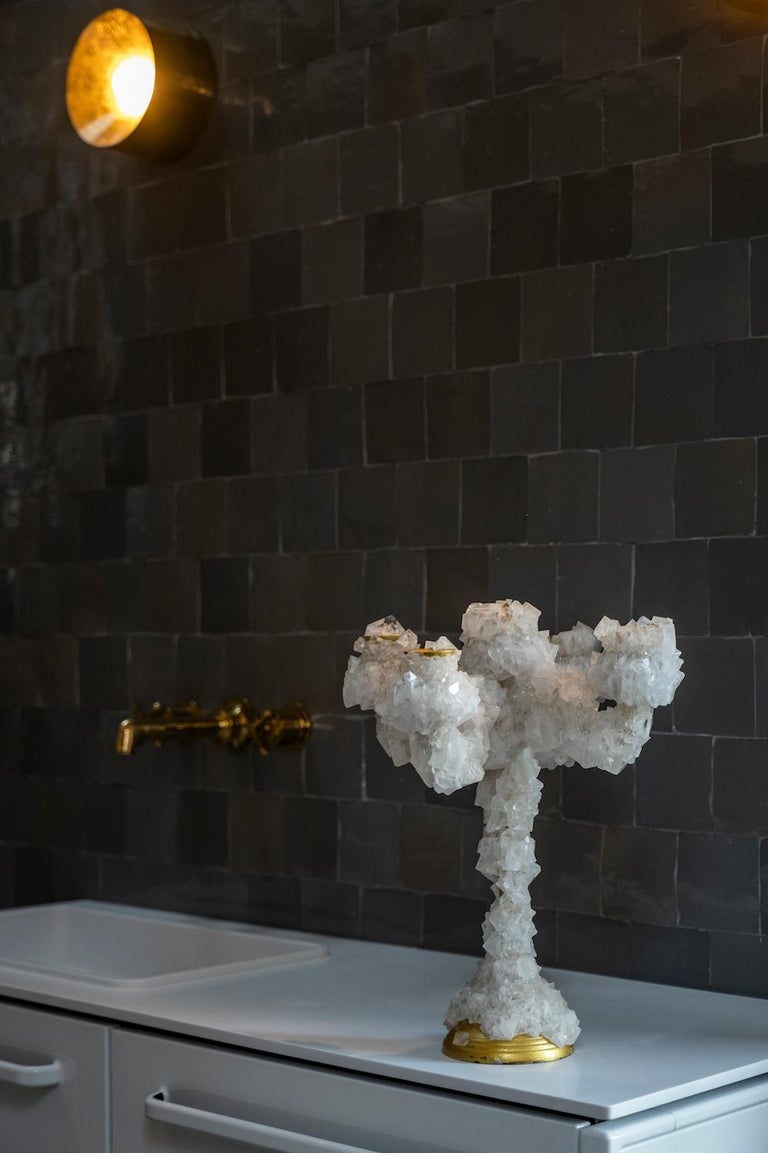
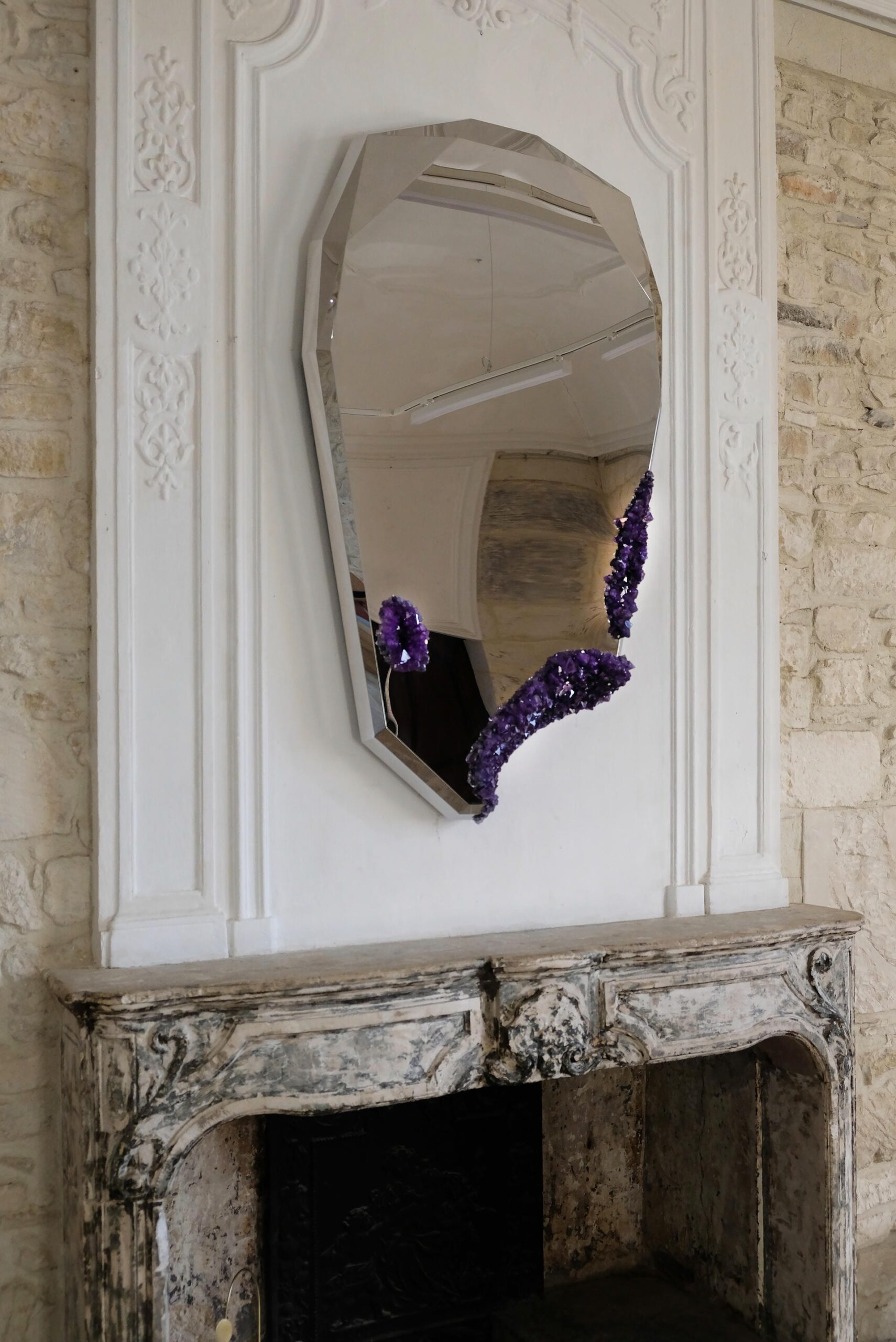
Depends, I work with so many materials. For example, my ongoing Overgrown series, for which I developed a liquid almost ten years ago, allows me to grow objects with crystals in a matter of days. It’s always surprising in the morning to see how something is growing. It can be the best piece I ever did, or total shit.
Surround yourself with interesting people, not with designers.
Impressionists.
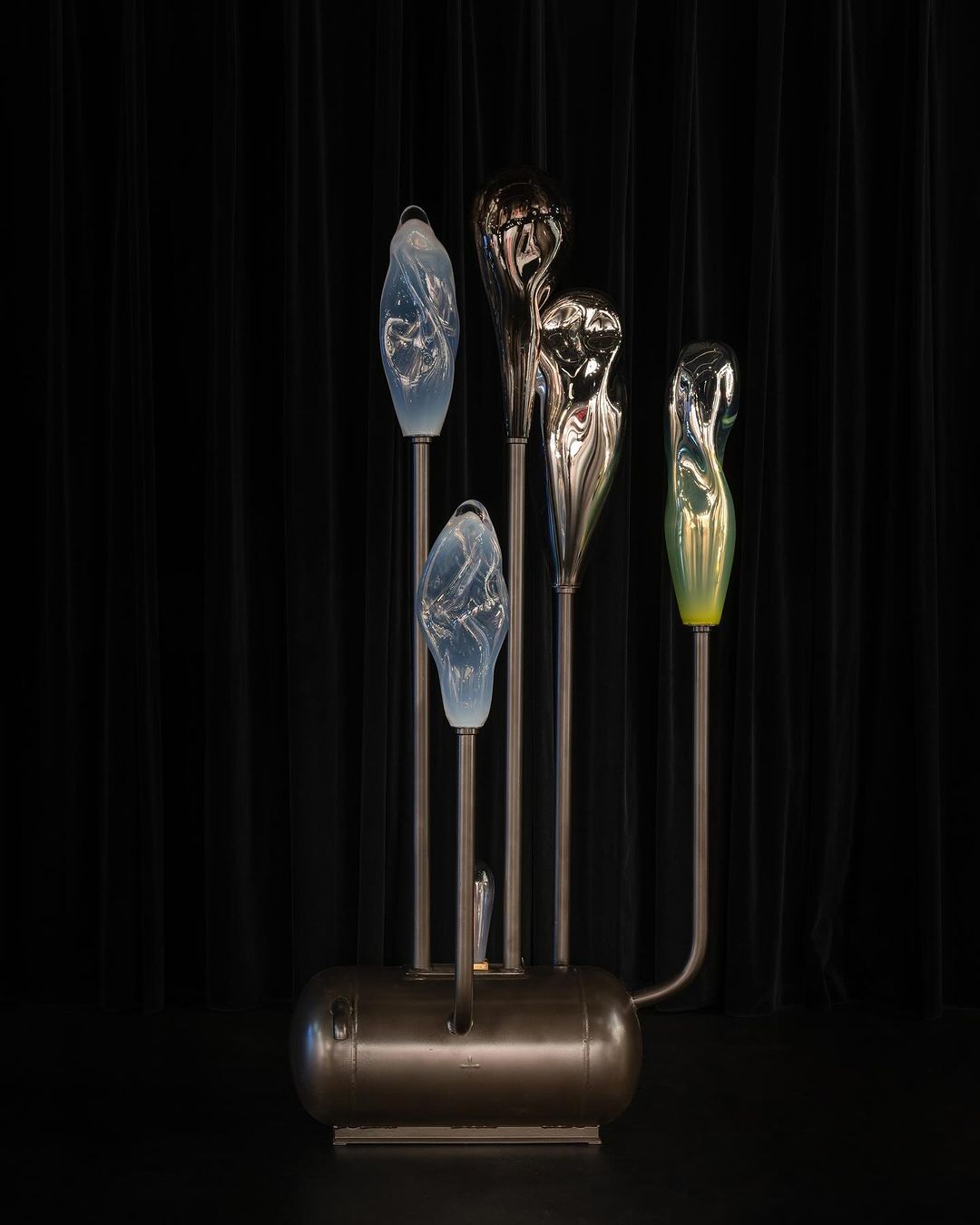
Not so much designers. Design is becoming a bit boring; these days it’s either ‘world-saving prototypes’ or ‘material-experiment-object’, often a random ‘rough’ material pressed in a square table or stool or lamp. Often geometric as well. ‘Sculptural pieces’ with little to no context, only referring back to itself. We are in the era of the new ‘high-end minimalism blob’. It’s all about a shape or form stripped from all reference or context. I really miss the fun and sex in nowadays. That sounds a bit bitter, and of course there are artists that do it well. Also, it doesn’t mean I’m not influenced; that is impossible in this time of image and information overkill. I feel influenced by musicians like John Frusciante or Portishead, for example, but also by sci-fi cinema, drunk people, rituals around death and the passing of time.
See 11 🙂
Okay, here’s one: When I was in Art school, I really loved the¬ Dutch collective of Droog Design. Almost all pieces were that good. It was more than just products; it was an attitude. They are still relevant today.
Theo Jansen, Wim Delvoye, Maurizio Cattelan, Willem van Genk.
It would be a really beautiful sentence.
Yes, OPEN THE MUSEUMS!
“I like playing with extreme ideas and thoughts, and by quickly materializing them, I see if they have the right to exist in the physical world.”
The Questions
(The Proust Questionnaire is a set of questions answered by the French writer Marcel Proust.
Other historical figures who have answered confession albums are Oscar Wilde,
Karl Marx, Arthur Conan Doyle, Stéphane Mallarmé, Paul Cézanne…)
Being at peace with who you are.
Being alone in my final hours.
Taking things to personal.
Taking themselves to seriously.
Frédérique.
Drinking expensive wine, buying shoes I really don’t need.
Sitting, waiting, wishing.
Original authenticity.
Same as what I like about women.
The way they can dance.
Conjo.
Professional dancing skills. Best and most fun way to express yourself and channel your energy.
Being able to be more forgiving.
To drop everything and attend Art school.
To come back as a Karesansui.
Japan.
A letter from my father.
Not to be missed, bad (mental) health.
Working with my hands, traveling, fishing, or dancing (not in that order, please).
Not being able to accept that the party is over.
Being good drinking buddies.
At the moment Herman Koch, Yuval Noah Harari.
Don’t have a hero.
Vincent van Gogh.
People who have unconditional love and support.
I don’t have it I guess. Names are connected to people.
Clients who emailing every other day and all the time they want new and more info/images/videos/discounts (ASAP). After spending hours providing that over a period of several weeks they decide something else for their interior or project and they won’t take 2 minutes of their time to inform you that their plans have changed. Just email people! It’s not scary, no one will bite you.
I’ll keep it private.
Quick and easy.
It will always work, even when it doesn’t.
“Surround yourself with interesting people, not with designers.”
SHARE :