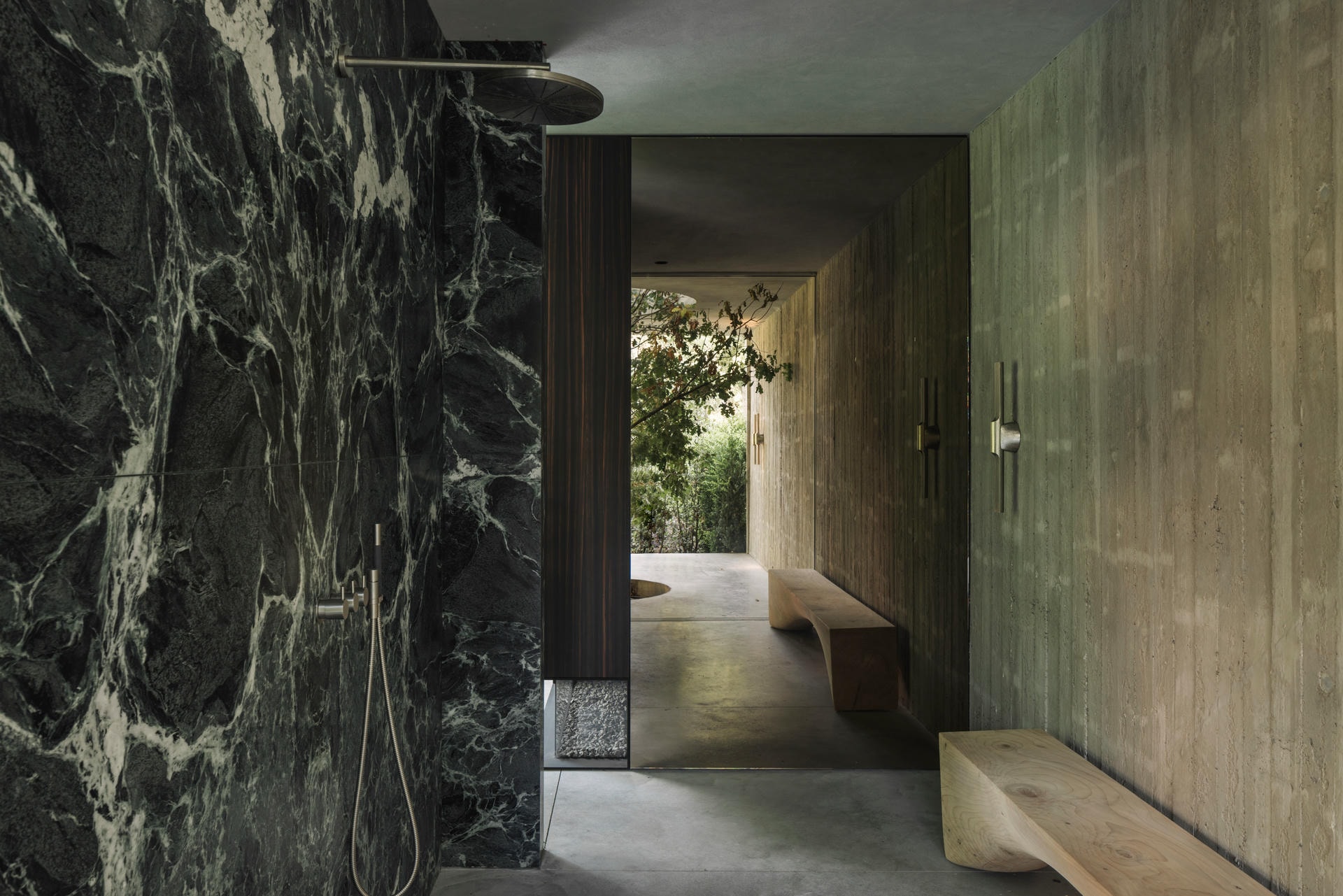
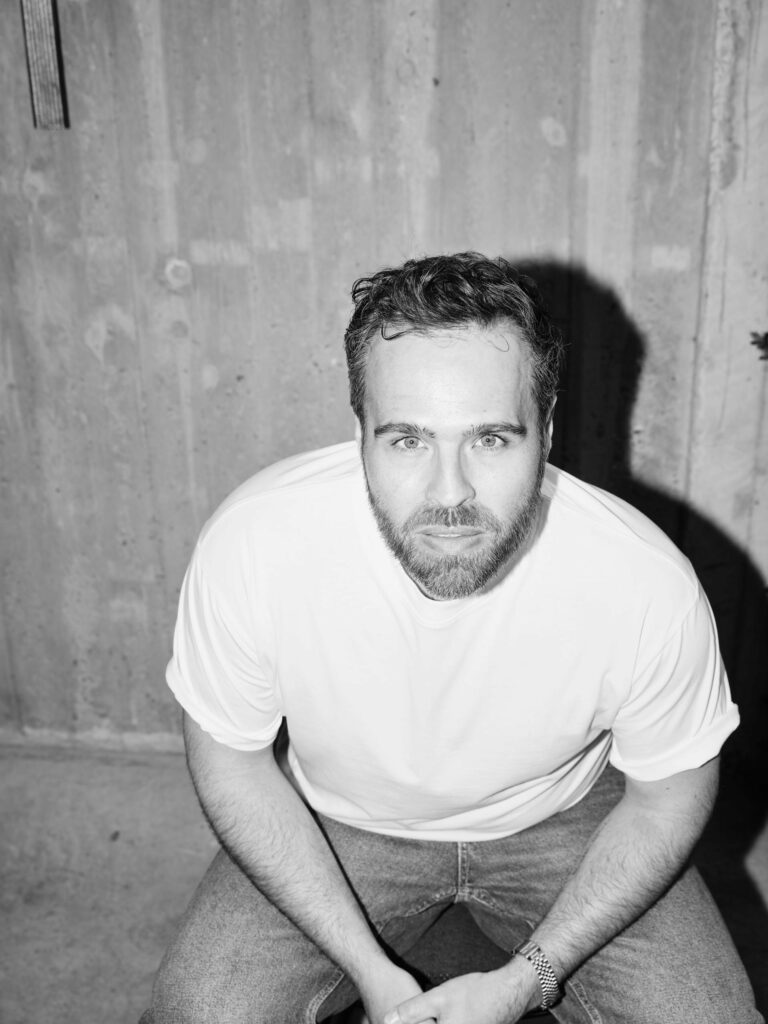
Merijn Degraeve
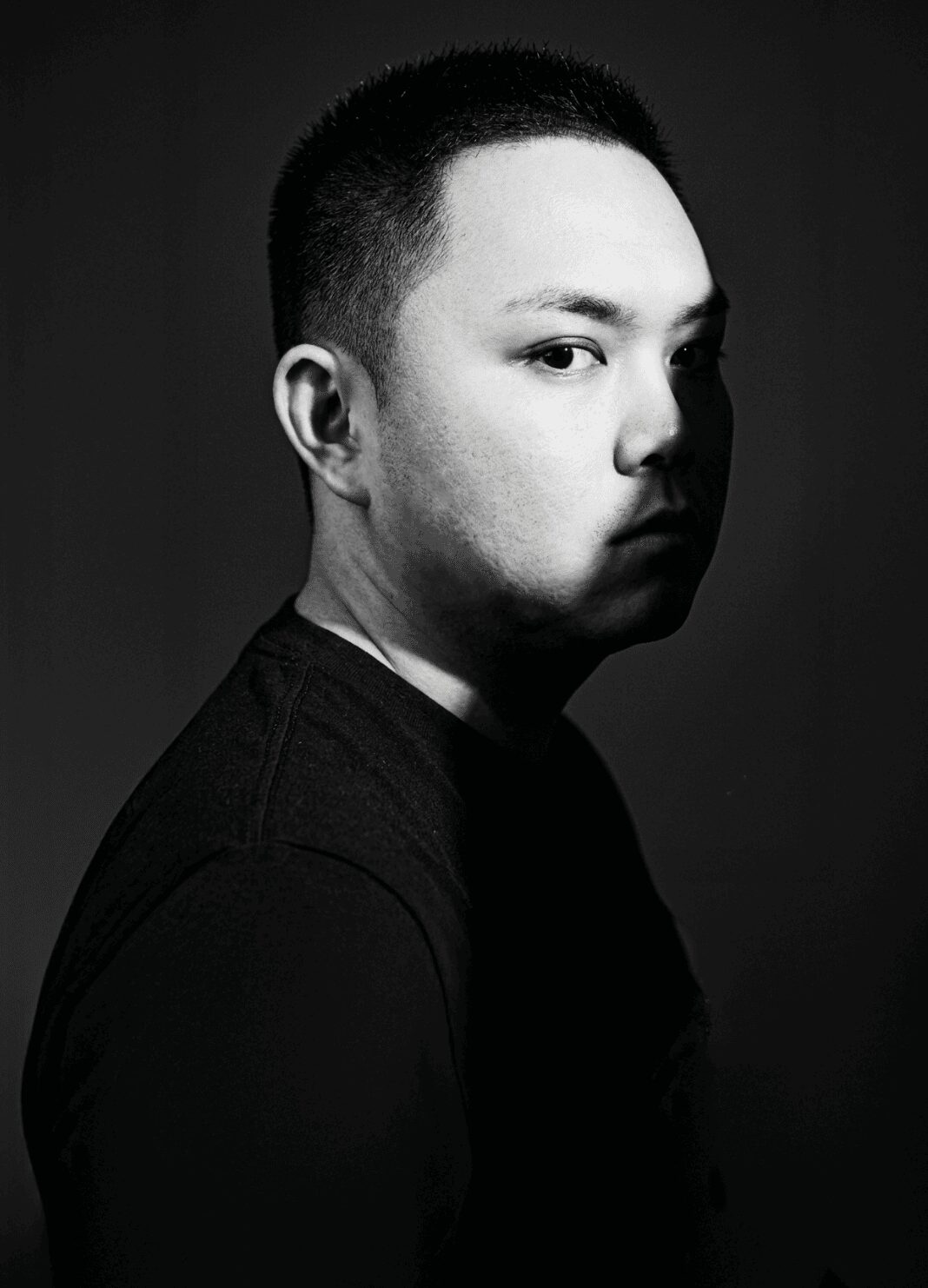
Merijn Degraeve is a Belgian interior architect based in Antwerp, known for creating highly atmospheric interiors defined by materiality, reflection, and spatial emotion. Educated at the Bijloke Academy in Ghent, his work balances bold architectural gestures with tactile softness, resulting in spaces that feel both dramatic and intimate.
Working across bespoke residential projects, Degraeve approaches each interior through a close dialogue with the client, shaping spaces that respond intuitively to lifestyle, light, and context. His aesthetic draws inspiration from 1970s architecture, contemporary art, travel, fashion, and nature, often combining raw structural elements with refined materials and layered atmospheres.
Rather than treating interiors as static compositions, Merijn Degraeve creates environments that evolve through reflection, texture, and lived experience. His projects are recognized for their quiet intensity, sculptural presence, and the seamless relationship between architecture, interiors, and landscape.
“Architecture is not simply about form; it is about atmosphere.”
INTERVIEW

Photo by Tijs Vervecken
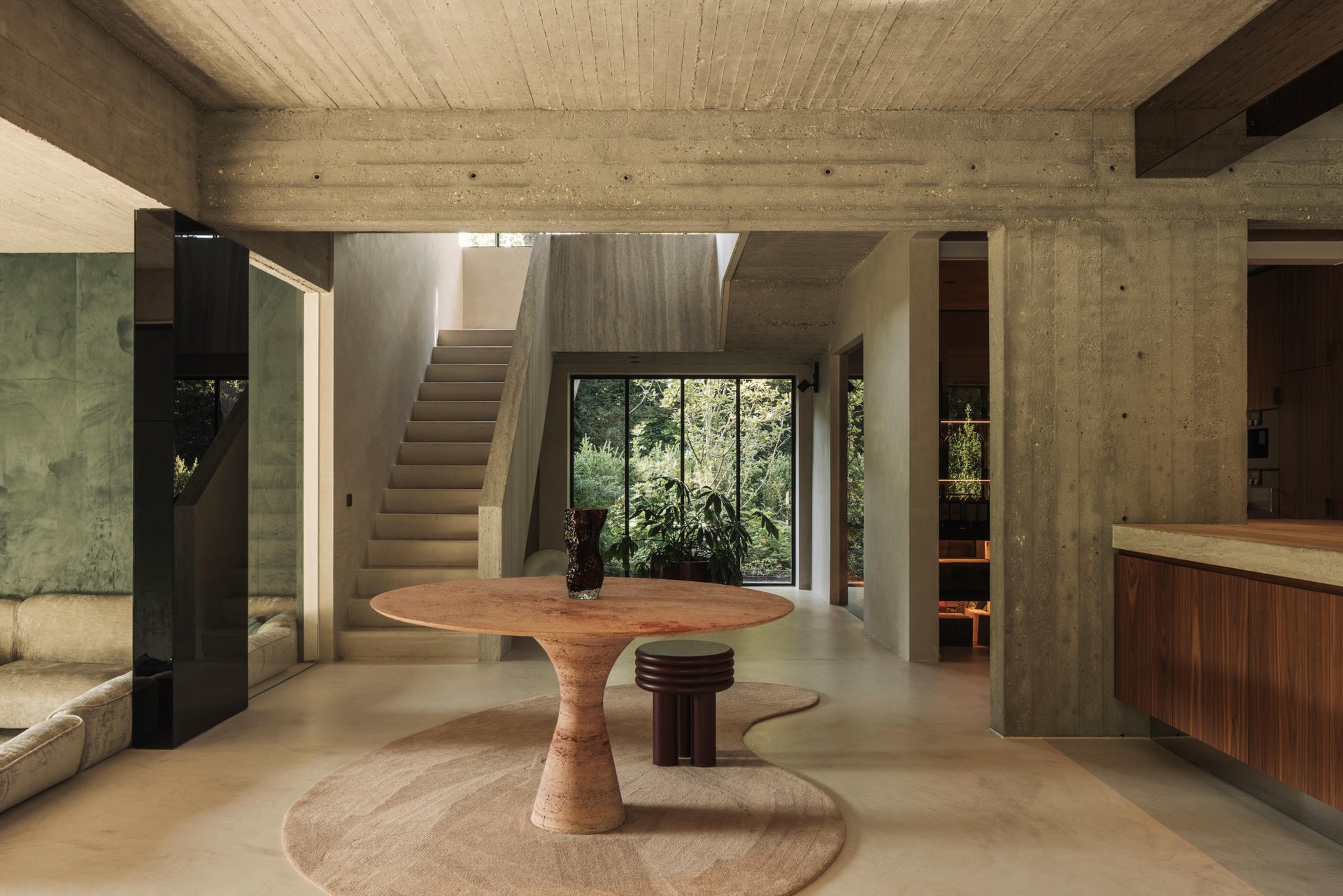
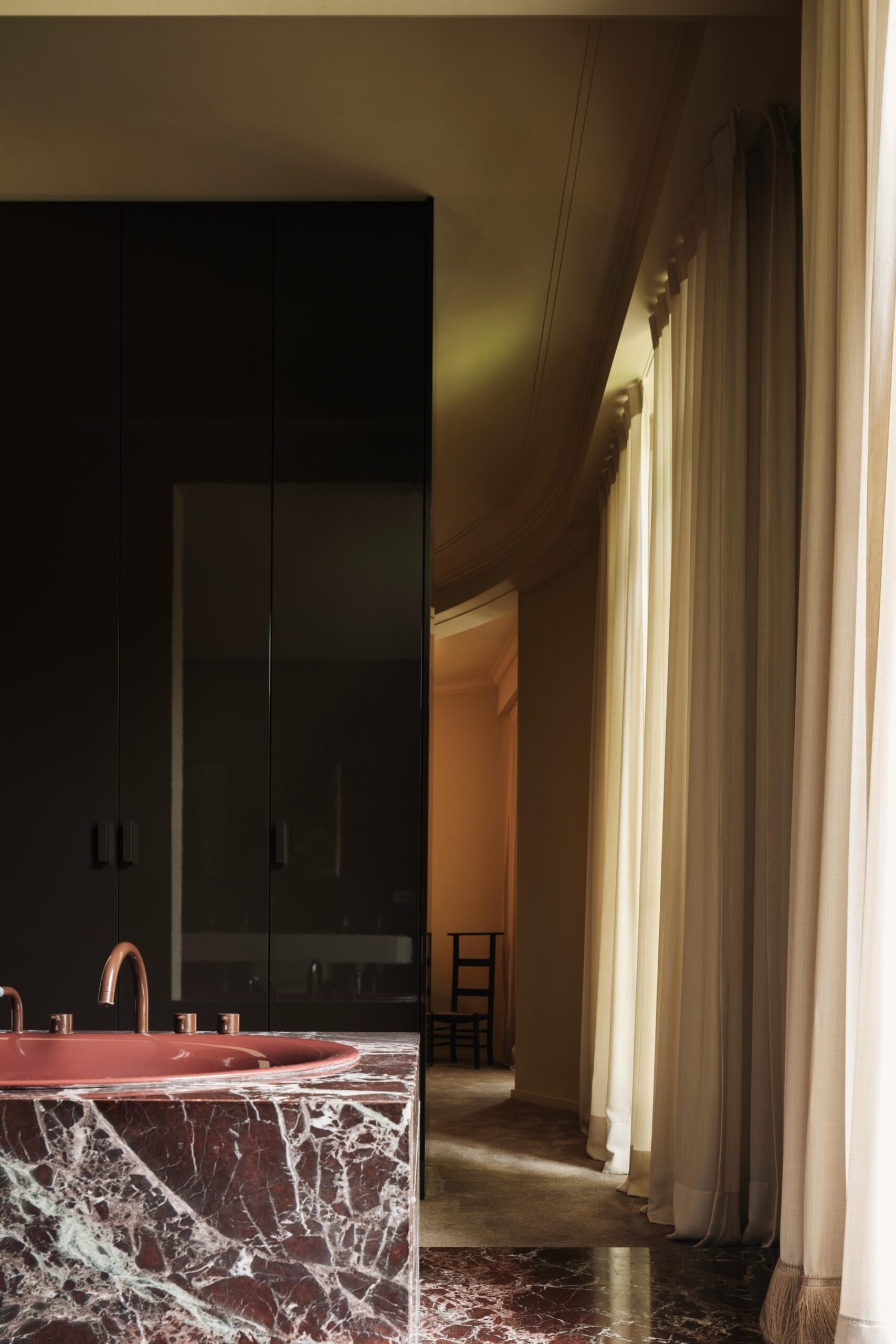
Atmosphere is created through a very subtle balance between elements. Natural light is fundamental. It continuously transforms a space, revealing textures and surfaces differently throughout the day. Rather than controlling it completely, I try to guide it and allow it to shape the mood of a room.
Materiality is equally important. I am very interested in tactility — how materials absorb sound, reflect light, or invite touch. A surface is never purely visual; it contributes to the sensory experience of the space. Proportion works almost invisibly. Slight variations in ceiling heights, floor levels, or spatial compression can create intimacy or openness. These architectural gestures shape the rhythm of how a space is experienced emotionally.
I have always been fascinated by houses and buildings. Even as a child, I was drawn to architecture — especially mid-century and 1970s houses. There was something about their clarity and boldness that stayed with me from a very early age.
My fascination with design itself started with a very specific moment. I remember visiting friends of my parents and seeing a Wassily Chair by Marcel Breuer for the first time. It made a deep impression on me. Until that moment, I had never realized that an object — even a chair — could be so sculptural and expressive while remaining functional.
From then on, I became increasingly attentive to spaces, objects, and atmospheres.
Over time, that curiosity naturally evolved into architecture and interior architecture. For me, the discipline was never only about constructing buildings; it was about creating environments that shape how people feel and live.
My work often exists in the tension between strength and softness.
I am drawn to powerful architectural gestures — concrete structures, bold geometries, reflective surfaces — but I always balance them with tactile materials such as velvet, wood, carpet, or upholstery. This dialogue between hardness and tactility creates spaces that feel both dramatic and intimate.
Reflection also plays a recurring role in my work. Mirrors, glass, and polished materials allow nature and light to enter the architecture in unexpected ways. A space should never feel static; it should evolve with the time of day, with the seasons, and with the life unfolding inside it. Ultimately, I am interested in creating environments that feel protective, atmospheric, and emotionally resonant.
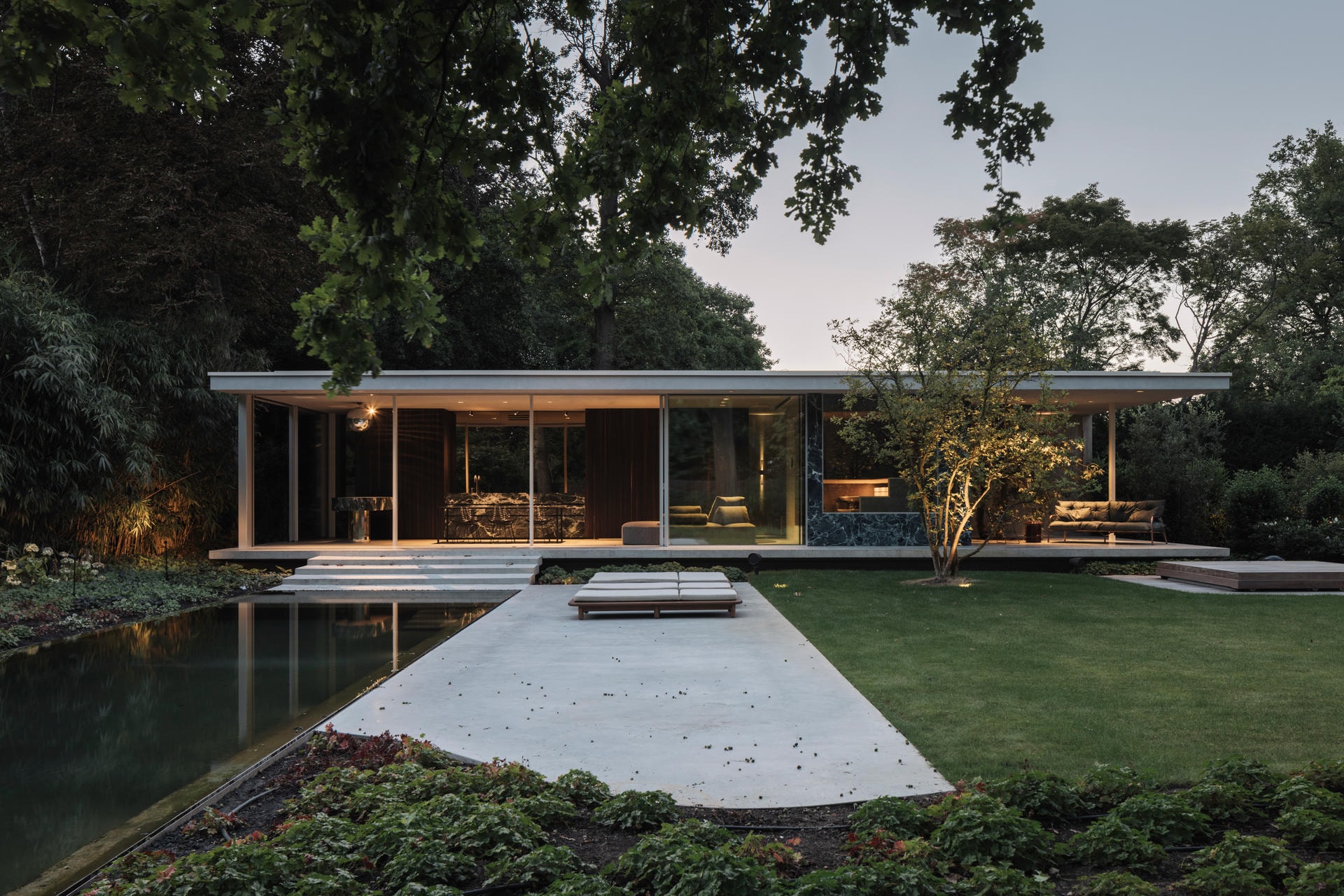
One project that represents many aspects of my work is House of Jacko.
In this project, two mirrored suburban houses were transformed into a single-family residence. What made it particularly exciting was the opportunity to completely reshape the spatial narrative, creating layers and atmospheres that respond to the family’s life. A particularly meaningful element is the poolhouse. It was designed in close dialogue with the surrounding nature, integrating an existing tree and reflecting the landscape through materials and water.
The reflections of the pool, the greenery, and the architecture create a constant interaction between the built environment and nature. For me, that moment — where architecture and landscape become inseparable — represents the most beautiful aspect of the project.
I prefer not to hide the structural reality of a building. Limitations and structural elements are often the most interesting starting points.
Instead of trying to conceal beams or columns, I integrate them into the spatial narrative. Sometimes a structural beam might be clad in mirror, allowing it to reflect light and become part of the experience of the space rather than something to disguise.
Working with these constraints in an organic way makes the process more challenging, but also more rewarding. The architecture becomes more authentic when its structure is embraced rather than hidden.

Photo by Tijs Vervecken
The most difficult aspect can sometimes be the tension between creative vision and practical expectations.
Architecture involves many technical and administrative layers that are necessary but far removed from the initial creative impulse. At times, clients may also arrive with a very fixed image of what they want — sometimes even expecting a direct copy of another project — while the specific character of their building or space might require a completely different approach.
Part of the architect’s role is to guide that conversation and reveal the potential that truly belongs to the project.
Photo by Tijs Vervecken
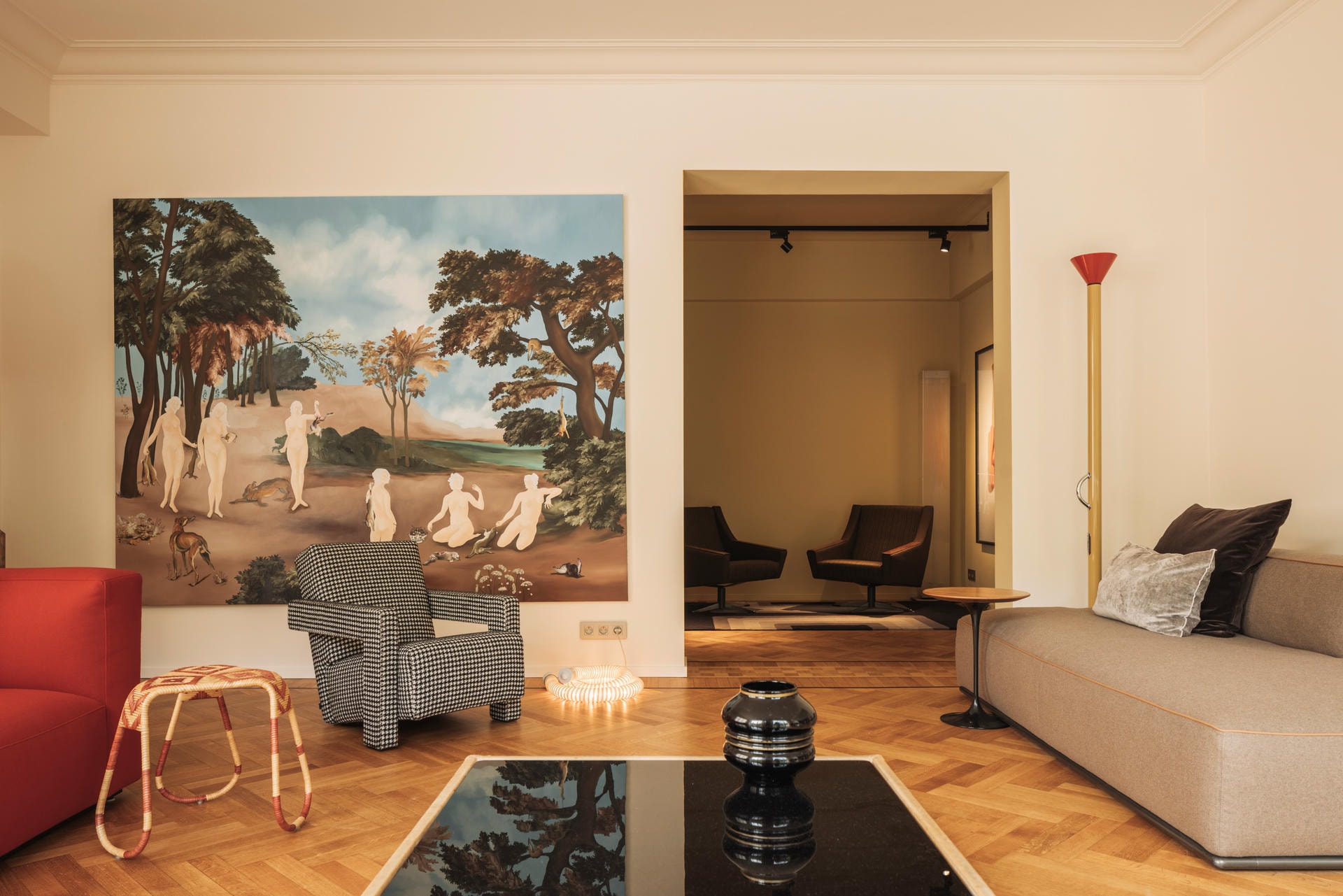
In a way, a project is never truly complete.
Architecture continues to evolve with the people who inhabit it. Furniture changes, objects accumulate, and life itself transforms the space over time.
What we deliver as architects is a framework — a balanced moment where materials, proportions, and light align. But the true completion of a project happens gradually, as the space becomes part of someone’s life.
That ongoing evolution is perhaps the most beautiful part of architecture.
One project that has always fascinated me is Palais Bulles in Théoule-sur-Mer.
It represents a completely different vision of architecture — almost like entering another world. The fluid forms, the freedom of the spaces, and the way the architecture interacts with the landscape create a very unique atmosphere.
What I find inspiring is that it challenges conventional ideas of architecture. It reminds us that buildings can also be expressive, playful, and imaginative.
Inspiration comes from many different worlds.
Fashion is one of them. My husband runs an international development and strategy bureau in fashion, and through him, I am constantly exposed to the creative energy of fashion weeks and design weeks around the world. That environment, with its intensity and constant reinvention, can be very inspiring.
At the same time, I find balance in the opposite conditions — in nature, silence, and landscapes. Places like the Agafay Desert in Morocco, with its calmness and natural palette of colors, have a grounding effect.
For me, inspiration often exists in that contrast between intensity and stillness.
I would not describe it as a strict motto, but one idea consistently guides my work: architecture should support life.
A house should not feel like a static object or a perfectly staged environment. It should feel alive — a place where people can gather, celebrate, retreat, and evolve.
Architecture becomes meaningful when it adapts to the life that unfolds within it.
I believe many contemporary buildings lack personality and emotional depth.
Architecture today often prioritizes efficiency, image, or speed of construction, while craftsmanship and artisanal knowledge are gradually disappearing.
What I find most valuable in architecture is emotion and poetry — spaces that feel human, tactile, and carefully considered. Reintroducing that sensitivity, together with craftsmanship, is something architecture could greatly benefit from.
To trust intuition.
Architecture is not only a technical discipline; it is also deeply intuitive. Learning to trust your sensibility and understanding how people truly live in spaces is essential.
Over time, I realized that the most meaningful projects come from that balance between intuition, empathy, and architectural clarity.

Photo by Tijs Vervecken
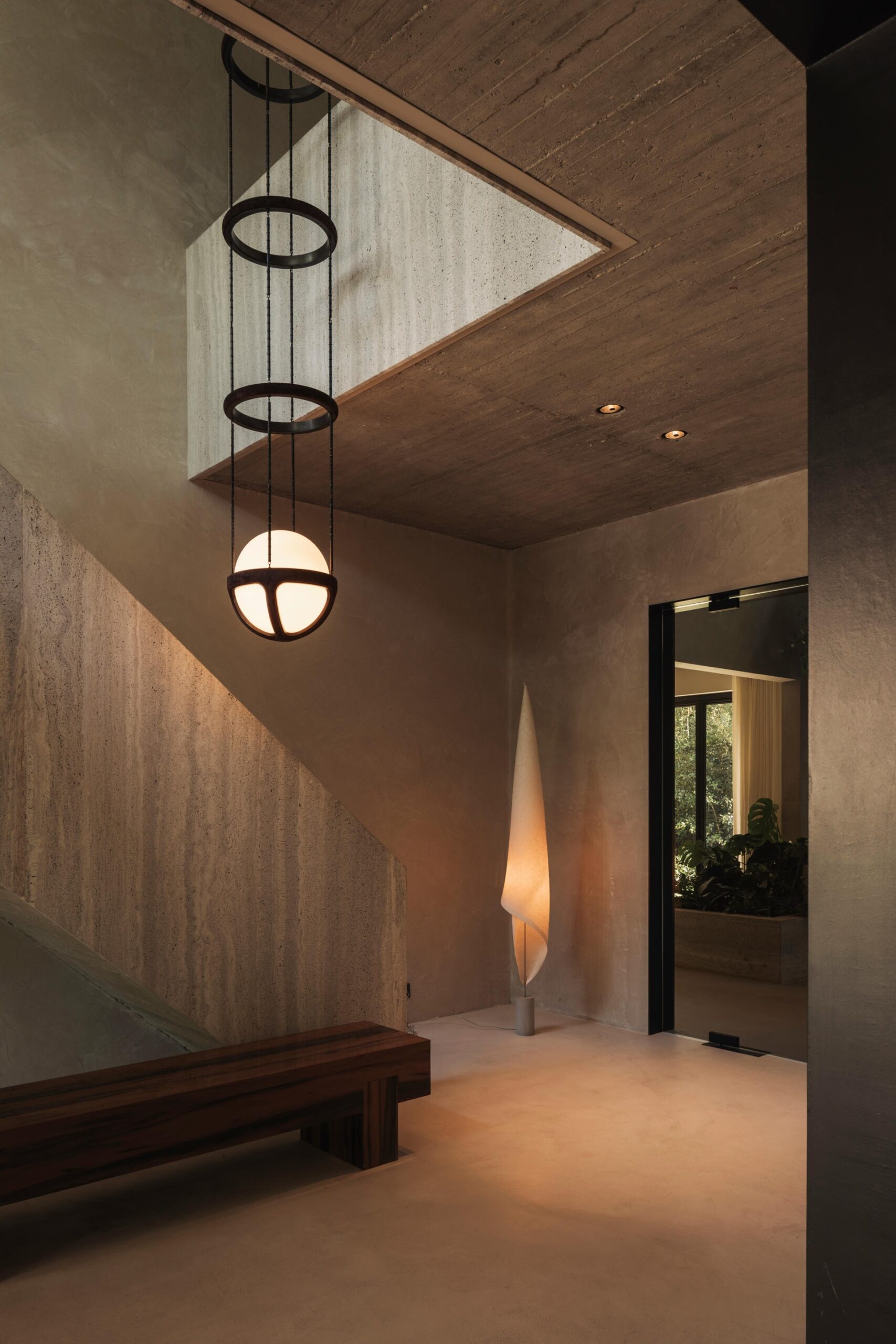
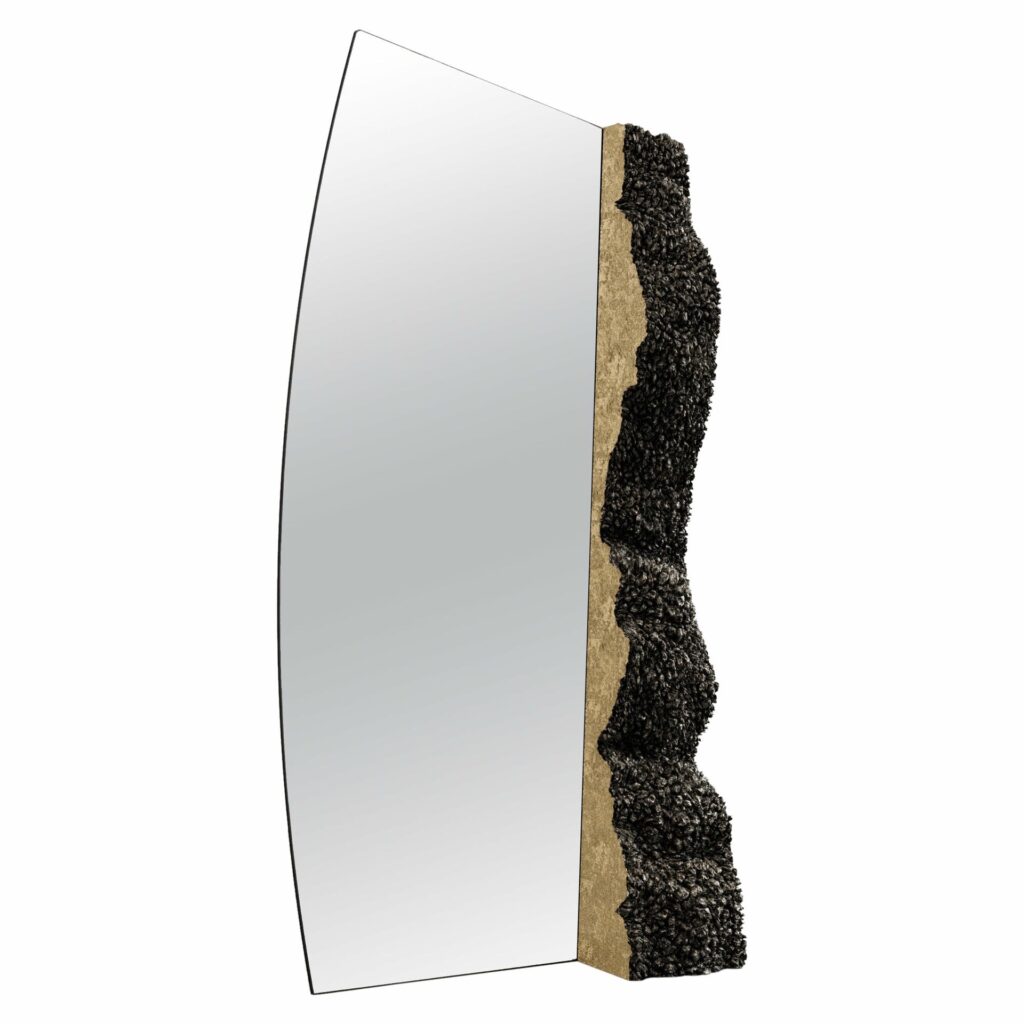
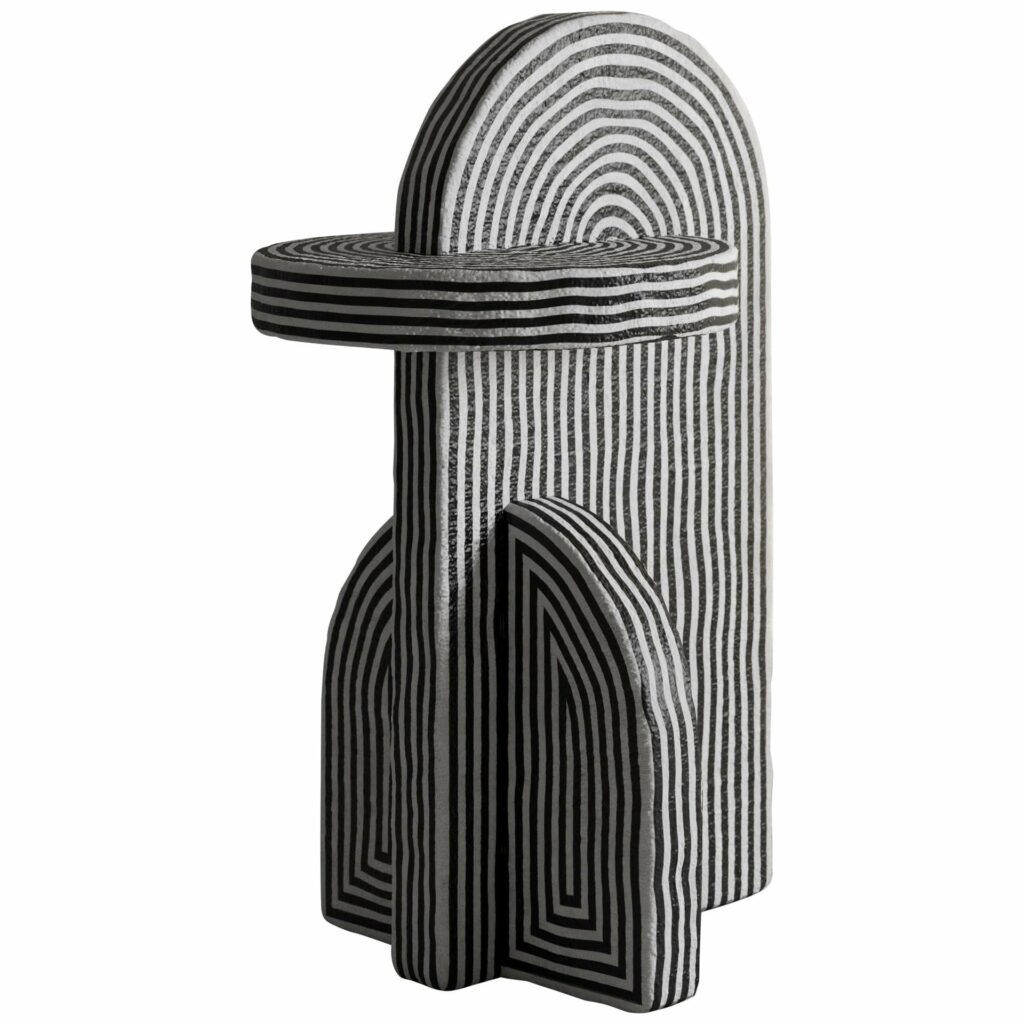
favorite pieces from the Philia Collection
What I appreciate in these pieces is their sculptural presence and material clarity. They are objects that exist somewhere between design and art, pieces that define a space not only functionally but also atmospherically.
They embody the same qualities that interest me in architecture: balance, tactility, and a strong yet quiet presence.
Thank you so much Merijn, for this lovely interview!
Share article :