Nifemi Marcus-Bello
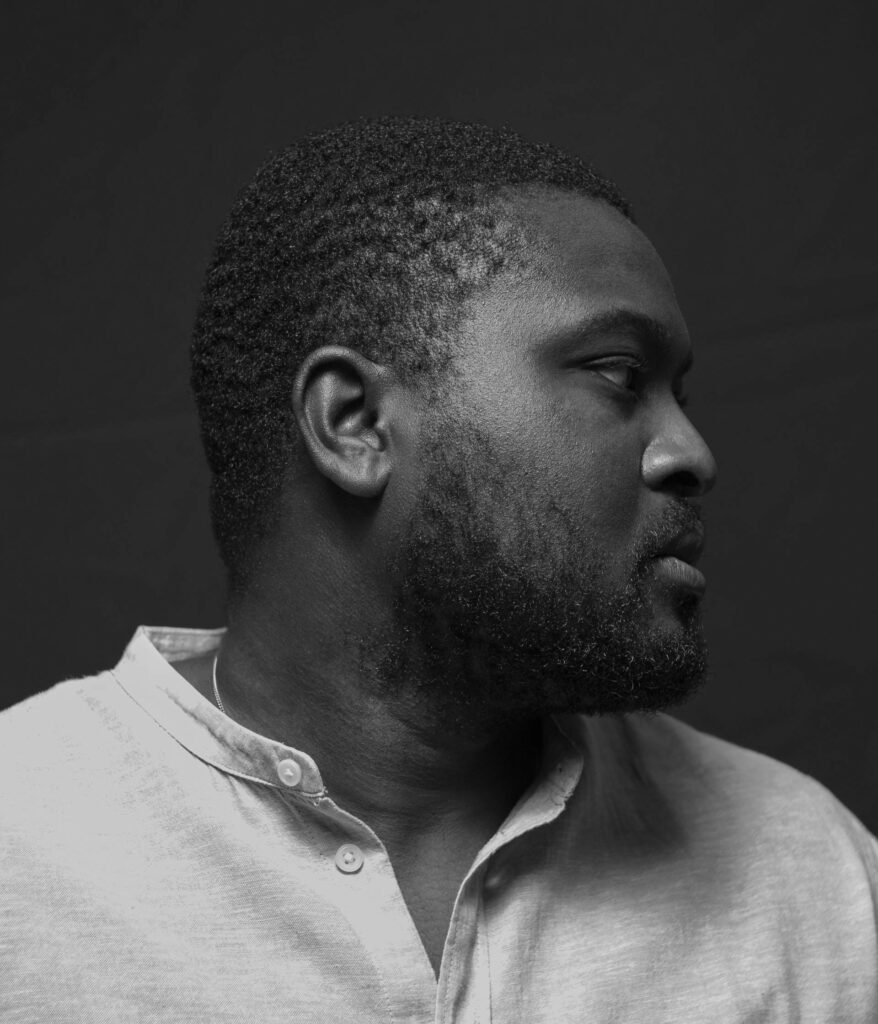
Nifemi Marcus-Bello is a Nigerian designer whose work examines the social, economic, and cultural systems embedded within objects and their production. Based in Lagos, he approaches design as a form of inquiry, drawing from local manufacturing networks, material histories, and everyday urban realities to create furniture, installations, and objects that spark dialogue about value, labor, and identity. Moving fluidly between art and design, his practice reflects a deep engagement with context, resourcefulness, and the narratives that shape contemporary life. His work has been exhibited internationally and acquired by major institutions including MoMA, the Brooklyn Museum, LACMA, the Art Institute of Chicago, and the Design Museum London.
Interview
I was born in Lagos, Nigeria, and I am originally from Ogun State in southwestern Nigeria. Lagos is where I grew up and where I currently practice, so in many ways it is also the foundation of my design thinking. The city has a unique rhythm and complexity; socially, economically, and materially, and those conditions constantly shape how I think about design. Lagos is not just a location for me; it is the context from which my ideas emerge.
My parents were both very creative in their own ways. My father is a trained architect, so growing up, I was exposed to drawings, construction sites, and conversations about space and structure. My mother is a lawyer but has always had a deep appreciation for the arts and creativity.
Because of that environment, creativity never felt separate from everyday life. It was simply part of the household. Looking back, those early influences created a kind of openness to making and observing the world through a creative lens.
Most people around me say I was born an artist, so in some way, I have always been making things. Over time, the world has chosen different labels for what I do, sometimes designer, sometimes artist. I’m comfortable with both.
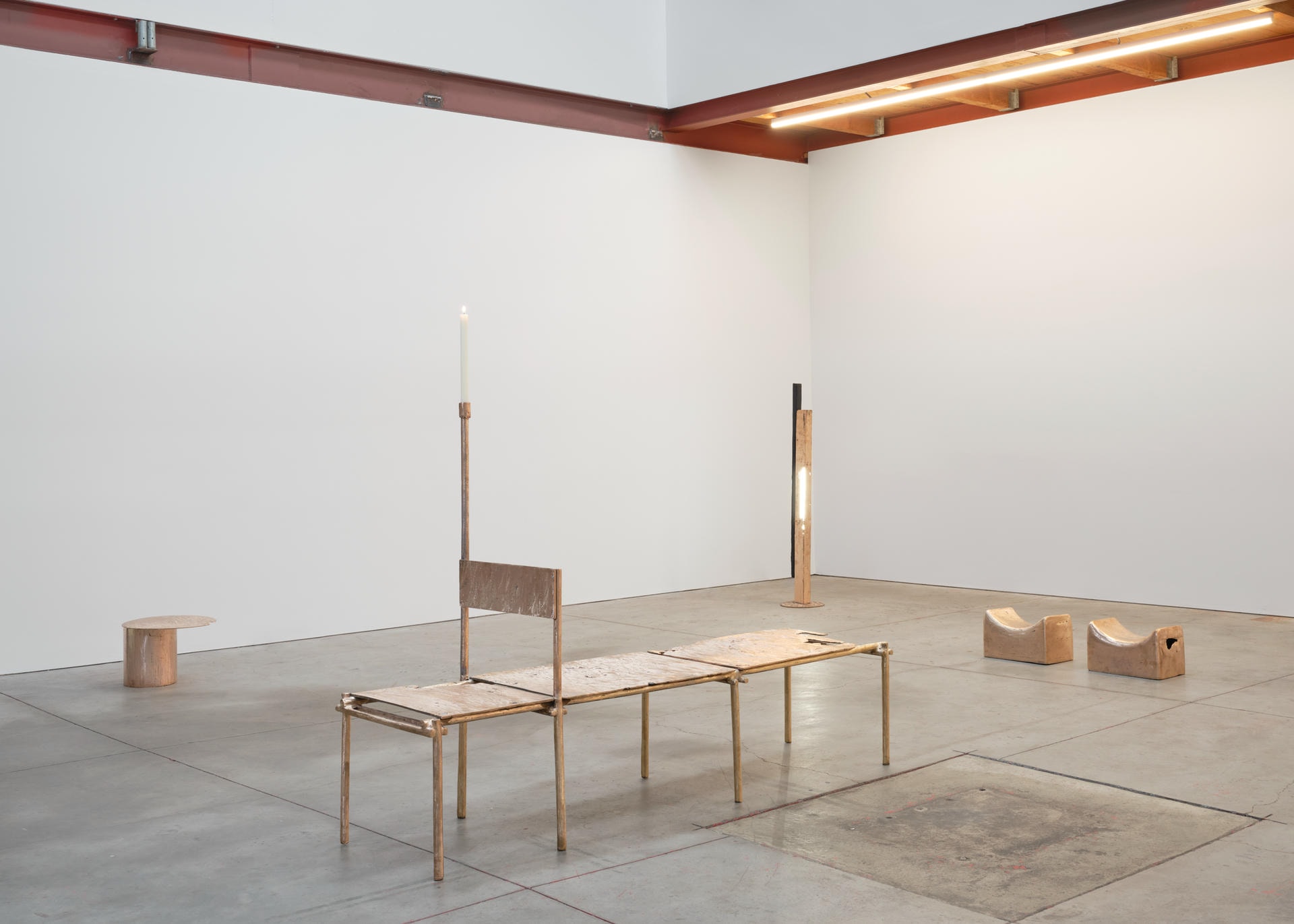
In many societies, especially the one I grew up in, the boundaries between art and design are not as rigid as they are often presented in Western contexts. An object can be functional and poetic at the same time. A bench can be a sculpture, and a sculpture can still be used. I think my practice sits somewhere within that intersection.
Faith, endurance, and a sense of calling that I’ve always felt within myself. There were many moments along the way where the path was not obvious, but I kept returning to making.
My mother also played a huge role in encouraging me. She constantly reminded me to trust the process and to stay committed to what I believed I was meant to do. That kind of encouragement is powerful, especially when pursuing something that doesn’t always have a clear roadmap.
My process is heavily contextual. I spend a lot of time observing environments, asking questions, and engaging in dialogue.
A lot of my work investigates the relationship between materials and the socio-economic conditions around them. For example, many of the objects and production techniques I work with come directly from everyday manufacturing systems in Lagos. These systems might not be traditionally associated with design, but they contain a lot of ingenuity.
I usually try to wake up around 6:30 in the morning and begin the day with prayer. That moment of reflection helps me set the tone for the rest of the day.
After that, the day can take many different forms. Some days I’m in front of the computer working on CAD drawings or developing ideas digitally. Other days, I’m writing long emails, coordinating projects, or sketching concepts.
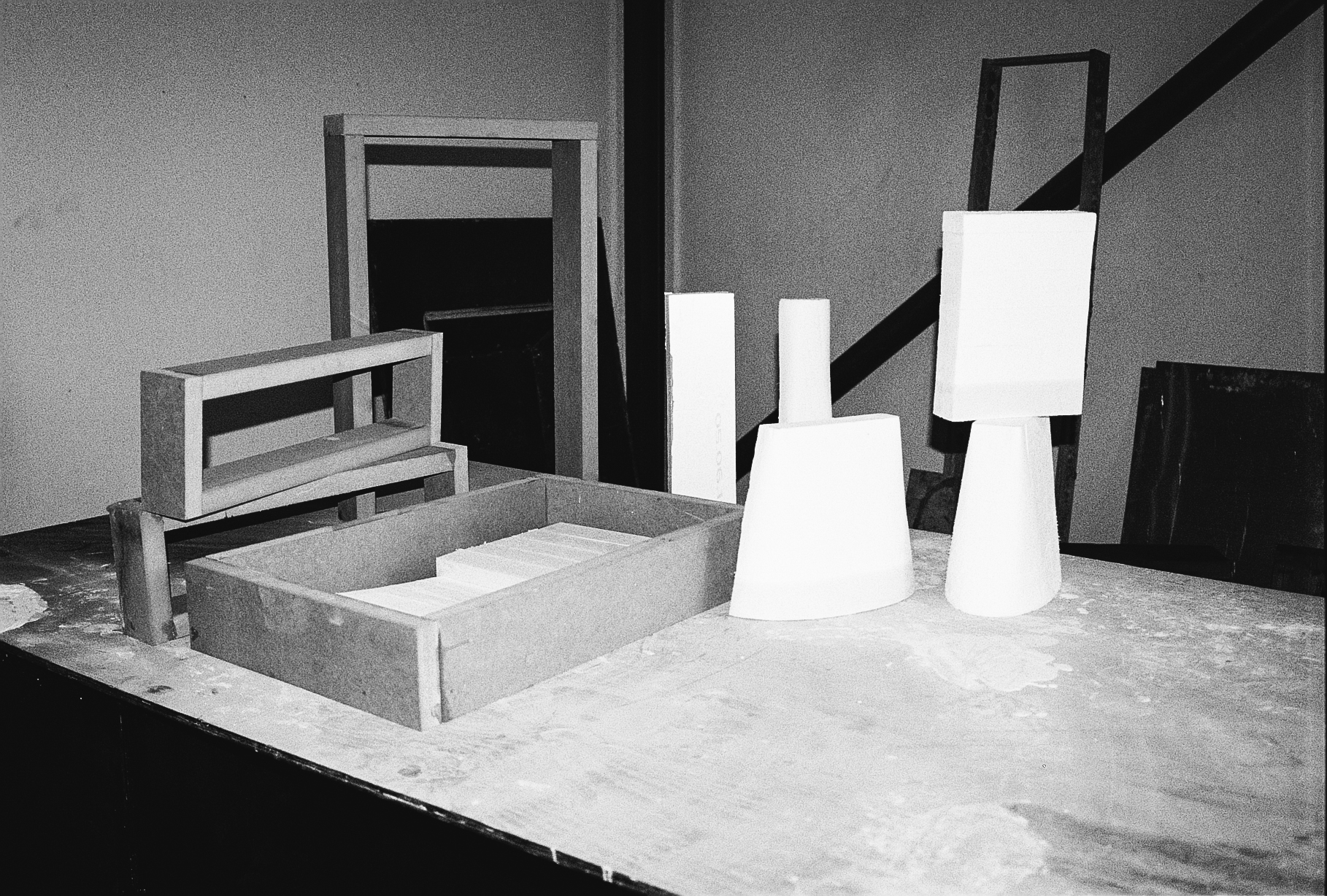
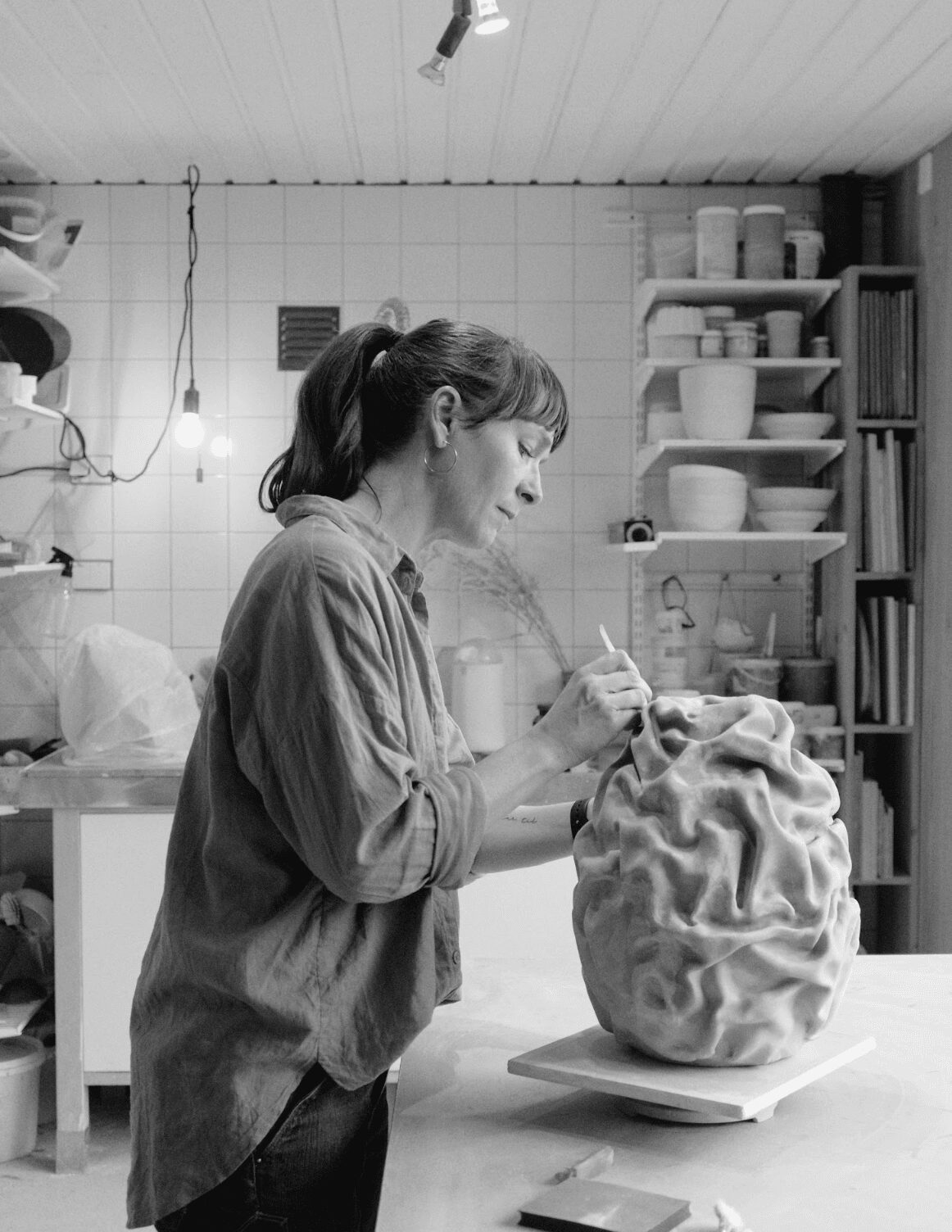
There are also many days spent physically making, welding, grinding, inspecting pieces, and sometimes doing a lot of heavy lifting in the workshop. Design for me is very much a hands-on process, so being close to the material and the fabrication process is extremely important.
At the end of the day, I return home to spend time with my wife and children, which helps create balance.
My relationship with metal started quite early. When I was around fourteen years old, my mother introduced me to a local welder who taught me how to weld. That experience changed everything for me; I fell in love with the material.
Metal has a certain honesty and predictability. When you heat it, bend it, or grind it, you begin to understand its behaviour. That relationship between maker and material is something I find fascinating.
Today, working with materials like bronze, aluminium, and copper is part of an ongoing investigation. I’m interested in their histories, their availability in different regions, and the processes required to transform them. In Nigeria, materials often carry cultural and historical significance; bronze, for example, has deep connections to traditional casting practices, so working with it also becomes a dialogue with history.
Much of my work revolves around processes like sand casting, welding, and grinding.

Photo by Erik Benjamins
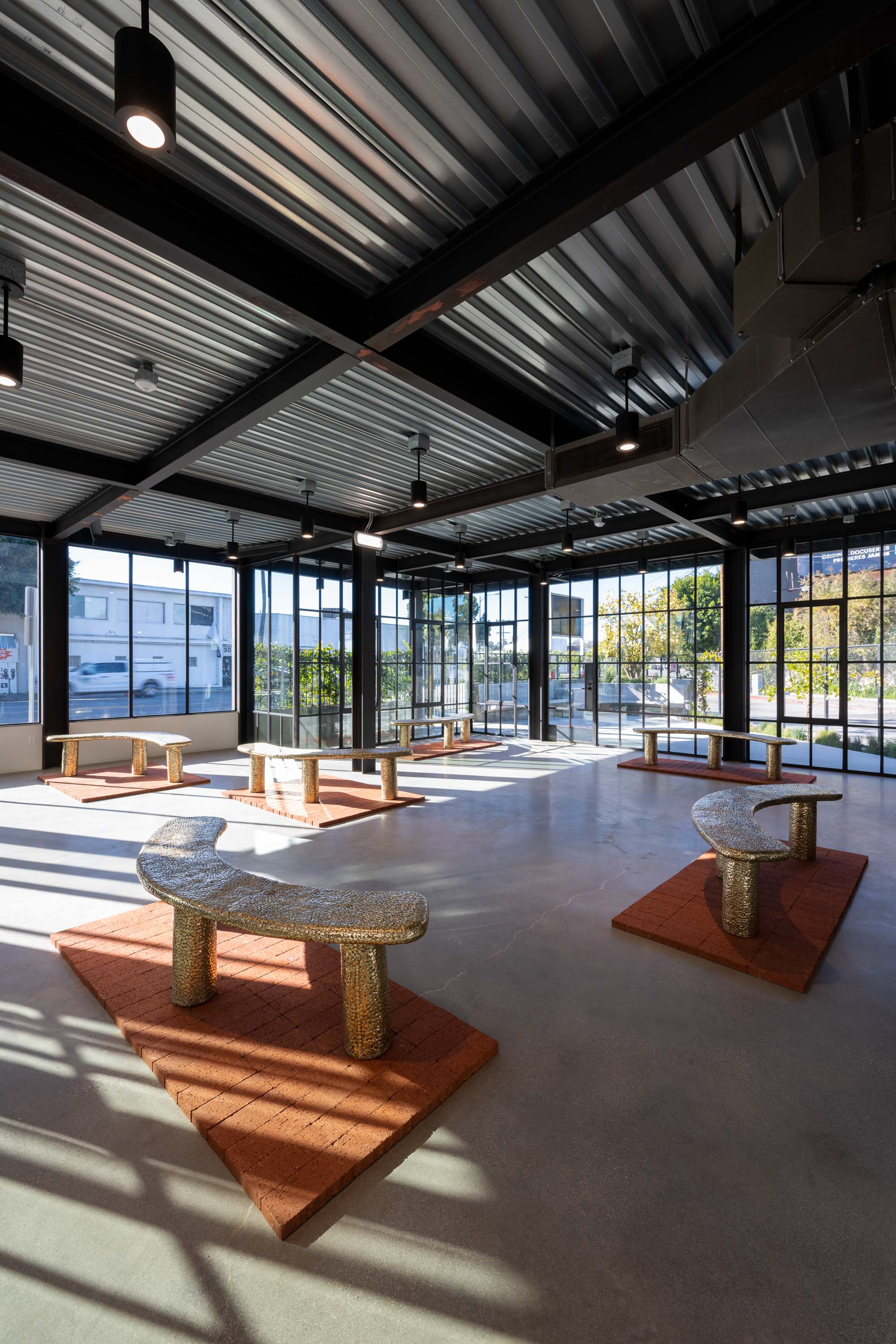
Treat your context as an archive. Everything around you, the objects, the systems, the people, contains knowledge.
If you pay attention to these things, you will find countless design solutions that already exist in everyday life. Your role is not necessarily to invent something completely new, but to observe, understand, and translate these systems into new conversations.
Design should also spark dialogue about the present moment. The objects we create should reflect the time we live in.
I’m honestly excited to find out. I try not to define my work too rigidly because I believe design movements often become clearer in hindsight.
For now, I’m more focused on asking questions and developing ideas that are rooted in my environment. If a movement emerges from that, it will reveal itself over time.

Photo by Eric Petschek
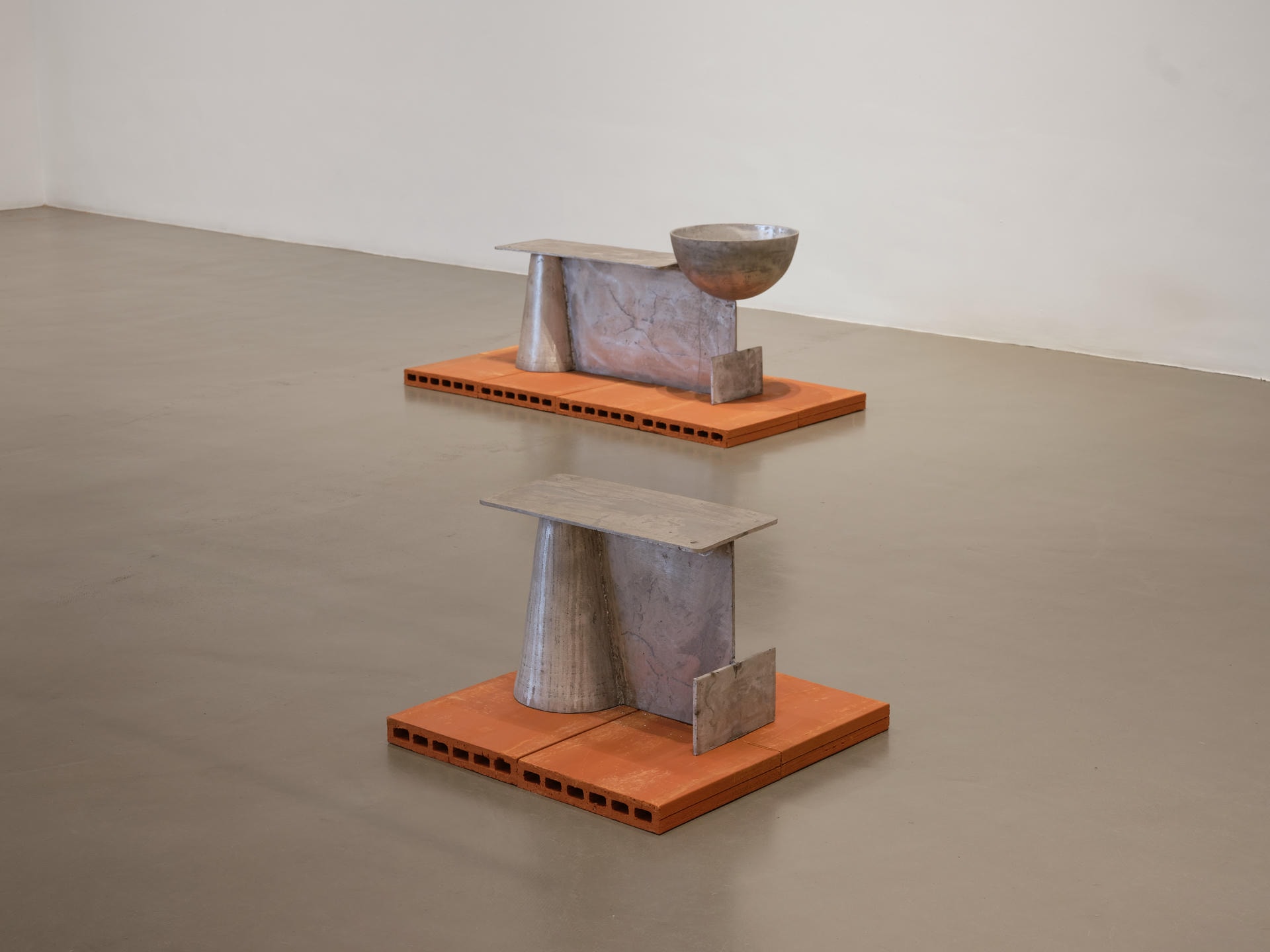
I appreciate a wide range of designers, but I think I’m often influenced more by ideas and projects than by one specific individual. Different designers have approached materials, systems, or minimalism in ways that have shaped my thinking. What interests me most is the clarity of thought behind the work.
There are many. Off the top of my head: Cheick Diallo, Jean Servais Somian, Dieter Rams, Jasper Morrison, David Adjaye, Charles and Ray Eames, Naoto Fukasawa, and Max Lamb, among others. Each of them approaches design from a different perspective, some through industrial clarity, others through cultural narrative or experimentation with materials.
I have always been drawn to neo-expressionism and modernist sculpture. Artists like Isamu Noguchi and Richard Serra have had a strong influence on how I think about form, weight, and presence. Their work shows how materials themselves can communicate emotion and meaning.
I can’t.
Be kind to yourself.
“Design should also spark dialogue about the present moment. The objects we create should reflect the time we live in.”
The Questions
(The Proust Questionnaire is a set of questions answered by the French writer Marcel Proust.
Other historical figures who have answered confession albums are Oscar Wilde,
Karl Marx, Arthur Conan Doyle, Stéphane Mallarmé, Paul Cézanne…)
Sounds of nature.
Losing myself.
Knowing myself.
Kindness.
None, we are all flawed.
My car.
God is Love.
Can’t think of anything.
Honesty.
Honesty.
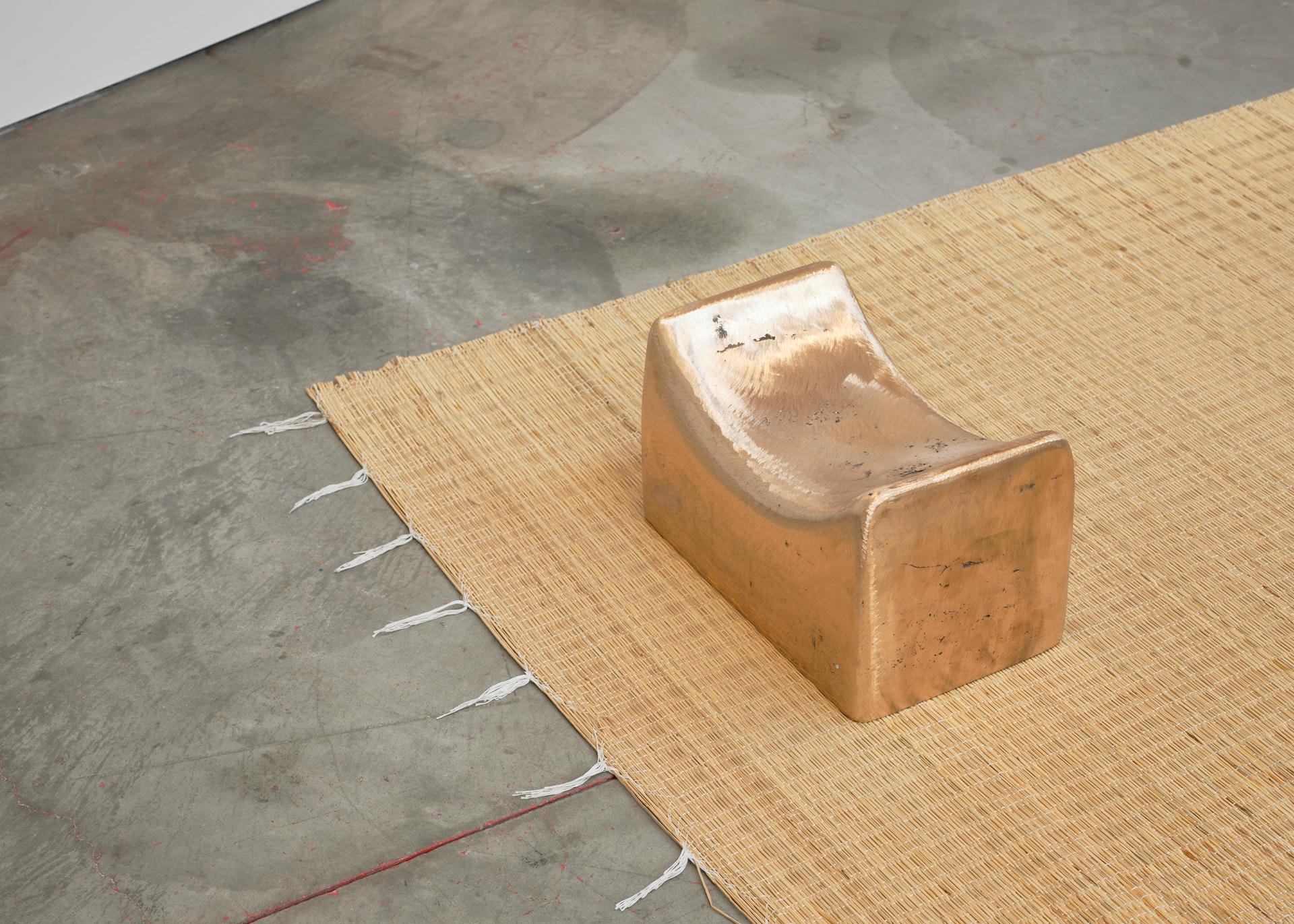

Photo by Eric Petschek
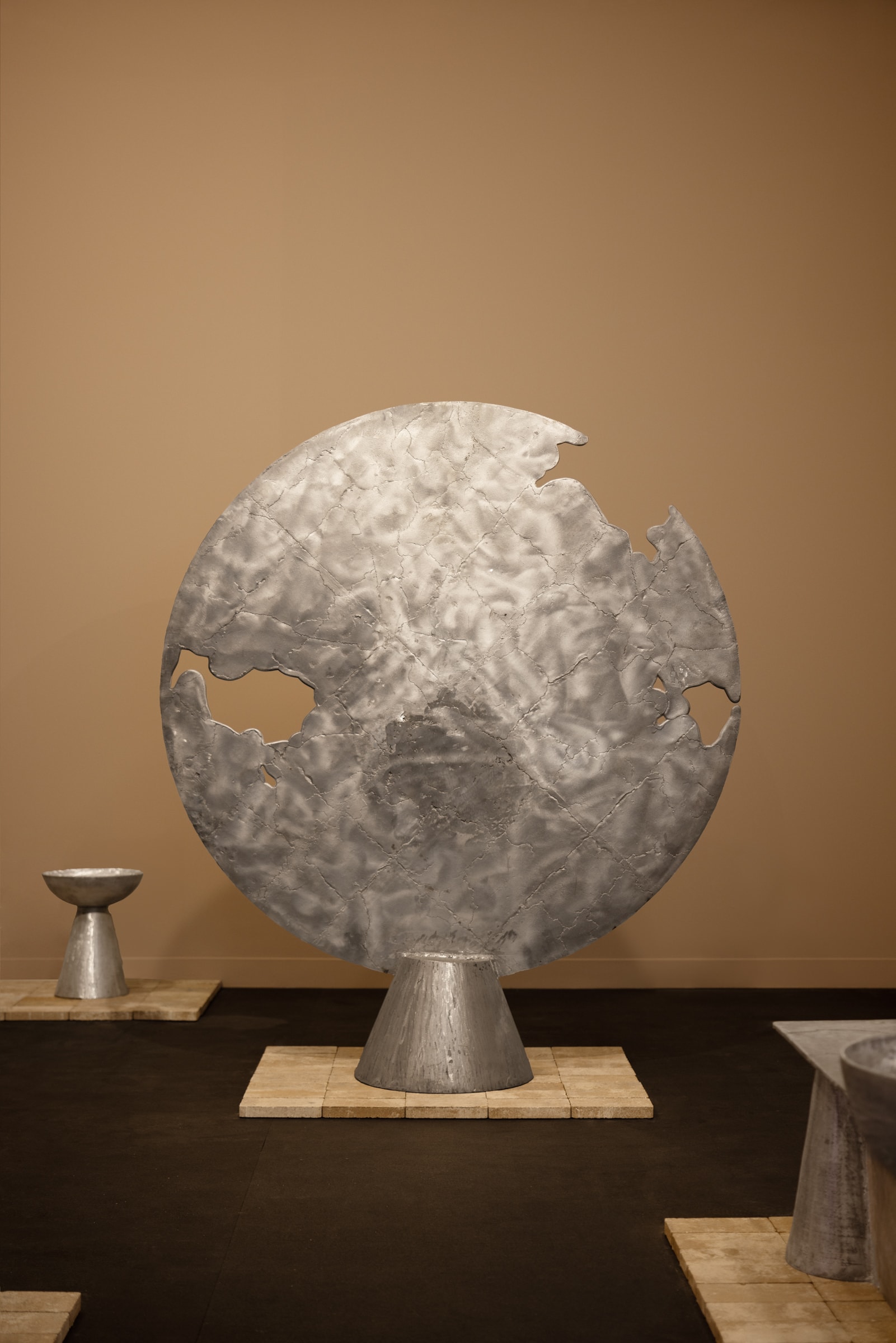
Context.
Skateboarding.
Nothing.
My Family.
Nifemi Marcus-Bello.
Nairobi, Kenya.
My Family.
Falling out of Love.
Artists.
The pursuit and discussion of new beauty stands with design.
Time.
–
Spiderman.
None.
Feyikemi and Kojusimi Bello.
Kishi.
Wasting time.
None.
In Peace.
Don’t have one.
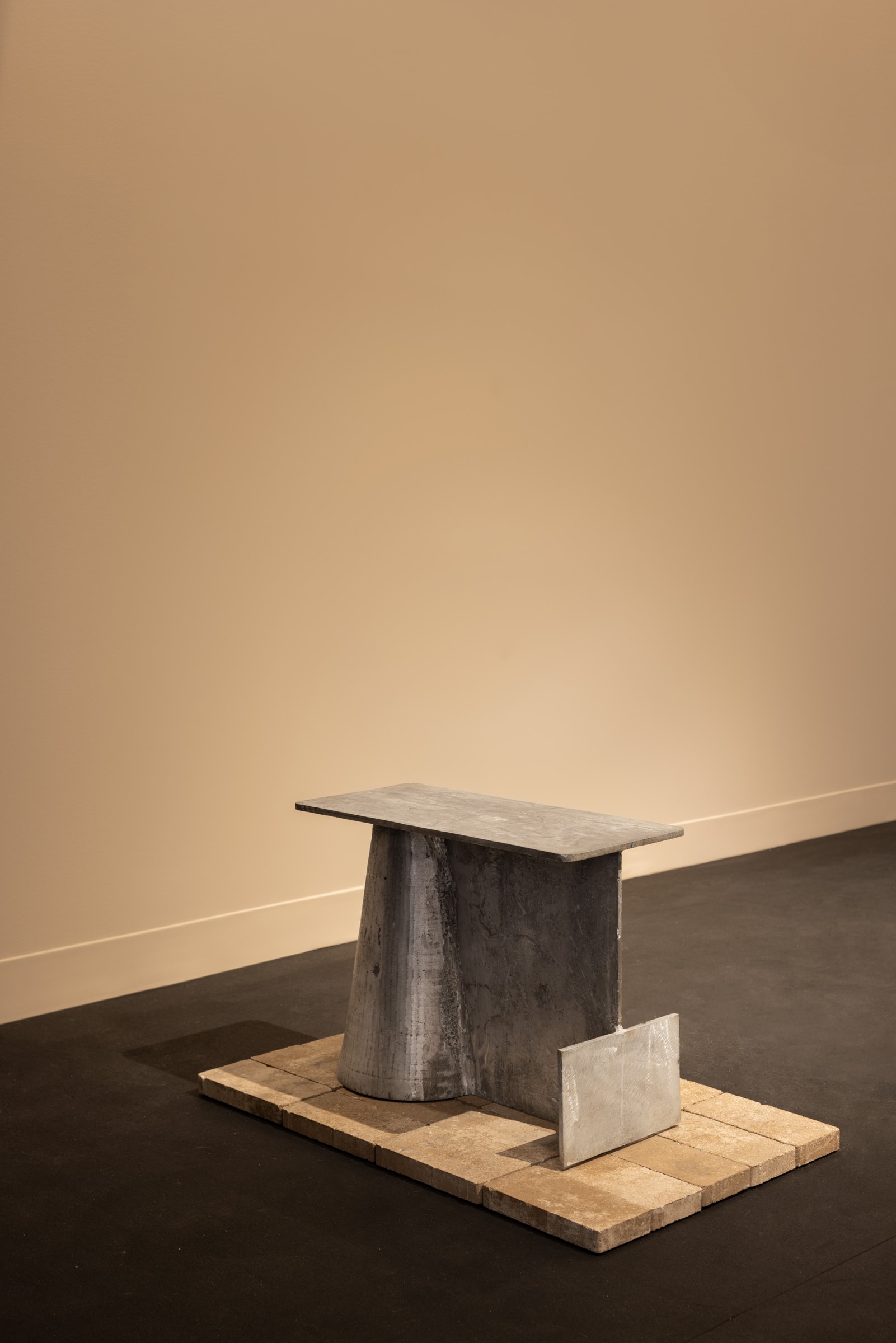
“Treat your context as an archive. Everything around you, the objects, the systems, the people, contains knowledge.”

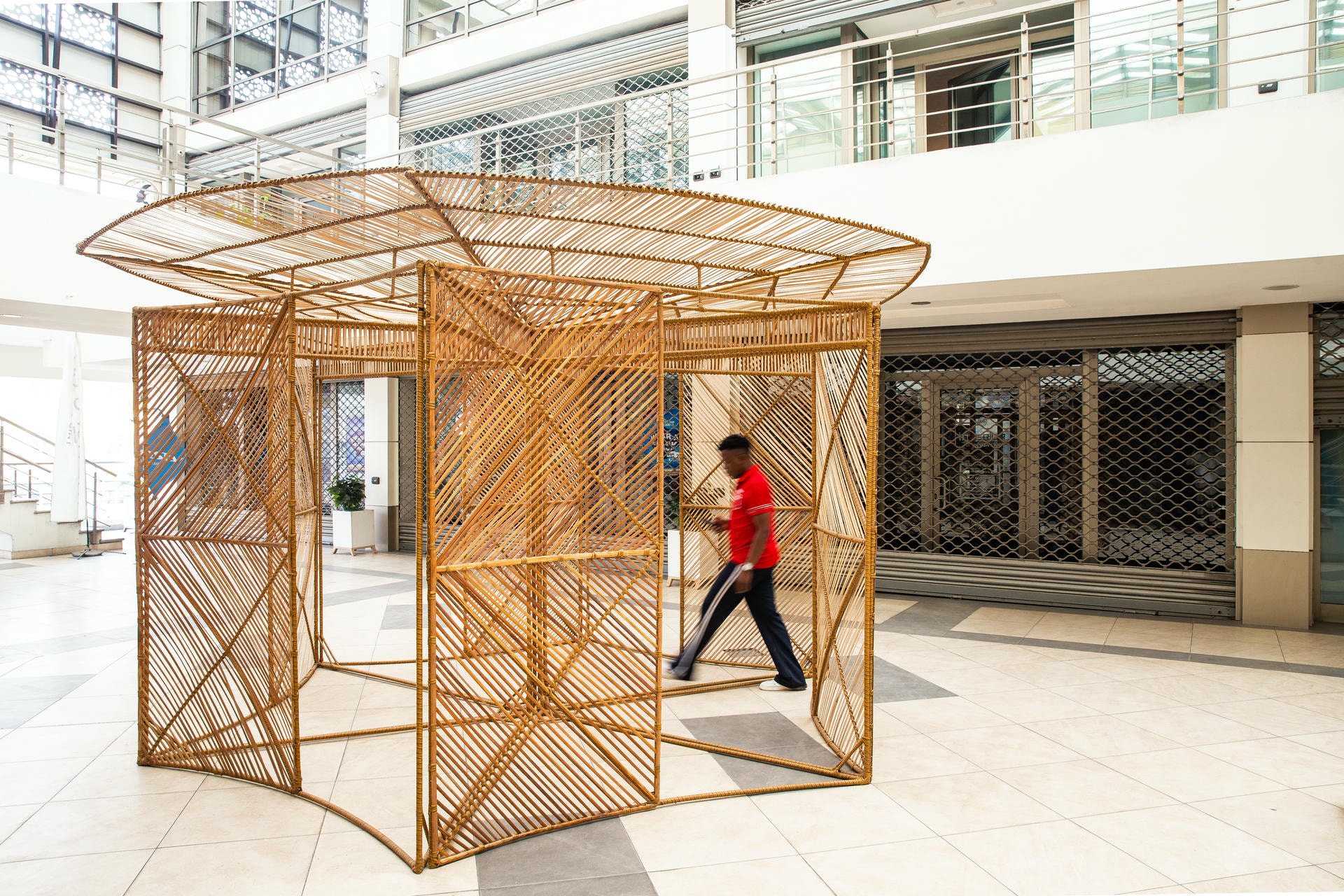
Photo by Jide Ayeni 
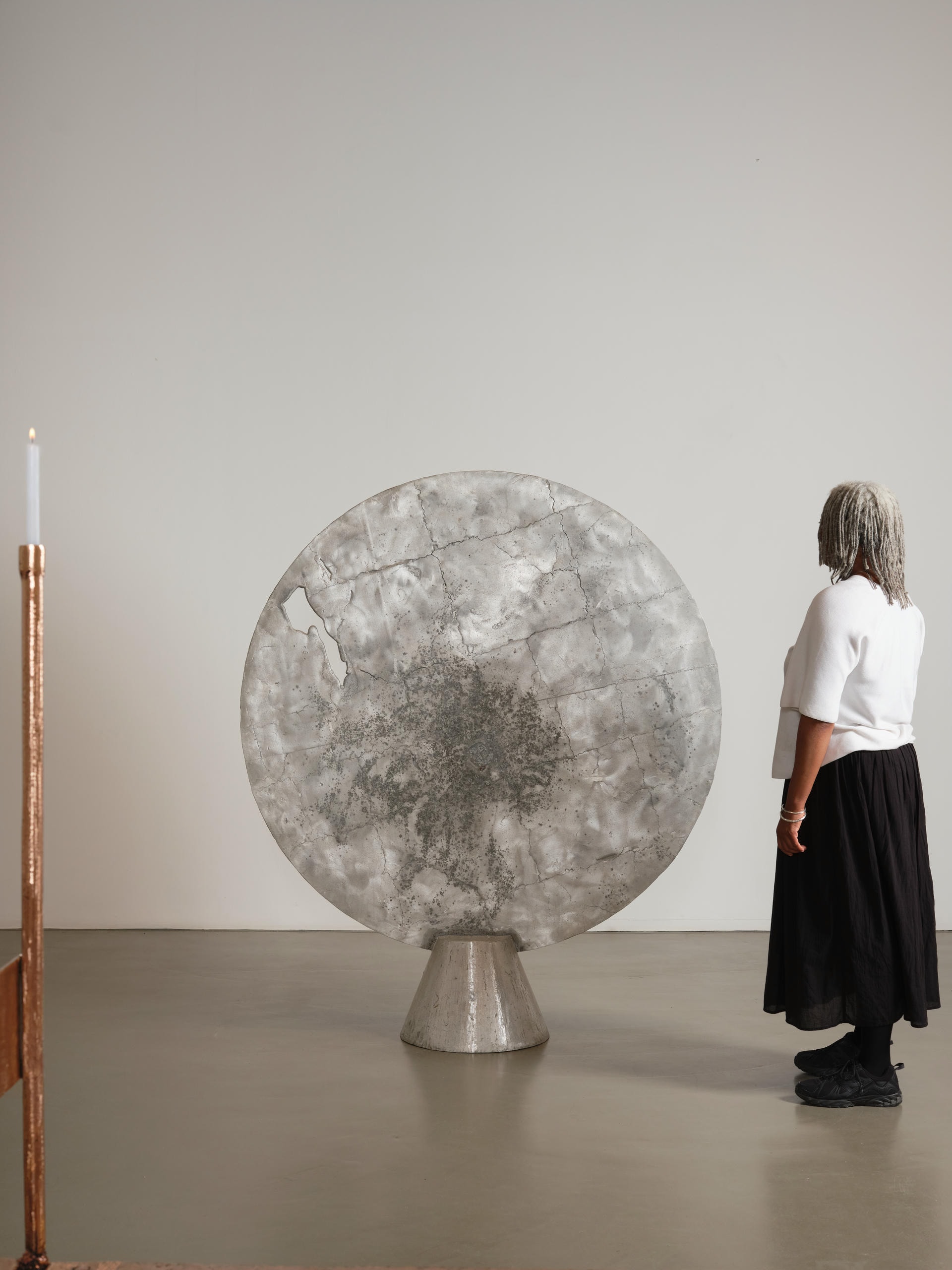
Photo by Eric Petschek 
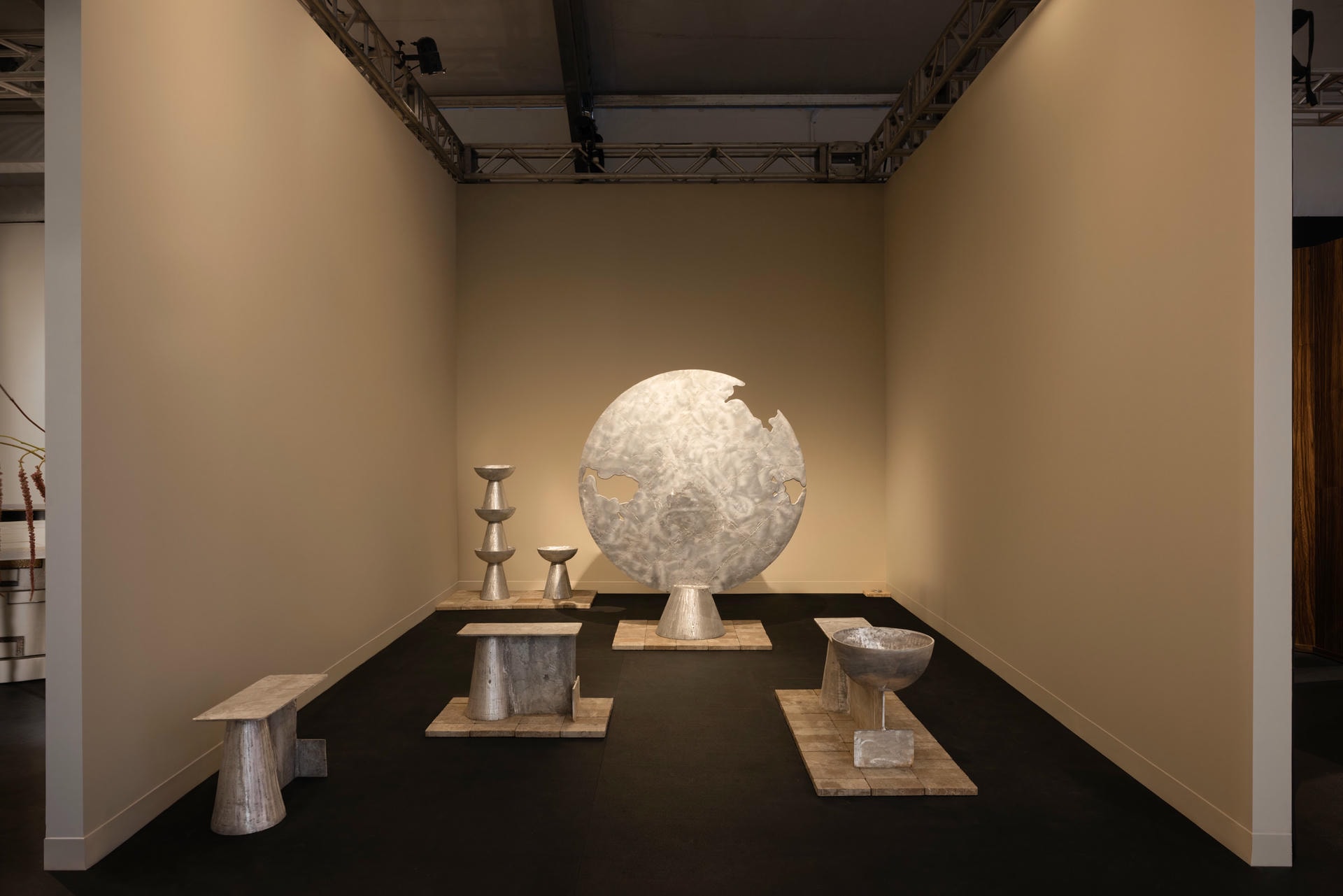
Photo by Eric Petschek 
SHARE :