Rebecca James
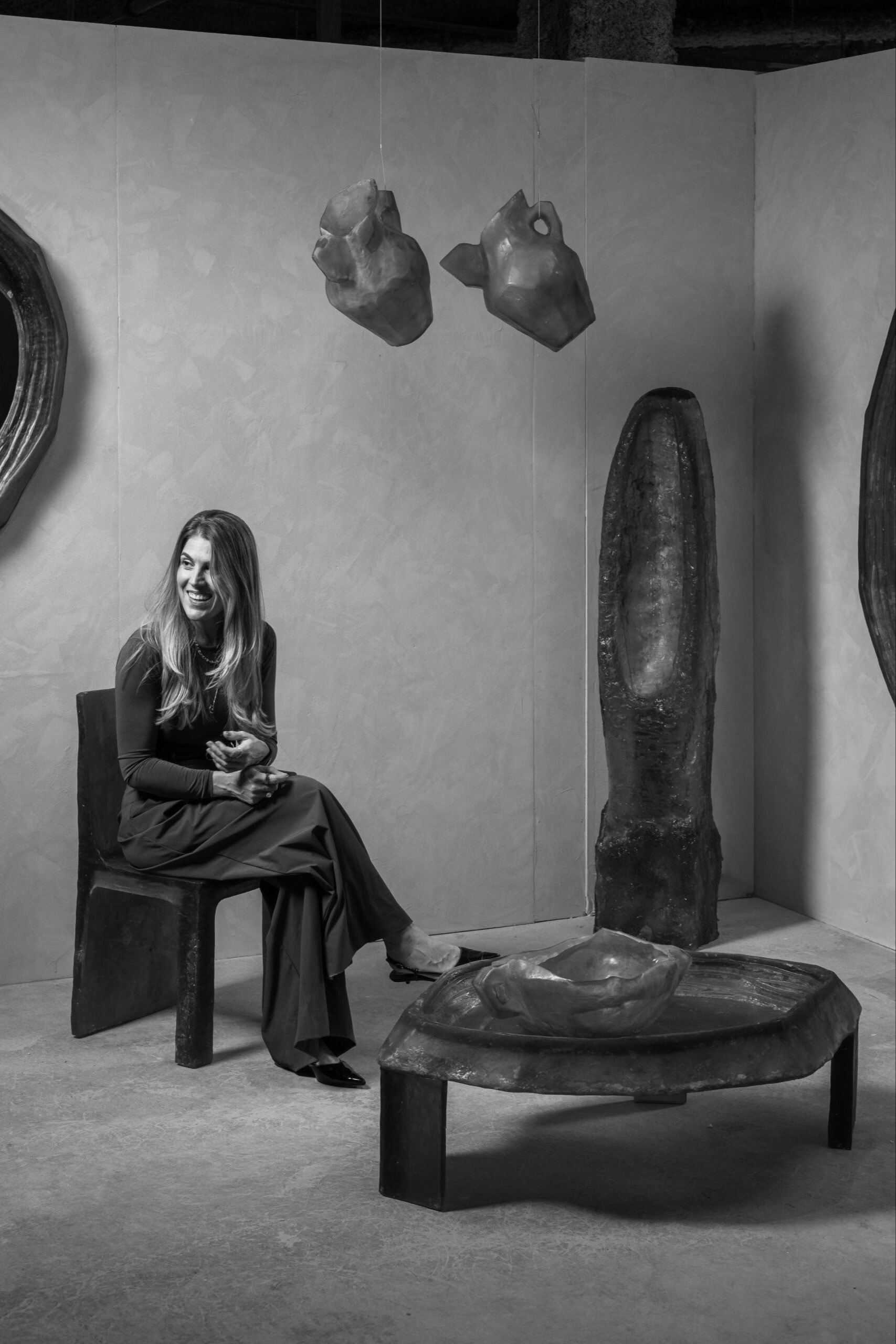
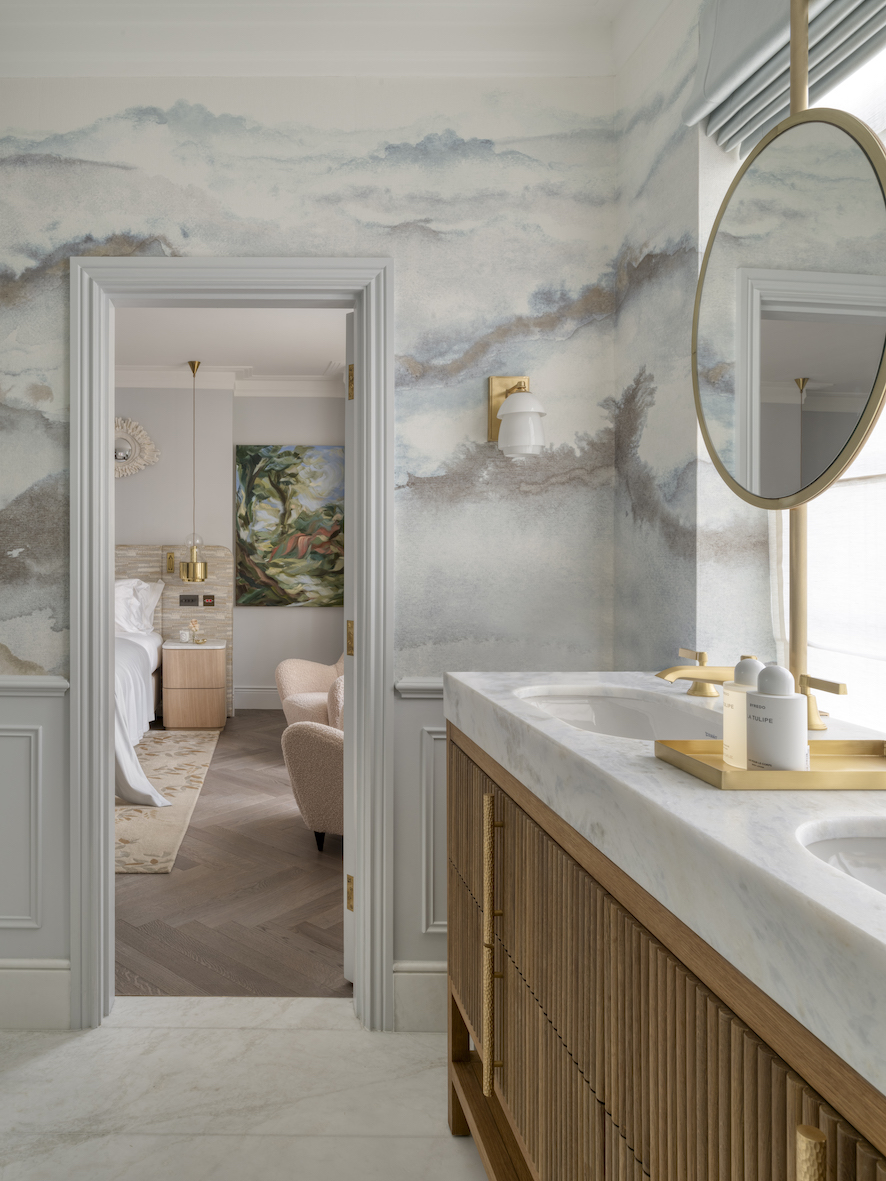
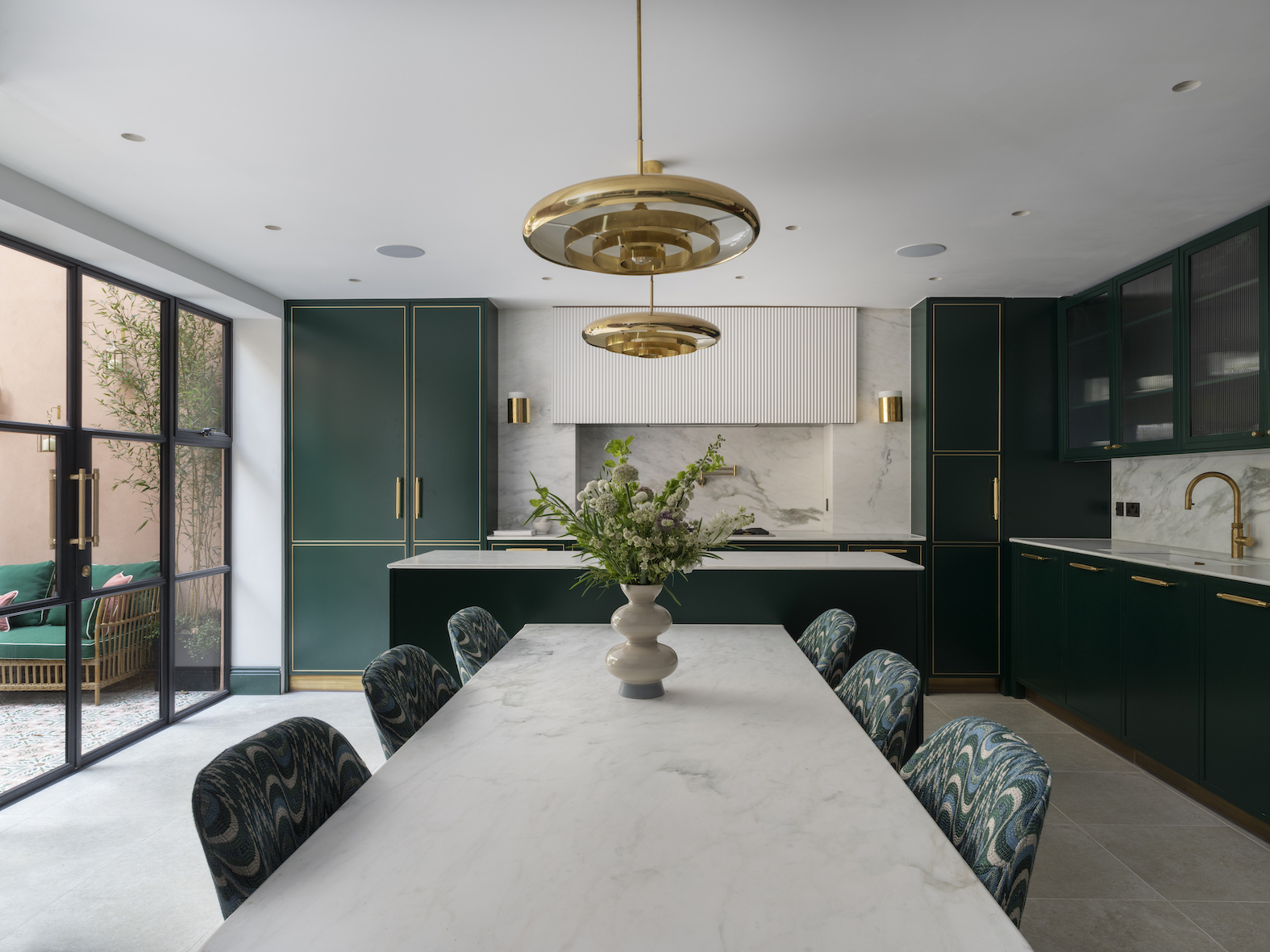
Rebecca James is the founder and creative force behind Rebecca James Studio, a practice known for crafting distinctive, character-driven interiors that balance timeless elegance with a contemporary sensibility. Drawing inspiration from both the past and present, her work reflects a thoughtful dialogue between architecture, fashion, art, and the personal stories of her clients.
Recognised for bold yet refined compositions, Rebecca approaches each project with meticulous attention to detail, creating spaces that feel layered, harmonious, and deeply individual. Her interiors are often defined by rich materiality, expressive contrasts, and a carefully curated sense of atmosphere.
A passionate admirer of Impressionist and Contemporary Art, Rebecca also enjoys painting in her spare time, an artistic sensitivity that continues to inform her creative approach and visual language.
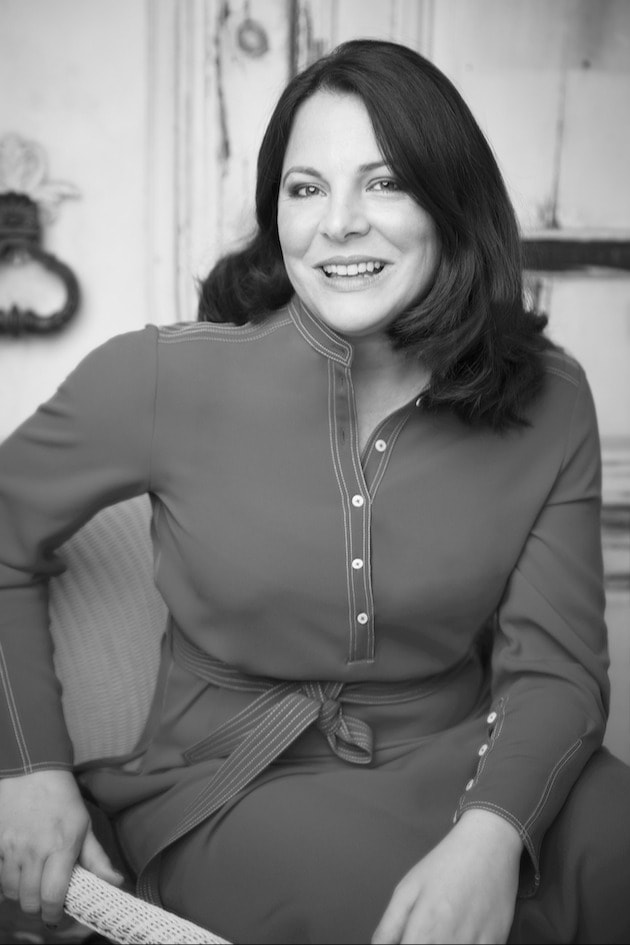
“Design is all about innovation, and sometimes the most unexpected choices lead to the most interesting and successful outcomes.”
INTERVIEW
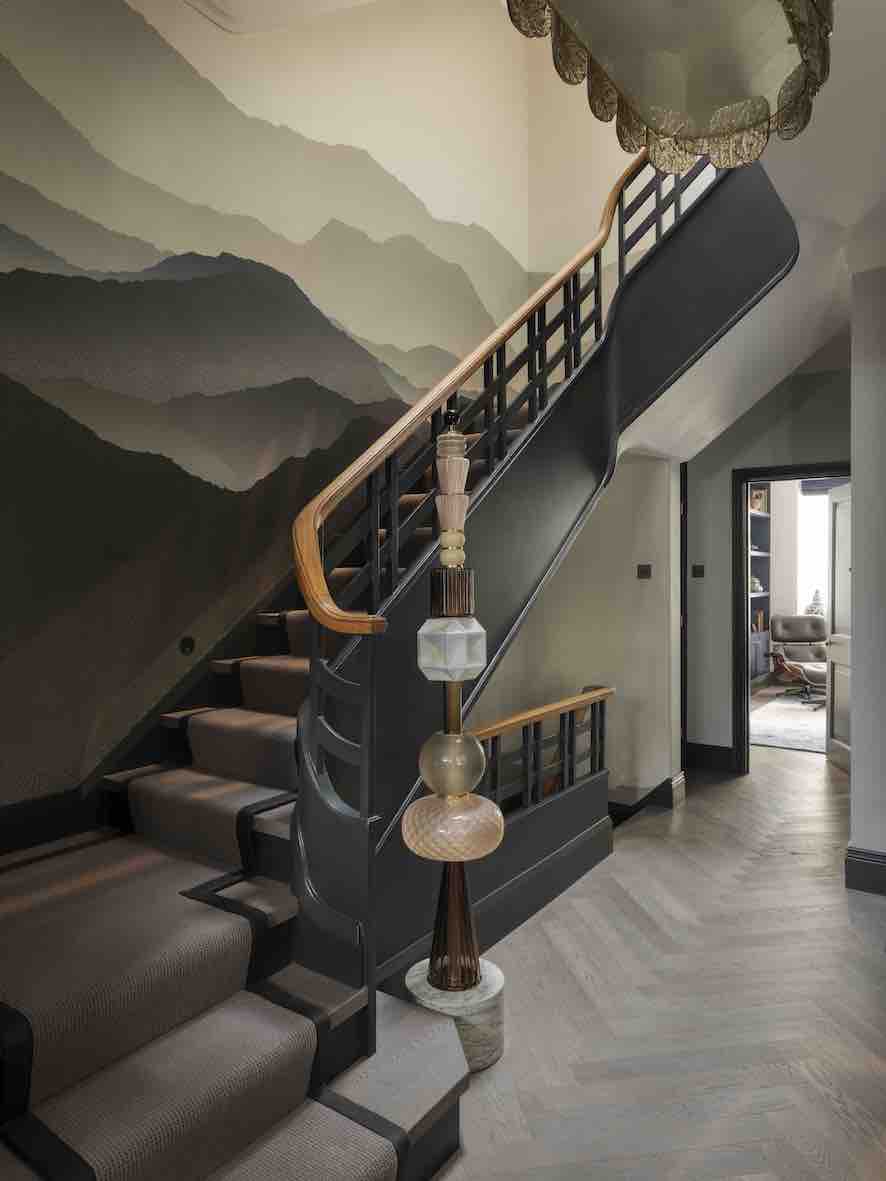
I’ve been privileged to work on many exciting projects over the years, but I particularly enjoy the challenge of working on projects abroad. One of my favourite experiences was a residential project in the South of France. Not only was the setting absolutely stunning, but I had the opportunity to collaborate with local artisans and source materials regionally, which gave the home a real sense of place.
I’ve been passionate about interior design for as long as I can remember. Even as a child in boarding school, I would constantly rearrange the furniture, instinctively seeking balance and harmony in a space. However, my path to becoming an interior designer wasn’t entirely linear. I initially trained as a ballet dancer, but an injury cut my career short. From there, I transitioned into fashion modelling, which exposed me to the world of aesthetics and design in a different way. Eventually, I decided to follow my true calling and enrolled at Chelsea College of Art to study interior design. My big break came when I designed my own flat—it caught the attention of the press, and that momentum led me to establish my own design studio.
Yes, there was a defining moment that truly shaped my career. A few years after founding my studio, we were commissioned to design a Grade II listed townhouse in Central London—our largest project at the time. The client gave us incredible creative freedom, which allowed us to push boundaries and create something truly special. The project went on to win several design awards and received significant press coverage, which was a turning point for us. It not only elevated our profile but also opened the door to new opportunities, including our first hospitality projects. That moment marked a new chapter of growth and expansion for the studio.
For me, successful interior design comes down to good communication and an open-minded approach to new ideas and possibilities. The best projects often emerge from a fluid, collaborative process between my studio, the client, and our suppliers. Flexibility and a willingness to explore different perspectives can lead to truly remarkable outcomes. Beyond design itself, I believe the key to success in this industry is professionalism, patience, and kindness. Interior design projects can be complex and lengthy, and the ability to communicate clearly and work harmoniously with others is essential. Simply put, being a decent, respectful person goes a long way—it fosters strong relationships and ultimately leads to better results for everyone involved.
I am always inspired by the overall architecture and history of the buildings we are working in. Each space has its own story, and I find that embracing its character helps shape the design direction. Equally important is understanding my clients—their personality, lifestyle, and aspirations. This connection allows me to create spaces that feel both personal and authentic. My starting point can vary; sometimes, it’s sparked by a colour, a beautiful rug, or a striking piece of art that sets the tone for the entire design. I typically begin with hand sketches, allowing ideas to flow organically. From there, I refine and develop the concept, layering textures, materials, and details to bring the vision to life.
I wouldn’t say I have a strict signature style, as I believe every project should be a reflection of the client’s individual needs and personality. However, there are certain design principles I always stand by. I strive to create calm, cohesive environments that feel warm, inviting, and effortlessly elegant. I also have a strong affinity for blending contemporary and antique pieces—this mix adds depth, character, and a sense of timelessness to a space.
One of my strongest attributes is my love for colour in all its shades and forms. I enjoy experimenting with different tones and combinations to bring energy, depth, and personality into a space. Colour has the power to transform a room, and I embrace it as a key element in my design process. For me, great design is about creating spaces that feel both harmonious and lived-in, where every detail enhances the overall atmosphere.
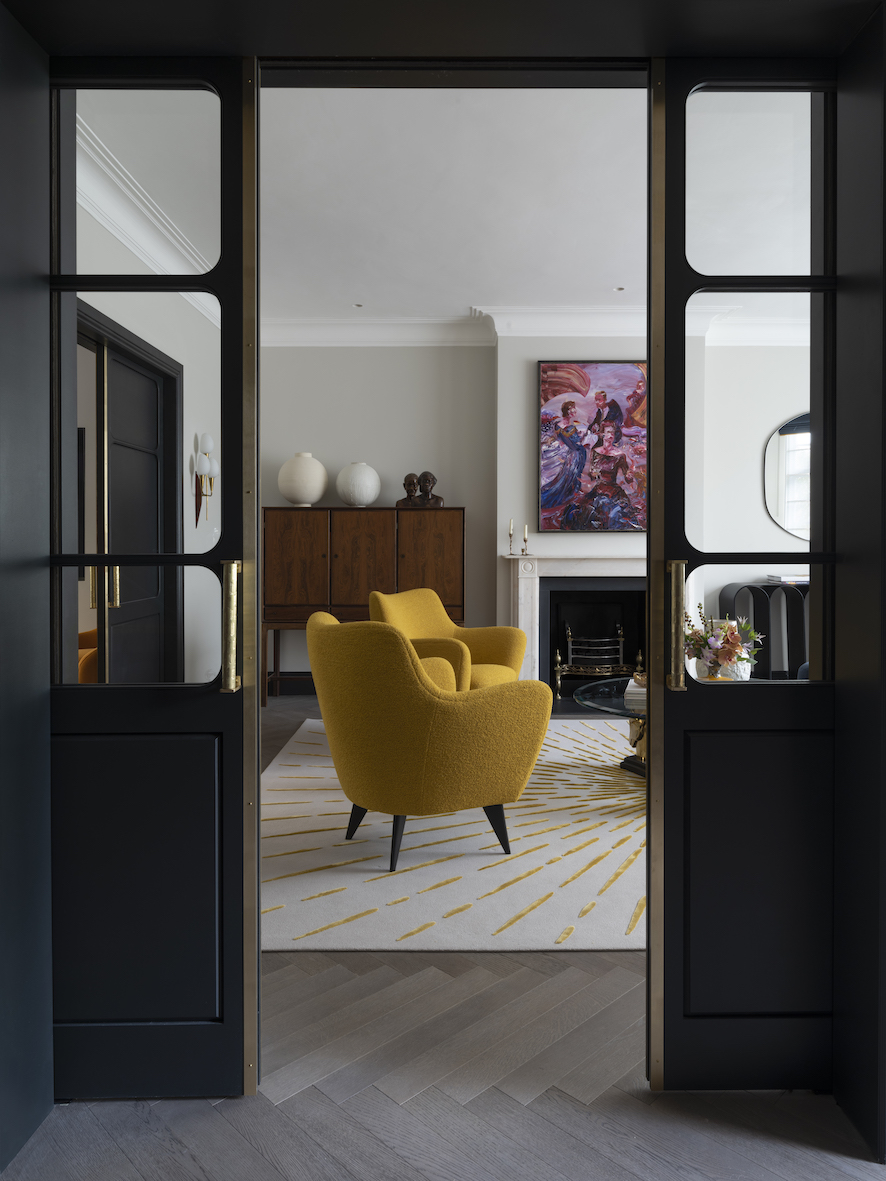
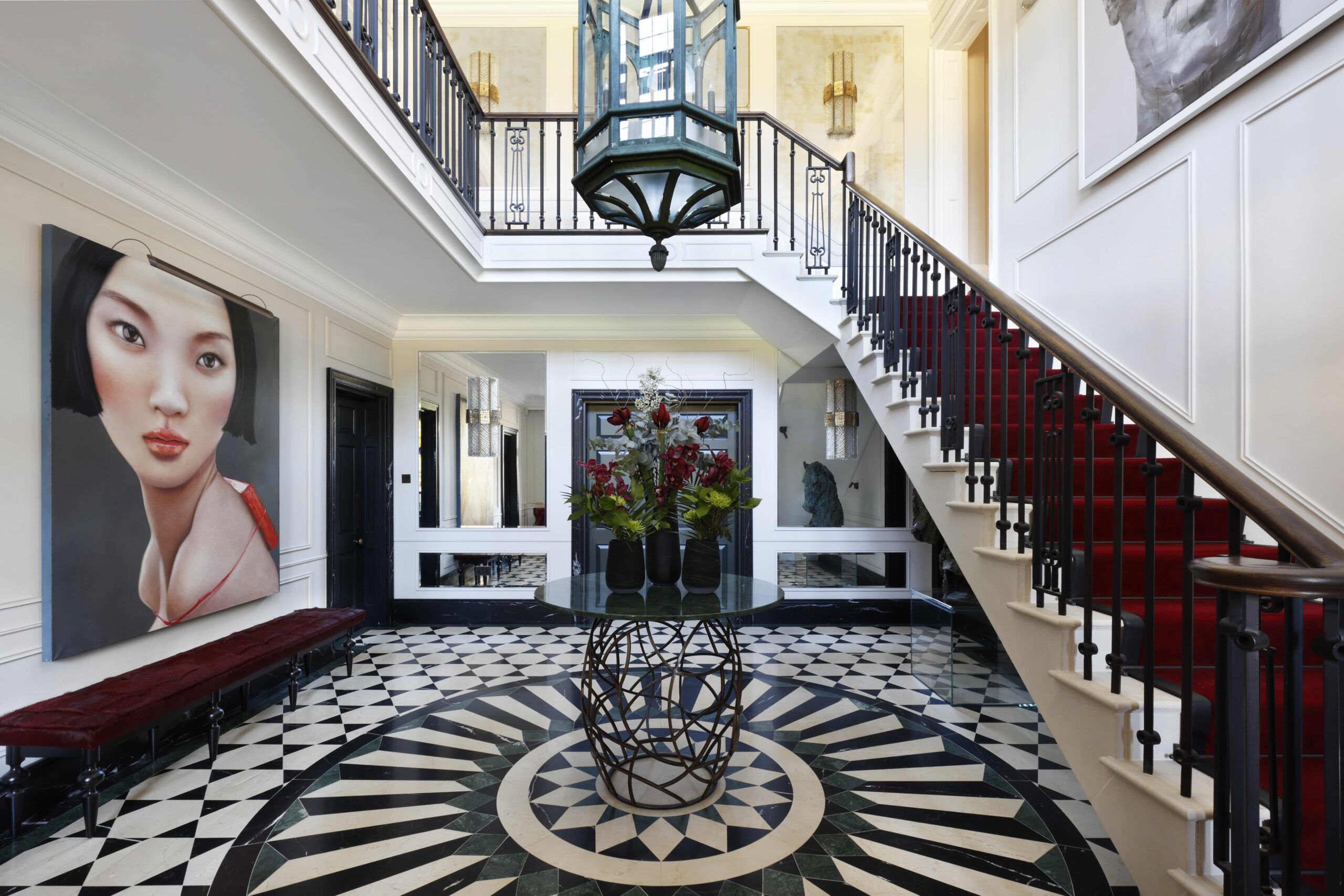
One of the hardest lessons I’ve learned in my journey is that no matter how much you plan, things don’t always go as expected. In the world of interior design, there are so many moving parts—unexpected delays, supplier issues, budget constraints—that you have to be adaptable and solution-oriented at all times. Early on, I used to take these challenges personally, but I’ve learned that setbacks are just part of the process.
Another important lesson is the power of saying no. As a designer, it’s tempting to take on every project or accommodate every request, but not every opportunity aligns with your vision or values. Learning to trust my instincts and set boundaries has been crucial in maintaining both the integrity of my work and a healthy work-life balance.
One of the most important aspects of interior design is getting the scale right. Playing with the suitable sizes of furniture and light fixtures can completely transform a space. A well-proportioned room feels balanced, cohesive, and inviting.
For example, in a grand living room with high ceilings, opting for a large statement chandelier and substantial furniture pieces will enhance the space rather than make it feel empty.
Conversely, in a smaller room, oversized furniture can overwhelm the space, while appropriately scaled pieces will create harmony and flow.
The best advice I’ve received is to be brave and unafraid to take chances or explore new ideas. Design is all about innovation, and sometimes the most unexpected choices lead to the most interesting and successful outcomes.
Pushing boundaries, embracing creativity, and trusting your instincts can transform a space into something truly unique and inspiring.
I would advise young designers to trust your instincts and stay true to your design philosophy. In an industry where styles and influences are constantly shifting, it’s easy to get caught up in what’s ‘in’ at the moment.
But the most successful designs are those that feel authentic and considered, rather than just following the latest fad.
This approach will guide you in creating spaces that not only look beautiful but also stand the test of time.
My husband and I are really passionate about contemporary art, and we love listening to Talk Art and The Great Women Artists podcasts. Both offer fascinating insights into the art world, featuring conversations with incredible artists, curators, and collectors.
I also recently read Rebel with a Cause, the autobiography of Darcus Beese (a client of mine), which I found truly inspiring. His journey in the music industry, breaking boundaries and shaping culture, resonated with me in many ways. While it’s not directly related to interior design, I believe creativity is interconnected across different disciplines, and stories like his offer valuable lessons on vision, perseverance, and staying true to your craft.
We’re currently working on a number of exciting residential projects in London, ranging in scale from two-bedroom flats to townhouses and a penthouse, where we’re merging two flats into one expansive home.
In addition to our residential work, we’re nearing completion on the renovation of The Scotch nightclub in St. James. This project is particularly special to me, as we originally designed the space 13 years ago. Being invited back to give it a much-needed refresh has been a wonderful full-circle moment, allowing us to modernize the space while preserving its iconic character.
Thank you so much Rebecca, for this lovely interview!
Share article :