I was born and live in Japan.
MAGAZINE · INTERVIEW
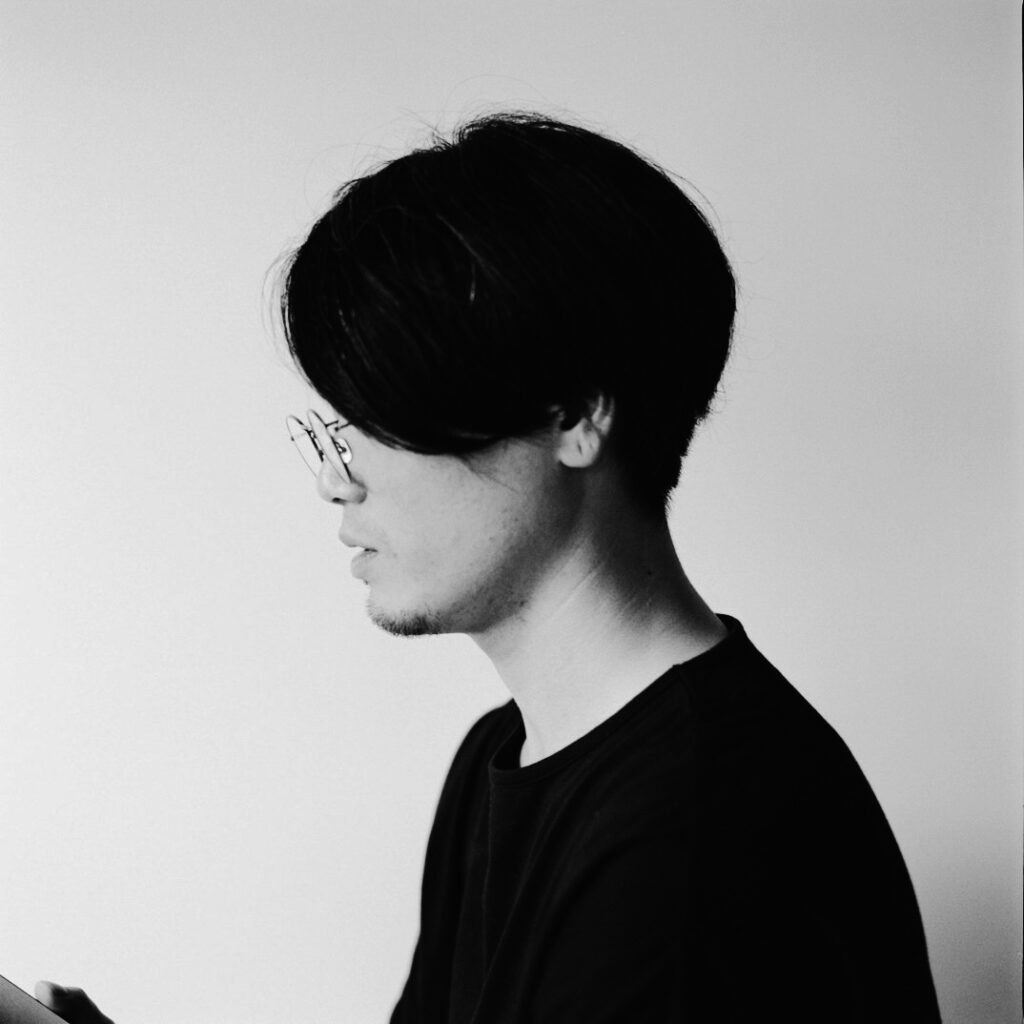
Shinji Wakasa
Shinji Wakasa is a Japanese designer and artist whose practice explores the relationship between material, process, and sculptural form. Working at the intersection of collectible design and contemporary craft, he creates furniture and objects distinguished by their quiet monumentality, tactile surfaces, and understated elegance. Rooted in a deep sensitivity to natural materials, his work embraces imperfection, allowing texture, time, and the making process to become integral elements of each piece.
Working primarily with wood, stone, and metal, Wakasa combines traditional craftsmanship with an experimental approach to construction and surface treatment. His practice investigates the expressive potential of materials through refined forms that balance structural clarity with organic irregularity, resulting in timeless works that blur the boundary between sculpture and functional design.
Let's know more about
Interview
Where were you born and where are you from?
What is your first memory connected to the art world?
It goes back to my childhood, I think. My father was a graphic designer, so I grew up in a house where there were font collections, photo material, and design books.
Have you always worked in the art/design field?
I don’t know. But I’ve always loved birds. Since I was a child. They have a wonderful musicality and sound. I think I was very influenced by them. I wanted to be just like them.
How would you describe your creative process and it influences?
It’s a very difficult question, because I don’t really know my creative process. Of course, I know when I started, but I think my work is automatic. I believe that the repetition of creating a piece, the repetition of playing an instrument, shapes me and thus resurfaces previously felt impressions, emotions, and sensations that have settled in my mind and that I have already forgotten, and automatically builds on these.
How would you describe your creative process and its influences?
First, I usually drink coffee when I wake up in the morning, then push the start button of the PC and the Synthesizer. After that, I go on a trip–hahaha!
If your works had to belong to a movement, in which one would you define it?
I think I am not interested in defining a movement or a category for my work. If people listen to my work, they can decide!
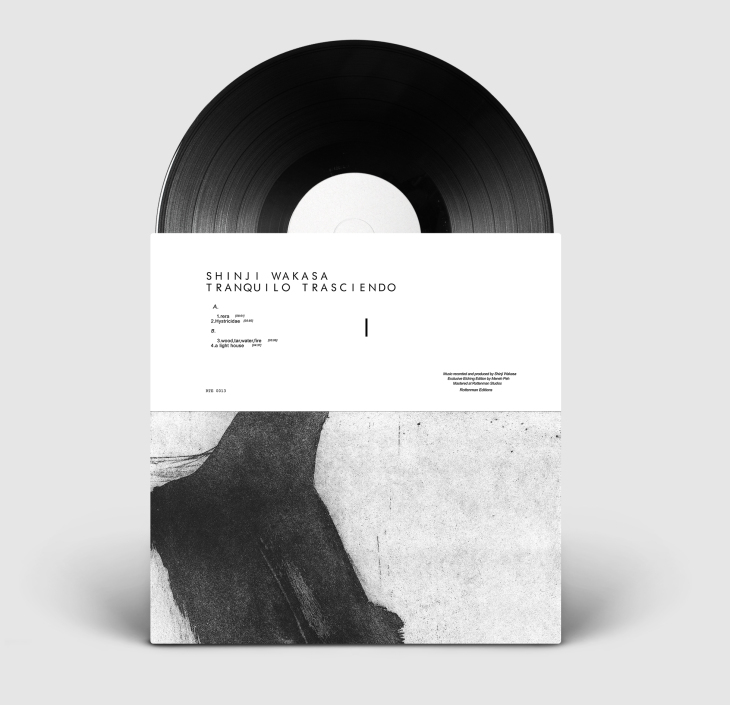
What composing means to you?
I think it’s just like “daydreaming.”
If you had to describe music freely, what words would you choose?
Architecture and sculpture melt in the air.
If you had to summarize your creations in one word or sentence, what would it be?
“Dream diary”
What qualities should a musician have?
Well, I think anyone can do it. If I had to choose, I would say “To be interested, or not to be interested”.
Can you talk about your relationship to the image and/or the relationship of your music to the image?
It’s a very important question for me. Images are of utmost importance in my work. They can influence all of my work and how I do it. When everything goes smoothly, leave it as it is. All you have to do is just adjust the sound at the end. But other ones force the image into shape. At first, I gradually tame the image, very much like a stray dog that can’t be ordered as I say. At one point, it becomes “friend” with the image, and it changes into something that was never imagined. And I say thanks when it is done.
What contemporary artists, in any kind of art, have you been inspired by?
One of those is Doug Aitken (Contemporary video installation artist). I really love and always get inspired by him.
Is there anything you would like to add?
I love the world. Thank you.
“Architecture and sculpture melt in the air.”
The Questionnaire
The Questions
(The Proust Questionnaire is a set of questions answered by the French writer Marcel Proust.
Other historical figures who have answered confession albums are Oscar Wilde,
Karl Marx, Arthur Conan Doyle, Stéphane Mallarmé, Paul Cézanne…)
What is your idea of perfect happiness?
Own your own way.
What is your greatest fear?
Confined space.
What is the trait you most deplore in yourself?
Prejudice.
What is the trait you most deplore in others?
Prejudice.
Which living person do you most admire?
I think: my friends.
What is your greatest extravagance?
Ah… Going to Onsen ♨︎.
What is your current state of mind?
It’s good.
What do you consider the most overrated virtue?
Blood relative.
What is the quality you most like in a man?
Someone who is trying to master something.
What is the quality you most like in a woman?
Someone who is trying to master something.
Which words or phrases do you most overuse?
Really.
Which talent would you most like to have?
It’s my good ear haha A good ear. Haha!
If you could change one thing about yourself, what would it be?
I don’t want nothing change everything I don’t want to change anything.
What do you consider your greatest achievement?
I haven’t done anything yet, so I’ll do my best from now on – totally.
If you were to die and come back as a person or a thing, what would it be?
I think I wanna be a Bird.
Where would you most like to live?
In a forest, near by a river.
What is your most treasured possession?
Richness of emotions, perspective of things.
What do you regard as the lowest depth of misery?
Despair and fiction.
What is your favorite occupation?
Painter.
What is your most marked characteristic?
Texture of sounds.
What do you most value in your friends?
Respect for each other.
Who are your favorite writers?
Franz Kafka, Ryunosuke Akutagawa.
Who is your hero of fiction?
Totoro.
Which historical figure do you most identify with?
I have no idea, haha.
Who are your heroes in real life?
Actually Satoshi Ashikawa and his works.
What are your favorite names?
My name: Shinji.
What is it that you most dislike?
All prejudice and tuning pressure.
What is your greatest regret?
Why weren’t you born as a bird?
How would you like to die?
If I can, in a quiet environment.
What is your motto?
Enjoy the change of everything.
“The repetition of creating a piece shapes me and resurfaces previously felt impressions, emotions, and sensations.”
SHARE :